
Table of Contents
- Vancouver with Kids at a Glance
- Best Attractions by Age Group
- Stanley Park with Kids: The Family Playbook
- Indoor & Rainy-Day Activities
- Best Playgrounds in Vancouver
- Family Beaches
- Family-Friendly Hotels in Vancouver
- Kid-Friendly Restaurants
- Family Day Trips from Vancouver
- Strollers, Car Seats & Transit with Kids
- Babies & Toddlers in Vancouver
- Teen-Tested Activities
- Safety Notes for Families
- Passes and Combos Worth Considering
- Frequently Asked Questions
Vancouver might be the most kid-friendly big city in North America. Every attraction is short-ride-accessible by transit, kids 12 and under ride free, the beaches are genuinely clean, and the city is engineered around strollers and accessibility. What this guide cares about is what actually works with real families: where a 4-year-old can melt down without ruining the day, where strollers fit (and where they don’t), and honest age windows so you can match each attraction to each kid. No filler. Just the family playbook for Vancouver.
Vancouver with Kids at a Glance
Quick orientation for first-time family travellers:
- Public transit: TransLink buses, SkyTrain, and SeaBus are fully stroller-accessible, and kids 12 and under ride free, no paying adult required. A one-zone adult fare is $3.50 by tap or cash ($2.85 on Compass stored value), and an all-zone adult DayPass is $12.55. No car needed for most of the trip.
- Walkability: Downtown, Stanley Park, Granville Island, and the Seawall are all flat, paved, and stroller-friendly. The North Shore attractions (Capilano, Grouse, Lynn Canyon) are easy day trips by SeaBus and bus.
- Weather: Plan for rain from October through April. Rainy-day indoor options (Science World, Kids Market, Space Centre, libraries) are excellent — see the dedicated section below.
- Best months for families: Late June through early September for beach weather, pools, and the full outdoor festival calendar. Late March to early April for cherry blossoms, Spring Break programs, and thinner crowds.
- Car seats: BC law requires child restraints for kids under 9; a child in a booster stays in it until reaching 145 cm (4’9″) or turning 9, whichever comes first. Ordinary taxis are exempt, but ride-hail cars (Uber/Lyft) are not. Bring your own or rent via BabyQuip.
Best Attractions by Age Group
Kids’ attention spans are strongly age-bound. Match attractions to the right age window and everyone has a better day.
Ages 0–3 (Toddlers & Babies)
Focus on open spaces, short attention windows, and tolerant environments.
- Stanley Park Seawall walks — flat, scenic, endless photo ops; the stretch around the park is about 9 km, so pick a section that suits short legs.
- Lost Lagoon — shorter flat loop, swans and herons, benches for nursing breaks.
- Second Beach playground + water park (seasonal, June–September) — free sprayers and climbing structures.
- Maplewood Farm (North Vancouver) — classic petting farm with goats, rabbits, chickens; daily 10 a.m.–4 p.m.
- Kids Market on Granville Island — an indoor playground with a ball pit and slide, plus kid-focused shops. Easy diaper changes on site.
Ages 4–7 (Pre-K & Early Elementary)
This is the sweet spot for most Vancouver attractions. Kids are engaged, walkable, and not yet too cool.
- Science World — purpose-built for this age group. Hands-on, immersive, full-day worth of exhibits.
- Vancouver Aquarium — still one of the top family experiences, especially for curious preschoolers and early-elementary kids.
- FlyOver Canada — 4D flight-simulator ride over Canadian landscapes. Check the rider rules on FlyOver Canada’s site before you promise a small child a seat.
- Kids Market (Granville Island) — bumper cars, VR, and an indoor playground.
- Stanley Park horse-drawn tours — hour-long narrated ride through the forest and along the Seawall.
- Maplewood Farm — still a hit through age 7.
Ages 8–12 (Elementary & Tween)
Bigger thrills, longer attention, and real curiosity about how the world works.
- Grouse Mountain — Skyride gondola, the Refuge for Endangered Wildlife (Grinder & Coola grizzly bears), Lumberjack Show, Birds in Motion demonstration, Mountain Ropes Adventure, and the paragliding platform.
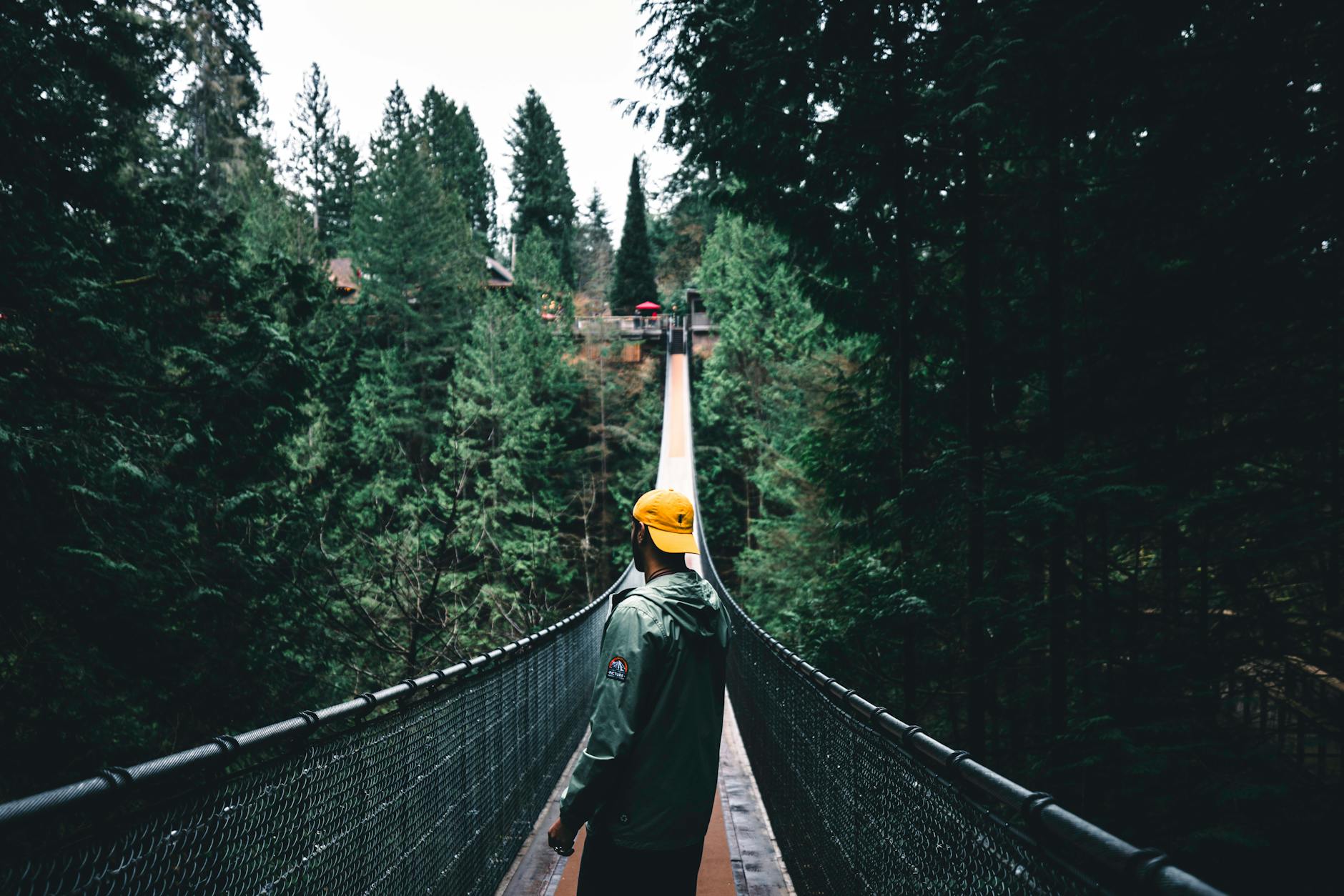
- Capilano Suspension Bridge Park — bridge, Cliff Walk, Treetops Adventure. Kids 6+ are typically fine; younger kids may need a carrier on the bridge.
- Playland at the PNE — classic amusement park; best for 10+ who can ride the thrill coasters. Family rides cover younger kids, each with its own height and accompanying-adult rules, and children 3 and under get in free.
- Richmond Olympic Oval & Olympic Experience museum — former speed-skating venue with interactive sports exhibits; drop-in skating, rock wall, and ice.
- H.R. MacMillan Space Centre — planetarium shows, live science demonstrations, and the Cosmic Courtyard gallery; a good fit for space-curious kids.
Teens
Teens need autonomy, some thrill, and reasons to be offline.
- Grouse Mountain adventure — summer ziplines and tandem paragliding, winter skiing and snowboarding. Check Grouse Mountain’s site for what’s running and each activity’s age rules before you go.
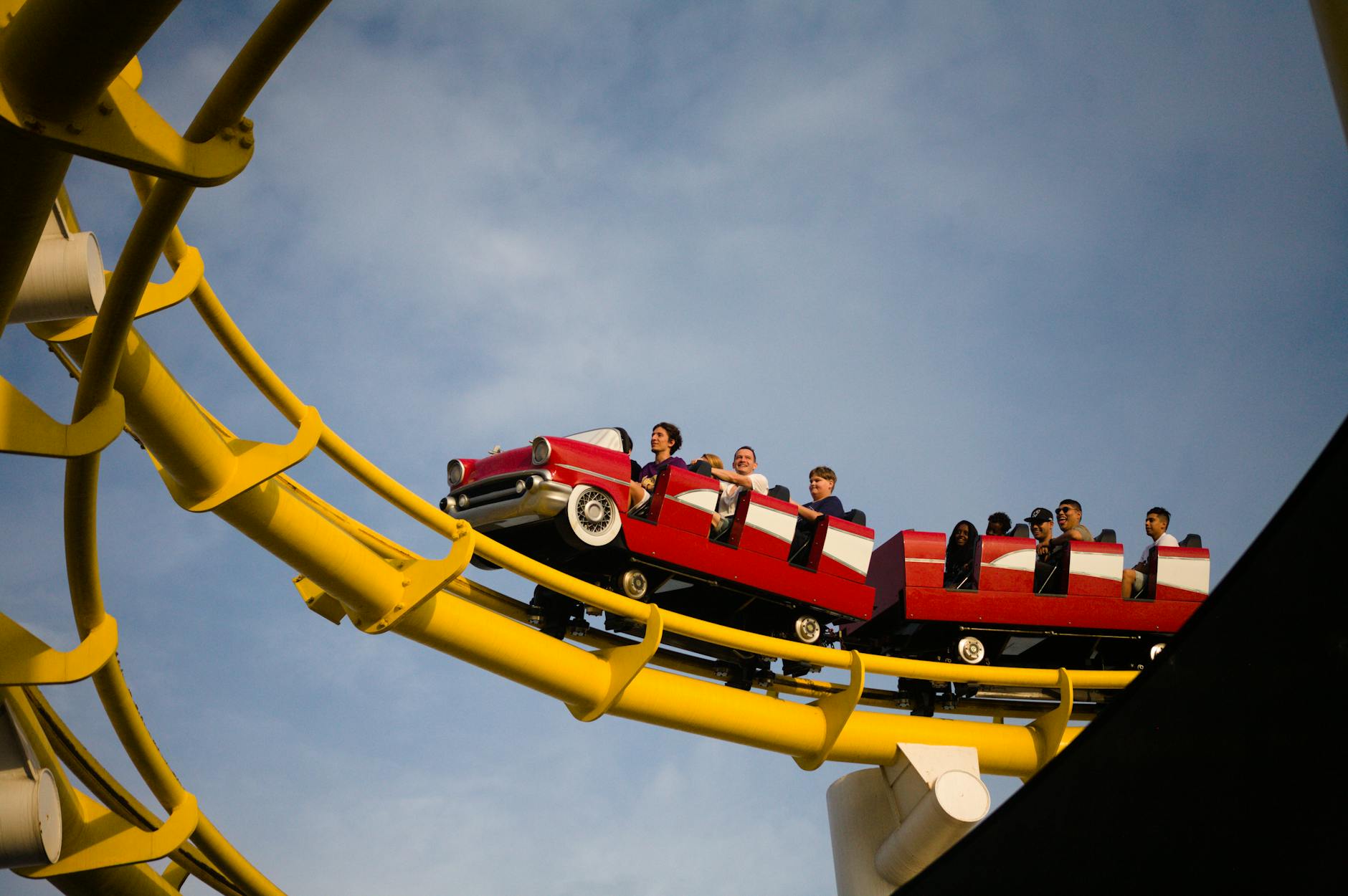
- Playland thrill rides — the Beast and Coaster (a wooden coaster built board by board in 1958) for roller-coaster fans.
- Whistler day trip — Peak 2 Peak Gondola, downhill mountain biking at Whistler Bike Park, summer alpine trails.
- Cypress Mountain snow tubing (winter) — the most casual way to get teens on snow without paying for lift tickets.
Stanley Park with Kids: The Family Playbook
Stanley Park is the single best destination in Vancouver for families: 405 hectares threaded with kid-specific activities. Here’s what’s worth your time and what’s not.
Second Beach zone. On the park’s west side, Second Beach groups several kid amenities together. You’ll find a large sandy beach with summer lifeguards, the Second Beach Outdoor Heated Pool (a summer-season pool; the 2026 season ran May 16 to September 7, with adult admission $7.93 before tax and ages 0–4 free), the Ceperley Playground (wooden castle-themed), and the seasonal Stanley Park Water Park with free spray features.
Brockton Point and Lumbermen’s Arch. On the park’s east-facing shore, Brockton Point has the iconic Totem Poles, culturally important and an easy stop on a seawall walk. Lumbermen’s Arch also has a small seasonal water park and a large open lawn great for picnics and toddlers.
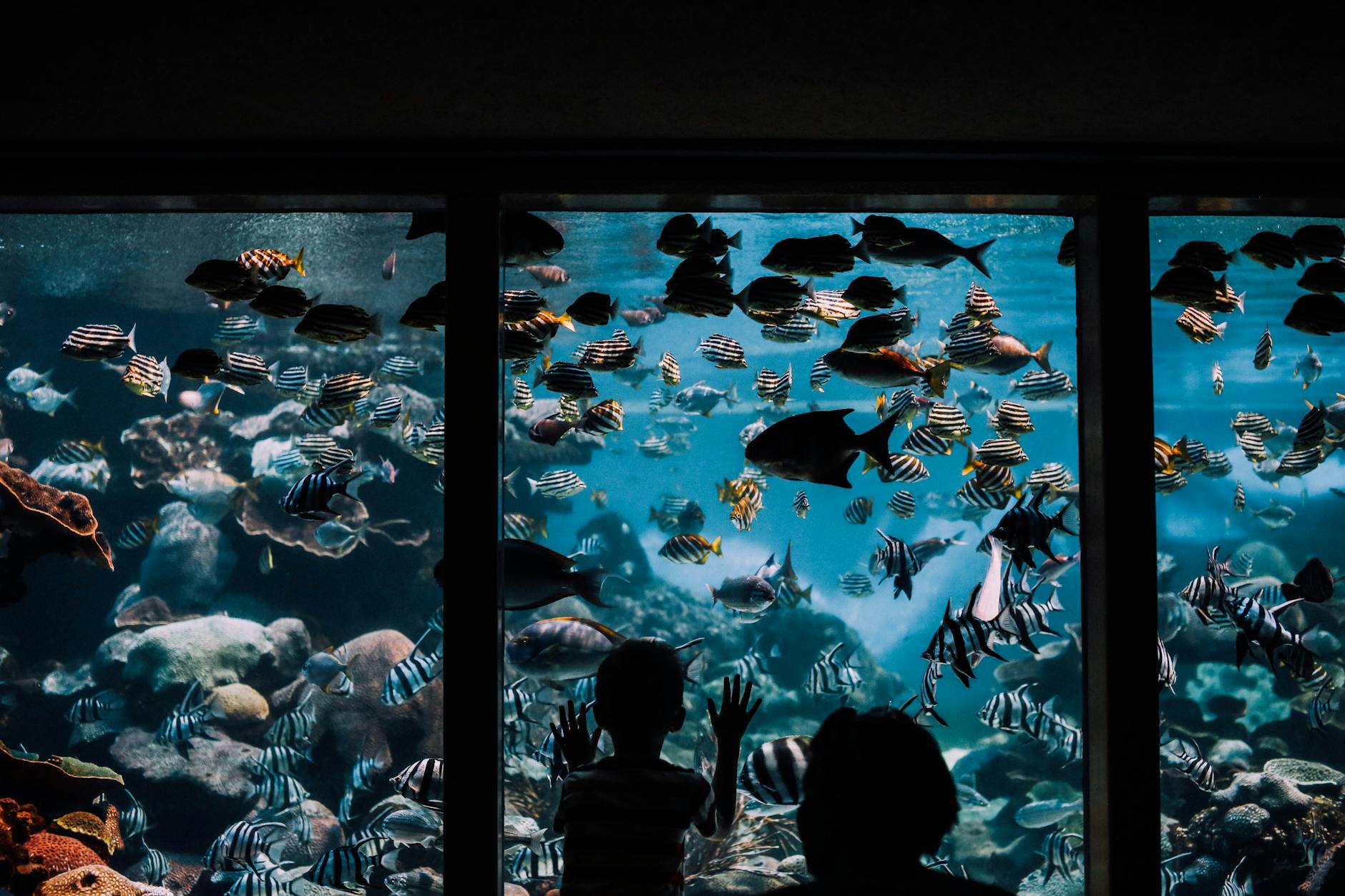
Vancouver Aquarium. 845 Avison Way, inside Stanley Park. Canada’s largest aquarium. Adult admission (ages 13–64) runs $41.95 to $57.95 plus tax, depending on the date you book; children 3–12 get discounted tickets and under-3s go free. Allow 2–3 hours. Jellyfish and 4D theatre are the stand-outs with younger kids.
Lost Lagoon Nature Trail. A loop around the lagoon, with a nature house along the way. Perfect for strollers.
What’s no longer at Stanley Park: The Children’s Farmyard has been permanently closed since 2011 — ignore any older blog post that still mentions it. The historic Miniature Train is suspended: it sat out 2025, and the Park Board is exploring new ways to operate it. Before making the train a centrepiece of your day, check the Park Board’s Stanley Park page for current status.
Indoor & Rainy-Day Activities
October through April, expect rain. These are the venues that save trips.
- Science World — 1455 Quebec St. Admission: Adult (19+) $37.50, Senior (65+) and Youth (13–18) $30.50, Child (3–12) $25.50, 2 and under free. Open seven days a week. The full-day rainy-day winner. Watch for feature exhibits (early 2026 featured the Artemis Space Adventure with LEGO).
- H.R. MacMillan Space Centre — 1100 Chestnut St (Vanier Park). Open seven days a week. Adult (19–54) $27.50, Youth (12–18) and Senior (55+) $25.50, plus tax. Pay-what-you-can first Sunday of the month. The observatory is closed until further notice.
- Museum of Vancouver — same Vanier Park site as the Space Centre. Thu–Sat until 8 p.m. Pay-what-you-can first Sunday. Interactive social history of the city.
- Vancouver Maritime Museum — 1905 Ogden Ave. Tue–Sun 10 a.m.–5 p.m. 2026: Adult $22, Senior/Student/Youth $17.50, under 5 free, Family (2 adults + 4 kids) $48.50. Pay-what-you-can first Sunday. The St. Roch Arctic schooner is the centrepiece.
- Kids Market on Granville Island — 1496 Cartwright St. Kid-focused shops, an indoor playground, bumper cars, VR rides, and the Circuit Circus arcade.
- Vancouver Public Library Central Branch — downtown, and free. Large children’s library on the lower level, storytime events, and the rooftop garden (seasonal) gives kids a break.
- Go Bananas (North Vancouver) — indoor playground for burning off energy on a wet afternoon. Best for ages 1–12.
- Kidtropolis (Richmond) — pretend-play city with a mini dental office, grocery store, fire station, hospital, and bank. Best for ages 3–8.
Best Playgrounds in Vancouver
- Ceperley Playground (Stanley Park) — west side near Second Beach. Large wooden castle-themed structures. Washrooms and concession nearby.
- Second Beach Playground — seaside, adjacent to the pool and Seawall.
- Hinge Park / Habitat Island (Olympic Village) — accessible, nature-themed play, with tidal channels and native plantings; fully wheelchair and mobility-device friendly.
- Granville Island Water Park — a free waterpark, but closed for the rest of the 2026 season after water restrictions shut the splash park. Check False Creek Community Centre’s site for next summer’s opening.
- David Lam Park — Yaletown seawall park with playground, large lawn, spray fountains (seasonal).
- Douglas Park — West Side residential park with a beloved spray park and playground; popular with local families.
- Connaught Park — Kitsilano, large playground with a wading pool in summer.
- Jericho Beach Park — playground set among picnic tables, sailing centre, and the long Spanish Banks stretch.
Family Beaches
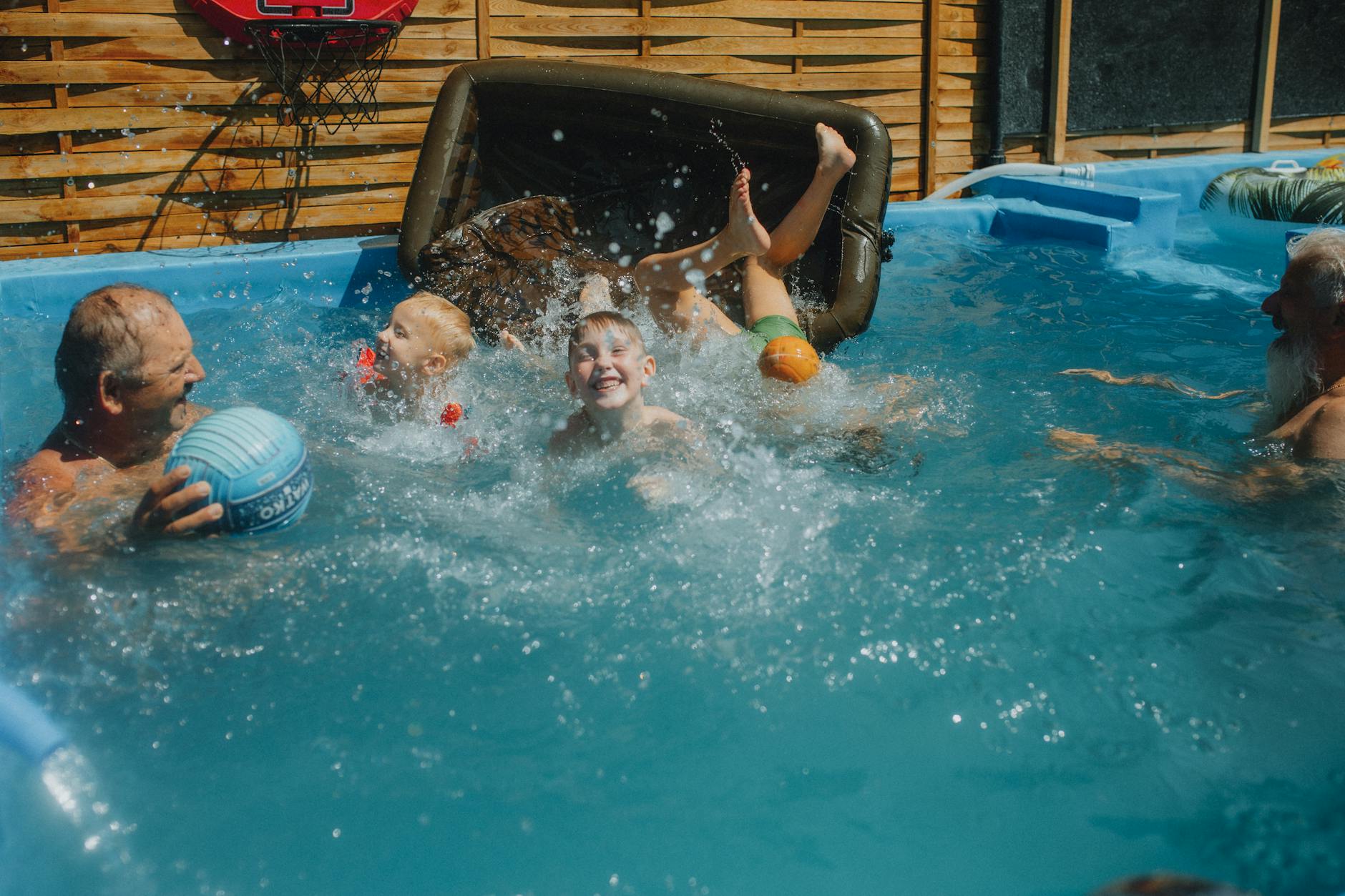
Vancouver has nine accessible beaches, and almost all are viable for families. The best picks with kids:
- Second Beach (Stanley Park) — the family beach. Heated outdoor pool, lifeguards in summer, concession, playground, easy Seawall access.
- Kitsilano Beach — social, volleyball, a massive heated saltwater pool (137 m; its 2026 season ran June 17 to September 13), and a concession stand.
- English Bay — downtown’s main beach. Lifeguards, beach volleyball, the iconic Inukshuk, and summer fireworks viewing (the Celebration of Light competition did not run in 2026, when the City held a free one-night Summer Lights show; check the City of Vancouver’s site for next summer). Walkable from most downtown hotels.
- Jericho Beach — calm water (sheltered by the Point Grey shelf), great for beginner paddleboarding, a sailing centre, and big picnic lawns.
- Spanish Banks — massive tide flats to explore at low tide. Bring snacks and buckets; check the tide table and keep the kids in sight.
Water temperature reality check: Vancouver ocean water stays cold even in August, and how cold depends on the beach and the day. Expect your kids to splash, not swim far. The pools (Second Beach, Kits, New Brighton) are the solution for actual swimming.
Family-Friendly Hotels in Vancouver
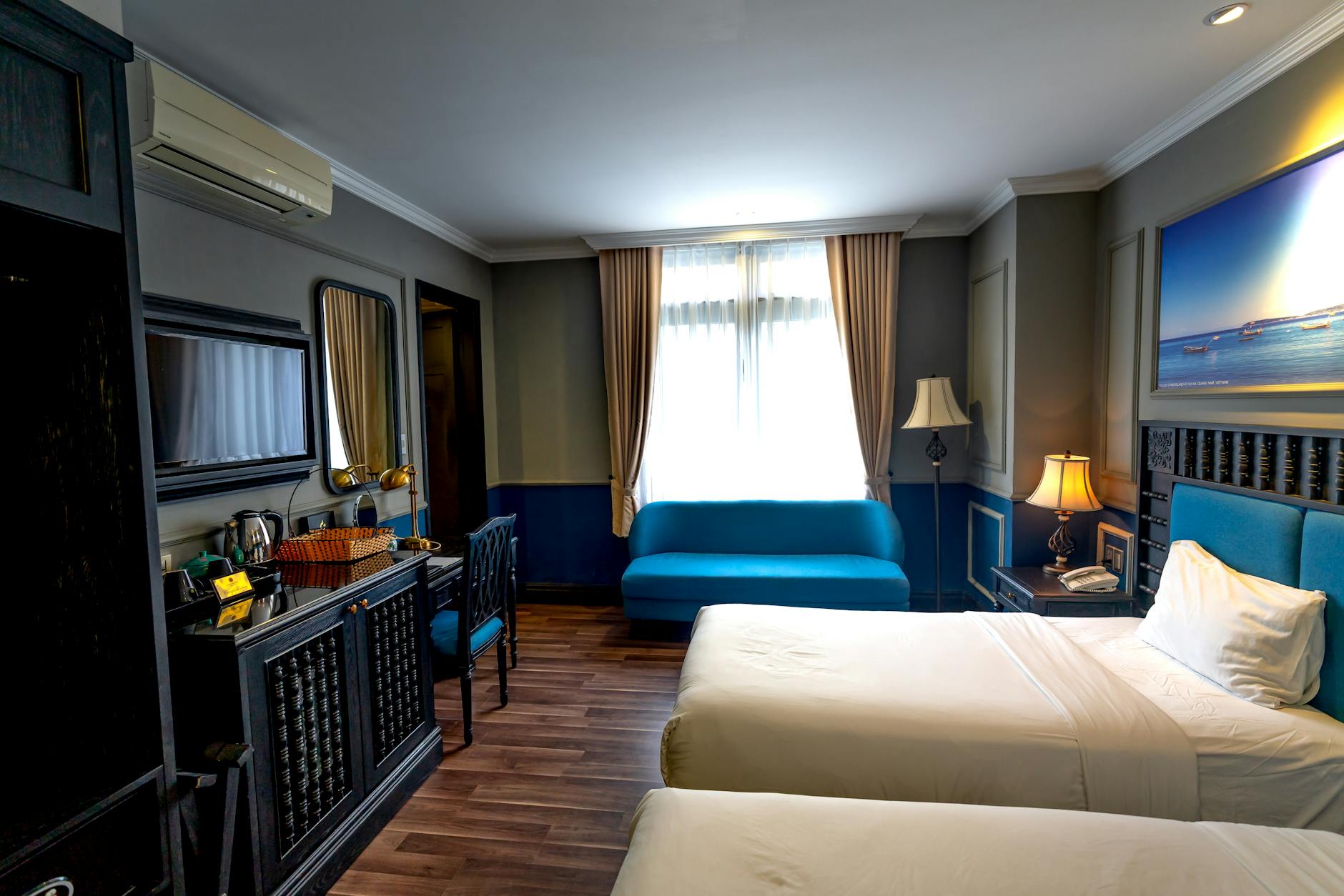
- Rosedale on Robson Suite Hotel (838 Hamilton St) — two-bedroom family suites (queen + two singles), kitchenettes, indoor pool and whirlpool. Designed specifically for families. Rates swing with the season, so price your dates on the hotel’s own site.
- The Westin Bayshore (Coal Harbour) — a short walk from Stanley Park. Indoor + heated outdoor pool (year-round), bike rentals for Seawall rides, pet-friendly, on-site restaurants.
- Pan Pacific Vancouver (Canada Place) — Club Level with complimentary snacks, cribs available, walking distance to FlyOver Canada, Seawall, and SkyTrain.
- Fairmont Waterfront (downtown waterfront) — pool, complimentary cribs, and kid-welcoming staff.
- Coast Coal Harbour Vancouver Hotel by APA (1180 W Hastings) — heated outdoor pool, premium king rooms with a double sofa bed, Stanley Park nearby and Waterfront Station within walking distance. Check live rates on Coast Hotels’ site for your dates.
Tip: many Vancouver hotels offer a kids-eat-free promotion in their restaurants through the year. Ask at booking. Cribs and pack’n’plays are usually free on request — confirm in advance.
Kid-Friendly Restaurants
- Granville Island Public Market — the easiest family lunch in the city. Dozens of food stalls, something for every kid, plenty of seating near the water with ferry-watching. Open 9 a.m.–6 p.m.
- White Spot — BC’s homegrown chain. Famous Pirate Pak kids’ meal (served in a cardboard pirate ship with a chocolate doubloon) is a local rite of passage.
- Earls Kitchen + Bar and Cactus Club Cafe — two big Canadian chains with locations all over Vancouver; ask about kids’ menus and booster seats when you book.
- Rocky Mountain Flatbread (Main Street and Kitsilano locations) — kids can roll their own pizza dough at the table. A quieter win than you’d expect.
- Tacofino (multiple locations) — fish tacos and burritos that even picky kids eat.
- Japadog (Robson Street cart + storefronts) — hot dogs with Japanese toppings. Cheap, fun, memorable.
- Kintaro Ramen, Santouka, or Hakkaku — Vancouver’s ramen scene works well with kids who like noodles. Short wait times at lunch.
Family Day Trips from Vancouver
- Lynn Canyon Park & Suspension Bridge (3663 Park Rd, North Vancouver) — FREE suspension bridge, Ecology Centre with kids’ exhibits, 30-Foot Pool swimming hole, and old-growth forest trails. SeaBus to Lonsdale Quay, then bus 228. Pay parking runs March 1 to October 31, 8 a.m. to 6 p.m.; the east lot is free.
- Deep Cove — beloved Honey Doughnuts, easy ice cream and kayak rentals, and the Quarry Rock hike (when open — verify seasonal closures for restoration; 90 min round trip if open).
- Whistler Family Adventure Zone — in Blackcomb’s Upper Village, open in summer; check Whistler Blackcomb’s site for this year’s dates. Bungee trampolines, mini-golf, and a ropes course. Half-day passes available.
- Victoria via BC Ferries — 1 hour 35 minutes ferry ride. Royal BC Museum, Beacon Hill Park petting zoo, Miniature World, and the Inner Harbour. Makes for a great overnight — see our Day Trips pillar for the full plan.
- Greater Vancouver Zoo (Aldergrove, east of the city) — check the zoo’s site for current hours and admission. Best for ages 3–10.
Strollers, Car Seats & Transit with Kids
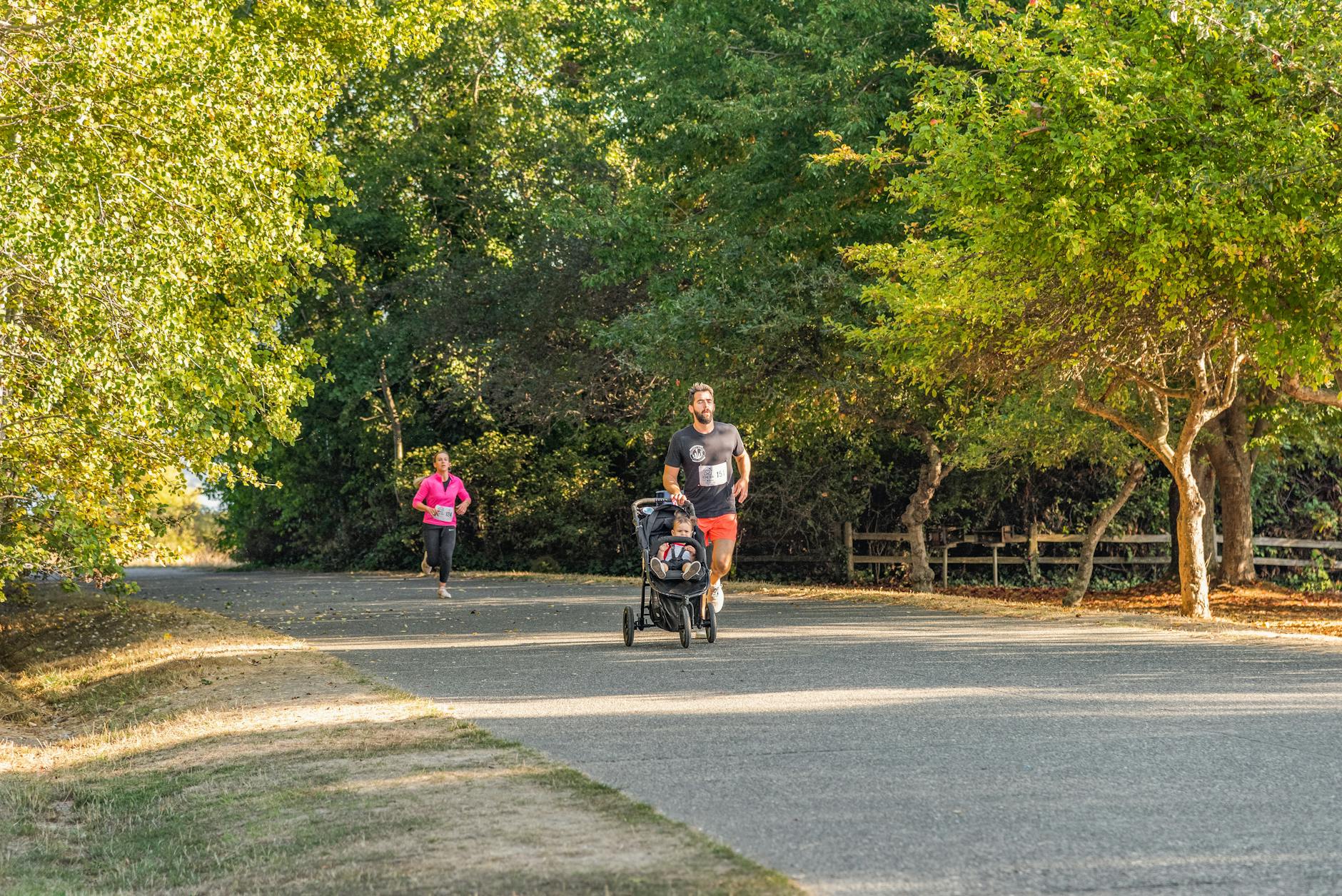
Transit is your best friend. TransLink buses have low-floor accessibility, the SkyTrain is fully level-board, and the SeaBus has dedicated spaces for strollers. You do not need to fold your stroller for any of them. Kids 12 and under ride free whether or not an adult pays, and the accessible fare gates are 107 cm wide, enough for strollers and mobility devices; ask an attendant if you need a hand.
Car seats (BC law). Children under 9 years old must use an approved child restraint — a rear-facing infant seat, a forward-facing convertible, or a booster depending on age and size. A child who has moved up to a booster stays in it until reaching 145 cm (4’9″) or turning 9, whichever comes first, and older kids still buckle up with a seat belt.
Taxis and ride-hail. Under BC’s Motor Vehicle Act Regulation 36.09(b), taxis are legally exempt from the child-restraint requirement, but ride-hail cars operating under a transportation network services authorization (Uber/Lyft) are not, so the car-seat rules apply there. In a taxi, you as the parent remain responsible for your child’s safety. Check the Uber app for Uber Car Seat before counting on it for your trip. If you want proper safety, bring your own travel-friendly seat (the Cosco Scenera Next or Diono Radian are common travel picks) or rent from BabyQuip.
BabyQuip delivery rentals. BabyQuip operators in Metro Vancouver deliver cribs, pack’n’plays, car seats, strollers, high chairs, baby monitors, bath tubs, and white-noise machines to hotels, Airbnbs, and cruise ship terminals. Rates vary from one operator to the next, so compare a few. At Betty S.’s BabyQuip shop, the “Home Away From Home Luxury” bundle covers the full baby kit for $52/day, plus delivery. Book a week in advance for summer.
Babies & Toddlers in Vancouver
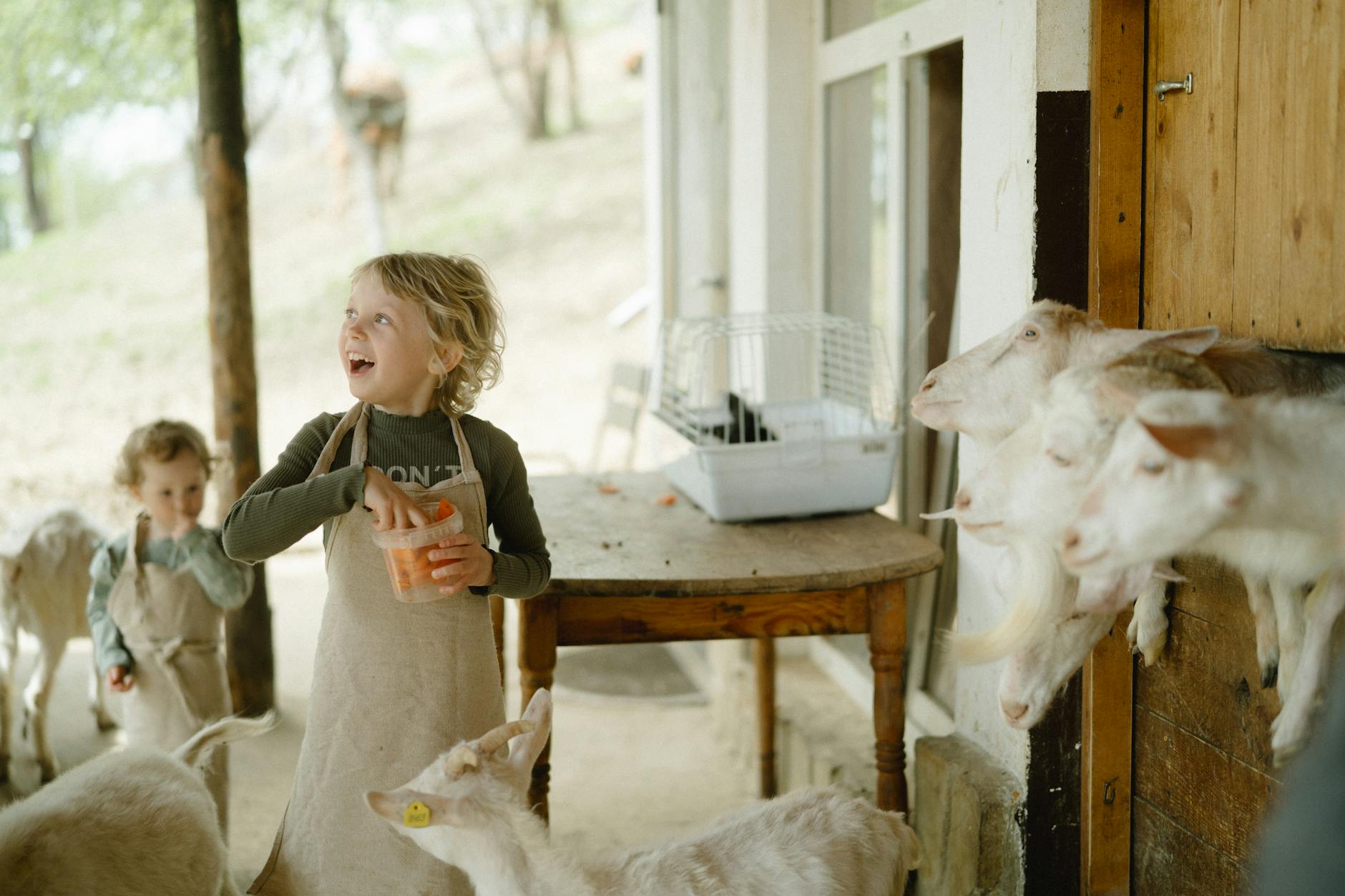
Vancouver is one of the easier North American big cities for babies and toddlers.
- Changing stations are widely available at malls (Pacific Centre, Metrotown, Oakridge), SkyTrain stations, Canada Place, all major attractions, and most downtown Starbucks. Most include gender-neutral family washrooms.
- Breastfeeding is protected as a human right under the BC Human Rights Code and is welcome in all public and private spaces. The Seawall, beaches, parks, and cafés all work.
- Stroller terrain is excellent downtown, at Stanley Park, the Seawall, Granville Island, and almost every major attraction. Lynn Canyon is doable with an all-terrain stroller but challenging with an umbrella stroller.
- Quiet nap-friendly spots include Lost Lagoon, the Nitobe Memorial Garden at UBC, Vanier Park, and the VanDusen Botanical Garden.
- Formula and baby food are stocked at every downtown Shoppers Drug Mart, Save-On-Foods, and the Urban Fare in Yaletown.
Teen-Tested Activities
Beyond the obvious (Playland, Grouse zipline, Whistler) here’s what actually holds teen attention:
- VanDusen Botanical Garden Elizabethan Maze — smaller win, but a real hedge maze.
- Sea to Sky Gondola in Squamish — panoramic views, summit deck, suspension bridge walk.
- Mobi bike share + Seaside Greenway — 28 km of waterfront riding from the Vancouver Convention Centre to Spanish Banks, with plenty of Instagram backdrops. Mobi sells pay-per-ride, monthly and annual options rather than a day pass, so short-stay teens pay by the ride.
- Granville Island breweries and food-truck tour — even teens are interested in the adults’ side of the island (non-alcoholic tasters available at most breweries).
- Vancouver International Film Festival (VIFF) — autumn. Many screenings are teen-accessible.
- Canada Place FlyOver — surprisingly teen-friendly thanks to the thrill factor.
Safety Notes for Families
- Black bears occasionally come down to North Shore trails (Lynn Canyon, Cypress, Grouse, Seymour). Keep kids close on forest trails, make noise, never leave food out. Bear spray is optional on family day hikes but standard on longer alpine routes. Report sightings to the BC Conservation Officer Service.
- Beach tides. Spanish Banks and Wreck Beach have tide flats that change fast. Check tide tables before heading out, and keep kids within sight; it’s easy to wander a long way out on a falling tide and get cut off when it turns.
- Cold water. The Pacific stays cold even in summer, which makes longer swims risky. Stick to heated pools (Second Beach, Kitsilano) for actual swimming with younger kids.
- Sun. Vancouver sits at 49°N, but summer UV is high. Sunscreen, hats, and sunglasses are worth it for the beach days.
- Seawall safety. Cyclists and pedestrians have separate lanes on most sections. Keep kids on the pedestrian side; e-bikes move fast in the cycling lane.
- Downtown traffic. Vancouver drivers are generally patient and yield at crosswalks, but Georgia, Granville, and Robson have real traffic at rush hour. Hold hands at crossings with young kids.
Passes and Combos Worth Considering
If you plan to hit multiple paid attractions, do the math before you arrive.
- City Passports Vancouver — savings of up to 50% at Vancouver attractions; check citypassports.com for the current price and which attractions take part. Worth it if you’ll visit at least two or three paid attractions.
- Grouse + Capilano combo. Some years offer discounted combo tickets — check both attraction websites before buying separately.
- Free-day stacking. Everyone 18 and under gets into the Vancouver Art Gallery free any day it is open, and general admission is free for all on the first Friday of the month (4–8 p.m.); Museum of Anthropology is half-price after 5 p.m. Thursdays ($13 adult); Museum of Vancouver, Space Centre, and Maritime Museum have pay-what-you-can first Sundays.
Frequently Asked Questions
How many days should we spend in Vancouver with kids?
Four to five days hits the sweet spot. One day for Stanley Park + Seawall + Granville Island. One day for Science World + Aquarium + FlyOver. One day for the North Shore (Capilano + Grouse OR Lynn Canyon). One day for beach (Kits, Second) + Kids Market. A fifth day for a Whistler or Victoria day trip, or for buffer time.
When is the best time to visit Vancouver with kids?
Late June through early September is the peak family season — pools open, Seawall at its best, all outdoor attractions running at full capacity. Late March through early April is also excellent (cherry blossoms, Spring Break programs, fewer crowds, spring rates on hotels). Avoid mid-October through February if beach weather matters; the indoor rainy-day options are strong but the weather is a drag.
Is the Vancouver Aquarium still open?
Yes. The Vancouver Aquarium reopened post-pandemic and has been under Herschend Enterprises ownership since 2021. It remains Canada’s largest aquarium and one of the city’s top family attractions. Book tickets online in advance for summer weekends — they sell out.
Does Uber provide car seats in Vancouver?
Don’t count on it. Check the Uber app to see whether Uber Car Seat is offered for your trip, and plan to bring your own travel car seat or rent one through BabyQuip. Ordinary taxis are exempt from BC’s child-restraint law, but ride-hail cars are not.
Can I do the Stanley Park Seawall with a stroller?
Yes — the loop around Stanley Park is about 9 km. Bring a standard stroller or travel stroller; umbrella strollers handle fine. Budget 2.5–3 hours including a few viewpoint stops. Snacks and bathrooms are available at Second Beach, Third Beach, and Prospect Point.
Do I have to fold my stroller on TransLink transit?
No. TransLink’s accessibility policy allows open strollers on buses, SkyTrain, and SeaBus. Yield to mobility-device users on busy trains. Travelling outside the weekday rush is easier with small children.
What age is Capilano Suspension Bridge good for?
Works well from about age 6 and up. Younger kids are typically happiest in a carrier for the bridge crossing; strollers don’t fit well on the bridge or Treetops Adventure walkways. If you have kids under 5, Lynn Canyon is a better (and free) choice.
Is the Stanley Park miniature train running in 2026?
Probably not. The train did not run in 2025 and remains suspended; in July 2025 the Vancouver Park Board announced it would look for alternative ways to operate it. Check the Park Board’s Stanley Park page before planning a visit around the train.
What’s the single best rainy-day activity with kids in Vancouver?
Science World. A full day of hands-on exhibits across every age band, a planetarium, a 4D theatre, and indoor play areas. Plan to arrive at opening, bring snacks, and pace yourselves — it’s big.
How expensive is Vancouver with kids?
Budget-friendly by North American big-city standards. Kids 12 and under ride transit free. Stanley Park, English Bay, and most beaches are free. Water parks and playgrounds are free. For a family, the hotel, the paid attractions and meals out are the big costs, so price those for your dates first.
Where can I rent baby gear in Vancouver?
BabyQuip is the main platform — local operators deliver cribs, pack’n’plays, car seats, strollers, high chairs, bath tubs, and sound machines. Book 7 days ahead for summer, 3 days for shoulder season. West Coast Kids and Tiny Tots carry gear if you need to buy.
Will kids enjoy a pre- or post-Alaska-cruise day in Vancouver?
Absolutely. FlyOver Canada is inside Canada Place itself, Granville Island and Stanley Park are minutes away, and most cruise hotels have pools and family rooms. See our Vancouver Cruise Port Guide for a full day-by-day cruise-family plan.
Last updated: April 2026. Attraction prices, hours, and seasonal schedules change frequently — confirm current details directly with each venue before visiting.
Official resources & further reading
Related Vancouver Guides
- Things to Do in Vancouver
- Vancouver Itinerary
- Where to Stay in Vancouver
- Best Time to Visit Vancouver
- Vancouver Transportation Guide
- Vancouver Day Trips
- Vancouver Restaurants
- Vancouver Outdoor Activities
- Vancouver Cruise Port
- Vancouver on a Budget
Vancouver with Kids: Every Guide in This Series
Each guide below goes deeper than this page can — ages, prices, transit and what to skip.
- Stanley Park with Kids: The Family Playbook (2026)
- Family-Friendly Hotels in Vancouver: 2026 Picks
- Best Playgrounds in Vancouver: 2026 Family Guide
- Indoor Activities with Kids in Vancouver (2026)
- Rainy Day Activities for Kids in Vancouver (2026 Guide)
- Vancouver Aquarium with Kids: Pro Family Tips (2026)
- Best Beaches for Families in Vancouver (2026)
- Kid-Friendly Restaurants in Vancouver (2026)
- Day Trips from Vancouver with Kids (2026)
- Vancouver with a Toddler: Stroller-Friendly Guide (2026)