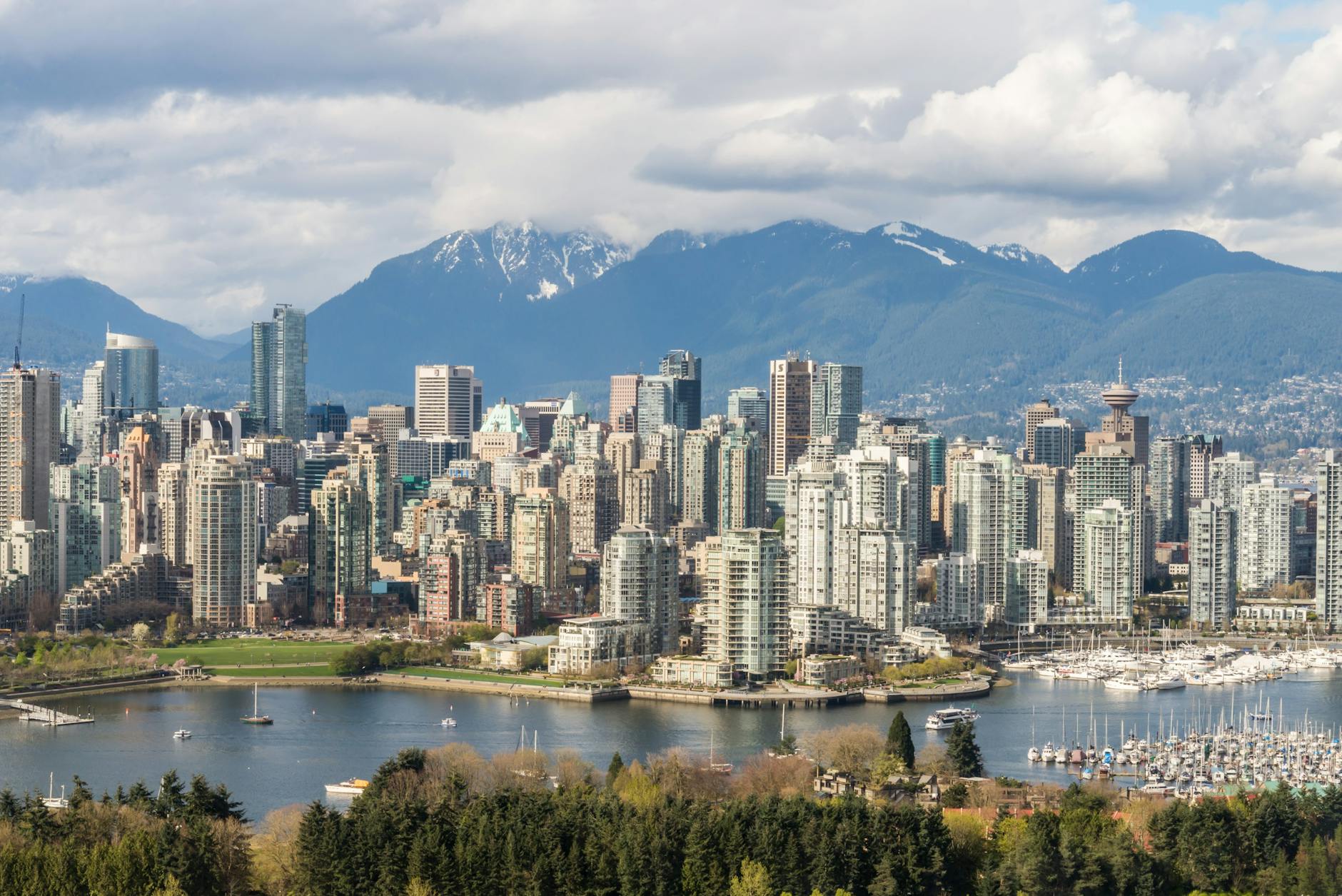
First time in Vancouver visitors face a specific planning challenge: Vancouver is a relatively small city geographically (about 115 km² for the city proper) but the experiences worth doing are spread across downtown, the North Shore, the Sea-to-Sky Highway, Vancouver Island, and Richmond. Without a plan, even a 4–5 day trip can feel rushed and missed-opportunity.
This 2026 first-timer’s Vancouver itinerary collects every essential first-visit experience into a single 5-day plan with the highest-leverage choices for visitors who haven’t been before. Hour-by-hour blocks, exact ticket prices, transit logistics, where to stay, what to skip, and a what-to-pack section calibrated for Vancouver’s specific weather pattern.
Table of Contents

Vancouver for First-Time Visitors: At a Glance
The first-visit shortlist:
- Stanley Park Seawall — the city’s defining outdoor experience, free.
- Granville Island Public Market — best lunch + craft + culture cluster downtown.
- Capilano Suspension Bridge OR Lynn Canyon Park — the iconic North Shore experience.
- Grouse Mountain Skyride — the alpine view of Vancouver from above.
- Vancouver Lookout — 360° indoor city view; landmark identification.
- Gastown — Vancouver’s cobblestoned founding neighbourhood, Steam Clock.
- One Indigenous-led tour or one museum visit — Talaysay’s Stanley Park walk or MOA at UBC.
- One Whistler or Victoria day trip — the city + alpine or city + island combination.
- One sunset on English Bay or Third Beach — free, definitive Vancouver experience.
Recommended first-visit length: 5 days. Three days is the minimum that covers the iconic city plus one day trip without rushing; four to seven days gives proper depth.
For a 3-day plan see our 3 days in Vancouver itinerary; for 5 days see our 5 days in Vancouver itinerary.

Where to Stay for a First Visit
First-timers should stay downtown — specifically in West End, Coal Harbour, or Yaletown. All three put you within 10 minutes of Stanley Park, the cruise terminal, the Aquabus dock, and the SkyTrain.
Best for first-time luxury: Fairmont Pacific Rim, Rosewood Hotel Georgia, Loden Hotel, Pan Pacific Vancouver. About $400–$700/night.
Best for first-time mid-range: The Westin Bayshore, The Listel Hotel Vancouver, Coast Coal Harbour Hotel, Le Soleil Hotel Vancouver. About $250–$400/night.
Best for first-time budget: The Sandman Hotel Vancouver City Centre, the Best Western Plus Sands, Times Square Suites Hotel. About $150–$250/night.
Best for cruise passengers: The Pan Pacific Vancouver — directly above the cruise terminal. About $400–$600/night.
For full hotel recommendations see our where to stay pillar.
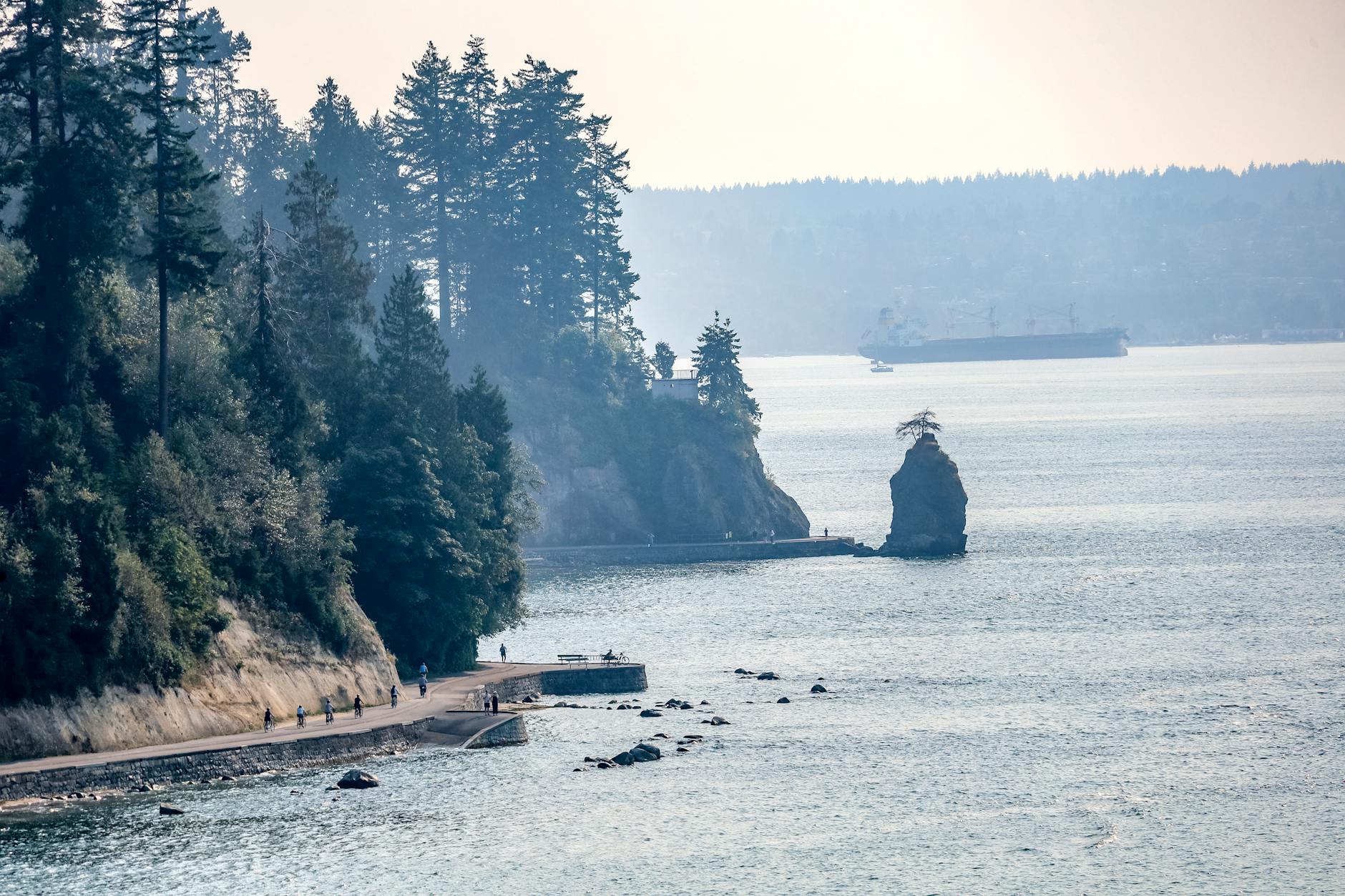
Day 1: Stanley Park & Downtown
Day 1 mirrors our 1 day in Vancouver itinerary. The full day:
- 8:00 a.m. Coffee in the West End (JJ Bean, 49th Parallel).
- 8:30 a.m. Bike rental at Spokes Bicycle Rentals ($8/hour), Denman & Georgia.
- 9:00 a.m. Stanley Park Seawall — full 9 km counter-clockwise loop. 60–90 minutes by bike.
- 11:00 a.m. Optional Vancouver Aquarium add ($41.95–$57.95 plus tax for adults, dynamic pricing).
- 12:30 p.m. Aquabus to Granville Island. Lunch at the Public Market.
- 2:00 p.m. Granville Island Brewing tour ($16) or Net Loft + Railspur Alley wander.
- 3:00 p.m. Aquabus to Yaletown. Walk Mainland and Hamilton Streets.
- 4:00 p.m. Vancouver Lookout.
- 5:00 p.m. Walk to Gastown — Steam Clock, Water Street, Maple Tree Square.
- 6:30 p.m. Dinner at L’Abattoir or Tacofino. Reserve in advance.
For Stanley Park details see our Stanley Park visitor’s guide; Granville Island in our Granville Island guide.
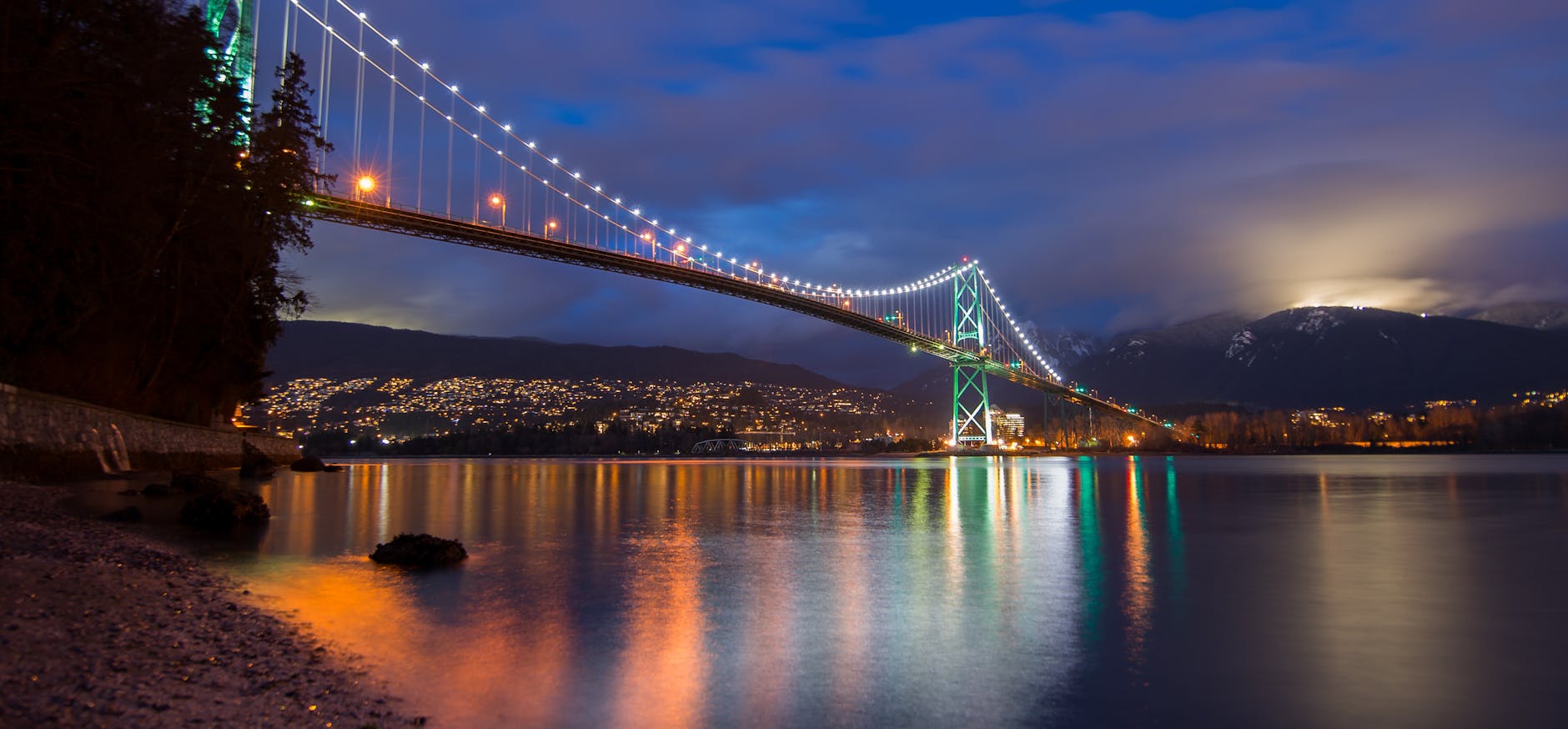
Day 2: North Shore Mountains
Day 2 takes you across the harbour to the North Shore.
- 9:00 a.m. SeaBus to Lonsdale Quay ($5.10 cash or $4.20 stored value on weekdays before 6:30 p.m.; $3.50 or $2.85 at other times).
- 10:00 a.m. Capilano Suspension Bridge ($79.95 adult, with free downtown shuttle) OR free Lynn Canyon Park.
- Noon. Grouse Mountain Skyride ($69 round-trip), lunch at Altitudes Bistro on the summit.
- 1:30 p.m. Refuge for Endangered Wildlife (resident grizzlies); Lumberjack Show; Eagle Show.
- 3:30 p.m. Skyride down, #236 bus to Lonsdale Quay.
- 4:30 p.m. Lonsdale Quay Market and free Polygon Gallery.
- 6:30 p.m. Dinner at The Boathouse or one of the North Shore breweries.
- 8:30 p.m. SeaBus back to Waterfront at twilight.
For Capilano vs Lynn Canyon detail see our Capilano guide.
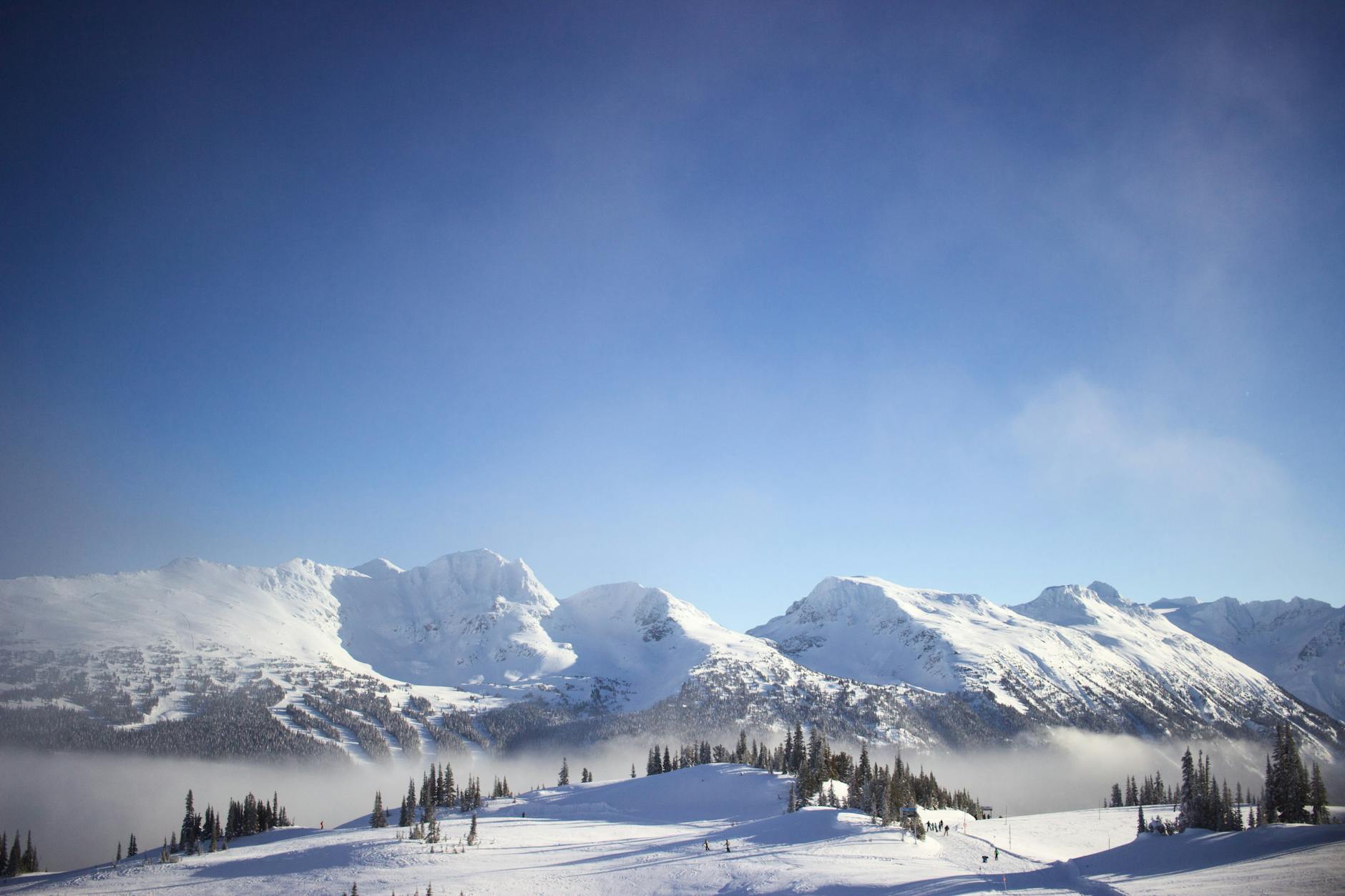
Day 3: Whistler or Victoria
The big day-trip choice. Pick based on weather and season.
Whistler day trip — best in winter (skiing) or fall (autumn colours). Drive Sea-to-Sky Highway 90 minutes north (or ride Epic Rides, $44 return; check fares on epicrides.ca). PEAK 2 PEAK Gondola ($110 adult summer sightseeing ticket), lunch at Bearfoot Bistro, Squamish Lil’wat Cultural Centre. About $300+ for two.
Victoria day trip — best summer. BC Ferries Connector ($65 round-trip including ferry) from downtown, 3 hours to Victoria’s Inner Harbour. Royal BC Museum or Butchart Gardens, Empress tea, Beacon Hill Park. About $200+ for two.
Sea-to-Sky Gondola compromise — half the time, half the cost of Whistler. Squamish at 60 minutes from Vancouver; the gondola summit is one of BC’s signature views. About $140 for two.
What if you don’t want a day trip? Replace Day 3 with a slow Vancouver day in Commercial Drive + Main Street + Brewery Creek. See our 3 days in Vancouver itinerary Day 3 Slow Vancouver option.
Day 4: Granville Island & Cultural Vancouver
Day 4 is the cultural deep-dive day for first-time visitors who want more than the touristic surface.
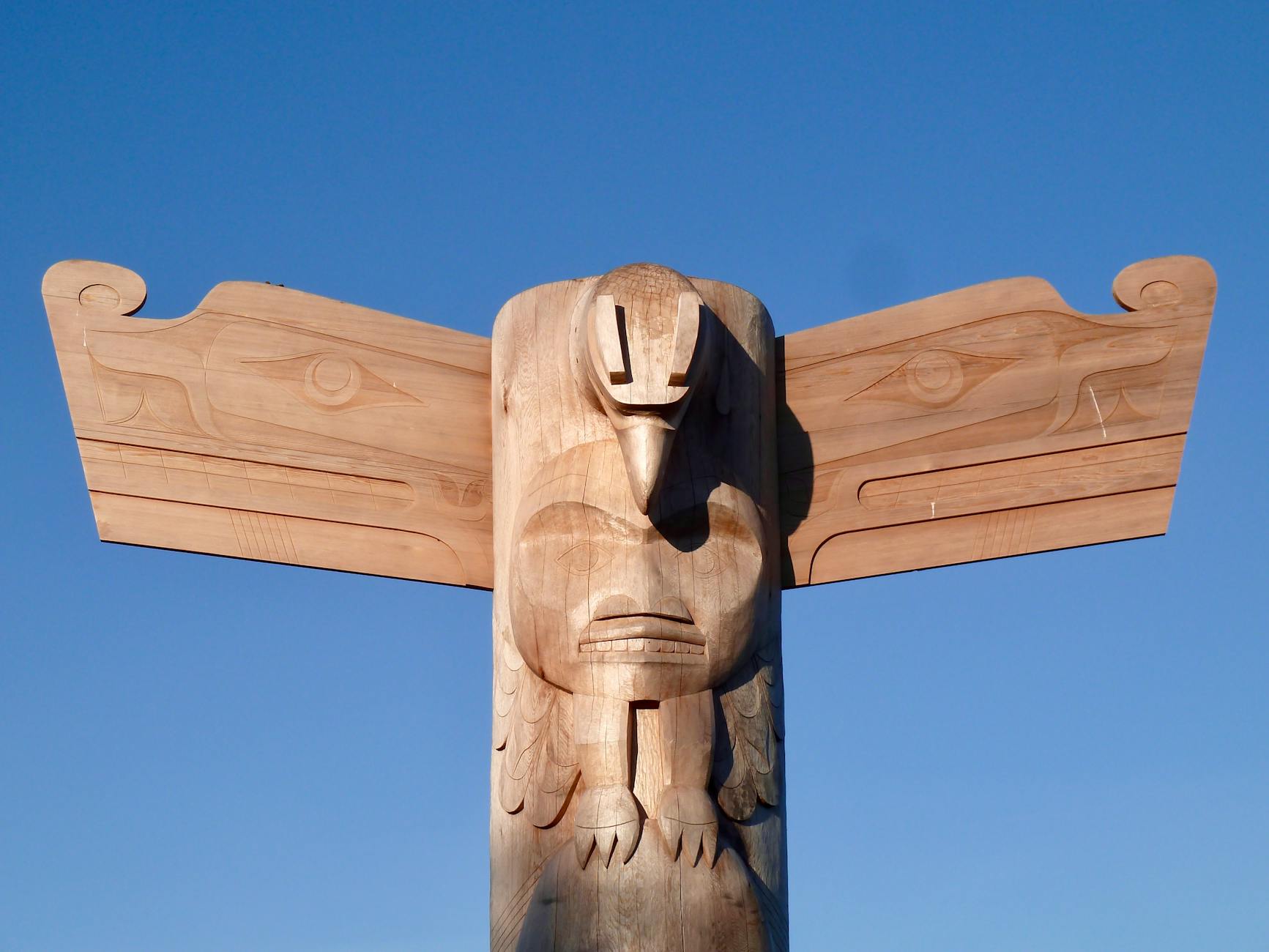
9:00 a.m. Talaysay Tours’ Indigenous-led “Talking Trees” Stanley Park walk. Squamish/Shíshálh-owned. 2 hours; $64 adult. The single highest-leverage Vancouver activity for cultural learning. See our culture pillar.
11:30 a.m. Bus to UBC. About 30–45 minutes.
12:30 p.m. Lunch at UBC.
1:30 p.m. Museum of Anthropology — the largest Bill Reid collection in the world plus the recently revitalized Great Hall and the Indigenous-curated To be seen, to be heard exhibition. Adult $18; closed Mondays from mid-October to mid-May. Allow 2.5 hours.
4:00 p.m. Bus back downtown.
5:00 p.m. Chinatown — Chinese Canadian Museum ($15), Dr. Sun Yat-Sen Classical Chinese Garden ($16; or the free park next door). See our Sun Yat-Sen Garden guide.
6:30 p.m. Dinner at Salmon n’ Bannock — Vancouver’s flagship Indigenous-owned restaurant. Mains $34–$58. Reserve a week ahead.
Day 5: A Slow Vancouver Day Before Flying Home
Day 5 — your departure day. Plan based on flight time:
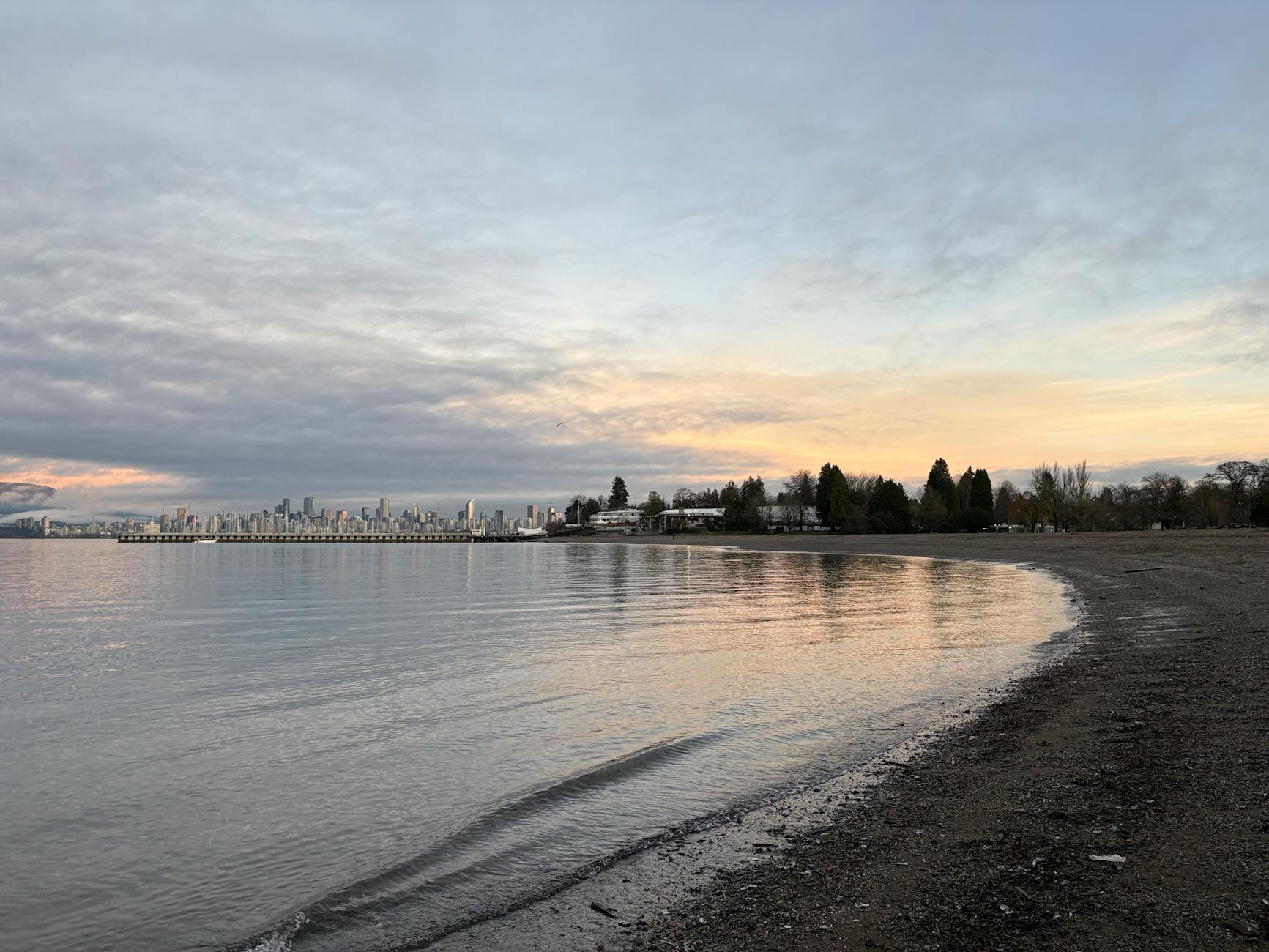
Morning flight: Quick walk on the seawall at sunrise, breakfast at the hotel, taxi or SkyTrain to YVR.
Afternoon flight: Granville Island Public Market for brunch, Aquabus back to downtown, last walk on the seawall, hotel checkout.
Evening flight (after 5 p.m. departure): Add a half-day in one of:
- Richmond Asian food courts — Aberdeen Centre and Parker Place, the most authentic Chinese eats in the Pacific Northwest.
- Vancouver Art Gallery — $29 BC residents, $35 from outside BC; open until 8 p.m. Fridays and free from 4–8 p.m. on the first Friday of the month. Closed Tuesdays.
- Spa morning — Willow Stream at the Fairmont Pacific Rim or Miraj Hammam in Gastown.
- Long Stanley Park Seawall walk — slowly, no goal, just for the experience.
For more food and culture detail see our Vancouver food scene pillar and Vancouver culture pillar.

Getting Around Vancouver as a First-Timer
Vancouver’s transit is genuinely good — much better than most North American cities. First-timers should learn three things:
The Compass card. $6 starter card available at any SkyTrain vending machine; reload as needed. Single bus fare is $3.50 cash or contactless, or $2.85 stored value on a Compass card. A 2-Zone DayPass is $12.55 in 2026.
SkyTrain (rapid transit). Three lines (Expo, Millennium, Canada). Connects YVR airport, downtown, Burnaby, Surrey, and Richmond.
SeaBus. The 12-minute harbour crossing from Waterfront Station to Lonsdale Quay. $3.20 single. Covered passenger ferry, runs every 15 minutes.
Aquabus and False Creek Ferries. The two private “rainbow” ferries connecting downtown, Yaletown, Granville Island, and Olympic Village. Adult one-way fares run $5–$11 depending on the route; an adult day pass is $22 on either operator.
Bus #19 to Stanley Park. The single most useful bus for tourists.
Mobi bike-share. Stations throughout the city; 24-hour passes around $15.
Walking. Downtown Vancouver is 10×30 blocks — fully walkable.
For full transit details see our Vancouver transportation guide.
What to Pack for a First Visit
Vancouver’s weather rewards smart packing. The non-negotiable items:
- Waterproof shell jacket. The single most important Vancouver item. Gore-Tex or equivalent. Vancouver gets 165+ days of rain a year — even summer has rainy days.
- Comfortable walking shoes. You’ll cover 10–18 km on good days. Cobblestones in Gastown are bumpy; avoid heels. Waterproof sneakers are even better.
- Layers. Vancouver downtown can swing 8–12 °C between morning and afternoon. Merino base + fleece + shell is the proven pattern.
- Compact umbrella. Locals use shells, not umbrellas, but a compact umbrella is the visitor compromise.
- Sunglasses. Yes, even in November. Pacific reflects.
- Charged phone + portable battery. Maps, transit, restaurant reservations, photos.
- Debit/credit card + small cash. Most places are card-friendly; Vancouver Aquarium is now fully cashless. Small cash for tips and casual food trucks.
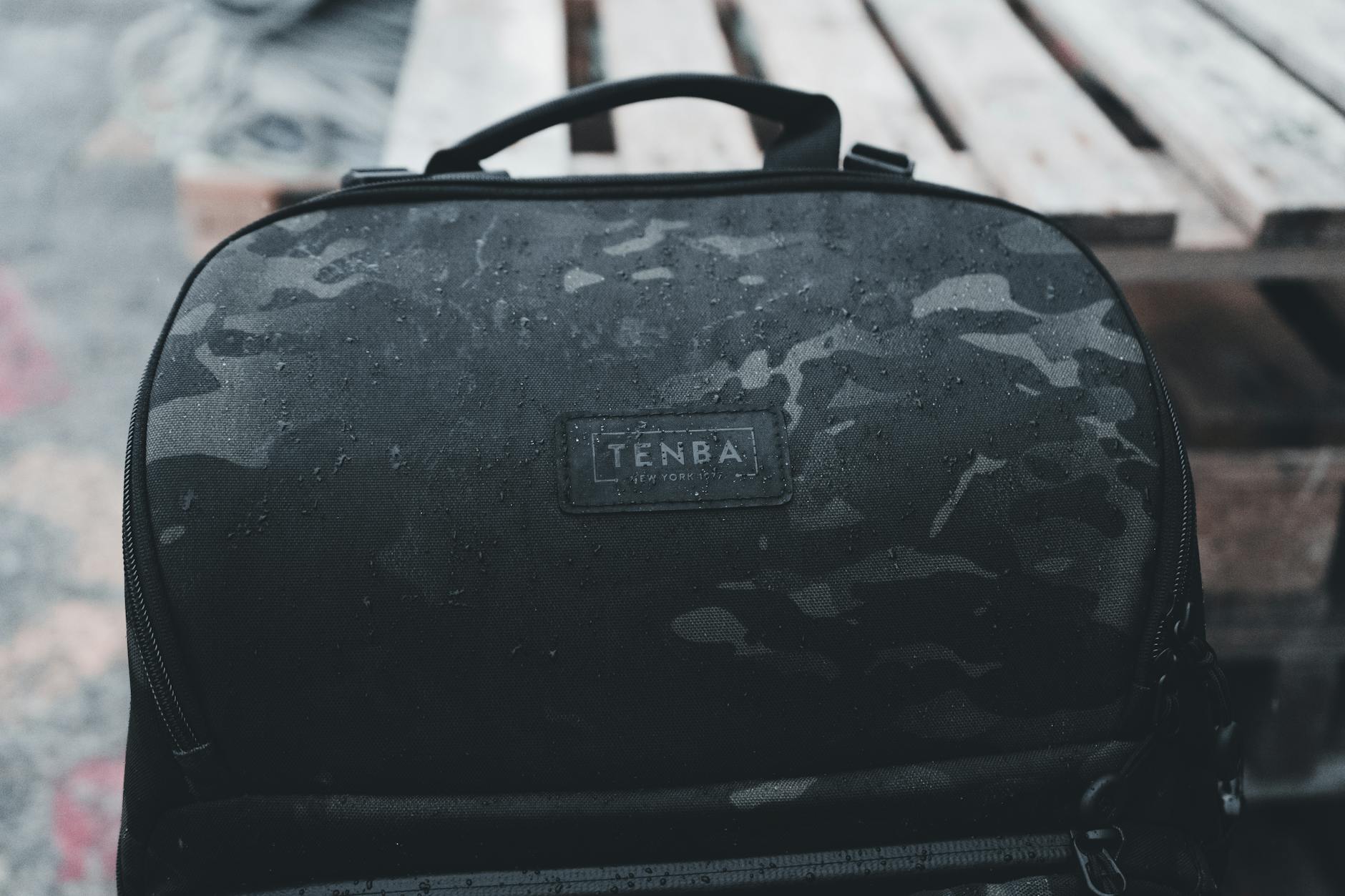
- Day pack. Light, weatherproof. Useful for the seawall ride, Granville Island shopping, and the SeaBus crossing.
For seasonal packing detail see our best time to visit Vancouver pillar.
Common First-Visit Mistakes
Avoidable errors that first-timers regularly make:
1. Renting a car for the downtown days. Downtown Vancouver is built for walking + transit. Cars cost $30–$50/day in parking and save you nothing. Rent only for Day 3 (Whistler/Victoria) if needed.
2. Skipping reservations. L’Abattoir, Salmon n’ Bannock, and the best cocktail bars book 2 weeks ahead. Plan your dinners before you fly.
3. Trying to do Whistler AND Victoria in the same trip with only 4 days. Each day trip is a 12–14 hour commitment. With 4 days, pick one. With 5 days, do both. With 6+ days, add Tofino.
4. Buying expensive tourist passes for short trips. Neither CityPASS nor Go City sells a Vancouver pass, so for a short trip pay individual entry at the attractions you pick.
5. Underestimating the Pacific cold. Vancouver beach water is 15–18 °C in summer. Locals do swim; most visitors just wade. Don’t expect Hawaiian-warm water.
6. Skipping an Indigenous-led tour. Most visitors leave Vancouver without ever doing one. Talaysay’s Stanley Park walk is the activity they most regret missing.
7. Booking only downtown chains. Vancouver’s independent restaurants and cafés are excellent and underbooked. Don’t waste a Saturday-night dinner on a chain steakhouse.
8. Not pre-booking the Capilano free shuttle. Reserve it when you buy your Capilano tickets — it saves $25–$35 in Uber fares.
Budget for a First Visit
Per couple over 5 days, including hotel, transport, attractions, and meals:
Budget-conscious: $2,200–$3,200 CAD total for two adults (downtown hostel/Airbnb, casual eats only, transit only, free attractions plus 3–4 paid).
Mid-range: $4,500–$6,500 CAD total for two adults (downtown 4-star hotel, casual + 1–2 special-occasion dinners, transit + Aquabus, all the major attractions).
Luxury: $9,000–$14,000+ CAD total for two adults (Fairmont/Rosewood, fine dining most nights, Harbour Air floatplane to Victoria, helicopter tour add).
For deeper budget detail see our Vancouver on a budget pillar.
Related Vancouver guides
Keep planning with these guides:
First Time in Vancouver FAQs
How many days do I need for a first visit to Vancouver?
3 days is the minimum that covers the iconic city plus one day trip. 5 days is the recommended sweet spot. 7 days lets you add a Tofino or Gulf Islands extension.
What’s the most important thing to do on a first Vancouver visit?
The Stanley Park Seawall. Free, world-class, uniquely Vancouver, and the experience that defines the city for most first-timers.
What’s the best time of year for a first visit?
September. Reliable weather, manageable crowds, peak Whistler colours, peak Victoria flowers. May, June, and October are second best.
Is Vancouver expensive?
Yes, by Canadian standards. Vancouver is among Canada’s most expensive cities, comparable to Toronto. Hotels are the biggest expense; food is moderately priced. Plan a mid-range trip at about $4,500–$6,500 CAD for two over 5 days.
Do I need a car in Vancouver?
For downtown days, no. For day trips to Whistler, Tofino, or the Sea-to-Sky, yes — rent a car only for those days.
Where should I stay for a first visit?
Downtown — West End, Coal Harbour, or Yaletown. All three are 5–15 minutes from Stanley Park, the cruise terminal, and Granville Island.
Is Vancouver safe for first-time visitors?
Yes. Vancouver is one of the safer major cities in North America. The Downtown Eastside (south of Hastings between Carrall and Main) has visible homelessness and addiction; visitors usually avoid it after dark, but violent crime against tourists is rare.
What’s the most underrated thing to do on a first Vancouver visit?
An Indigenous-led tour with Talaysay or Takaya. Most visitors skip it; in retrospect it’s the activity they most regret missing.
Language & Cultural Norms for First-Time Visitors
Vancouver is one of the most multicultural cities in the world — about 49 percent of residents speak a language other than English at home, and the city’s cultural mosaic includes large Chinese, South Asian, Filipino, Iranian, and Japanese populations. First-time visitors find the city welcoming and easy to navigate. Specific cultural notes:
English is the working language. All signage, transit, restaurants, hotels, and tourist services operate in English. French (Canada’s other official language) appears on federal signage (passport control, federal services) but is not commonly spoken in BC. Mandarin and Cantonese are widely spoken in retail and food services in Richmond and Chinatown; if you’re a Mandarin speaker, you’ll find Mandarin-only restaurants and shops particularly in Richmond’s Aberdeen Centre.
Indigenous land acknowledgement. Vancouver sits on the unceded territories of the xʷməθkʷəy̓əm (Musqueam), Sḵwx̱wú7mesh (Squamish), and səlilwətaɬ (Tsleil-Waututh) Nations. Many public events, government meetings, and tourism experiences begin with a land acknowledgement. As a visitor, the respectful response is to listen attentively; you don’t need to do anything specific. Visit Indigenous-owned businesses (Talaysay Tours, Skwachàys Lodge, Salmon n’ Bannock) if you’d like to engage more deeply.
Politeness is the social currency. Canadians are well-known for politeness; Vancouver is no exception. Standard “please” and “thank you” go far. Don’t be surprised if Vancouverites apologize when you bump into them (a Canadian quirk). Holding doors, queuing patiently, and not jumping queues are baseline expectations.
Multiculturalism is the default. Public displays of religious or cultural identity are common and unremarked-upon. Vancouver’s Sikh community wearing turbans, Muslim women wearing hijabs, and Buddhist monks in saffron robes are all visible parts of the city’s daily life. The city is broadly progressive on LGBTQ+ inclusion (Vancouver Pride is the third-largest in Canada).
Indigenous, immigrant, and settler histories. Vancouver has been actively engaged in conversations about its Indigenous, immigrant, and settler histories — the residential school system, the Chinese Head Tax, the WWII Japanese-Canadian internment, the Komagata Maru tragedy. Many museums (Museum of Anthropology, Chinese Canadian Museum, Bill Reid Gallery) treat these histories thoughtfully. As a visitor, learning about them respectfully is part of understanding the city.
Use of Indigenous place names. Vancouver streets and parks increasingly include Indigenous Coast Salish names: xʷməθkʷəy̓əm (Musqueam) for the Musqueam Reserve area; Sḵwx̱wú7mesh for Squamish-related places (including the Squamish Nation lands at the south end of Burrard Bridge, now redeveloping as Sen̓áḵw); səlilwətaɬ (Tsleil-Waututh) for the Tsleil-Waututh territories on the North Shore. You’ll see these on official signage, museum displays, and increasingly in everyday use.
Tone with restaurant and hotel staff. Vancouverites are informal — first-name basis is common, “How’s your day going?” is a genuine question, not just a formality. Servers at fine-dining restaurants may introduce themselves by first name. Asking servers about ingredients, allergies, or recommendations is welcomed.
Tipping (covered in detail in the next section). 18–20% is standard at restaurants, taxis, and hairdressers. Hotel housekeeping ($5–$10 per day), bellhops ($2–$5 per bag), and concierge services ($10–$20 for major help) are also typical.
Money, Banking & Tipping in Vancouver
Practical money advice for first-time Vancouver visitors:
Currency. Canadian Dollar (CAD). $1 USD ≈ $1.35 CAD in 2026. Most retailers accept USD at par or near-par exchange — you’ll often get change in CAD. The most cost-efficient approach is using a credit card with no foreign transaction fee (the official exchange rate applies).
Cash usage. Vancouver is largely cashless. Most restaurants, retailers, hotels, and even food trucks accept tap-to-pay credit/debit. Some specifically cashless venues (Vancouver Aquarium, all Cineplex cinemas, many SkyTrain transit ticketing) accept no cash at all. Keep about $50–$100 in cash for small tips and the few cash-only spots (some Chinatown restaurants, occasional artisan stalls).
Credit/debit cards. Visa and MasterCard accepted essentially everywhere. American Express less universal — some smaller restaurants and shops don’t accept Amex. Discover (US) is rarely accepted. Tap-to-pay limits in Canada were raised to $250 CAD in 2023; most transactions can be tapped without entering a PIN.
ATMs. ATM access is universal downtown. Bank-branded ATMs (RBC, TD, Scotiabank, BMO, CIBC) charge $3–$5 for international cards; non-bank ATMs (in convenience stores) charge $4–$8. The cheapest way to get CAD is a no-foreign-fee debit card from your home country at a bank-branded ATM.
Tax (PST + GST). Vancouver/BC tax structure: 5% federal GST + 7% provincial PST = 12% total sales tax on most retail and dining. Restaurant menu prices are pre-tax; hotel-room prices on most online aggregators are pre-tax (you’ll be charged 12% sales tax + 3% Municipal and Regional District Tax + about 1.5% destination marketing fee = about 16.5% total at checkout). Factor this in when budgeting.
Tipping standards (2026):
- Restaurants: 18% standard; 20% for great service. Many POS systems suggest 18%/20%/22%.
- Bars: $1–$2 per drink at the bar; 18–20% on a tab.
- Cafés/coffee shops: $0.50–$1 per drink; 10–15% on a sit-down order.
- Taxis/Uber/Lyft: 10–15% standard; 20% for help with bags.
- Hairdressers/spa services: 15–20%.
- Hotel housekeeping: $5–$10 per day, left in cash on the pillow.
- Bellhops: $2–$5 per bag for handling.
- Hotel concierge: $10–$20 for significant help (reservations, special requests); $5 for routine help.
- Tour guides: 15% standard; 20% for excellent guides on small group tours.
- Massage/spa therapists: 18–20% (added to the bill at checkout, often automatically).
What’s not tipped. Counter service at fast-casual chains (no need to tip if you don’t sit down). Self-service kiosks at quick-service restaurants. Bus drivers and SkyTrain operators. Doctors, lawyers, and other professional services.
Currency exchange. Don’t exchange at airport kiosks — rates are 6–10% worse than market. Instead use ATM withdrawals or pay by credit card. If you must exchange physical cash, ICE (International Currency Exchange) at Pacific Centre Mall or Vancouver International Airport offer better rates than airport kiosks.
Emergency Contacts & Safety Resources
Vancouver is one of the safer major cities in North America (consistently ranked top 10 globally for traveller safety), but every visitor should have basic emergency information accessible.
Emergency numbers:
- 911 — Police, fire, ambulance (all emergencies). Free from any phone, including without SIM card.
- 811 — Health Link BC. Non-emergency medical advice; free 24/7. Talk to a registered nurse about whether you need urgent care.
- Vancouver Police Department non-emergency: 604-717-3321.
- BC Tourist Police (English-speaking patrol officers stationed at major tourist hubs): summer season only.
Hospitals:
- Vancouver General Hospital (855 W 12th Ave). Largest hospital in BC; 24/7 emergency. 25 minutes from downtown.
- St. Paul’s Hospital (1081 Burrard, downtown). Emergency department; closer to most downtown hotels.
- Mount Saint Joseph Hospital (3080 Prince Edward, East Vancouver). Smaller; less busy emergency room.
Walk-in clinics (for non-emergency medical care): Visitors without provincial health insurance pay direct (about $80–$120 per consultation). Pacific Centre Walk-In Clinic (downtown), Stein Medical Clinic (Yaletown), and the Davie Village Medical Clinic are all reliable. Most accept Visa/MasterCard.
Travel insurance. Strongly recommended for international visitors. Vancouver hospitals do not turn away emergency cases, but a non-resident emergency visit can cost $1,000+. Get insurance that covers Canadian healthcare; SafetyWing, World Nomads, and BCAA all offer Canada-specific traveller plans.
Pharmacy. Shoppers Drug Mart has the most locations (downtown 24-hour location at Burrard & Smithe; another 24-hour location at Davie & Cambie). London Drugs is the local Vancouver pharmacy chain. Both fill prescriptions and stock most over-the-counter medications. Some prescriptions written in your home country may need a local doctor’s prescription to fill — pharmacies can advise.
Lost passports. Foreign embassies and consulates in Vancouver:
- US Consulate General (1075 W Pender, downtown). 604-685-4311.
- UK Consulate (1111 Melville, Coal Harbour). 604-683-4421.
- Australian Consulate (1111 Melville). 604-684-1177.
- Japan Consulate-General (800 W Georgia). 604-684-5868.
- China Consulate-General (3380 Granville, Kitsilano). 604-734-7492.
- Germany Consulate (704 W Hastings). 604-684-8377.
Emergency dental. Many dental offices accept walk-ins for tourists. Pacific Centre Dental Clinic (downtown) and the Davie Village Dental Group both reliably accommodate emergency cases. Expect to pay $200–$500 for an emergency consultation and basic treatment.
What to do if your wallet is stolen:
- Call your credit-card companies to freeze the cards (your phone bank app can usually freeze instantly).
- File a police report at the Vancouver Police Department non-emergency line (604-717-3321) or in person at 2120 Cambie. The report number is required for credit-card replacement and travel insurance claims.
- If your passport was in the wallet, contact your home consulate the same day.
- Western Union and MoneyGram have multiple downtown locations for emergency money transfers from family.
Sexual assault support. WAVAW Rape Crisis Centre (Vancouver) — 1-877-392-7583 — 24/7 support line for sexual assault survivors. Battered Women’s Support Services (BWSS) — 604-687-1867 — 24/7 crisis line. Both serve travellers in crisis without ID requirements.
Related itineraries: Vancouver Itinerary Master Pillar · 1 Day in Vancouver · 2 Days in Vancouver · 3 Days in Vancouver · 5 Days in Vancouver · Where to Stay · Transportation Guide