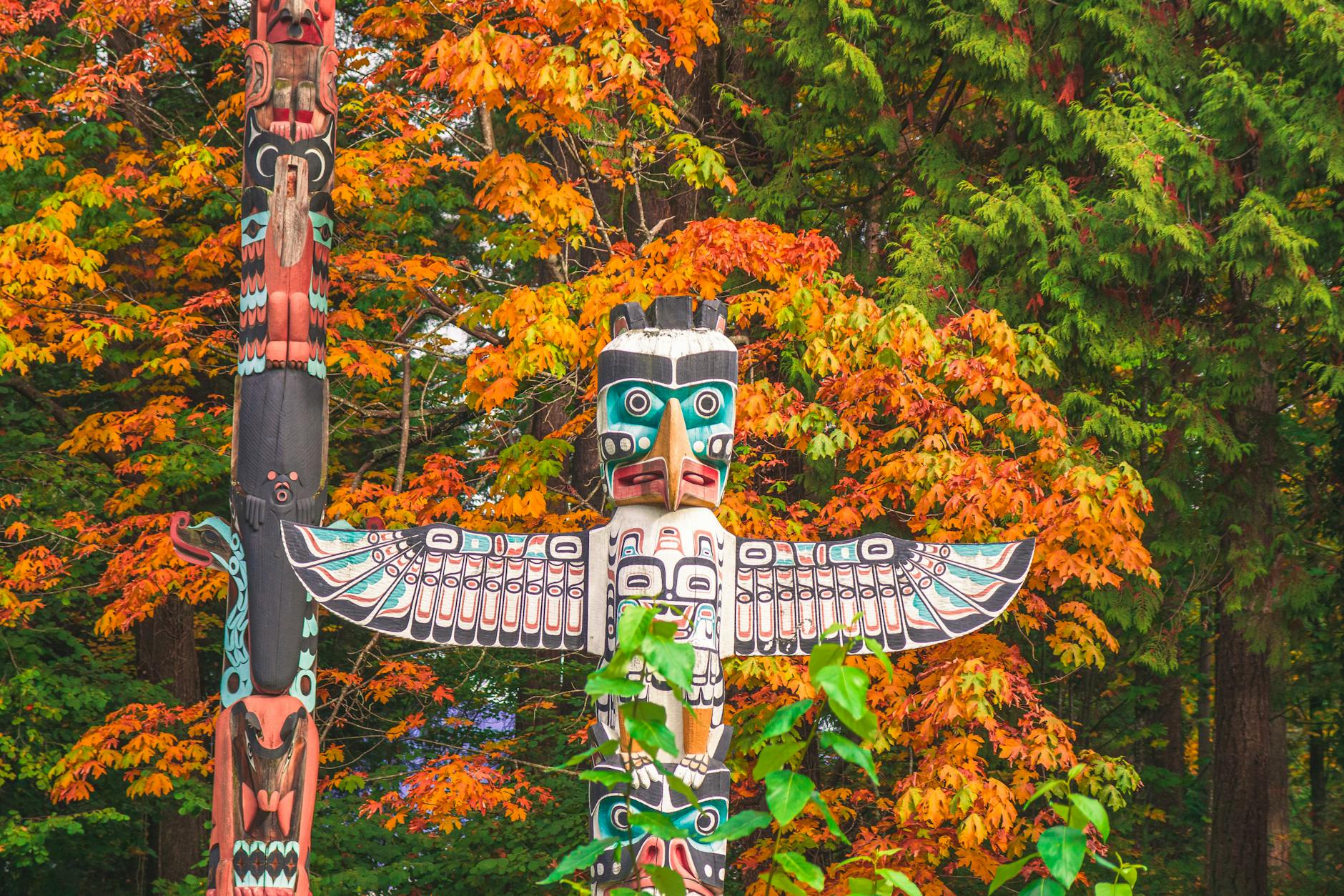
Vancouver culture cannot be understood without its Indigenous foundations. The modern city sits on the unceded traditional territories of the xʷməθkʷəy̓əm (Musqueam), Sḵwx̱wú7mesh (Squamish) and səlilwətaɬ (Tsleil-Waututh) Peoples — three Coast Salish Nations who have stewarded this coastline for more than 10,000 years. Any thoughtful visit begins there, and then builds outward through world-class museums, Indigenous-led tours, heritage Chinatown, the historic Punjabi Market and one of Canada’s most vibrant public-art scenes.
This 2026 guide is written as a respectful primer, not an encyclopedia. It points you to Indigenous-owned businesses first, to reputable museums and heritage organizations second, and to responsible ways you can learn, spend and reflect while you travel. Vancouver has been a City of Reconciliation since 2014, and the most meaningful cultural experiences here are shaped by that commitment.
Table of Contents
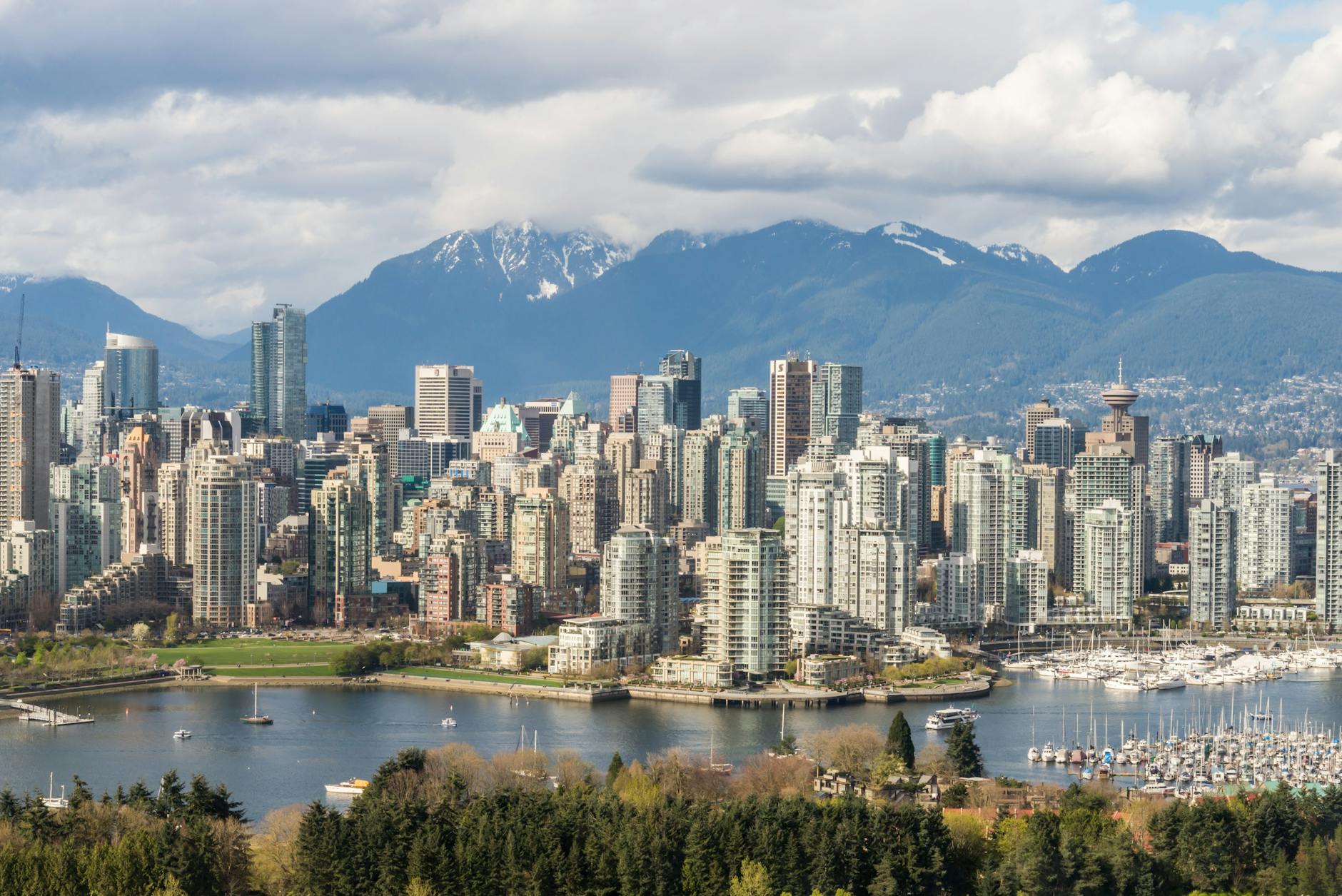
A Tourist’s Respectful Introduction to Vancouver Culture
Vancouver is often described as “new” — the City of Vancouver was incorporated in 1886, and much of the downtown skyline went up after Expo 86. That story is accurate for the settler city. It is not the full story of this place.
Long before Captain George Vancouver sailed into Burrard Inlet in 1792, the shores of what are now Stanley Park, Kitsilano, English Bay and the Fraser River were permanent villages, clam gardens, fishing camps, trade routes and ceremonial sites of the xʷməθkʷəy̓əm, Sḵwx̱wú7mesh and səlilwətaɬ Peoples. Place names like Stanley Park’s Xwayxway village site (near Lumberman’s Arch) and Sen̓áḵw (the Squamish Nation’s original village where the Burrard Bridge now lands) remind you that Indigenous life here is continuous, not historical.
For visitors, that has three practical implications. First, an “Indigenous experience” in Vancouver is never an add-on — it is the foundation of any authentic cultural itinerary. Second, Indigenous-owned and Indigenous-led businesses exist and are bookable; choosing them puts your tourism dollars where they have the most impact. Third, museums and galleries that hold Indigenous works have, in the last decade, significantly updated their practices, curation and collaboration models. The Museum of Anthropology at UBC, the Bill Reid Gallery and the Museum of Vancouver are the three most important of these and are all covered in detail below.
Beyond Indigenous culture, Vancouver’s 20th-century story is one of waves of immigration: Chinese railway workers who arrived for the Canadian Pacific Railway in the 1880s and built the city’s Chinatown; the Punjabi Sikh community centred on South Vancouver’s Ross Street since the 1970s; Japanese and Italian neighbourhoods on Powell Street and Commercial Drive; and more recent arrivals from Hong Kong, Iran, the Philippines and mainland China. You cannot understand Vancouver food, art, architecture or language without that layered immigrant history.
Finally, Vancouver is a contemporary art and design city in its own right — the Vancouver School of photoconceptualism (Jeff Wall, Stan Douglas, Roy Arden), the Arthur Erickson architectural legacy (UBC campus, MOA, Simon Fraser University), the country’s most prolific public-art program, and the country’s best-funded film industry after Toronto. There is a lot here for one 4–7 day trip.
Indigenous Land Acknowledgement (xʷməθkʷəy̓əm, Sḵwx̱wú7mesh, səlilwətaɬ)
Vancouver is situated on the unceded traditional territories of the xʷməθkʷəy̓əm (Musqueam), Sḵwx̱wú7mesh (Squamish) and səlilwətaɬ (Tsleil-Waututh) Nations. “Unceded” means these lands were never sold, surrendered or transferred through treaty — a legally and morally significant distinction in Canadian law and in the relationship between the Nations and the Crown.
The City of Vancouver adopted a formal land acknowledgement in 2014 and designated itself a “City of Reconciliation.” A decade later, in June 2024, the city marked the 10-year anniversary of that framework, which now shapes municipal decision-making, public-space design, cultural programming and partnership with the three local Nations.
A few notes on pronunciation and usage, since visitors often ask:
- xʷməθkʷəy̓əm (Musqueam) is roughly pronounced “hw-MUTH-kwee-um.” The word refers to a river grass (məθkʷəy̓) that grew at the mouth of the Fraser; xʷməθkʷəy̓əm means “people of the river grass.”
- Sḵwx̱wú7mesh (Squamish) is roughly pronounced “SKWAH-HWOO-mesh.” The name translates loosely to “Mother of the Wind.”
- səlilwətaɬ (Tsleil-Waututh) is roughly pronounced “sluh-WAY-tuth.” The name translates to “People of the Inlet,” referring to Burrard Inlet.
The cleanest, most respectful way to use a land acknowledgement as a traveller is quietly and privately — when you sit down at Stanley Park’s Brockton Point with its nine totem poles, or when you step off the SkyTrain at Waterfront, it’s appropriate to pause and acknowledge whose land you are on. You are not expected to perform it publicly. You are expected to act on it: to seek out Indigenous-led tours, to shop from Indigenous-owned galleries, to learn before you buy.
For more, the City of Vancouver’s City of Reconciliation page is a good starting point, and Indigenous Tourism BC maintains the most comprehensive list of authentically Indigenous-owned tourism operators in the province.
Indigenous-Led Tours
If you do one “culture” activity in Vancouver, make it an Indigenous-led tour. These are the single highest-leverage ways to understand this coast: you learn the actual history of the land you are standing on, from the people whose families have been on it for hundreds of generations, and your tourism dollars stay in the community.
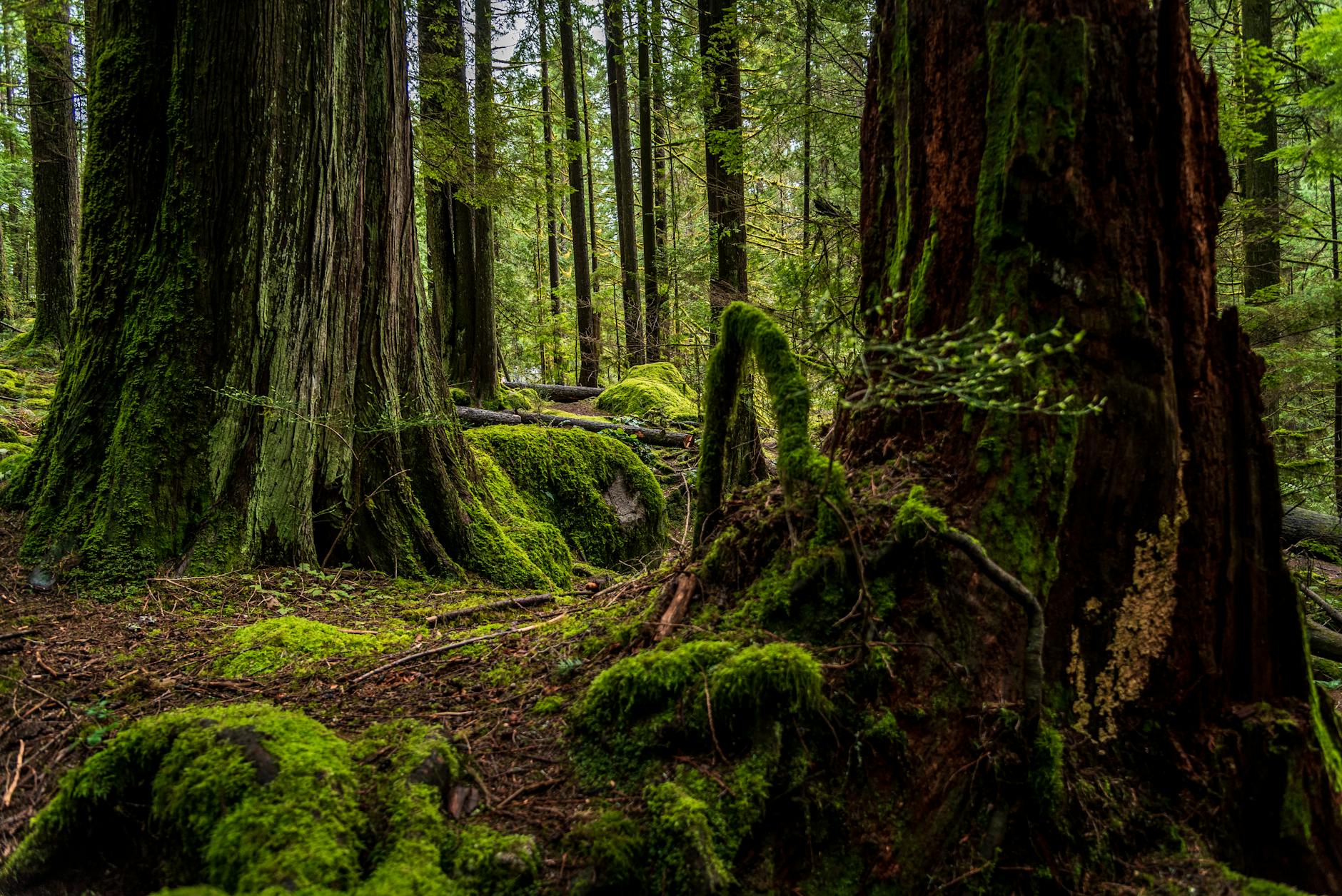
Talaysay Tours is Squamish and Shíshálh-owned and operates on the xʷməθkʷəy̓əm, Sḵwx̱wú7mesh and səlilwətaɬ territories. Their Stanley Park “Talking Trees” walk (about two hours) is the best single introduction to Coast Salish plant knowledge, history and oral tradition in the city — you learn how cedar, salmonberry, devil’s club and Sitka spruce have been used for food, medicine, clothing and ceremony for millennia. Their 2026 season has expanded to include walks based at the Lynn Valley Ecology Centre in North Vancouver. Tours from about $64 CAD per adult; under-10s often free.
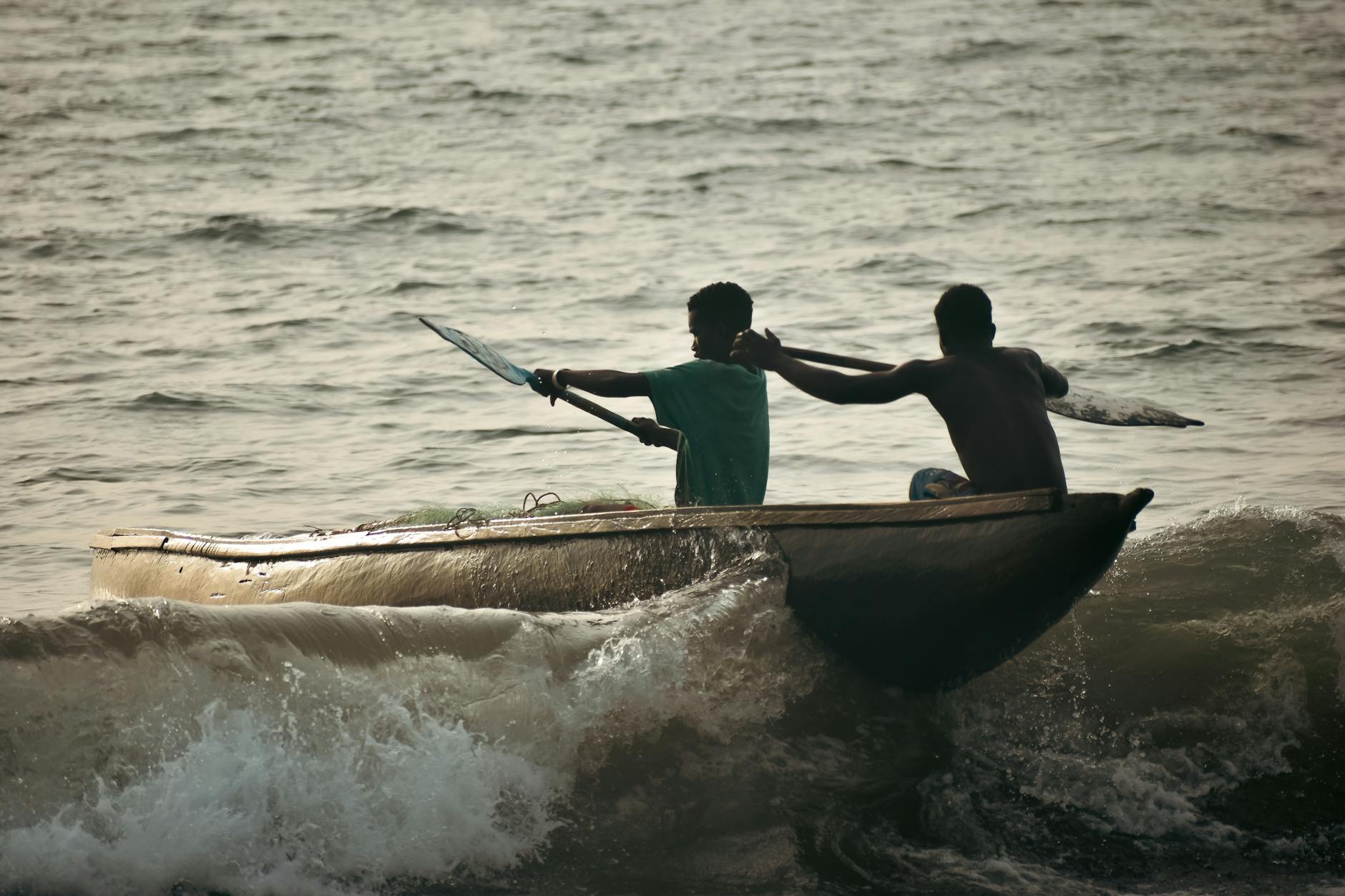
Takaya Tours is owned by the Tsleil-Waututh Nation and based in North Vancouver. Their signature experience is a guided ocean-canoe paddle on Indian Arm, the fjord at the head of Burrard Inlet. You paddle a traditional canoe with a Tsleil-Waututh guide, hear songs and stories on the water, and learn how the Tsleil-Waututh’s “People of the Inlet” name is a literal description of the territory you are crossing. There are also shorter cultural walks if paddling isn’t for you.
Squamish Lil’wat Cultural Centre is two hours north in Whistler, but if you are building a Sea-to-Sky day trip (see our Vancouver day-trips guide), it is absolutely worth the drive. The centre is jointly operated by the Squamish and Lil’wat Nations and is the best place to see carved cedar longhouse architecture, contemporary weavings and a full exhibition on the two Nations’ shared history.
Skwachàys Lodge on East Pender Street is a working Indigenous-owned boutique hotel and fair-trade gallery rolled into one. You do not need to be a guest to visit the gallery; every piece is authenticated and the profits fund affordable housing for urban Indigenous artists in the building upstairs. It is one of the few places in the city where you can be confident a piece labelled as Coast Salish, Nuu-chah-nulth or Haida work is authentic and ethically sourced.
Destination Vancouver’s Indigenous tourism portal at destinationvancouver.com maintains a current list of vetted operators and experiences, and is the best single place to start planning.
Indigenous-Owned Dining
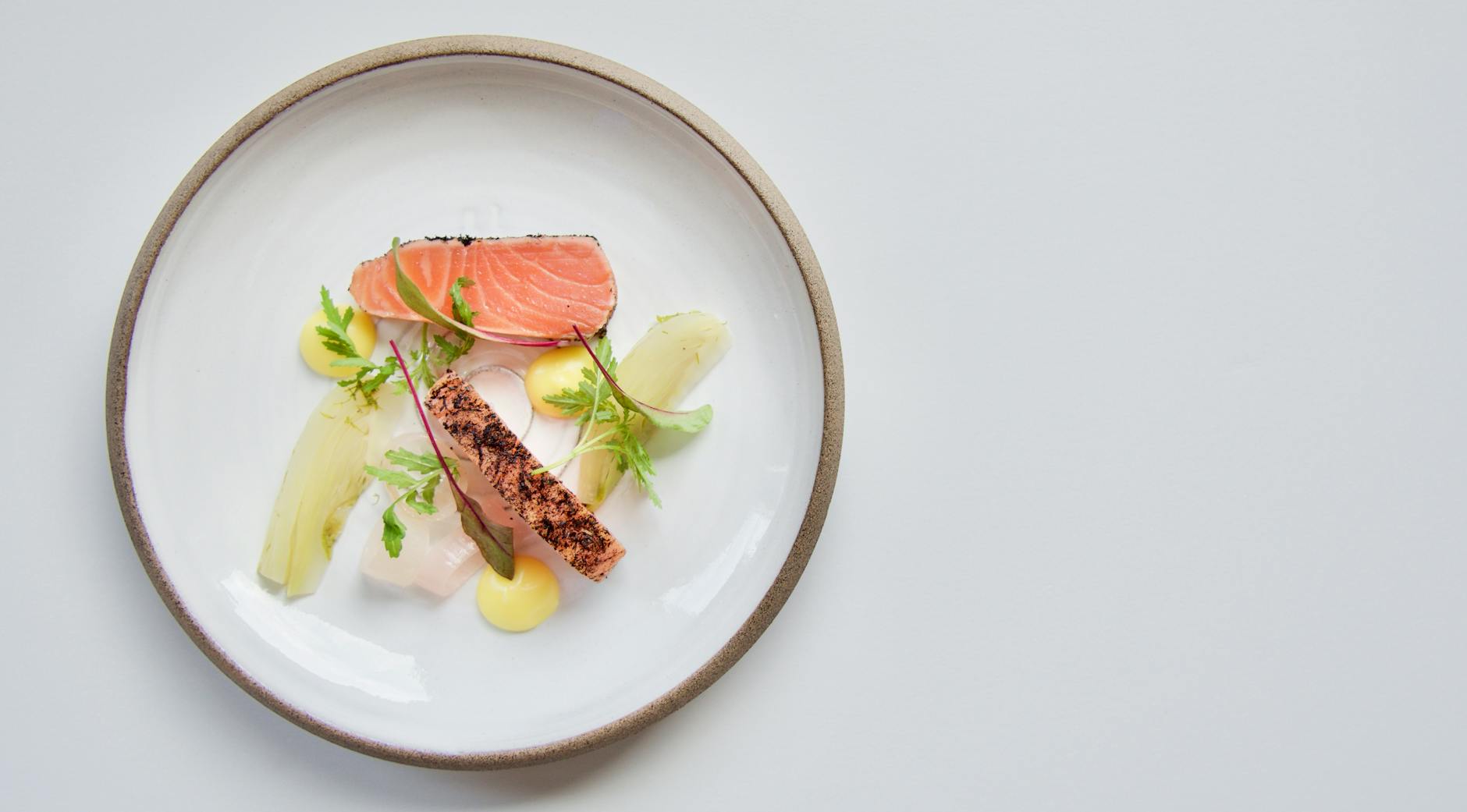
Vancouver’s Indigenous food scene is small but extraordinary, and eating at an Indigenous-owned restaurant is one of the easier high-impact choices a visitor can make.
Salmon n’ Bannock on West Broadway is Vancouver’s flagship Indigenous restaurant and the one most visitors should prioritize. Owned by Inez Cook (Nuxalk) since 2010, the menu pulls from First Nations across Canada: wild sockeye salmon, bison, elk, venison, sage tea, juniper and the namesake bannock (a traditional pan-bread). The bison pot roast and the fireweed-and-sage-crusted salmon are signatures. Dinner mains $34–$58 in 2026; reserve several days ahead, especially Thursday–Saturday.
There is a smaller Salmon n’ Bannock On the Fly outpost at YVR’s international terminal — one of the only Indigenous-owned restaurants in any major airport in North America and a genuinely good last meal before flying home.
Mr. Bannock is a Shuswap-owned food truck (and catering business) serving Indigenous fusion — think venison tacos on bannock and wild-blueberry bannock jam tarts. Locations rotate; check their social media for current spots, commonly around Downtown and Kitsilano.
If you are exploring Gastown, Skwachàys Café on West Pender occasionally hosts Indigenous pop-up chefs; again, check in advance.
For a deeper food-scene overview, see our Vancouver food and restaurant pillar, which also covers Chinatown, Punjabi Market and Richmond dumpling halls.
Museum of Anthropology at UBC
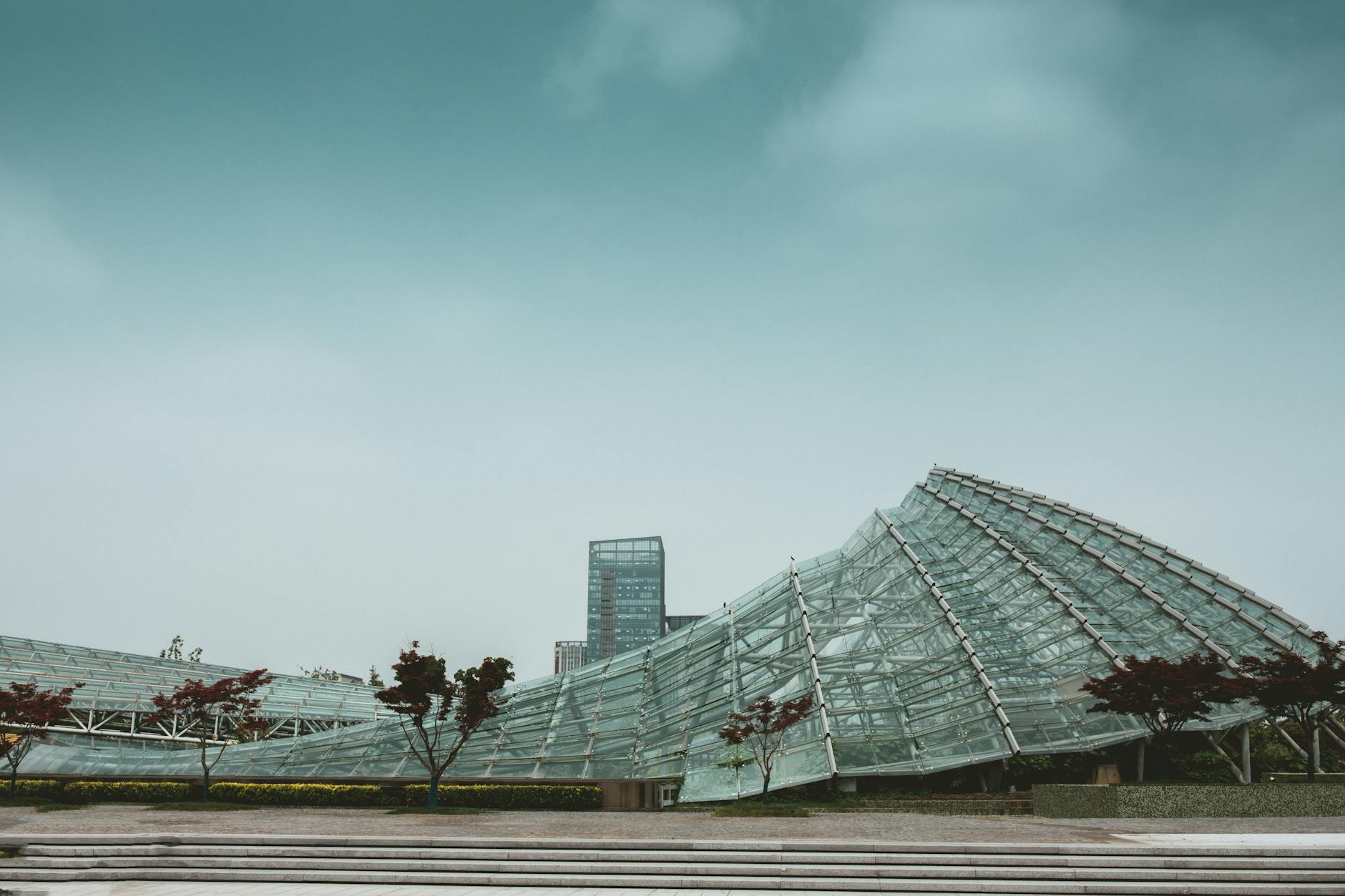
The Museum of Anthropology (MOA) on the UBC Point Grey campus is, without exaggeration, one of the three or four most important anthropology museums in the world, and the single most significant Northwest Coast Indigenous collection anywhere. It holds the world’s largest holding of works by Haida artist Bill Reid and more than 50,000 other objects from cultures across the globe.
MOA reopened on June 13, 2024 after an 18-month seismic upgrade. The revitalized Great Hall — Arthur Erickson’s soaring 15-metre glass-and-concrete room facing the Strait of Georgia — is now safer, brighter, and presents Northwest Coast totem poles, bentwood boxes and carved house posts in a rebuilt context with expanded Indigenous-authored labels.
Two exhibitions to prioritize in 2026:
- To be seen, to be heard: First Nations in Public Spaces, 1900–1965 — an Indigenous-curated exhibition on how First Nations people navigated public life during the potlatch ban and the residential-school era. Difficult, essential history.
- In Pursuit of Venus (Infected) — a vast, 26-metre-wide digital animation by Māori artist Lisa Reihana, reworking an 18th-century French wallpaper depicting Captain Cook’s Pacific voyages. Compelling viewing for anyone interested in colonial encounter and contemporary Indigenous art.
Practical details for 2026: adult admission around $18 CAD, discounted Thursday evenings (5–9 p.m.), closed Mondays. Allow 2–3 hours. Getting there: UBC bus lines 4, 14, 44, 49 or 84 from downtown (about 35–45 minutes); by car, pay parking at Rose Garden Parkade five minutes’ walk away. For planning the whole UBC visit, see our Vancouver things to do pillar.
Official site: moa.ubc.ca.
Bill Reid Gallery
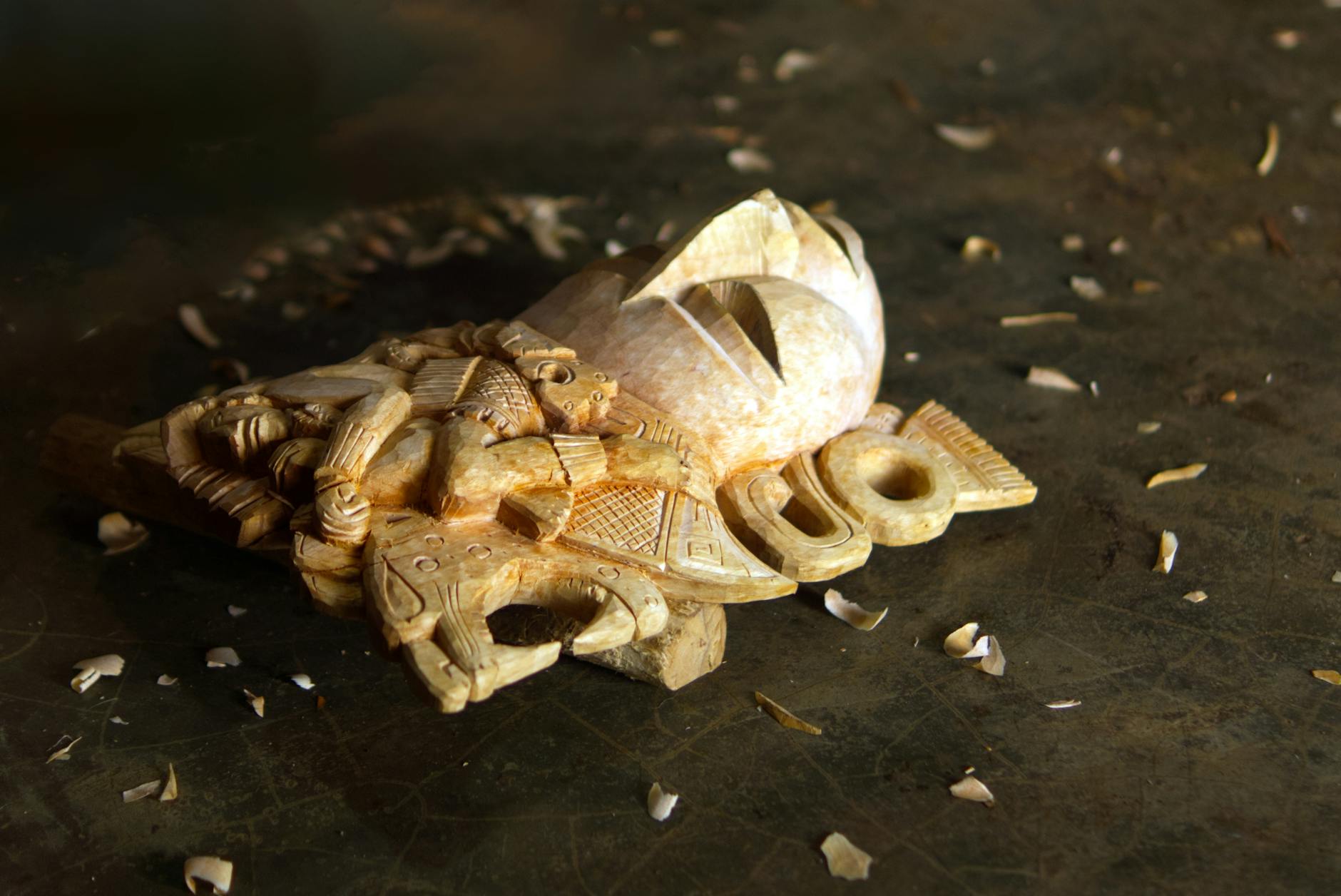
The Bill Reid Gallery of Northwest Coast Art on Hornby Street downtown is the only public gallery in Canada devoted exclusively to contemporary Northwest Coast Indigenous art. It is named for the Haida master artist Bill Reid (1920–1998), whose monumental bronze Spirit of Haida Gwaii: The Jade Canoe is on permanent display at YVR’s international terminal and pictured on the back of the old Canadian twenty-dollar bill.
The gallery is small — you can see it properly in 60 to 90 minutes — but the curatorial programming is consistently excellent. Recent exhibitions have highlighted Tahltan Nation weaving, Nuu-chah-nulth sculpture, Coast Salish basketry and emerging Haida printmaking. It is an ideal first stop if you are downtown and want a grounded introduction to Northwest Coast art before heading out to MOA.
Permanent highlights include Reid’s own Mythic Messengers bronze frieze (13.5 metres long, originally commissioned for Teleglobe Canada), plus a rotating selection of contemporary work by artists represented by the gallery’s artist-in-residence program.
Practical details: 639 Hornby Street, near Burrard SkyTrain Station; adult admission around $14 CAD; typically open Wednesday–Sunday, 11 a.m.–5 p.m., closed Mondays and Tuesdays. Tickets are often discounted for students, seniors and Indigenous visitors (free). Check the website before going as programming changes quarterly.
Museum of Vancouver
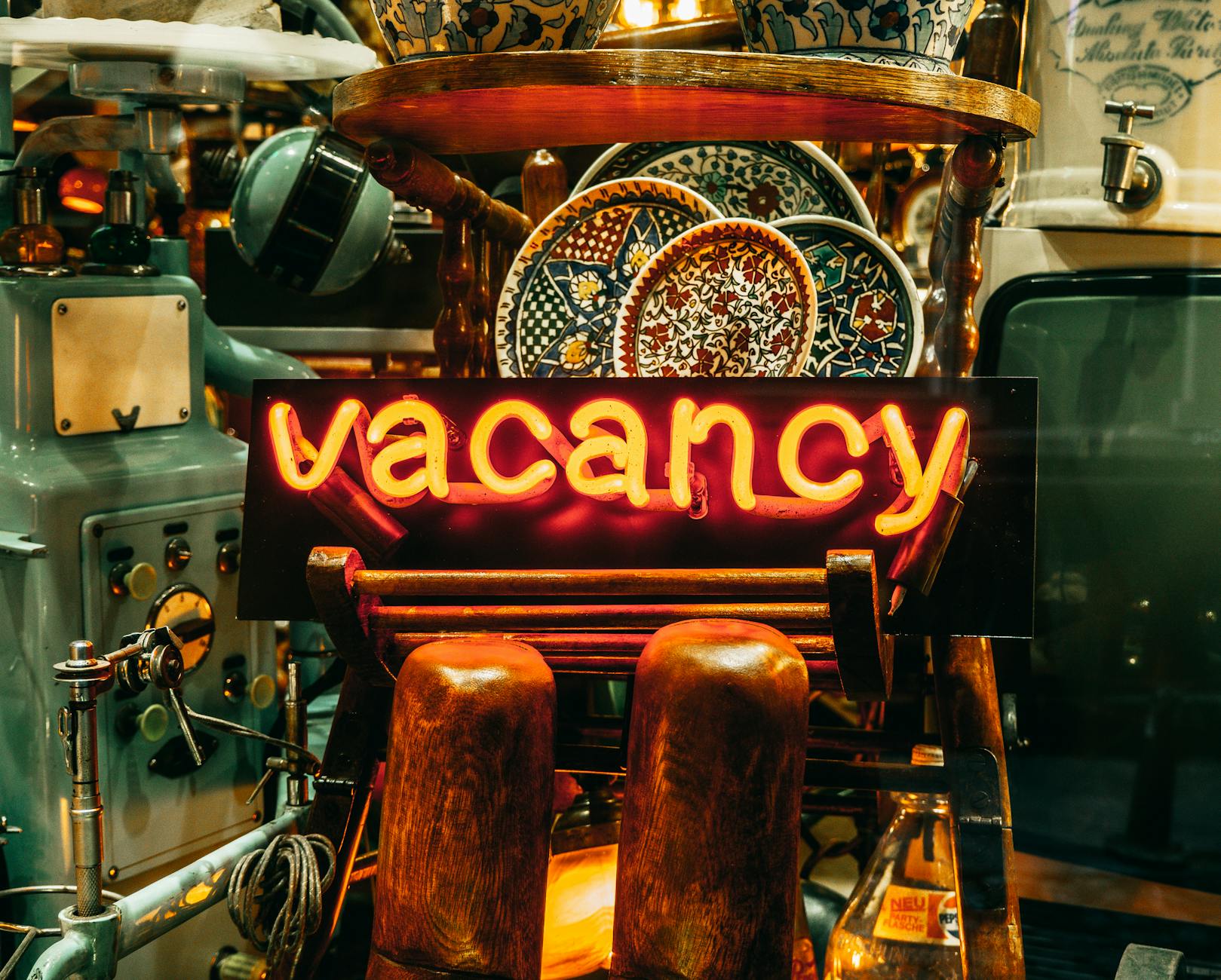
The Museum of Vancouver (MOV) in Vanier Park (Kitsilano) is the best single place to understand the modern city — its neon-sign past, its Expo 86 moment, its counterculture Kitsilano hippie era, its Asian-Canadian history and its ongoing conversations about reconciliation, gentrification and urban change.
The permanent galleries are organized chronologically: 1900s–1920s, the Jazz Age, the 1950s, the 1960s–70s, 80s-and-90s, plus a standout Neon Vancouver / Ugly Vancouver gallery that holds one of Canada’s most beloved collections of vintage neon signage (Vancouver was the neon capital of North America in the 1950s).
Rotating exhibitions often focus on Indigenous, Chinese-Canadian and South Asian histories and tend to be genuinely worth a visit. Check current programming at museumofvancouver.ca.
MOV shares a campus with the H.R. MacMillan Space Centre and the Vancouver Maritime Museum, making Vanier Park one of the city’s easiest half-day culture clusters, especially if you are visiting with kids (covered in our Vancouver with kids pillar). Adult admission around $20 CAD; allow 2 hours for MOV alone.
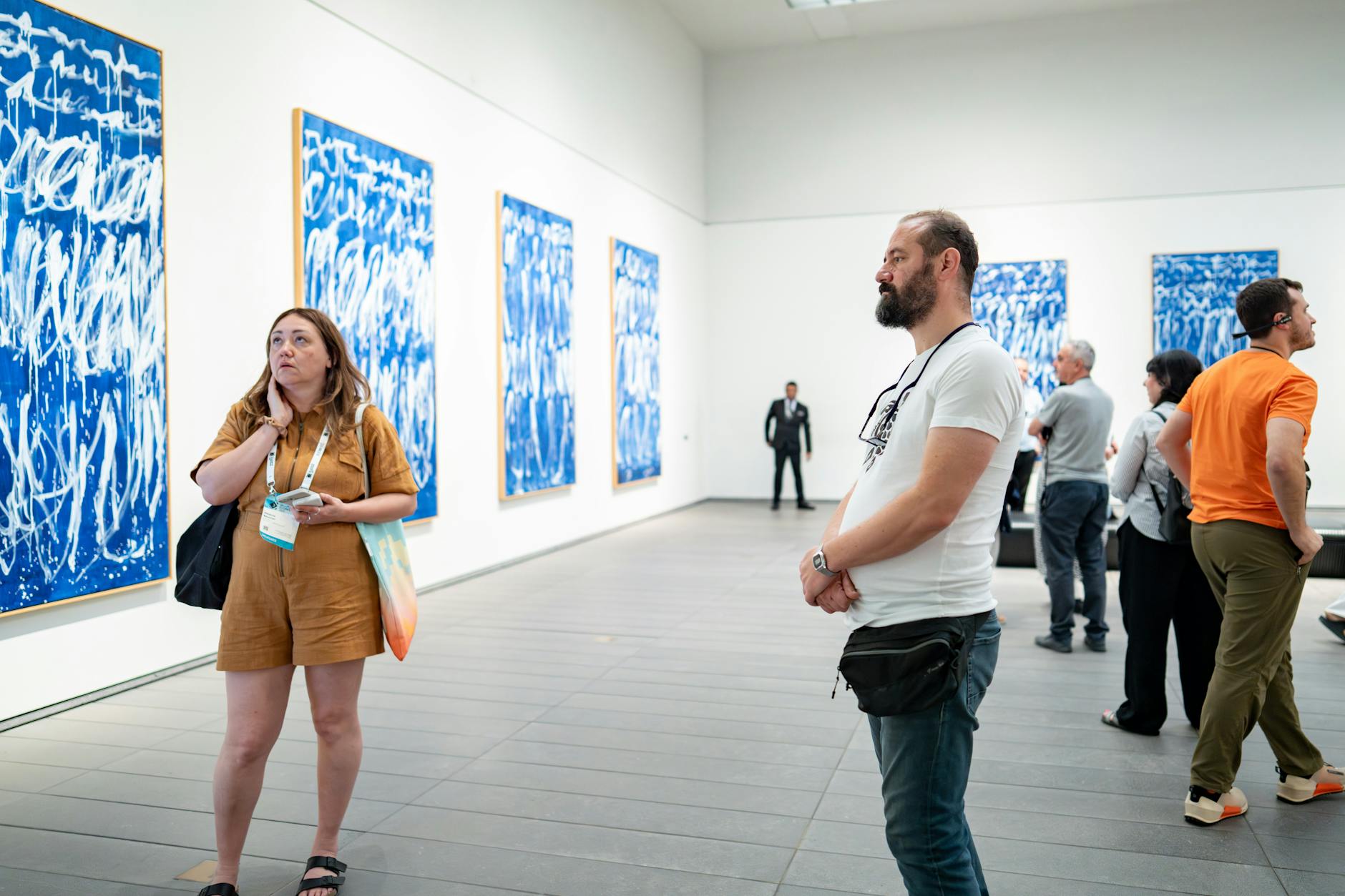
Vancouver Art Gallery
The Vancouver Art Gallery (VAG) anchors the downtown block between Robson, Hornby and Georgia. Housed in the neoclassical former provincial courthouse, it is the largest art museum in Western Canada and holds the definitive Emily Carr collection — roughly 200 works by Canada’s most beloved early-20th-century painter, whose forest and totem imagery is inseparable from the visual identity of the Pacific Northwest.
The permanent collection also holds significant Vancouver-school photoconceptualism (Jeff Wall, Ian Wallace, Rodney Graham, Stan Douglas, Roy Arden, Ken Lum), which is the single most influential Canadian contribution to contemporary photography since the 1970s.
Rotating exhibitions in any given season typically include one large Indigenous or Asian-Canadian show, one international touring exhibition (recent examples: Yoko Ono, Picasso prints, Mexican modernism) and one focused local show.
Planning notes for 2026:
- Adult admission $29 CAD for BC residents, $35 for visitors from outside BC; everyone 18 and under is free, as are Indigenous visitors.
- The gallery is closed Tuesdays. Admission is free for everyone on the first Friday of each month, 4–8 p.m. — this replaced the old Tuesday by-donation evening, so ignore any guidance that still mentions it.
- The new Herzog & de Meuron-designed VAG building on Larwill Park is under construction and is not expected to open until later in the decade; for 2026 the gallery remains in its Robson Street location.
- Allow 2–3 hours. The ground-floor café and the fourth-floor terrace both overlook Robson Square.
Official site: vanartgallery.bc.ca.
Public Art Walks
Vancouver has more than 700 pieces of registered public art — the largest municipal public-art program in Canada — and the best way to see the city is to walk between them. Three routes stand out for visitors.
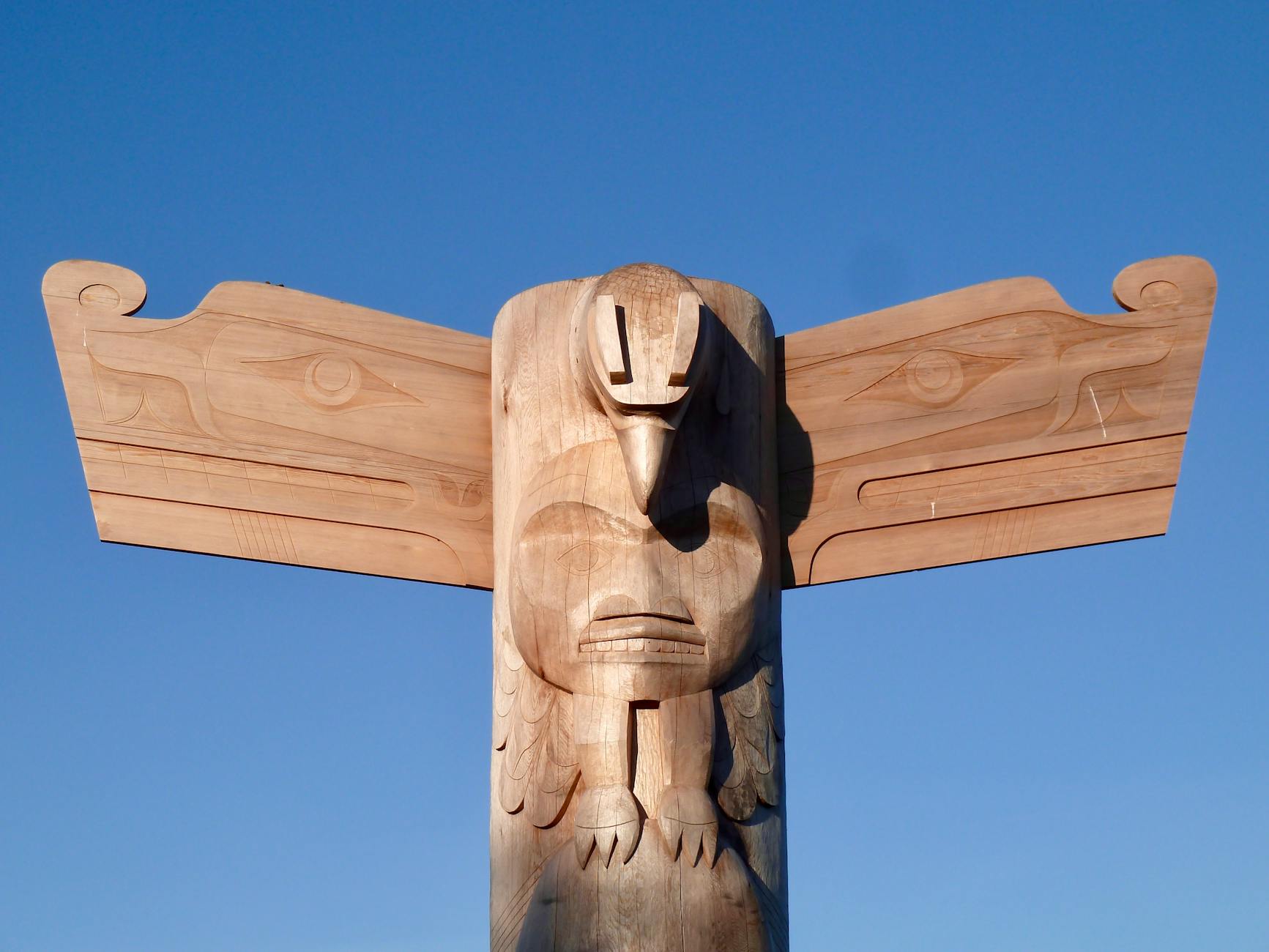
1. Stanley Park: Brockton Point totem poles and Coast Salish Gateways. The nine totem poles at Brockton Point are British Columbia’s most-visited tourist attraction. They were originally collected from Alert Bay, Rivers Inlet and Haida Gwaii starting in the 1920s; several have since been repatriated and replaced with authorized replicas and new works commissioned directly from artists. Since 2008, the site has also featured Coast Salish Musqueam artist Susan Point’s three People Among the People gateway arches — a collaboration among the three local Nations and the first major Coast Salish public artwork in Stanley Park. Brockton Point is free, open year-round and reachable by the Stanley Park Seawall, the free Park Shuttle or parking at Brockton Oval. Our things-to-do pillar covers the rest of Stanley Park.
2. Downtown and Olympic Village public-art loop. Start at Douglas Coupland’s Digital Orca at the Vancouver Convention Centre, walk the waterfront past Dennis Oppenheim’s Device to Root Out Evil (inverted church) and Alan Chung Hung’s sundial, cross False Creek to the Olympic Village’s 14-foot bronze Birds by Myfanwy MacLeod and continue to the Sen̓áḵw public-art installations being installed around the new Squamish Nation-led development at the foot of the Burrard Bridge. About 90 minutes at walking pace.
3. Chinatown and Strathcona murals. The Vancouver Mural Festival, which closed in January 2025, painted public murals across the city, and the Chinatown/Strathcona corridor around Main Street, East Pender and Union Street contains the densest concentration. Walk from Gastown’s Steam Clock east along Pender, turn south at Main. Free, any time, about an hour.
For curated maps, the City of Vancouver’s Public Art Registry is the place to start.
Chinatown Heritage
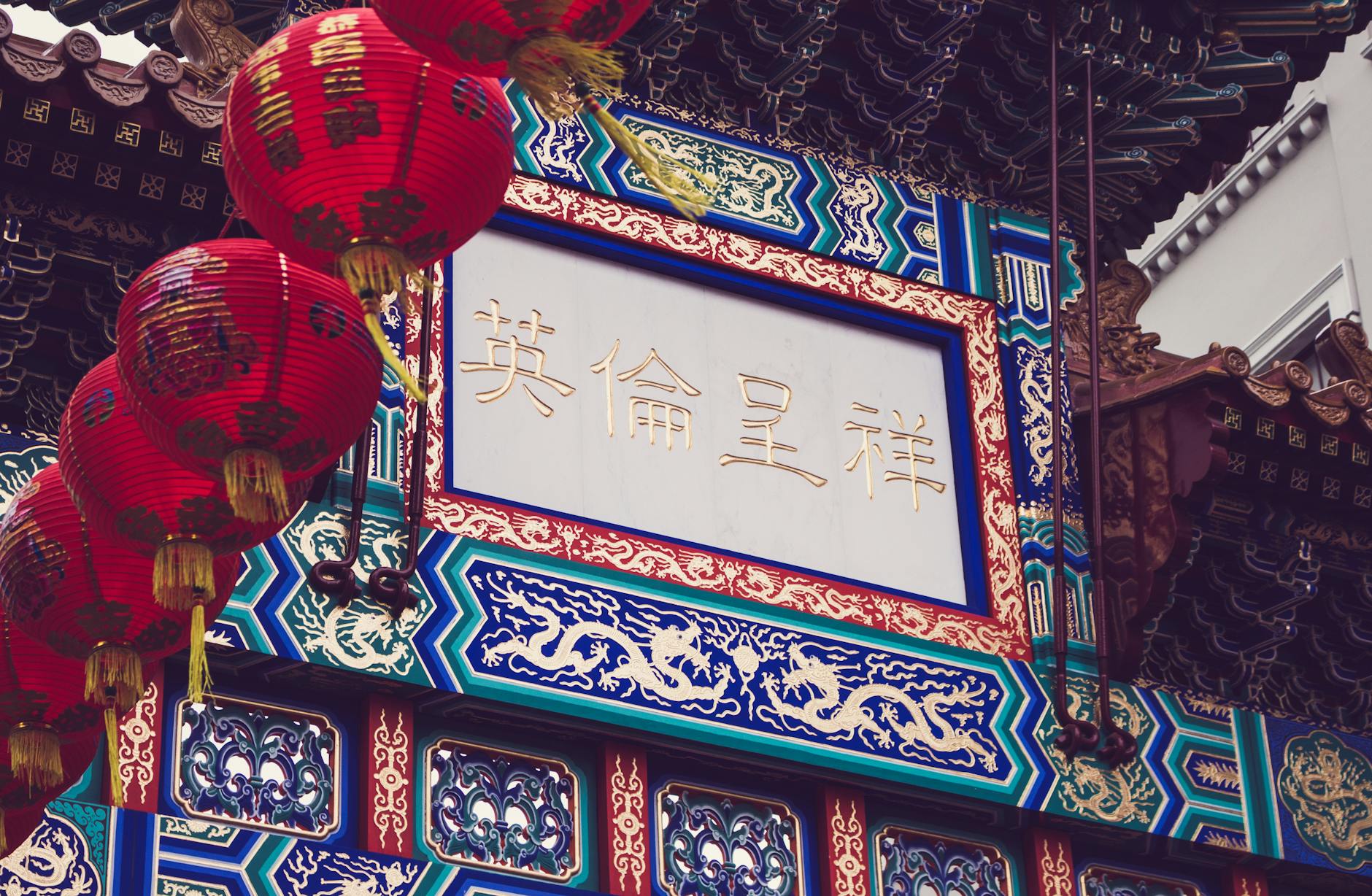
Vancouver’s Chinatown is the second-oldest Chinese neighbourhood in North America (after San Francisco) and, at its 1971 peak, was the second-largest by population. It was built by Chinese labourers who arrived for the Canadian Pacific Railway in the early 1880s — roughly 10,000 Chinese workers helped build the line that made Vancouver a terminus city — and who, after the railway was finished in 1885, were subject to head taxes (1885–1923), outright exclusion (the 1923 Chinese Immigration Act) and a formal federal apology only in 2006.
A respectful visit anchors on three things:
Dr. Sun Yat-Sen Classical Chinese Garden. Opened in 1986 as the first authentic Ming Dynasty-style scholar’s garden ever built outside China, this is the heart of the neighbourhood. It was constructed by 53 artisans brought from Suzhou using traditional techniques, with no nails, screws or power tools. Adult admission around $16 CAD; guided tours included. Directly adjacent is the free Dr. Sun Yat-Sen Park, which is also beautiful. Details at vancouverchinesegarden.com.
Chinese Canadian Museum. Canada’s first dedicated Chinese Canadian museum opened in the restored Wing Sang Building on East Pender Street in July 2023 — the oldest building in Chinatown, built in 1889. Its permanent exhibition, The Paper Trail to the 1923 Chinese Exclusion Act, is one of the best history exhibits in the city. Adult admission about $15 CAD; allow 90 minutes.
Walking tours. Historical Chinatown Tours (led by founder Judy Lam Maxwell, a third-generation Chinatown resident) and Forbidden Vancouver‘s “Lost Souls of Gastown” both cover the neighbourhood’s history in detail, including the overlapping stories of Chinatown, Japantown’s internment, and Gastown’s tough waterfront saloon era.
Where to eat: New Town Bakery for pork buns and coconut buns (since 1980); Bao Bei for modern Chinese small plates; Phnom Penh for the best chicken wings in Canada (Cambodian-Chinese); Hon’s Wun-Tun House for classic old-school Cantonese. More recommendations are in our food scene pillar.
Punjabi Market & South Asian Heritage
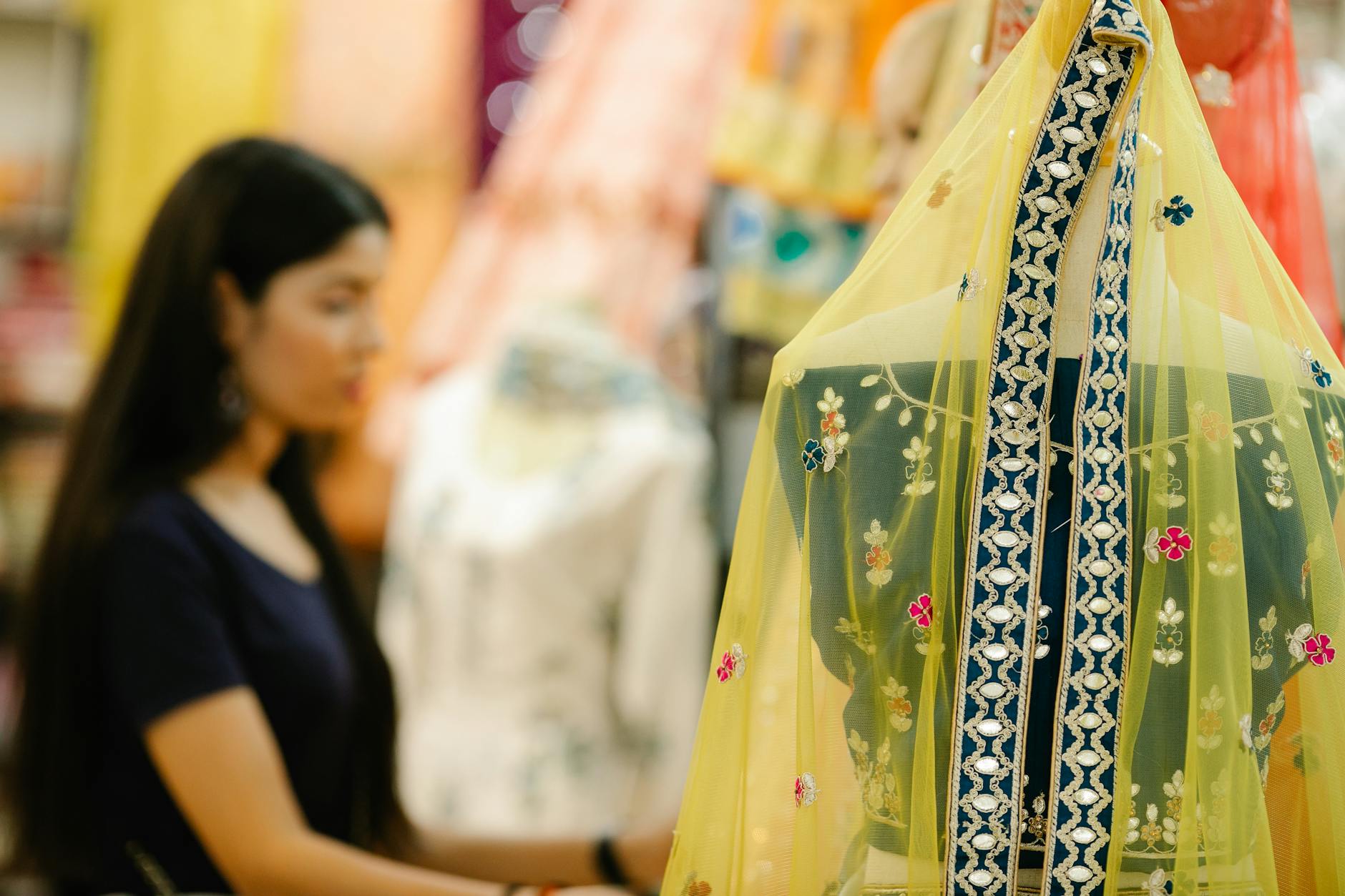
Vancouver’s Punjabi Market, centred at Main Street and 49th Avenue, was the first South Asian commercial district in North America. It flourished from the 1970s through the late 2000s and, at its peak, held more than 60 sari shops, sweet shops and gold jewellers in an eight-block radius.
Much of the market’s retail footprint has shifted south into Surrey over the past two decades, but a smaller, revitalized Punjabi Market has taken its place — one focused on food, art and intergenerational storytelling rather than retail alone. Key 2026 stops include:
- Punjabi Market Collective events and pop-ups, often running April–October along Main Street’s 49th–51st block.
- Paldi Punjabi Sweets and All India Sweets & Restaurant for the essential burfi, jalebi, gulab jamun and chai.
- Frontier Cloth House (since 1979), one of the last original sari and fabric shops on the strip.
- Sikh Gurdwara Khalsa Diwan Society Ross Street Temple a block south — designed by Arthur Erickson in 1970, this was Canada’s first major post-WWII Sikh place of worship. Visitors are welcome; cover your head and remove your shoes before entering.
For cultural context, the South Asian Studies Institute at the University of the Fraser Valley maintains excellent free online resources, and Vaisakhi — the Sikh new year and spring harvest festival — is marked each April with a massive parade down Main Street in Vancouver and the largest Vaisakhi parade outside India in Surrey the following weekend. Both are free; both are covered in our Vancouver events and festivals guide.
Brief History of Vancouver
A compressed timeline of the city, written for travellers who want context rather than a textbook:
Pre-contact (pre-1792). The xʷməθkʷəy̓əm, Sḵwx̱wú7mesh and səlilwətaɬ Peoples have occupied the southern Burrard Inlet region for at least 10,000 years — archaeological sites at Stanley Park’s Xwayxway village and c̓əsnaʔəm (Musqueam) in Marpole show continuous habitation back to roughly 3000 BCE.
1792. Captain George Vancouver charts Burrard Inlet for the British Admiralty during the Spanish-British survey of the coast. No European settlement yet.
1867. Jack “Gassy Jack” Deighton opens a saloon for Fraser River sawmill workers — the origin of Gastown and of the settler city. The neighbourhood you walk today (Water Street, cobblestones, Steam Clock) is the area built up around that original saloon.
1881–1885. Ten thousand Chinese labourers help build the Canadian Pacific Railway through British Columbia. Chinatown forms around East Pender and Main.
April 6, 1886. The City of Vancouver is incorporated with about 1,000 residents.
June 13, 1886. The Great Vancouver Fire destroys essentially the entire downtown in less than an hour. Rebuilding in brick and stone begins the next day.
1887. The CPR’s first transcontinental passenger train arrives at Coal Harbour, confirming Vancouver as Canada’s Pacific terminus and setting off a 40-year population boom.
1907. The Vancouver anti-Asian riots attack Chinatown and Japantown, marking a low point in the city’s civil-rights history.
1923. The federal Chinese Immigration Act (“Chinese Exclusion Act”) effectively halts all Chinese immigration to Canada until 1947.
1942–1949. Japanese Canadians in Vancouver are forcibly removed to internment camps in the BC interior. The Powell Street Japantown never fully recovers; the federal government issues a formal apology and redress in 1988.
1971. Greenpeace is founded in Vancouver by a group of anti-nuclear activists from Kitsilano.
1986. Expo 86 transforms False Creek from a working industrial waterway into the post-industrial waterfront it is today. SkyTrain launches the same year.
2010. The XXI Olympic Winter Games put the city, Whistler and the Sea-to-Sky corridor on the global map.
2014. Vancouver City Council formally declares itself a City of Reconciliation; the city begins systematically acknowledging and partnering with the xʷməθkʷəy̓əm, Sḵwx̱wú7mesh and səlilwətaɬ Nations in municipal policy.
2024. Ten-year anniversary of the City of Reconciliation framework. The Museum of Anthropology reopens after its seismic upgrade. Construction continues on Sen̓áḵw — a 6,000-unit Squamish Nation-led neighbourhood at the south end of the Burrard Bridge, one of the largest Indigenous-led developments in Canada.
2026. Vancouver co-hosts seven FIFA World Cup 2026 matches at BC Place — the city’s largest single event since the 2010 Olympics.
Respectful Travel & Reconciliation Resources
If you want to leave Vancouver having done more than simply consumed a few museums, here is a short, honest guide to travelling respectfully.
Prioritize Indigenous-owned businesses. When there is a choice, book the Indigenous tour operator, eat at the Indigenous restaurant, buy from the Indigenous artist’s gallery (Skwachàys Lodge, the Bill Reid Gallery shop and MOA’s gift shop all sell authenticated work). Indigenous Tourism BC is the best directory.
Learn to recognize authentic work. “Native-style” designs on tourist-shop T-shirts, magnets and jewellery are usually not made by Indigenous artists and do not benefit Indigenous communities. Authenticated pieces will name the artist, their Nation and often a certificate of authenticity. If in doubt, buy from a gallery that specializes.
Read before you go. Three excellent primers: Thomas King’s The Inconvenient Indian, Bob Joseph’s 21 Things You May Not Know About the Indian Act, and the National Centre for Truth and Reconciliation’s freely available TRC Final Report summary.
Understand “unceded.” Unlike most of the rest of Canada, the Nations whose territory Vancouver sits on never signed a treaty ceding the land. That status informs ongoing legal, political and economic conversations in the city.
Support reconciliation financially. If you want to give back as a visitor, the Legacy of Hope Foundation, the Indian Residential School Survivors Society and the Reconciliation Canada charity (based in Vancouver) are three established, widely respected options.
Be present on September 30. The National Day for Truth and Reconciliation (Orange Shirt Day) falls each September 30. If you are in Vancouver that week, the day is marked with public events at Trillium Park and along the Stanley Park Seawall; free, all welcome.
Vancouver’s Museums, Art & History in Depth
Each of the guides below goes deeper than this page can — opening hours, current prices, how to get there, and what we’d skip. Start here if you already know what you want to plan.
- Museum of Anthropology at UBC: Complete Guide (2026)
- Indigenous Tours in Vancouver: Who to Book & Why (2026)
- Vancouver Art Gallery: Visitor’s Guide (2026)
- Museum of Vancouver: City Stories Told Well (2026)
- Chinatown Vancouver Heritage Walk (2026)
- Salmon n’ Bannock & Indigenous-Owned Restaurants Vancouver (2026)
- Stanley Park Totem Poles Guide (2026)
- Bill Reid Gallery of Northwest Coast Art (2026)
- Public Art in Vancouver: A Self-Guided Tour (2026)
- Vancouver History: A Tourist’s Quick Primer (2026)
FAQs
Is it appropriate for tourists to visit Indigenous sites in Vancouver?
Yes, at sites that have explicitly invited visitors — Brockton Point totem poles, Indigenous-led tours like Talaysay and Takaya, MOA at UBC, Bill Reid Gallery, Squamish Lil’wat Cultural Centre. Avoid visiting residential areas of the three local Nations (Musqueam Reserve on the southwest side of UBC, Capilano Reserve in North Vancouver, Tsleil-Waututh Reserve in North Vancouver) unless you have been invited or are attending a public event.
What is the single best Indigenous experience for a first-time visitor?
If you have only time for one, Talaysay Tours’ Stanley Park “Talking Trees” walk. If you have a half-day, MOA at UBC. If you have a full day, pair MOA with dinner at Salmon n’ Bannock.
How do I correctly pronounce xʷməθkʷəy̓əm, Sḵwx̱wú7mesh and səlilwətaɬ?
Roughly “hw-MUTH-kwee-um,” “SKWAH-HWOO-mesh” and “sluh-WAY-tuth.” “Musqueam,” “Squamish” and “Tsleil-Waututh” are anglicizations that are respectful to use if the original spellings are difficult; they are the spellings the Nations themselves use in English.
Is it culturally inappropriate to buy “totem pole” souvenirs?
Mass-produced plastic totems are not traditional art and the profits do not return to Indigenous communities. Authentic hand-carved work by named Indigenous artists — available at Skwachàys Lodge, Bill Reid Gallery shop, MOA shop and Hill’s Native Art in Gastown — is a meaningful purchase and supports the community directly.
Are museums free on any days?
Vancouver Art Gallery is free on the first Friday of each month, 4–8 p.m. (it is closed Tuesdays). MOA offers discounted admission Thursday evenings 5–9 p.m. Many museums waive fees on Canada Day (July 1) and on the National Day for Truth and Reconciliation (Sept 30); always confirm on the day.
How many days do I need for Vancouver culture?
A thorough “culture” day plan: morning at MOA, lunch at UBC or back downtown at Bill Reid Gallery café, afternoon in Chinatown (Chinese Canadian Museum + Dr. Sun Yat-Sen Garden), dinner at Salmon n’ Bannock. Add a second day for Museum of Vancouver, VAG and a Talaysay or Takaya tour. See our full Vancouver itinerary pillar for multi-day plans.
When is the best time to visit culturally?
Vaisakhi (mid-April), the Powell Street Japanese Festival (early August), Indigenous Fashion Week (early November) and the National Day for Truth and Reconciliation (September 30) are the four biggest cultural dates. See our best-time-to-visit pillar for the full year.
Is this information officially reviewed by the Nations?
This is a traveller’s primer written in good faith using publicly available information from the three Nations, the City of Vancouver, Destination Vancouver, Indigenous Tourism BC, and the featured museums. It is not an official statement of the xʷməθkʷəy̓əm, Sḵwx̱wú7mesh or səlilwətaɬ Nations. For official information, see each Nation’s website: musqueam.bc.ca, squamish.net, and twnation.ca.
Related pillars: Things to Do in Vancouver · Vancouver Itinerary · Where to Stay in Vancouver · Best Time to Visit Vancouver · Vancouver Transportation Guide · Vancouver Day Trips · Vancouver Food Scene · Outdoor Activities · Cruise Port Guide · Vancouver with Kids · Vancouver on a Budget · Events & Festivals · Vancouver Nightlife · Winter in Vancouver