
Winter in Vancouver is the most misunderstood season in the city. The downtown reality is a mild, rainy, 4–7°C urban winter — almost no snow at sea level most years. Twenty minutes away by car, the North Shore mountains (Grouse, Cypress, Seymour) get a full Coastal alpine snowpack, and 90 minutes up Highway 99 is one of the ten best ski resorts in the world. That combination — downtown rain plus mountain snow an hour up the road — is what makes Vancouver winter unlike anywhere else in North America. You can ski on fresh powder in the morning and eat dim sum in Chinatown at lunch. This 2026 pillar covers everything: what a damp West-Coast winter actually feels like, the three local ski hills compared side-by-side, Whistler from Vancouver as a day trip or overnight, free ice rinks, snowshoeing routes, winter hiking safety, Christmas markets and light festivals, and what to pack. Prices are in CAD and current for the 2025/2026 season.
Table of Contents
- What Winter in Vancouver Is Really Like
- Three Local Ski Hills Compared
- Whistler from Vancouver
- Ice Skating Rinks
- Snowshoeing
- Winter Hiking Safety
- Cozy Indoor Alternatives
- Christmas, Markets & Lights
- Lunar New Year
- What to Pack for a Wet Winter
- Winter Hotel Picks
- Driving in Winter Conditions
- Winter in Vancouver FAQs
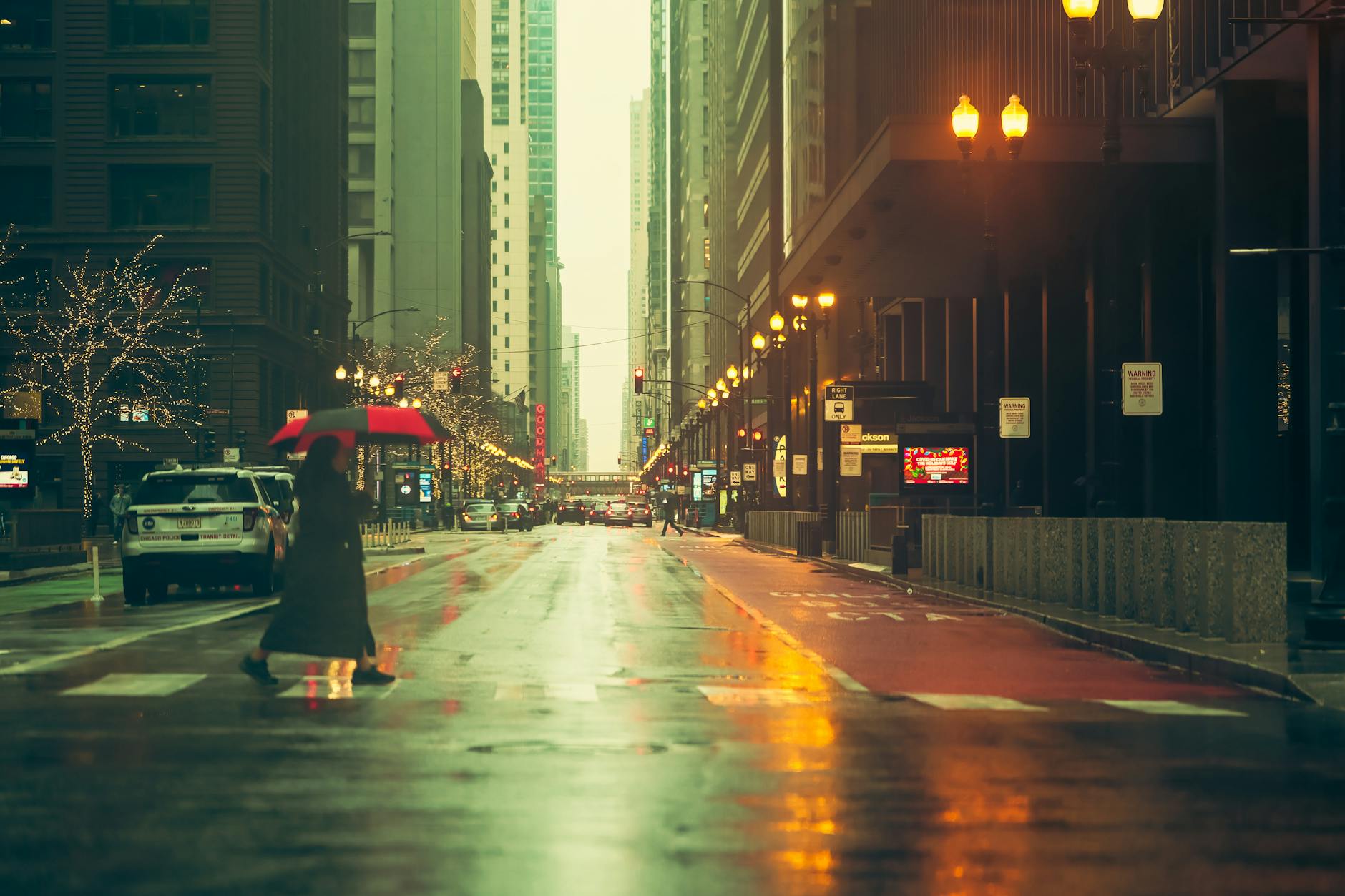
What Winter in Vancouver Is Really Like
Winter in Vancouver — December, January, February — is mild, wet, and green. Average temperatures at sea level sit between 1°C and 7°C. The city averages 165+ mm of rain in December and 150+ mm in January, and receives less than 40 cm of snow in a typical year (some winters as little as 10 cm). Days are short: sunrise around 8 a.m., sunset around 4:20 p.m. on the December solstice. What this means in practice:
- You will get rained on. A packable waterproof shell is the single most important piece of gear you bring.
- Snow in downtown Vancouver is rare, brief, and chaotic. When it snows, the city slows down dramatically. Buses run late, schools close, and locals complain.
- Daylight hours are short. Plan outdoor activities for 10 a.m.–3 p.m. in December–early January; indoor and evening activities (markets, museums, restaurants, bars) fill the rest.
- The North Shore mountains have a full Coastal snowpack. Grouse, Cypress, and Seymour reliably receive 5–8+ metres of snow over the winter season.
- The inversion layer is real. When it’s grey and drizzling downtown, driving up Cypress Mountain Road often breaks into sunshine at 500+ m elevation.
- It’s warmer than Toronto, Montreal, Calgary, and most of the eastern US. Vancouver winter temperatures are comparable to Seattle, London or the BC Interior’s mildest valleys.
The upside of a mild wet winter: cherry blossoms begin in mid-February and city gardens stay green year-round. Many visitors find Vancouver’s winter the most atmospheric season — moody mountain backdrops, steaming hot chocolates, and the world’s most forgiving alpine access for a city its size.
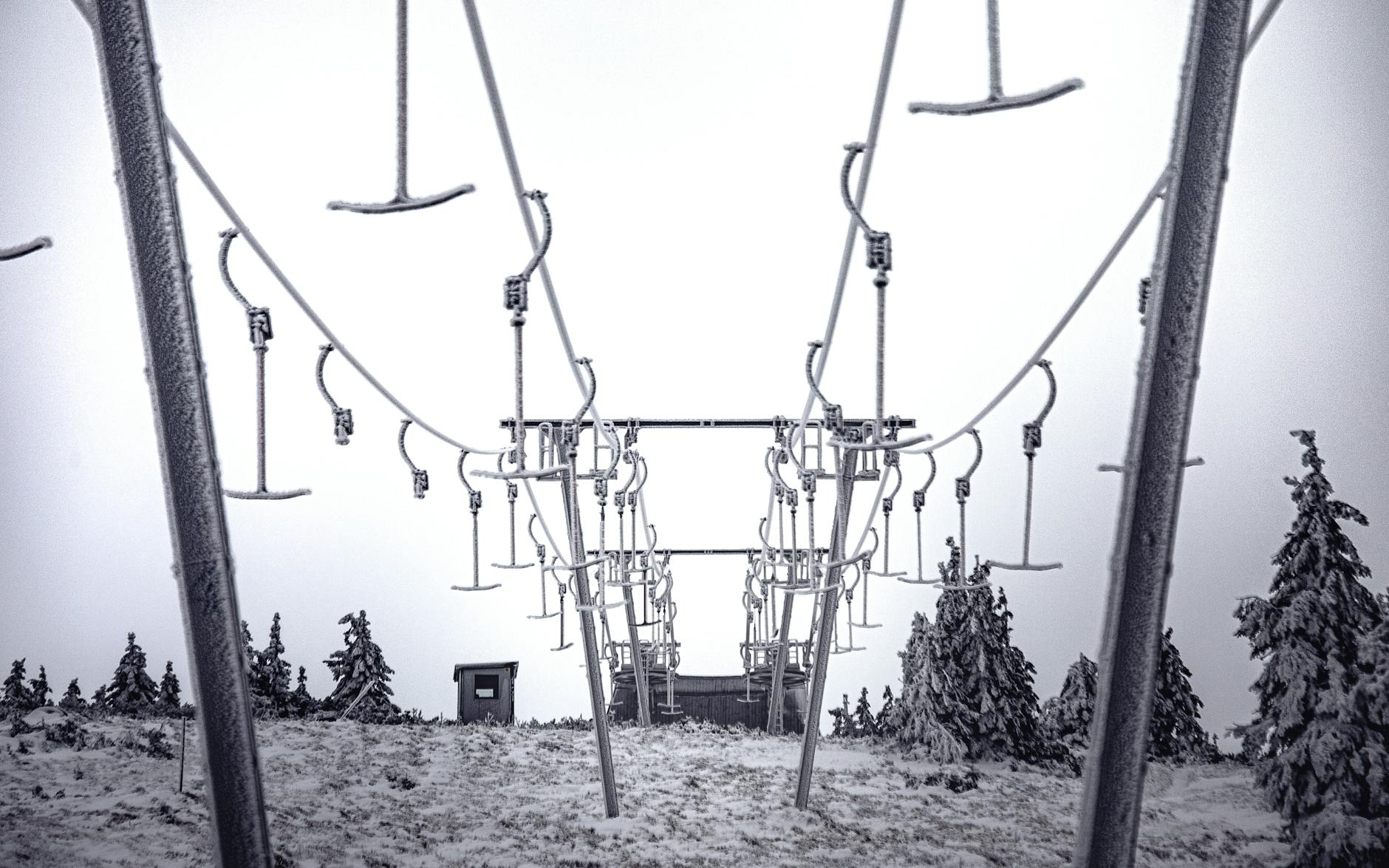
Three Local Ski Hills Compared — Grouse, Cypress & Seymour
Three ski areas sit within 30 minutes of downtown. Each has a slightly different personality; choose based on your priorities.
Grouse Mountain
- Access: 20 minutes from downtown by car; Grouse Mountain Skyride gondola from the base. Free shuttle from Canada Place during winter season ($15 loop on request).
- Terrain: 33 alpine runs, 5 terrain parks, 4 chairlifts, night skiing until 10 p.m.
- Best for: beginners, snowboarders, city skiers who want night skiing, and non-skiers who want the gondola-plus-skating experience.
- Lift ticket (2025/26): ~$95 adult day pass peak; cheaper online in advance.
- Elevation: Base 274 m → peak 1,231 m.
- Also at Grouse: Peak of Christmas (Nov–Dec), Light Walk, sleigh rides, mountain-top ice skating pond, skating/snowshoe combo tickets, the Peak Chalet.
- Official site: grousemountain.com
Cypress Mountain
- Access: 30 minutes from downtown by car up Cypress Bowl Road. No gondola from base; drive or use the shuttle ($45 round trip from downtown).
- Terrain: 61 downhill runs across two mountains, 600 skiable acres — the largest terrain near Vancouver. 38 km of cross-country/Nordic trails at Hollyburn Lodge.
- Best for: experienced skiers and advanced boarders (longest vertical, best expert runs like Top Gun), Nordic skiers, families with older kids, and tubing (Gnarly’s Tube Park).
- Lift ticket (2025/26): $105–125 adult day pass peak; buy in advance for best rate.
- Elevation: Base 915 m → peak 1,440 m.
- Also at Cypress: 2010 Olympic venue history, snowshoe tours, Hollyburn Lodge Nordic centre.
- Official site: cypressmountain.com
Mount Seymour
- Access: 30 minutes from downtown via the Second Narrows Bridge and Mt. Seymour Road. Paid shuttle available ~$35 round trip.
- Terrain: 40 runs, 4 chairlifts, family-focused layout, excellent beginner network.
- Best for: first-time skiers, families with young children, snowshoers, and budget-conscious visitors (typically the cheapest of the three).
- Lift ticket (2025/26): $69–89 adult day pass peak; discounts for half-day and night.
- Elevation: Base 1,010 m → peak 1,280 m.
- Also at Seymour: snowshoe tour programs, tube park, consistently the most laid-back atmosphere.
- Official site: mtseymour.ca
Quick comparison
- Biggest terrain: Cypress.
- Night skiing: Grouse (until 10 p.m.).
- Most beginner-friendly: Seymour.
- Best value: Seymour.
- Best for non-skiers (skating, sleigh rides, gondola): Grouse.
- Best for Nordic/cross-country: Cypress (Hollyburn).
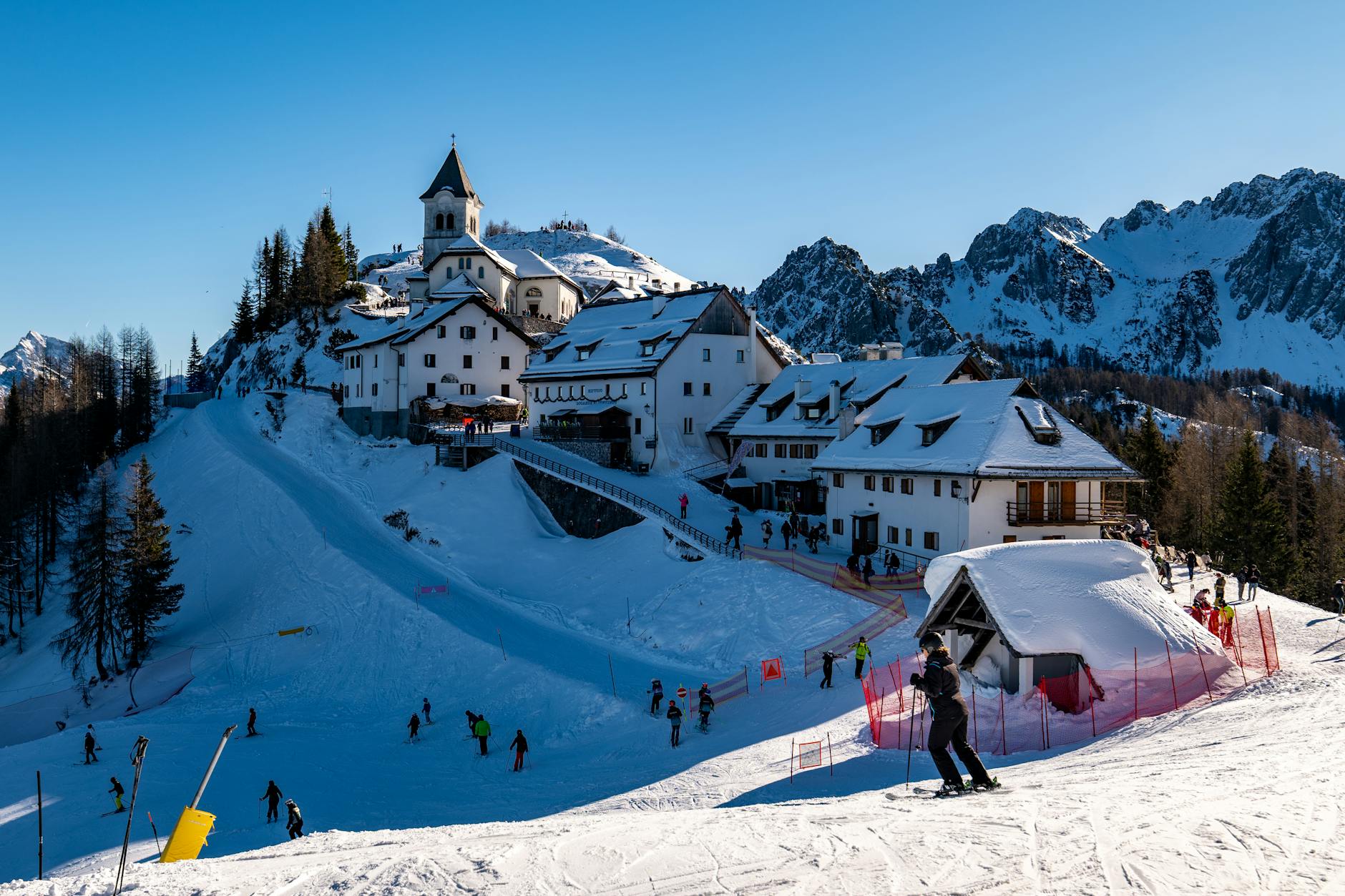
Whistler from Vancouver — Day Trip vs. Overnight
Whistler Blackcomb is 120 km (75 miles) north of Vancouver via the Sea-to-Sky Highway. Travel time: 1h 45m – 2h 15m by car depending on weather. As a winter-sport resort, Whistler Blackcomb has the largest skiable terrain in North America: 8,171 acres across two mountains, with 200+ marked runs and 37 lifts.
As a day trip
Technically possible but a long day. Leave downtown by 7 a.m.; hit the first lift around 9 a.m.; last run 3:30 p.m.; home by 6:30 p.m. Best for experienced skiers who want one hard day on big terrain. Epic Pass or Epic Day Pass is the most economical lift-ticket route for multi-day visitors (one Epic Day Pass at the 4-day tier costs roughly the same as a single walk-up day ticket in peak season).
Transportation options
- Rental car — most flexibility; need winter tires and the mental headroom to drive the Sea-to-Sky in bad weather.
- YVR Skylynx — coach bus to Whistler Village; standard one-way fares are $32 from downtown and $55 from YVR.
- Epic Rides — coach buses from downtown Vancouver to Whistler; the return fare is $44, and epicrides.ca lists current fares.
- Rocky Mountaineer — luxury rail does not operate a direct Vancouver–Whistler service in winter; the Rocky Mountaineer First Passage is summer-only.
- Organised day-tour shuttles — include a Sea-to-Sky stop at Shannon Falls or Brandywine Falls; good for non-skiers.
As an overnight
The best choice for most visitors. Stay in Whistler Village (ski in/ski out or 5-minute walk); hit the mountain both days; après-ski around the village; extra time at the Scandinave Spa (one of the best outdoor Nordic spas in Canada). Lift ticket (2025/26): $179–249 window rate in peak weeks; $93–160 if booked in advance. For accommodation options see our Where to Stay in Vancouver pillar and Whistler-specific options in the upcoming supporting articles.
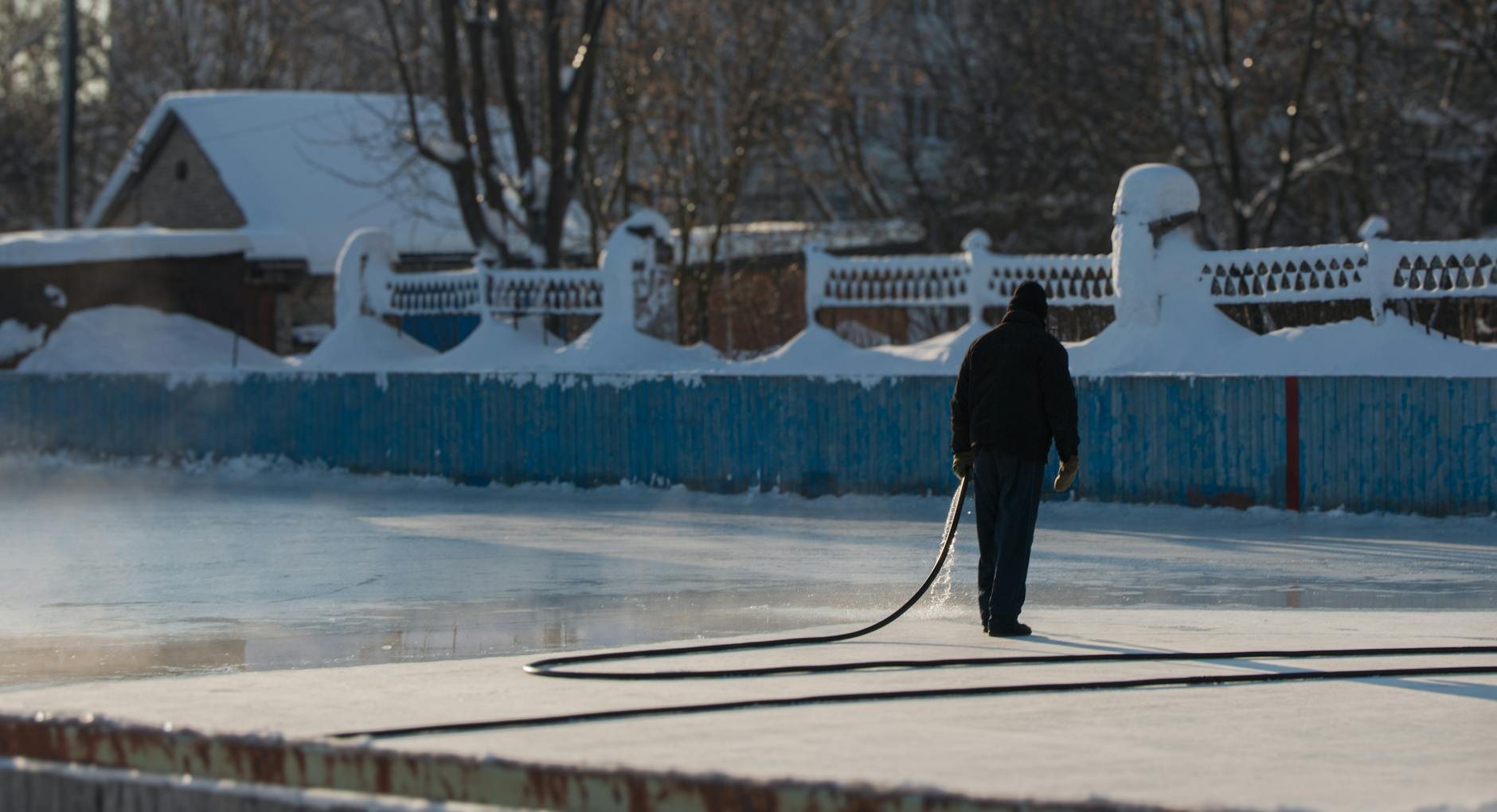
Ice Skating Rinks in Vancouver
A surprising number of Vancouver rinks are free or low-cost.
- Robson Square Ice Rink (800 Robson, downtown) — free to skate; free helmets; $7 skate rentals. Covered outdoor rink with the city as a backdrop. Open December – February.
- Grouse Mountain Skating Pond — ~1 km mountain-top outdoor pond, included with general Grouse admission; night skating with views of the city.
- West End Community Centre Rink — indoor, drop-in $5–8 adult.
- Britannia Community Centre (East Van) — drop-in skating.
- Killarney Community Centre (East Vancouver) — large ice pad, drop-in times.
- 8 Rinks Burnaby — large multi-ice facility for serious skaters.
- Richmond Olympic Oval — the 2010 speed-skating legacy venue; public skating sessions and long-track ice for serious enthusiasts.
- Bonsor Recreation Complex (Burnaby) — family-friendly rink.
- Trout Lake Ice Rink (Britannia) — community drop-in.
- VanSplash outdoor rink (pop-up winter rinks at some parks — check Park Board winter programming).
Snowshoeing Near Vancouver
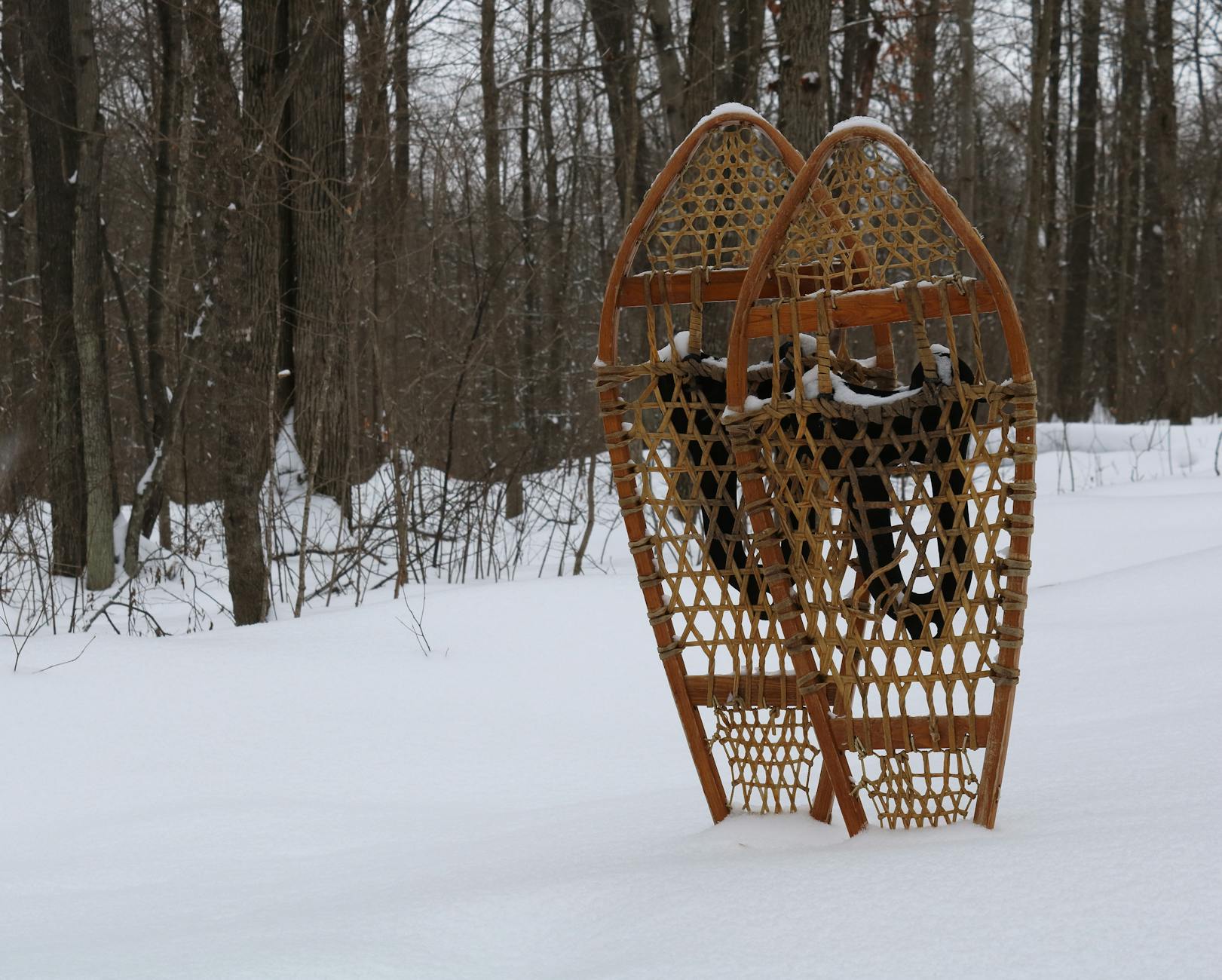
Snowshoeing is Vancouver’s most accessible winter activity. All three North Shore ski hills groom dedicated snowshoe trails.
- Cypress Mountain Snowshoeing — 11 km of marked trails at Hollyburn Lodge plus guided tours (including fondue-at-the-cabin night tours). Rentals $18–24.
- Mount Seymour Snowshoeing — the Dog Mountain and First Lake trails are classic beginner routes. Daily rentals ~$22. Self-guided access requires a day-use permit.
- Grouse Mountain Snowshoeing — the Light Walk during Peak of Christmas and dedicated snowshoe trails in the Mountain Adventure Zone.
- Hollyburn Ridge — Nordic/snowshoeing area on Cypress with the Hollyburn Lodge mid-route for hot chocolate.
- Guided snowshoe tours — Cypress Mountain’s Fondue Tour and Grouse Mountain’s Snowshoe & Fondue are the two most popular guided options.
Beginner tip: rent snowshoes at the trailhead ($18–24/day) rather than lugging them through YVR. Wear waterproof hiking boots, layered active-wear, gloves, hat, and carry the 10 essentials even on short walks.
Winter Hiking Safety in Vancouver
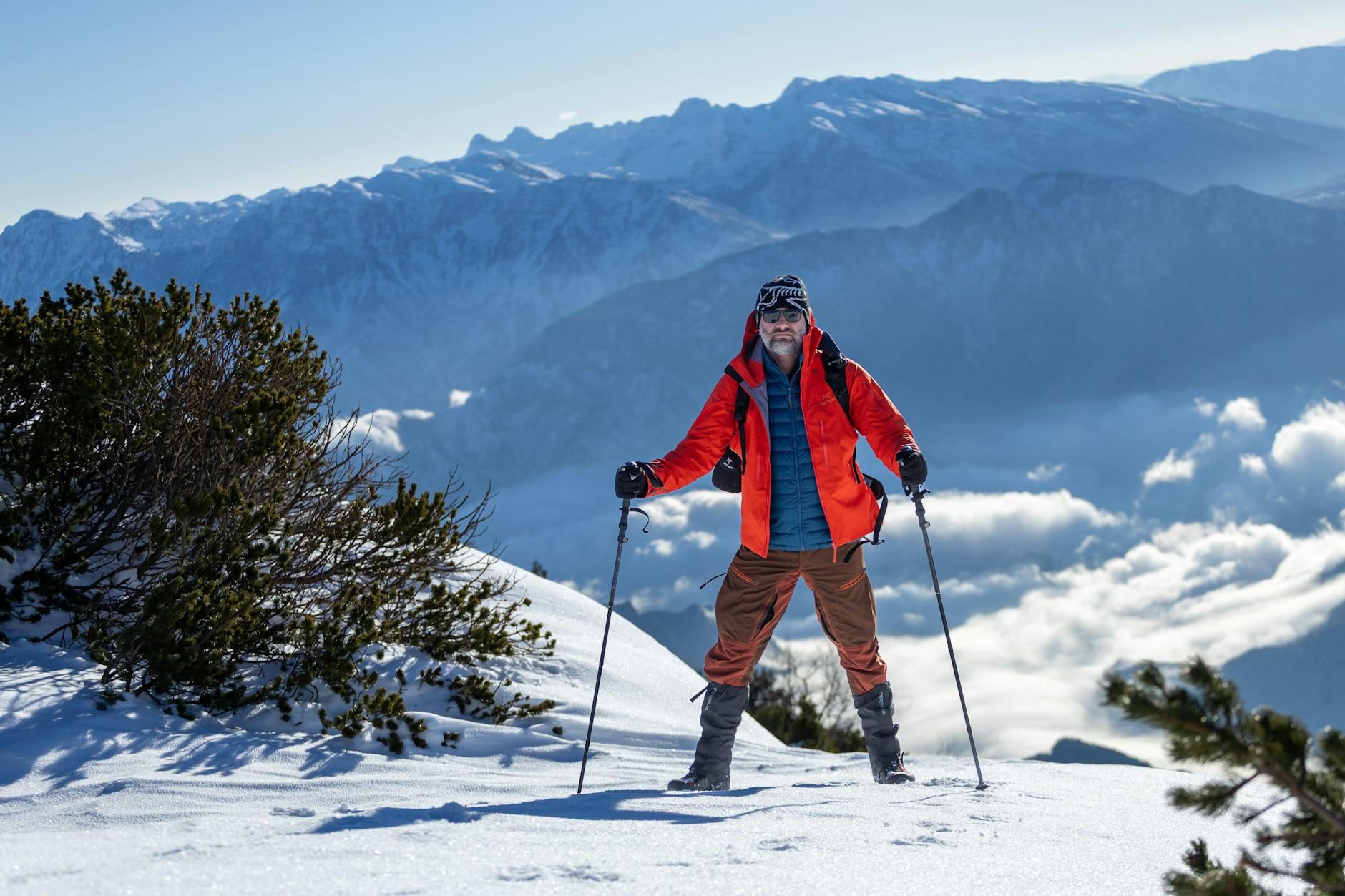
Vancouver’s North Shore mountains are the most search-and-rescue-active terrain in Canada. Every winter, people die or are seriously injured on what look like easy trails. A few rules for winter hiking near Vancouver:
- Never rely on a trail being “closed” signs to stop you. Many summer trails (Lynn Peak, Mount Strachan, Mount Seymour) remain open but become avalanche-exposed in winter.
- Check avalanche conditions at Avalanche Canada before any above-treeline winter hike. The North Shore ranges are an official forecasting region.
- Carry the 10 essentials: navigation (map + compass or GPS), headlamp + batteries, extra clothing, sun protection, first-aid kit, fire-starting kit, repair kit + knife, extra food, extra water, emergency shelter.
- Crampons or microspikes are essential on packed snow/ice on trails like the Grouse Grind (closed in winter but people still hike it), BCMC, and Lynn Peak.
- Tell someone your plan — North Shore Rescue has a free “TripPlan” system.
- Turn back before dark. Headlamps help; going down unfamiliar trails in the dark is where most accidents happen.
- Book a guide for alpine routes. For the summits and popular backcountry (Elfin Lakes, Mount Seymour Pump Peak, Bowen Lookout, Black Mountain, Hollyburn Peak), a certified ACMG guide is worth the $150–250.
The safest winter routes for first-time visitors without full winter gear are:
- Lynn Canyon Park (sea level; ice possible but usually walkable with grippy shoes) — free suspension bridge.
- Stanley Park Seawall (10 km paved loop; free, no elevation).
- Pacific Spirit Regional Park (UBC) — dirt/gravel trails at sea level.
- Dog Mountain (Seymour) — a gentle 3 km snowshoe to a summit lookout, the most beginner-friendly true North Shore peak.
Cozy Indoor Alternatives for Rainy Winter Days
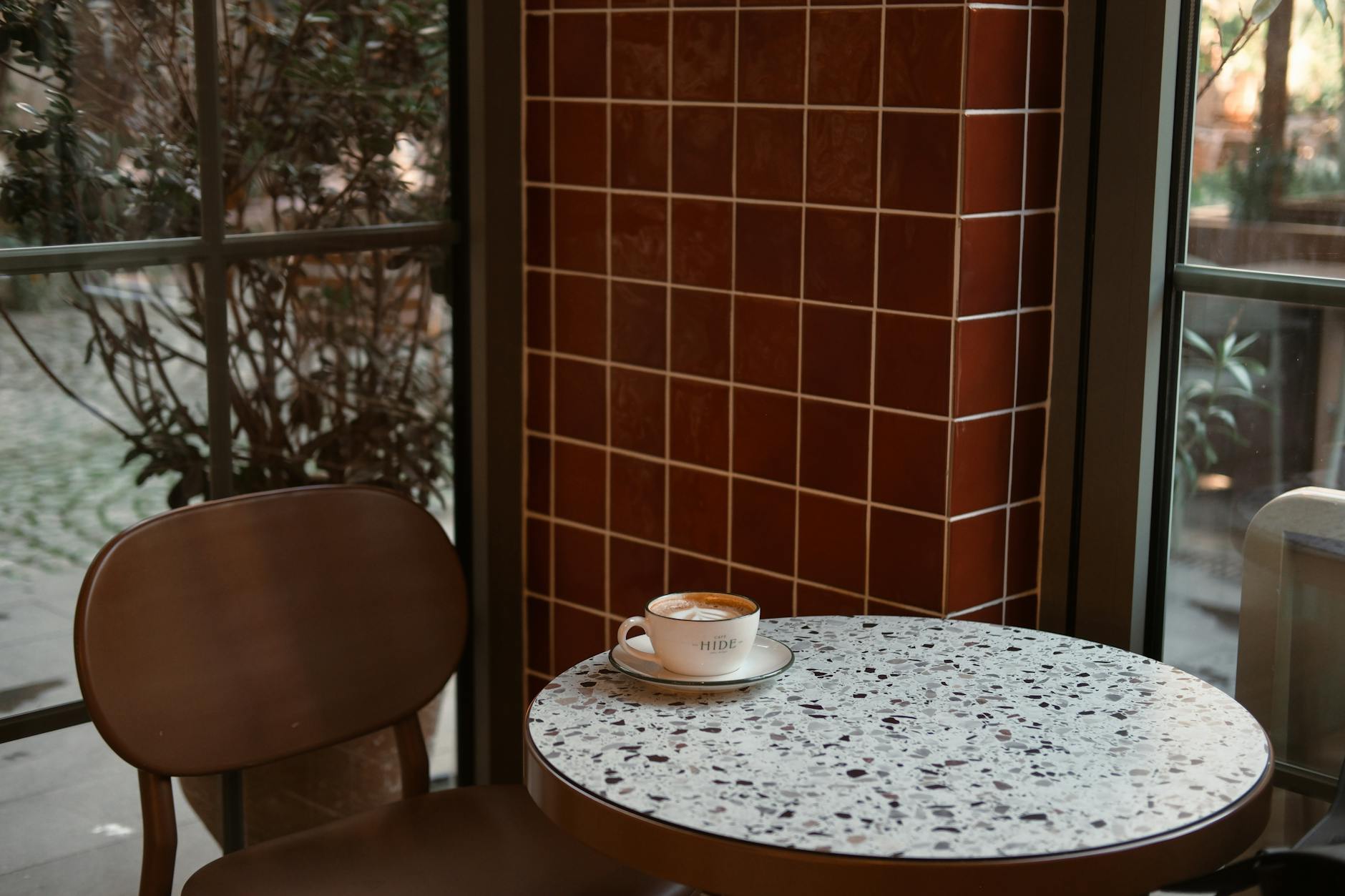
Some winter days, you just want to be warm and dry. Vancouver rewards that too.
- Museum of Anthropology at UBC (MOA) — reopened after renovations. One of the world’s great ethnographic museums; Bill Reid’s The Raven and the First Men. $26 adult; half-price Thursdays after 5 p.m.
- Vancouver Art Gallery (750 Hornby) — $29 BC residents, $35 from outside BC; free 4–8 p.m. on the first Friday of the month. Closed Tuesdays.
- Bill Reid Gallery of Northwest Coast Art (639 Hornby) — a small, focused Indigenous art museum; $15 admission.
- Museum of Vancouver + H.R. MacMillan Space Centre + Vancouver Maritime Museum at Vanier Park — pay-what-you-can first Sunday of the month.
- Science World at TELUS World of Science — $37.50 adult; the geodesic dome on False Creek is a Vancouver landmark.
- Vancouver Aquarium (Stanley Park) — $45 adult; especially good on rainy days with kids.
- Nitobe Memorial Garden (UBC) — free in winter; one of the top 5 Japanese gardens outside Japan.
- Dr. Sun Yat-Sen Classical Chinese Garden — heated interior pavilions in winter.
- The Dominion Bank Building / Hot Chocolate Festival cafes — the Hot Chocolate Festival (Jan 14 – Feb 14) takes over 50+ cafes.
- Granville Island Public Market — heated, covered, with artisan food vendors; free admission.
- Vancouver Public Library Central Branch (350 West Georgia) — Moshe Safdie-designed, free; rooftop garden in summer, reading rooms in winter.
- Nordic Spa experiences — Scandinave Spa Whistler (2 hour drive) or Nimmo Bay Spa for dedicated Nordic spa days.
- Cinema — The Rio, The Cinematheque, VIFF Centre, International Village and Scotiabank Theatre all run strong winter programming.
- Hot Springs — Harrison Hot Springs (90 minutes east in the Fraser Valley) is the closest natural hot-spring resort.
Christmas, Markets & Winter Lights
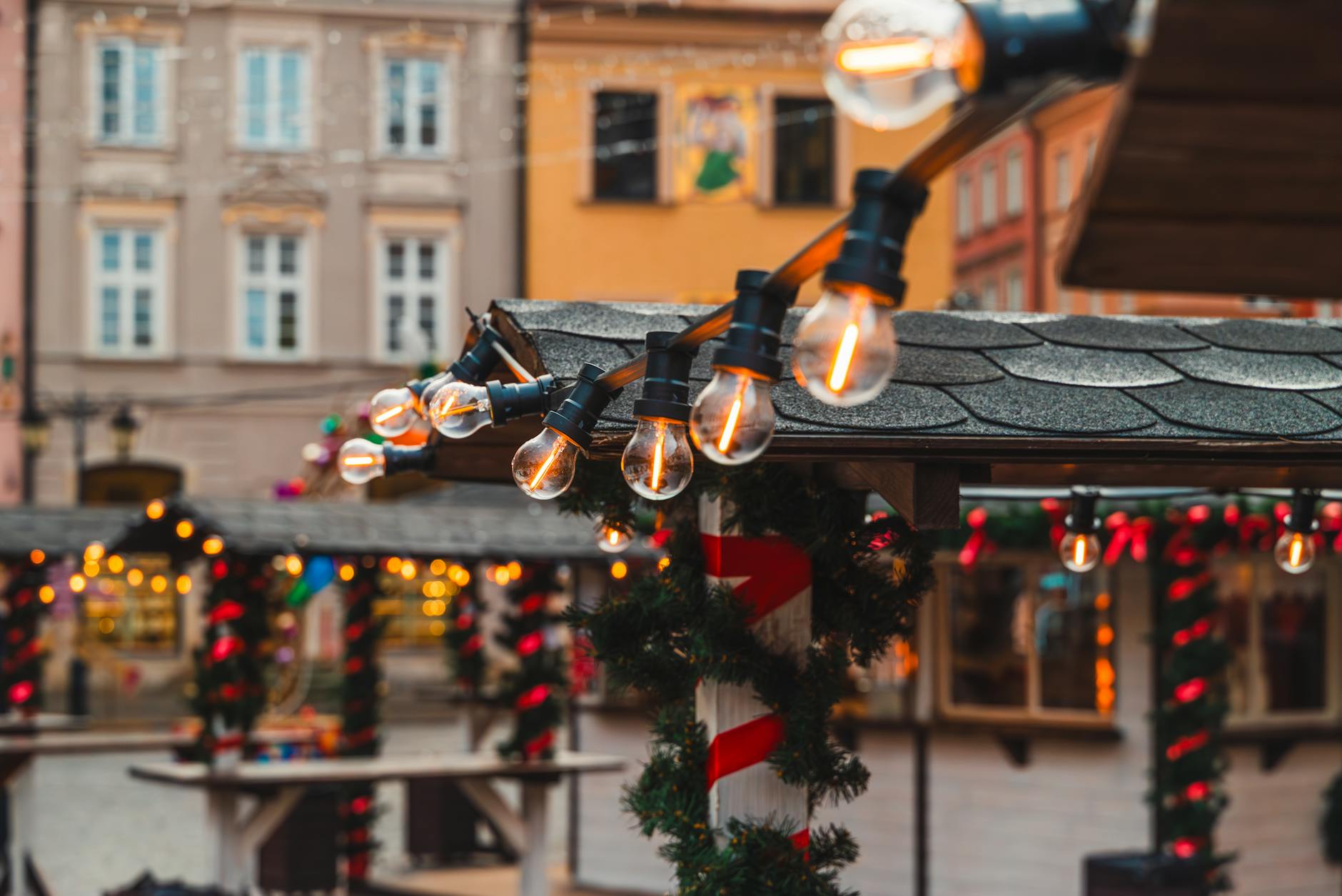
Vancouver’s holiday programming runs mid-November through early January. Highlights for the 2026 holiday season:
- Vancouver Christmas Market (Jack Poole Plaza) — November 16 – December 24, 2026. Over 90 wooden huts, three-storey Christmas Pyramid, German food and mulled wine, live music. $13–18 admission.
- VanDusen Festival of Lights — November 27, 2026 – January 3, 2027. 1+ million lights across a 55-acre botanical garden.
- Canyon Lights at Capilano Suspension Bridge — late November through January. Illuminated suspension bridge, 250-ft ornaments in the Living Forest, tree-top lighted walks.
- Grouse Mountain Peak of Christmas — late November – December 24. Sleigh rides, mountain-top skating pond, Christmas Market, light displays, night skiing.
- PNE Winter Lights Fair — December weekends at Hastings Park. Carnival rides, holiday market, food trucks.
- Stanley Park Bright Nights — format changing for 2026. The miniature train has moved to Cloverdale (Magic of Bright Nights); a walking-scale light display remains in Stanley Park. Confirm 2026 operating hours with the Vancouver Park Board.
- Lumaze at the Convention Centre — an indoor light festival (confirm 2026 dates).
- Enchant Christmas — at BC Place in some years, the world’s largest Christmas light maze (confirm 2026 status).
- Holly Jolly Holidays at Granville Island — December weekends. Free. Carolers, Santa, live music.
- Trinity Street “Christmas Lights Street” — East Vancouver residents on Trinity Street (near PNE) decorate their entire block every December; free to walk.
- Candy Cane Lane (East Van) — a second block-level private decoration tradition.
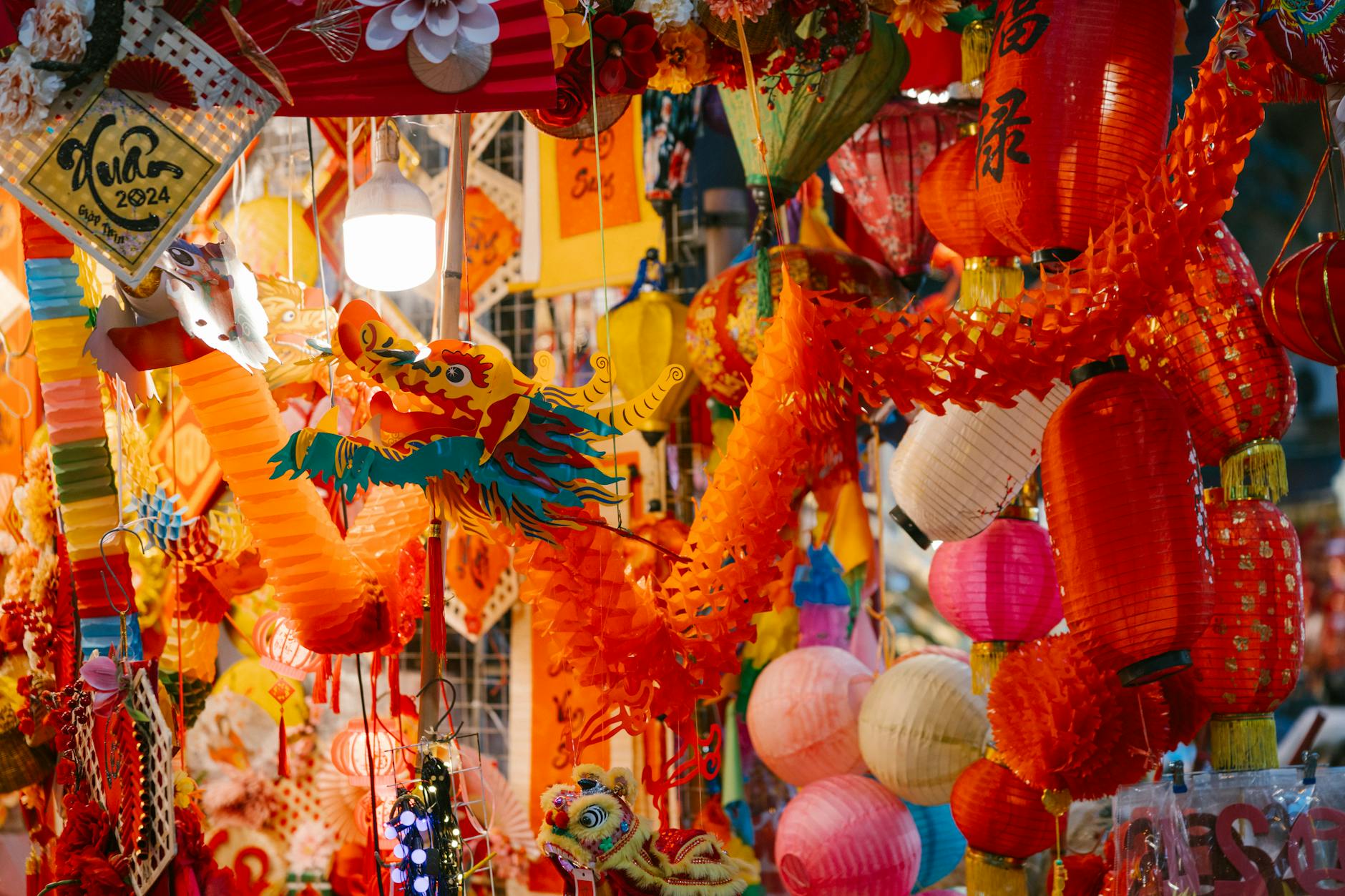
Lunar New Year in Vancouver
Vancouver has one of the largest Lunar New Year celebrations in North America. In 2026, Chinese New Year falls on Sunday, February 22, 2026 (Year of the Horse). Key events:
- Chinese New Year Parade (Chinatown) — 3,000+ performers, marching bands, dragon dancers through Pender, Carrall, Keefer and Main. Free.
- LunarFest — Held February 14–28 in 2026 at Šxʷƛ̓ənəq Xwtl’e7énk Square and other downtown sites; check lunarfestvancouver.ca for the next dates. Lantern displays, Taiwanese food, kids’ activities. Free.
- Dr. Sun Yat-Sen Classical Chinese Garden — special Lunar New Year programming, tea ceremonies, lion dances.
- Chinese Canadian Museum (Chinatown) — New Year exhibitions.
- Lunar New Year eats — book at Dynasty Seafood, Kirin Downtown, Victoria Chinese Restaurant, Sun Sui Wah a minimum of 2 weeks ahead.
- Lion dances — many Chinatown restaurants host drop-in lion dance blessings in the first two weeks after New Year’s Day.
What to Pack for a Wet Vancouver Winter
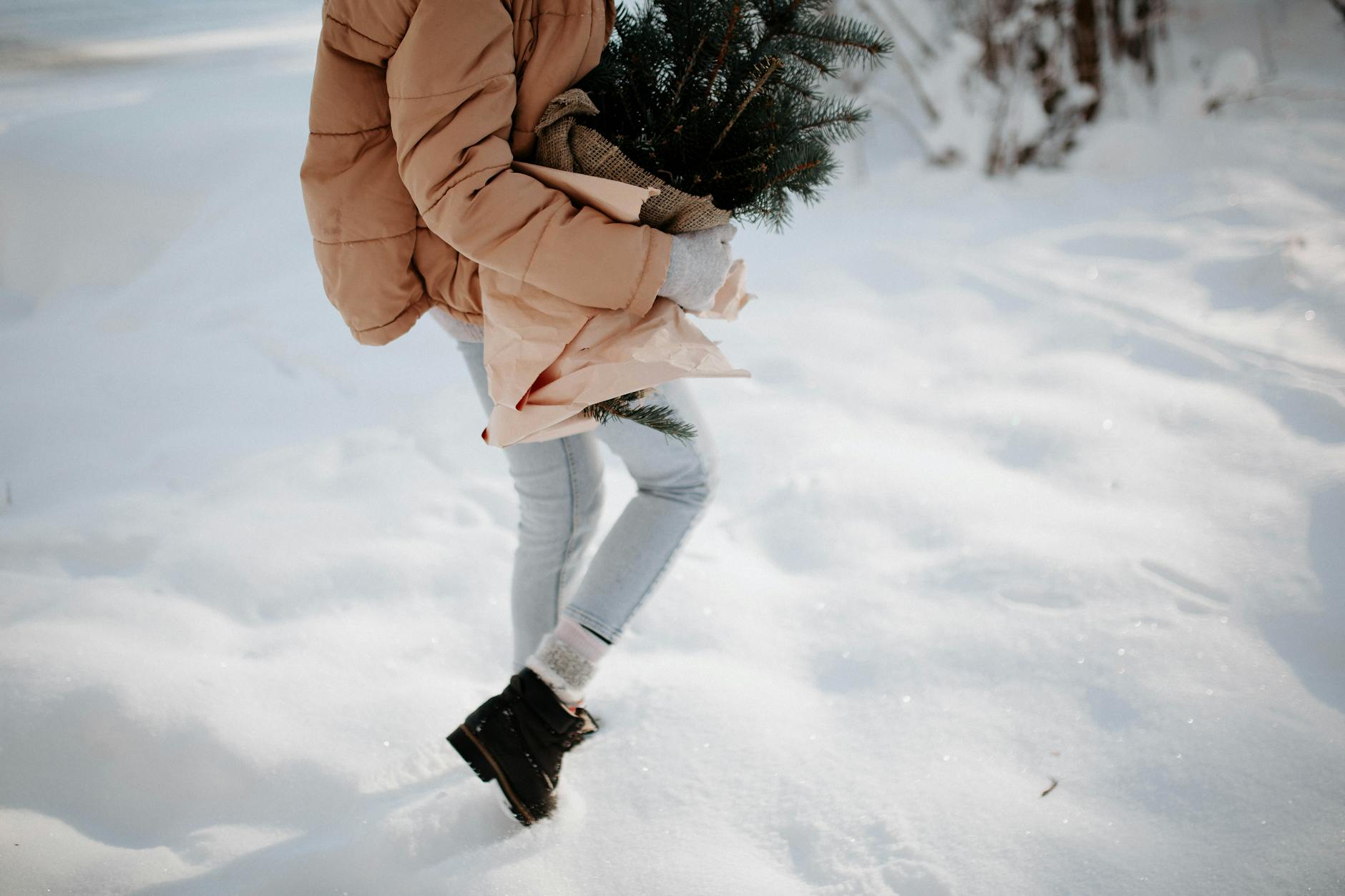
Vancouver is the test case for “technical rain gear.” Packing list:
- Waterproof shell jacket with a hood — Gore-Tex or equivalent. Non-negotiable. An umbrella is optional because of the wind.
- Waterproof shoes or boots — Blundstones, Sorels, or any sturdy waterproof hiker. Your feet will thank you.
- Insulating mid-layer — fleece or light down.
- Merino wool base layers — dry faster than cotton if soaked.
- Warm hat and gloves — mountain trips get genuinely cold.
- Warm pants — leggings under jeans for cold days, or softshell hiking pants.
- Packable waterproof daypack cover — or a rain-resistant daypack.
- Ski gear — if you’re skiing the North Shore, rent at the mountain ($55–75 daily) rather than checking a bag. Rental packages include all the technical layers.
- Wool socks — multiple pairs; avoid cotton.
- Sunglasses — sunny winter days on the mountain are blinding.
- Small towel — drying off after buses and patios.
- Lip balm + hand cream — the humidity helps but wind dries you out on the mountain.
What not to bring: a heavy parka (unless you’re heading to Whistler or further north — downtown doesn’t need it); a sun hat; sandals.
Winter Hotel Picks
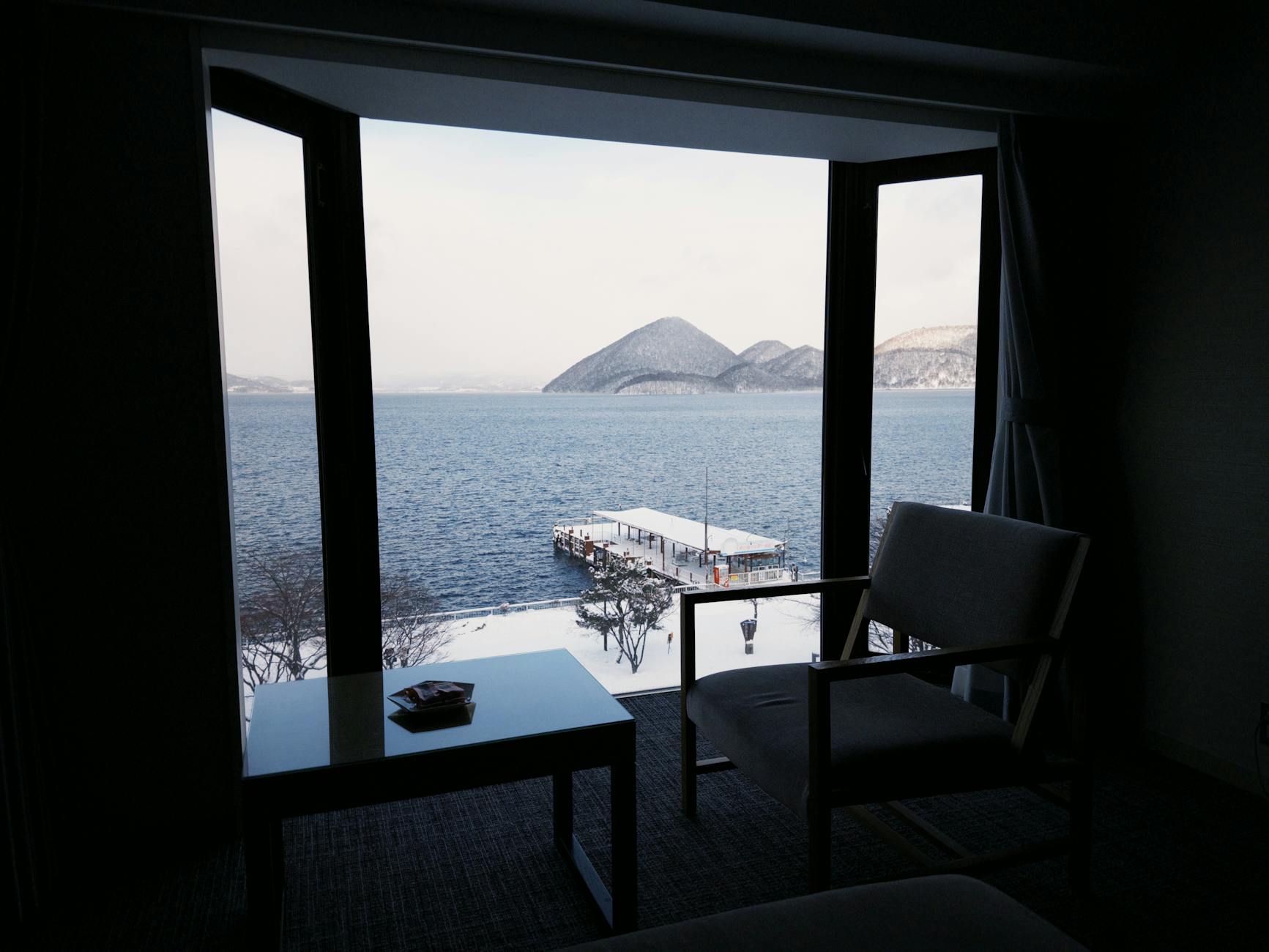
Hotel rates drop 20–40% in Vancouver from mid-November through early March (the Christmas Market weeks are the exception — expect full-rate holiday pricing December 15–30).
- Fairmont Pacific Rim — winter-season rates from $350–500. Rooftop pool runs year-round; Botanist Bar is one of the city’s best. Spa worth the visit.
- Rosewood Hotel Georgia — winter from $400. Reflections heated rooftop terrace is a signature winter-in-Vancouver photo.
- Fairmont Hotel Vancouver — château-style 1939 heritage property across from the Art Gallery. Winter from $320.
- Loden Vancouver — boutique in the West End, winter rates from $220.
- The Burrard Hotel — courtyard-style boutique downtown, winter from $180.
- Hotel BLU — close to BC Place/Rogers Arena, winter from $180. Excellent for event dates.
- Sandman Signature Vancouver Airport Resort — airport-adjacent; winter deals under $150.
- Scandinave Spa packages (Whistler) — multi-day spa packages from $400 pp including accommodation.

Driving in Winter Conditions — Vancouver & the Sea-to-Sky
Driving in Vancouver winter is usually manageable. Driving up a mountain or along the Sea-to-Sky requires attention:
- Winter tires are legally required on the Sea-to-Sky (Highway 99 from Vancouver to Whistler) and most BC mountain highways from October 1 to April 30. A failure to comply is a $121 fine. Confirm your rental has them.
- “M+S” (mud and snow) tires count under BC law, but true winter “3-peak mountain/snowflake” tires are strongly recommended.
- Carry chains on the Sea-to-Sky during December–February; they’re sometimes required at chain-up areas.
- Check DriveBC (drivebc.ca) for road closures and conditions before any Sea-to-Sky or North Shore mountain drive.
- Leave early. Snowfall in Vancouver dramatically slows traffic; the Highway 99 drive can double or triple in duration during storms.
- Bridge conditions: the Lions Gate Bridge, Second Narrows Bridge, and Stanley Park Causeway ice earlier than other roads — be cautious in the first freeze of the season.
- Avalanche closures on the Sea-to-Sky are rare but occur; if the highway is closed when you’re travelling, wait it out — the alternate route via Pemberton adds 3+ hours.
- Black ice is the biggest hazard — especially on North Shore mountain roads at dusk.
- If you’re not comfortable driving in snow, take transit, Uber or organised shuttles. The Grouse Mountain Shuttle, Cypress Mountain Coach, and the SkyLynx to Whistler all handle the drive for you.
Vancouver in Winter: Every Guide in This Series
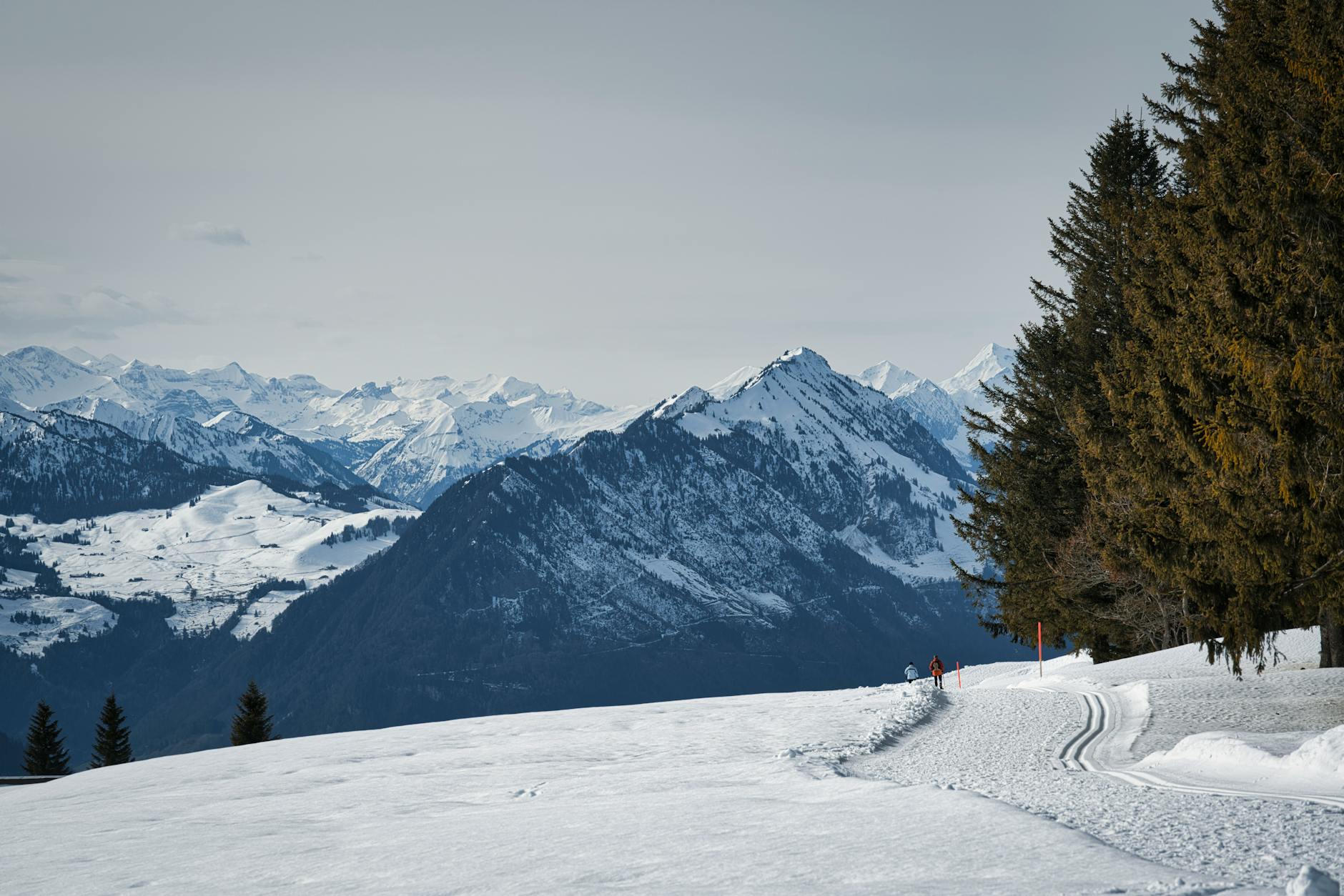
Each of the guides below goes deeper than this page can — opening hours, current prices, how to get there, and what we’d skip. Start here if you already know what you want to plan.
- Grouse Mountain Ski Guide (2026)
- Cypress Mountain Ski Guide (2026)
- Mount Seymour Ski Guide (2026)
- Whistler Blackcomb from Vancouver: Day Trip or Overnight? (2026)
- Vancouver Winter Activities (Beyond Skiing) — 2026
- Ice Skating in Vancouver: Rinks & Outdoor Spots (2026)
- Snowshoeing Near Vancouver (2026)
- Where to Stay for a Ski Trip from Vancouver (2026)
- Winter Packing List for Vancouver (2026)
- Vancouver at Christmas: Lights, Markets & Festive Fun (2026)
Winter in Vancouver FAQs
Does it snow in downtown Vancouver?
Rarely and not for long. Downtown Vancouver averages less than 40 cm of snow per winter; most years it snows 3–5 times, with each snowfall melting within a day or two. The North Shore mountains, only 20–30 minutes away, reliably receive 5–8+ metres per season.
Can I ski in the morning and eat dim sum at lunch?
Yes. First chair at Grouse, Cypress, or Seymour is around 9 a.m.; lunch reservations at Kirin Downtown, Dynasty Seafood, or Victoria Chinese Restaurant at 12:30 p.m. are entirely feasible. Keep your ski clothes on — they’re great for Vancouver’s winter drizzle.
When is the best time for winter in Vancouver?
For skiing: mid-January through February — reliable snowpack, cold clear days, longer hours. For holiday markets and lights: late November through December 24. For Lunar New Year: mid-February 2026. For cherry-blossom season’s first blooms: mid-February to mid-March.
Is the Grouse Grind open in winter?
No. The Grouse Grind is officially closed in winter (mid-October to late April) due to icy conditions and high avalanche risk. Hikers occasionally still climb it; North Shore Rescue strongly discourages this. The BCMC trail is open in winter but requires crampons/microspikes.
What are the best non-skiing things to do in Vancouver in winter?
Christmas Market at Jack Poole Plaza, VanDusen Festival of Lights, Canyon Lights at Capilano, ice skating at Robson Square, Museum of Anthropology, Science World, Hot Chocolate Festival (January), Lunar New Year Parade (February), Whistler day trip, and snowshoeing at Cypress or Seymour.
How cold does it get in Vancouver in winter?
Downtown average winter lows hover just above freezing (0–3°C), with average highs of 5–7°C. Temperatures below –5°C happen only a few days per winter. On the North Shore mountains, expect daytime highs of –5 to 0°C and snowpack through March.
Do I need winter tires to drive in Vancouver?
In the city itself — usually not (though recommended). On Highway 99 (Sea-to-Sky to Whistler) and most BC mountain roads, winter tires are legally required from October 1 to April 30. Check your rental-car provider.
Is the Honda Celebration of Light happening in winter 2026?
The Celebration of Light is a summer event (typically late July / early August). For 2026, the traditional three-night fireworks competition was cancelled and replaced with Summer Lights in English Bay, a free one-night display on July 31.
Further Reading on Vancouver Winter
- Grouse Mountain — Winter Activities guide
- Cypress Mountain — Official site
- Mount Seymour — Official site
- Avalanche Canada — Daily North Shore forecasts
- DriveBC — Road conditions & closures
Related Vancouver Guides
- Things to Do in Vancouver
- Vancouver Itinerary Guide
- Where to Stay in Vancouver
- Best Time to Visit Vancouver
- Vancouver Transportation Guide
- Vancouver Day Trips
- Vancouver Outdoor Activities
- Vancouver with Kids
- Vancouver on a Budget
- Vancouver Events & Festivals Calendar
- Vancouver Nightlife