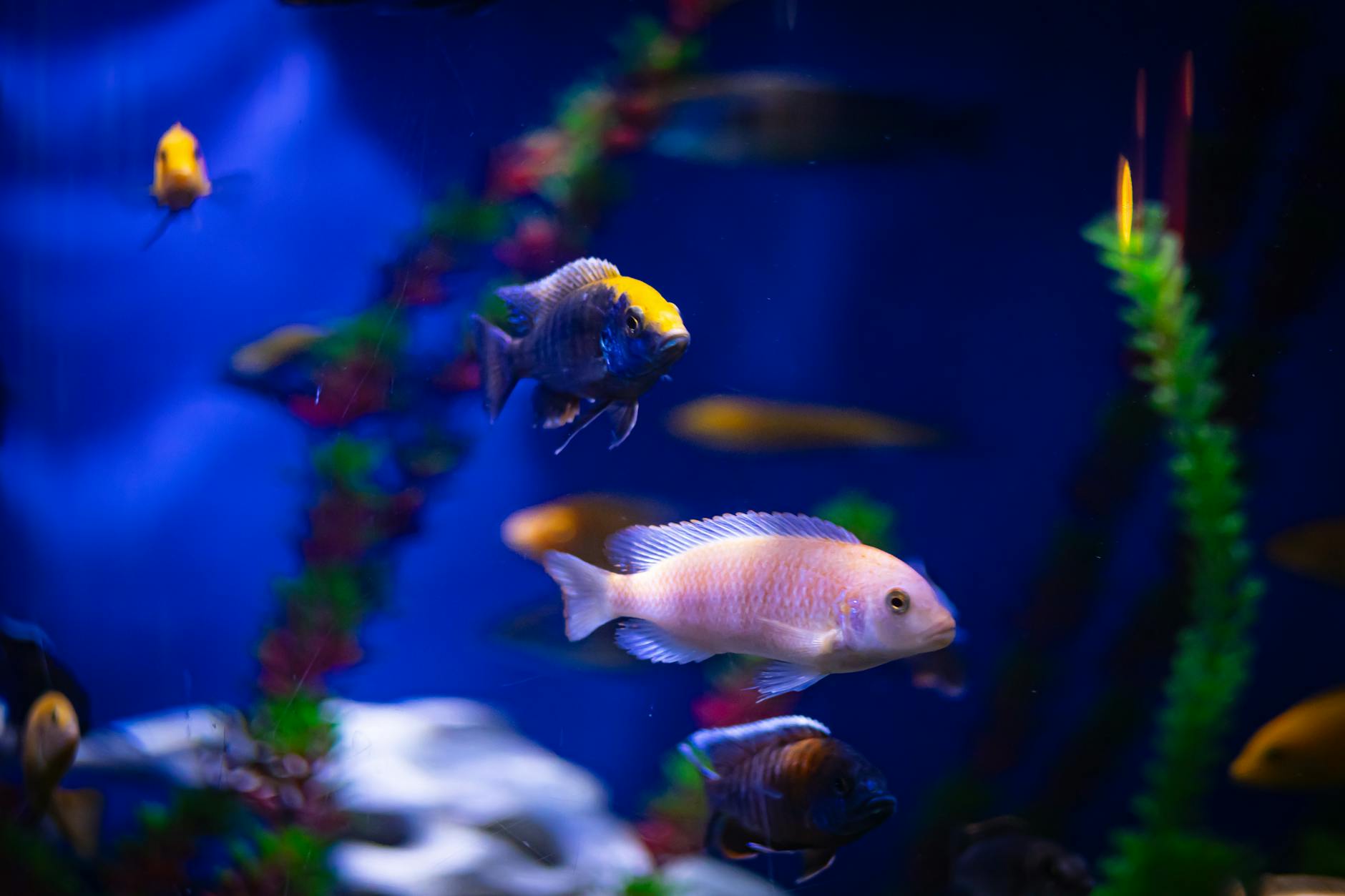
The Vancouver Aquarium in Stanley Park is Canada’s largest aquarium, with more than 65,000 animals across approximately 120 indoor and outdoor exhibits. From rescued sea otters and Steller sea lions to sloths, axolotls, and Pacific octopuses, its residents make it an easy pick for families travelling with kids.
This 2026 visitor guide covers everything you need to plan a visit: current ticket prices (which now use dynamic pricing), hours, the rescue and rehabilitation work the Aquarium is known for, every major exhibit, the Sea Otter Encounter add-on, age-by-age advice for kids, and the recent shift to electronic-only payments.
Table of Contents

Vancouver Aquarium: Quick Overview
The Vancouver Aquarium opened on June 15, 1956, as Canada’s first public aquarium, and marked 70 years in Stanley Park in June 2026. It sits in the southeast corner of Stanley Park, a five-minute walk from the rose garden, and is fully indoors except for the outdoor sea otter, sea lion, and shoreline habitats.
In 2021, after decades of operation as the non-profit Ocean Wise Conservation Association, the Aquarium’s commercial operations were sold to Herschend Family Entertainment (a US-based attractions operator that also runs Newport Aquarium). Ocean Wise continues as a separate non-profit conducting the conservation, research, and rescue programs the Aquarium has long been known for.
Quick facts:
- Address: 845 Avison Way, Vancouver, BC (in Stanley Park)
- Approximately 120 exhibits
- 65,000+ animals
- Hours: set by date on the Aquarium’s calendar; on a 5 p.m. closing day, last entry is 3:30 p.m.
- 2026 adult admission (ages 13–64): $41.95–$57.95 CAD plus tax, depending on date
Allow 2 to 3 hours for a thorough visit; 90 minutes if you’re moving fast.

Vancouver Aquarium Tickets & Hours (2026)
Tickets are sold online at vanaqua.org and at the gate.
Dynamic pricing. Vancouver Aquarium ticket prices vary by the date you visit. Plan ahead and book online for the lowest rate.
2026 ticket prices (plus tax; ranges reflect dynamic pricing, and the price shown when you pick your date includes tax):
- Adult (13–64): $41.95–$57.95 CAD
- Youth (13–18): pays the adult rate
- Senior (65+): discounted; see the price for your date at checkout
- Child (3–12): discounted rate, priced by date
- Under 3: free
Annual pass: Adult memberships cost $80 (Silver), $95 (Gold) or $125 (Platinum) CAD plus tax; Silver costs less than two full-price adult visits.
Hours:
- Opening hours vary by date: check the Aquarium’s calendar for the day you visit
- Last admission: 3:30 p.m. on days the Aquarium closes at 5:00 p.m.
Payment notice (May 2026 onwards): The Aquarium has gone fully cashless. They accept debit, credit, Apple Pay, and Google Pay only. Carry a card or your phone — the gift shop and food court also no longer accept cash.

A Brief History & the No-Cetacean Decision
The Vancouver Aquarium’s history sits at the centre of one of Canada’s most important conversations about animal welfare in captivity. From 1964 to 2021, the Aquarium kept whales and dolphins (cetaceans) on display — including beluga whales, orcas (until 2001), porpoises, and Pacific white-sided dolphins. Generations of Vancouver kids grew up watching the belugas in the underground viewing windows.
The display finally ended in April 2021, when Helen, the Aquarium’s last dolphin, was transferred to SeaWorld San Antonio. The visitor experience has changed with it: the Aquarium supports marine mammal rescue and rehabilitation, and rescued sea otters, seals and sea lions that cannot return to the wild live in its permanent habitats.
The current visitor experience focuses on the seal-and-sea-lion rescue habitat, the Pacific Canada Pavilion’s BC ecosystem displays, and the rehabilitation-focused sea-otter program. It is a different aquarium experience than visitors might remember from before 2021 — quieter, more educational, less spectacle-driven, and broadly considered an improvement.

Top Exhibits & Galleries
The Aquarium is laid out as a series of themed pavilions and galleries that you can navigate in any order. Highlights:
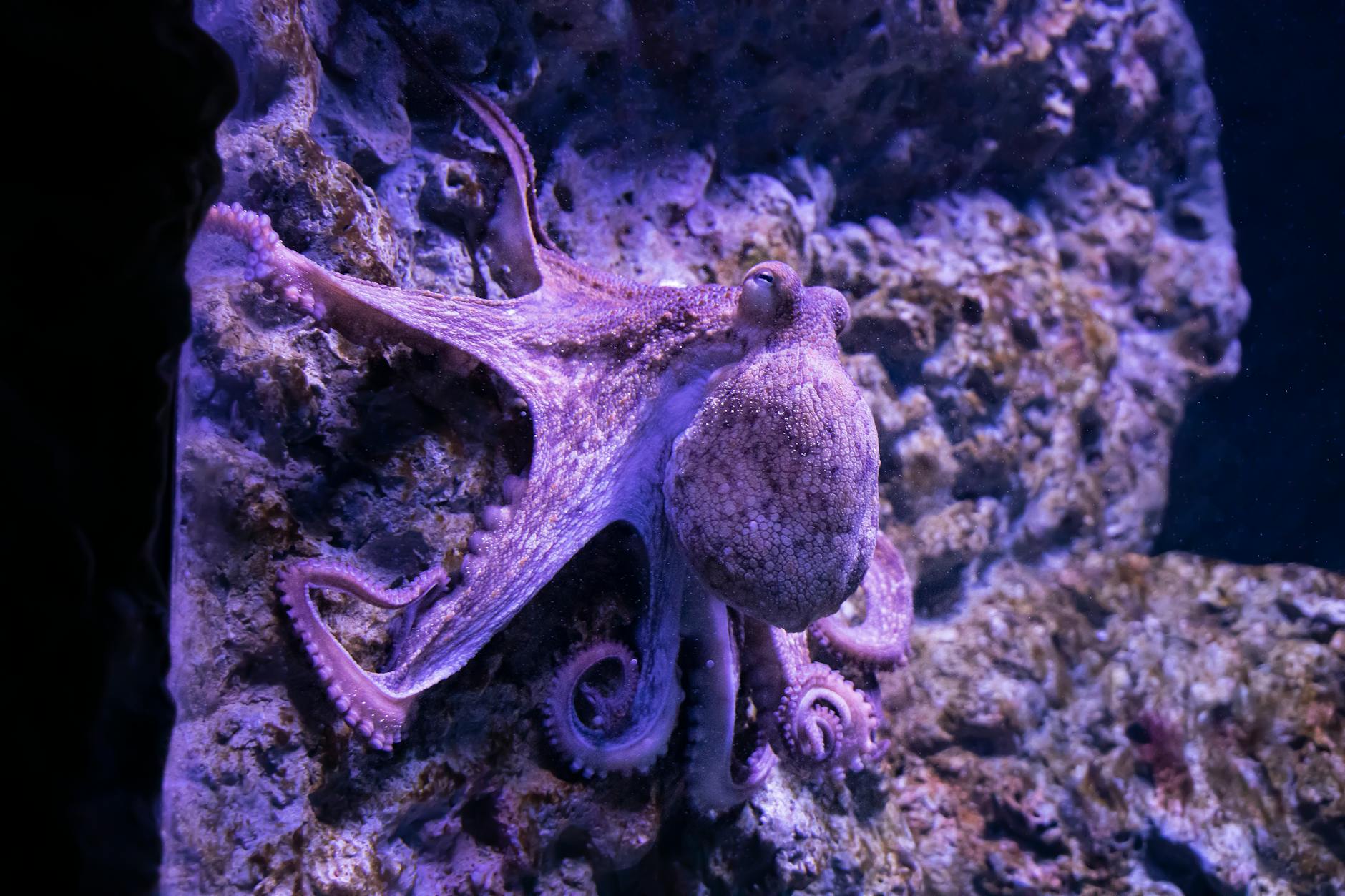
Pacific Canada Pavilion. The aquarium’s anchor exhibit and arguably its most loved. Its 260,000-litre central tank shows you what BC’s Salish Sea actually contains, and the gallery is also home to the Pacific giant octopus. A coastal-Indigenous storytelling component shares Coast Salish names and uses for many of the species.
Tropical Zone. The Tropics gallery is home to blacktip reef sharks and stingrays. The walk-through tunnel and the dive-show schedule make this a family favourite.
Amazon Rainforest Gallery. A walk-through indoor jungle with two-toed sloths, scarlet ibises, caimans, golden lion tamarins, butterflies, and the huge anaconda. Heated and humid year-round; come in winter for the contrast with Vancouver’s wet weather.
Frogs Forever? An ongoing dedicated amphibian gallery covering global frog conservation, including the iconic axolotl, poison dart frogs, and BC’s coastal tailed frog.
4D Theatre. Short immersive films with in-theatre effects. Family-friendly content rotates seasonally.
Outdoor Pacific Coast. The outdoor habitats hold harbour seals, Steller sea lions, and the rescue sea otters. Daily training and feeding sessions are scheduled — check the day’s program when you arrive.
Featured Animals
The “must-see” residents of the Aquarium for 2026:
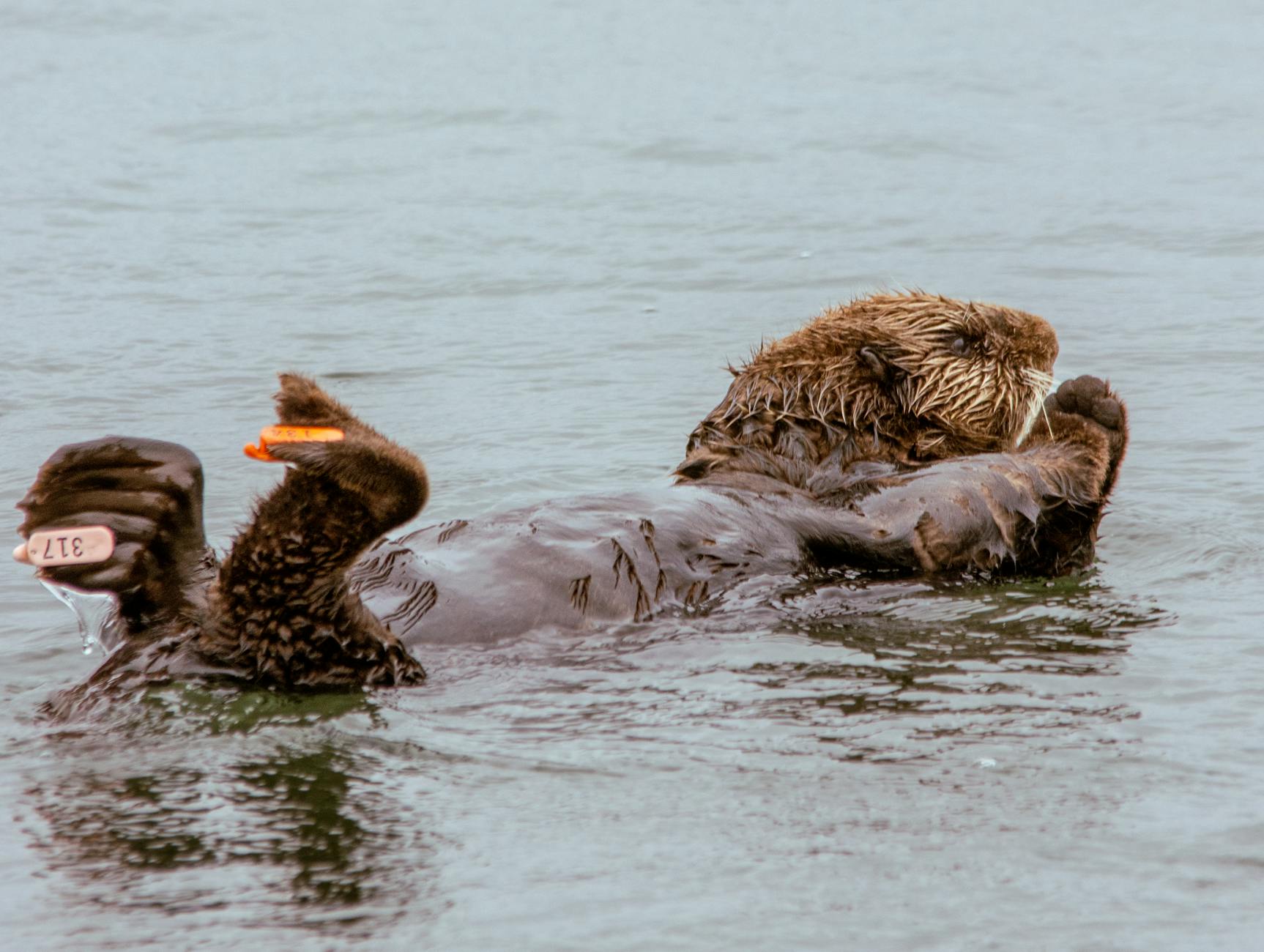
Rescued sea otters. Several rescued and rehabilitated sea otters live in the outdoor habitat, among them Hardy, rescued as a pup in June 2017, Joey (2020) and Quatse (2021). Watch the trainers feed them; the otters will float on their backs and crack open mussels on their stomachs.
Steller sea lions. You’ll find them in the large outdoor habitat. Trainer talks happen at scheduled times daily.
Pacific giant octopus. Look for it in the Pacific Canada Pavilion. Octopus enrichment activities (food puzzles, mirror tests) sometimes happen during visiting hours.
Two-toed sloths. The Amazon Gallery’s two resident sloths are slow-moving, photogenic, and consistent crowd-pleasers.
Axolotls. The Mexican salamander known for its permanent juvenile features and the ability to regrow lost limbs. Watch closely; they are surprisingly active.
Penguins. The African penguin colony is part of an international Species Survival Plan breeding program. Tap-tap on the glass and they may waddle over to investigate.
Sea Otter Encounters
The Sea Otter Encounter is the Aquarium’s premium add-on experience. It costs $420 CAD per private group of up to five guests, tax included ($370 for members), on top of regular admission, and you spend approximately 50–60 minutes behind the scenes with one of the trainers, observing close-up feedings and a brief enrichment activity.
Touching isn’t the point of the encounter — they are wild animals — though you may get the chance of hand-to-paw contact through a barrier; it isn’t guaranteed. You watch them up close, hear about each individual’s rescue story and personality, and learn about sea otter conservation and rehabilitation programs.
Booking: Each encounter is private, for up to five guests, and starts at 1 p.m. Book ahead, subject to availability, at vanaqua.org/explore/experiences/encounters. Children 8 and up.
Worth it? For families with serious sea-otter fans, animal-loving teens, or birthday-celebrating kids, yes. Otherwise the regular outdoor habitat viewing is enough.
Vancouver Aquarium with Kids
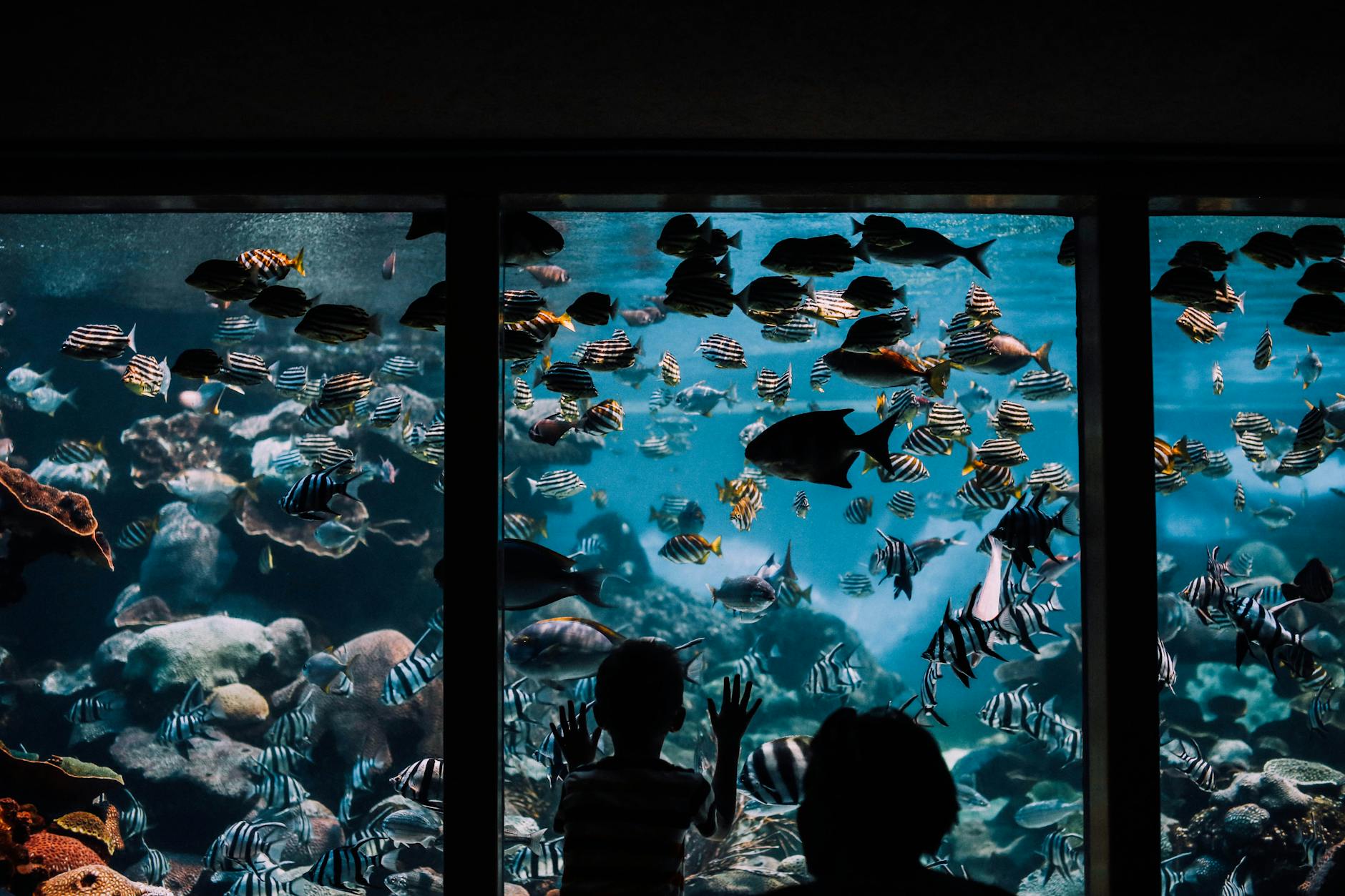
Vancouver Aquarium is one of the city’s best family attractions. Practical advice by age:
Babies and toddlers (under 3). Free admission. Stroller-friendly throughout. The bright tank lights and slow-moving fish work well at this age. The Tropical Zone and Pacific Canada Pavilion are stroller-easy.
Preschoolers (3–6). Peak audience. Almost everything works — the sloths, the otters, the octopus, the penguins. Don’t miss the outdoor harbour seal feedings.
Elementary (7–12). Make use of the educational programming — the sea lion enrichment shows, the 4D theatre, and (if budget allows) the Sea Otter Encounter for ages 8+; check the day’s schedule when you arrive. This is the age group the Aquarium programming is most explicitly designed for.
Teens (13+). A behind-the-scenes tour add-on (see below) is a good way to keep older kids engaged.
Special-needs families: The Aquarium’s website lists its accessibility information and any sensory-friendly sessions; check its calendar before you go.
For a wider family-attraction list, see our Vancouver with kids pillar.

Conservation & Rescue Work
One reason many visitors continue to support the Vancouver Aquarium financially is the rescue and rehabilitation work conducted by the Marine Mammal Rescue Centre — operated by the Vancouver Aquarium Marine Mammal Rescue Society at a separate North Vancouver facility. The Rescue Centre takes in stranded marine mammals and nurses them through rehabilitation.
Animals are rehabilitated for release where possible. A small number of animals that cannot be released — typically because of injuries, imprinting on humans, or chronic conditions — become long-term residents at the Aquarium itself. This is the model that produced the resident sea otters most visitors come to see.
Visitor admission revenue and Sea Otter Encounter fees both contribute to rescue funding. If conservation impact is part of why you’re visiting, this is the lever to support.

Tips for the Best Visit
Book online for the lowest rate. Dynamic pricing means walk-up tickets are typically the most expensive of the day.
Arrive at opening (10:00 a.m.) or the last 90 minutes (3:30 p.m.). Last entry is 3:30 p.m., so a late start leaves time for the main galleries but not much else.
Check the day’s animal program. Posted at the front desk and online — sea otter feedings, sea lion training, octopus enrichment, and 4D theatre showtimes all happen at scheduled slots. Plan around them.
Bring a card or phone for payment. The Aquarium is fully cashless from May 2026 — admission, gift shop, and food.
Combine with the Stanley Park Seawall. The Aquarium is in the southeast corner of Stanley Park; pair with a Brockton Point totem pole walk. See our Stanley Park guide.
Skip the gift shop or budget for it. The retail has expanded and includes plush toys, books, and ocean-themed goods. Set a per-child budget before entering or you’ll spend $80 quickly.
If you’re visiting on a rainy day: Combine with Capilano Suspension Bridge, Granville Island Public Market, or Science World — all rainy-day-friendly Vancouver attractions.

Getting to Vancouver Aquarium
Address: 845 Avison Way, Stanley Park, Vancouver. Easy to spot — there’s an orca sculpture out front by Haida artist Bill Reid, Chief of the Undersea World, which he created for the Aquarium in 1984.
By bus. Buses run from downtown into Stanley Park; check the route and stops on TransLink’s trip planner. An adult fare is $3.50 cash or $2.85 with Compass stored value, valid for 90 minutes.
By car. Pay parking at Aquarium-side lots. Best to use the lot closest to the Aquarium entrance during your visit.
On foot or bike from downtown. Walk or cycle the Stanley Park Seawall from downtown; the Aquarium is a short way inland from the seawall, near the southeast park entrance.
By Vancouver Trolley. The Great Canadian Trolley’s hop-on hop-off loop makes six stops in Stanley Park, the Aquarium among them (24-hour adult pass from $62 CAD).
For wider Vancouver transit info, see our Vancouver transportation guide.

Food, Restaurants & Membership
On-site food. The Aquarium has the Courtyard Café (daily, 10 a.m. to 4 p.m.), Upstream Bar + Grill (weekends, 11 a.m. to 4:30 p.m.) and an Upstream Ice Cream Window (daily, 11 a.m. to 3 p.m.). Cashless only.
Outside the Aquarium. The Stanley Park Pavilion is a short walk away for a sit-down lunch at Stanley’s Bar & Grill (mains $27–$35); Stanley Park Brewing is also within walking distance if you want a beer with food.
Annual membership. Sold per person: $80, $95 or $125 CAD plus tax for an adult Silver, Gold or Platinum membership. Pays for itself on a second visit, includes guest passes, member-only previews, and discounts at the gift shop and Café. If you live in or near Vancouver, this is the smart purchase.
School and group rates. Available with advance booking; ask about group pricing when you book.

Related Vancouver guides
Keep planning with these guides:
- Rainy Days in Vancouver: Best Indoor Things to Do (2026)
- Vancouver Aquarium with Kids: Pro Family Tips (2026)
Vancouver Aquarium FAQs
How much is Vancouver Aquarium in 2026?
Adult tickets (ages 13–64) range from $41.95 to $57.95 CAD plus tax, depending on the day. Child (3–12), student (19+) and senior (65+) tickets are discounted, and under 3s get in free. Buy online for the lowest rate.
How long do you spend at Vancouver Aquarium?
2 to 3 hours is typical for a thorough visit; 90 minutes is the speed-run option. Families with young kids easily spend 4 hours.
Does Vancouver Aquarium still have whales and dolphins?
No. Its last dolphin, Helen, was transferred to SeaWorld San Antonio in April 2021, and the orcas had gone in 2001. No whales or dolphins are on display.
What’s the best exhibit at Vancouver Aquarium?
The Pacific Canada Pavilion’s central tank is the signature local exhibit. The outdoor sea otter habitat and the Amazon Rainforest Gallery are the two most-loved family draws.
Can you touch the sea otters?
Not on a regular visit. The Sea Otter Encounter (ages 8+, $420 CAD per group of up to five plus admission) takes you behind the scenes, and you may have the chance of hand-to-paw contact through a barrier, though it isn’t guaranteed.
Is Vancouver Aquarium open on holidays?
Holiday hours vary, so check the Aquarium’s calendar for the date you plan to visit.
Does Vancouver Aquarium accept cash?
No — fully cashless from May 2026 onward. Bring debit, credit, Apple Pay, or Google Pay.
Is Vancouver Aquarium accessible?
Yes — fully wheelchair accessible. For guests with sensory sensitivities, check the Aquarium’s website for sensory-friendly sessions.
Marine Mammal Rescue Centre Field Trip
The Marine Mammal Rescue Centre is the active rehabilitation facility behind the Aquarium’s resident sea otters and seals — but it’s a separate facility in North Vancouver, and not the same as the Aquarium itself. It’s run by the Vancouver Aquarium Marine Mammal Rescue Society (VAMMR); Ocean Wise, the non-profit that owned the Aquarium, transferred it to Herschend Family Entertainment in 2021.
Public access. The Rescue Centre is not regularly open to the public — animal welfare and infection-control protocols restrict visitor access.
Visiting options. Check vammr.org for any current visitor programs before you plan around one.
Donations and support. The rescue society’s Gifts for Rescue program lets you symbolically adopt a named current or former patient, with a certificate and a patient fact card. Many visitors who fall in love with a specific resident sea otter at the Aquarium choose to support the Rescue Centre directly.
The conservation impact lever — for visitors trying to align where their tourism dollars go — runs strongest through the Rescue Centre rather than the Aquarium itself, since the Aquarium is a for-profit operation now. The rescue work came later in the Aquarium’s history (it opened in 1956), and today it sits with the rescue society.
Aquarium Membership: When the Math Pays
Vancouver Aquarium’s annual membership is the best Vancouver attraction-pass purchase if you live in Greater Vancouver and have school-age kids. Even for visitors planning multiple trips to the city, the math sometimes favours membership over individual admissions.
2026 membership prices:
- Silver membership: $80 CAD/year plus tax (adults 13–64)
- Gold membership: $95/year plus tax
- Platinum membership: $125/year plus tax
- Memberships are sold per person and are non-transferable; none of the tiers adds reciprocal entry to other zoos and aquariums
The math: A family of 2 adults + 2 children paying separate admission at peak dynamic pricing pays roughly $160 per visit ($55.20 + $55.20 + $35.20 + $35.20). Three visits per year breaks even on a family membership; four visits saves you about $250 annually. If you have grandparents or extended family who’ll bring the kids during your absence, that increases the value further.
What’s included. Every tier gives unlimited Aquarium visits for the year plus on-site discounts on food and drink, the gift shop, the photo experience and select events: 20 percent for Silver and Gold, 25 percent for Platinum. Other perks vary by tier, so compare them on the Aquarium’s membership page.
No travel add-on. The Silver, Gold and Platinum memberships don’t come with reciprocal admission elsewhere, so buy one for repeat visits to this Aquarium, not as a pass for other zoos and aquariums.
Vacation membership tip: For out-of-town visitors, a membership only makes sense if you’ll be back within the year; for a single visit, a regular ticket is cheaper.
Behind-the-Scenes Tours & Educational Programs
The Aquarium offers several premium add-on experiences beyond regular admission:
Behind-the-Scenes Tours. The Aquarium runs behind-the-scenes tours as add-ons to admission. Check the experiences page for each tour’s price, length, contents and age limit before you book.
Sleepover with the Sharks. Families bring sleeping bags and air mattresses, set up in the Tropical Zone, watch a behind-the-scenes tour after-hours, and wake up next to the shark tank. Check dates, prices and age limits with the Aquarium when you book.
Camp Aquarium. Day camps for kids 5–12, running 9 a.m. to 4 p.m., with marine ecology, hands-on activities and behind-the-scenes visits. Camp dates and prices are on the Aquarium’s AquaCamps page.
School field trip programs. Available year-round with advance booking; ask the Aquarium about topics and per-student rates for your grade.
For a sample night in the city paired with these add-ons, see our Vancouver with kids pillar.
Related reading: Things to Do in Vancouver · Stanley Park Visitor’s Guide · Vancouver with Kids · Best Time to Visit Vancouver · Vancouver on a Budget · Vancouver Itinerary