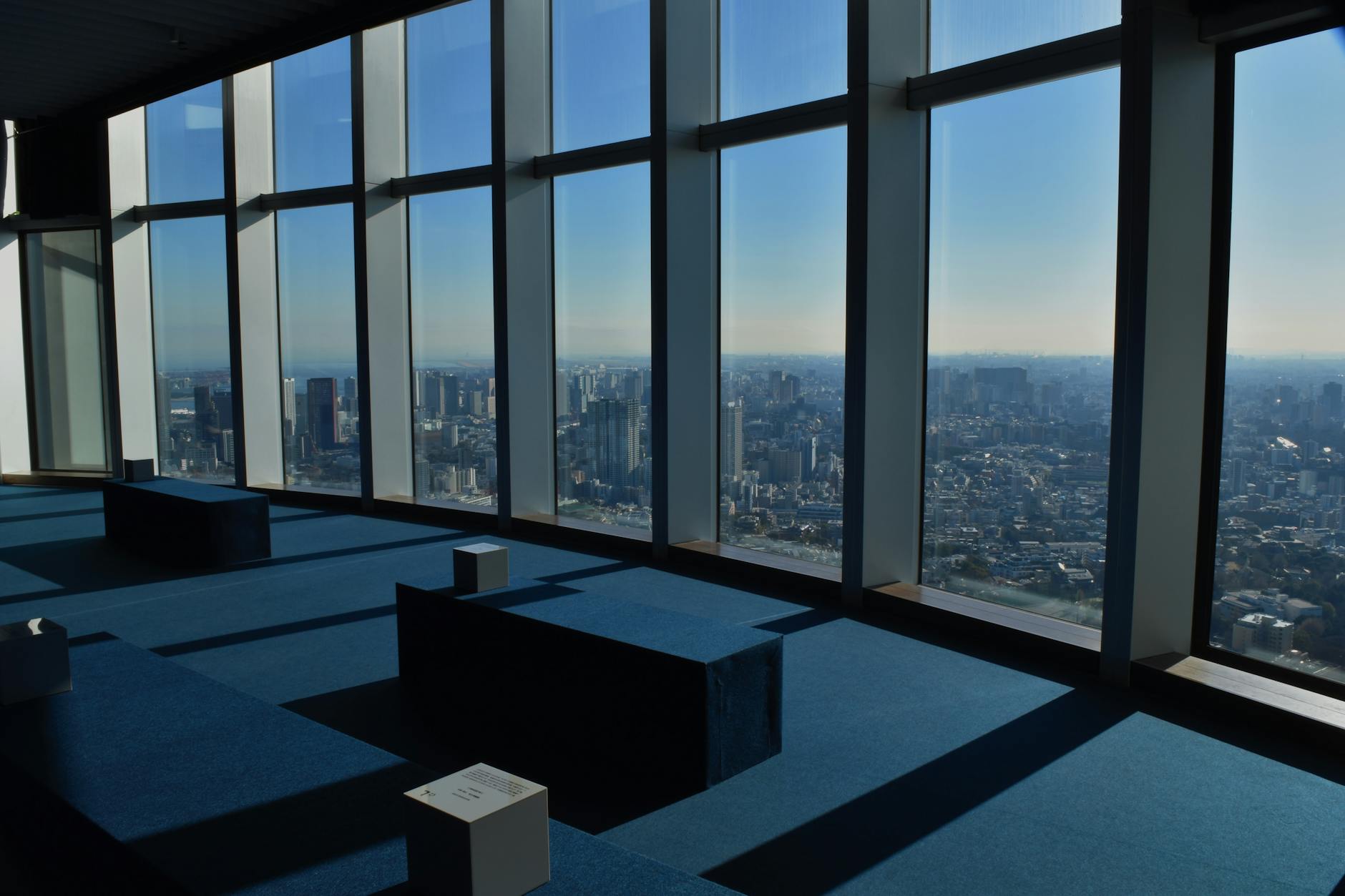
Vancouver Lookout is the panoramic observation deck at the top of Harbour Centre — a 167-metre column rising above downtown Vancouver, with a glass-walled circular deck that gives you a 360-degree view of the city, English Bay, the North Shore Mountains, the Strait of Georgia, and (on clear days) Mount Baker in Washington State. The deck has been giving visitors the most accessible high-up Vancouver view since 1977 and is the closest thing the city has to a “Top of the Rock” or CN Tower experience.
This honest 2026 guide covers exactly what Vancouver Lookout is, current ticket prices, the all-day re-entry policy, the best time of day to ride up, how it compares to other Vancouver viewpoints (Grouse Mountain, Sea-to-Sky Gondola, Cypress, Queen Elizabeth Park) and whether the $19.95 adult ticket is worth it.
Table of Contents
Vancouver Lookout: What It Is
Vancouver Lookout is the public observation deck near the top of Harbour Centre, a 167-metre tower at 555 West Hastings Street in downtown Vancouver. The Lookout sits at about 130 metres of viewing height, accessed by two glass-fronted exterior elevators that climb the outside of the building in just over 50 seconds — itself a small thrill. The viewing deck is fully indoors, climate-controlled, and wraps 360 degrees around the tower.
The original tower was built in 1977 and was officially opened by Neil Armstrong, who arrived for the dedication on his Apollo 11 anniversary. The exterior glass elevators have remained continuously in service since opening, and the Lookout has become one of those reliable Vancouver tourist activities — not the most adventurous on offer, but indoors, fast, well-marked, and friendly to families and accessibility needs.
Quick facts:
- Address: 555 West Hastings Street, Vancouver, BC
- Tower height: 167 m / 553 ft
- Observation deck height: ~130 m
- Elevator ride time: about 50 seconds (top speed 5.5 m/s)
- Time on deck: 30–60 minutes typical
- Open: 7 days a week, 10:00 a.m. – 6:00 p.m. (last entry 5:30 p.m.)
- Adult admission 2026: about $19.95 CAD
Vancouver Lookout Tickets & Hours (2026)
Tickets are sold online at vancouverlookout.com and at the gate.
2026 ticket prices (taxes included):
- Adult (13+): about $19.95 CAD
- Senior (65+): about $16.95
- Student (with valid ID): about $14.17
- Child (6–12): about $14.17
- Child (5 and under): free
Hours (year-round):
- Daily 10:00 a.m. – 6:00 p.m.
- Last elevator up: 5:30 p.m.
- Closed Christmas Day
The all-day re-entry policy used to apply at Vancouver Lookout, but as of 2026 each ticket is good for one trip up only. Once you ride down, you cannot ride back up on the same ticket. This is the most-changed thing about the experience — historically you could come back at sunset on the same day’s ticket, and many older guides still mention this. Plan for one visit per ticket. If you’re set on day-and-night views, time your ride for golden hour rather than splitting two visits.
Note: the Lookout’s published 6 p.m. closing means you typically cannot stay for true sunset in summer (sunset is around 9 p.m. in late June). If you specifically want sunset views, the rotating restaurant upstairs (covered below) is your route.
The Harbour Centre Tower
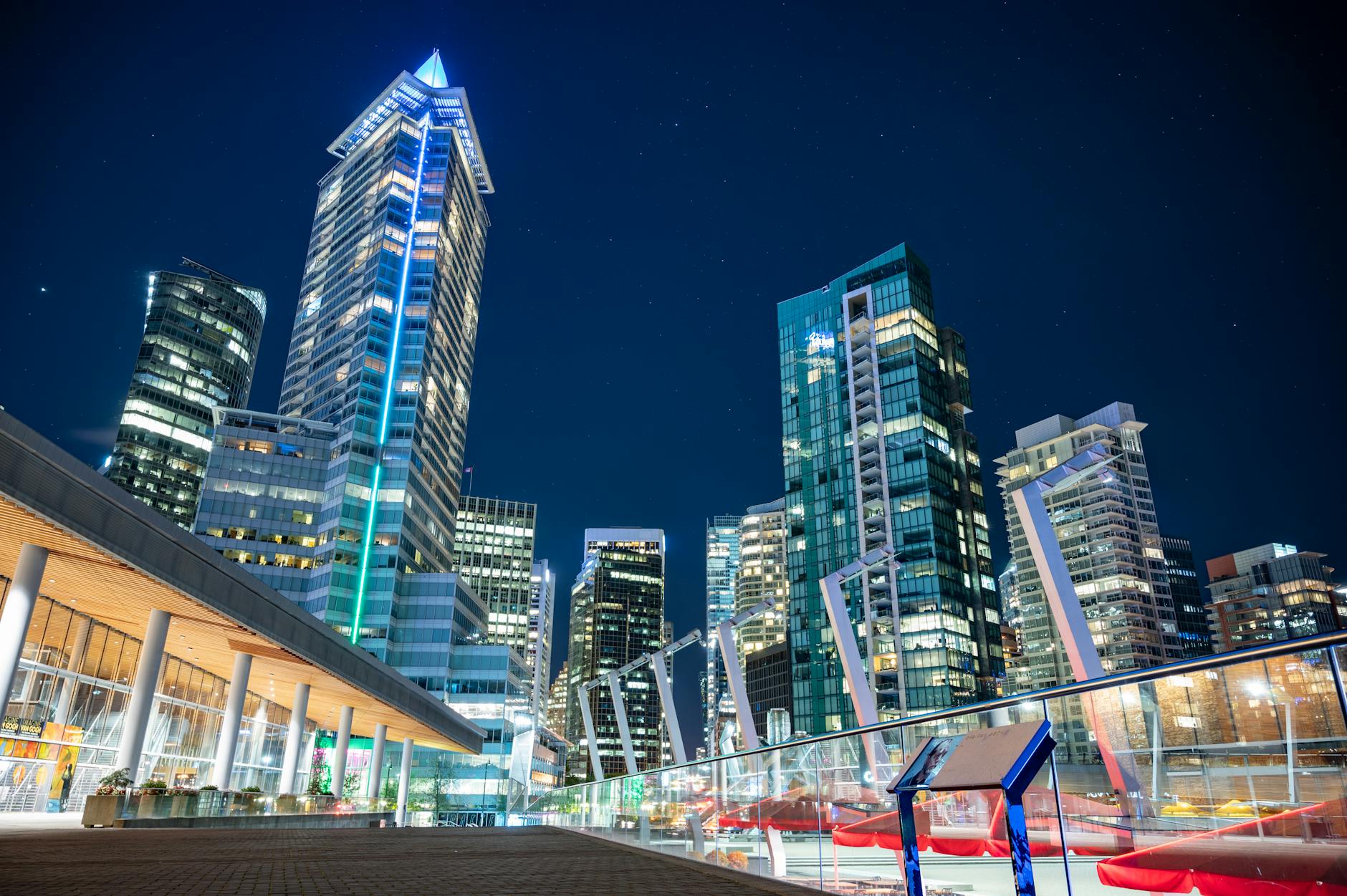
The tower itself is a 28-storey downtown Vancouver landmark designed by Vancouver architects Eberhart Zeidler with WZMH Architects, opened in 1977. The same building hosts Simon Fraser University’s Harbour Centre downtown campus, the BC Senior Games headquarters, and a multi-storey shopping arcade at street level.
The two exterior glass elevators that climb the south face of the tower are themselves part of the experience. They were the first exterior glass elevators in Western Canada and remain one of the city’s distinctive design moments — particularly at night when the tower is illuminated.
The original tower beacon at the top still rotates every 90 seconds, traditionally a gesture marking the southern boundary of Burrard Inlet for harbour traffic. It is best appreciated from outside the tower at dusk.
What You See from the Top
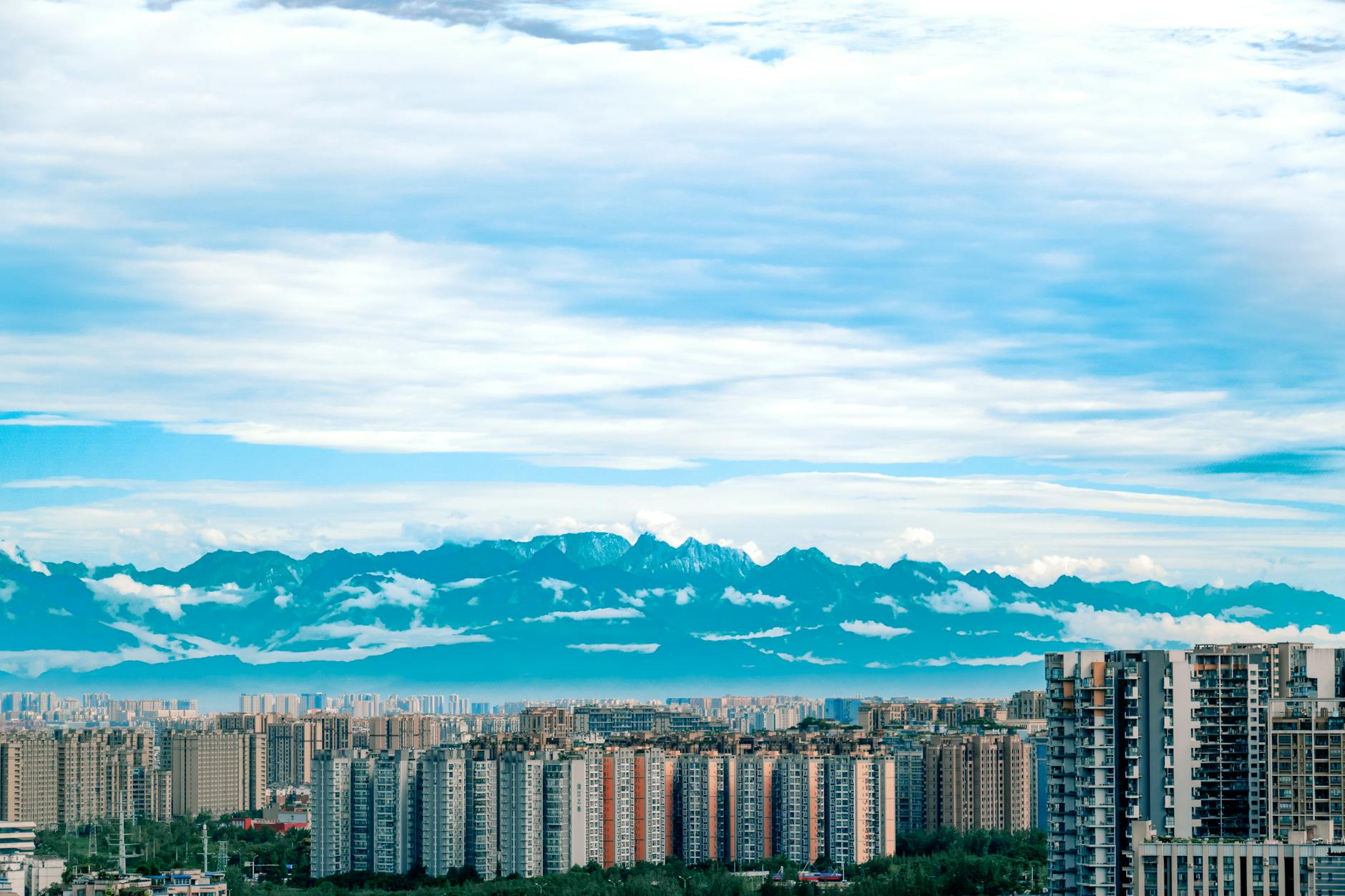
The 360-degree observation deck gives you the most comprehensive single view of downtown Vancouver. From the deck, you can identify:
North (toward Burrard Inlet): Canada Place’s white sails, the cruise terminals, Stanley Park, the Lions Gate Bridge, the snow-capped Coast Mountains (Cypress, Hollyburn, Grouse, Seymour from west to east). On clear days you see all the way up Howe Sound toward the Sea-to-Sky Highway.
East (toward the Fraser Valley): The Cambie Bridge, the SkyTrain Expo Line tracks running south, the Olympic Village, BC Place stadium, and on clear days, Mount Baker (a 3,286-metre stratovolcano in Washington State, 110 km away).
South (over False Creek): The downtown core’s high-rises, Yaletown, the Vancouver House sculptural tower, and the south-of-False-Creek neighbourhoods — including the redevelopment of the Sen̓áḵw lands led by the Squamish Nation.
West (toward English Bay): The downtown West End, English Bay Beach, Stanley Park’s southern coast, Granville Island, Vanier Park (Maritime Museum), Spanish Banks, and the Strait of Georgia. On clear winter days, the snow-capped peaks of Vancouver Island float on the horizon.
Each window is labelled with a printed identification panel naming the visible landmarks; combined audio commentary in 6 languages plays through small speakers around the deck.
Best Time of Day to Visit
With the 6:00 p.m. closing, your effective windows are:
Morning (10:00–11:30 a.m.). Best light for the North Shore Mountains; fewest crowds; clear sightlines for Mount Baker on cold winter days.
Mid-day (12:00–2:00 p.m.). Most crowded; harshest light. Avoid if you have flexibility.
Late afternoon (3:30–5:00 p.m.). Soft golden light to the west; the city’s high-rises light up before the deck closes. Best general-purpose photography time.
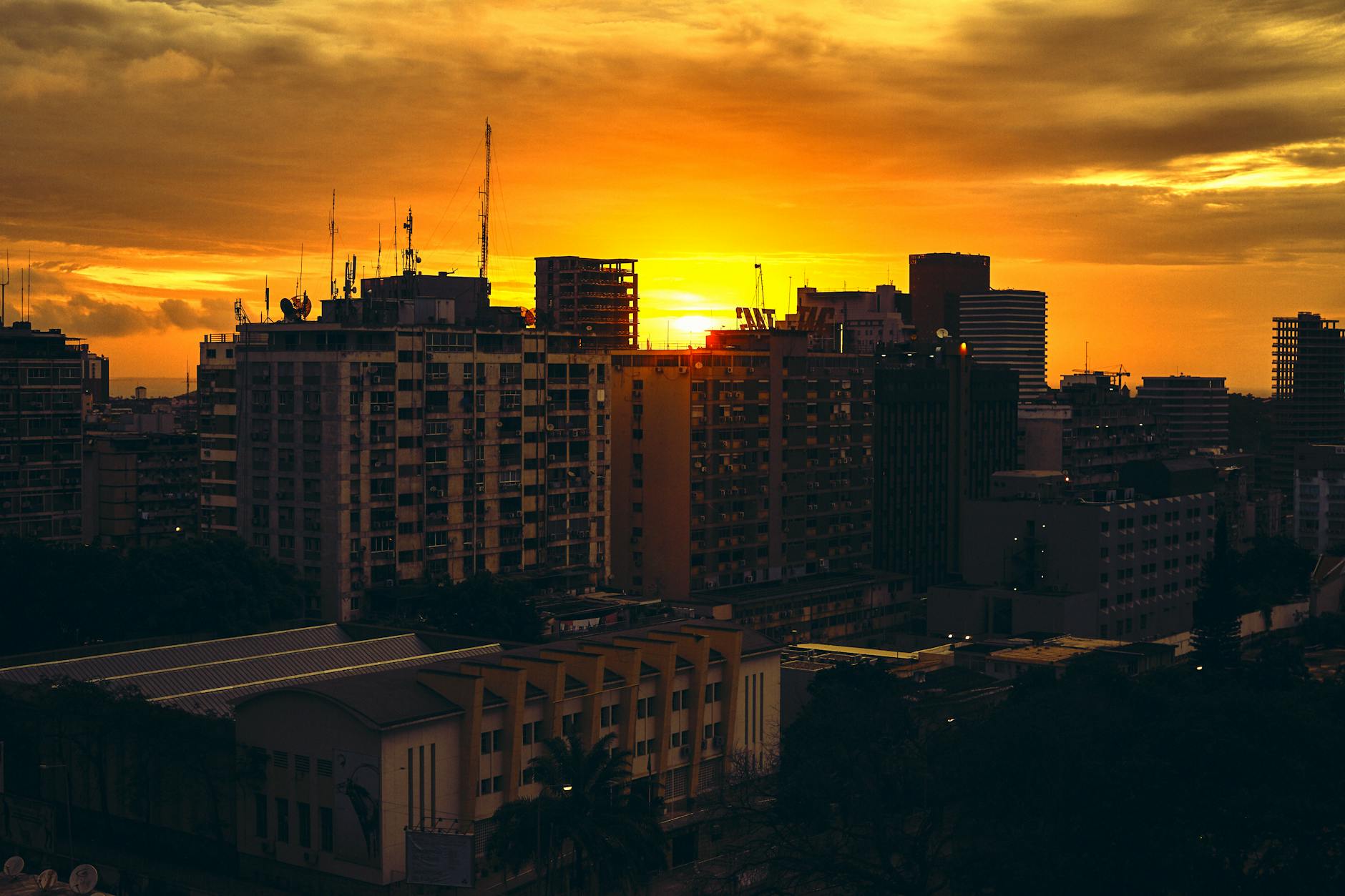
Sunset. The 6:00 p.m. closing means sunset visits only work in winter (sunset around 4:15 p.m. in late December). For summer sunset views, the only option is to dine at the Top of Vancouver Revolving Restaurant a level above the Lookout (next section).
Best weather: Clear, cold winter mornings have the best visibility — Mount Baker is regularly visible, and the air is dry and clean. Summer often has heat haze that softens the Coast Mountains. Avoid rainy days; the cloud ceiling can cap below the deck.
Top of Vancouver Revolving Restaurant
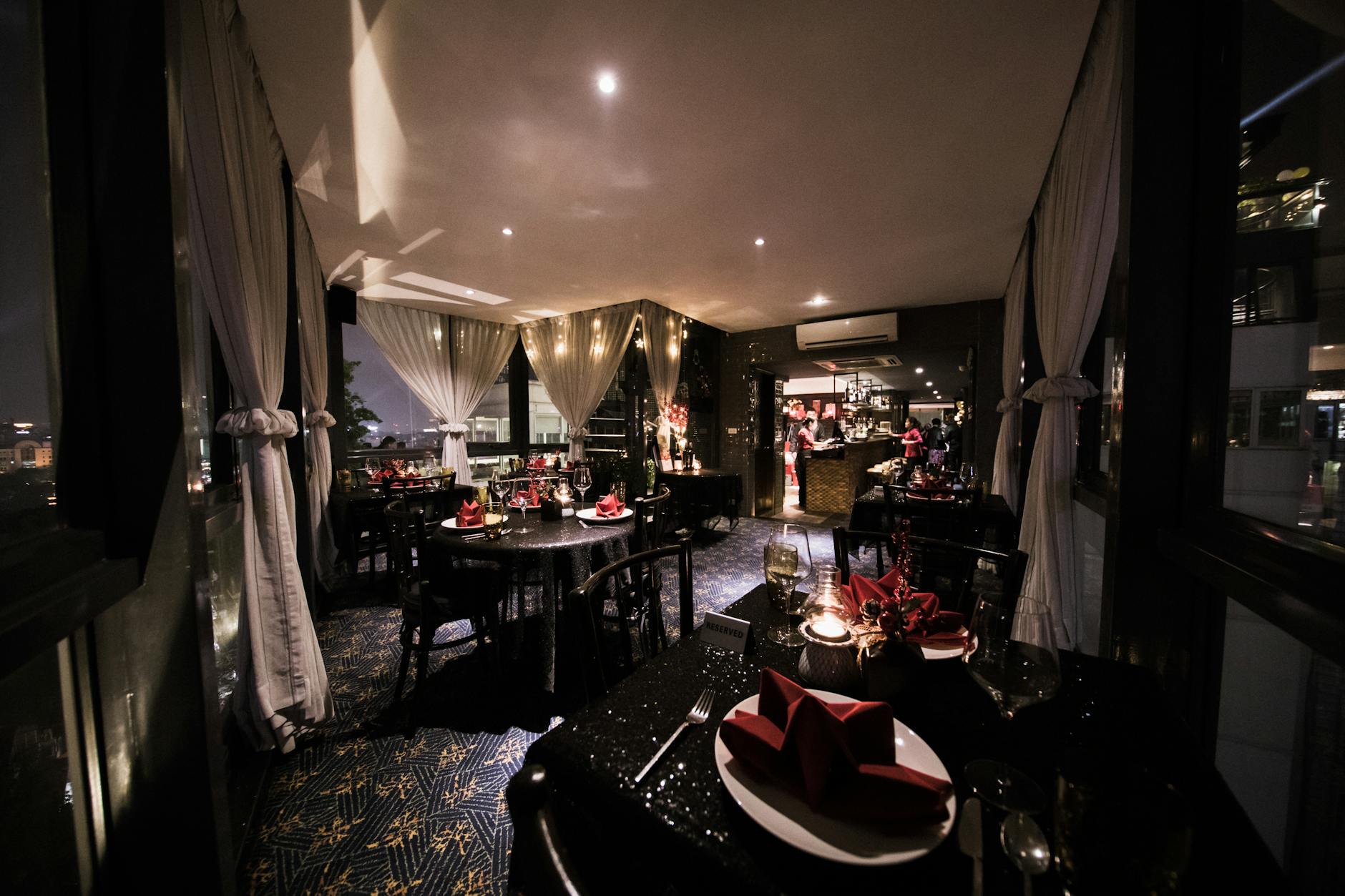
One floor above the public observation deck, the Top of Vancouver Revolving Restaurant rotates a full 360 degrees every 90 minutes while you eat. It opened with the tower in 1977 and remains one of the few “rotating restaurant” experiences left in North America. Reservations are essential, especially at sunset.
What to expect: A traditional white-tablecloth dining room, a 4-course or 7-course tasting menu, and the deliberate pace of slow rotation. The menu is BC-Canadian (steaks, sablefish, short rib, vegetarian options). The food is consistent rather than exceptional — most diners come for the view first, the food second. Mains $42–$58; tasting menus around $98–$128 in 2026.
Why it matters for view-seekers: The restaurant is open well past 6 p.m., so dinner here is the only way to see Vancouver from this height at sunset and after dark. A two-hour dinner will give you most of a complete rotation.
Tip: Reserve the earliest seating (around 5 p.m. summer, 4 p.m. winter) and ask for a window table on the east side. You’ll see daylight transition to dusk to night across one rotation, and the city lights coming on is the highlight of the meal.
Vancouver Lookout vs Other Viewpoints
The Lookout has competition. Here’s how it stacks up against four other Vancouver viewpoints:
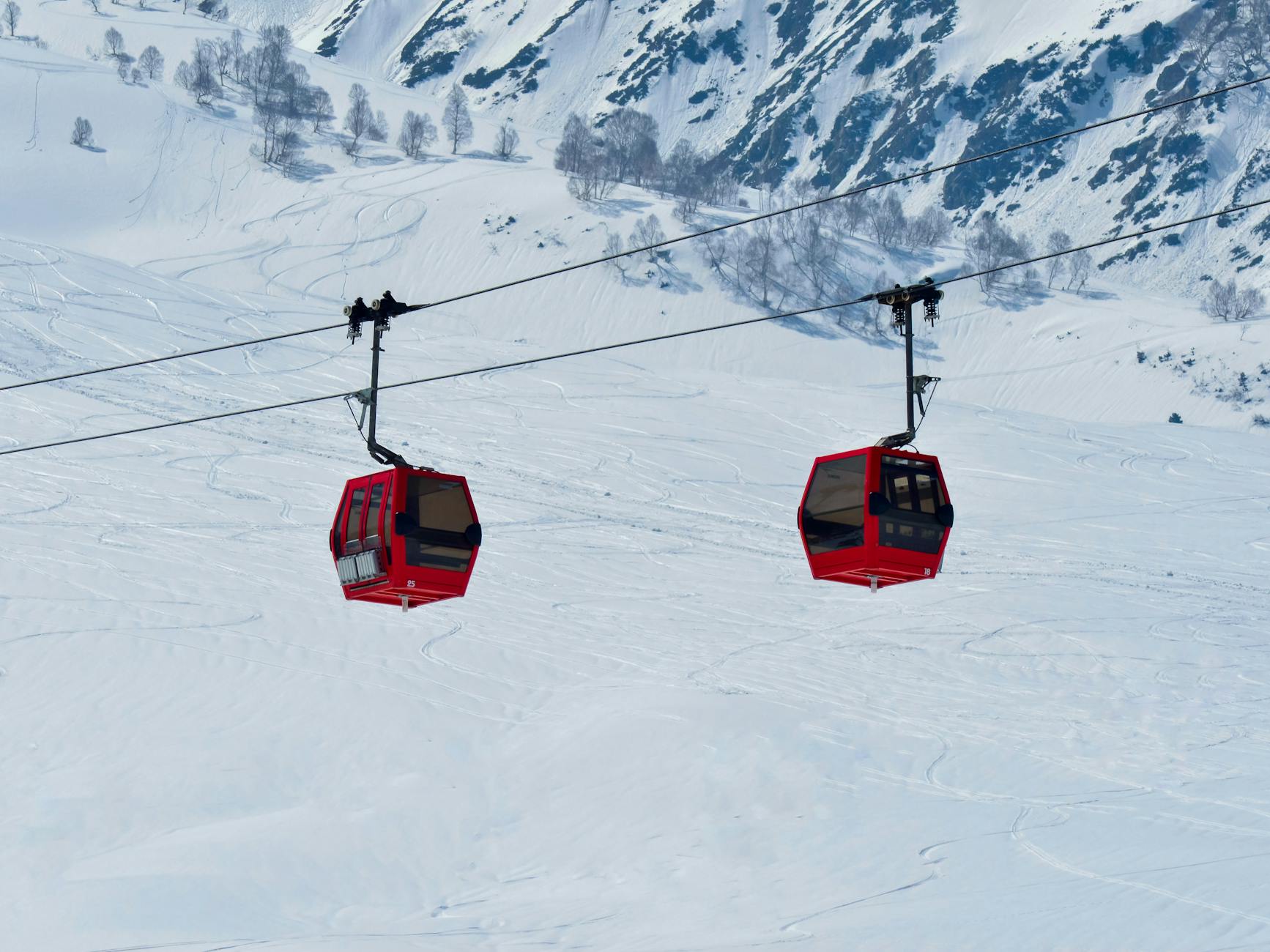
Vancouver Lookout vs Grouse Mountain Skyride. The Skyride goes up 1,100 metres (vs the Lookout’s 130). Grouse views are bigger but more distant — you see the city from above, but you don’t pick out detail. Grouse round-trip is $69 CAD vs Lookout’s $19.95. Grouse is the bigger experience; Lookout is the cheaper, faster city-detail one. Many visitors do both.
Vancouver Lookout vs Sea-to-Sky Gondola (Squamish). Sea-to-Sky climbs 885 m above Howe Sound — totally different scenery (alpine fjord, not city). 90 minutes from downtown. $69 CAD adult. If you have one viewpoint and you’re not picky about seeing the city skyline, Sea-to-Sky has a better view. If you specifically want to identify Vancouver landmarks, Lookout wins.
Vancouver Lookout vs Cypress Mountain Lookout (free). Cypress Mountain has a free road-accessible viewpoint at 915 m above the city, with arguably the most beloved Vancouver view (the postcard angle of Stanley Park, English Bay, and the city core). Cypress is a 25-minute drive from downtown. If you have a car, this is the best free option. Without a car, Lookout is more convenient.
Vancouver Lookout vs Queen Elizabeth Park (free). Queen Elizabeth Park’s Bloedel Conservatory hilltop is at 152 m elevation — about Lookout-equivalent height — with a free panoramic view of the city skyline framed by the rose garden. Free; 15-minute SkyTrain ride south. Best free city-skyline view by transit. See our Vancouver on a budget pillar.
Is Vancouver Lookout Worth It?
An honest answer.
Worth it for:
- First-time Vancouver visitors with limited time who want a quick, indoor orientation to the city’s geography.
- Cruise-ship passengers with a few hours to fill before boarding (Lookout is 5 minutes’ walk from the cruise terminal — see our cruise port guide).
- Visitors with mobility limitations or families with young kids who can’t manage Grouse Mountain’s outdoor viewing platform or the Sea-to-Sky Gondola hike.
- Rainy-day downtown activities — the deck is fully indoors and climate-controlled.
- Photographers wanting a controlled, clean shot of the downtown skyline.
Skip it for:
- Visitors with cars who can drive to Cypress Mountain for free.
- Visitors who prioritize wilderness/mountain views over city detail — go to Grouse or Sea-to-Sky.
- Anyone who has done the Top of the Rock (NYC), CN Tower (Toronto), or any Eiffel-Tower-style observation deck — the Vancouver Lookout is shorter and the city is smaller, so the diminishing returns are real.
- Sunset specifically — the 6 p.m. closing rules out summer sunset.
TripAdvisor reviewers average around 4.0/5 over 4,500+ reviews — meaning “good but not extraordinary.” That feels right.

Tips to Get the Most Out of It
Buy online for a small discount. Online tickets are usually $1–$2 cheaper than at the door.
Pick a clear day. Check vancouverlookout.com for live webcam views before you go — if the cloud ceiling is below the deck, the experience is wasted.
Combine with Gastown. The Lookout is two blocks from Gastown’s Steam Clock and three blocks from Maple Tree Square. Pair the two for a 90-minute downtown morning. See our Gastown walking guide.
Bring your phone fully charged. The labelled windows are an excellent learning tool, and you’ll want photos in every direction. There is no Wi-Fi on the deck.
Plan for ~45 minutes. 50 seconds up, 30–45 minutes on the deck, 50 seconds down. Anything longer than an hour is unusual unless you’re a serious photographer.
Seniors and students: bring ID. The discounts are real and applied at the ticket counter.
Getting to Vancouver Lookout
Address: Harbour Centre, 555 West Hastings Street.
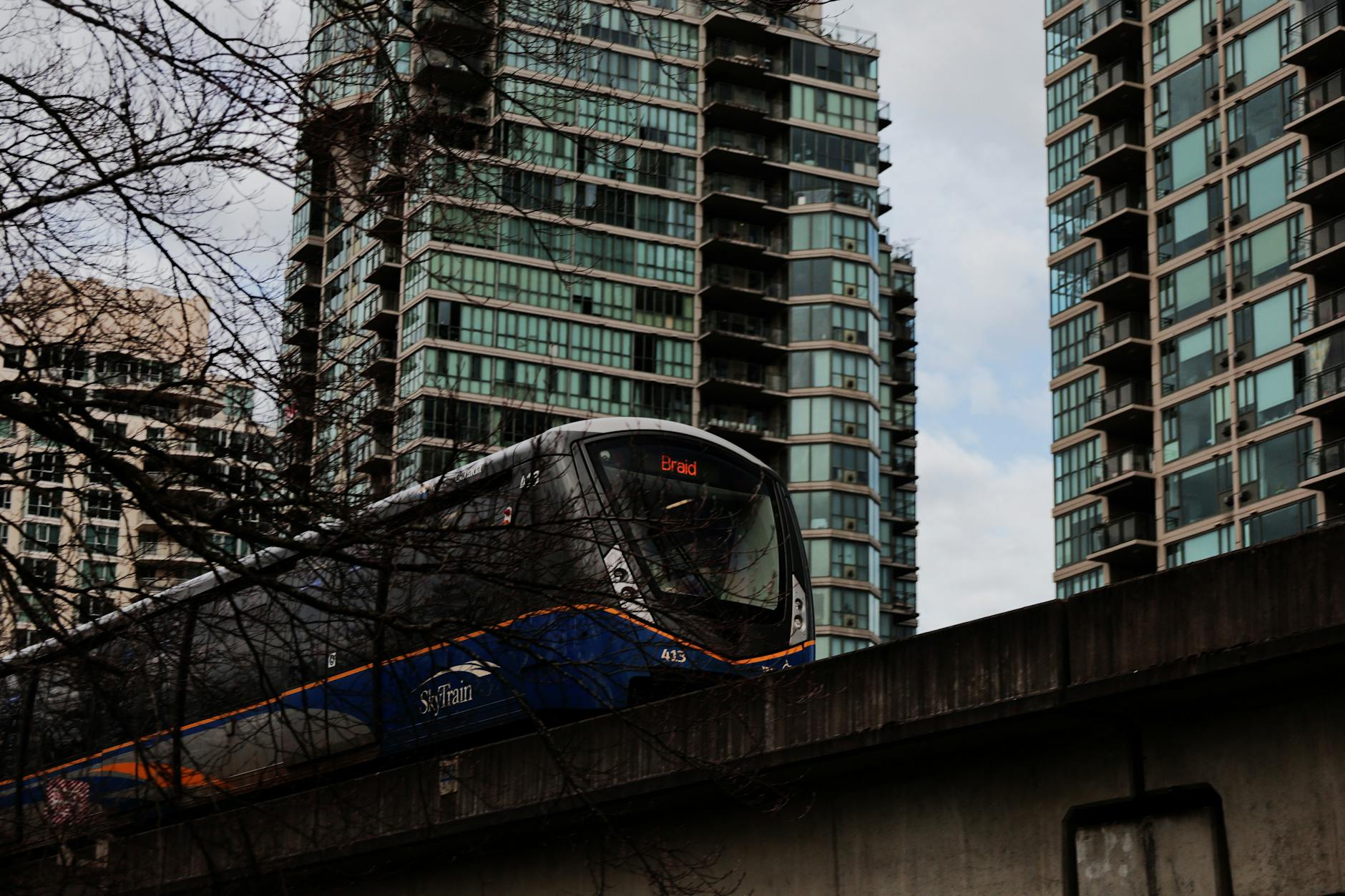
By SkyTrain. Waterfront Station is two blocks north; Granville Station is four blocks west. Both stops on Expo Line and Canada Line.
On foot. 5–15 minutes from most downtown hotels.
From the cruise terminal: 5-minute walk from Canada Place.
By car: Underground parking at Pacific Centre or surface parkades on West Pender. Street parking is metered ($4–$6/hour). Most visitors don’t drive to Lookout.
For wider downtown navigation, see our Vancouver transportation guide.
Related Vancouver guides
Keep planning with these guides:
- FlyOver Canada Vancouver: Is It Worth It? Tickets, Tips & 2026 Review
- Vancouver Aquarium: 2026 Tickets, Animals & Visitor Tips
- Canada Place to Stanley Park Walk: 2026 Cruise Day Guide
- Free Viewpoints in Vancouver (No Ticket Required)
Vancouver Lookout FAQs
How much is Vancouver Lookout in 2026?
Adult tickets are about $19.95 CAD. Seniors $16.95; students and children 6–12 about $14.17; under 5 free. Buy online to save $1–$2.
How long do you spend at Vancouver Lookout?
Most visitors spend 30 to 60 minutes on the deck. Add 5 minutes for the elevator there and back.
Is Vancouver Lookout open at night?
The public deck closes at 6 p.m. (last entry 5:30 p.m.) year-round. The Top of Vancouver Revolving Restaurant a level above is open for dinner — the only way to see the view at night.
Can you re-enter Vancouver Lookout on the same ticket?
No — as of 2026, each ticket is good for one trip up only. Older travel guides still mention an all-day re-entry policy that no longer applies.
What is the Top of Vancouver Revolving Restaurant?
A 360-degree rotating restaurant a level above the public deck, completing a full rotation every 90 minutes. Open for dinner. Mains $42–$58; tasting menus $98–$128 in 2026.
Is Vancouver Lookout worth the money?
Worth it for first-time downtown visitors, families, mobility-limited travellers, and cruise passengers. Skip it if you have a car and can drive to free Cypress Mountain Lookout, or if you’ll already do Grouse Mountain or Sea-to-Sky.
Is Vancouver Lookout accessible?
Yes — the deck is fully wheelchair accessible. The elevators and viewing area both accommodate wheelchairs and strollers.
What’s the best Vancouver viewpoint overall?
Free: Cypress Mountain Lookout (need a car) or Queen Elizabeth Park (free). Paid quick-and-easy: Vancouver Lookout. Paid big-experience: Grouse Mountain Skyride or Sea-to-Sky Gondola.
Photography from Vancouver Lookout
The 360-degree indoor deck is purpose-built for photography. The challenge is that you’re shooting through glass, which means reflections and a slight loss of sharpness if your camera lens touches the glass at an angle. Practical advice from local photographers:
Lens choice. A wide-angle lens (16–35 mm full-frame equivalent, or anything below 24 mm on crop sensor) captures the full skyline-mountain framing. A telephoto (70–200 mm) is valuable for compressed shots of Lions Gate Bridge, the cruise ships, or distant Mount Baker. Phones work — newer iPhones and Pixels handle the dynamic range surprisingly well — but a dedicated camera will give you cleaner low-light shots after dusk.
Reduce reflections. Press the lens directly against the glass with a soft cloth or rubber lens hood between lens and glass to block ambient room light. Cup your hands around the lens. Wear black or dark clothing. Turn off your phone screen. Some photographers bring a small black “anti-reflection cloth” specifically for this. The deck staff are used to this and won’t object.
Best windows. The east-facing windows give you the cruise terminal, Burrard Inlet, and (on clear days) Mount Baker — best in late-afternoon golden light. The north-facing windows give you Stanley Park, Lions Gate Bridge, and the North Shore Mountains — best mid-morning. The south-facing windows give you the downtown core’s high-rises plus Olympic Village — best at any time. The west-facing windows give you English Bay, Granville Island, and the Strait of Georgia — best at sunset.
Tripods. Officially not permitted (the deck can get crowded), but small travel tripods or tabletop tripods are usually fine outside peak hours. Ask staff if you have a substantial tripod; they’ll generally grant permission outside busy mid-day windows.
Best photography day: A clear, cold winter day (December–February) gives the best long-distance visibility — Mount Baker becomes a sharp pyramid on the horizon, the Coast Mountains have full snowpack, and the air is crisp enough that you can see all the way up Howe Sound. Summer haze softens distant peaks; rainy days drop the ceiling below the deck.
Group Tours, Private Events & VIP Access
Vancouver Lookout offers several private and group options that aren’t well advertised on the main visitor page.
Group bookings (10+ people). Discounted rates apply, typically 10–15 percent below adult admission. Groups can book a guided 30-minute interpretive talk with a Lookout staff member ($50 add-on) covering Vancouver landmarks visible from the deck. Email [email protected] to arrange.
School and educational tours. The Lookout runs an educational program for school groups (grades 4–12) tied to BC Social Studies curriculum on urban geography and the city’s growth. Teacher rates from $8 per student; minimum 15 students. The two-hour program includes the deck visit plus a structured worksheet and a short Q&A with staff.
Private deck rentals. The Lookout’s observation deck can be rented after hours (after the 6 p.m. closing) for private events — receptions, corporate gatherings, marriage proposals. Rental fees from $1,500 for the basic 90-minute time slot, with optional catering and bar service. The 360-degree city views at sunset are the obvious draw. Booking via vancouverlookout.com/events or by phoning the venue.
Marriage proposal arrangements. The Lookout staff facilitate proposals fairly regularly. They’ll quietly clear a window angle and reserve a small section near the requested view, sometimes coordinating with the Top of Vancouver Revolving Restaurant upstairs for an immediate post-proposal dinner. Contact ahead of time; no formal “proposal package” is advertised but it’s accommodated for free.
Vancouver Trolley combo + Lookout combo passes. A couple of discount combinations exist: Vancouver Trolley + Lookout combo ($65 adult), and Hotel Vancouver Welcome Pack additions (some downtown hotels include Lookout vouchers in their 3-night packages). Worth running the math if you’ll do 4+ paid Vancouver attractions.
A Brief History of Harbour Centre Tower
Harbour Centre opened on August 13, 1977, with the Lookout dedicated personally by Neil Armstrong on his Apollo 11 anniversary. The astronaut’s choice was deliberate — Vancouver Lookout’s elevators climb at 5.5 m/s, slow by today’s standards but the fastest exterior glass elevators in Western Canada when commissioned. The original ribbon-cutting included a speech in which Armstrong joked that the elevator’s exterior climb gave passengers “a more visual experience than my much faster ride to the Moon.”
The tower was designed by Vancouver-based Eberhart Zeidler and his firm in collaboration with WZMH Architects (Toronto). At 167 metres, it was the tallest building in Vancouver between 1977 and 1991, when the Wall Centre Hotel surpassed it. Today the Shangri-La residential tower (201 metres) is the tallest, but Harbour Centre remains in the top 10 by height and easily the most-photographed downtown landmark.
The two exterior glass elevators were the first of their kind in Western Canada and were inspired by the (slightly older) glass elevators at Atlanta’s Hyatt Regency. Each elevator carries 12 passengers; the 50-second climb covers 130 metres of vertical distance. The cabin walls are floor-to-ceiling glass on three sides, and the lighting cycle inside the cabin sequences with the climb to give passengers maximum exterior visibility.
The original Harbour Centre also housed The Bay department store, a Sears Canada outlet, and Simon Fraser University’s downtown campus (still operating). The tower’s beacon at the top — visible across Burrard Inlet — was originally a navigation aid for harbour traffic and has rotated continuously since 1977. The light cycle takes 90 seconds for one full rotation.
The Lookout itself has gone through one major renovation, in 2003, when the original wooden deck rails and signage were replaced with the current glass-and-stainless-steel finish. The audio commentary system was upgraded in 2014. The 6 p.m. closing hour and end of all-day re-entry policy were both implemented in 2023, reducing operating costs and freeing up evening windows for private events.
Related reading: Things to Do in Vancouver · Gastown Walking Guide · Cruise Port Guide · Vancouver on a Budget · Vancouver Itinerary · Transportation Guide