Indigenous restaurants Vancouver are concentrated around one extraordinary establishment — Salmon n’ Bannock, owned by Inez Cook of the Nuxalk Nation, which is currently Vancouver’s only fully Indigenous-owned-and-operated restaurant. Beyond Salmon n’ Bannock, Vancouver’s Indigenous food scene appears in tasting menus at non-Indigenous restaurants, food trucks, festival pop-ups, and the airport’s “Salmon n’ Bannock On The Fly” branch — all reflecting the deep First Nations food traditions of Vancouver’s three host nations: Squamish, Tsleil-Waututh, and Musqueam.
This guide covers Salmon n’ Bannock’s full menu, the broader Indigenous food culture in Vancouver, where to find traditional ingredients (smoked salmon, bannock, wild berries), and Indigenous-led culinary tours that bring food into broader cultural context.
Table of Contents
Indigenous Dining Vancouver: Quick Overview
- Fully Indigenous-owned restaurants: Salmon n’ Bannock (only one currently)
- Pacific Northwest restaurants with Indigenous influence: Many — Salmon House on the Hill, Boulevard, Botanist, Hawksworth
- Indigenous food at YVR Airport: Salmon n’ Bannock On The Fly (post-security)
- Festivals: National Indigenous Peoples Day (June 21); Skwachàys Lodge events
- Cultural tours: Talaysay Tours; Cedar Coast Tours
- Vancouver’s host nations: Squamish, Tsleil-Waututh, Musqueam
Salmon n’ Bannock: The Flagship
Location: 1128 W Broadway, Vancouver (Fairview neighborhood).
Owner: Inez Cook, member of the Nuxalk Nation.
Opened: 2010 (15 years in 2026).
Reception: Featured in The New York Times, The Guardian, San Francisco Chronicle, Der Spiegel, PBS’s Samantha Brown’s Places to Love.
Menu highlights:
- Bannock: Traditional First Nations bread (fried or pan-baked)
- Sablefish (black cod): Maple-glazed
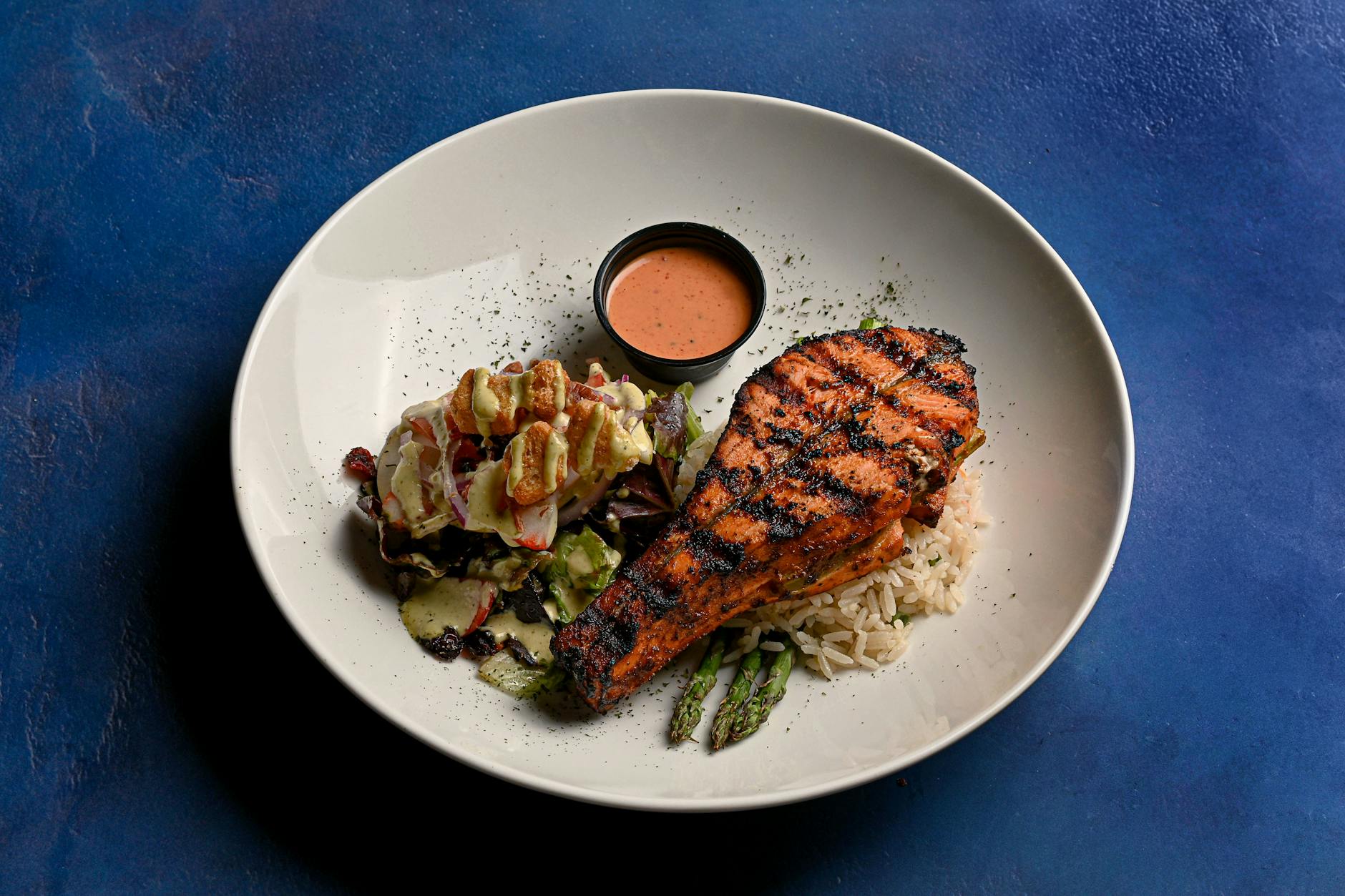
- Wild Sockeye Salmon: Cedar-plank grilled
- Bison: Various preparations
- Wild Boar: Slow-cooked
- Maple Syrup: BC-source
- Ojibway Wild Rice: Hand-harvested
- Game meats: Elk, venison depending on supply
Cost: Lunch C$25-40/person; dinner C$45-80/person.
Reservations: Recommended; OpenTable. Walk-in possible weekday lunches.
Atmosphere: Modern Pacific Northwest design with First Nations art and cultural elements; warm and welcoming.
Cultural significance: Beyond food, Salmon n’ Bannock is committed to sustainable Indigenous employment, cultural sharing, and educating school-aged children about First Nations issues.
Salmon n’ Bannock On The Fly (YVR)
Location: Vancouver International Airport (YVR), post-security in the Domestic/International terminal.
Opened: 2022.
Concept: Quick-service version of Salmon n’ Bannock for travelers.
Menu highlights: Bannock sandwiches, salmon offerings, bison burgers, wild rice bowls.
Cost: C$15-30/person.
Best for: Travelers transiting YVR who want to experience Indigenous cuisine; departure-side dining.
Pacific Northwest Restaurants with Indigenous Influence
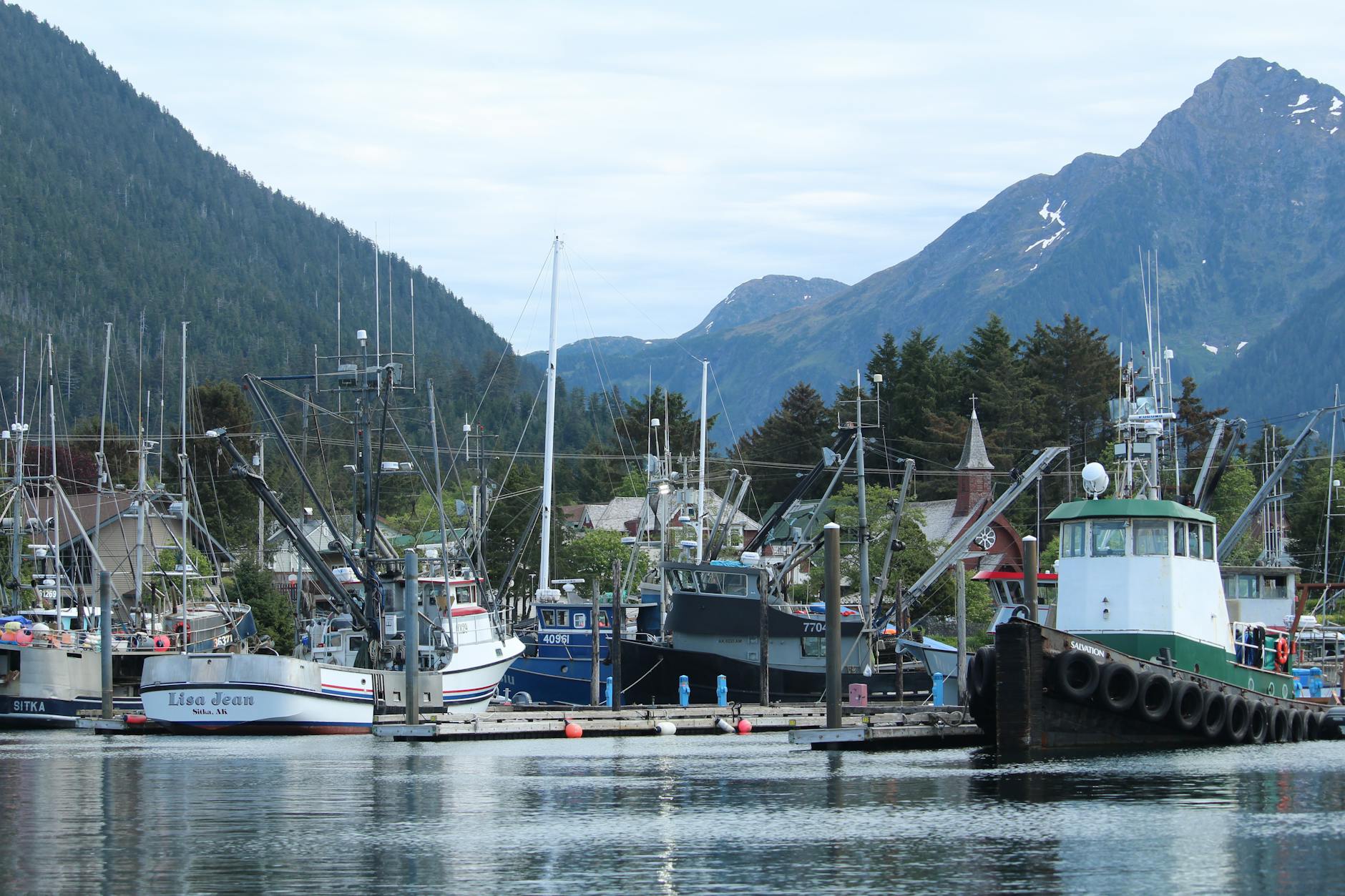
Many of Vancouver’s top Pacific Northwest restaurants incorporate Indigenous-influenced ingredients and techniques.
Salmon House on the Hill (West Vancouver): Cedar-plank salmon specialty; West Coast First Nations-influenced design and menu. C$60-100/person.
Botanist (Fairmont Pacific Rim): Pacific Northwest tasting menu with foraged ingredients (some Indigenous-influenced). The tasting menu is C$180 per person, with wine pairings extra.
Boulevard Kitchen + Oyster Bar: Pacific Northwest seafood with respect for traditional sourcing. C$70-130/person.
Hawksworth Restaurant: Modern Canadian with seasonal Pacific Northwest emphasis. C$80-150/person.
Note: These restaurants borrow from Indigenous food traditions but are not Indigenous-owned. Salmon n’ Bannock remains the only fully Indigenous-owned restaurant in Vancouver.
Cedar-Plank Salmon Tradition
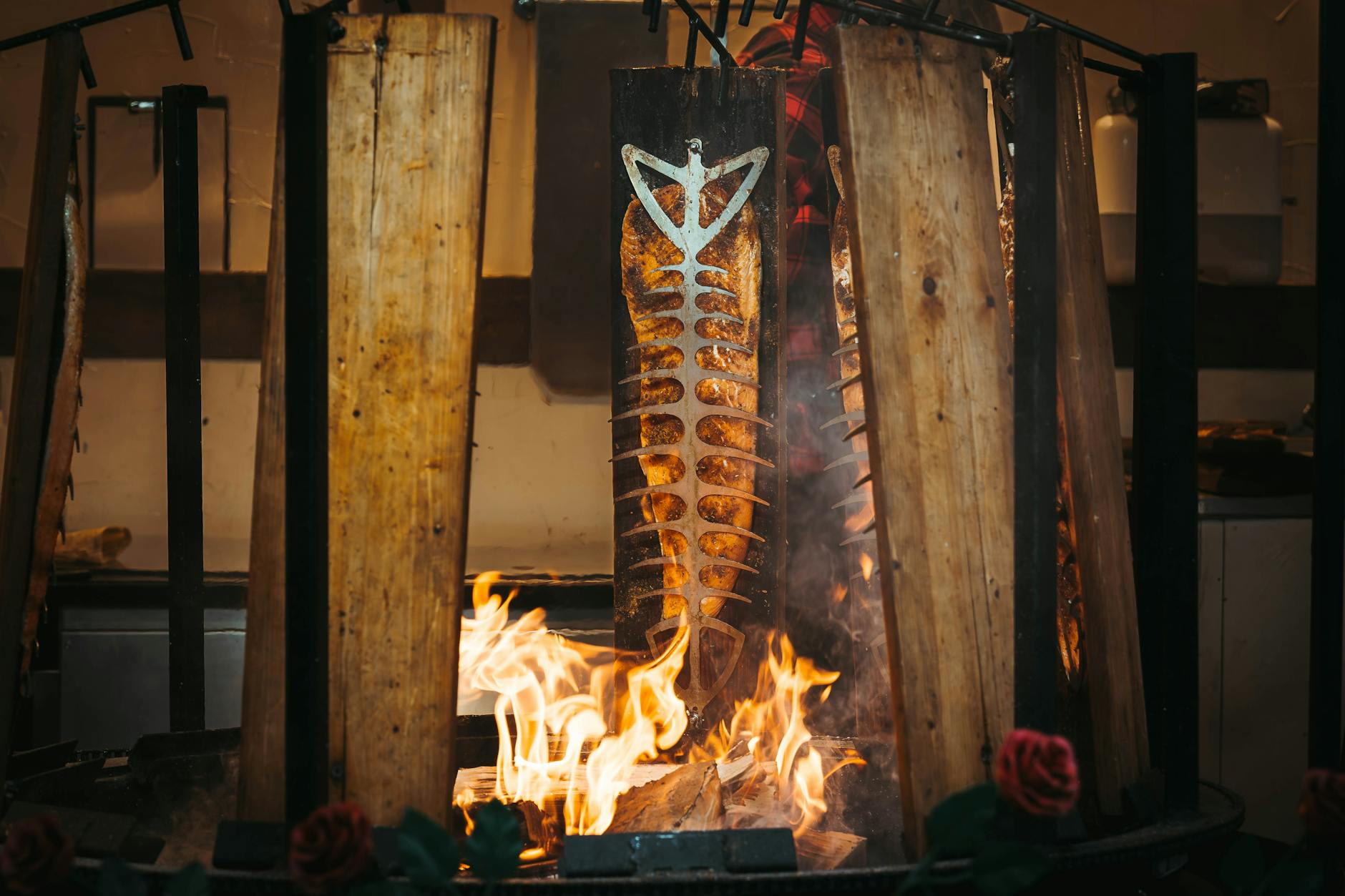
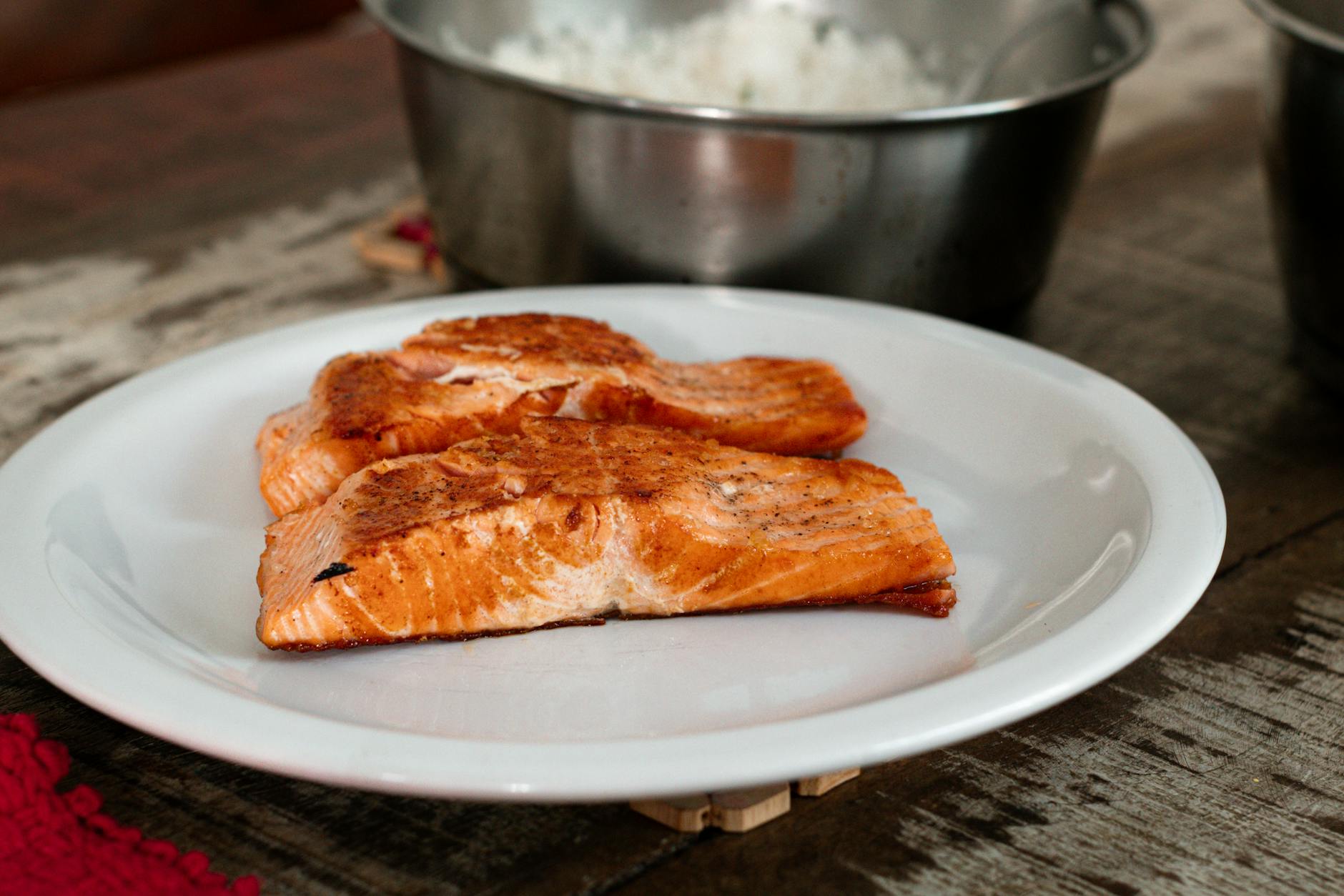
Cedar-plank salmon is the iconic Pacific Northwest First Nations cooking technique, where salmon is grilled on a soaked cedar plank, infusing the fish with smoky cedar flavor.
Why it matters: The technique pre-dates European contact and was used by Coast Salish peoples for thousands of years. The cedar plank symbolizes the deep relationship between cedar trees and Coast Salish culture.
Where to try it:
- Salmon n’ Bannock (the most authentic preparation)
- Salmon House on the Hill (the West Vancouver classic)
- The Sandbar at Granville Island (occasional menu item)
- Many Pacific Northwest restaurants (often on tasting menus)
What to look for: Wild Pacific salmon (sockeye preferred); soaked cedar plank; minimal preparation that lets the cedar smoke flavor through.
Traditional First Nations Foods
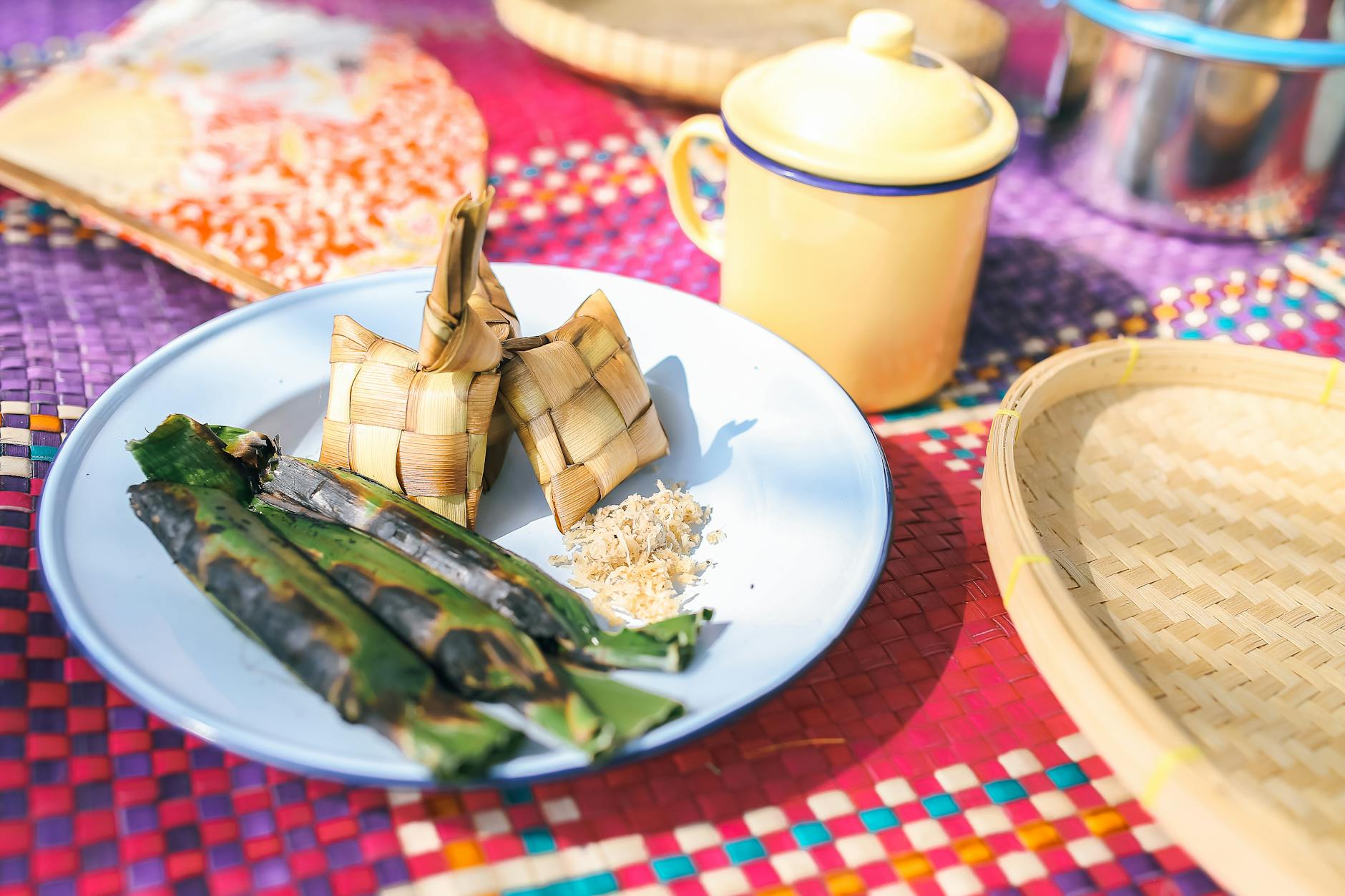
Bannock: Fried or pan-baked bread with First Nations origins (introduced via Hudson’s Bay Company influence). Now an essential Indigenous food across Canada.
Wild Pacific Salmon: The most important traditional food of Coast Salish peoples. Smoked, dried, fresh, and cooked on cedar planks.
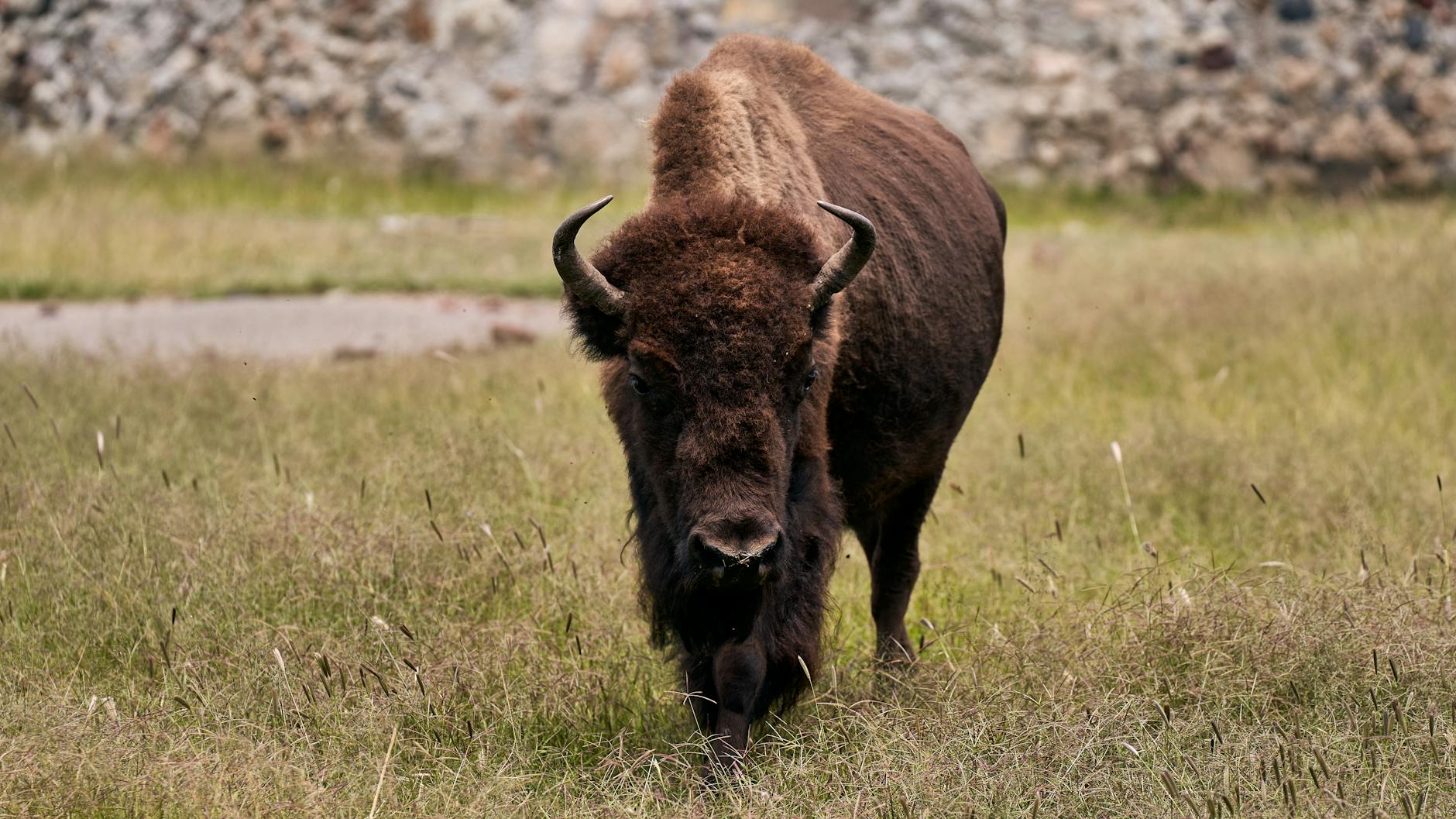
Bison: Now reintroduced commercially; traditionally important to Plains First Nations.
Wild Game: Elk, deer, moose, wild boar — important hunting foods.
Traditional Fish: Eulachon (small fatty fish for oil), herring, halibut, sablefish.
Wild Berries: Salmonberries, salal, wild blueberries, blackcap raspberries — traditional gathering foods.
Maple Syrup: Indigenous origin technology adopted globally.
Wild Rice (Manoomin): Hand-harvested by Indigenous peoples in BC and Ontario; nutritionally distinct from cultivated rice.
Indigenous-Led Culinary & Cultural Tours
Talaysay Tours: Indigenous-owned tour company offering walking tours of Stanley Park focused on Squamish, Tsleil-Waututh, and Musqueam history. C$60-80; some food-focused options.
Cedar Coast Tours: Vancouver Island tours including foraging, traditional foods, and cultural learning.
Skwachàys Lodge tours: Indigenous arts hotel with cultural programming.
YVR Airport public art tour: Free self-guided tour of the airport’s massive Indigenous art collection (Bill Reid’s “Spirit of Haida Gwaii” being the showpiece).
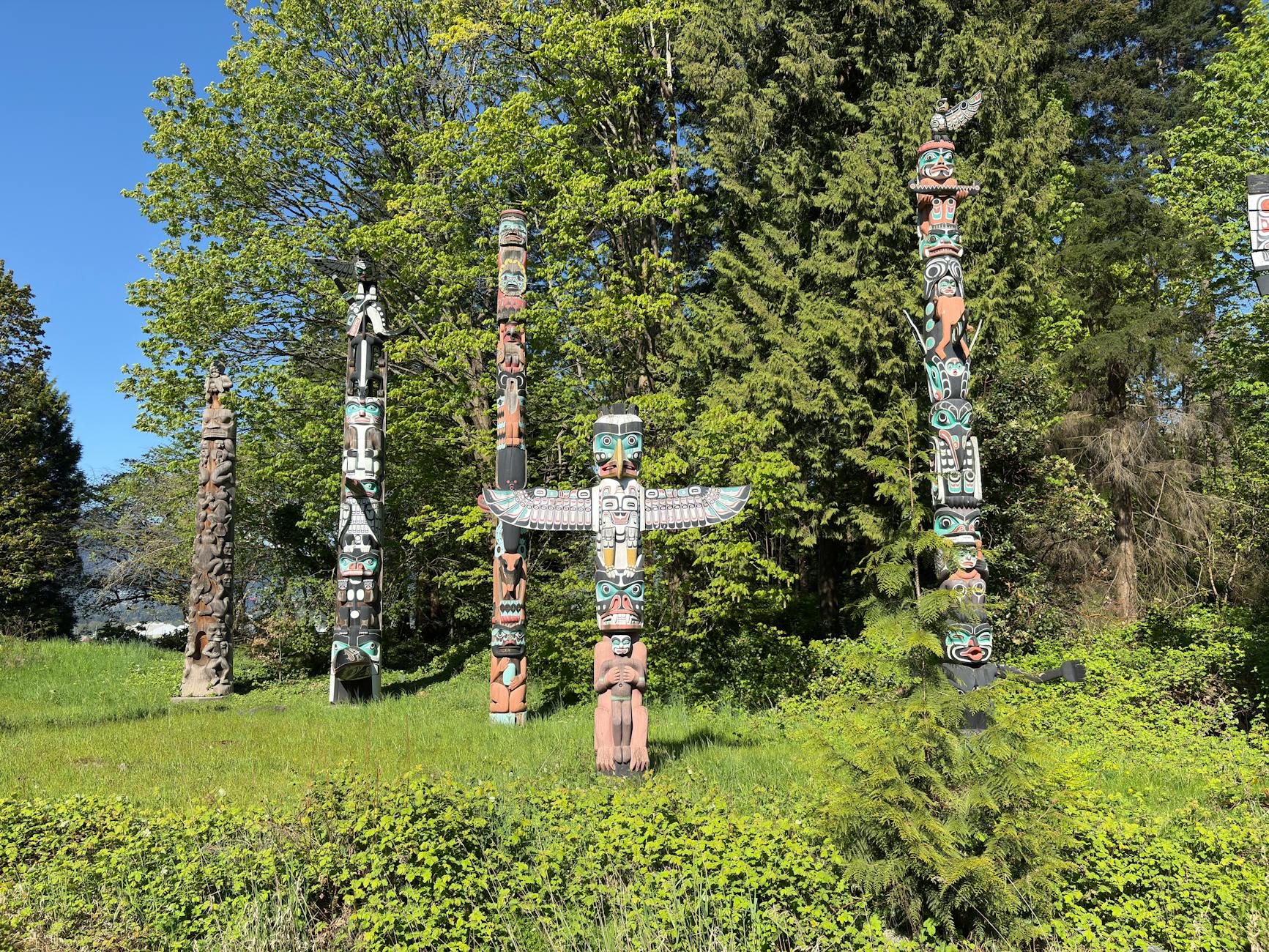
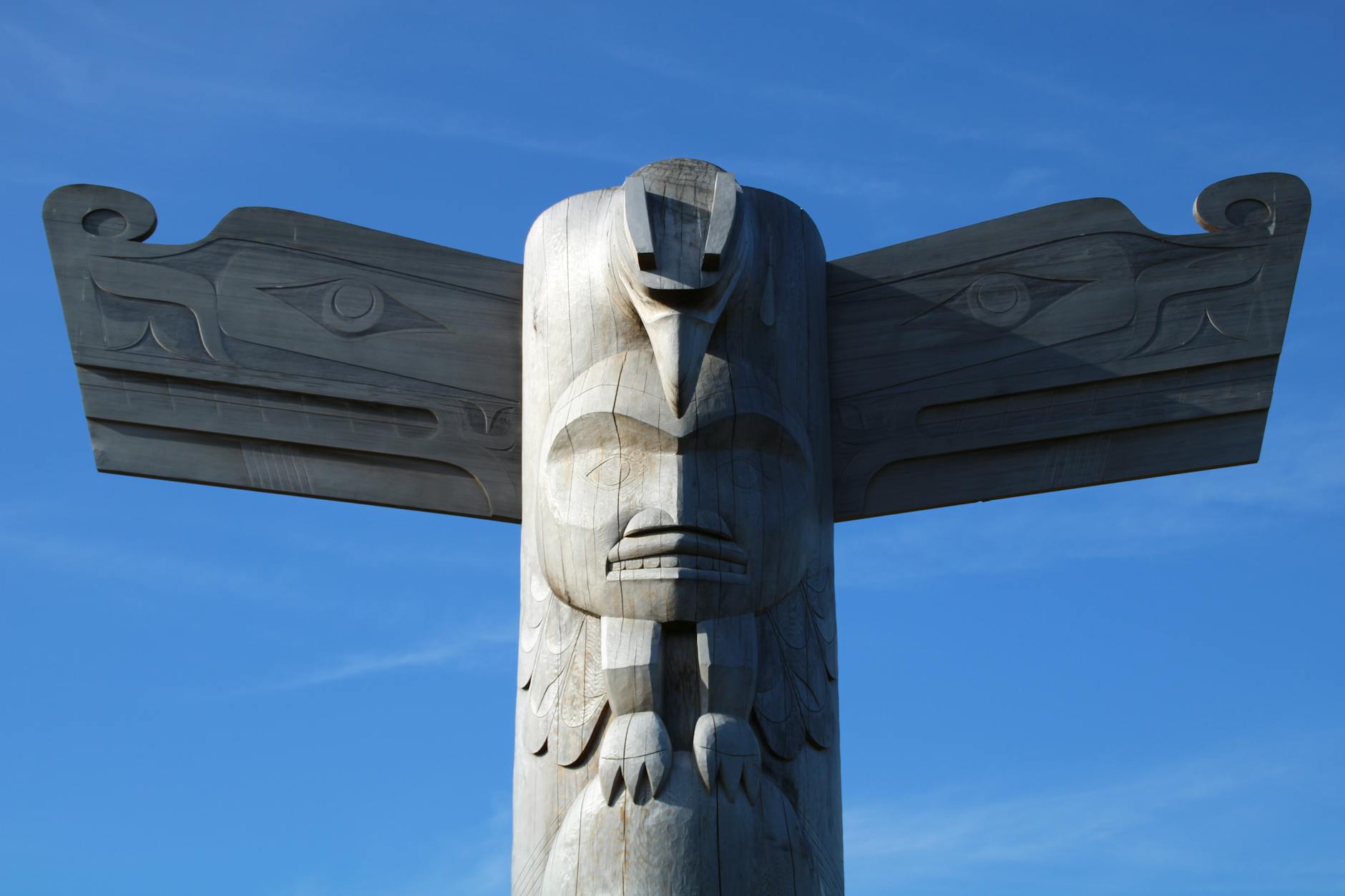
UBC Museum of Anthropology: Outstanding First Nations cultural exhibits, including totem poles and ceremonial regalia.

Indigenous Food Festivals
National Indigenous Peoples Day (June 21): Annual celebration with Indigenous food, music, art, and cultural performances at various Vancouver venues.
Squamish Lil’wat Cultural Centre Events: While in Whistler, the SLCC hosts food and cultural programming throughout the year.
Kálèdèn: Vancouver’s Indigenous food and culture festival (occasional).
Skwachàys Lodge events: Various cultural programming; check skwachays.com.
Vancouver’s Three Host Nations
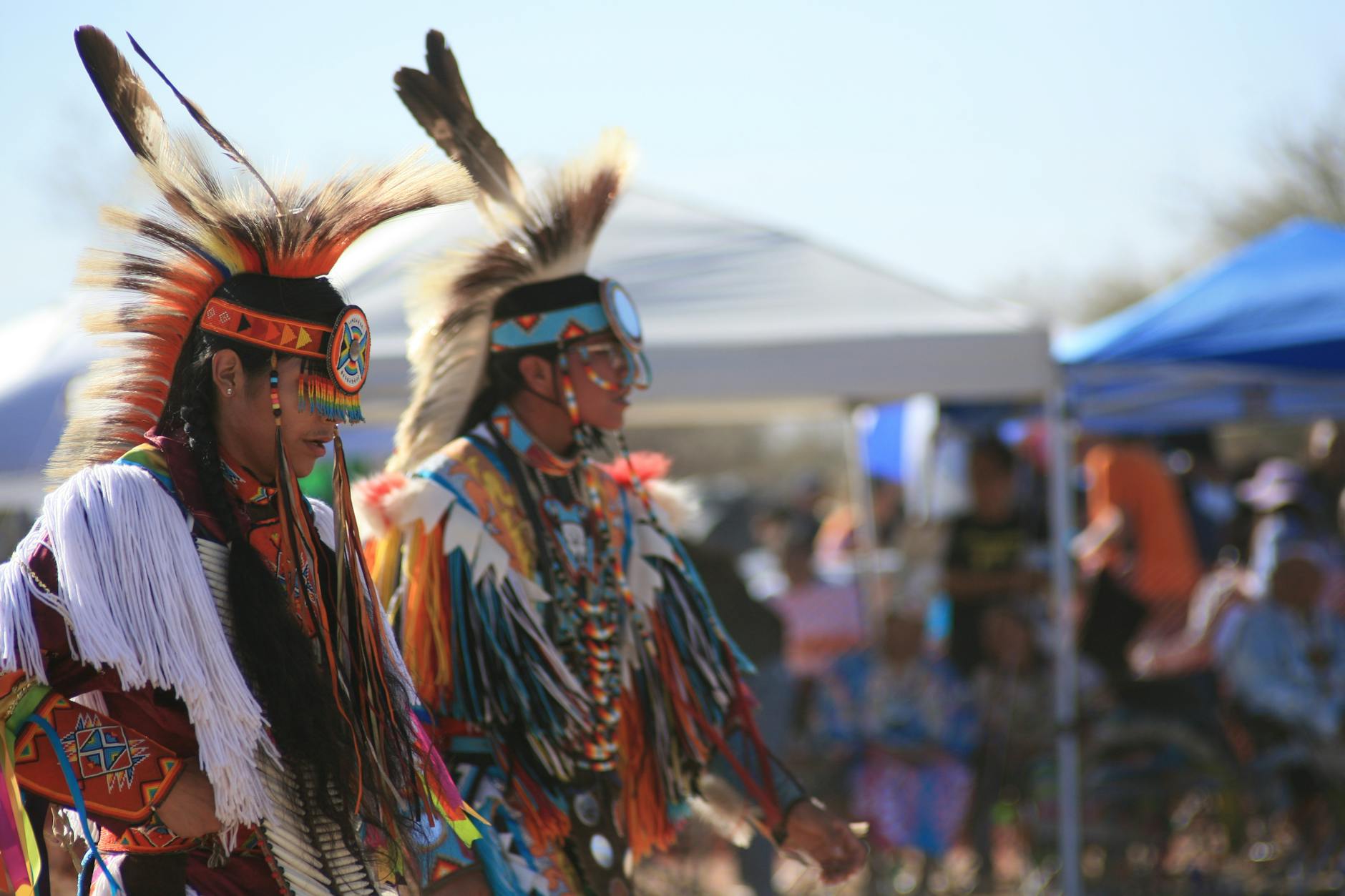
Vancouver sits on the unceded territory of three First Nations, all of whom have deep food traditions.
Squamish Nation: Traditional territory includes Burrard Inlet, Howe Sound, and Whistler corridor. Their food heritage emphasizes salmon, seafood, and forest gathering.
Tsleil-Waututh Nation: Indian Arm territory north of Vancouver. Long-standing salmon-fishing tradition; modern stewardship of Indian Arm fjord.
Musqueam Nation: Fraser River estuary territory. Salmon, sturgeon, and shellfish traditions.
Why this matters for visitors: When dining at Salmon n’ Bannock or eating cedar-plank salmon at any Pacific Northwest restaurant, you’re participating in centuries-old food traditions of these three host nations.
How to Support Indigenous Food Sovereignty
Restaurant choices: Choose Salmon n’ Bannock over generic Pacific Northwest restaurants when possible.
Buy direct: First Nations-led food vendors at festivals; Indigenous food businesses growing in BC.
Acknowledge: Recognize that Vancouver sits on unceded First Nations territory.
Read and learn: The “Decolonize Your Plate” cookbooks; books by Indigenous food sovereignty advocates like Eden Robinson.
Support fisheries: Choose Indigenous-led commercial salmon (Saamis Salmon, etc.).
Visit MoA at UBC: Museum of Anthropology features First Nations cultural exhibits including food traditions.
Pre-Contact Foods Reclamation
An emerging culinary movement focuses on foods Indigenous peoples ate before European contact.
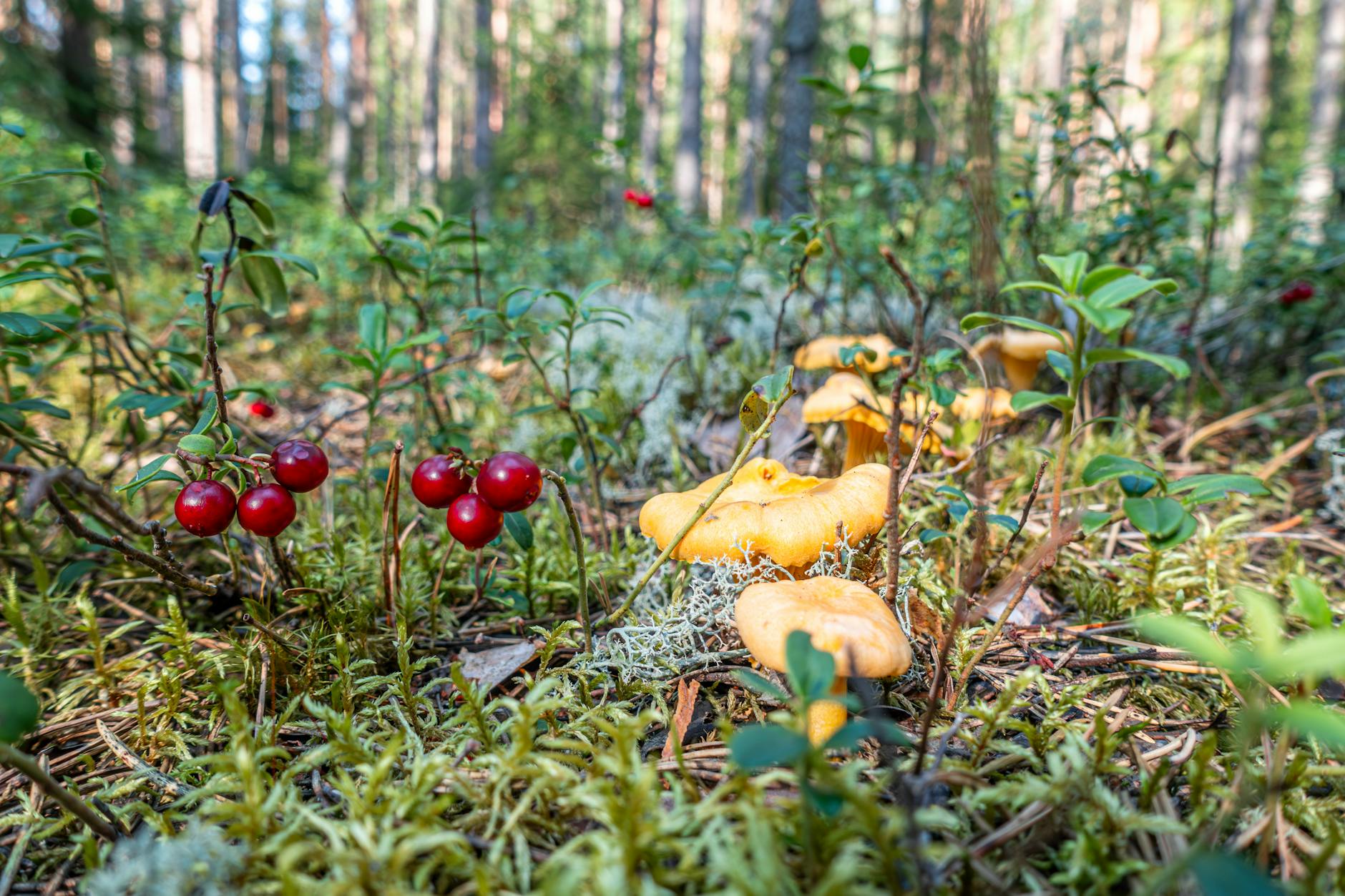
Pre-contact emphasis: Wild salmon, eulachon, sablefish, halibut, deer, elk, moose, bison, salal berries, salmonberries, fiddlehead ferns, sea asparagus, kelp, devil’s club shoots.
Modern restaurants pioneering pre-contact dining: Salmon n’ Bannock incorporates these elements; some ambitious tasting menus at Botanist and Boulevard occasionally feature pre-contact ingredients.
Why it matters: The pre-contact movement reclaims authentic Indigenous foodways without colonial influences (wheat flour, refined sugars, dairy).
Related Vancouver guides
Keep planning with these guides:
- Best Brunch Spots in Vancouver (2026)
- Salmon n’ Bannock & Indigenous-Owned Restaurants Vancouver (2026)
Indigenous Dining Vancouver FAQs
What is the best Indigenous restaurant in Vancouver?
Salmon n’ Bannock — currently Vancouver’s only fully Indigenous-owned-and-operated restaurant.
Who owns Salmon n’ Bannock?
Inez Cook, a proud member of the Nuxalk Nation. The restaurant has been operating since 2010.
Where is Salmon n’ Bannock located?
1128 W Broadway, Vancouver (Fairview neighborhood). Plus a second location at YVR Airport.
What are traditional First Nations foods?
Wild Pacific salmon, bannock, bison, wild game, wild berries, maple syrup, wild rice, traditional fish (eulachon, halibut), and foraged plants.
Are there Indigenous-led food tours in Vancouver?
Yes — Talaysay Tours offers Indigenous-led walking tours of Stanley Park focused on Squamish, Tsleil-Waututh, and Musqueam history.
What is bannock?
Bannock is a traditional fried or pan-baked bread that’s become an essential Indigenous food across Canada.
How can I support Indigenous food businesses?
Choose Indigenous-owned restaurants like Salmon n’ Bannock; buy direct at festivals; support Indigenous-led salmon and seafood vendors.
Traditional Cooking Techniques
Coast Salish First Nations developed sophisticated cooking techniques over thousands of years. Understanding them deepens appreciation for Vancouver’s Indigenous cuisine.
Cedar-plank cooking: Salmon (and other fish) is grilled on a soaked cedar plank. The cedar smoke infuses the fish with subtle wood flavor while the moist plank prevents drying. Pre-contact, plank cooking happened over open flames; modern restaurants use oven grills with same effect.
Earth ovens (pits): Traditional Coast Salish cooking method involving heated rocks placed in earthen pits, covered with moist seaweed or leaves, then food and earth on top. Slow cooking over many hours produces tender, smoky results. Some modern Indigenous chefs revive this for ceremonial cooking.
Smoking: Salmon, oolichan (eulachon), and other fish were heavily smoked for preservation. Different woods (alder, cedar) produce different flavors. Modern Indigenous chefs experiment with traditional smoking techniques.
Drying: Sockeye salmon traditionally dried on racks for winter food storage. Today the technique survives in some Indigenous-led businesses producing dried salmon products.
Pit cooking root vegetables: Camas root, biscuit root, and other starchy roots cooked underground in earth ovens. Camas was a critical pre-contact food.
Bannock variations: Different First Nations developed regional bannock recipes — fried, baked, ash-baked. The technique was adapted from European-introduced wheat flour but the form became distinctly First Nations.
Cedar bark for sweetening: Pre-contact, cedar bark and inner bark of certain trees provided subtle sweet notes for breads and cakes — replacing sugar.
Why these matter: Indigenous cooking pre-dates European contact by 10,000+ years. The techniques developed over millennia produce distinctive flavors that modern chefs are increasingly reviving and celebrating.
Indigenous Food Sovereignty Movement
Indigenous food sovereignty is the movement to reclaim Indigenous food systems from colonial influence and commercial domination.
Core principles:
- Indigenous control over Indigenous food systems
- Reclamation of pre-contact food traditions
- Protection of traditional fishing, hunting, and gathering rights
- Indigenous-led aquaculture, agriculture, and food processing
- Cultural transmission of food knowledge to younger generations
- Resistance to commercial food monopolies in Indigenous communities
Vancouver-relevant initiatives:
- Tsleil-Waututh Nation aquaculture: Indigenous-led salmon aquaculture in Indian Arm
- Squamish Lil’wat Cultural Centre: Food and cultural programming based at Whistler
- UBC Indigenous Foods Initiative: Academic research on Indigenous food systems
- BC Salmon Marketing Council: Working with Indigenous fisheries on sustainability
Why visitors should care:
- Understanding Indigenous food systems gives context for Vancouver’s culinary identity
- Supporting Indigenous food businesses contributes to sovereignty efforts
- Pacific Northwest tourism economy benefits from authentic Indigenous food experiences
- Climate change discussion increasingly recognizes Indigenous food knowledge as critical
Government context: Canada’s reconciliation framework (since 2015 Truth and Reconciliation Commission) increasingly emphasizes Indigenous food rights. Provincial fishing and hunting regulations are evolving to recognize Indigenous priorities.
Indigenous Cookbooks & Resources
For visitors who want to take Indigenous food culture home with them.
Recommended cookbooks:
- “Tawâw: Progressive Indigenous Cuisine” by Shane Chartrand — Cree-inspired modern Indigenous cooking
- “Traditional First Nations Foods” by various authors — Pre-contact ingredients and recipes
- “The Sioux Chef’s Indigenous Kitchen” by Sean Sherman — Lakota/Dakota Indigenous cooking
- “Bannock and Beans” — Recipes from various First Nations communities
Bookstores stocking these:
- Pulpfiction Books (multiple locations)
- Iron Dog Books (Mt. Pleasant)
- Lucky’s Books (East Vancouver)
- Vancouver Public Library (free borrowing)
- UBC Bookstore
Online resources:
- Indigenouscuisine.ca — Canadian Indigenous food directory
- Skwachàys Lodge website
- Indigenous Tourism BC website
- Truth and Reconciliation Commission resources
- UBC Indigenous Foods Initiative
Documentaries:
- “Gather” (2020) — Indigenous food sovereignty in North America
- “Wild Pacific Salmon” — BC salmon documentary
- Various CBC and APTN Indigenous food programming
Indigenous Cultural Experiences
Beyond restaurant dining, Indigenous cultural experiences in Vancouver enrich understanding.
Talaysay Tours: Indigenous-led walking tours of Stanley Park focused on Squamish, Tsleil-Waututh, and Musqueam history. C$60-80 per person; 2 hours.
Skwachàys Lodge: Vancouver’s only Indigenous-owned art-and-hotel. Cultural programming, artist-in-residence work, on-site Indigenous-themed restaurant occasionally.
Bill Reid Gallery: Northwest Coast First Nations art gallery downtown. Adult C$15.
Museum of Anthropology UBC: World-class First Nations cultural museum. Adult C$25; allow 2-3 hours.
National Indigenous Peoples Day (June 21): Annual Vancouver celebration with Indigenous food, music, dance, and cultural programming.
Hesquiaht and Hot Springs Cove: Wilderness Indigenous-related cultural sites accessible by boat from Tofino (Vancouver Island day trip).
UBC totem poles: Free outdoor art on the UBC peninsula. Walking-friendly self-guided tour.
Stanley Park totem poles: Brockton Point — free; iconic First Nations art.
Supporting Indigenous Food Businesses
Direct support of Indigenous-owned food businesses contributes to sovereignty efforts.
Vancouver Indigenous food businesses:
- Salmon n’ Bannock (Inez Cook, Nuxalk Nation): The flagship; Vancouver’s only fully Indigenous-owned restaurant.
- Salmon n’ Bannock On The Fly (YVR): Same family; airport quick-service.
- Talaysay Tours: Indigenous-led cultural tours.
- Skwachàys Lodge: Indigenous arts hotel; some food programming.
Indigenous-led commercial salmon:
- Saamis Salmon (Indigenous-owned)
- Various Coastal First Nations salmon businesses
- BC Salmon Marketing Council partner businesses
Indigenous-themed gift shops:
- Hill’s Native Art (Gastown)
- Skwachàys Lodge gift shop
- Bill Reid Gallery gift shop
- Various First Nations galleries on Granville Island
Indigenous-led cultural events:
- National Indigenous Peoples Day (June 21)
- Various First Nations cultural festivals
- Indigenous music venues (some Vancouver concerts)
Donating to Indigenous causes:
- BC First Nations Health Authority
- Tsleil-Waututh Nation initiatives
- Indigenous Food Sovereignty programs
- Reconciliation-focused organizations
Land acknowledgment: Recognize that Vancouver sits on unceded First Nations territory. Many tour operators and restaurants now include land acknowledgment in opening statements.
Takaya Tours: Tsleil-Waututh-Led Cultural Experiences
Takaya Tours is Tsleil-Waututh Nation’s tour company offering Indigenous-led cultural experiences focused on Indian Arm and Tsleil-Waututh territory.
Takaya Tours founder: The Tsleil-Waututh Nation operates Takaya Tours as part of broader cultural sharing and economic development initiatives.
Tour offerings:
- Indigenous canoe tours of Indian Arm
- Cultural walks through traditional territory
- Storytelling sessions with elder-led knowledge
- Traditional plant identification tours
- Educational programs for school groups
- Corporate cultural awareness programs
What makes Takaya Tours special:
- First-person Indigenous-led experiences
- Authentic cultural content (not Indigenous-themed marketing)
- Direct support of Tsleil-Waututh community
- Educational emphasis
- Often includes traditional foods
Tour examples:
- Half-day Indian Arm canoe with cultural context (typically 4 hours)
- Full-day cultural experience with multiple stops
- Traditional foods tour (smaller group; deep dive into food culture)
- Custom corporate programs (4-6 hours)
Cost: C$80-200 per person depending on tour type and duration.
Booking: Direct through takaya tours website (www.takayatours.com); 2-4 weeks ahead recommended.
Why visit: Provides authentic Indigenous cultural experience that complements Salmon n’ Bannock dining. Educational aspect helps visitors understand Tsleil-Waututh and broader Coast Salish history.
Combining with Indigenous dining:
- Day trip: Takaya Tours half-day + dinner at Salmon n’ Bannock
- Weekend: Multiple Takaya cultural experiences spread across days
- Education + culinary: Cultural tour first, then meal at Salmon n’ Bannock for deeper context
Future of Indigenous Dining in Vancouver
Indigenous dining in Vancouver is poised for growth. Several trends point toward expansion.
Trend 1: New Indigenous-owned restaurants. While Salmon n’ Bannock currently is Vancouver’s only fully Indigenous-owned restaurant, more are anticipated. Indigenous chefs are training in major Vancouver restaurants and considering their own ventures.
Trend 2: Pre-contact ingredient revival. Pacific Northwest pre-contact ingredients (eulachon, wild berries, traditional roots) are being revived by chefs at multiple restaurants. Some non-Indigenous chefs are working closely with Indigenous food advisors.
Trend 3: Indigenous food sovereignty becoming mainstream. What was a niche academic/Indigenous community concern in 2010 is now mainstream. Major restaurants increasingly recognize Indigenous land acknowledgments and incorporate Indigenous-influenced ingredients.
Trend 4: Collaboration between Indigenous chefs and non-Indigenous restaurants. Pop-ups, guest chef events, and partnerships are creating bridges between Indigenous food traditions and mainstream Vancouver dining.
Trend 5: Indigenous-owned food businesses expanding. Beyond restaurants, Indigenous-owned salmon processors, cookbook publishers, and culinary educators are growing. Vancouver represents a strong market for these businesses.
Trend 6: International recognition. Salmon n’ Bannock has been featured in The New York Times, The Guardian, and PBS — international visibility brings tourism and credibility. More Indigenous-led culinary recognition expected.
Government and academic support:
- UBC Indigenous Foods Initiative driving research
- BC Salmon Marketing Council Indigenous partnerships
- Provincial First Nations Health Authority food initiatives
- Federal reconciliation framework (since 2015 TRC)
What this means for visitors over the next decade:
- More Indigenous-owned restaurants
- More Indigenous-influenced fine dining
- More Indigenous-led cultural experiences
- Better support for Indigenous food businesses
- Greater integration of Indigenous food into Vancouver’s identity
How visitors contribute:
- Choose Salmon n’ Bannock when possible
- Support Indigenous-owned tours (Takaya, Talaysay)
- Engage with Indigenous cultural programming
- Recognize unceded First Nations territory
- Donate to Indigenous food sovereignty causes
- Buy Indigenous cookbooks and resources
Related reading: Pair this with our Vancouver seafood guide, Vancouver culture and history pillar, and Vancouver food scene pillar.