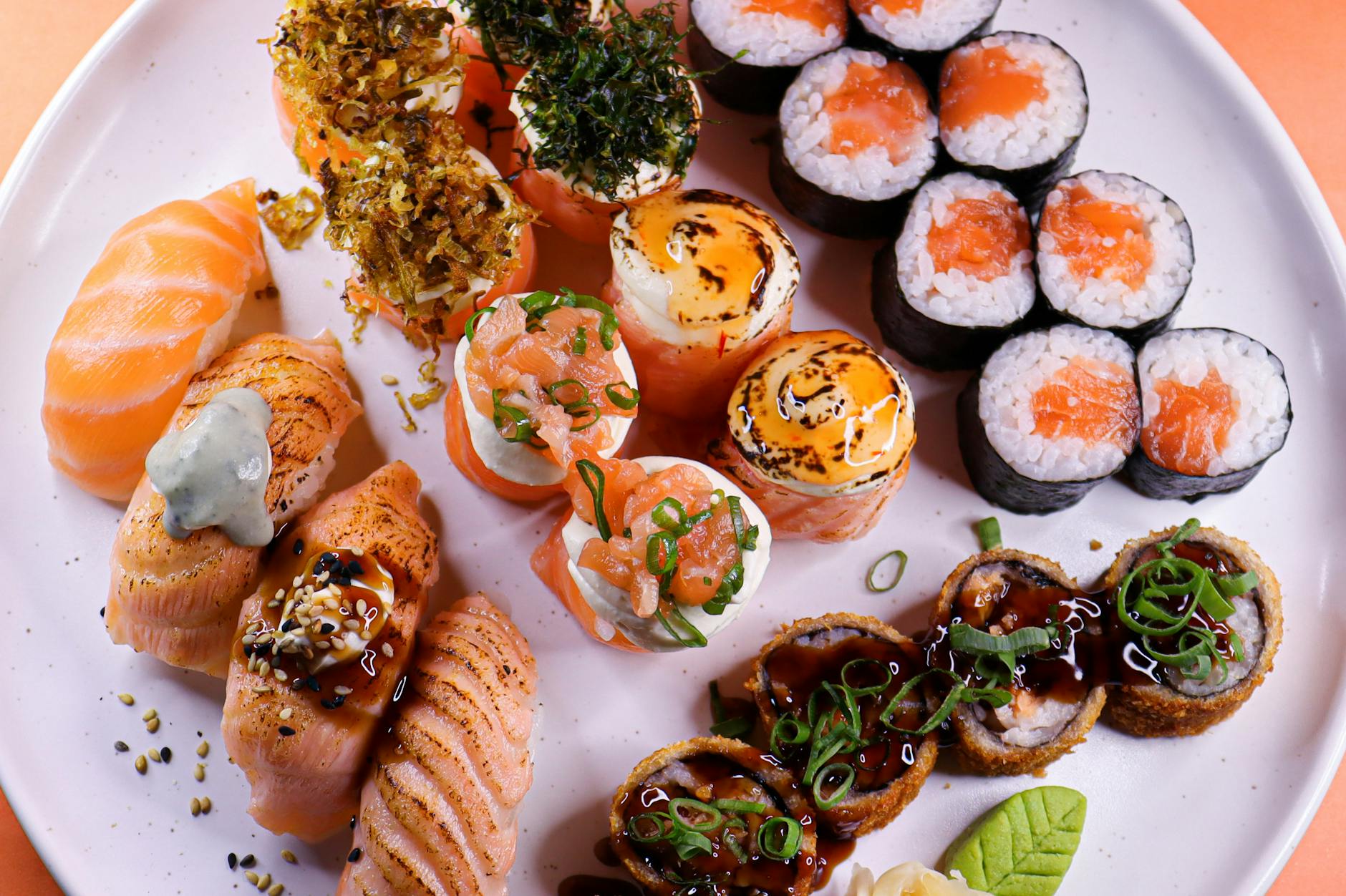
The best sushi Vancouver spans two distinctive styles: traditional omakase from Hidekazu Tojo, one of the chefs credited with the California Roll, and the flame-seared aburi style that Miku pioneered in Canada. Sushi is everywhere in this city, from all-you-can-eat halls to counter-only omakase rooms, with a Japanese-Canadian community behind much of it. Tojo, Miku, Octopus’s Garden, Sushi Bar Maumi, and Toshi Sushi all rank among Vancouver’s elite.
This guide ranks Vancouver’s top sushi restaurants in 2026, explains the difference between traditional and aburi style, breaks down omakase pricing, and covers the small things — like reservation timing, what to wear, and what to expect — that visitors need to know.
Table of Contents
Vancouver Sushi: Quick Overview
- Restaurants: Sushi across Metro Vancouver, from AYCE to omakase counters
- Style range: Traditional Edo-mae omakase to aburi flame-seared innovation to AYCE
- Pricing: AYCE at the budget end, à la carte in the middle, omakase at the top
- Best time: Reserve weeks-months in advance for top-tier omakase
- Notable Chef: Hidekazu Tojo of Tojo’s, one of several chefs credited with developing the California Roll
Tojo’s: The Chef Often Credited with the California Roll
Tojo’s is Chef Hidekazu Tojo’s own restaurant, opened in October 1988. Tojo is often credited with the California Roll, the dish that made sushi accessible to a global audience.
Location: Vancouver; the current address and map are on tojos.com.
What makes it special:
- Chef Tojo, in Vancouver since 1971 and still behind the counter
- Often credited with the California Roll and the BC Roll
- Tradition of seasonal omakase using local Pacific Northwest ingredients
Omakase pricing: Seasonal Omakase C$120, Shiawase C$220, and Yokozuna and Sushi Bar Omakase from C$330.
Must order: Chef’s omakase (the experience), Pacific salmon, sockeye sashimi (in season), the BC Roll, which is credited to Tojo’s.
Atmosphere: Modern sushi bar; Chef Tojo often present; Japanese-style refinement.
Reservations: Book ahead for both the omakase counter and table service; availability changes, so check before you plan around a date.
Miku: Aburi Innovation
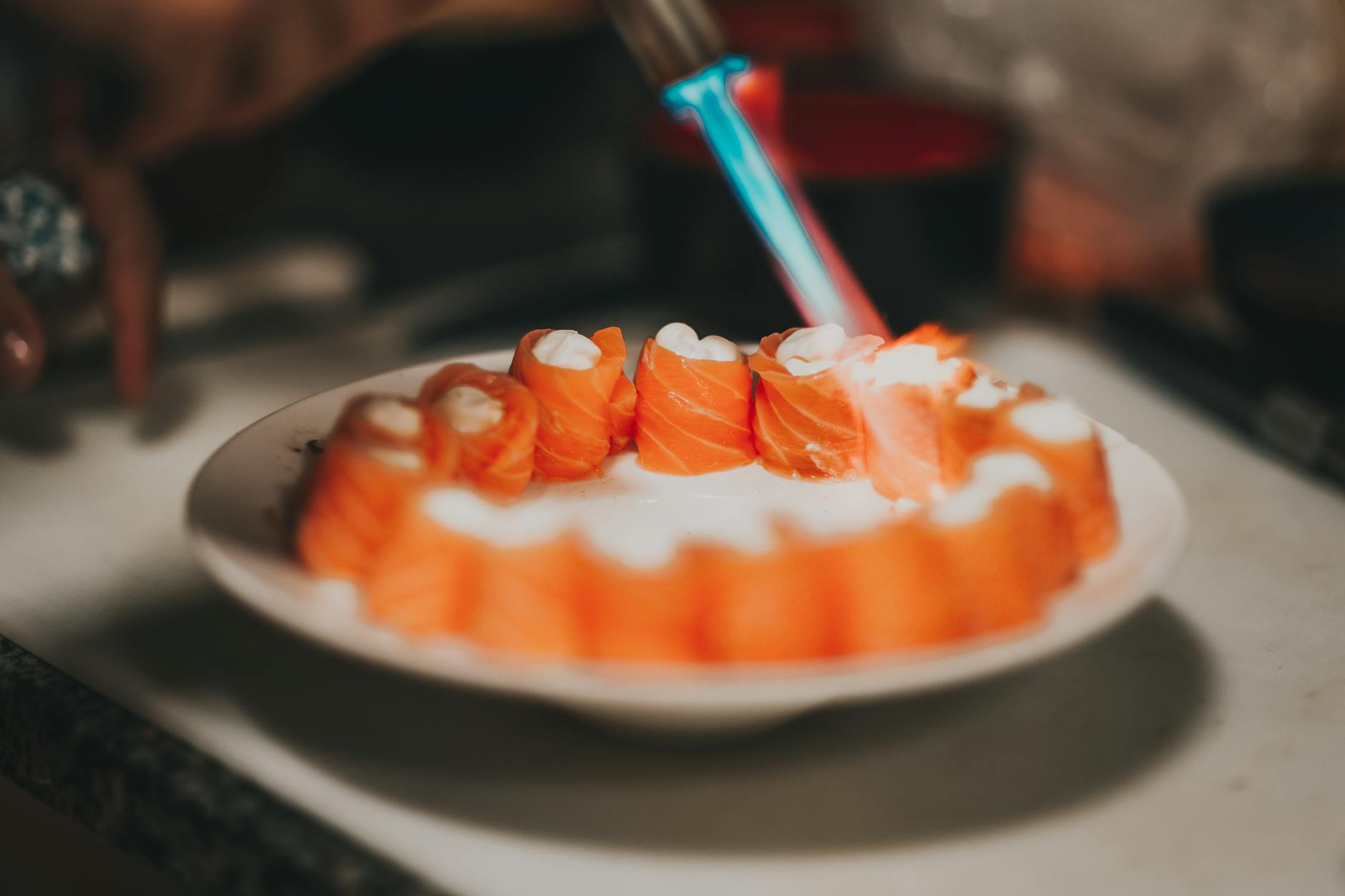
Seigo Nakamura’s Miku opened in Vancouver in 2008 and pioneered aburi (flame-seared) sushi in Canada. The technique — searing the top of nigiri with a torch then drizzling specialty sauces — has since spread to dozens of Vancouver restaurants and chains globally.
Location: Granville Square, Vancouver downtown.
What makes it special:
- Pioneered aburi sushi in Canada
- Owner Seigo Nakamura developed the aburi technique with non-traditional sauces
- Beautiful waterfront setting with city views
- Modern Japanese atmosphere
Pricing: The Oshi Sampler is C$22; Waterfront Kaiseki runs C$135 per guest and Miku Kaiseki C$180 per guest. A la carte totals depend on what you order.
Must order: Salmon Oshi (signature flame-seared salmon pressed sushi), Aburi Saba (mackerel), Aburi Ebi Truffle, BC Sockeye Salmon nigiri.
Atmosphere: Sleek, modern, downtown corporate friendly. Easier to walk-in than Tojo’s.
Reservations: Recommended, especially for weekend dinner.
Octopus’s Garden: Hidden Kitsilano Gem
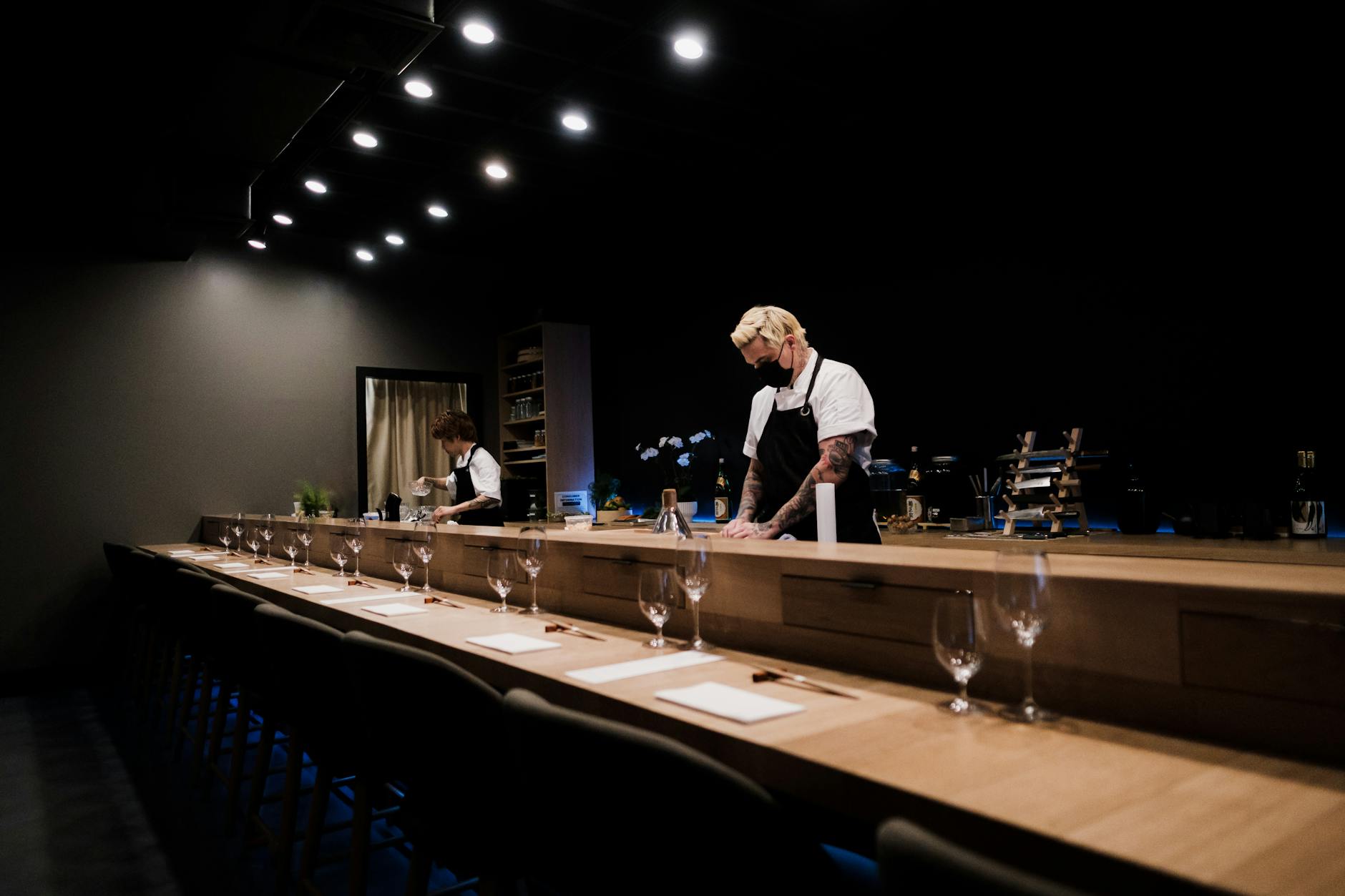
Octopus’s Garden is the city’s classic kaiseki and omakase Japanese restaurant — a small, intensely-focused operation in Kitsilano that dedicated sushi enthusiasts consider on par with Tojo’s.
Location: 1995 Cornwall Avenue, Kitsilano.
What makes it special:
- Small, intimate sushi bar
- Chef-led omakase with seasonal Japanese imports
- Refined, traditional Edo-mae sushi technique
- Beautiful kaiseki multi-course meal option
Pricing: Check the current omakase options and à la carte menu on the restaurant’s website before you book.
Must order: Chef’s omakase with kaiseki appetizers; seasonal selections from Japan; Pacific Northwest sashimi.
Reservations: Book as early as you can. Among Vancouver’s hardest reservations.
Sushi Bar Maumi: Modern Omakase
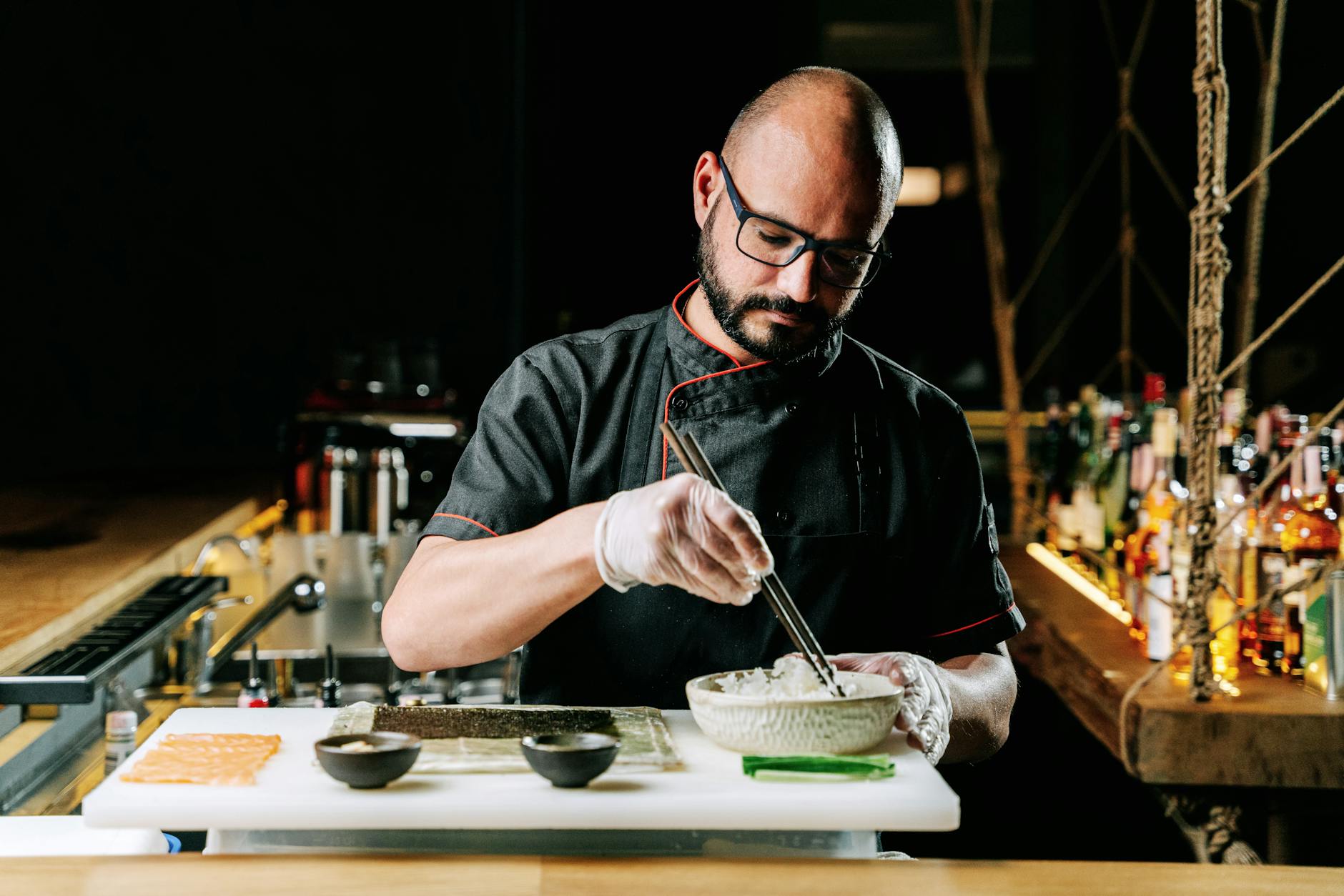
Sushi Bar Maumi is the contemporary alternative to Tojo’s — a 17-seat Edo-style nigiri counter on Robson Street in the West End, focused on technical precision.
Location: 1668 Robson Street, Vancouver West End.
What makes it special:
- Counter-only seating (17 seats)
- Single chef-led omakase service
- Premium Japanese imported seafood
- Modern but traditional approach
Pricing: Premium Omakase Nigiri Sushi, C$135 plus tax.
Must order: Chef’s omakase only — there’s no à la carte menu, though you can add extra nigiri afterward. Includes 13 pieces of nigiri and the signature miso soup.
Reservations: Book ahead through the restaurant’s website and check availability early.
Toshi Sushi: Mt. Pleasant Classic
Toshi Sushi is the no-frills, locals-only sushi spot in Mt. Pleasant. No reservations, no fancy decor, just consistently excellent sushi at reasonable prices.
Location: Mt. Pleasant, Vancouver.
What makes it special:
- Walk-in only (line up early!)
- Cash-only
- Excellent value for quality
- Unpretentious; popular with Mt. Pleasant locals
Pricing: Reasonable for the quality; the bill depends on how much you order.
Must order: Chef’s special daily nigiri assortment, BC sockeye salmon nigiri, hamachi tataki, Tojo-style hand rolls.
Wait times: With no reservations, a line can form. Check the current hours and arrive near opening for the best shot at a seat.
Other Top Sushi Spots
Sushi Hil (Vancouver West Side): Casual neighborhood spot with notable quality.
Sushi Bar Yumiko (Burnaby): Long-running sushi bar with traditional approach.
Yuki Sushi (Burnaby): Wide selection; popular for AYCE.
Sushi Garden (multiple locations): Solid neighborhood chain.
Hapa Izakaya (Robson and other): Modern izakaya with sushi alongside other Japanese plates.
Tojo Sushi (Granville Island, Cambie): Casual sushi by the famous chef’s family.
Sushi Town (Burnaby Crystal Mall): Mall-based with surprisingly good sushi.
Hashido (Kitsilano): Modern omakase at moderate prices.
What is Omakase?
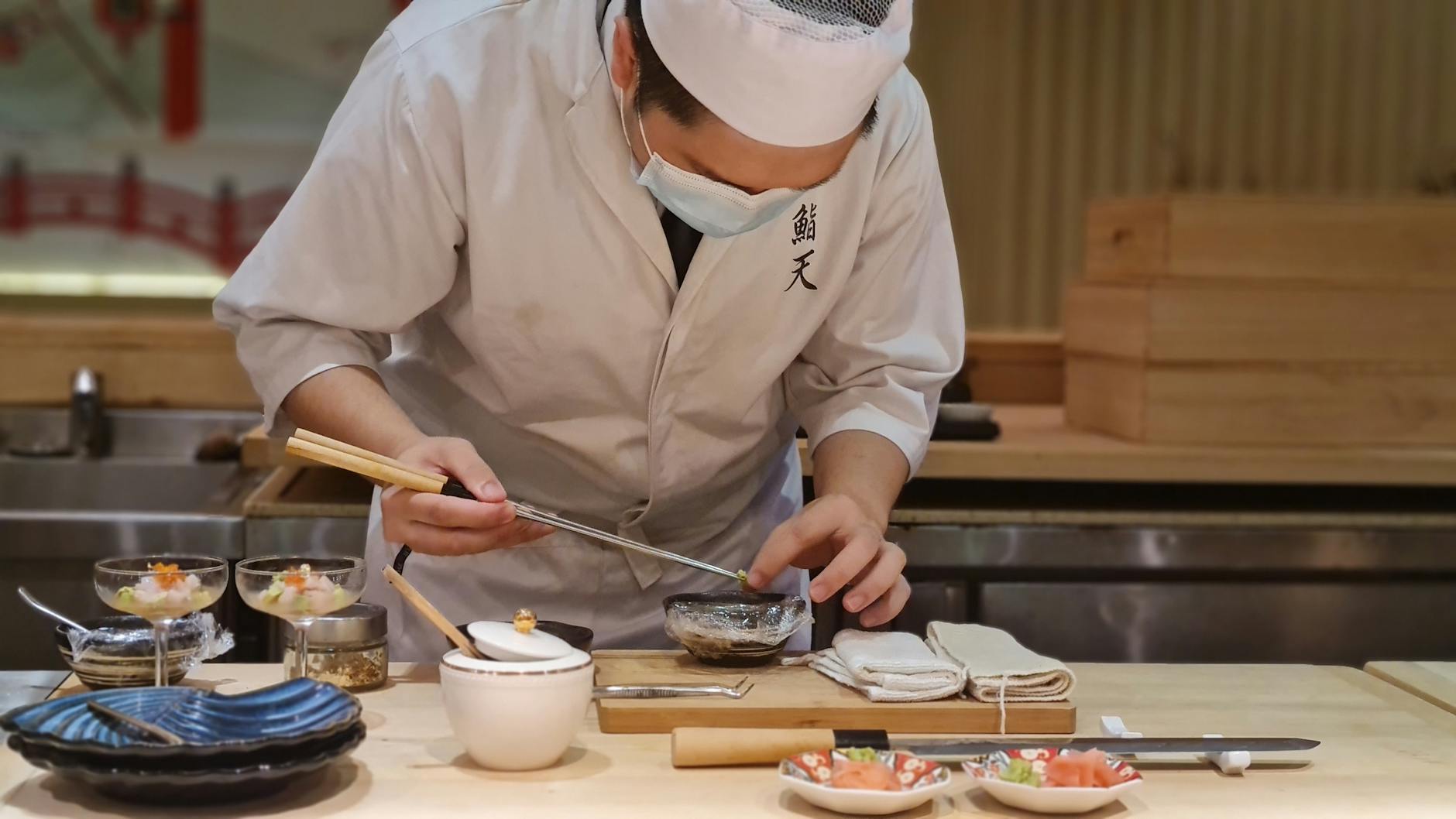
Omakase (お任せ) means “I leave it up to you” — a chef’s-choice multi-course meal where the chef selects each piece based on the freshest ingredients available.
Standard omakase format:
- Starters (appetizer or sashimi)
- Nigiri courses presented one at a time
- Hand rolls, at some counters
- Soup or palate cleanser
- Tamago (egg) or dessert
Pricing tiers:
- Mid-range omakase: the entry point for chef’s-choice dining
- Premium omakase: Sushi Bar Maumi’s nigiri menu is C$135 plus tax
- Top-tier omakase: Tojo’s Yokozuna starts at C$330
What to expect: The chef builds your meal as the night progresses, often making each piece in front of you. You’ll be expected to eat each piece immediately while it’s at peak freshness.
Etiquette:
- Don’t ask for substitutions during omakase
- Don’t add wasabi to nigiri (it’s already proportioned)
- Use chopsticks or fingers (both acceptable)
- Eat each piece in 1-2 bites if possible
- Tell the chef your dietary preferences before service starts
What is Aburi?
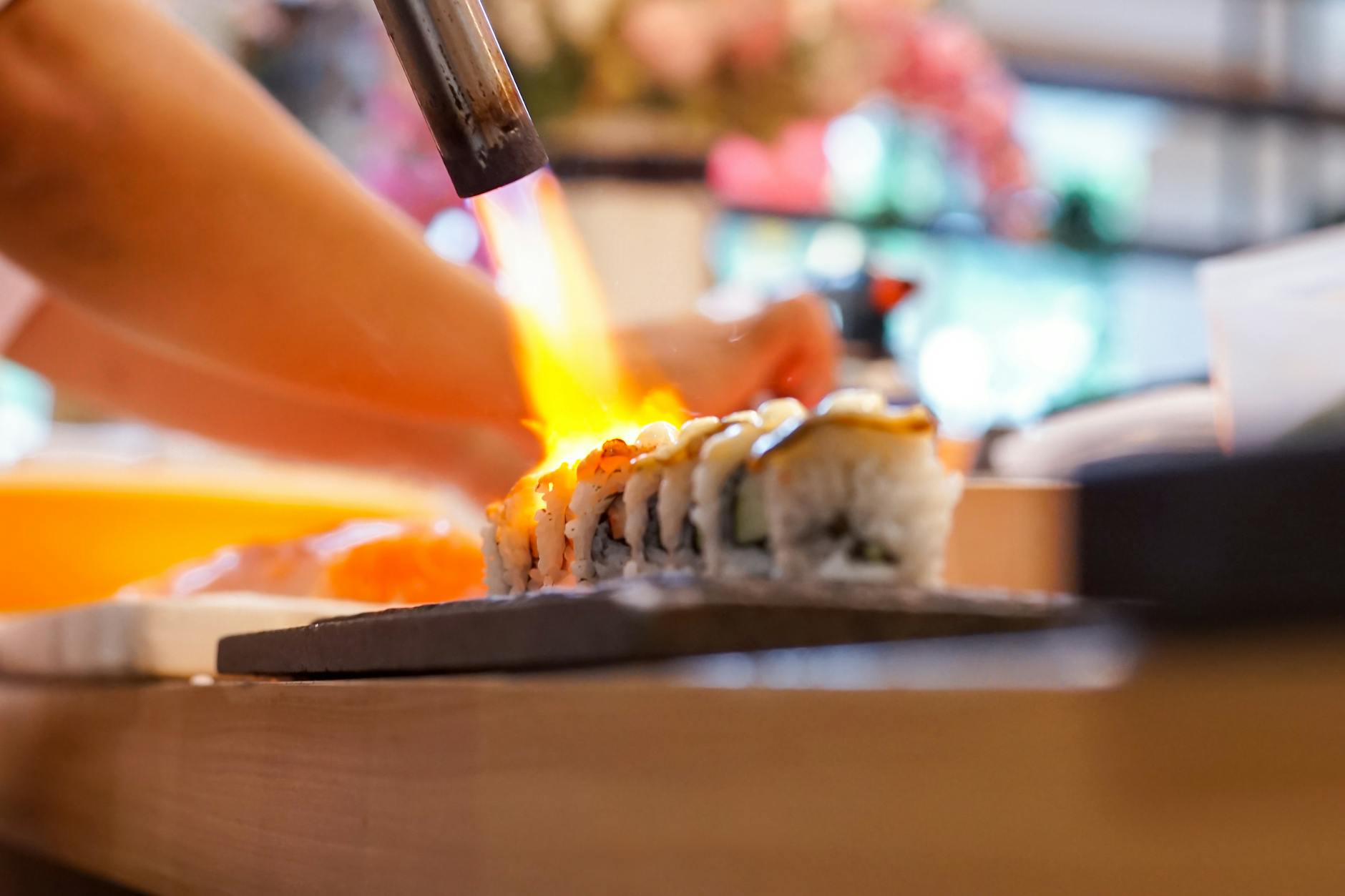
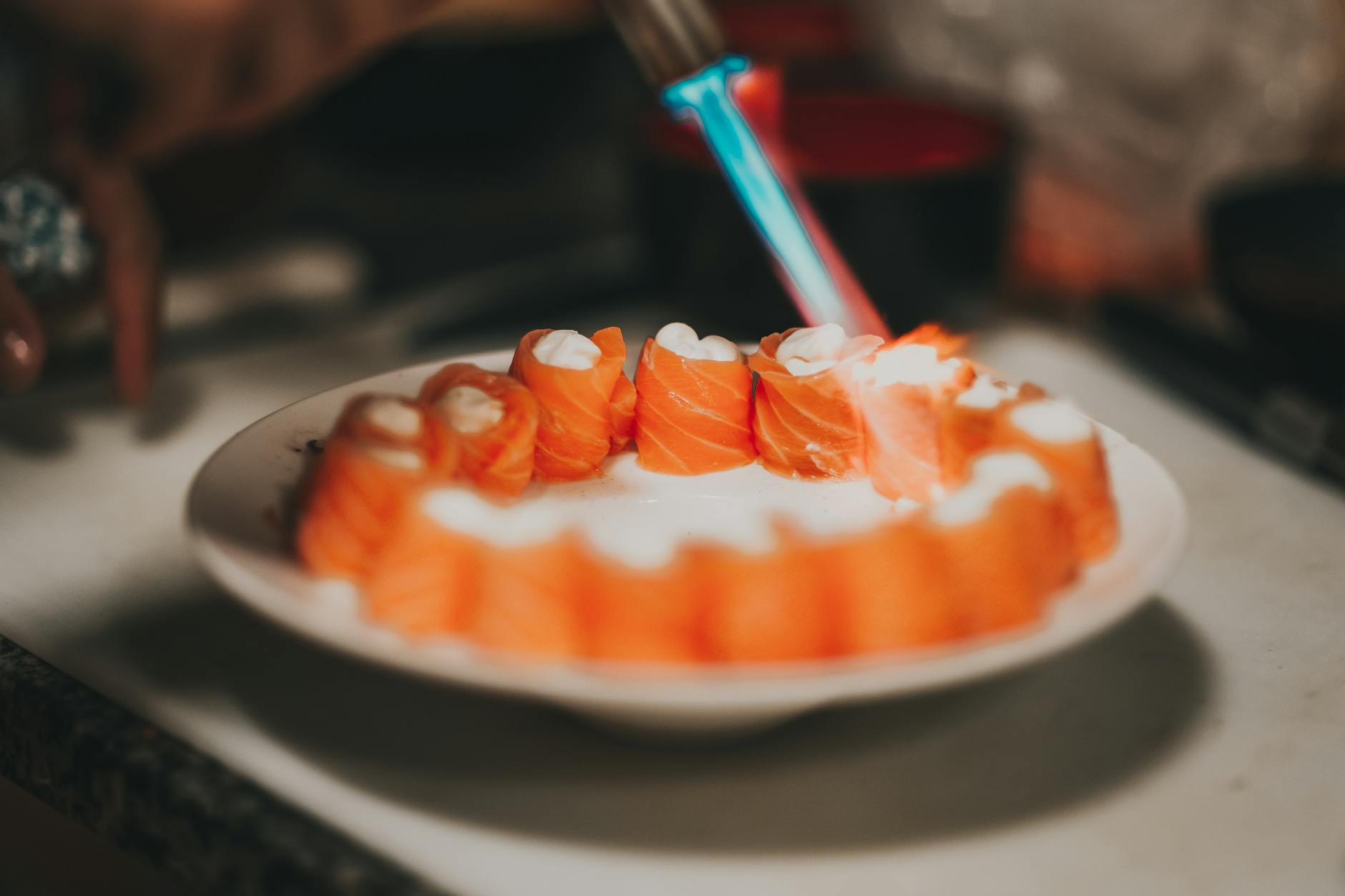
Aburi (炙り) means “flame-seared” — the technique of briefly torching the top of nigiri sushi to caramelize fish proteins and develop new flavors.
How it works: Chef places a piece of fish on rice, then briefly torches the top with a butane flame, creating a slight char that complements the cool rice and sashimi.
The Vancouver aburi origin story: Seigo Nakamura brought aburi to Canada when he opened Miku in Vancouver in 2008. Its signature Miku sauce helps make aburi a uniquely Vancouver style.
Best aburi dishes to try:
- Salmon Oshi (Miku’s signature)
- Aburi Saba (mackerel)
- Aburi Ebi Truffle
- Aburi Hamachi
Where to try aburi: Miku, Aburi Restaurants Group locations, dozens of Vancouver Japanese restaurants now serve some version.
Sushi Pricing Tiers Explained
AYCE (All-You-Can-Eat) — budget:
- Walk-in friendly
- Lower-quality fish
- Heavy emphasis on rolls and battered items
- Good for hungry students/groups; not recommended for tourists wanting quality
Mid-range à la carte:
- Toshi Sushi
- Hashido
- Sushi Bar Yumiko
- Hapa Izakaya
Premium à la carte:
- Miku (à la carte)
- Sushi Hil
- Octopus’s Garden lighter portions
Premium omakase:
- Tojo’s
- Miku omakase
- Sushi Bar Maumi
Top-tier omakase — splurge:
- Octopus’s Garden chef’s omakase
- Tojo’s premium omakase

Reservation Strategies
Tojo’s: Book well ahead, for the omakase counter as much as for a table. Call directly.
Miku: Reservations recommended for prime evening times. OpenTable available.
Octopus’s Garden: Reserve as far out as you can and keep checking online availability.
Sushi Bar Maumi: Only 17 seats, so book ahead.
Toshi Sushi: Walk-in only. Arrive around opening time.
Reservation tips:
- Try midweek for easier booking
- Check back close to your date for cancellations
- Sit at the counter for the full chef interaction
- Arrive 5 minutes early for omakase to start on time
Must-Order Items
For aburi enthusiasts:
- Salmon Oshi (Miku)
- Aburi flight (try multiple)
- Aburi Wagyu (premium)
For traditional sushi enthusiasts:
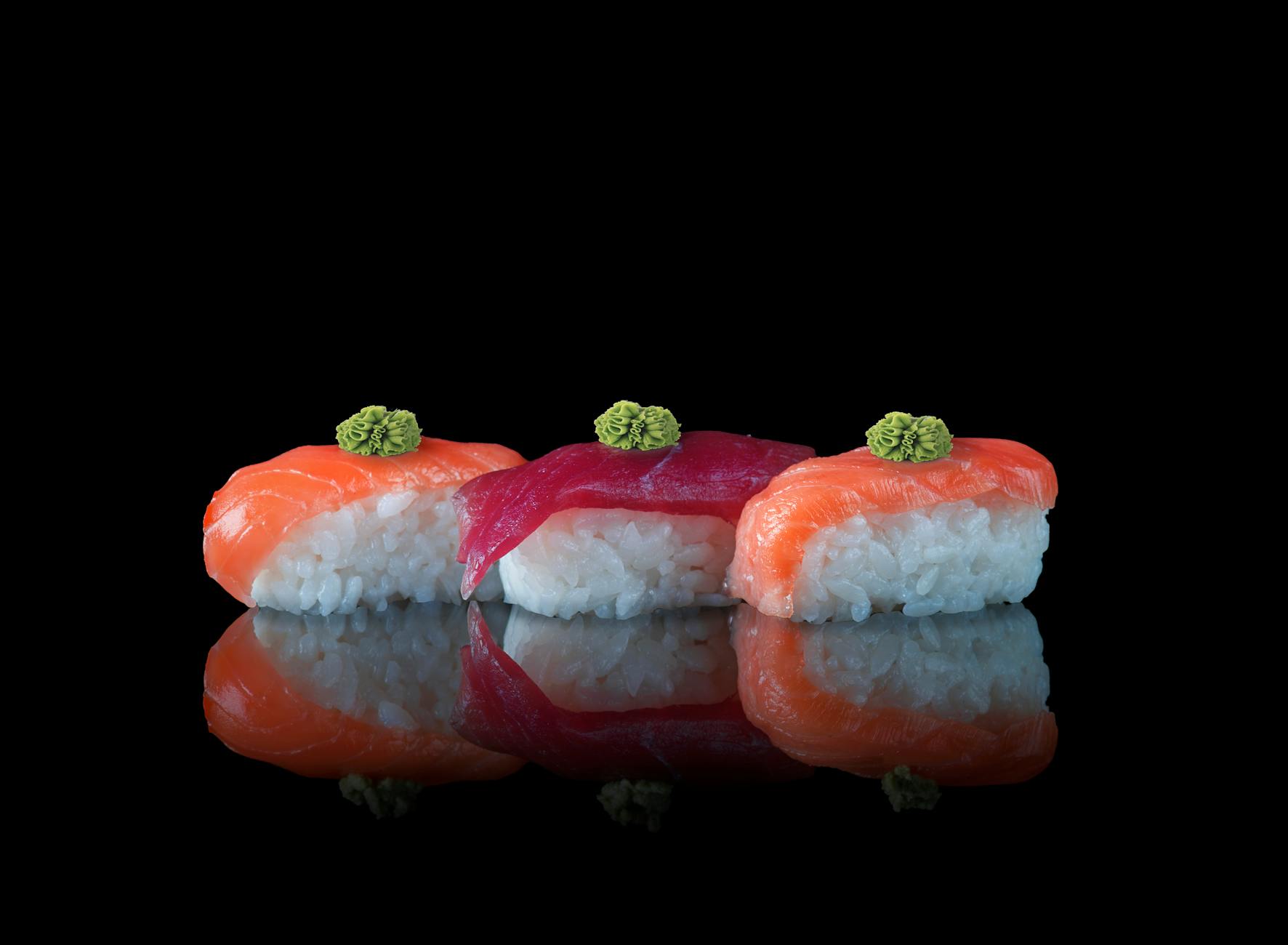
- BC sockeye salmon nigiri (in season July-September)
- Spot prawn nigiri (May-June)
- Hamachi (yellowtail) nigiri
- Toro (fatty tuna) nigiri
- Uni (sea urchin) nigiri
For local-Pacific lovers:
- BC Roll (credited to Tojo’s; salmon skin and cucumber)
- Pacific cod sashimi
- Sockeye salmon sashimi
- Albacore tuna tataki
- Local Dungeness crab hand rolls
Drinks pairing:
- Sake: Junmai Daiginjo for omakase; Junmai Ginjo for à la carte
- Japanese whisky highball for casual
- BC wine: Tantalus Riesling, Mission Hill Pinot Noir
Related Vancouver guides
Keep planning with these guides:
Vancouver Sushi FAQs
What is the best sushi restaurant in Vancouver?
Tojo’s, Miku, Octopus’s Garden, and Sushi Bar Maumi consistently rank among the city’s elite. Choice depends on style preference (traditional vs. aburi vs. modern omakase).
How much does omakase cost in Vancouver?
It depends on the counter. Tojo’s Seasonal Omakase is C$120 and its top menus start at C$330; Sushi Bar Maumi’s nigiri omakase is C$135 plus tax; Miku’s Kaiseki menus are C$135 and C$180 per guest.
What’s the difference between aburi and traditional sushi?
Aburi is flame-seared on top with specialty sauces; traditional sushi is uncooked or lightly cooked nigiri.
Where did the California Roll come from?
Its origin is disputed. Vancouver chef Hidekazu Tojo is one of several chefs credited with developing it; the others named are from Los Angeles.
How far in advance should I book Vancouver omakase?
As early as you can for Tojo’s and Octopus’s Garden, and ahead of time for 17-seat Sushi Bar Maumi. Miku recommends reservations. Availability changes, so check each restaurant’s booking page.
Are AYCE sushi places worth visiting in Vancouver?
For value yes; for quality no. They use lower-grade fish and emphasize rolls. Visitors wanting elite sushi should skip AYCE.
What’s the best sushi for a special occasion?
Tojo’s omakase, Octopus’s Garden chef’s omakase, or Sushi Bar Maumi. All three are special-occasion spending, so look at each menu when you book.
Vancouver Sushi History & Hidekazu Tojo Legacy
Chef Hidekazu Tojo arrived from Osaka in August 1971, when Vancouver had only four Japanese restaurants, and became an influential figure in its sushi scene. At the time, sushi was unknown to most Canadians — and traditional Japanese sushi (raw fish, seaweed) was challenging for North American palates.
The California Roll: Its origin is disputed, and Tojo is one of the chefs credited with it. The roll he made to ease diners into sushi put the rice on the outside and the nori (seaweed) inside, with crab, avocado and cucumber as the filling. The result — the California Roll — became the gateway sushi for North American customers and ultimately for global sushi popularization.
The BC Roll: Tojo is also credited with the BC Roll, featuring grilled salmon skin and cucumber — leveraging local Pacific Northwest ingredients. This invention helped distinguish Vancouver’s sushi identity from Japan’s.
Tojo’s restaurant: Open since October 1988. Chef Tojo, born in 1950, still works behind the sushi counter.
The aburi revolution: Seigo Nakamura opened Miku in 2008 introducing aburi (flame-seared) sushi — torching the top of nigiri to develop new flavors. The technique spread globally; Vancouver remains its birthplace.
Modern Vancouver sushi diversity: Today’s Vancouver hosts traditional Edo-mae omakase (Tojo’s, Octopus’s Garden, Sushi Bar Maumi), aburi innovation (Miku, Aburi Restaurants Group), casual neighborhood sushi (Toshi, Hashido, Sushi Hil), all-you-can-eat (multiple), and modern fusion (Hapa Izakaya, Suika).
Why this matters: Vancouver chefs have helped shape contemporary sushi, from the California Roll Tojo is credited with to the aburi Miku pioneered in Canada. Eating at Tojo’s or Miku is participating in active sushi history.
Sake Pairing for Vancouver Sushi
Sake elevates Vancouver’s sushi experience significantly. Most quality sushi restaurants offer sake flights and pairings.
Sake basics:
- Junmai (純米): Pure rice sake; richer, rounder; pairs with bold sushi.
- Junmai Ginjo (純米吟醸): Premium polished-rice sake; lighter, fruitier; pairs with delicate sushi.
- Junmai Daiginjo (純米大吟醸): Most polished; floral, refined; pairs with omakase tasting.
- Honjozo: Brewer’s-alcohol added; lighter; everyday sake.
Pairing principles for Vancouver sushi:
- Rich/oily fish (toro, salmon belly, sablefish) → Junmai (richer body)
- Light fish (snapper, sea bream) → Junmai Ginjo (lighter, fresher)
- Aburi (flame-seared) sushi → Junmai Daiginjo (high acidity cuts richness)
- Pickled vegetables (sushi accompaniments) → Junmai (mineral notes)
- Dessert → Sweet sake or Junmai (warmer)
Best Vancouver sake selections:
- Tojo’s: Premium imported daiginjo selection
- Miku: Curated sake list with aburi pairings
- Octopus’s Garden: sake list; ask about pours by the glass
- Sushi Bar Maumi: Carefully chosen pairings throughout omakase
- Suika: Hidden gem with extensive sake selection
Sake serving etiquette: Don’t pour your own; pour for others. Hold cup with both hands when receiving. Drinking pace matches dining pace.
Sushi Etiquette for Beginners
Sushi etiquette can feel daunting for first-timers. The basics:
1. Use chopsticks or fingers. Both are acceptable for nigiri sushi. Chopsticks for sashimi or rolls.
2. Eat in 1-2 bites. Cutting nigiri with chopsticks is awkward and breaks the rice composition.
3. Don’t add wasabi to nigiri. The chef has already proportioned wasabi between fish and rice. Adding more is considered an insult to the chef’s preparation.
4. Dip fish-side down in soy sauce. Don’t soak the rice — it crumbles and over-salts the fish.
5. Don’t mix wasabi into soy sauce. This is a frowned-upon practice in traditional sushi. The wasabi is meant to be applied directly.
6. Eat ginger between pieces. Ginger cleanses the palate; don’t pile it on top of sushi.
7. Order by the chef’s recommendation. Especially at omakase. Saying “I’m in your hands” (omakase) signals trust in the chef’s selection.
8. Don’t bite halfway through. Eat the entire piece in one or two bites; don’t return half-eaten pieces to the plate.
9. Tip generously at omakase. Chef-led omakase service deserves 18-22% tip; the experience is the chef’s craft.
10. Engage with the chef. At sushi bar seating, asking questions, expressing appreciation, and showing curiosity is welcomed.
What to NOT worry about: Many “rules” are over-emphasized online. Most Vancouver sushi chefs are forgiving and eager to introduce sushi traditions.
Iconic Sushi Rolls with Vancouver Roots
Vancouver chefs have left their mark on the sushi menu, and Hidekazu Tojo is one of several chefs credited with the California Roll. The city’s place in sushi history is significant.
California Roll (credited in part to Tojo): Who made it first is disputed. The roll inverted sushi — placing the rice on the outside with nori inside, filled with avocado, crab, and cucumber. The rice-outside (uramaki) construction made sushi accessible to North Americans uncomfortable with seaweed visible. Today the California Roll is one of the most popular sushi styles in the United States, Canada and Australia.
BC Roll (credited to Tojo’s): The BC Roll combines grilled BC salmon skin with cucumber and avocado. Leverages Pacific Northwest local ingredients. The smoky-charred salmon skin contrasts with cool rice and fresh cucumber.
Salmon Belly Roll: Premium nigiri or roll featuring fatty salmon belly (salmon-toro). Vancouver’s wild Pacific salmon supply makes this exceptional here.
Aburi Salmon Oshi (Miku): Pressed BC wild sockeye salmon, flame-seared, with jalapeño and Miku sauce. Miku’s signature dish.
Volcano Roll: Mayonnaise-based topping baked atop sushi roll, creating volcano-like appearance. Popular in casual sushi restaurants.
Snow Crab Roll: Vancouver’s emphasis on Pacific shellfish.
Why Vancouver matters in sushi history: Vancouver’s sushi kitchens lean hard on Pacific Northwest seafood (BC salmon, sablefish, spot prawns). The city’s sushi tradition is now global, but its inventive spirit continues.
Where to try rolls with Vancouver roots:
- Tojo’s: the chef credited with the California Roll and the BC Roll
- Miku: Salmon Oshi, full aburi range
Vancouver’s Pacific Seafood Sushi Identity
Vancouver’s sushi has a distinct identity rooted in Pacific Northwest seafood — distinct from Tokyo, distinct from Los Angeles.
Pacific Northwest sushi ingredients:
- Wild Pacific salmon (5 species): Sockeye (deep red), coho (silver-pink), chinook/king (variable), pink, chum. Sockeye is the most prized for sushi.
- Spot prawns: Sweet, delicate; live during May-June season. Premium sushi ingredient.
- Sablefish (black cod): Rich, buttery; often miso-marinated for nigiri.
- Halibut: Firm white fish; subtle flavor.
- Pacific cod: Mild, flaky.
- Geoduck: Sweet, snappy giant clam meat.
- Dungeness crab: Sweet meat for rolls and hand rolls.
- BC oysters: Some sushi restaurants feature local oysters.
How Vancouver sushi differs from Tokyo:
- Pacific Northwest seafood not common in Japan
- Spot prawns in particular are a Vancouver signature
- Aburi technique (flame-seared) more common in Vancouver
- Cedar-plank salmon influence (West Coast First Nations heritage)
- Often more approachable atmosphere (less rigid traditions)
How Vancouver sushi differs from Los Angeles:
- Pacific cold-water fish vs. LA’s warmer species
- More salmon emphasis (LA emphasizes tuna)
- Less celebrity/Hollywood influence; more food-focused
- More Cantonese-Canadian crossover with Hong Kong sushi influence
- More natural-light minimalist aesthetic
Where to experience Vancouver Pacific seafood sushi:
- Tojo’s: Foundational; uses Pacific Northwest extensively
- Octopus’s Garden: Premium imports + Pacific Northwest
- Sushi Bar Maumi: Modern omakase with seasonal Pacific Northwest
- Most quality Vancouver sushi: BC sockeye and spot prawns when in season
Tasting checklist for Vancouver sushi visitors:
- BC sockeye salmon nigiri (must try in season July-September)
- Spot prawn nigiri (May-June only)
- Sablefish nigiri (year-round)
- BC Roll (credited to Tojo’s)
- Aburi salmon oshi (Miku’s signature)
- Pacific cod sashimi
- Geoduck sashimi (if available)
Related reading: Pair this with our Vancouver dim sum guide, Vancouver seafood, and Vancouver food scene pillar.