Getting around wheelchair accessible Vancouver is more straightforward than in many older North American cities. Every SkyTrain station has elevators, city buses carry wheelchair ramps or lifts, the SeaBus terminals use graduated ramps, and the big museums and attractions lend wheelchairs and offer accessible washrooms. The gaps are specific and worth knowing in advance: elevator outages, a couple of ferry docks with steps, ramps that steepen at low tide, and headline attractions whose main feature (a swaying suspension bridge, a mountaintop chairlift) isn’t accessible at all.
This guide is for wheelchair users, people with limited mobility, and anyone travelling with a companion who uses a mobility aid. It covers the airport, transit, taxis, attractions, beaches and hotel questions to ask. Everything was checked on November 9, 2026 against TransLink, YVR, the City of Vancouver and the attractions’ own accessibility pages. For the rest of your planning, start with our Vancouver travel tips.
Accessible Vancouver at a glance
| Getting around | What works | What to watch for |
|---|---|---|
| Canada Line and SkyTrain | Elevators at every station; wheelchair spaces on board | Elevator outages; no wheelchairs or scooters on escalators |
| Buses | Ramps or lifts deployed by the operator at accessible stops | Size limits apply; some stops aren’t set up for boarding; bring an attendant if you need help |
| SeaBus | Graduated ramps at every terminal; priority boarding doors | Ramp grade changes with the tide |
| HandyDART | Door-to-door service with a visitor application | Book up to seven days ahead; lightweight transport chairs can’t be secured |
| Aquabus | More than half the fleet takes wheelchairs | Spyglass and Plaza of Nations docks have steps |
| Taxis | Wheelchair-accessible vehicles in the regional fleet | Ask for one specifically when you book |
Arriving at YVR
Vancouver International Airport is a good start. If you have a non-visible disability, YVR takes part in the Hidden Disabilities Sunflower Program: you can pick up a free lanyard or sticker at the Customer Care and Information counters in the Main and South terminals. It’s voluntary, and it signals to staff that you may need extra time or help; it doesn’t get you through security faster.
After security there are quiet spaces if the terminal gets too much: in the domestic terminal near Gates B28 and C40 on Level 3, in the international terminal near D67 (Level 4) and D71 (Level 3), and in the US terminal near E85 on Level 3. YVR’s Customer Care line runs 24 hours at 604-207-7077 (TTY 604-207-7070). For help boarding and leaving the plane, arrange assistance through your airline when you book.
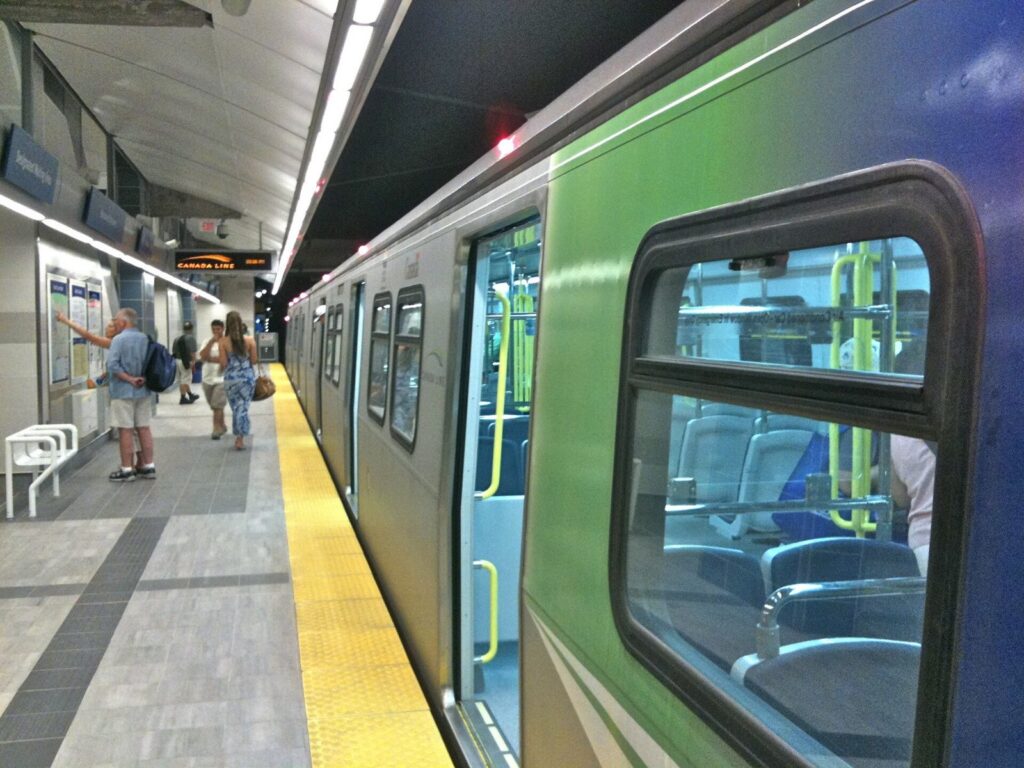
To leave the airport, the Canada Line runs from YVR-Airport station straight to downtown, and like every SkyTrain line its stations have elevators. If you’d rather take a taxi, YVR asks passengers to request an accessible taxi from the host or courtesy phone on the curb outside Arrivals.
Is SkyTrain wheelchair accessible?
Yes. TransLink says every SkyTrain station has elevators, and each train has doors marked with a wheelchair symbol that open onto a dedicated wheelchair space inside. Wheelchairs and scooters aren’t allowed on escalators, so plan your route around the elevators. The fare gates include wider accessible gates (107 cm) at stations.
The one thing that can spoil a trip is an elevator out of service. Before you set off, check TransLink Alerts or call 604-953-3333 to confirm the elevators at your start and end stations are working. If one is down, the next station along may be the better option. For more on lines, fares and how the system fits together, see our Vancouver SkyTrain guide.
How accessible are Vancouver’s buses and the SeaBus?
TransLink buses are wheelchair accessible, with ramps or lifts the operator deploys. Operators may help with securing your mobility device, but if you need help getting on or off the bus, TransLink asks that you travel with an attendant. Some bus stops aren’t set up for safe boarding with a mobility aid, so use TransLink’s Trip Planner or call 604-953-3333 to find the nearest accessible stop. Size and weight limits apply to mobility devices, so check TransLink’s accessible transit page if you use a large power chair or scooter.
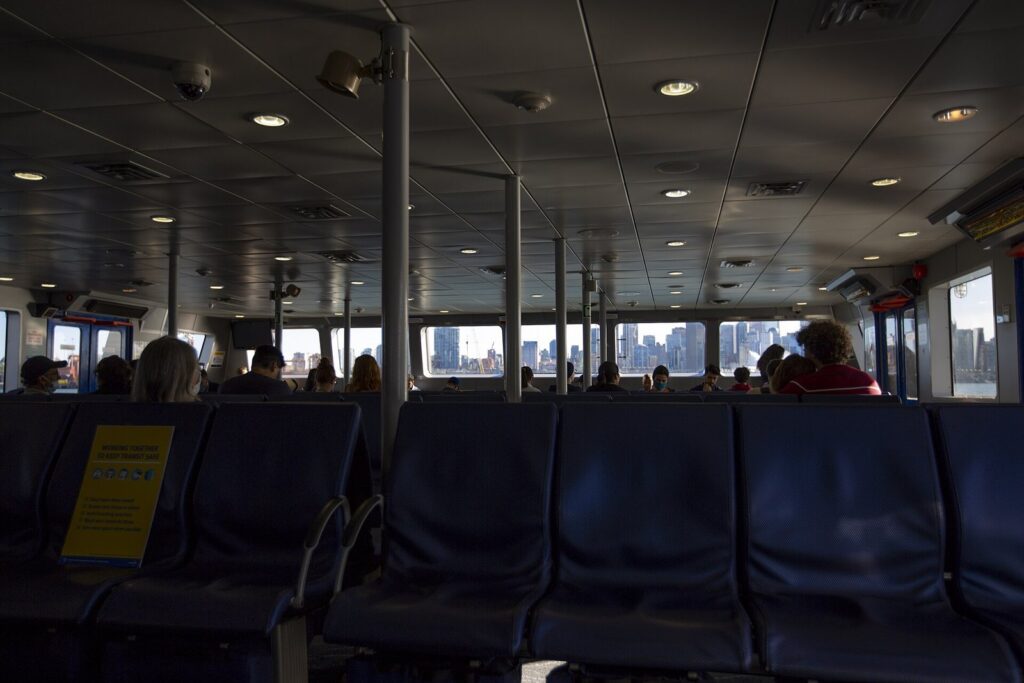
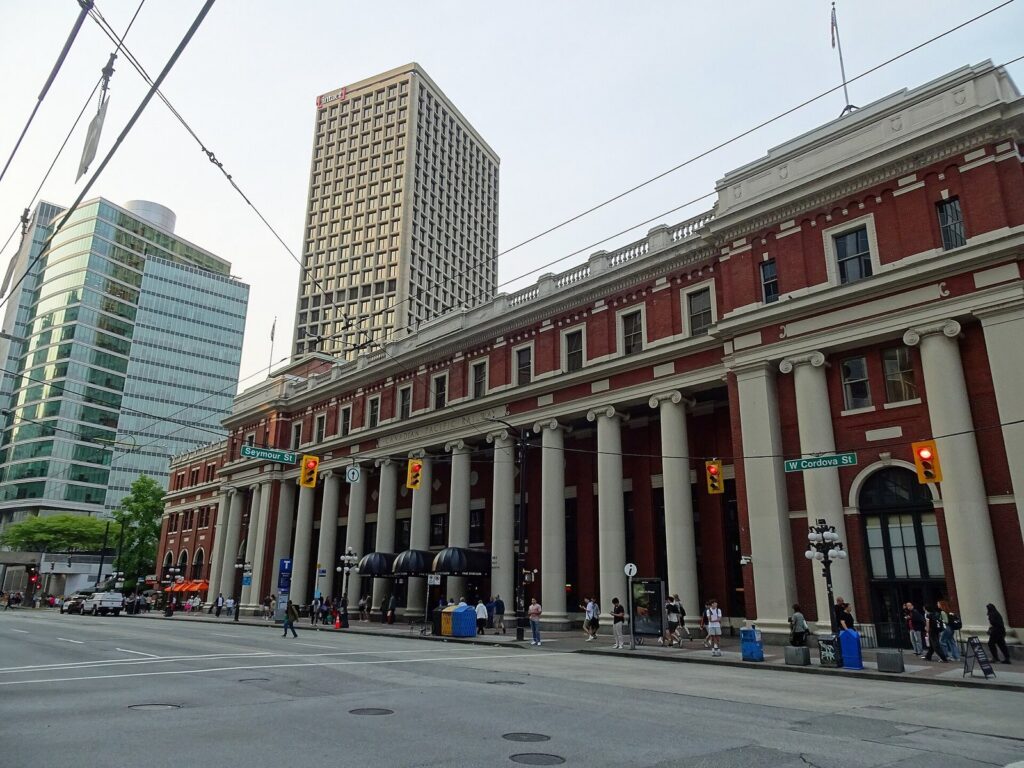
The SeaBus to North Vancouver is a short, step-free crossing. Every terminal has graduated ramps, though the grade changes with the tide. At Waterfront there’s an elevator at the north end of the skywalk, and terminal doors 2 and 5 are designated for priority and wheelchair boarding. The West Coast Express commuter train is also fully accessible.
Can visitors use HandyDART?
HandyDART is TransLink’s door-to-door, shared-ride service for people who can’t use conventional transit without help. Visitors can use it: TransLink has a HandyDART Visitor Application Form for people staying in the region temporarily. Apply well before your trip, and call Access Transit Customer Care on 604-953-3680 if you have questions about eligibility or how long approval takes.
Once registered, you can book a trip up to seven days ahead, up to 4 p.m. the day before. HandyDART runs every day, with the earliest pickup at 6 a.m. and the last drop-off at 2 a.m. One practical point: lightweight transport wheelchairs can’t be secured in the vehicles, so bring a chair that can. HandyDART takes the standard transit fare, and Compass Cards are accepted.
HandyCard
The HandyCard is a photo ID for people who can’t use conventional transit without assistance. It gives concession fares on buses, SkyTrain, SeaBus and West Coast Express, and an attendant travels free. It isn’t valid on HandyDART, where you pay the regular fare. TransLink describes the application as taking four to six weeks, and its page is written for residents, so ask Access Transit Customer Care whether you can get one as a visitor.
Wheelchair-accessible taxis
The regional taxi fleet includes wheelchair-accessible vehicles, and BC’s Passenger Transportation Board usually makes priority dispatch to people using wheelchairs or mobility aids a condition of a company’s licence. In practice: call the taxi company directly, say you need a wheelchair-accessible vehicle, and book ahead for any trip with a fixed time, such as a cruise departure or a flight. At the airport, ask the taxi host on the curb outside Arrivals. Airport taxis to downtown and Canada Place charge a flat C$46, including GST and the airport pickup charge.
The little False Creek ferries
The Aquabus says more than half its fleet is wheelchair accessible; look for the wheelchair symbol on the boat. All its docks are accessible except Spyglass and Plaza of Nations, which have steps. At very low tides, the ramps at Stamps Landing and Hornby Street can become too steep, so if you’re crossing at an awkward tide, call the Aquabus first on 604-689-5858.
Accessible attractions in Vancouver
Most of the big attractions handle wheelchair users well. The table sums up what each operator says; the notes below add detail.
| Attraction | Wheelchair access | Useful extras |
|---|---|---|
| Vancouver Aquarium | Accessible; free wheelchair loan | Accessible washrooms for larger chairs; attendant free with a full-price ticket; Access 2 card accepted |
| Museum of Anthropology at UBC | Fully wheelchair accessible | Four loan wheelchairs; three accessible parking spaces; Access 2 card accepted |
| Vancouver Art Gallery | Accessible; street-level entrances on Hornby and Robson | Wheelchairs first-come or reservable |
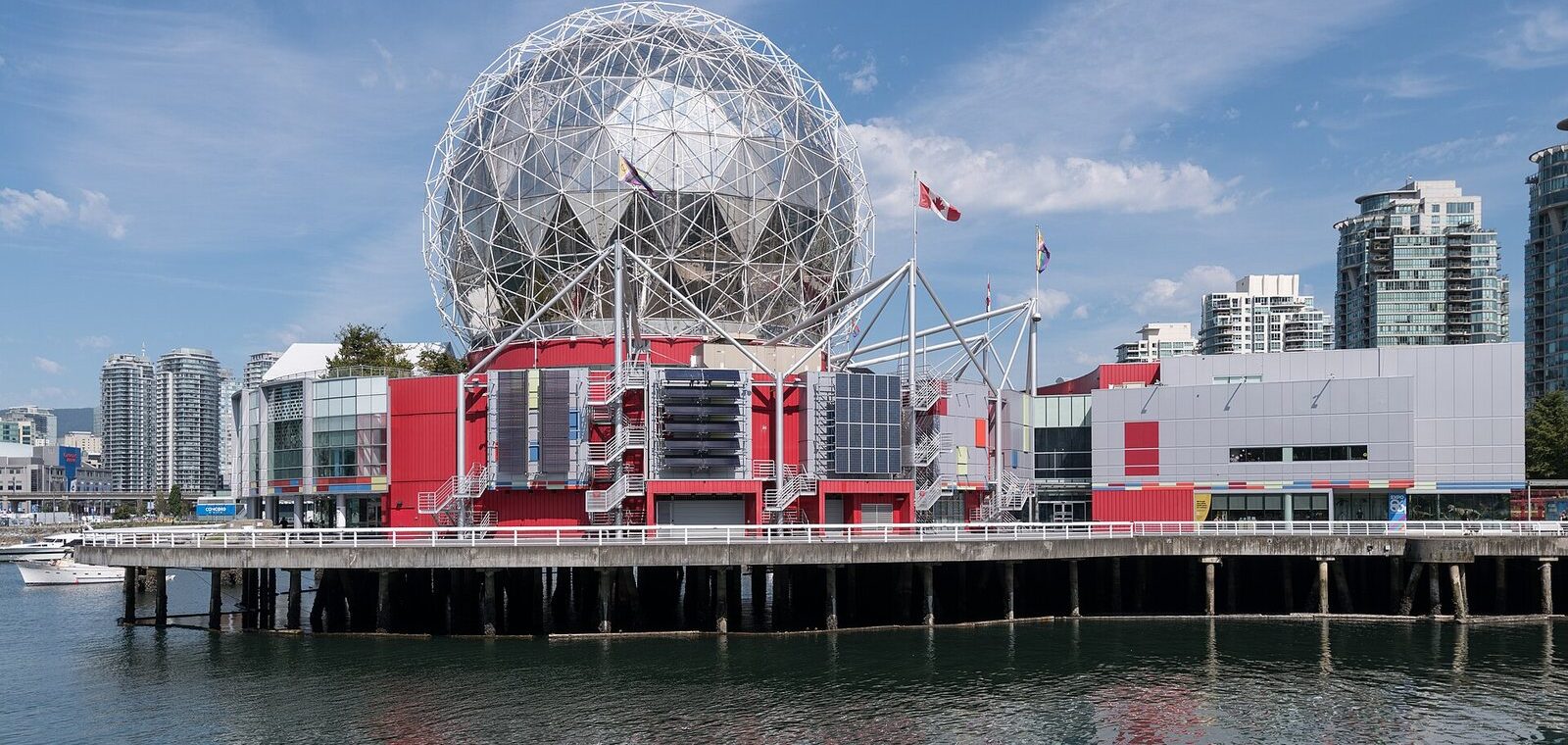
| Science World | Accessible | Six accessible parking spaces; sensory items to borrow; quiet space in the Science Theatre a few times a day |
| Grouse Mountain | Skyride accessible via ramps | Peak Chairlift and ziplines not accessible |
| Capilano Suspension Bridge Park | Bridge, Treetops Adventure and Cliffwalk not accessible | Wheelchair users admitted free |
| Flyover in Vancouver | Elevator access; seat transfer required to ride | Stationary viewing platform for wheelchairs |
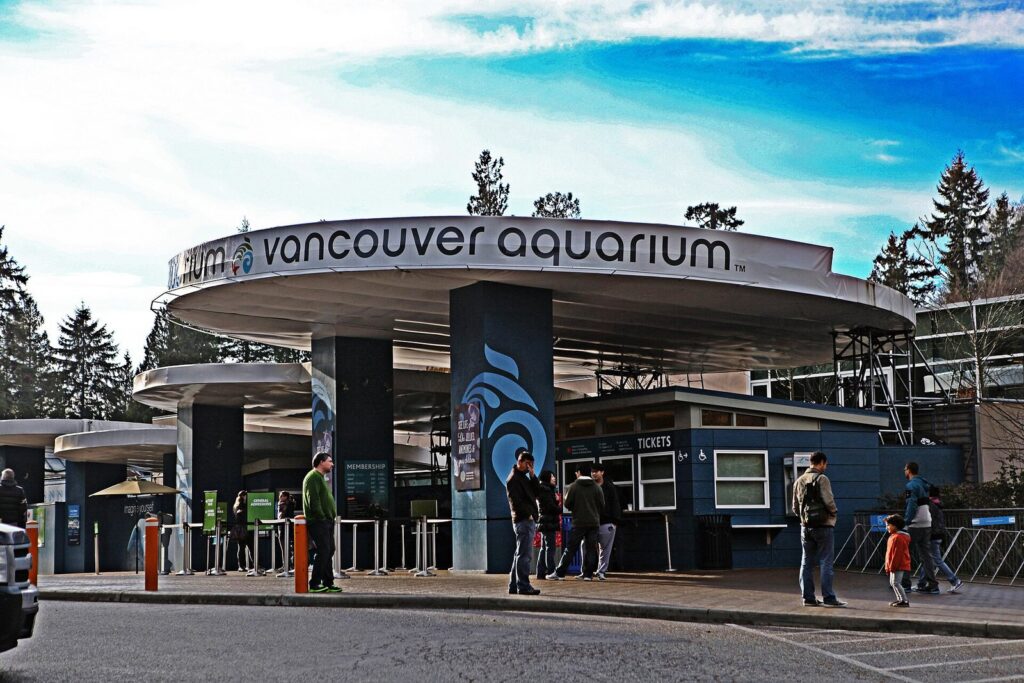
Vancouver Aquarium
The Aquarium in Stanley Park lends wheelchairs free from Guest Services, has accessible washrooms large enough for motorized and oversized chairs in its Frogs Forever and Tech Engagement galleries, and offers free comfort kits for sensory needs. A support person gets in free with a full-price ticket, and the Aquarium accepts the Access 2 card. Accessible parking is in the City lot on the north side.
Museum of Anthropology at UBC
The museum is wheelchair accessible throughout, with four wheelchairs to borrow free and three accessible paid parking spaces. It takes part in the Access 2 card program, which gives a support person free admission. Its carved poles and the Great Hall can be seen from step-free routes.
Science World and the Vancouver Art Gallery
Science World has six wheelchair-accessible paid parking spaces, free sensory items to borrow (noise-reducing headphones among them), and a quiet space in the Science Theatre at set times during the day. The Vancouver Art Gallery has street-level access through its Hornby and Robson entrances, and wheelchairs are available first-come or by reservation.
Grouse Mountain
Wheelchair users park in Lot A, in designated stalls near the Skyride ramps, and the Skyride itself takes you to the top. Beyond that, the Peak Chairlift isn’t wheelchair accessible and the ziplines can’t take wheelchair users. In winter a snow-covered ramp at the peak may need staff help, so ask at Guest Services when you arrive.
Capilano Suspension Bridge Park
Be clear about what you’re paying for. The Suspension Bridge, Treetops Adventure and Cliffwalk, which are the park’s main attractions, aren’t wheelchair accessible. Wheelchair users are admitted free, which makes it a reasonable outing if your companions want to cross while you enjoy the grounds, but it isn’t a full experience.
Flyover in Vancouver
The flight-ride attraction at Canada Place has elevator access, wheelchair spaces on a stationary platform and accessible washrooms. To ride, wheelchair users need to transfer to the seat on their own or with a companion; otherwise you can watch from the platform with a team member. That policy comes from the operator’s brand-wide accessibility page, so ask the Vancouver team if your situation is borderline.
Stanley Park and the seawall
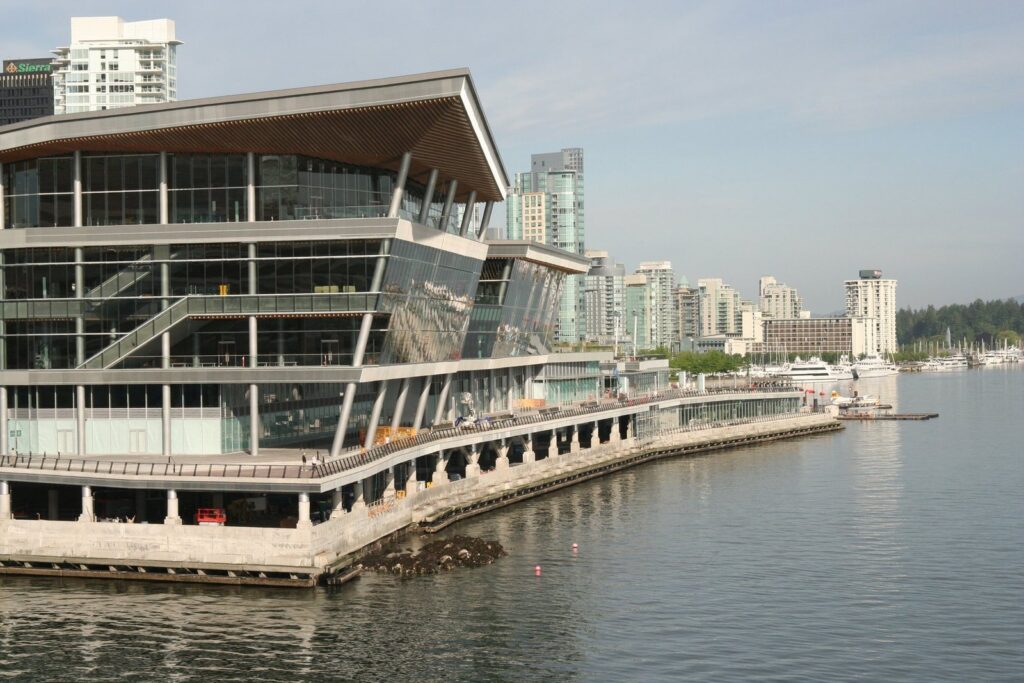
The seawall is the city’s signature outing, and it works well for many wheelchair users. Walkers and cyclists have separate lanes around Stanley Park, which keeps bikes out of your way, and the City describes the wider seaside greenway as 28 km, from the Vancouver Convention Centre to Spanish Banks. Start at the Convention Centre or Coal Harbour and go as far as suits you; the route is easy to join and leave. Our Stanley Park guide covers the park’s attractions, parking and facilities in more depth.
Accessible beaches
The Park Board lists accessible beach mats at English Bay, in front of the bathhouse, and at Kitsilano, between the pool and the concession. It also runs water wheelchairs at the beaches in summer: they need two attendants, the rider wears a flotation device the Park Board provides, and you reserve at least 48 hours ahead for use between the Victoria Day and Labour Day long weekends, from noon to 8 p.m. Check the Park Board’s accessible beaches page before you go, since lifeguards can limit use in poor weather, or call Adapted Recreation on 604-718-5853.
The Access 2 card
Easter Seals Canada’s Access 2 card is for people with a permanent disability who need a support person. The cardholder pays regular admission, and the support person gets in free or at a discount at participating venues, including the Vancouver Aquarium and the Museum of Anthropology. Processing takes about four to six weeks, so apply well before your trip, and check the application requirements and any fee at access2card.ca. Search the venue list at access2card.ca for the places you plan to visit.
Accessible hotels in Vancouver: what to ask
Accessible hotels in Vancouver range widely, and “accessible room” can mean anything from grab bars to a full roll-in shower. Ask the hotel directly, and get the answers in writing:
- Is there a roll-in shower or a tub with a transfer bench?
- How wide are the room and bathroom doors, and is there turning space beside the bed?
- How high is the bed, and is there space under it for a hoist?
- Is the entrance step-free, and do the elevators serve every floor you’ll use?
- Is accessible parking on site, and what does it cost?
- How far is the nearest SkyTrain station, and is the route level?
Staying near a Canada Line or Expo Line station makes the whole trip easier, because you can rely on elevators rather than hills.
A step-free day in Vancouver
Here’s one way to string the accessible pieces together into a full day without a car, using only transit and level routes.
- Morning: take SkyTrain to Waterfront and head out along the waterfront past the Vancouver Convention Centre. The seawall runs west from here toward Coal Harbour and Stanley Park, with separate lanes keeping cyclists out of the way. Go as far as you like, then turn back.
- Late morning: continue to the Vancouver Aquarium in Stanley Park, borrow a wheelchair at Guest Services if you need one, and budget a couple of hours. A support person gets in free with a full-price ticket.
- Afternoon: return downtown and cross to North Vancouver on the SeaBus, using doors 2 or 5 at Waterfront for priority boarding. The crossing is short, and the boat gives you harbour views.
- Evening: back downtown, the Vancouver Art Gallery’s Hornby and Robson entrances are at street level, and the gallery stays open until 8 p.m. on Fridays.
On a second day, take a bus to UBC for the Museum of Anthropology, which is fully accessible, or ride the Skyride up Grouse Mountain for the view. Before each leg, check the elevators at the SkyTrain stations you’ll use, and keep the SeaBus tide note in mind if your chair struggles with slopes.
Planning tips for disability travel in Vancouver
- Mind the hills. Parts of downtown rise steeply from the waterfront. Use SkyTrain or a bus for uphill stretches rather than wheeling them.
- Check elevators before every trip. TransLink Alerts and 604-953-3333 will save you from arriving at a station you can’t leave.
- Prepare for rain. In the wetter months, plan indoor options and bring a waterproof cover for your chair.
- Book timed tickets. They shorten waits at busy attractions.
- Travelling alone? Our guide to solo travel in Vancouver covers late-night transit and safety numbers worth saving. A separate guide covering Vancouver for seniors looks at easy-pace sightseeing and senior fares.
Wheelchair accessible Vancouver FAQ
Is Vancouver wheelchair friendly?
Largely, yes. Every SkyTrain station has elevators, buses carry ramps or lifts, SeaBus terminals have graduated ramps, and the major museums lend wheelchairs and have accessible washrooms. The exceptions are specific: elevator outages, two Aquabus docks with steps, and attractions such as Capilano’s suspension bridge or Grouse Mountain’s Peak Chairlift that aren’t accessible.
Can tourists use HandyDART in Vancouver?
Yes. TransLink has a HandyDART Visitor Application Form for people visiting the region. Once registered, you can book trips up to seven days ahead, until 4 p.m. the day before. The service runs every day, with pickups from 6 a.m. and drop-offs until 2 a.m. Apply well ahead and call Access Transit Customer Care at 604-953-3680 with questions.
Are SkyTrain stations wheelchair accessible?
Yes. TransLink says all SkyTrain stations have elevators, and trains have doors marked with a wheelchair symbol leading to a wheelchair space. Wheelchairs and scooters aren’t allowed on escalators. Before travelling, check TransLink Alerts or call 604-953-3333 to confirm the elevators at your stations are working.
Which Vancouver attractions are wheelchair accessible?
The Vancouver Aquarium, Museum of Anthropology, Vancouver Art Gallery and Science World are all accessible, and several lend wheelchairs. Grouse Mountain’s Skyride is accessible but its Peak Chairlift and ziplines aren’t. At Capilano Suspension Bridge Park the bridge, Treetops Adventure and Cliffwalk aren’t accessible, though wheelchair users get in free.
How do I get a wheelchair-accessible taxi in Vancouver?
Call a taxi company directly and ask for a wheelchair-accessible vehicle, booking ahead for any trip with a fixed time. BC’s Passenger Transportation Board usually requires companies to dispatch these vehicles to wheelchair users on a priority basis. At YVR, ask the taxi host or use the courtesy phone on the curb outside Arrivals.
Related Vancouver guides
- Vancouver Travel Tips: the planning hub for entry, money and transport
- Vancouver SkyTrain Guide: lines, fares and how to ride
- Stanley Park Guide: the seawall, attractions and facilities
- Solo Travel in Vancouver: late-night transit and safety tips
Sources and verification
Checked on November 9, 2026 against the operators and agencies listed below. This guide was compiled from their own pages rather than from other travel lists, and it does not describe first-hand visits.
- TransLink: How to use accessible transit; HandyDART
- Vancouver International Airport: Hidden Disabilities Sunflower Program; Quiet spaces; Customer Care; Accessible transportation
- BC Passenger Transportation Board: Accessible transportation
- Aquabus: FAQ
- Vancouver Aquarium: Accessibility
- Museum of Anthropology at UBC: Visit
- Vancouver Art Gallery: Visit
- Science World: Accessibility
- Grouse Mountain: Accessibility
- Capilano Suspension Bridge Park: Tickets and hours
- Flyover: Safety and accessibility
- City of Vancouver: Accessible beaches; Seawall
- Easter Seals Canada: Access 2 card
Photo credits
- Canada Line at Vancouver City Centre station, 2009: photo by Dan Udey Camera location49° 16′ 53.4″ N, 123° 07′ 04.8″ W View this and other nearby images on: OpenStreetMap 49.281500; -123.118000, Wikimedia Commons (CC BY 2.0)
- SeaBus interior, 2020: photo by GoToVan from Vancouver, Canada, Wikimedia Commons (CC BY 2.0)
- Waterfront Station: photo by Spudgun67, Wikimedia Commons (CC0)
- Vancouver Aquarium entrance, 2013: photo by GoToVan from Vancouver, Canada, Wikimedia Commons (CC BY 2.0)
- Vancouver Convention Centre West: photo by Gregbaker, Wikimedia Commons (CC BY-SA 3.0)
- Science World, False Creek (featured image): photo by DXR, Wikimedia Commons (CC BY-SA 4.0)