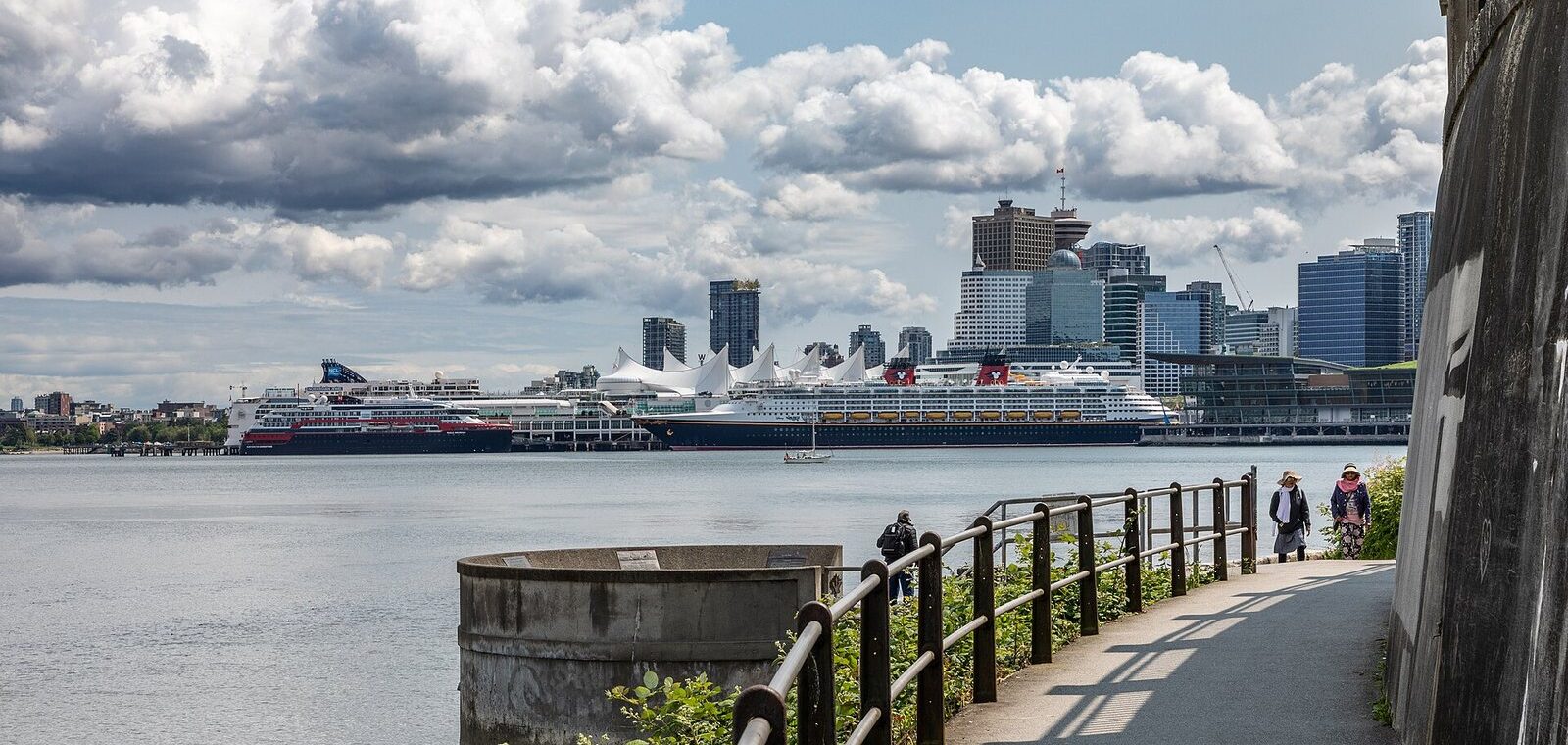
The Vancouver travel tips that save the most money and stress are the unglamorous ones. Sort out your entry papers before you fly, tap your own bank card on transit instead of queuing at a ticket machine, add 12% tax to most price tags and about 20% to a hotel rate, pack a hooded rain shell for any month from October to April, and book summer rooms, long-weekend ferries and popular dinner tables well ahead. Get those right and the rest of the city is easy.
This guide is for first-time visitors and for anyone whose last trip was a few years ago, because plenty has moved: fares rose in July, British Columbia stops changing its clocks this fall, and a few big attractions changed their opening days. Every fare, fee and rule below was checked September 25, 2026 against official sources, which are listed at the end. Where something depends on the date or the season, it says so.
What’s closed or different right now?
Four changes trip up visitors who plan from older guides.
- BC is keeping summer time for good. The province made its last clock change on March 8, 2026. On November 1, 2026, the clocks stay put: Vancouver sits at UTC-7 all year, now abbreviated PCT for Pacific time. Washington State still falls back, so from November 1 until March 14, 2027, Vancouver runs an hour ahead of Seattle. Double-check anything booked across the border in that window, from train departures to dinner reservations.
- Winter mornings are darker than they used to be. Without the fall-back, sunrise around the December solstice lands at about 9:05 a.m. and sunset at about 5:15 p.m. The extra hour of evening light is lovely for a late Seawall walk. It’s less lovely if you planned a dawn start on a ski day.
- Transit costs more. TransLink raised fares on July 1, 2026. A one-zone tap is now C$3.50, the DayPass is C$12.55 and the airport AddFare is C$6.50, so any guide quoting a single-digit day pass is years out of date.
- Some opening days changed. The Vancouver Art Gallery now closes on Tuesdays, while the Museum of Vancouver no longer closes on Mondays. If you’re here in December, Bright Nights has left Stanley Park for the Cloverdale Fairgrounds in Surrey, about 40 km east of downtown, and the Stanley Park miniature train hasn’t run since a safety incident in December 2024.
Vancouver trip essentials at a glance
Start here; the sections below explain each line.
| Topic | What to know | Sort it before you go? |
|---|---|---|
| Entry | US citizens: passport. Most other visa-exempt visitors flying in: an eTA (C$7). Everyone else: a visitor visa. | Yes, when you book the flight |
| Money | Canadian dollars; tap-to-pay almost everywhere | Bring a card without foreign transaction fees |
| Tax | 12% on most purchases, 5% on restaurant food, 15% on alcohol, about 20% on hotel rooms, all added at the till | Budget for it |
| Tipping | 15 to 20% of the pre-tax bill at sit-down restaurants and bars | No |
| Transit | Tap a contactless card or phone: C$3.50 for one zone, plus C$6.50 from the airport | No |
| Phone | Canadian roaming is pricey; an eSIM or a roaming pass is cheaper | Yes |
| Weather | Wet from October to April; dry and mild in July and August | Pack a hooded rain shell |
| Time | UTC-7 all year from November 1, 2026; an hour ahead of Seattle until March 14, 2027 | Check cross-border times |
| Book ahead | Summer hotels, long-weekend ferries, popular dinner tables, summer boat tours | Yes, weeks to months out |
Do you need a visa or an eTA to visit Vancouver?
Vancouver has no entry rules of its own: you’re entering Canada, and Ottawa decides. There are three routes in, and you need exactly one. Americans need only a valid passport. Most other visitors from visa-exempt countries (the UK, most of the EU, Australia, New Zealand, Japan, South Korea and others) need an Electronic Travel Authorization, or eTA, when they fly in. Everyone else needs a visitor visa. Nobody needs both a visa and an eTA.
The eTA costs C$7 on the Government of Canada’s own site, and you apply online with your passport, a credit or debit card and an email address. It’s linked electronically to the passport you apply with, so a renewed passport needs a new eTA. Apply when you book the flight rather than the night before: most applications come back quickly, but some are held for extra checks, and the airline won’t board you without one. Ignore the look-alike websites that charge several times the fee for “processing”. The real application is on canada.ca.
The eTA Canada requirements only apply to air travel. A visa-exempt traveller arriving by car at the Peace Arch, by train from Seattle or on a cruise ship just shows a passport, while visa-required travellers need the visa however they arrive.
Three more things matter at the border. A past conviction for impaired driving, even a single old DUI, can make you inadmissible to Canada, so look into the rehabilitation rules months before the trip rather than at the booth. Children travelling with one parent, or with grandparents, should carry a signed consent letter from the parent who isn’t there. And cash of C$10,000 or more has to be declared.
What currency does Vancouver use, and do you need cash?
There’s no special Vancouver currency: it’s the Canadian dollar, written C$ or CAD. The C$1 coin is the loonie and the C$2 coin is the toonie. Canada stopped making pennies in 2012, so cash totals are rounded to the nearest five cents, while card payments are charged to the cent.
You can do almost the whole trip on a card. Visa and Mastercard work nearly everywhere, American Express is taken at most hotels and larger restaurants but not at every café, and tapping a card or phone is the default at tills, on transit and in taxis. Some places are card-only: the Vancouver Art Gallery doesn’t take cash at all.
Carry a little cash anyway, about C$40 to C$60 in small bills, for the odd cash-only market stall, a coat check or a housekeeping tip. Three habits keep the fees down:
- Pay in Canadian dollars. When a card machine offers to charge you in your home currency, decline. The exchange rate baked into that offer is almost always worse than your bank’s.
- Use bank ATMs. Machines inside bank branches usually cost a foreign card less than the unbranded ones in convenience stores and bars.
- Leave US dollars at home. A few souvenir shops will take them, at a rate that favours the shop.
For what a trip actually costs, day by day, see the Vancouver trip cost breakdown.
How much should you tip in Vancouver?
Tipping in Vancouver follows the North American pattern, and at a sit-down restaurant or bar it isn’t really optional: servers count on it. Fifteen to 20% of the pre-tax bill is the normal range, with 18% the unremarkable middle. The card machine will offer preset percentages, and some machines calculate them on the total including tax, so if you’d rather tip on the food and drink alone, choose the “custom” or “other” option and type in an amount.
- Counter service and coffee: the tablet at the till will ask. It’s genuinely optional; a dollar or two, or nothing, is fine.
- Taxis and ride-hail: around 10 to 15%, more if the driver wrestled your bags.
- Hotels: a few dollars a night for housekeeping, left daily, and a couple of dollars a bag for a bellhop.
- Tours: guides on paid tours are usually tipped 10 to 20%. The free walking tours run entirely on tips, so pay what the tour was worth to you.
- Groups: bigger tables often get an automatic gratuity added to the bill. Check before you tip a second time.
What will tax add to your bill?
Prices on shelves and menus almost never include tax, so the number at the till is always bigger than the number on the tag. There’s no sales-tax refund for individual visitors, either: Destination Vancouver’s tax guide lists a GST rebate only for qualifying foreign conventions.
| What you’re paying for | Tax added | Usual tip |
|---|---|---|
| Most shopping: clothes, souvenirs, outdoor gear | 12% (7% PST + 5% GST) | None |
| Restaurant food | 5% GST | 15 to 20% at a sit-down restaurant |
| Beer, wine and cocktails | 15% (10% PST + 5% GST) | 15 to 20% at a bar |
| Hotel room | About 20% in total | A few dollars a night for housekeeping |
| Basic groceries | Mostly none | None |
The hotel figure is the one that stings. Destination Vancouver’s breakdown, dated February 2023 and the latest it publishes, puts the total at 20% of the room rate: 8% provincial sales tax, 5% GST, a 3% municipal and regional district tax, a 2.5% major-events levy and a 1.5% destination marketing fee. A C$250 room is a C$300 room by checkout, so compare hotels on the after-tax total, which some booking sites hide until the last screen.
Dinner for two works like this: C$90 of food and C$36 of wine is C$126 on the menu. Tax adds C$4.50 on the food and C$5.40 on the wine, and an 18% tip on the pre-tax C$126 is C$22.68, for about C$159 in all. As a rule of thumb, a Vancouver restaurant bill lands about a quarter above the menu prices.
What’s the weather really like, and what should you pack?
Vancouver’s reputation for rain is earned, but it’s mostly a steady drizzle rather than a downpour. The wet season runs roughly October to April, with November through January the greyest and wettest stretch. July and August are the opposite: dry, sunny and warm, with daytime highs in the low 20s °C (low 70s °F). Snow in the city is unusual and rarely lasts, but the North Shore mountains, half an hour from downtown, can be deep in it from December to March.
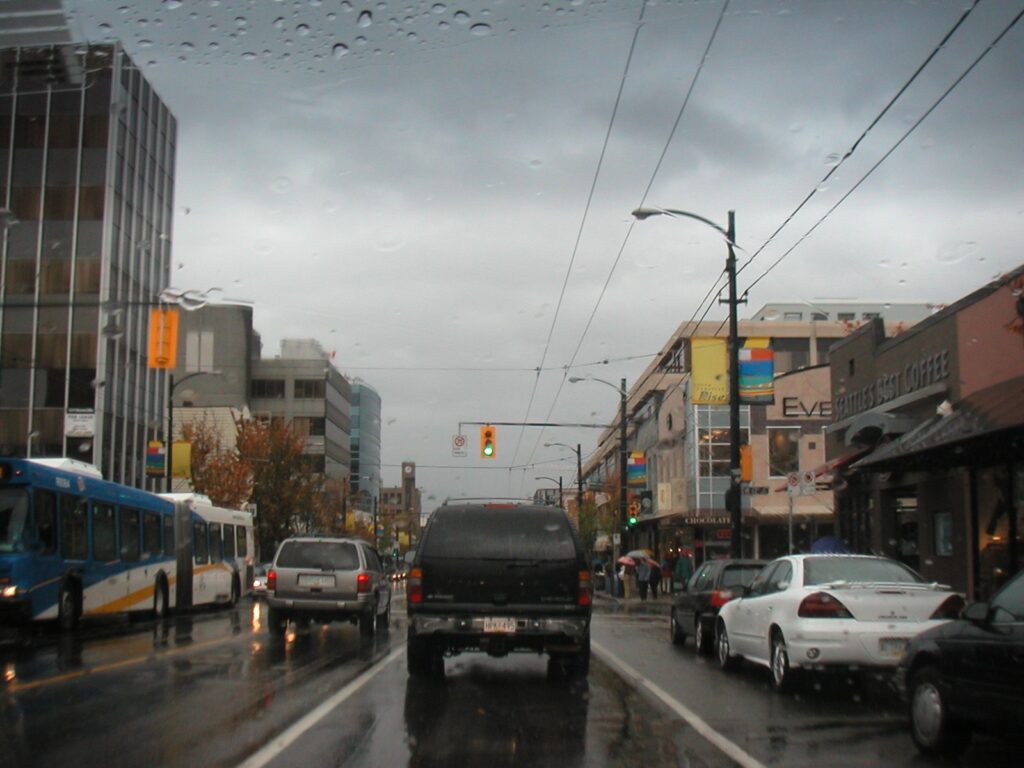
Pack for layers and wet feet rather than for cold:
- A hooded waterproof shell. Locals mostly skip umbrellas, which are awkward on busy sidewalks and useless in the wind off the water.
- Shoes that survive puddles. Waterproof trail runners or light boots cover both city streets and forest trails.
- A warm mid-layer, even in August, for evenings by the water, whale-watching boats and mountaintops, which run several degrees colder than downtown.
- Swimwear, with managed expectations: the ocean stays cold enough to make you gasp even in August.
Late summer has one more variable. Some years, wildfire smoke drifts in from the interior and hazes the city for days, so BC’s air quality advisories are worth a glance before an outdoor-heavy day. For temperatures and rainfall by month, see Vancouver weather by month, and for a full checklist, what to pack for Vancouver.
How do you get from the airport into the city?
Vancouver International Airport (YVR) is on Sea Island in Richmond, not in Vancouver proper, but the Canada Line makes that painless: trains run from the airport to Waterfront station, downtown, in about 25 minutes. Tap a contactless card or phone at the fare gate. Journeys that start at the airport’s stations add the C$6.50 AddFare to a regular fare, which is two zones on weekday daytimes, so expect to pay C$11.60 to downtown on a weekday afternoon and C$10 in the evening or at the weekend.
Taxis and ride-hail cars wait outside arrivals, 25 to 40 minutes from downtown depending on traffic; the train usually wins on price unless you’re a group with a lot of luggage. Cruise passengers heading straight to the ship can ride the Canada Line to the end of the line at Waterfront, a short walk from the Canada Place terminal. The YVR to downtown Vancouver guide compares every option, and the Vancouver cruise port guide covers the ship side.
How does transit work, and do you need a car?
TransLink runs one integrated system: three automated SkyTrain lines, buses, the SeaBus ferry to North Vancouver and the West Coast Express commuter train. You don’t need to buy anything in advance. Tap a contactless Visa, Mastercard or American Express card, or a phone with Apple Pay, Google Pay or Samsung Pay, on the reader when you board, and again when you leave SkyTrain or SeaBus. On buses, you tap on only. Use the same card or phone every time, and give each person in your group their own, because one card pays one fare.
| Adult fare (from July 1, 2026) | Tap a card or phone | Compass Card stored value |
|---|---|---|
| 1 zone | C$3.50 | C$2.85 |
| 2 zones | C$5.10 | C$4.20 |
| 3 zones | C$6.70 | C$5.40 |
| DayPass, all zones | C$12.55 | |
| Trips starting at the airport | Add C$6.50 AddFare | |
The zone map matters less than it looks. Most visitor trips, including downtown to Stanley Park, Granville Island, Kitsilano, Commercial Drive or UBC, stay inside zone 1. North Vancouver, Burnaby and Richmond are zone 2, but after 6:30 p.m. on weekdays, all weekend and on statutory holidays, every trip is charged as one zone anyway. A fare covers 90 minutes of travel across buses, SkyTrain and SeaBus, transfers included, and children 12 and under ride free.
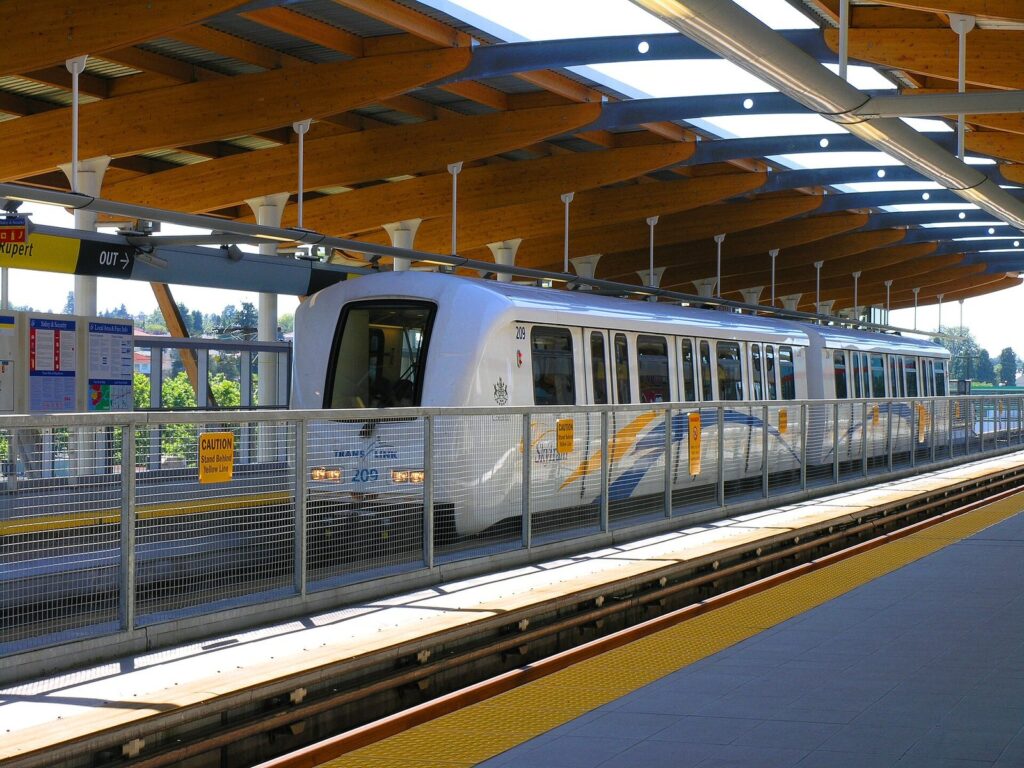
Is the DayPass worth it? At C$12.55 against C$3.50 a tap, it pays off at four one-zone trips, or at three weekday daytime trips that mostly cross zone lines. On a typical sightseeing day of two or three rides, tapping is cheaper. A Compass Card, with its lower stored-value fares, only earns its keep on a longer stay. The Compass Card and fares guide runs the numbers, and the SkyTrain guide covers the lines.
As for a car: downtown, you don’t want one. The peninsula is walkable end to end in about 40 minutes, parking is expensive, and break-ins to parked cars are a constant problem. A car earns its keep beyond the city, on the Sea to Sky Highway to Squamish and Whistler, in the Fraser Valley or on a ferry to the Sunshine Coast, so rent one for those days only. Uber and Lyft both operate across the region, and the city has a well-developed network of separated bike lanes. The Vancouver transportation guide covers every mode, with detail on driving in Vancouver, ride-hail and biking.
Is Vancouver safe for visitors?
So, is Vancouver safe? For visitors, broadly yes. Violent crime against tourists is uncommon, and most trips involve nothing worse than a parking ticket. The realistic risks are property crime and, more often than people expect, the outdoors.
- Cars and bikes. Leave nothing visible in a parked car: not a charger cable, not a shopping bag, and not luggage on the back seat while you stop for lunch on the way to the ferry.
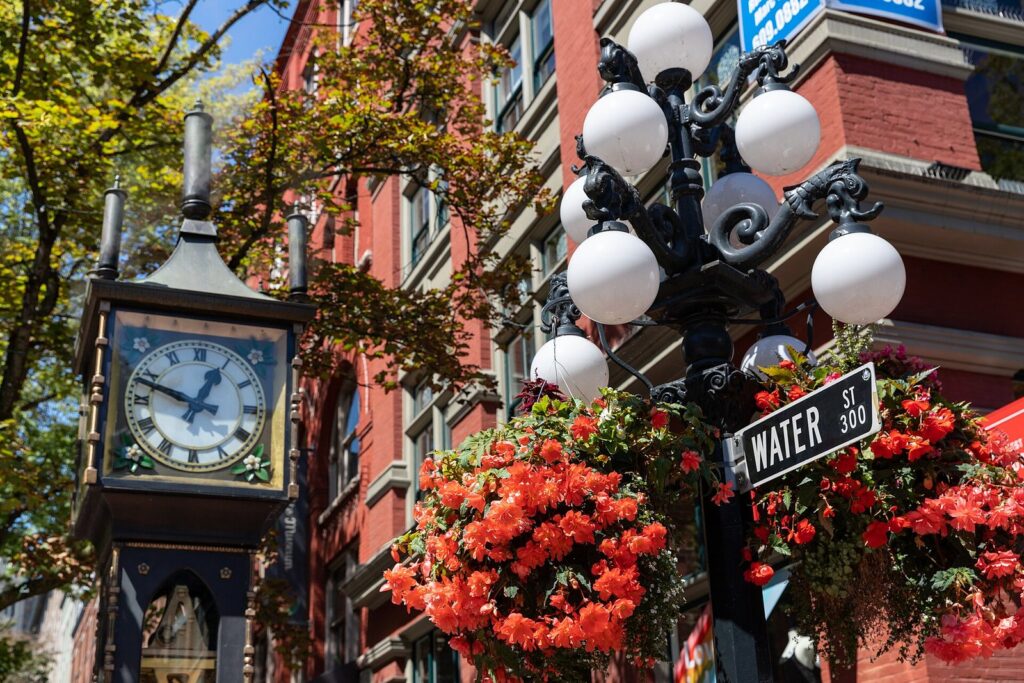
- The Downtown Eastside. A few blocks of East Hastings Street around Main Street, right beside Gastown and Chinatown, are the centre of a long-running public health crisis: homelessness, addiction and visible drug use. It isn’t a no-go zone, and walking through in daylight is routine, but it’s somebody’s neighbourhood, not a sight. Keep moving, keep your camera off people, and after dark stick to busier streets such as Water Street.
- Late nights on Granville. The Granville Street entertainment district gets loud and occasionally messy around closing time on weekends. Pre-book a ride, or walk a couple of blocks away before hailing one.
- The mountains and the water. North Shore trails look tame from downtown and aren’t. Every year, rescuers bring down hikers who set off late, in sneakers, without a light, or onto snow they weren’t equipped for. Check conditions, start early, tell someone your plan and turn around before dark. At the beach, the water is cold and the tide comes back across the flats faster than it looks. The outdoors guide sorts the easy trails from the serious ones.
For emergencies, call 911. For health questions that aren’t emergencies, BC’s HealthLink line at 811 connects you with a nurse around the clock. Visitors aren’t covered by BC’s public health plan, so buy travel insurance before you come: an emergency-room visit without it gets expensive fast.
Can tourists use cannabis in Vancouver?
The short version of cannabis in Vancouver for tourists: it’s legal for adults 19 and over, sold in licensed stores, and wrapped in rules about where you can use it. Buy only from licensed shops, including the government-run BC Cannabis Stores; anything else is illegal and untested. You can’t use it anywhere tobacco smoking is banned, which in Vancouver includes parks and beaches, and nobody in a car, driver or passenger, can consume it.
The border is the part that catches people. Taking cannabis into or out of Canada is illegal in any amount, including to Washington State, where it’s also legal. Finish it or leave it behind before you cross, by car, train, ship or plane. Edibles in Canada are capped at 10 mg of THC per package, which makes a first try less dramatic than in some US states, but they still take an hour or more to kick in, so don’t take a second one at the 30-minute mark.
Alcohol runs on the same age line: 19. Beer, wine and spirits come from the government’s BC Liquor Stores and from private liquor stores, and some grocery stores sell BC wine. Drinking in public is generally not allowed, though the Park Board has run designated drinking areas in some parks in recent summers; look for the signs rather than assuming.
What’s the best way to stay connected?
Canadian mobile plans are expensive by international standards, and roaming can be worse, so sort your phone before you land. There are three sensible options:
- Your own carrier’s roaming pass. Many US plans include Canada, sometimes with a slower data cap. For Americans, this is usually the easiest answer, so check yours first.
- A travel eSIM. A Canada eSIM for tourists, bought and installed before you fly, gives you data from the moment you land, usually without a local phone number. It suits most visitors from outside North America on a short trip.
- A local prepaid SIM. Worth it for longer stays or if you need a Canadian number for calls and texts. The big carriers’ budget brands sell prepaid plans in their own stores and through many pharmacies and electronics shops.
Free Wi-Fi is easy to find at the airport, in public libraries and in most cafés and hotels. Coverage thins out on mountain highways and trails beyond the city, so download offline maps before a road trip or a hike.
How do you cross the border to or from the US?
Seattle is about 230 km south, or roughly three hours by car when the border cooperates. The Peace Arch border crossing, where Highway 99 meets Interstate 5 at Blaine, is the most direct, with the Pacific Highway crossing a short drive east as the usual alternative and smaller crossings farther inland at Aldergrove and Abbotsford. Border agencies on both sides publish live wait times, and they’re worth checking: summer weekends, long weekends in either country and Sunday afternoons heading south can add an hour or more. NEXUS cardholders get their own lanes.
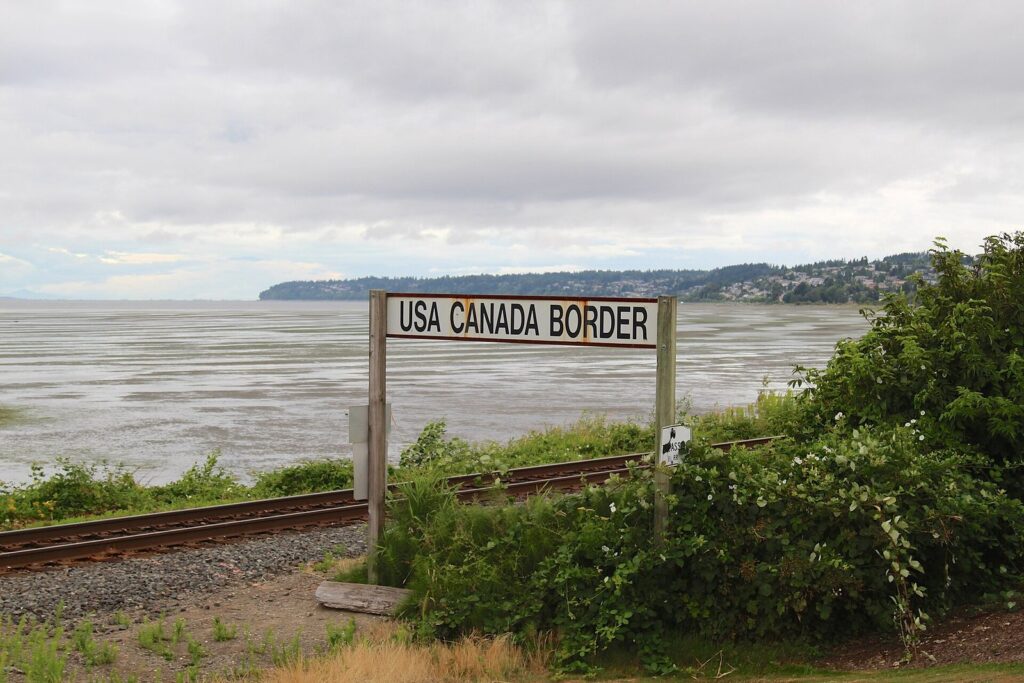
You can also go by rail: Amtrak Cascades trains leave Pacific Central Station for Seattle and take about four hours on a coastal route, and several coach companies run the same trip. Whichever way you go, clear the car of fruit, meat and cannabis before the booth, and remember that from November 1, 2026 to March 14, 2027, Seattle’s clocks run an hour behind Vancouver’s. For the full comparison of car, train, bus and plane, see Vancouver to Seattle.
Where can you store luggage for a day?
The gap between a hotel checkout and a late flight, or between a cruise arrival and an evening train, is the classic luggage problem, and the easiest fix is the obvious one: ask your hotel. Most hold bags for guests before check-in and after checkout at no charge, and a couple of dollars to the bell desk is a fair thank-you. Otherwise, search luggage storage Vancouver in a map app to find the app-based bag-drop networks, which partner with shops and cafés around Waterfront and Gastown and charge per bag per day; check the host’s hours before relying on one for a flight. Cruise passengers with a free day after disembarking can plan it with the post-cruise day in Vancouver guide.
What are the most common Vancouver tourist mistakes?
Most Vancouver tourist mistakes come from misjudging distance, timing or weather rather than anything exotic. These are the ones that cost visitors the most time and money:
- Treating Victoria as a quick day trip. The ferry crossing alone is 1 hour 35 minutes, and each terminal is 30 to 45 minutes from its city centre, so a Victoria day is a 12-hour round trip before you’ve seen much. Stay a night if you can; the Vancouver to Victoria guide has the options.
- Driving the Sea to Sky at the wrong time. The highway to Whistler on a sunny Saturday morning is a parking lot with a view, and the drive back on Sunday afternoon is worse. Leave before 8 a.m. or go midweek, as the Vancouver to Whistler guide explains.
- Mixing up the Vancouvers. Vancouver, Washington is a suburb of Portland, about 500 km south. Vancouver Island is a different place, a ferry ride away. Check the airport code (YVR) and the hotel address before paying.
- Buying a DayPass for two rides, or queuing at a ticket machine when a tap of your own card is cheaper and faster.
- Starting a hike at 3 p.m. in November. Dusk arrives early in late fall, and the forest gets dark well before the sky does.
- Walking in the Seawall bike lane. Most of the route has separate lanes for people on foot and people on wheels. Stay on your side and the cyclists will stop glaring.
- Winging dinner on a Friday or brunch on a Sunday. The popular places book out. Reserve a few days ahead or eat early.
- Planning a beach day for October. It has happened. From October to April, have an indoor plan B.
When should you book, and how far ahead?
Anyone typing when to book Vancouver trip into a search bar is usually asking about hotels, and the answer depends on the month. July and August are peak season: rates climb, the best-located rooms go first, and from spring to fall, cruise departures fill downtown hotels on the nights before sailing. Big summer weekends, such as the Celebration of Light fireworks in late July and Pride in early August, tighten things further.
| What | Book this far ahead | Why |
|---|---|---|
| Hotels, late June to early September | 3 to 6 months | Well-placed rooms at sane rates go first |
| Hotels, May, June and late September to October | 1 to 2 months | Conventions and cruise days still spike prices |
| BC Ferries on long weekends and summer Fridays | As soon as you know your sailing | Without a reservation, you can wait hours |
| Popular dinner and brunch tables | A few days to 2 weeks | Friday, Saturday and Sunday book out |
| Summer whale watching, floatplanes, small-group tours | 1 to 3 weeks | Boats and groups are small |
| Christmas, New Year and ski weekends | 2 to 3 months | Holiday demand, especially near the mountains |
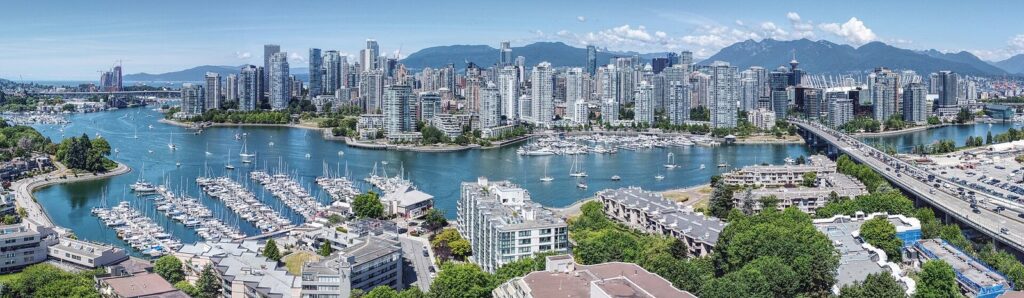
The cheapest months are generally November and January to March, outside holidays and big conventions, when downtown rates sit well below summer levels. That’s the trade: grey skies and rain in exchange for lower prices and shorter queues at the big attractions. For the full picture, see the best time to visit Vancouver and the cheapest time to visit Vancouver, and check the Vancouver events and festivals calendar before you lock in dates.
Tips for solo, older, accessible and dog-friendly trips
Travelling solo
For solo travel Vancouver is about as easy as big cities get. Transit is simple, downtown is compact, and eating alone is normal: sushi bars, ramen counters, food halls and the Granville Island Public Market all suit one. Downtown hostels are the social option, and a free walking tour is the quickest way to meet other travellers.
Travelling as a senior
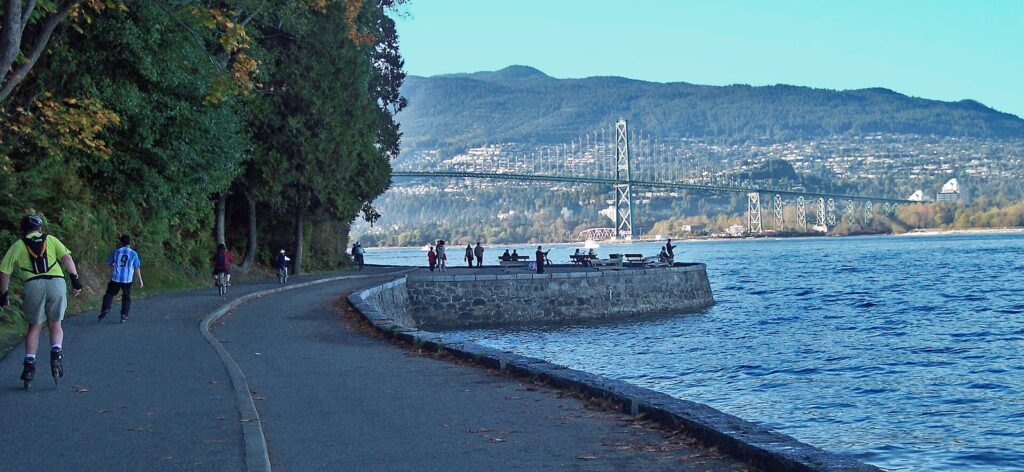
Vancouver for seniors is an easy sell: flat waterfront paths, accessible transit, benches everywhere and plenty of indoor options for wet days. TransLink has concession fares for seniors 65 and over, but only on a Compass Card or ticket, with proof of age if asked; tapping a credit card always charges the adult fare. The Stanley Park Seawall is about 9 km if you do the whole loop, so pick a section: the stretch from Coal Harbour to Brockton Point is flat, sheltered and close to cafés.
Getting around with a wheelchair
A wheelchair accessible Vancouver trip is more realistic here than in many older cities. Every SkyTrain station has elevators, buses kneel and carry ramps, and the SeaBus is step-free. The Seawall and most of the downtown waterfront are paved and level. The gaps are in older buildings, on Gastown’s cobbles and at the rugged attractions, where suspension bridges, forest trails and mountaintop viewpoints vary widely, so check each operator’s accessibility page before buying tickets. Wheelchair-accessible taxis can be booked through the main taxi companies, ideally ahead of time.
Travelling with a dog
The dog friendly Vancouver of the ads is real, with rules attached. Dogs must be leashed in most parks, apart from the signed off-leash areas, and they’re barred from most swimming beaches. Transit takes only small pets in hand-held carriers, apart from service animals, so a bigger dog means walking, driving or a ride-hail car (tell the driver when you book). Many patios welcome dogs; indoor dining rooms can’t, under health rules. Book a pet-friendly hotel directly and ask about fees and size limits before you arrive.
What local know-how makes a trip smoother?
- Whose land it is. Vancouver sits on the unceded territories of the Musqueam, Squamish and Tsleil-Waututh Nations, and you’ll hear that acknowledged at concerts, games and tours. For the history and Indigenous-led experiences, start with the Vancouver culture and history guide.
- Which Vancouver you’re in. “Vancouver” often means the whole metro area, but Richmond (home of the airport), Burnaby, Surrey, North Vancouver (a city and a separate district) and West Vancouver are all separate municipalities. The University of British Columbia and its Museum of Anthropology are in Point Grey, on the city’s west side, not in West Vancouver.
- Plugs and power. Outlets are 120 volts with the same flat-pin plugs as the US. Visitors from Europe, the UK or Australia need an adapter, and older single-voltage hair dryers need a converter.
- Tap water. It’s soft, clean and comes from protected mountain reservoirs. Bring a bottle and refill it.
- Thank the bus driver. Locals call out a thank-you when getting off, even from the back door. It’s the most Vancouver sound you’ll hear all day.
- Smoking and vaping. Banned in parks, on beaches, on restaurant patios and close to doorways and bus shelters.
Vancouver travel tips FAQ
Do US citizens need a passport to visit Vancouver?
A valid passport is the simplest document and the only one that works on every route. Americans don’t need an eTA or a visa. At land crossings, a NEXUS card or an enhanced driver’s licence also works for entering Canada and getting home again, but if there’s any chance you’ll fly, bring the passport.
How many days do you need in Vancouver?
Three full days covers the essentials: Stanley Park and the Seawall, Granville Island, Gastown and Chinatown, a North Shore canyon or mountain, and a couple of good dinners. Add a day or two for the Sea to Sky, and plan on at least two nights if Victoria is on the list. The Vancouver itinerary guide lays out plans from one to seven days.
Is Vancouver expensive to visit?
It’s one of Canada’s pricier cities, and hotels are most of the reason: summer room rates are high before about 20% in taxes lands on top. The rest is manageable. A transit trip costs C$3.50, many of the best sights (the Seawall, the beaches, the parks, the viewpoints) are free, and good casual food is everywhere. Travelling outside July and August cuts the biggest cost the most.
What time zone is Vancouver in?
Pacific time, written PCT since BC stopped changing its clocks. From November 1, 2026, Vancouver stays on UTC-7 all year. Between November 1, 2026 and March 14, 2027, that puts it an hour ahead of Seattle, Portland and California, which still fall back; from March 14 the two sides match again until US clocks fall back in November 2027.
Can you drink the tap water in Vancouver?
Yes. Vancouver’s tap water comes from protected mountain watersheds on the North Shore and in Coquitlam, and Metro Vancouver treats and tests it constantly. It tastes clean and soft, so there’s no reason to buy bottled water. Fill a reusable bottle at your hotel; many parks have fountains too, though some are switched off in winter.
Do you need cash in Vancouver?
Barely. Cards and phone payments work almost everywhere, from transit gates to food trucks, and some places, including the Vancouver Art Gallery, don’t take cash at all. Keep C$40 to C$60 in small bills for the occasional cash-only market stall, a coat check or tips for hotel housekeeping, and use a bank-branch ATM to keep fees down.
Related Vancouver guides
- Things to Do in Vancouver: the attractions worth your time, sorted by what they cost and how long they take
- Where to Stay in Vancouver: neighbourhoods compared, with hotels at every budget
- Vancouver on a Budget: how to cut the hotel, food and transit bill without missing the good parts
- Day Trips from Vancouver: Whistler, Victoria, Squamish and the islands, with honest travel times
- Where to Eat in Vancouver: dim sum, sushi, seafood and the rest, by neighbourhood
- Winter in Vancouver: skiing, lights and rainy-day plans for the darker months
Sources and verification
Checked on September 25, 2026 against the operators and agencies listed below. This guide was compiled from their published information rather than from other travel lists, and it doesn’t claim first-hand visits. Hotel tax figures are Destination Vancouver’s February 2023 breakdown, the most recent it publishes. Sunrise and sunset times were calculated with NOAA’s solar equations for downtown Vancouver and are accurate to within a few minutes.
- TransLink: Pricing and fare zones
- Government of Canada (IRCC): Electronic Travel Authorization (eTA)
- Province of British Columbia: Adopting permanent daylight saving time; B.C.’s new time zone code, PCT
- Destination Vancouver: Vancouver taxes and customs
- Vancouver Art Gallery: Hours and admission
Photo credits
- Rainy street in Vancouver (2003): photo by Tom Harpel from Seattle, Washington, United States, Wikimedia Commons (CC BY 2.0)
- SkyTrain at Rupert station: photo by PoYang from flickr.com, Wikimedia Commons (CC BY-SA 2.0)
- Gastown steam clock on Water Street: photo by dronepicr, Wikimedia Commons (CC BY 2.0)
- Border sign at Peace Arch Park: photo by daveynin, Wikimedia Commons (CC BY 2.0)
- False Creek from above (2025): photo by Northwest, Wikimedia Commons (CC BY 4.0)
- Stanley Park Seawall and Lions Gate Bridge: photo by bobanny, Wikimedia Commons (public domain)
- Stanley Park Seawall and Canada Place (featured image): photo by Dietmar Rabich, Wikimedia Commons (CC BY-SA 4.0)