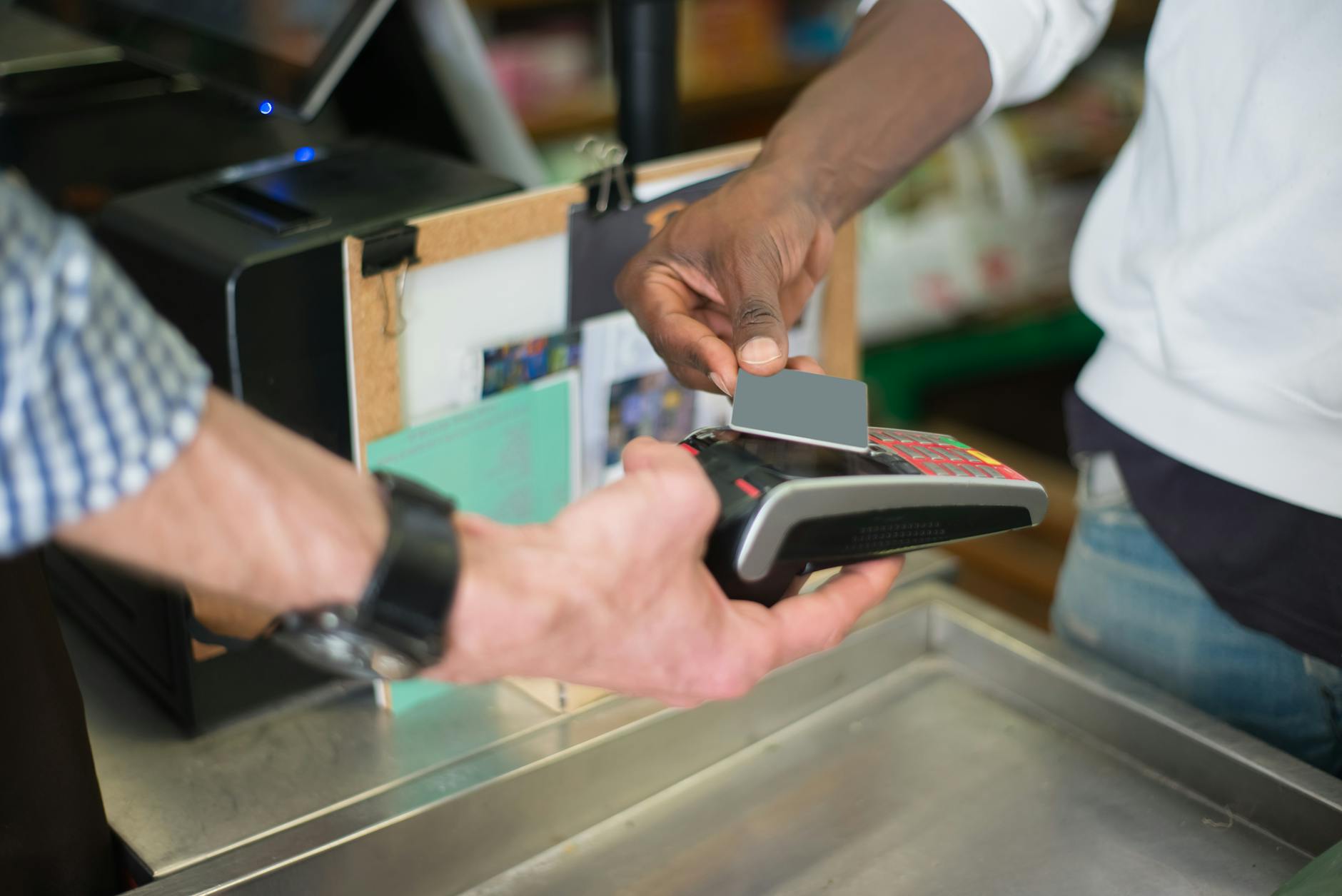
The Compass Card is the reloadable smart card that works on every Metro Vancouver transit service — bus, SkyTrain, SeaBus, West Coast Express, even the West Coast Express bike trains. For a C$6 refundable deposit, you save C$0.65-C$1.30 per adult ride versus paying cash, and you skip fumbling with bills or coins. Four trips save between C$2.60 and C$5.20 depending on zones, and the deposit comes back when you return the card.
This guide explains how Compass Cards work in 2026, how zones and fares interact, the difference between stored value and DayPasses, and the practical workflow for tourists — including the small things (how to tap correctly, what happens if you run out of fare mid-trip, refund process) that aren’t obvious.
Table of Contents

Compass Card: Quick Facts
- Deposit: C$6 (refundable when returning the card)
- Reload range: At least C$5 in stored value, up to a total card balance of C$175, or load specific products (DayPass, monthly pass, U-Pass)
- Where it works: All TransLink services — bus, SkyTrain, SeaBus, West Coast Express
- Validity: DayPass valid until 4 AM after its day of use; monthly pass valid for its calendar month
- Where to buy: SkyTrain station vending machines, online (compasscard.ca), customer service centers (Stadium-Chinatown, Waterfront, Surrey Central)
- Tap-to-pay alternative: Contactless credit/debit cards work directly at gates, charged the adult cash/contactless fare rather than the stored-value fare

2026 Fares & July 1 Fare Hike
TransLink raised fares effective July 1, 2026. The increase averages 5%.
Single-trip fares effective July 1, 2026:
- One-zone (Compass stored value): C$2.85
- Two-zone (Compass): C$4.20
- Three-zone (Compass): C$5.40
- One-zone cash/contactless: C$3.50
- Two-zone cash/contactless: C$5.10
- Three-zone cash/contactless: C$6.70
DayPass: C$12.55 (adult, all zones)
Monthly pass (one-zone adult): C$117.20
YVR AddFare: C$6.50 — applies to trips that start at YVR-Airport, Sea Island Centre or Templeton stations and end at Bridgeport or beyond; some passes and tickets are exempt.
Concessions (youth, senior, disability): Stored-value fares of C$2.30, C$3.40 and C$4.60 for one, two and three zones, about 81-85% of the adult fare. Verification required.
Fare Zones Explained
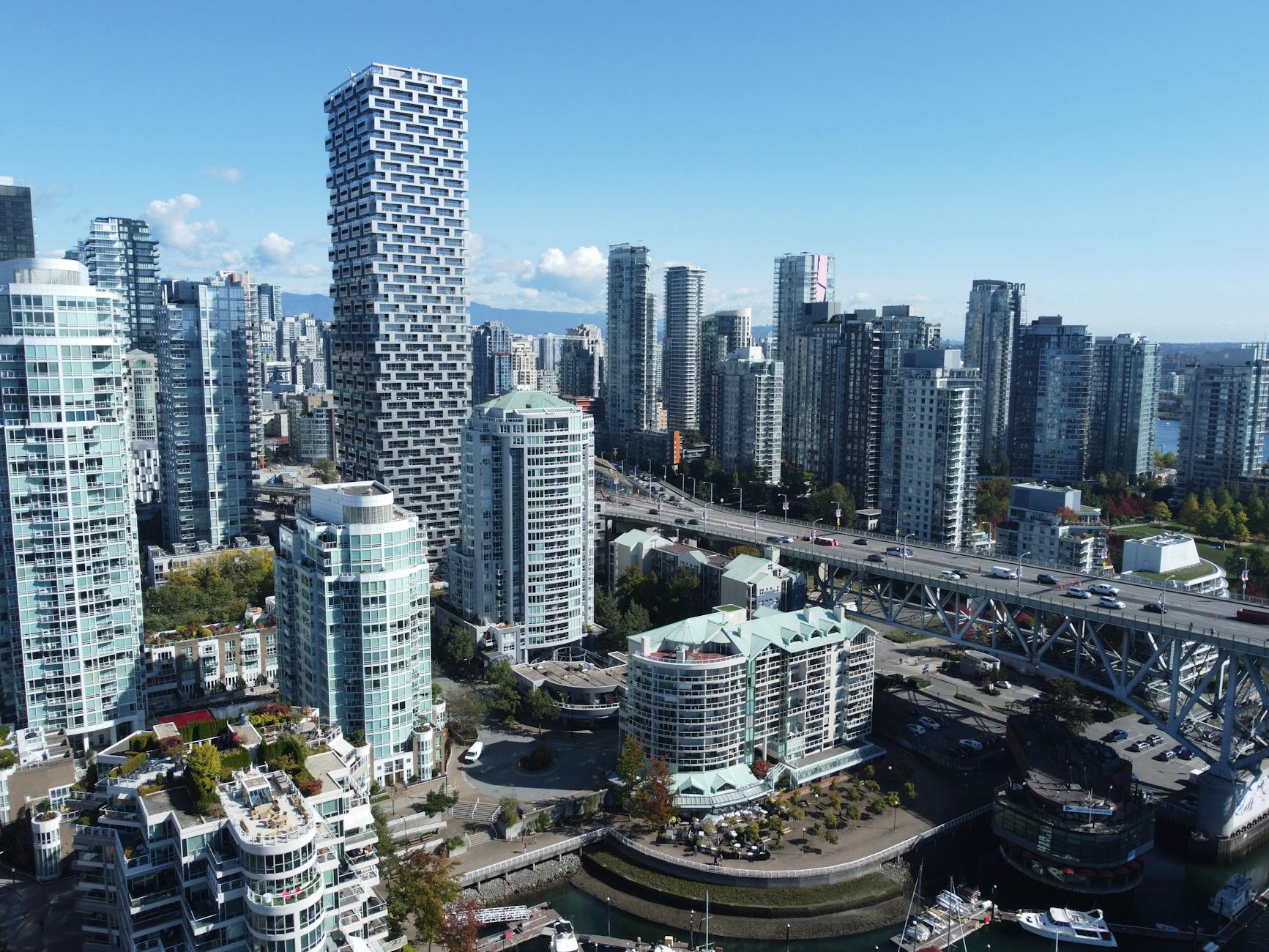
Metro Vancouver is divided into three zones for fare purposes. The zone count is determined by the zones you travel through, not the number of stops.
Zone 1: Includes downtown, Olympic Village, Mount Pleasant, Commercial Drive, Main Street, parts of east Van and the West End.
Zone 2: Burnaby, New Westminster, Richmond and the North Shore (North Vancouver and West Vancouver). The SeaBus crosses between Zones 1 and 2.
Zone 3: Includes Surrey and the communities farther out; TransLink’s fare zone map shows the exact boundaries.
Off-peak rule: Weekdays after 6:30 PM, all weekends, and statutory holidays — every trip is one-zone regardless of distance. This is a major savings opportunity. A Vancouver-to-Surrey trip costs C$2.85 with adult stored value instead of C$5.40.
YVR exception: The C$6.50 AddFare still applies off-peak, on eligible trips from YVR-Airport, Sea Island Centre or Templeton that end at Bridgeport or beyond. It does NOT apply to return trips ending at YVR.

Stored Value vs. Single Trips
The Compass system uses “stored value” — money loaded onto the card that you tap-out to pay for trips.
Why stored value is cheaper: Single-trip fares (paid cash at vending machine or via contactless credit card) cost more than stored value. Stored value saves C$0.65 (one-zone), C$0.90 (two-zone), or C$1.30 (three-zone) per adult trip.
How much to load:
- 1-day visit: A tapped credit card skips the card and reload step, at C$0.65 to C$1.30 more per adult trip than stored value
- 2-3 day visit: Load C$15-25 stored value
- 4-7 day visit: Load C$30-50 stored value
- 1+ week sightseeing: Consider a 1-Zone monthly pass only if you’ll take 42+ separate one-zone rides (that’s where it beats stored value)
Topping up mid-trip: All vending machines, customer service offices, and the Compass Card mobile app allow reloading anytime.

DayPass Option
The Compass Card can carry a DayPass — unlimited rides for one calendar day from first tap until 4 AM the next day.
Cost: C$12.55 for adults.
Break-even: 4 one-zone rides on Compass stored value cost C$11.40, so a C$12.55 DayPass wins from the 5th ride. For two-zone trips, break-even is at the 3rd ride.
When DayPass makes sense:
- Multi-attraction sightseeing days (downtown + UBC + Granville Island + North Shore)
- Tourist itineraries with 4+ planned transit segments
- Day trips combining SkyTrain + SeaBus + bus
When stored value beats DayPass: Day plans with only 2-3 trips (stored value is cheaper).

Monthly Passes
Long-stay visitors (digital nomads, business assignments, students) may benefit from a monthly pass.
Adult monthly pass costs:
- One-zone: C$117.20 (since July 1, 2026)
- Two-zone: C$156.70
- Three-zone: C$211.65
Break-even: At one zone, the C$117.20 monthly pass pays off from the 42nd separate C$2.85 stored-value fare, or 21 round trips (about a month of weekday commuting). Less worthwhile if your travel pattern is sporadic.
Tourist relevance: Generally not. Most visitors do better with stored value or DayPass.
Where to Buy a Compass Card
Compass Cards are widely available. The most convenient locations for visitors:
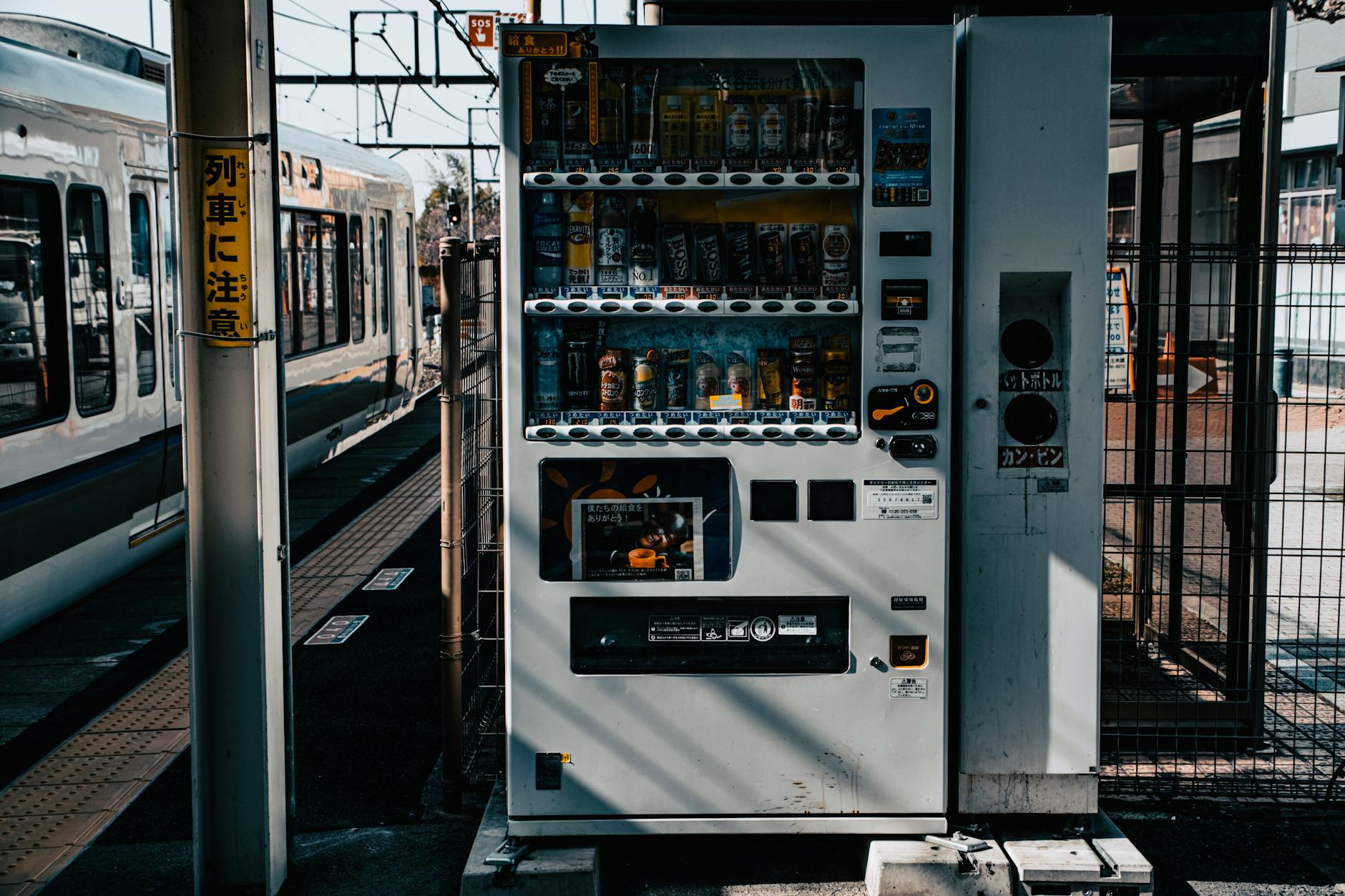
SkyTrain station vending machines: All 54 stations. Touchscreen interface in multiple languages. Accepts cash, debit, credit. Most visitors buy theirs at YVR-Airport, Waterfront, or Vancouver City Centre.
Online (compasscard.ca): Order online for delivery. Useful only if planning ahead; otherwise buy one at a station when you arrive.
Customer service centers: Stadium-Chinatown, Waterfront, and Surrey Central stations. Live agents available for questions or unusual requests.
Compass Vending Machines (CVMs): Outside SkyTrain stations and at some bus loops. Same interface as in-station machines.
Selected London Drugs stores: Compass vending machines in store sell cards and top them up.
How to Load Your Card
Loading stored value or products onto your Compass Card.
At the vending machine:
- Tap your card on the reader
- Select “Load Stored Value” or “Load Pass”
- Choose amount (at least C$5, up to a C$175 total balance) or product (DayPass, monthly pass)
- Insert payment (cash/debit/credit)
- Tap card again to confirm; receipt printed
Online via compasscard.ca:
- Register your card to your account (one-time)
- Choose load type (stored value, DayPass, monthly)
- Enter amount and payment
- Allow up to two hours for an online purchase to process before you travel
Auto-Load feature: Set up automatic top-ups when balance falls below a threshold. Useful for long-stay visitors but generally unnecessary for short trips.
Mobile app: The Compass Mobile app lets you check balance, reload, and view trip history. Free download for iOS and Android.
How to Use the Card (Step-by-Step)
For SkyTrain & SeaBus:
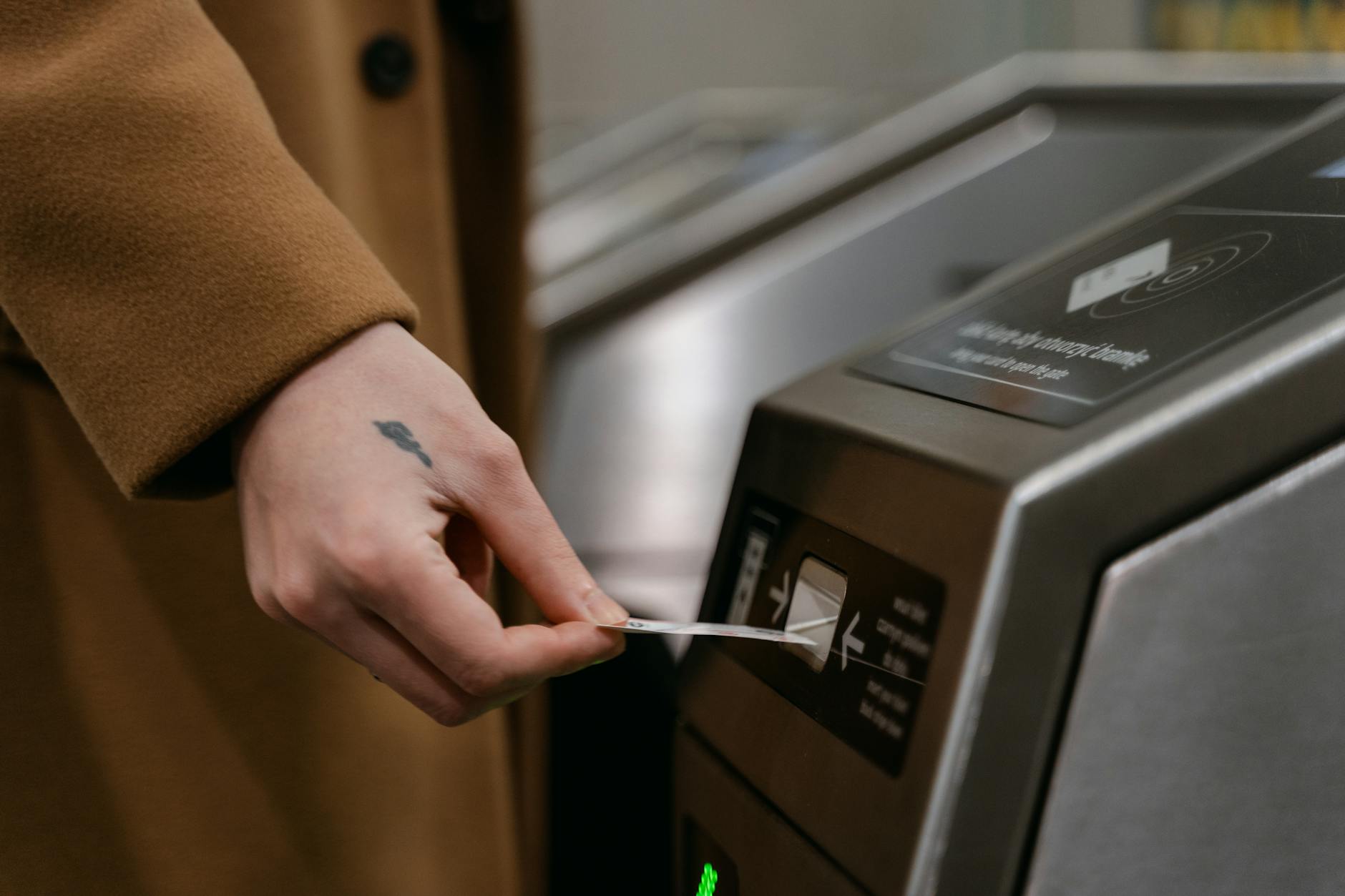
- Tap In: Touch your Compass Card to the gate reader at the station entrance. The gate opens.
- Travel: Take your trains/transfers as needed within 90 minutes of first tap.
- Tap Out: Touch your card on the reader at your destination station. This calculates the correct fare and deducts it from your card.
For buses:
- Tap In: Touch your card to the reader near the front door as you board. Pay-as-you-board.
- Tap Out: Generally not required for buses, but tap if your trip continues to a SkyTrain or SeaBus.
What if you forget to tap out? The system charges the maximum possible fare for the trip you started. You can dispute this through customer service if it was a one-time mistake.
What if your balance is too low? The gate refuses entry. You can top up at the vending machine immediately. On buses, drivers will request you exit at the next stop if you can’t pay.
What if the card reader doesn’t read? Try a different gate; cards occasionally have read failures. Customer service can replace defective cards (deposit transfers).
Transfers & AddFares
One fare covers all your transit within 90 minutes from first tap.
Transfer rules:
- SkyTrain → bus → SeaBus → another SkyTrain — all covered if completed within 90 minutes
- Each transfer requires another tap (in for SkyTrain/SeaBus; in for buses)
- Bus-to-bus transfers automatically credit; no extra fare
- If you ride into a higher zone mid-trip, the system calculates the upgraded fare automatically
YVR AddFare:
- C$6.50 surcharge on eligible trips from YVR-Airport, Sea Island Centre or Templeton stations to Bridgeport or beyond, off-peak included
- Doesn’t apply to return trips ending at YVR
- Doesn’t apply to trips beginning at Bridgeport
- Can’t be avoided by transferring; the surcharge tracks the origin
West Coast Express: Different fare structure (zoned, premium pricing). The Compass Card works but is metered separately.

Refunds & Returning the Card
Done with your card? You can refund the C$6 deposit.
Refund options:
- In-person at customer service center: Stadium-Chinatown, Waterfront, or Surrey Central. Cash or debit refund of deposit + remaining balance.
- By mail: Mail card with completed refund form to TransLink. Allow up to four weeks for the cheque to arrive.
- Online: Some online accounts offer e-transfer refunds.
What’s refundable: The C$6 deposit when you return the card, and unused stored value on a registered card if you ask within two years of its last tap. The DayPass and monthly pass are non-refundable once activated.
Don’t bother: If you’re keeping the card for future trips (return to Vancouver), don’t return it. Stored value never expires.
Tap-to-Pay Without a Compass Card
The faster path for short visits.
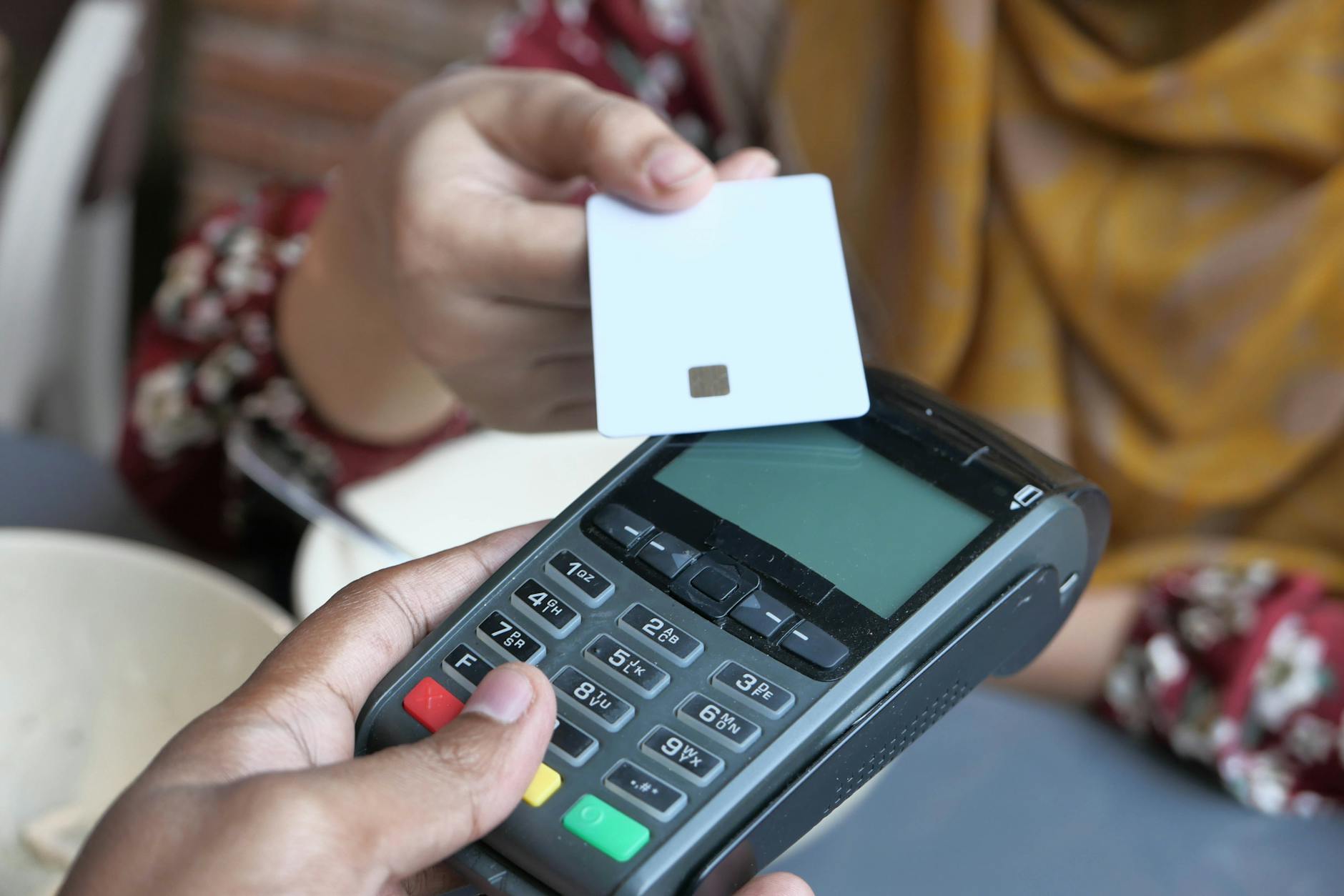
How it works: Tap your contactless credit card (Visa, Mastercard, Amex), Apple Pay, Google Pay, or other contactless wallet directly at the gate. The fare is charged to your card.
Pricing: The adult cash/contactless fare (C$3.50 for one zone), not the cheaper Compass stored-value fare.
What works: Contactless credit/debit cards from any country, Apple Pay, Google Pay, Samsung Pay, and other digital wallets.
What doesn’t work: Magnetic stripe cards (rare in 2026), older non-contactless cards.
Best for: 1-3 day visits where you don’t want the deposit hassle.
Not best for: Currency-conversion-fee-paying credit cards (each tap is a separate small foreign transaction). Use a no-FX-fee card if available.
Tourist Strategy: When to Buy a Card
Buy a Compass Card if:
- Staying 4+ days with multiple transit-using days
- You’re not comfortable repeatedly tapping a contactless credit card
- Your credit card charges foreign transaction fees
- You want a souvenir that you can keep for future visits
Skip the Compass Card and tap-to-pay if:
- Staying 1-3 days
- Doing only 1-3 transit trips total
- You have a contactless credit card with no FX fees
- You don’t want to deal with deposit refund logistics
Hybrid strategy: Tap your credit card for the airport-arrival trip; buy a Compass at your destination station if continuing to use transit.

Compass Card FAQs
Where do I get a Compass Card in Vancouver?
Vending machines at every SkyTrain station, including YVR-Airport. Online at compasscard.ca. Customer service centers at Stadium-Chinatown, Waterfront, and Surrey Central.
How much is a Compass Card?
C$6 refundable deposit, plus the amount you load (minimum C$5 stored value).
Can I use my credit card directly?
Yes — contactless credit/debit cards and digital wallets work at all gates, charged the cash/contactless fare rather than the cheaper stored-value fare.
What’s the difference between cash fare and Compass fare?
Compass stored value saves C$0.65, C$0.90 or C$1.30 per adult trip (one, two or three zones) vs. cash fare. A contactless tap is charged the cash fare.
Do children need a Compass Card?
Children 12 and under ride free. Youth aged 13-18 pay concession fares.
Does my Compass Card expire?
Generic Compass Cards don’t expire, so you can keep yours for your next visit.
Can I buy a Compass Card on the bus?
No. Buses are tap-only. Buy your card before your first bus trip — at any SkyTrain vending machine or partner retailer.
Related reading: Pair this with our SkyTrain visitor’s guide, YVR to downtown options, and Vancouver on a budget pillar.