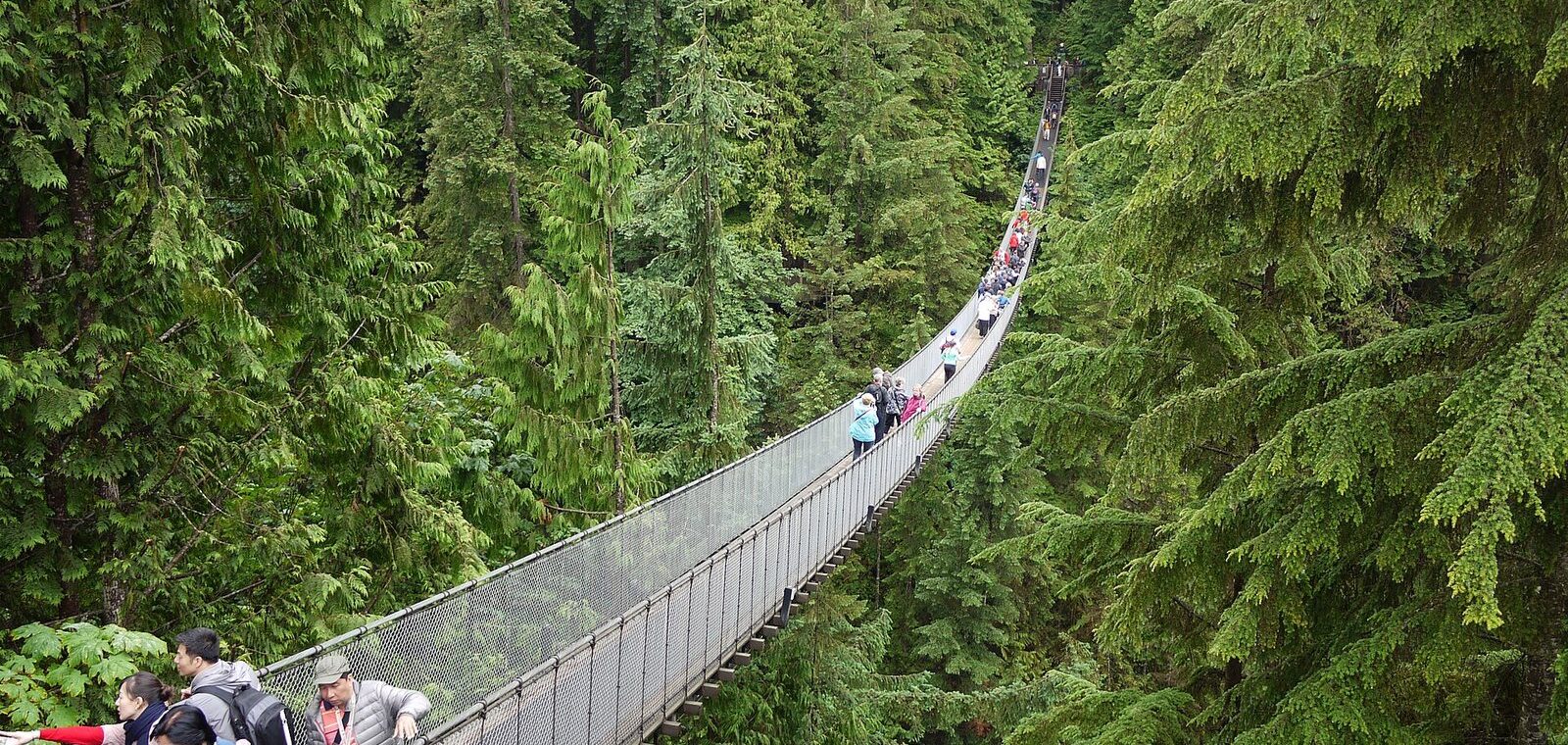
The most common Vancouver tourist mistakes aren’t dramatic; they’re small misjudgments that cost money, time or a good afternoon. People confuse Vancouver with Vancouver Island, try to squeeze Whistler and Victoria into a weekend, rent a car they barely use, read price tags without the tax, and turn up at the art gallery on the one day it’s closed. Almost all of them are easy to avoid once you know the city’s quirks, and none requires a bigger budget, just a little planning.
This guide is for first-time visitors who want to get the city right the first time, and for returning visitors whose last trip predates a few recent changes. The caveat: some of these mistakes are new, because Vancouver has changed: a museum has moved its closed day, a Christmas favourite has moved cities, and from November 2026 BC’s clocks no longer fall back. Everything was checked September 26, 2026 against official sources. For the rest of the trip planning, start with our Vancouver travel tips.
The 15 mistakes at a glance
| Mistake | The fix |
|---|---|
| Mixing up the three Vancouvers | Victoria is on Vancouver Island; Vancouver, Washington is near Portland |
| Cramming Whistler and Victoria into a weekend | Give each a full day, or an overnight |
| Forgetting the entry paperwork | Check eTA or visa rules before booking flights |
| Leaving summer bookings too late | Book seaplanes, ferries and hotels early |
| Renting a car for a city stay | Walk, cycle and use transit; rent only for day trips |
| Grabbing a taxi at YVR by default | Compare it with the Canada Line |
| Hitting the border at rush hour | Check live waits; cross early |
| Reading prices without the tax | Add 12% in shops; pay in Canadian dollars |
| Tapping the default tip everywhere | Tip table service; counters are optional |
| Buying a pass without doing the maths | Price the attractions you’ll really visit |
| Leaving anything in the car | Nothing visible, ever |
| Treating the North Shore like a city park | Trip plan, layers, light, early start |
| Lighting up on the beach or seawall | Parks are off-limits for cannabis |
| Paying for one bridge without knowing the other | Choose between Capilano and free Lynn Canyon |
| Planning around things that have changed | Check closed days, moved events and the time change |
What planning mistakes do visitors make?
1. Mixing up the three Vancouvers
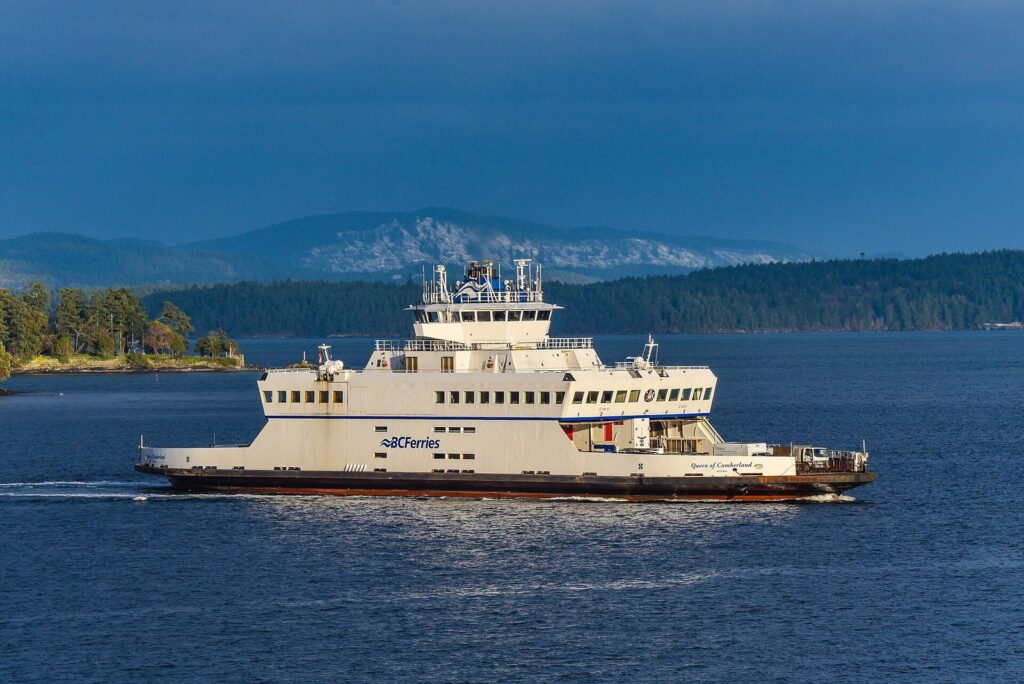
Vancouver, British Columbia, is on the mainland. Vancouver Island, a separate island across the Strait of Georgia, is home to Victoria, BC’s capital, and Tofino. And Vancouver, Washington, is a different city altogether, across the Columbia River from Portland, Oregon. Every year, travellers book a hotel in the wrong one or assume Victoria is a suburb. Check the province or state on every booking, and remember that reaching Vancouver Island means a ferry or a flight.
2. Cramming Whistler and Victoria into a weekend
Both make superb day trips, but not together, and not on a two-day visit. Whistler is about two hours each way on the Sea to Sky Highway, more on a busy weekend. Victoria means a drive to the ferry terminal, a crossing of well over an hour, and a drive into town at the far end, so a round trip eats most of a day before you’ve seen anything. Give each a full day at least, and consider a night in Victoria. Our guides to getting from Vancouver to Whistler and Vancouver to Victoria lay out the options, including seaplanes that turn Victoria into a short hop.
3. Forgetting the entry paperwork
Travellers from visa-exempt countries such as the UK, Australia and most of Europe need an eTA to fly to Canada, even if they’re only connecting at YVR. It costs C$7 online and usually comes through in minutes, but not always. Americans need neither, and nobody needs an eTA to arrive by car, train or cruise ship. Check your own case in our guide to Canada’s entry requirements before you pay for flights.
4. Leaving summer bookings too late
July and August fill up. Harbour Air advises booking at least a week ahead in summer if you want a specific seaplane time, popular tours and restaurants go the same way, and hotel prices depend heavily on when you book, especially around big events and cruise-ship days. If your dates are fixed, lock in the pieces that sell out first, then plan the rest around them.
What are the biggest getting-around mistakes?
5. Renting a car for a city stay
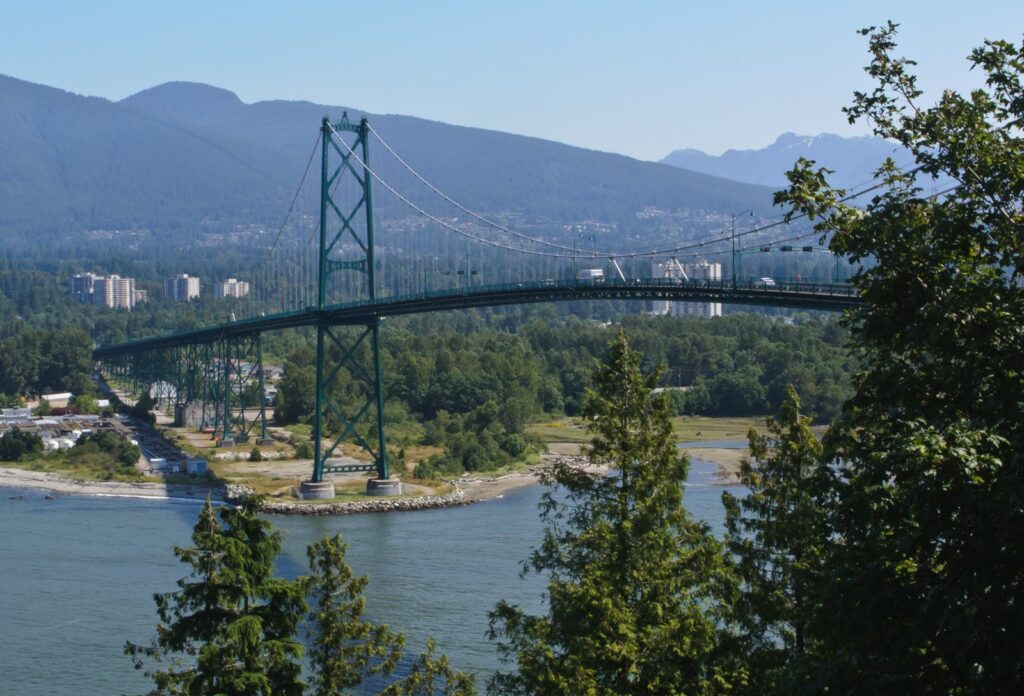
Downtown Vancouver is compact, walkable and well served by SkyTrain, buses, the SeaBus and little False Creek ferries. Parking is expensive, traffic across the bridges is slow at rush hour, and you’ll spend more time looking for a space than you’d spend on a bus. An adult DayPass covering all zones costs C$12.55, and you can tap a credit card or phone at the fare gates. Rent a car for a day trip if you need one, not for the whole stay; our guide to driving in Vancouver explains the parking and bridges if you do.
6. Grabbing a taxi at YVR by default
The Canada Line runs from the airport terminal to downtown, and for a solo traveller or a couple with manageable bags, it’s usually the cheaper way in. Trips starting at the airport stations add a C$6.50 AddFare on top of the regular fare. A taxi or rideshare still makes sense for families with lots of luggage or late-night arrivals, so compare before you join the taxi line; our guide to getting from YVR to downtown Vancouver has the side-by-side numbers.
7. Hitting the border at rush hour
Driving between Seattle and Vancouver, the border can add minutes or hours. Summer weekends, long weekends and holidays are the worst, as are Friday evenings northbound and Sunday afternoons southbound. Check the live waits before you commit to a crossing, and cross early in the morning if you can. Our guide to the Peace Arch border crossing covers the four crossings and what to declare.
Which money mistakes cost visitors most?
8. Reading prices without the tax, and paying in your home currency
Most goods and services in BC carry 12% sales tax, the 5% federal GST plus 7% PST; restaurant food carries just the 5% GST, alcohol 15%, and hotel rooms around 20% once all the levies are counted. Budget for it, or a C$100 shopping bag becomes C$112 at the till. And when a card terminal offers to charge you in your home currency, say no and pay in Canadian dollars so your own card network does the conversion. Our guide to money in Vancouver covers cards, ATMs and exchange rates.
9. Tapping the default tip everywhere, or tipping nothing
Tipping works much like it does in the US. A tip is customary for table service at restaurants and bars; counter service, coffee and takeout are optional, whatever the card machine suggests. Visitors from non-tipping countries sometimes leave nothing at a sit-down meal, which lands badly, while others tap 20% on every sandwich. Our guide to tipping in Vancouver sorts out who expects what.
10. Buying a sightseeing pass without doing the maths
Attraction passes can save money, but only if you’d visit enough of the included sights to beat the individual prices, at the pace the pass assumes. Many visitors pay for a pass, then spend a sunny day on the free seawall instead. List the attractions you’d genuinely visit, price them individually, and compare; the Vancouver Art Gallery alone is C$35 for visitors from outside BC, for example. Our guide to Vancouver tourist passes runs the numbers on the main options.
What safety and outdoor mistakes should you avoid?
11. Leaving anything in the car
Car break-ins are the crime visitors are most likely to meet, and rental cars with out-of-province plates are targeted at trailheads, viewpoints and on city streets. Leave nothing visible, not a bag, a jacket, a charging cable or a handful of coins. Our honest guide to whether Vancouver is safe covers the rest, including how to walk between Gastown and Chinatown.
12. Treating the North Shore like a city park
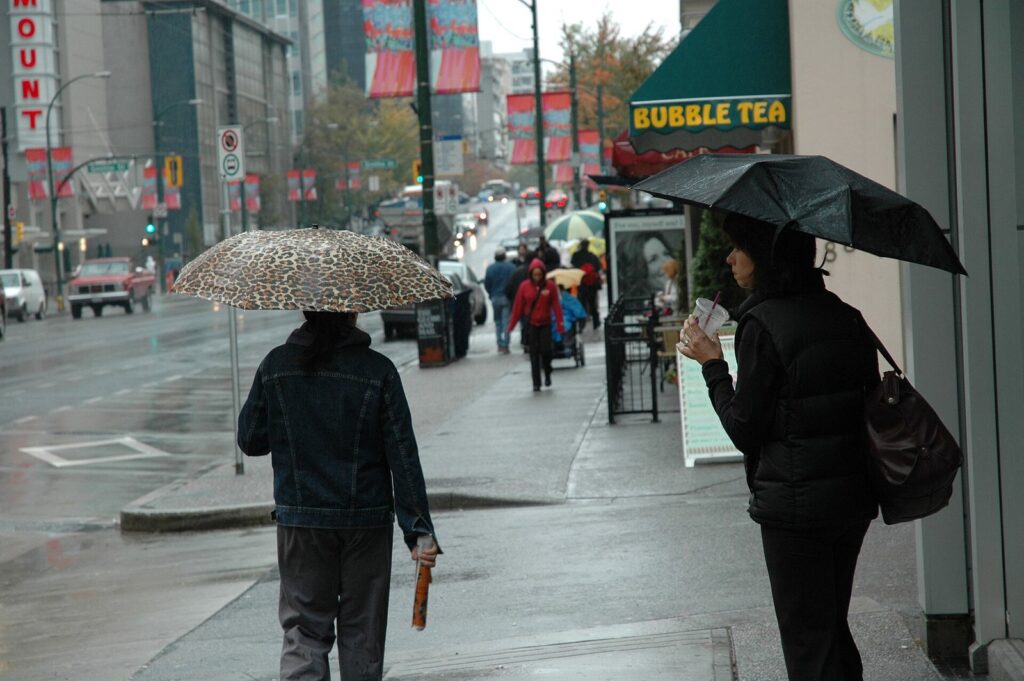
The mountains start twenty minutes from downtown and look tame from the seawall. They aren’t. Trails are steep, signal disappears, weather turns fast, and it gets dark early in winter. Tell someone your route, carry water, a light and a warm layer, start early and turn back in good time. From October 1, winter tires or chains are required on the Sea to Sky Highway to Whistler. And pack for the weather you’ll actually get: from autumn to spring, a waterproof jacket and shoes that can handle puddles beat an umbrella and a summer wardrobe.
13. Lighting up on the beach or the seawall
Cannabis is legal for adults 19 and over, but smoking or vaping it isn’t allowed in parks, and in Vancouver that means the beaches, the seawall and trails as well as the obvious green spaces. It’s also banned within 6 metres of bus stops and, with limited exceptions such as a parked camping vehicle, in vehicles, and taking it across the border requires a Health Canada permit or exemption. Our guide to cannabis in Vancouver explains where legal use actually is legal.
Which sightseeing mistakes are easy to fix?
14. Paying for one suspension bridge without knowing about the other
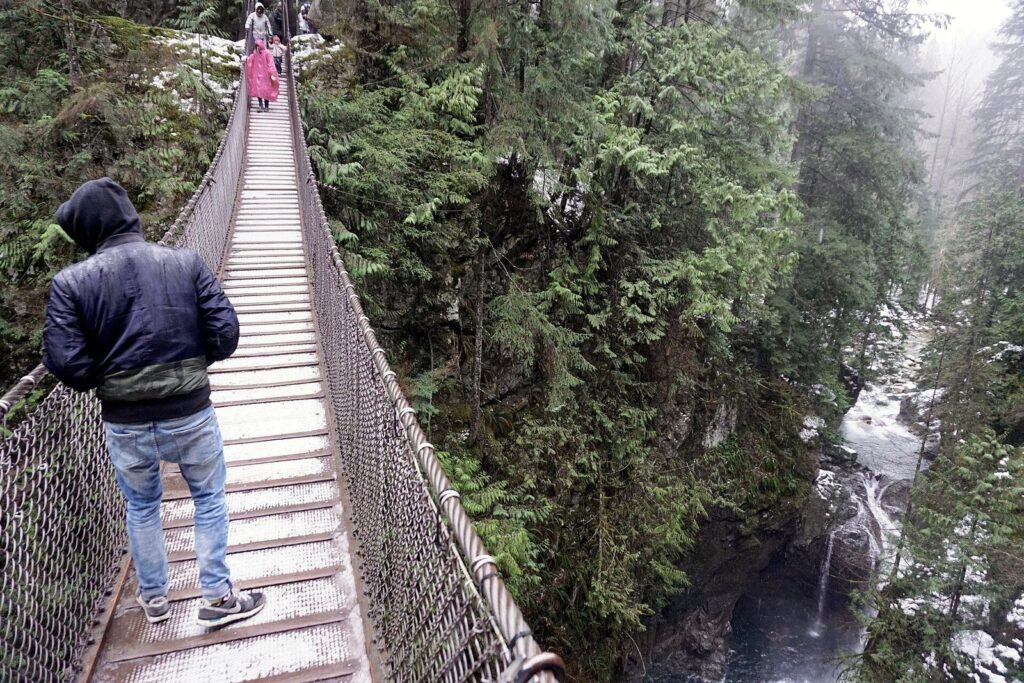
The Capilano Suspension Bridge is the famous one, a private park with treetop walkways and a cliffside walk, sold on date-based tickets that carry GST on top. It’s worth it for plenty of visitors. But Lynn Canyon Park, also in North Vancouver, has its own suspension bridge over a dramatic canyon, and it’s free, with no admission fee at all. It’s smaller, simpler and busy on summer weekends, and the District of North Vancouver occasionally closes the bridge for maintenance, so check its notices first. Decide which experience you want, rather than assuming there’s only one.
15. Planning around things that have closed, moved or changed
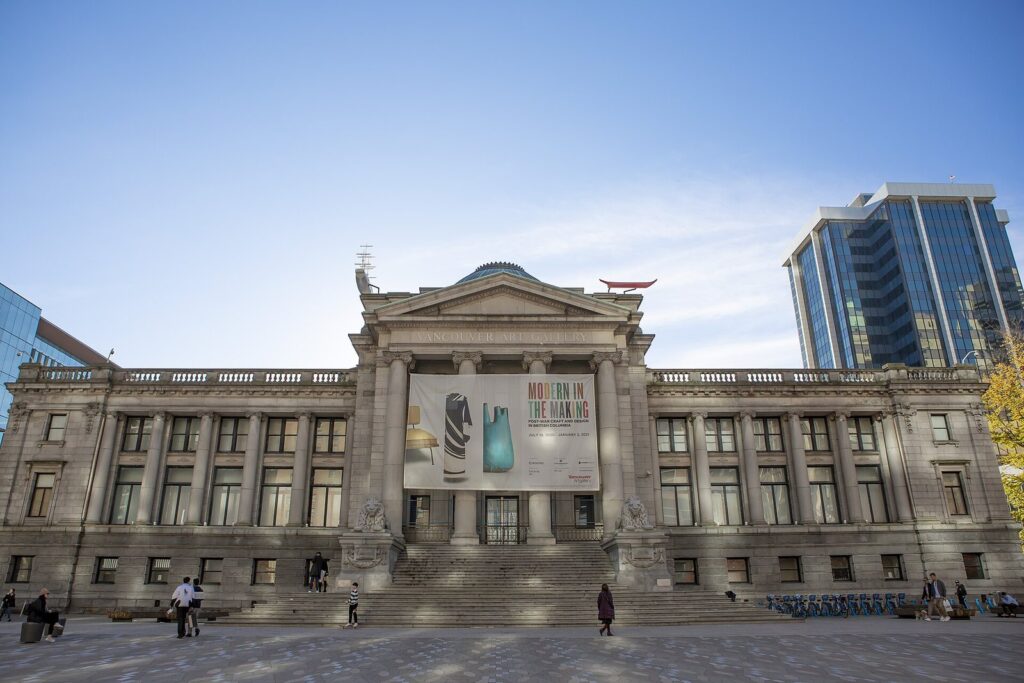
Guidebooks and older blogs lag behind the city. The Vancouver Art Gallery is closed on Tuesdays. The Bright Nights Christmas train in Stanley Park is gone: the miniature train shut down in December 2024 and hasn’t run since, and Bright Nights now runs at Cloverdale Fairgrounds in Surrey. Whistler’s summer bobsleigh rides finished on September 20, 2026, with public skeleton returning in December. And BC made its last clock change in March 2026: from November 1, clocks stay on permanent Pacific time instead of falling back, so winter mornings are darker and afternoons lighter than older guides say, with sunrise around 9:05 a.m. and sunset around 5:15 p.m. at the December solstice.
Are there tourist traps in Vancouver?
Not many in the classic sense. Vancouver’s problem is less rip-off attractions than good places at the wrong time, and a few sights that are better as quick stops than as destinations:
- Granville Island on a weekend afternoon. The public market is one of the city’s best stops, and one of its most crowded by early afternoon on summer weekends. Go on a weekday morning, or arrive when the stalls open.
- The Gastown steam clock as a destination. It’s a charming two-minute photo stop on a good walk through the old town, not a reason to cross the city. Pair it with the rest of Gastown and Chinatown.
- Paid viewpoints on a grey day. Observation decks and gondola rides are glorious in clear weather and a waste of money in low cloud. Check the webcams or the sky before you buy, and keep a rainy-day museum in reserve.
- Robson Street for shopping. It’s lively and central, but much of it is international chains you can find at home. For local shops, try Main Street, Commercial Drive or Gastown.
- Waterfront restaurants that trade on the view. Some are excellent, some coast on the scenery. Read recent menus and prices before you sit down, and remember that tax and tip can add more than a quarter to the menu price of a wine-heavy dinner.
The fix in every case is the same: go early, go on a weekday, or go when the weather suits the place.
None of these mistakes will ruin a trip on its own, but together they add up to wasted money and lost afternoons. Check the day-by-day details before you go, leave room in the plan, and the city rewards you. For the rest of the groundwork, see our complete Vancouver planning guide.
Vancouver tourist mistakes FAQ
What should you not do in Vancouver?
Don’t rent a car for a downtown stay, leave anything visible in a parked car, smoke cannabis on beaches or the seawall, or head into the North Shore mountains unprepared. Don’t forget the sales tax added to most purchases, don’t pay in your home currency at the card terminal, and don’t try to fit Whistler and Victoria into a short trip.
Is Vancouver Island the same as Vancouver?
No. The city of Vancouver is on the mainland of British Columbia. Vancouver Island is a large island across the Strait of Georgia, home to Victoria, the provincial capital, as well as Nanaimo and Tofino. Getting there means a ferry crossing or a flight, so it’s a separate trip rather than a neighbourhood of the city.
Can you visit Victoria as a day trip from Vancouver?
You can, but it’s a long day. By car and ferry, you drive to the terminal, cross the Strait of Georgia and drive into Victoria at the far end, which uses up much of the day in travel. A seaplane is far quicker but costs more. If you can, stay a night in Victoria so the trip doesn’t feel rushed.
Do you need a car in Vancouver?
Not for the city itself. Downtown is walkable, and SkyTrain, buses, the SeaBus and False Creek ferries cover most sights; an adult DayPass for all zones costs C$12.55. Parking is expensive and bridges are slow at rush hour. A car is useful for day trips to places like Whistler or the Fraser Valley, so rent one just for those days.
Is the Capilano Suspension Bridge worth it?
For many visitors, yes: it’s a polished private park with a long suspension bridge, treetop walkways and a cliffside walk, sold on date-based tickets with GST added. If you’re on a budget or just want the experience of crossing a canyon, Lynn Canyon Park’s suspension bridge in North Vancouver is free, though smaller and simpler, and occasionally closed for maintenance.
What are the biggest tourist traps in Vancouver?
Vancouver has few true tourist traps; the bigger risk is visiting good places at bad times. Paid viewpoints disappoint in low cloud, the Gastown steam clock is a quick photo stop rather than a destination, and Robson Street is mostly international chains. Go early, on weekdays, and in the right weather.
Related Vancouver guides
- Vancouver trip planning essentials: money, transit, safety and the rest of the groundwork
- Tipping in Vancouver: who to tip and how much
- Is Vancouver safe?: an honest guide to the city’s risks
- Vancouver tourist passes: when a pass pays off
- Capilano Suspension Bridge: what you get for the ticket
- Money in Vancouver: currency, cards and sales tax
Sources and verification
Checked on September 26, 2026 against the operators and agencies listed below. This guide was compiled from their published information rather than from other travel lists, and it doesn’t claim first-hand visits. Hours, prices and seasonal schedules change, so confirm the details for your dates.
- Vancouver Art Gallery: visit
- Capilano Suspension Bridge Park: tickets and hours; District of North Vancouver: Lynn Canyon Suspension Bridge notices
- TransLink: fares and payment; Harbour Air: seaplane flights
- Province of British Columbia: permanent Pacific time, winter tire and chain-up routes, where you can consume cannabis
- Whistler Sport Legacies: Whistler Sliding Centre
- Destination Vancouver: tax structure
Photo credits
- BC Ferries at Swartz Bay: photo by Gordon Leggett, Wikimedia Commons (CC BY-SA 4.0)
- Lions Gate Bridge: photo by InSapphoWeTrust from Los Angeles, California, USA, Wikimedia Commons (CC BY-SA 2.0)
- Rainy day downtown: photo by No machine-readable author provided. Alsafrata assumed (based on copyright claims)., Wikimedia Commons (CC BY 2.5)
- Lynn Canyon Suspension Bridge, 2016: photo by kallerna, Wikimedia Commons (CC BY-SA 4.0)
- Vancouver Art Gallery: photo by GoToVan, Wikimedia Commons (CC BY 2.0)
- Capilano Suspension Bridge (featured image): photo by Markus Säynevirta, Wikimedia Commons (CC BY-SA 4.0)