Here are the eTA Canada requirements in one breath: if you’re flying to Vancouver on a passport from a visa-exempt country such as the UK, Ireland, France, Germany, Australia, New Zealand, Japan or South Korea, you need an Electronic Travel Authorization, a C$7 online approval that’s linked to your passport. Americans need neither an eTA nor a visa. Most other nationalities need a visitor visa, though travellers from a group of visa-required countries, Mexico, Brazil, the Philippines and Thailand among them, can use an eTA instead if they’ve held a Canadian visitor visa in the past 10 years or hold a valid US non-immigrant visa, are coming for a temporary stay, and fly in. Arrive by car, train, bus or cruise ship and the eTA doesn’t apply at all.
This guide is for anyone working out what to sort before a Vancouver trip: landing at YVR, driving up from Seattle or joining an Alaska cruise. The one caveat that matters: an eTA or a visa gets you on the plane or to the border, nothing more. The border services officer who meets you decides whether you come in and for how long. Everything here was checked September 26, 2026 against Immigration, Refugees and Citizenship Canada (IRCC) and other Government of Canada pages. For money, phones, transit and the rest of the groundwork, start with our Vancouver travel tips.
Which document do you need? The quick answer
| Your passport or status | Flying into Vancouver | Driving, train, bus or cruise ship | Cost |
|---|---|---|---|
| US citizen | No eTA or visa; carry your passport | No eTA or visa; passport, or documents proving identity and citizenship | Free |
| US green card holder | Your national passport plus your green card; no eTA | Green card, or equivalent proof of US status | Free |
| eTA countries (UK, EU states, Australia, New Zealand, Japan, South Korea, Singapore, Taiwan, UAE and others; Romania electronic passports only, Taiwan ordinary passports with a personal identification number) | eTA plus passport | Passport only | C$7 eTA when flying |
| Mexico, Brazil, Philippines, Thailand and other conditional-eTA countries | eTA if you meet the visa conditions below; otherwise a visitor visa | Visitor visa | C$7 eTA, or visa fees |
| Other visa-required countries, including India, China, Colombia, Nigeria and Vietnam | Visitor visa | Visitor visa | Visa fees |
Depending on your nationality and how you travel, you may need a visa, an eTA or neither, but never both. A visitor visa already covers the flight, so visa holders don’t apply for an eTA on top of it.
Do you need a visa or an eTA to visit Vancouver?
Canada sorts visitors by passport, not by where they live, so a British engineer working in Seattle follows the British rules, not the American ones. Start with the passport you’ll actually travel on and find your group below.
If you hold a passport from an eTA country
Citizens of more than 40 visa-exempt countries and territories, including the UK, the EU states, Australia, New Zealand, Japan, South Korea, Singapore, Taiwan and the United Arab Emirates, need an eTA to fly to or through a Canadian airport. Romanian citizens need an electronic passport, and Taiwan’s travellers need an ordinary passport that contains a personal identification number. That includes a simple connection: if you’re flying London to Tokyo via YVR and never leave the airport, you still need one. The eTA is electronically linked to your passport and lasts up to five years, or until that passport expires if that comes first. Within that window you can visit as often as you like, normally for up to six months at a time.
The flip side is worth knowing. The eTA is only an air-travel rule, so the same traveller driving across from Washington State or stepping off a cruise ship needs just a valid passport.
If you’re American or hold a US green card
US citizens need no visa and no eTA. IRCC’s advice is to travel with a valid passport, which it calls the only reliable, universally accepted travel and identity document, and airlines will expect one anyway. At a land crossing or a sea port, Americans can instead show documents proving their full name, date of birth and citizenship, though a passport still makes the conversation shorter.
Lawful permanent residents of the US haven’t needed an eTA since April 26, 2022. Flying in, you need two things: a valid passport from your country of nationality and your valid green card, or equivalent proof of US status. By land or sea, the green card or equivalent proof is enough on its own. The classic slip is leaving the home-country passport in a drawer because the green card worked at the Peace Arch last summer; that won’t get you on a flight.
If your country needs a visa, check the conditional eTA first
Citizens of Antigua and Barbuda, Argentina, Brazil, Costa Rica, Indonesia, Malaysia, Mexico, Morocco, Panama, the Philippines, St. Kitts and Nevis, St. Lucia, St. Vincent and the Grenadines, Seychelles, Thailand, Trinidad and Tobago and Uruguay are visa-required, but they can apply for an eTA instead when three things line up:
- you’ve held a Canadian visitor visa in the past 10 years, or you currently hold a valid US non-immigrant visa;
- you’re coming for a temporary stay, normally up to six months;
- you’re flying to or through a Canadian airport on a passport from one of those countries.
One detail catches people out in a good way: the US visa has to be valid on the day you apply for the eTA, not on the day you travel. The mode of travel catches them out in a bad way. A Mexican traveller flying from Guadalajara to Vancouver with a valid US visa can use an eTA; the same person driving north from Seattle needs a full visitor visa, because the conditional eTA only covers air travel.
Everyone else from a visa-required country, and anyone who doesn’t meet those conditions, applies for a visitor visa online through IRCC. Processing times vary a lot by country and season, so apply before you pay for anything you can’t refund, and use IRCC’s own “check if you need a visa or eTA” tool if your situation is unusual.
How do you apply for an eTA, and what does it cost?
You apply online on the Government of Canada website, and it costs C$7. You’ll need a valid passport, a credit or debit card and an email address, and you’ll answer a few questions, including some about criminal history and health. Most applications are approved within minutes, but some take longer, and IRCC can come back asking for more documents. The sensible order is eTA first, flights second.
Four things save most of the grief:
- Use the official site. Third-party application sites can charge more than the official C$7 fee to submit the form for you. If the price isn’t C$7, you’re not on the Government of Canada site.
- Copy your passport number exactly. The eTA attaches to that number and nothing else. A swapped letter O and zero means your approval is linked to a passport that doesn’t exist, and the airline’s check-in system won’t find it. If you spot a mistake, apply again with the right number.
- Travel on the same passport. Renew your passport and the old eTA stays behind with it, so a new passport means a new application. Dual nationals should apply on the passport they’ll actually fly with.
- One eTA per person. Children need their own, and a parent can fill in the form for them.
An eTA isn’t a work or study permit, and it isn’t an entry guarantee. It tells the airline you’ve been screened and can board. What happens after you land is the border officer’s call.
Does it matter how you arrive in Vancouver?
It matters more than most people expect, because the eTA is tied to flying. Here’s how the rules land on the three common ways into the city.
Flying into YVR, or connecting through it
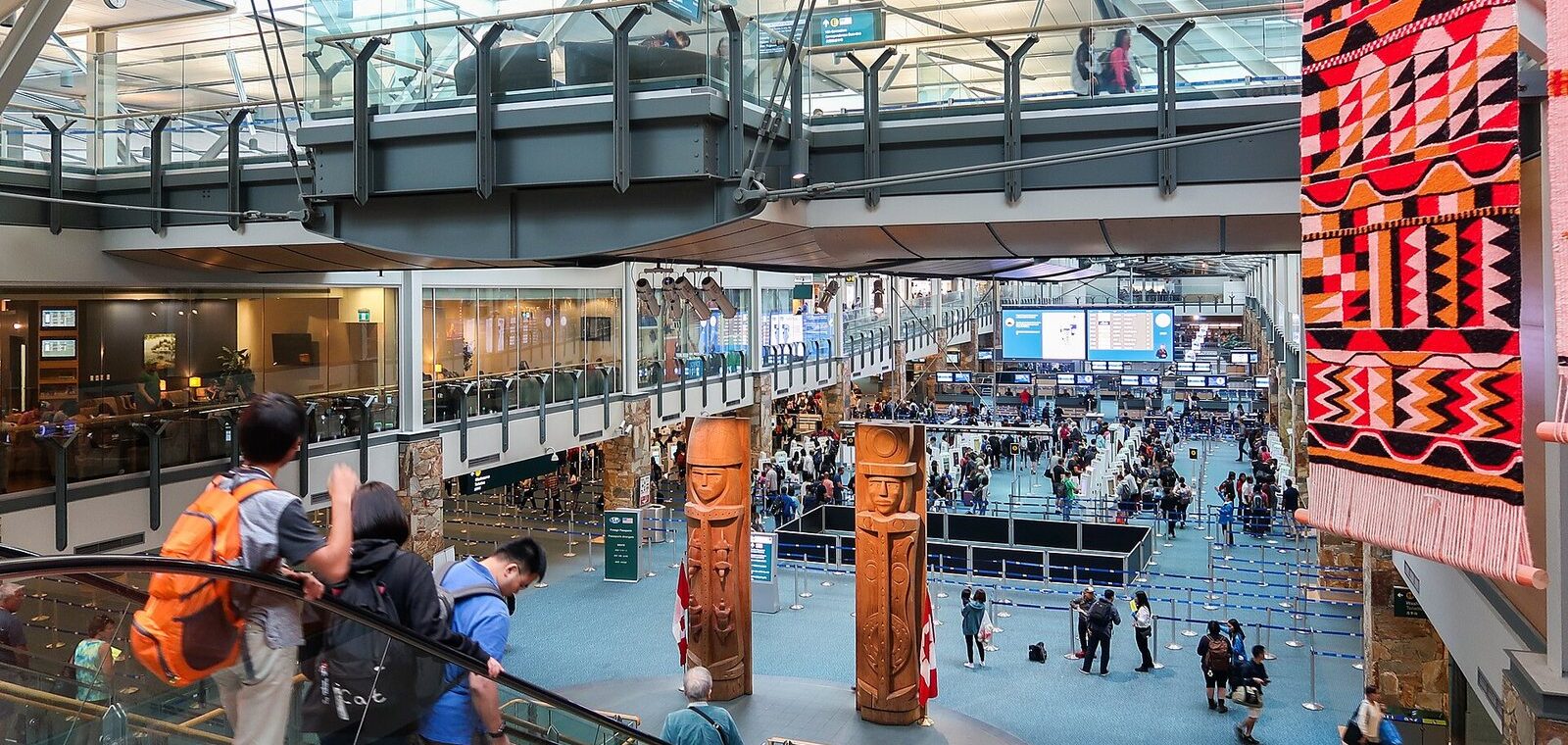
Vancouver International Airport is where the eTA rules bite. If your passport is on the eTA list, the airline checks for your approval at the departure gate or check-in desk, wherever you start, and without it you won’t board, even for a connection. After landing, international arrivals walk to Canada Border Services Agency (CBSA) inspection, answer a few customs questions and meet an officer. CBSA’s optional Advance Declaration in the ArriveCAN app lets you answer the customs questions before you fly, which can save a few minutes in the hall.
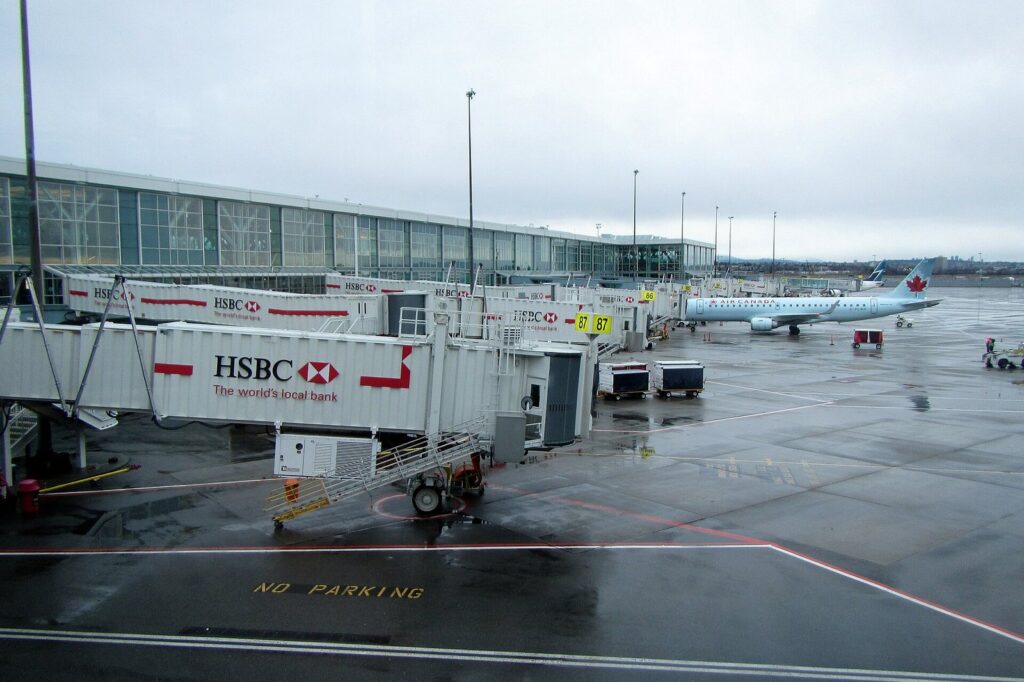
Connecting on to the US? YVR has US preclearance, so the American border check happens in Vancouver before you board, and you land in the US as a domestic passenger. If you’re staying in the city, the Canada Line runs from the terminal to downtown; trips starting at the airport stations add the C$6.50 YVR AddFare, and our guide to getting from YVR to downtown Vancouver compares it with taxis and rideshares.
Driving, or taking the train or bus from Seattle
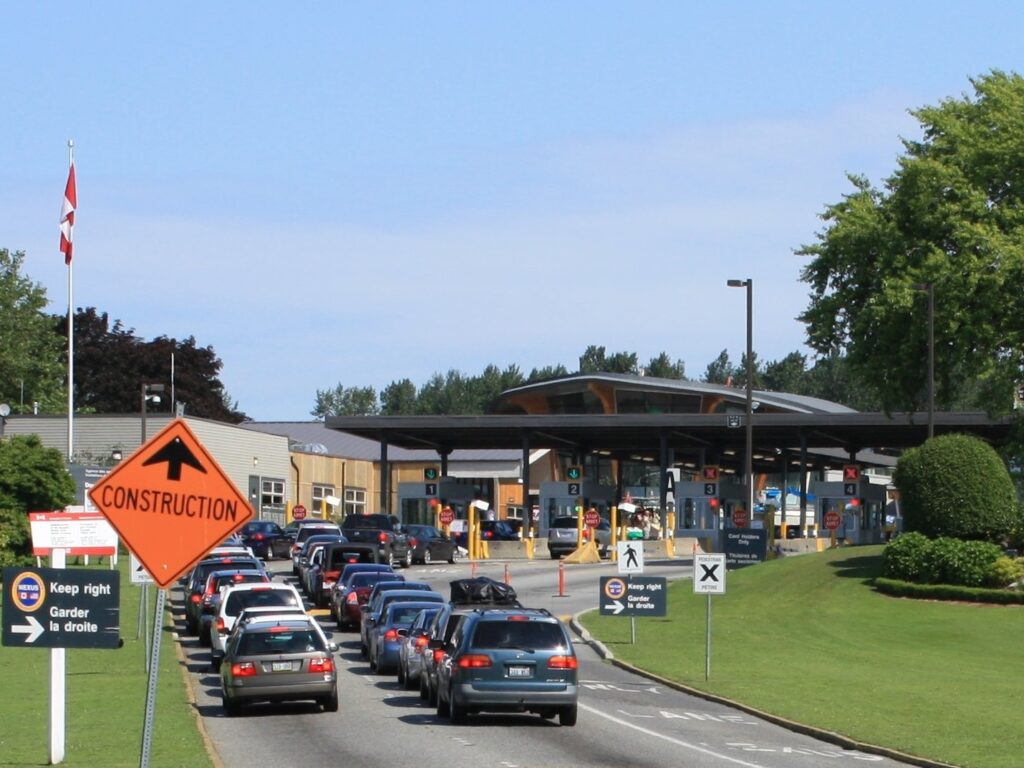
No eTA is needed at a land crossing, whatever your nationality, but everyone still needs a valid passport, and visa-required nationals, Mexicans included, need a visitor visa. Most drivers from Seattle cross at Blaine on Interstate 5, beside the Peace Arch, where the lineups on a summer Saturday can make the 230 km trip feel twice as long. Our separate Peace Arch border crossing guide covers wait times, which crossing to pick and what to declare. For the options on the road, rail and water, see our guide to travelling between Vancouver and Seattle.
Arriving or leaving on a cruise ship
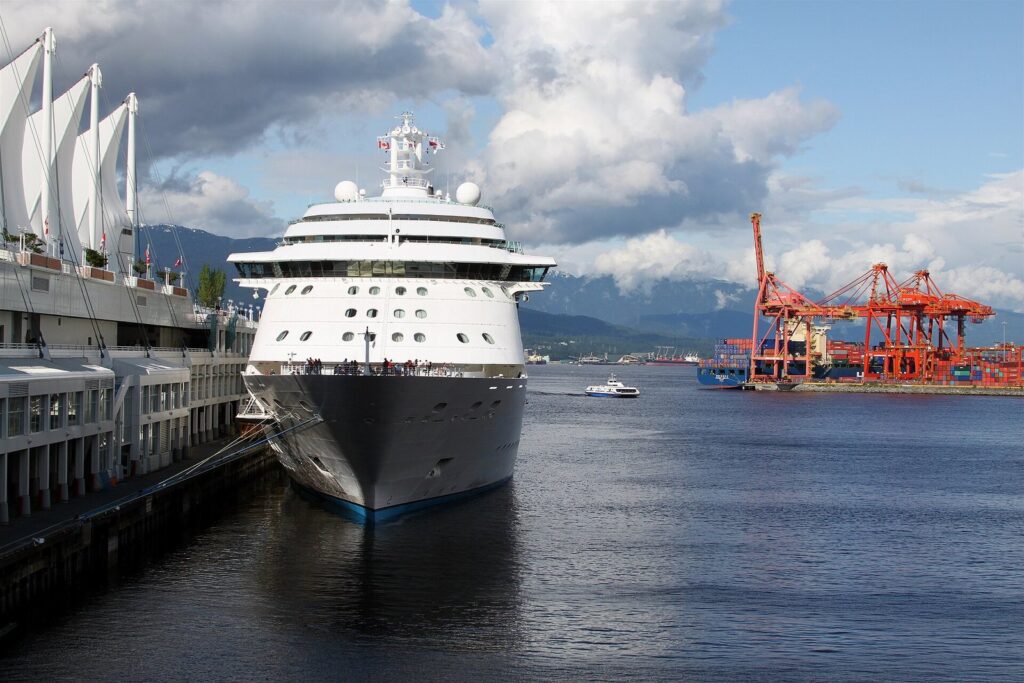
Cruise passengers who arrive in Vancouver on the ship itself don’t need an eTA, only a valid passport, because the eTA rule covers air travel. That changes the moment you fly in to join a cruise: a British couple flying into YVR to board an Alaska sailing at Canada Place needs eTAs for the flight, even though the ship part is visa-free. Travellers from visa-required countries need a visitor visa either way, unless they qualify for the conditional eTA and fly in. If you’re heading straight from the plane to the ship, our guide to getting from YVR to the cruise port covers the transfer.
What happens at the border when you land?
The border officer’s questions are usually short: why you’re visiting, where you’re staying, how long you’ll be in Canada and what you’re bringing. Have your accommodation address and return or onward travel details to hand, and answer plainly. Visitors are normally admitted for up to six months, and the officer can set a shorter or longer period and write it in your passport; if nothing is written, the six months applies. A cruise or a week in the city rarely raises an eyebrow; open-ended plans and a one-way ticket get more questions.

Then there’s customs. Declare food, plants and animal products, and anything you’re bringing in to sell or leave behind. Alcohol and tobacco have fixed duty-free allowances for visitors, and you must be of legal drinking age in BC, which is 19, to bring alcohol at all. Cash and monetary instruments of C$10,000 or more must be reported. Cannabis can’t cross the border in either direction, even between two places where it’s legal; buying and using it once you’re here is covered in our guide to cannabis in Vancouver for tourists. Declaring something and paying a little duty is always cheaper than being caught not declaring it.
Can a criminal record or a DUI stop you entering Canada?
Yes, and impaired driving is where most American visitors get caught out. A criminal conviction, including a DUI that feels like old news at home, can make you inadmissible to Canada, though rehabilitation or a temporary resident permit may allow entry. The eTA form asks about criminal history, and so will the officer; answer honestly, because misrepresentation is a separate ground for refusal that can do more damage than the original conviction.
If a conviction applies to you, don’t gamble on the officer’s discretion on the day of your trip. IRCC sets out two routes. Criminal rehabilitation is a permanent fix you can apply for once enough time has passed since your sentence ended. A temporary resident permit covers a specific trip when there’s a good reason for it. Both involve fees, paperwork and waiting, so start months ahead, not the week before your flight. IRCC’s page on overcoming criminal convictions explains which route fits, and for anything complicated, an immigration lawyer is money well spent compared with a refused entry and a wasted trip.
What about passports, children and dual citizens?
Passport validity
Your eTA dies with the passport it’s linked to, and an officer won’t admit you for longer than your passport is valid. If your passport expires within the next year or so, renew it first and then apply for the eTA, rather than paying twice. Airlines may apply their own validity checks on some routes, so read your carrier’s rules too.
Children
Children from eTA countries need their own eTA to fly. If a child is travelling with only one parent, with grandparents or with a school group, carry a signed consent letter from the absent parent or parents with their contact details. Border officers watch for children travelling without both parents and can ask for one, and a letter turns a long conversation into a short one.
Dual citizens
Most dual Canadian citizens need a Canadian passport to fly to or through Canada, and they can’t use an eTA on their other passport. The exception is American-Canadian dual citizens, who can travel with either their Canadian or their US passport. If you hold Canadian citizenship through a parent and have never had a Canadian passport, sort one out well before the trip.
Which eTA mistakes cause the most trouble?
- Paying a lookalike site. The official fee is C$7. Anything more is a middleman, and some of them are slow as well as expensive.
- Applying at the airport. Most approvals take minutes, but not all. If yours is held for review, you’ll be watching your flight board without you.
- Flying on a new passport. The eTA stays with the old one. Reapply after any renewal.
- Assuming the green card covers everything. It does by car; by air you also need your national passport.
- Driving in on a conditional eTA. The conditional eTA is air-only. Mexican, Brazilian and other visa-required travellers crossing by land need a visitor visa.
- Treating an old DUI as irrelevant. Check your admissibility before booking, not at the booth.
Get those right and the paperwork side of a Vancouver trip takes about ten minutes. If this is your first time in Vancouver, the next job is working out how to spend your days.
Canada entry requirements FAQ
How long does a Canada eTA take to be approved?
Most eTA applications are approved within minutes of paying the C$7 fee on the Government of Canada website. Some take longer, particularly if IRCC asks for more documents, so apply before you book flights rather than on the way to the airport. The approval arrives by email and is linked to your passport, so there’s nothing to print, although a screenshot is handy.
Do I need an eTA to drive from Seattle to Vancouver?
No. The eTA only applies to air travel, so no one needs one at a land border. You still need a valid passport, and US citizens can use other documents proving identity and citizenship. Travellers from visa-required countries, including Mexico, need a visitor visa to cross by land, even if they’d qualify for an eTA when flying.
Do US green card holders need an eTA for Canada?
No, not since April 26, 2022. To fly to Canada, US lawful permanent residents need a valid passport from their country of nationality and a valid green card or equivalent proof of US status. At a land or sea crossing, the green card or equivalent proof on its own is enough.
How long is a Canada eTA valid?
Up to five years, or until the passport you applied with expires, whichever comes first. During that time you can visit Canada as often as you like, normally for up to six months per visit, without applying again. Get a new passport and you’ll need a new eTA, because the approval is linked to the old passport’s number.
Do cruise passengers need an eTA for Vancouver?
Only if they fly. Passengers arriving in Vancouver by ship need a valid passport but no eTA. If you fly into YVR to board a cruise and hold a passport from an eTA country, you need an eTA for that flight. Travellers from visa-required countries need a visitor visa unless they qualify for the conditional eTA and fly in.
Is an eTA the same as a visa?
No. An eTA is a quick online screening for visa-exempt travellers who fly, costing C$7 and usually approved in minutes. A visitor visa is a fuller application for travellers from visa-required countries. Depending on your nationality and how you travel, you may need a visa, an eTA or neither, but never both, and none of them guarantees entry: the border officer makes the final decision when you arrive.
Related Vancouver guides
- Vancouver trip planning essentials: money, weather, transit and the rest of the groundwork
- YVR to downtown Vancouver: the Canada Line, taxis and rideshares from the airport
- YVR to the cruise port: getting from the plane to the ship
- Vancouver to Seattle: driving, trains and buses across the border
- First time in Vancouver: how to spend your first few days
Sources and verification
Checked on September 26, 2026 against the Government of Canada agencies listed below. This guide was compiled from their published rules rather than from other travel lists, and it doesn’t claim first-hand border crossings. Entry rules can change at short notice, so confirm your own situation with IRCC before you travel.
- Immigration, Refugees and Citizenship Canada: what you need to enter Canada, electronic travel authorization (eTA), how to apply for an eTA, eTA facts, eTA for citizens of some visa-required countries, overcoming criminal convictions
- Canada Border Services Agency: travellers
- TransLink: fares and the YVR AddFare
Photo credits
- Gates at Vancouver International Airport: photo by Bohao Zhao, Wikimedia Commons (CC BY 3.0)
- Peace Arch crossing: photo by dherrera_96 derivative work: Blueiculous (talk), Wikimedia Commons (CC BY 2.0)
- Cruise ship at Canada Place: photo by Roy Luck, Wikimedia Commons (CC BY 2.0)
- YVR international terminal: photo by Wpcpey, Wikimedia Commons (CC BY-SA 4.0)
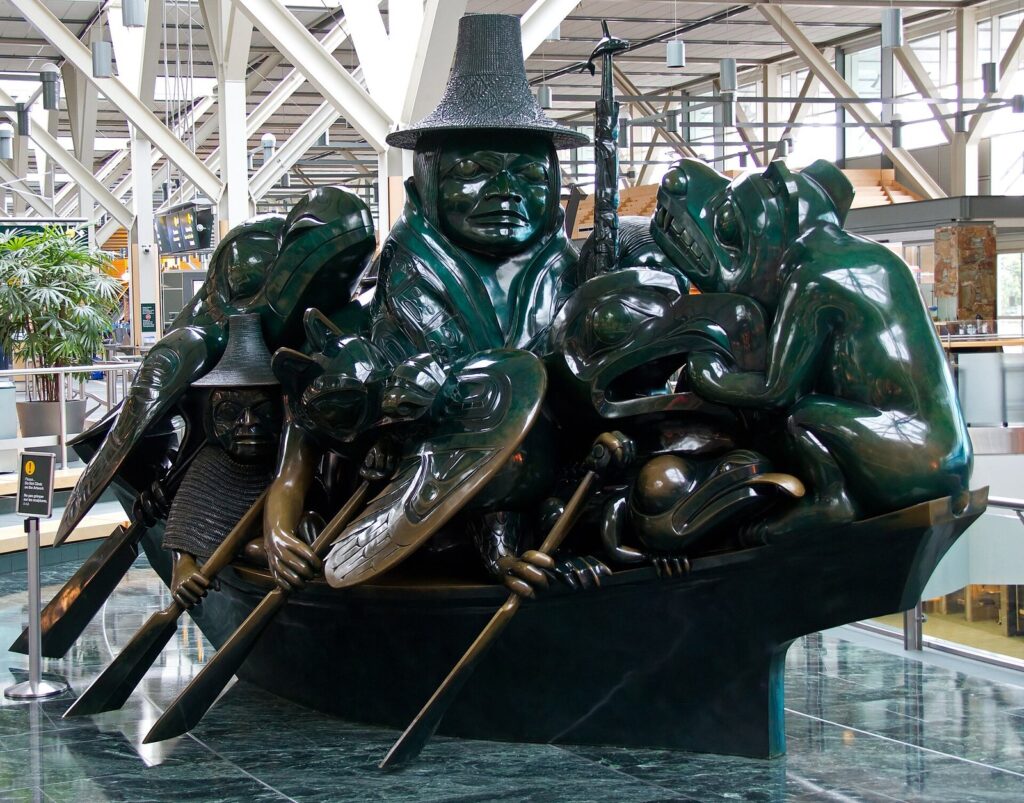
- The Jade Canoe at YVR, 2012: photo by Tony Hisgett, Wikimedia Commons (CC BY 2.0)
- YVR international arrivals hall (featured image): photo by Wpcpey, Wikimedia Commons (CC BY-SA 4.0)