PuSh International Performing Arts Festival is Vancouver’s mid-winter contemporary performance festival — three weeks of theatre, dance, music and multidisciplinary work from local, Canadian and international artists, staged in venues across the city. PuSh 2027 runs January 20 to February 7. It is the most adventurous thing on Vancouver’s cultural calendar, and it lands in the emptiest, wettest part of the year, which is precisely the point.
This guide covers everything for planning a PuSh visit — what the programming is actually like, ticketing strategy, venues, how to choose work when you cannot rely on a familiar title, and what first-timers should know about contemporary performance.
Table of Contents
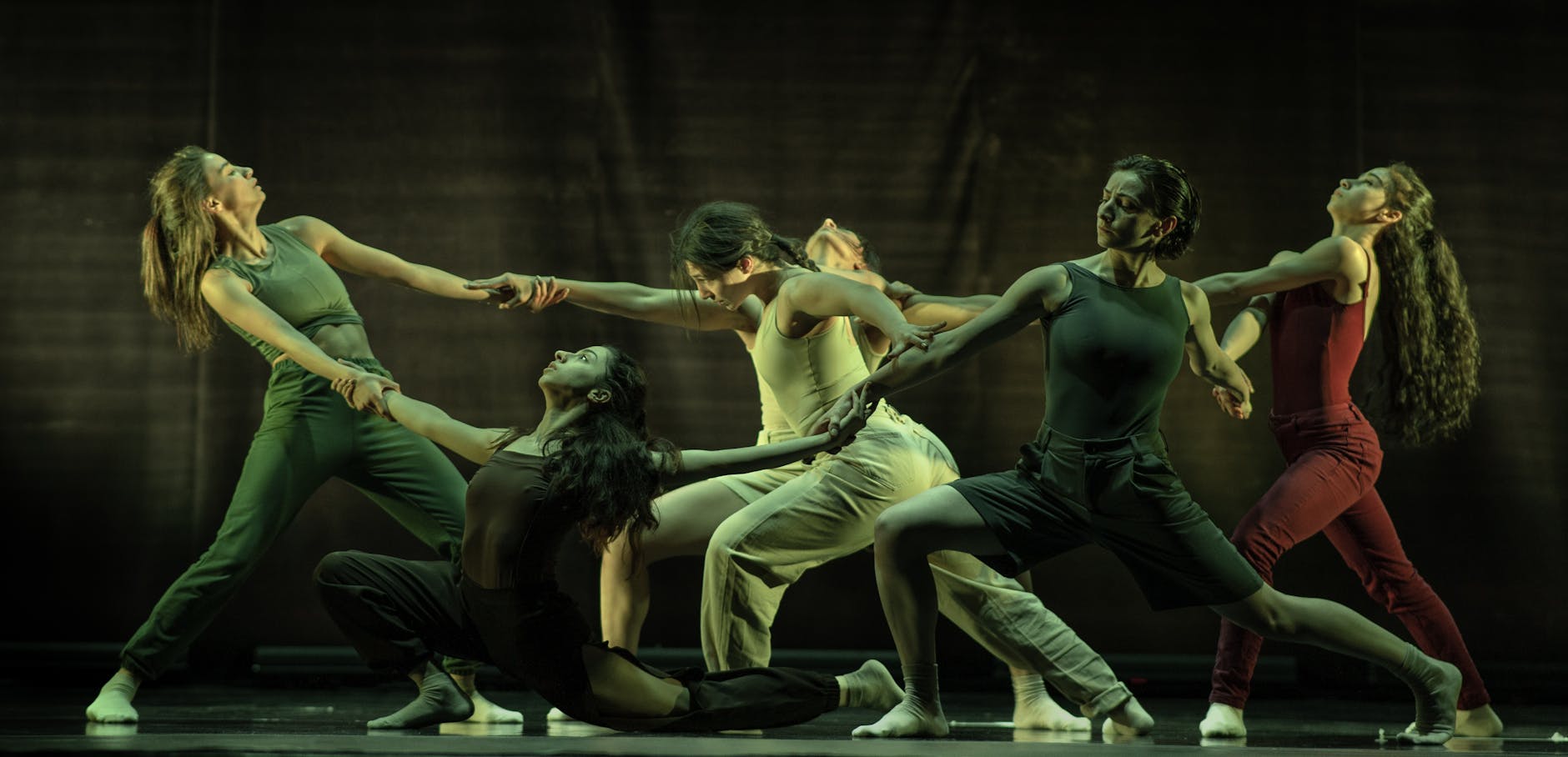
PuSh Festival Quick Overview
- 2027 dates: January 20 – February 7
- Duration: about three weeks
- Programme: roughly 25 works across theatre, dance, music and hybrid forms
- Typical single tickets: around C$25–65 depending on the work and venue
- Passes: multi-show passes offered, typically from around C$140
- Venues: spread across downtown, the East Side and beyond
- Programme released: autumn, ahead of the January opening
- Best for: travellers who want the contemporary art scene rather than the postcard version of a city
The seasonal logic is the whole idea. January and early February are Vancouver’s least touristed weeks — dark, wet and cheap. PuSh fills them with the most interesting work of the year, hotel rates are at their annual floor, and restaurants have tables. If you are considering a winter visit, this is the argument for it.
When PuSh Happens
- 2027: January 20 – February 7
- Typical pattern: opening in the third week of January, running three weeks into early February
- Programme announcement: autumn of the preceding year
- Busiest: the two weekends in the middle of the run
- Easiest tickets: weeknight performances, particularly in the first week
PuSh also overlaps or sits close to other winter programming — Dine Out Vancouver runs in the same window most years, which makes a January trip unusually well served for both culture and food.
What PuSh Actually Is
It is worth being direct about this, because “performing arts festival” undersells and mis-sells it. PuSh does not programme touring musicals, ballet standards or conventional plays. It programmes contemporary performance — work that is frequently formally experimental, politically engaged, and not always sorted neatly into theatre, dance or music.
A typical PuSh programme might include a piece of documentary theatre built from interview transcripts, a dance work with no recognisable choreography, a durational installation you walk through rather than sit at, an Indigenous performance work, and something with headphones and a map that sends you into the street alone.
That is the appeal and it is also the risk. Some of what PuSh presents is extraordinary and some of it will not land for you. Audiences who come expecting a night at the theatre occasionally leave baffled. Audiences who come expecting to be provoked almost always get their money’s worth.
Festival History
PuSh grew out of a collaboration between two Vancouver theatre companies in the early 2000s and became an independent festival society as it expanded. It was built to fill a genuine gap: Vancouver had a lively local performance scene but few opportunities to see international contemporary work without flying to Montreal, New York or Europe.
Over two decades it has become the main point of contact between Vancouver audiences and the international contemporary performance circuit, and a significant platform for BC and Indigenous artists to show work alongside it. It has also weathered the sector’s hard years — the pandemic shutdown and the funding pressure that followed — which is more than several comparable Canadian festivals managed.
Programming Categories
PuSh does not divide its programme into rigid strands, but the work tends to fall into recognisable kinds.
- Contemporary theatre — including documentary and verbatim work, often politically engaged
- Contemporary dance — from established international companies to solo experimental work
- Music and sound — concerts, sound installations, and music-theatre hybrids
- Multidisciplinary and hybrid work — the festival’s centre of gravity, and the hardest to describe
- Indigenous performance — a sustained programming commitment, with work by Indigenous artists from Canada and internationally
- Immersive and participatory work — audio walks, one-on-one performances, installations
- Talks, workshops and industry events — some free and open to the public
Free programming exists most years — talks, installations and public events — which is a low-risk way to sample the festival before committing to a ticket.
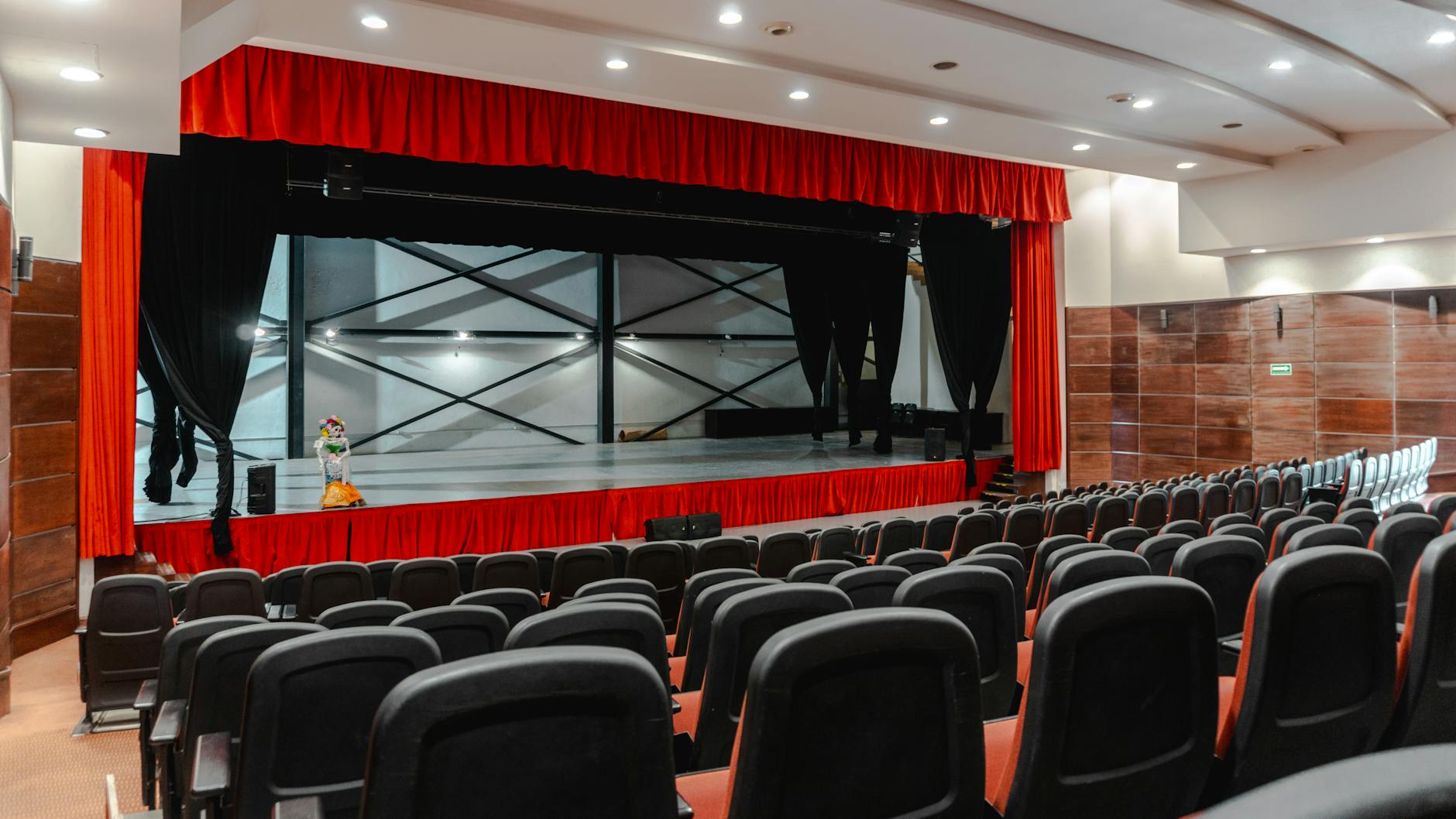
Festival Venues
PuSh uses venues across the city rather than a single festival site, and the venue is usually a signal about the work.
- The Vancouver Playhouse and larger downtown theatres — the bigger international touring works
- Performance Works and Granville Island venues — mid-scale theatre and dance
- The Cultch (Vancouver East Cultural Centre) — a converted East Side church and one of the city’s best rooms for contemporary work
- SFU Woodward’s and the Goldcorp Centre — downtown-east, frequently for the more experimental programme
- Scotiabank Dance Centre — dance work in a purpose-built downtown venue
- Site-specific locations — galleries, streets, offices and outdoor spaces, announced with the individual work
Check venue locations when booking. The Cultch on Venables and a downtown theatre are a genuine cross-city trip, and PuSh schedules do not always allow for it. Small venues also mean small capacities, which is why the most talked-about works sell out first.
Ticket Strategy
- Single tickets: typically around C$25–65, varying by work and venue
- On sale: when the programme is announced in autumn
- Book early for: international touring companies, anything in a small venue, and immersive or one-on-one works with tiny capacities
- Easier: weeknights, and the festival’s first week
- Discounts: student, senior and under-30 rates are commonly offered — check when booking
Prices and pass structures shift year to year, so treat these as planning ranges and confirm at pushfestival.ca when the programme lands.
The capacity issue is the one to plan around. A large touring dance work in a downtown theatre will have tickets available for weeks. An audio walk or a one-on-one performance may have forty slots for the entire festival, and those go within days of the programme release.
Festival Passes
PuSh sells multi-show passes, typically starting around C$140, which reduce the per-show cost and are the sensible route if you are attending several works.
- Multi-show passes — a set number of shows at a reduced rate
- Flexibility — passes generally let you choose works after purchase, though popular shows still need early booking
- Break-even — usually around three to four shows, depending on the tier
- Worth it if you are making a dedicated trip; less so for a single evening
Buying a pass and then booking specific performances immediately is the strategy that works — a pass does not hold a seat on its own.
How to Pick Performances
This is genuinely harder than picking films, because the titles mean nothing and the descriptions are often written in the language of contemporary art.
- Read the artist, not the synopsis. Where the company is from and what else they have made tells you more than a paragraph of programme copy.
- Watch the trailers. PuSh posts video for most works, and 90 seconds of footage settles the question faster than any description.
- Use the venue as a signal. A large downtown theatre means a conventional seated experience; a site-specific location means something else entirely.
- Check the duration and the form. “Durational, six hours, drop in” is a very different commitment from a 75-minute seated piece.
- Look for a Canadian or world premiere if you want the thing nobody has seen yet.
- Book one safe and one risky. The most reliable approach to a festival like this.
Practical warning signs to read carefully: notes about audience participation, strobe lighting, loud sound, haze, nudity or moving between spaces. PuSh flags these properly — take the flags seriously rather than being surprised.
If You’ve Never Seen Contemporary Performance
PuSh can be a wonderful introduction or a bewildering one, depending on where you start.
- Start with dance if you are unsure — it asks less of an audience unfamiliar with the conventions than experimental theatre does
- Or start with documentary theatre, which usually has a clear subject and a narrative spine
- Avoid opening with immersive or participatory work unless you actively want to be involved
- Go to a talkback — hearing the artists explain their intentions retroactively improves the experience
- Accept not understanding everything. That is a normal response, including among regular audiences
- Try a free event first if the festival has one, before spending on a ticket
The single best move is to go with someone and get a drink afterwards. Contemporary performance is much better when you argue about it.
Talkbacks & Artist Discussions
PuSh runs post-show talkbacks, artist discussions and panels throughout the festival, and they are among its most valuable components.
- Post-show talkbacks with artists after selected performances
- Panel discussions on themes running through the programme
- Workshops and masterclasses, some open to the public
- Industry programming for artists and presenters, partly public-facing
- Many are free — check the programme
For international work especially, the talkback is where the context arrives. A piece that felt opaque for 70 minutes often clicks entirely in the twenty minutes afterwards.
Making a Winter Trip of It
PuSh is a strong reason to visit Vancouver in its least obvious season, and the economics are favourable.
- Hotel rates are at their annual low in late January
- Restaurants have availability, and Dine Out Vancouver usually overlaps with set-price menus
- Skiing is at its best — the North Shore mountains are 30 minutes from downtown, Whistler two hours
- Museums and galleries are quiet
- Weather: wet and around 5–8 °C; dark soon after 5 PM — plan indoor days and bring a proper rain shell
A workable winter itinerary pairs PuSh evenings with ski days or gallery afternoons. See our winter in Vancouver pillar and our Vancouver in winter month guide.
Where to Stay
Because venues are scattered, stay somewhere with good transit rather than next to one theatre.
- Downtown: closest to the majority of venues and walkable to several; best overall choice
- Yaletown: good restaurants, short walks or transit to most venues
- Mount Pleasant / Main Street: well placed between downtown and the Cultch, cheaper, strong food scene
- Commercial Drive: right by the Cultch, with good SkyTrain access downtown
January rates are the lowest of the year across all of these, so it is worth booking somewhere central rather than economising on location. See our where to stay in Vancouver guide.
Food & Drink Near Venues
- Downtown venues: Granville, Davie and Robson all within a short walk, from quick to substantial
- The Cultch: Commercial Drive is two minutes away — Italian, Ethiopian, Vietnamese and cafes
- SFU Woodward’s: Gastown is adjacent, with the city’s densest cluster of good restaurants
- Granville Island venues: the Public Market for something quick before an early show
- Post-show: most venues have a bar, and the lobby conversation after a difficult piece is part of the experience
Book dinner if you are eating before a show. Dine Out Vancouver frequently overlaps with PuSh, and popular restaurants fill on those evenings.
Tips for First-Timers
- Book as soon as the programme drops in autumn — small-capacity works sell out within days
- Watch the trailers before choosing; descriptions are unreliable, video is not
- Check venue locations — the Cultch and downtown are not close
- Read the content and format warnings properly
- Two shows in an evening is ambitious; one plus a talkback is better
- Go to at least one talkback
- Book one safe work and one risky one
- Try the free programming before committing to tickets
- Dress for January rain, and for walking between venue and transit
- Leave time for a drink afterwards — this work improves with discussion
Related Vancouver guides
Keep planning with these guides:
- Vancouver in Winter (2026)
- Vancouver International Film Festival (VIFF) (2026)
- TaiwanFest Vancouver (2026)
PuSh Festival FAQs
When is the PuSh Festival 2027?
January 20 to February 7, 2027 — about three weeks, in venues across Vancouver. The programme is announced in the autumn beforehand, and tickets go on sale at the same time.
What kind of work does PuSh programme?
Contemporary performance — experimental theatre, contemporary dance, music and sound work, immersive and participatory pieces, and hybrid work that does not sit in any one category. It does not programme touring musicals, ballet standards or conventional plays.
How much are PuSh tickets?
Typically around C$25–65 for single tickets depending on the work and venue, with multi-show passes usually starting around C$140. Student, senior and under-30 discounts are commonly available. Confirm current pricing at pushfestival.ca when the programme is released.
Is a PuSh pass worth it?
If you are seeing three or four shows or more, yes — that is roughly where passes break even. Buy the pass and then book specific performances immediately, because a pass does not hold a seat and small-capacity works sell out fast.
Where are PuSh performances held?
Across the city — downtown theatres, the Cultch on the East Side, SFU Woodward’s, the Scotiabank Dance Centre, Granville Island venues and site-specific locations. Check the venue when booking, because they are not all close together.
Is PuSh good for someone new to contemporary performance?
It can be an excellent introduction if you choose carefully. Start with dance or documentary theatre rather than immersive or participatory work, watch the trailers before booking, go to a talkback, and accept that not understanding everything is a normal response.
What sells out at PuSh?
Small-capacity work — audio walks, one-on-one performances and anything in an intimate venue — often within days of the programme announcement. Larger touring productions in downtown theatres usually have tickets available for weeks.
Are there free PuSh events?
Most years, yes — talks, panels, installations and public programming. These are a low-risk way to sample the festival before buying a ticket.
Why is PuSh held in January?
Deliberately. January and early February are Vancouver’s quietest, wettest, cheapest weeks, and PuSh fills them with the year’s most interesting work. Hotel rates are at their annual low and restaurants have tables, which makes it a genuinely good time to visit.
Can I see two PuSh shows in one evening?
Sometimes, but it is ambitious. Venues are spread across the city and many performances have post-show talkbacks worth staying for. One show plus a talkback and a drink afterwards is the better evening.
Related reading: Pair this with our Vancouver events and festivals pillar, our Vancouver Art Gallery guide, and our things to do in Vancouver guide for daytime plans between performances.