
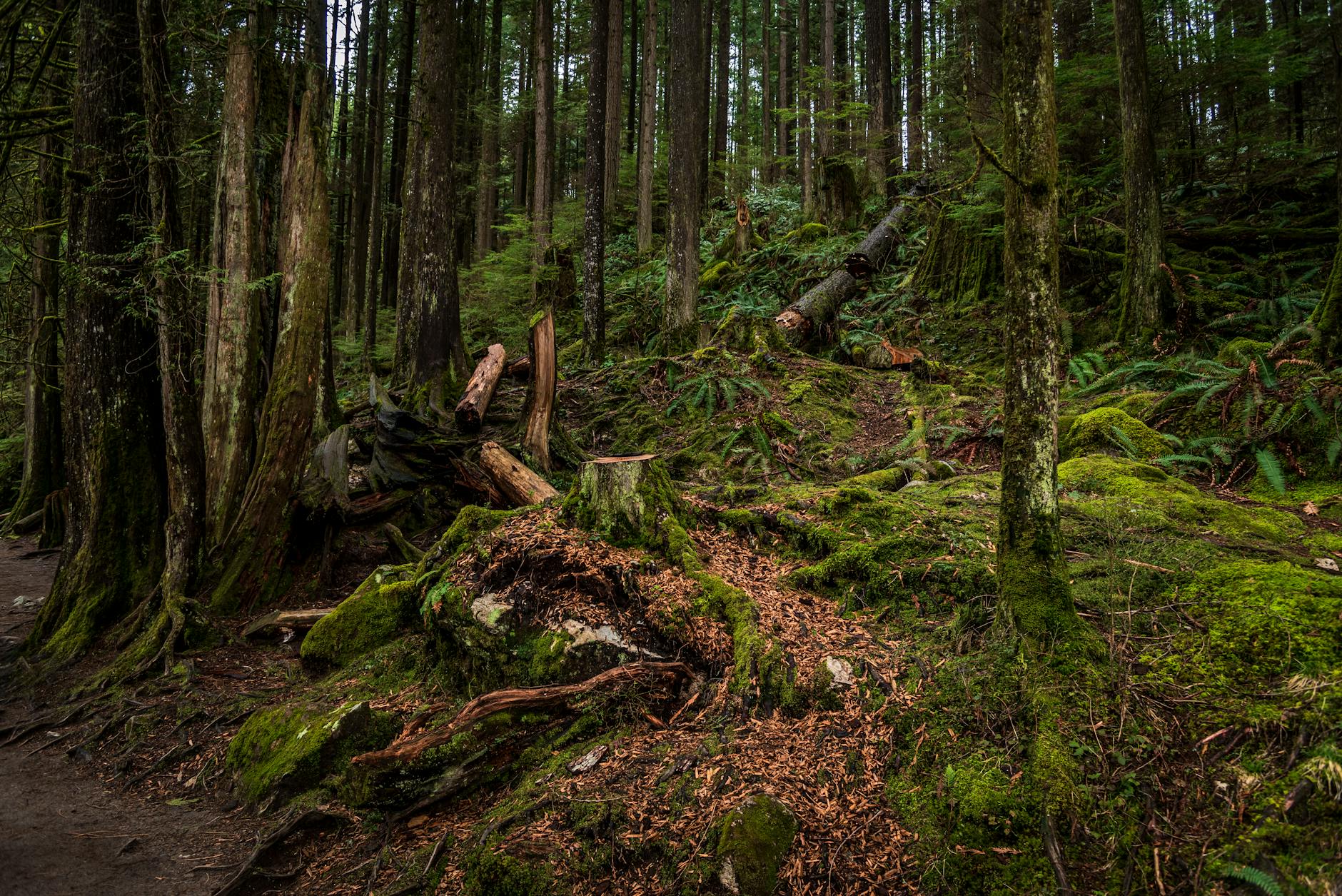
Pacific Spirit Park is UBC’s 763-hectare forest backyard — a vast network of mature second-growth and old-growth Pacific coast rainforest crisscrossed by 70+ km of trails. Surrounding the University of British Columbia campus, the park sits on the Point Grey peninsula about 30 minutes from downtown Vancouver. It’s where locals run, walk dogs, mountain bike, and enjoy quiet forest time without leaving the city.
This guide covers Pacific Spirit Park’s best trails, access points, what’s special about its old-growth ecosystem, and how to combine it with UBC museums and Wreck Beach for a full Point Grey day.
Table of Contents

Pacific Spirit Park: Quick Facts
- Size: 763 hectares
- Location: Point Grey peninsula, surrounding UBC campus
- Distance from downtown: 30-40 minutes by car or transit
- Trail network: 70+ km
- Cost: FREE (no admission)
- Established: 1989 by GVRD
- Vibe: Quieter than Stanley Park; serious hiker/runner/cyclist destination
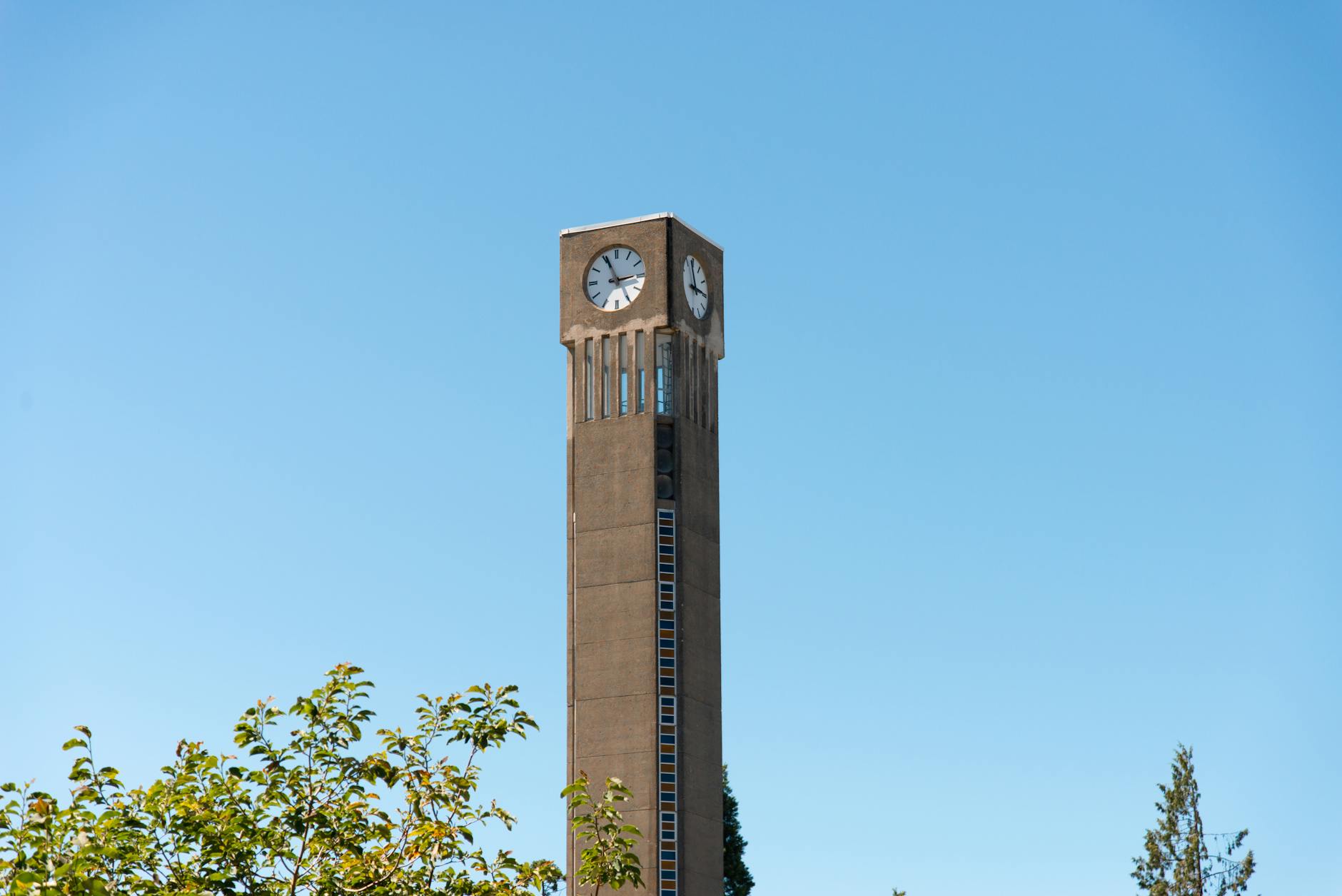
Getting There
By car: Highway 99 → 41st Avenue → SW Marine Drive. About 30-40 minutes from downtown.
Parking: Free at multiple lots — Camosun Bog parking, Cleveland Trail parking, 16th Avenue parking, all free.
By transit: Bus 4 to UBC Bus Loop, walk into park; or 99 B-Line to UBC Bus Loop. About 45 minutes from downtown.
By bike: Excellent bike infrastructure connects to UBC. About 13 km from downtown via Kits-UBC route.
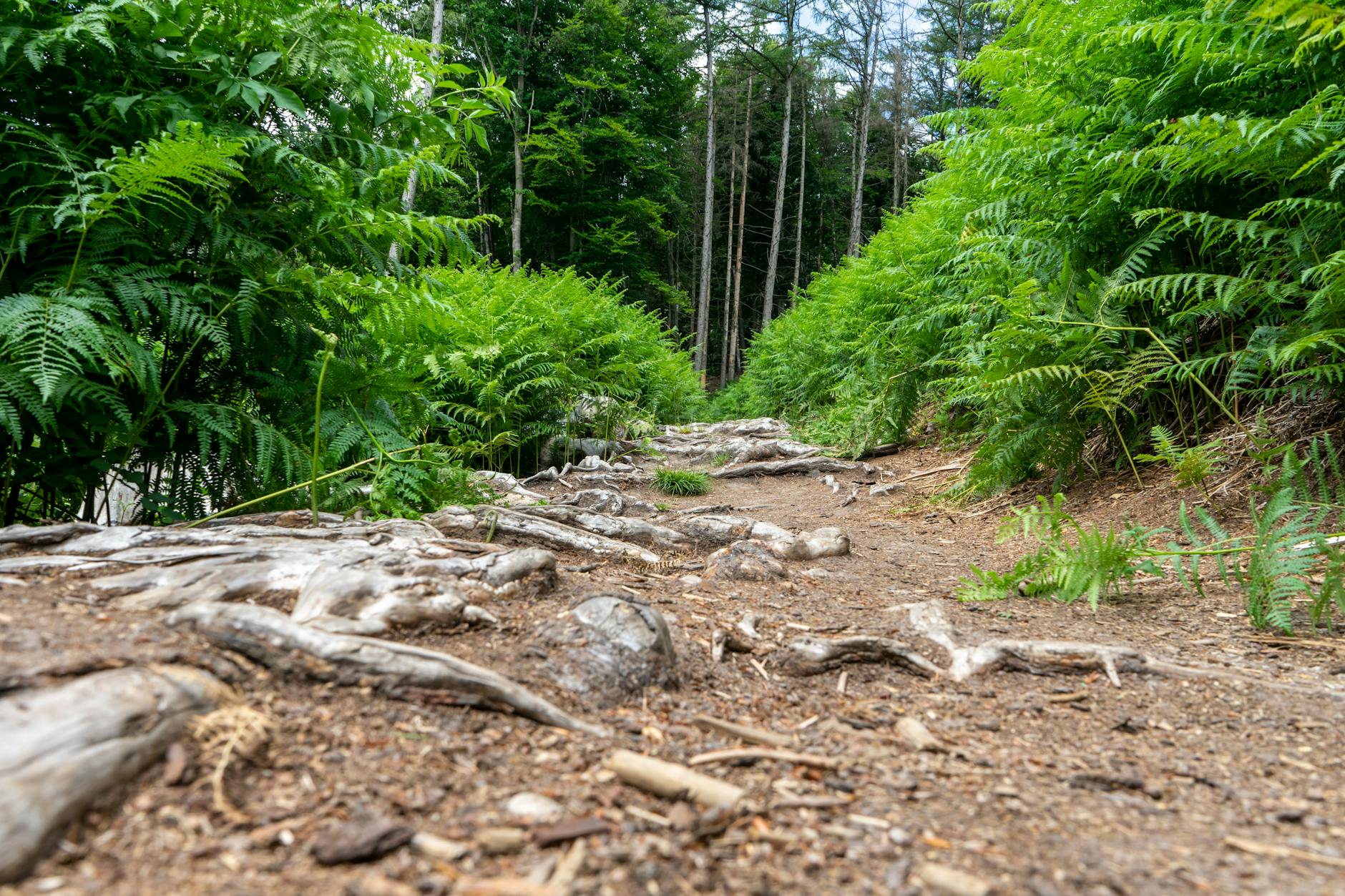
Best Trails
Easy (under 1 hour):
- Sword Fern Trail (1 km loop): Easy access; flat; mature second-growth forest
- Camosun Bog Boardwalk (0.5 km): Wheelchair accessible; unique bog ecosystem
Moderate (1-2 hours):
- Salish Trail (5 km loop): Through old-growth Western hemlock and Douglas fir
- Imperial Trail (4 km): Connects to Wreck Beach
- Cleveland Trail (3 km loop): Heritage logging trail with massive stumps
Longer (2-3 hours):
- Pacific Spirit Park Loop (12 km): Combines multiple trails for substantial circuit
- Top of the World Trail extension (8 km): Multiple peaks within the park
Trail markers: Most trails are well-marked with directional signs. Pick up free park map at any trailhead.

Old-Growth Sections
Pacific Spirit Park preserves some of Metro Vancouver’s most accessible old-growth Pacific coast rainforest.
Old-growth highlights:
- Some hemlocks and Douglas firs over 200 years old
- Massive stumps from early-1900s logging mark where ancient trees once stood
- Rich understory with sword ferns, salal, Oregon grape, lichens
- Devil’s club (with its iconic spines)
Why this matters: Most accessible old-growth Pacific Northwest is on Vancouver Island. Pacific Spirit’s old-growth (and Lighthouse Park‘s, Stanley Park’s) is among the most accessible from a major city in North America.
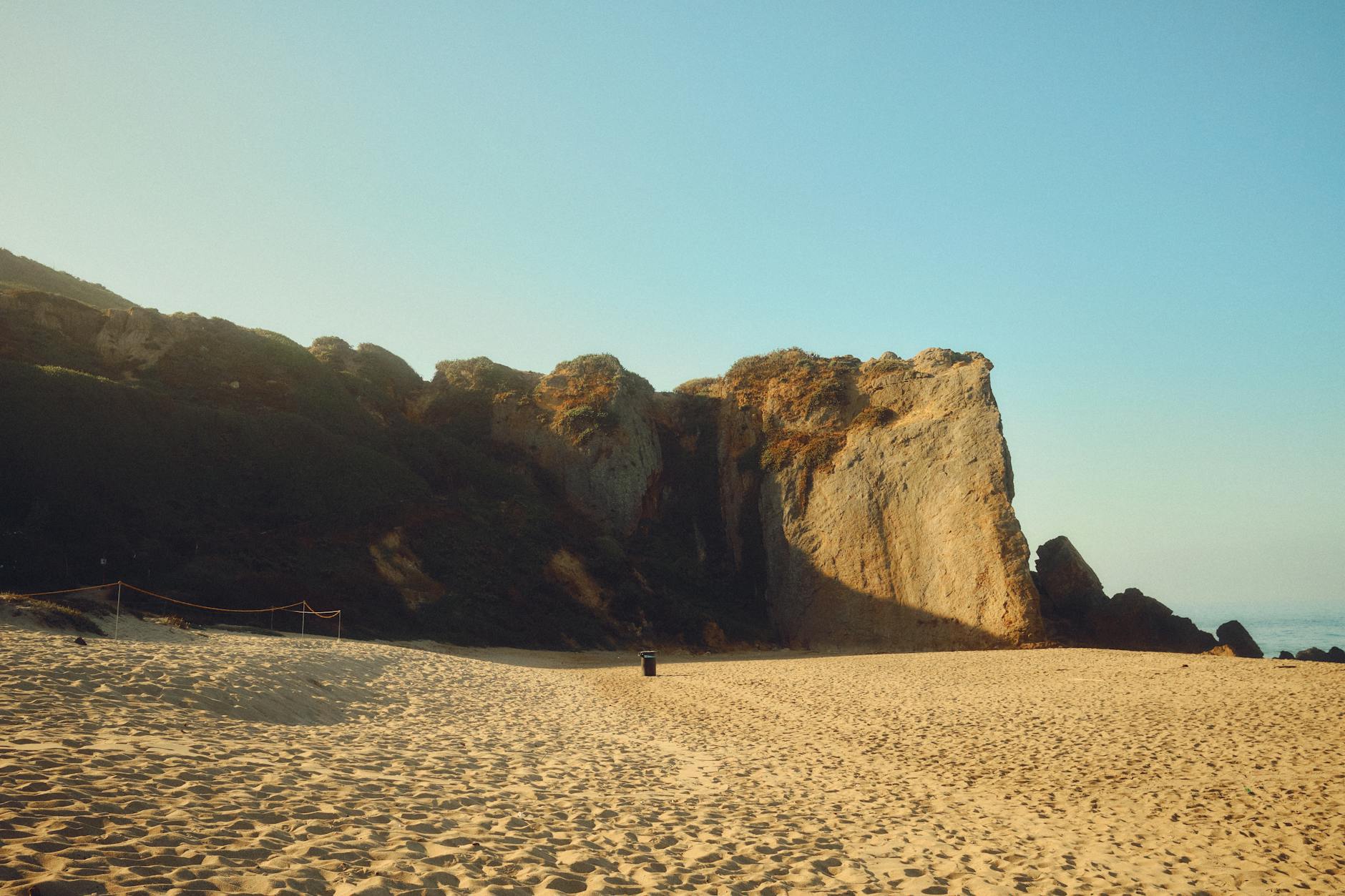
Wreck Beach Connection
Wreck Beach is Vancouver’s clothing-optional beach, accessed via Pacific Spirit Park trails.
How to reach Wreck Beach:
- Park at SW Marine Drive trailhead
- Take Imperial Trail down 600+ stairs
- About 30 minutes descent; 45+ minutes ascent (on cardio days)
What you’ll find: Sandy beach with unique social culture, food and drink vendors, sunset views, occasional driftwood structures.
Note: Clothing is optional but not required. Beach is generally welcoming and family-friendly despite reputation.
Ascent challenge: The 600+ stairs back up are notoriously punishing — bring water, snacks, and time. Most visitors take 45-60 minutes for return.
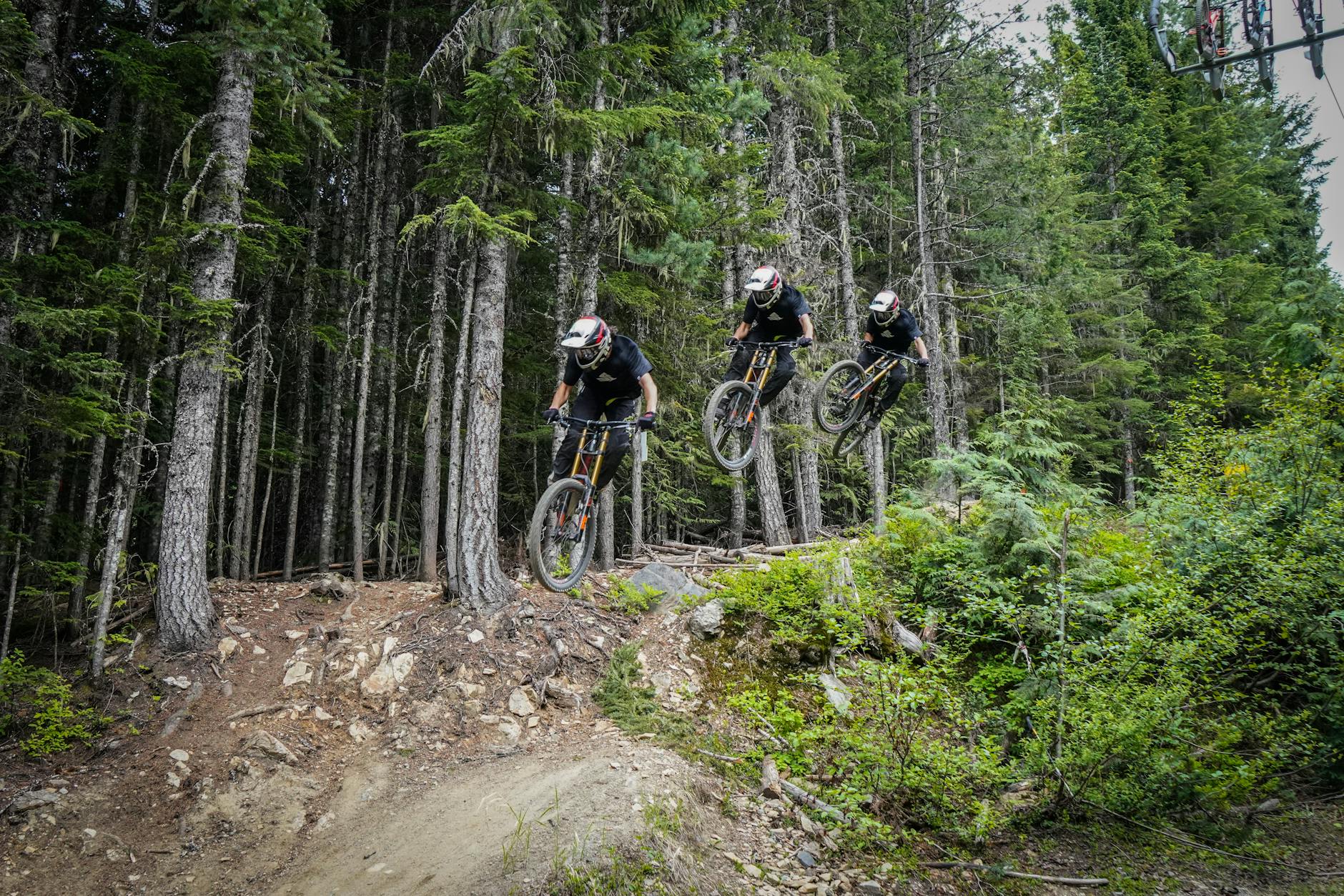
Mountain Biking
Pacific Spirit Park has dedicated mountain biking trails — separate from hiking trails.
MTB trail highlights:
- Multiple beginner to intermediate trails
- Some technical sections with roots and rocks
- Connects to Iona Beach and Wreck Beach via mixed-use trails
Trail rules: Bikes only on bike-marked trails. Yield to hikers when crossing mixed-use sections.
Rentals: Cycle BC Rentals near UBC.

Trail Running
Pacific Spirit Park is one of Metro Vancouver’s premier trail-running destinations.
Why runners love it:
- 70+ km of trails for variety
- Mostly flat-to-rolling terrain
- Soft surfaces (forest floor) are easy on joints
- Quiet (less traffic than Stanley Park Seawall)
- Year-round runnable with proper layers
Popular running routes:
- Sword Fern + Salish loops (5 km)
- Imperial Trail to Wreck Beach (10 km return)
- Top of the World extended loop (12 km)
Running tips: Watch for roots and rocks; wear trail shoes (not road shoes); bring water for runs over 8 km.
Dog Walking & Off-Leash
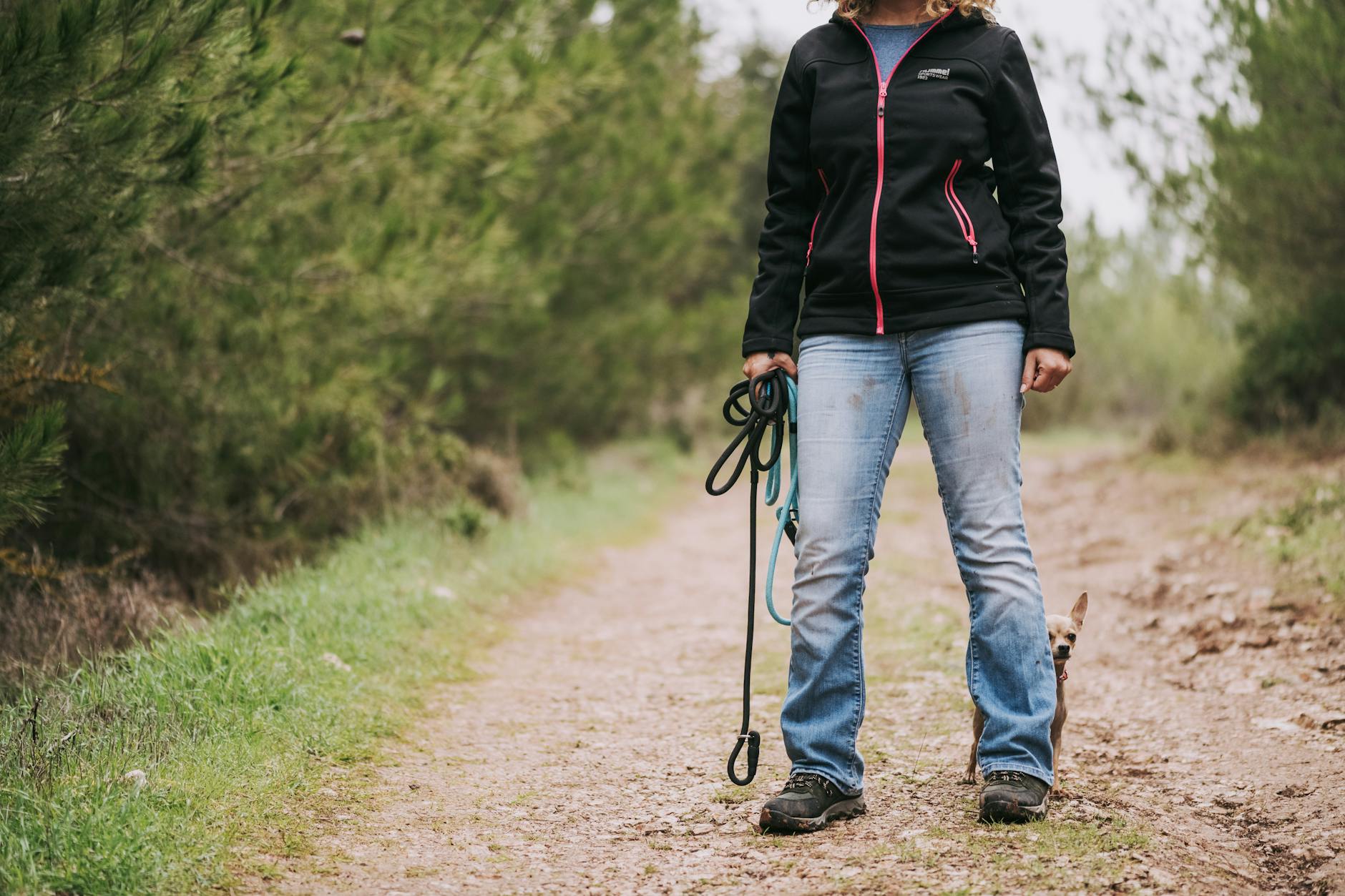
Pacific Spirit Park is one of Metro Vancouver’s best dog parks.
Off-leash zones: Designated off-leash areas exist within the park. Check current map.
On-leash zones: Most of the park requires leashed dogs. Tickets issued for unleashed dogs in non-off-leash areas.
Best for dogs: Long walks, varied terrain, nearby creeks for cooling off.
Etiquette: Pick up after your dog; respect mountain bikers; recall training matters.
UBC Museum Combo Day
Pacific Spirit Park is the perfect outdoor complement to UBC’s world-class museums.
Suggested full-day combo:
- 9:30 AM: Museum of Anthropology (MOA) — 2 hours
- 11:30 AM: Lunch at UBC Sage Bistro
- 12:30 PM: Beaty Biodiversity Museum — 90 minutes
- 2:30 PM: Pacific Spirit Park hike — Salish Trail loop or shorter
- 5:00 PM: Coffee at UBC main bookstore café
- 5:45 PM: Drive back to downtown
Combined cost: Around C$50 per person for both museum admissions; park is free.
Flora & Fauna
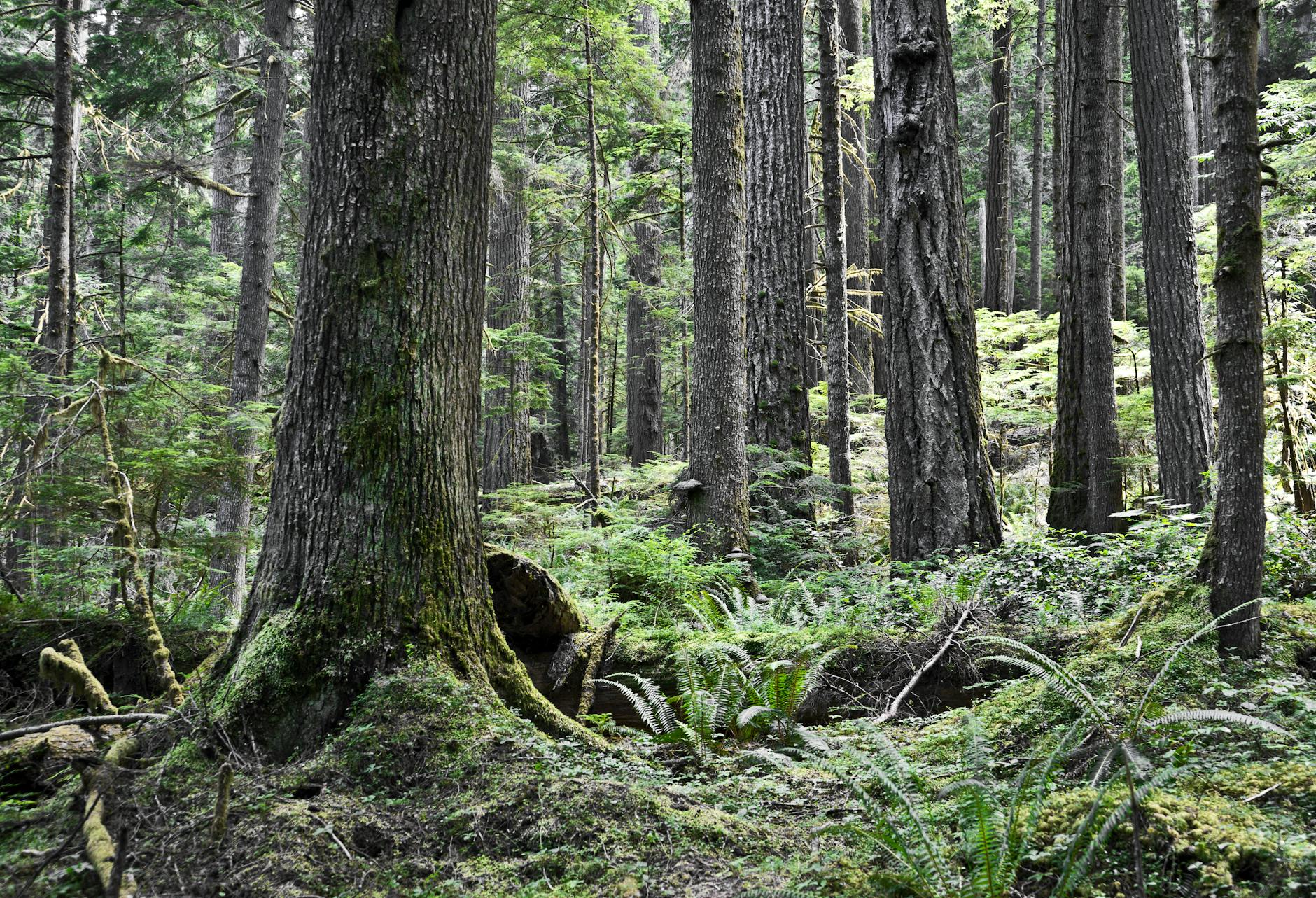
Trees: Western hemlock (dominant), Douglas fir, Western red cedar, big-leaf maple, vine maple, alder.
Understory: Sword fern, salal, Oregon grape, devil’s club, foamflower, salmonberry.
Wildlife sightings: Black-tailed deer (common), coyotes (occasional), raccoons (frequent), barred owls, pileated woodpeckers, Steller’s jays, varied thrushes.
Best birdwatching: Spring (April-June) for songbird migration; fall for raptor migration.
Wildlife etiquette: Don’t feed any wildlife; don’t approach deer or coyotes; coyote sightings are increasing — keep dogs leashed.
Best Seasons
Spring (March-May): Wildflowers (trillium, salmonberry blossoms); bird migration; muddy trails; lush green growth.
Summer (June-August): Driest weather; longest daylight; busiest crowds; bugs (mosquitoes manageable).
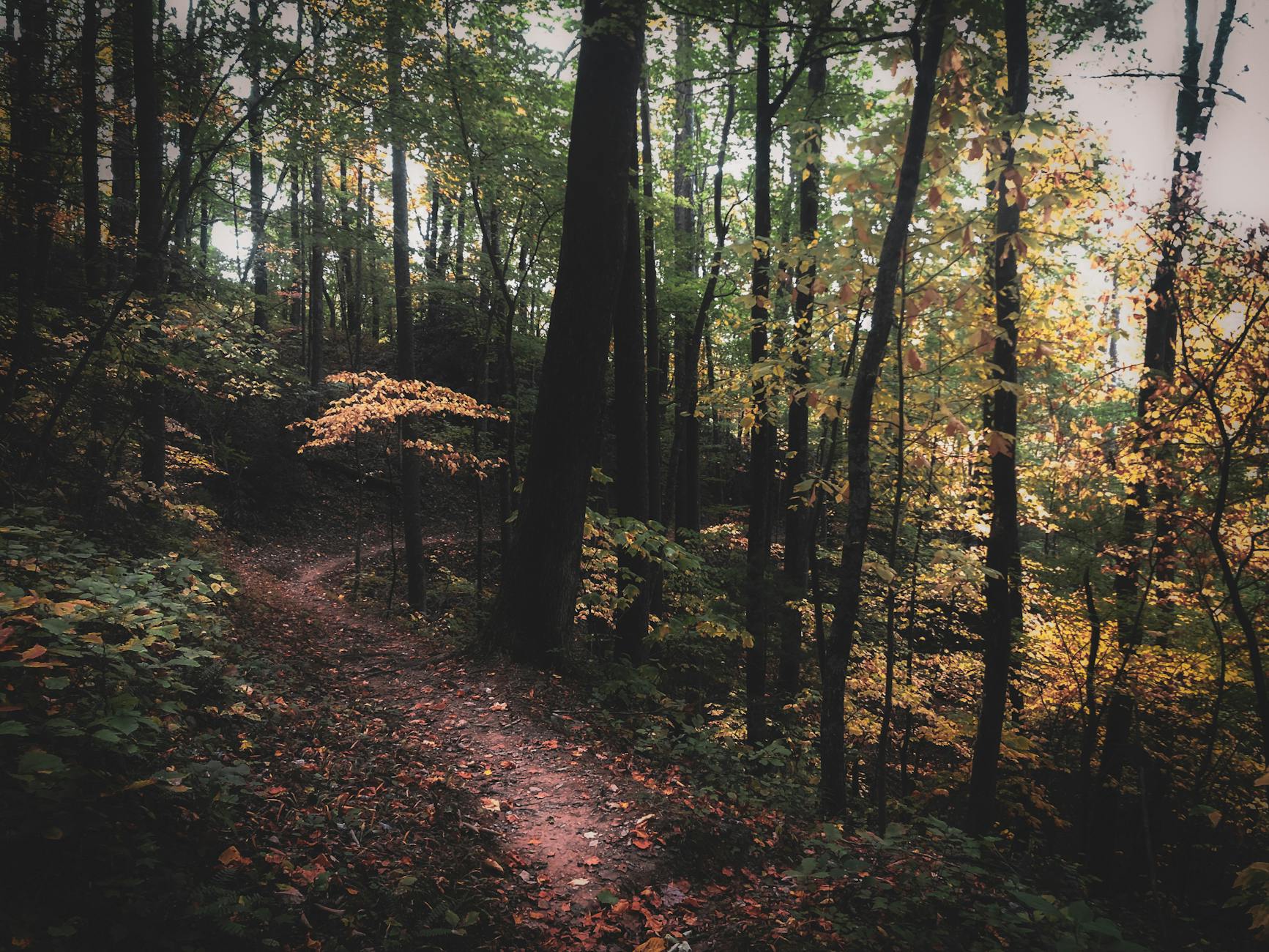
Fall (September-November): Beautiful foliage; salmonberry season ending; mushroom season begins; quiet weekday trails.
Winter (December-February): Quiet trails; possible snow at higher elevations; gear up for rain.
Best month: September for combination of decent weather, peak fall colors, fewer crowds.
Pacific Spirit Park FAQs
Is Pacific Spirit Park free?
Yes — completely free entry and parking.
How big is Pacific Spirit Park?
763 hectares (1,890 acres) with 70+ km of trails.
Can I bike in Pacific Spirit Park?
Yes — designated mountain bike trails exist. Don’t bike on hiking-only trails.
Are dogs allowed in Pacific Spirit Park?
Yes — on leash on most trails; designated off-leash areas exist.
How do I get to Pacific Spirit Park from downtown Vancouver?
Drive ~30-40 min via 41st Avenue and Marine Drive; or transit (Bus 4 or 99 B-Line) ~45 minutes.
Where is Wreck Beach?
Wreck Beach is at the western edge of Pacific Spirit Park, accessed via Imperial Trail (600+ stairs down to the beach).
What’s the most popular trail in Pacific Spirit Park?
Salish Trail is one of the most popular for hikers; Top of the World Trail for serious enthusiasts.
Pacific Spirit Park History
Pacific Spirit Regional Park has a rich conservation history that visitors should know.
Pre-contact: The peninsula was home to the Musqueam First Nation. The forest provided cedar, salmon, deer, and traditional foods. Pacific Spirit Park encompasses traditional Musqueam territory.
Logging era (1880s-1920s): European-Canadian logging cleared most of the original forest. Massive cedar and Douglas fir trees were cut for export. Today’s forest is mostly second-growth (replanted or naturally regenerated).
1920s-1980s: The peninsula transitioned from logging area to UBC campus expansion area. Some forest preservation began but was uncoordinated.
1989: Park established: The Greater Vancouver Regional District (GVRD, now Metro Vancouver) formally established Pacific Spirit Regional Park to protect the remaining forest from urban development. The 763-hectare park preserved one of the largest remaining old-growth and mature second-growth Pacific Northwest forests in Metro Vancouver.
Conservation challenges:
- Invasive species (Japanese knotweed, English ivy, Himalayan blackberry)
- Climate change impacts (heat dome events affect understory)
- Urban runoff into forest streams
- Recreational pressure (high visitor counts, dog off-leash impacts)
- Trail erosion from concentrated use
Modern conservation:
- Active invasive species removal
- Native plant restoration in disturbed zones
- Stream salmon-habitat protection
- Volunteer-led conservation programs
- UBC research partnership for ecological monitoring
Why this matters: Pacific Spirit represents an extraordinary urban conservation success — proving that mature Pacific Northwest forests can coexist with major urban centers when actively protected.
Trail Safety & Wildlife Encounters
Pacific Spirit is generally safe but has specific considerations for visitors.
Wildlife you might encounter:
- Black-tailed deer (common; respect 30+ meter distance)
- Coyotes (occasional; usually shy of humans)
- Raccoons (frequent; can be food-aggressive)
- Pileated woodpeckers (common; loud drumming)
- Steller’s jays (frequent; loud calls)
- Barred owls (less common; often visible at dusk)
- Various squirrels and chipmunks
- Black bears (rare; much more common in adjacent areas)
- Cougars (extremely rare in park; nearby foothills)
Wildlife etiquette:
- Don’t feed any wildlife
- Maintain 30+ meter distance from deer
- Don’t approach coyotes; appear large if they approach
- Don’t feed birds (they become food-aggressive)
- Make noise on trails (especially in less-visited areas)
- Don’t leave food unattended at picnic areas
Trail safety basics:
- Carry phone for emergencies (cell coverage is good)
- Tell someone your hiking plan
- Bring water (1L+ for trails 5+ km)
- Bring layers (forest stays cool)
- Check weather before going
- Wear closed-toe shoes (roots and rocks)
- Stay on marked trails (off-trail navigation difficult)
Personal safety:
- Pacific Spirit is generally very safe
- Standard urban precautions apply
- Don’t carry expensive equipment in remote areas alone
- Trust your instincts about other people
- Phone emergency numbers: 911, Vancouver Police 604-717-3321
If you encounter a coyote:
- Stop; appear large; don’t run
- Speak loudly and firmly
- Carry small noisemaker (whistle, alarm)
- If aggressive: throw rocks, use noise-makers
- Report aggressive coyotes to Metro Vancouver
Off-Leash Dog Areas Detailed
Pacific Spirit has designated off-leash zones — checking these is critical for dog owners.
Off-leash areas (current as of 2026):
- Multiple specific off-leash zones marked with signage
- Generally located in less-environmentally-sensitive areas
- Year-round dog-friendly access
- Specific times of day (morning hours typically)
On-leash zones:
- Most of the park requires leashed dogs
- All zones near salmon streams
- Areas with sensitive plants
- Mixed-use trails with high foot traffic
- UBC main campus border areas
Dog etiquette:
- Pick up after your dog (mandatory; $100+ fines)
- Recall training matters (cougar encounters; deer disturbance)
- Don’t allow dogs to chase wildlife
- Respect mountain bikers (some bike trails)
- Be aware of off-leash vs. on-leash zones
Best dog walks:
- Sword Fern Trail (1 km loop) — easy starter
- Salish Trail (5 km loop) — substantial
- Top of the World Trail extension (8 km) — for active dogs
- Cleveland Trail Loop (3 km) — moderate
Avoid for dogs:
- Wreck Beach (clothing-optional; not pet-friendly)
- Imperial Trail down to Wreck Beach (steep stairs hard on dogs)
- Mountain bike-only trails
Photography in Pacific Spirit
Pacific Spirit’s old-growth forest offers exceptional photography opportunities.
Forest interior shots:
- Best: Overcast days (soft, even light)
- Worst: Bright sunny days (dappled mess)
- Wide-angle (16-24mm) for canopy shots
- Tripod helpful for low-light
Old-growth Douglas fir:
- Look for trunks 1+ meter diameter
- Use a person for scale
- Shoot from below for dramatic perspective
- Black-and-white processing emphasizes texture
Stream and waterfall shots:
- Tripod for long exposures of moving water
- 1/4 to 1 second exposure for silky water
- Polarizing filter for water reflections
Wildlife photography:
- Long telephoto (300mm+) for distant deer
- Shorter telephoto (150-200mm) for closer wildlife
- Stay still and quiet to attract wildlife close
- Best dawn-dusk light
Seasonal photography:
- Spring: Wildflowers (trillium, salmonberry blossom)
- Summer: Bright forest, full canopy
- Fall: Bigleaf maple golden colors
- Winter: Misty forest atmospheres
Pacific Spirit with Kids
Pacific Spirit Park is exceptional for kid-friendly hiking.
Best ages: 4 and up. Toddlers can manage shorter walks; school-age kids can handle longer trails.
Top family hikes:
- Sword Fern Trail (1 km loop, 30 min)
- Camosun Bog Boardwalk (0.5 km, wheelchair accessible)
- Rice Lake Loop in adjacent Lynn Canyon area (2 km)
- Cleveland Trail Loop with old-growth stumps
Kid-friendly distractions:
- Spot the deer game
- Identify trees by leaves and bark
- Find banana slugs (yellow forest slugs; harmless)
- Listen for woodpeckers
- Old-growth tree hugging photography
- Bird identification with simple field guide
Stroller-friendly trails:
- Camosun Bog Boardwalk (best for strollers)
- Sword Fern Trail (mostly stroller-friendly with bumps)
- Avoid: Trails with stairs or root sections
What to bring for kids:
- Water (kids dehydrate fast)
- Snacks (energy management)
- First aid basics
- Camera or phone for kid photos
- Insect repellent (mosquitoes summer evenings)
- Layers (forest stays cool)
Combining with UBC museums:
- Morning: Pacific Spirit hike (1-2 hours)
- Lunch: UBC Sage Bistro
- Afternoon: Beaty Biodiversity Museum (90 min)
- Late afternoon: Museum of Anthropology (2-3 hours)
- Drive back to downtown
UBC Research at Pacific Spirit Park
Pacific Spirit Regional Park serves as a living laboratory for UBC and other institutions.
Active research areas:
- Pacific Northwest forest ecology
- Old-growth Douglas fir biodiversity
- Climate change impact on forests
- Invasive species management
- Salmon stream restoration
- Wildlife population dynamics
- Indigenous food and medicine plants
- Forest carbon sequestration
UBC research partners:
- UBC Faculty of Forestry
- UBC Department of Botany
- UBC Department of Zoology
- UBC First Nations Studies (Indigenous food/plant research)
- UBC Sustainability Science Initiative
Recent research findings:
- Old-growth specimens 200-300+ years old confirmed
- Salmon stream enhancement showing positive results
- Climate change impacts measurably affecting forest understory
- Invasive species removal showing native plant rebound
- Wildlife corridors maintained despite urban pressure
Educational opportunities:
- UBC undergraduate biology and forestry students conduct fieldwork
- Public can observe research occasionally
- Interpretive signs describe key research findings
- UBC Botanical Garden adjacent offers educational programming
Citizen science:
- eBird contributions tracking bird populations
- iNaturalist for plant and wildlife identification
- Forest health monitoring
- Salmon spawning citizen reports
How visitors contribute to research:
- Stay on marked trails (research depends on undisturbed forest)
- Don’t pick plants or take rocks
- Report unusual wildlife sightings
- Participate in citizen science programs
- Support UBC research through donations
Best Trails Detailed by Difficulty
Pacific Spirit’s 70+ km trail network requires thoughtful selection.
Beginner trails (under 1 hour):
- Sword Fern Trail (1 km loop, 30 min): Easy paved beginning; gentle elevation. Good for first-time hikers and families with young children. Wheelchair-passable on initial section.
- Camosun Bog Boardwalk (0.5 km, 15-30 min): Wheelchair-accessible boardwalk through unique bog ecosystem. Educational signage. Excellent for families and accessibility needs.
- Pacific Spirit Bog (1.5 km loop, 45 min): Slightly longer; quieter than Camosun.
Moderate trails (1-2 hours):
- Salish Trail (5 km loop, 90 min): Through old-growth Western hemlock and Douglas fir. The signature Pacific Spirit experience. Some root sections.
- Top of the World Trail (3 km return, 60 min): Connects to broader trail network; can extend.
- Imperial Trail (4 km, 90 min): Connects to Wreck Beach if you want the steep stair descent.
- Cleveland Trail Loop (3 km, 75 min): Heritage logging trail with massive stumps from early 1900s.
Long trails (2-3 hours):
- Pacific Spirit Park Loop (12 km, 3 hours): Combines multiple trails for substantial circuit.
- Mile High Trail (6 km, 2.5 hours): Through deeper forest sections; less-traveled.
Trail running routes:
- Short loops: Sword Fern + Salish Trail (5 km, 30-40 min)
- Medium: Imperial Trail to Wreck Beach (10 km return, 75 min)
- Long: Top of the World extended loop (12 km, 90-120 min)
Mountain bike-only trails:
- Multiple designated MTB trails
- Mostly beginner-intermediate
- Some technical sections with roots and rocks
- Don’t bike on hiking-only trails
Combining trails:
- Family day: Sword Fern + Camosun Bog Boardwalk (1.5 km, 1 hour)
- Hiker’s day: Salish Trail + Cleveland Loop (8 km, 3 hours)
- Active day: Top of the World extended (12 km, 3-4 hours)
- Couple’s day: Salish Trail + Top of the World extension (8 km, 3 hours)
Maps and resources:
- Free park map at trailheads (Camosun, Cleveland, 16th Avenue parking)
- Vancouver Trails website (vancouvertrails.com)
- AllTrails app (user-reported conditions)
- Park rangers (occasional patrols)
Related reading: Pair this with our easy hikes, best hikes, and Vancouver outdoor pillar.