
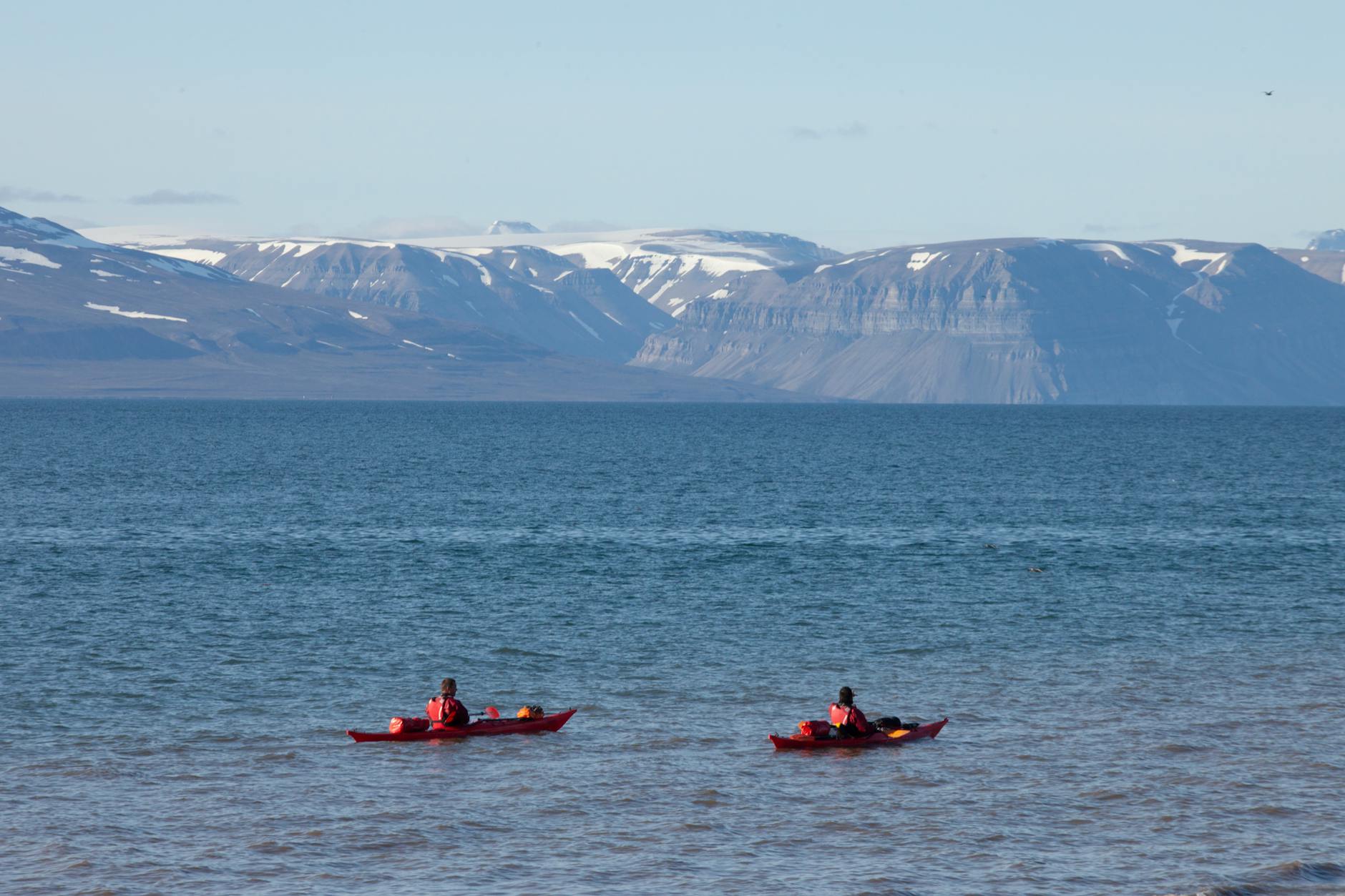
Kayaking Vancouver includes some of the best urban paddling in the world — Indian Arm fjord (21 km of protected mountainous shore from Deep Cove), False Creek (calm urban water through downtown), English Bay (open Pacific paddling), and Burrard Inlet (the busy commercial harbor with stunning vistas). Vancouver has 4-5 main paddling areas with rentals, lessons, and guided tours from operators like Deep Cove Kayak Centre, Ecomarine Paddlesport Centre, and Vancouver Water Adventures.
This guide covers Vancouver kayaking and paddleboarding — best routes, rentals, lessons, equipment, and how to make the most of paddling in this Pacific Northwest city.
Table of Contents
Vancouver Kayaking Quick Overview
- Best for beginners: Deep Cove (calm Indian Arm); False Creek (urban calm water)
- Best for scenic: Indian Arm fjord; Burrard Inlet
- Best for distance: Indian Arm full length (44 km return for advanced)
- Rentals: Deep Cove Kayak Centre; Ecomarine Paddlesport (Granville Island); multiple operators
- Pricing: C$25-50/hour single kayak; C$60-100 per half-day; lessons C$80-200
- Best season: April-October; July-August peak conditions
- Skill range: Beginner-friendly Deep Cove → Advanced multi-day Indian Arm tours
Deep Cove & Indian Arm
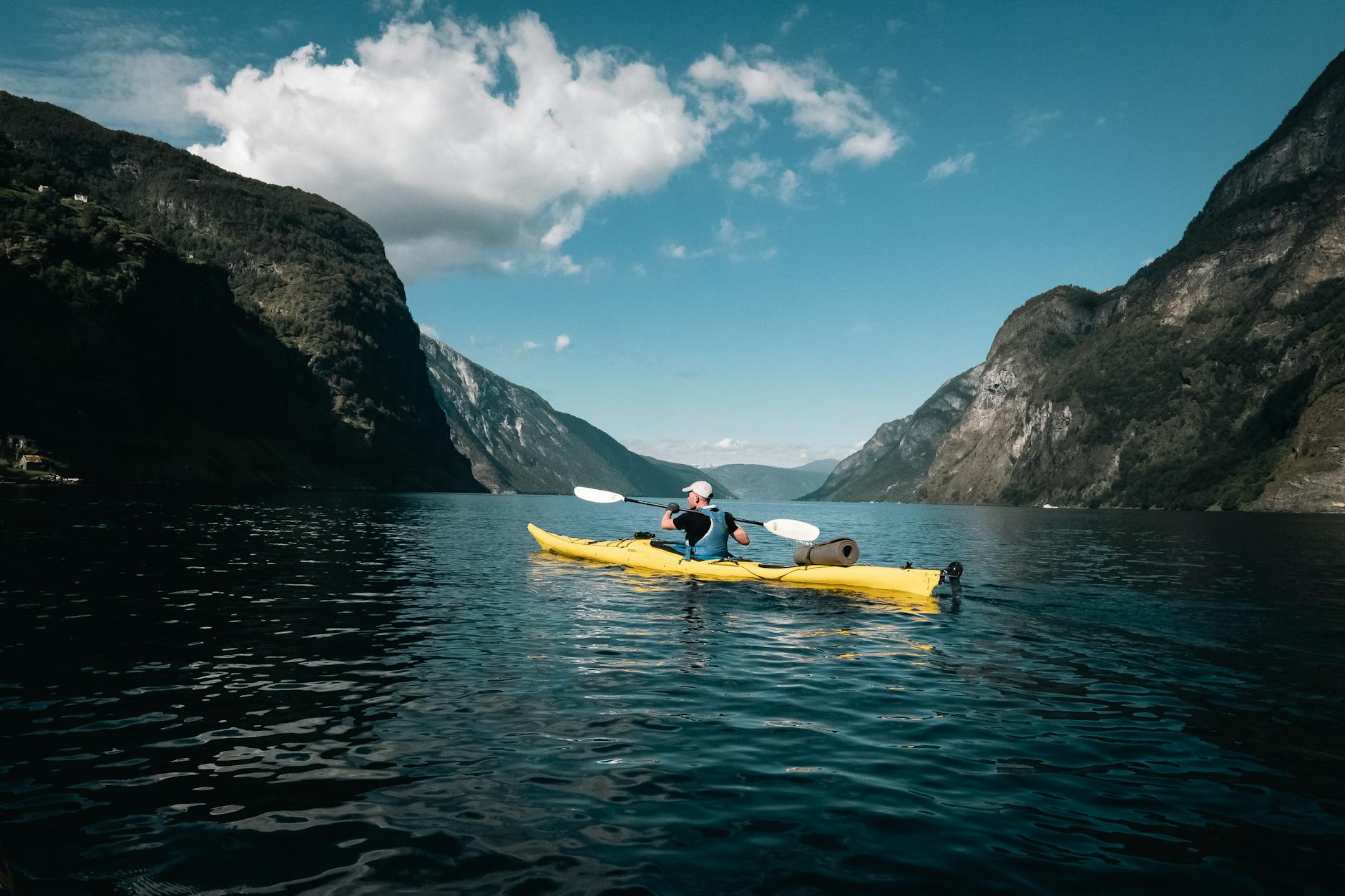
Deep Cove is Vancouver’s premier kayaking destination — Indian Arm fjord stretches 21 km north from the village, surrounded by mountains.
Why Deep Cove:
- Most protected paddling waters in Metro Vancouver
- Indian Arm fjord with mountain shores
- Sheltered from Pacific weather
- Multiple route options (beginner to advanced)
- Great wildlife (seals, eagles, occasional orcas)
- Day-trip distance from downtown (30-45 min drive)
Beginner Indian Arm routes:
- Cove Loop (1-1.5 hours): Stay close to Deep Cove village; explore the protected cove
- Belcarra Crossing (2-3 hours): Paddle east across to Belcarra Regional Park; lunch; return
Intermediate Indian Arm routes:
- Granite Falls (4-6 hours): 14 km return; falls drop 30m into inlet
- Twin Islands (4-6 hours): Sandstone cliffs; sea lion haulouts
Advanced Indian Arm routes:
- Full Indian Arm (44 km): Multi-day expedition
- Camping at established sites en route
- Wigwam Inn at the head
Deep Cove Kayak Centre:
- Single kayak rental: C$25-30/hour or C$60-80/half-day
- Double kayak rental: C$40-50/hour or C$90-120/half-day
- Stand-up paddleboards: Same pricing
- Guided tours: C$80-150 for 2-3 hours
- Lessons available
False Creek Paddling
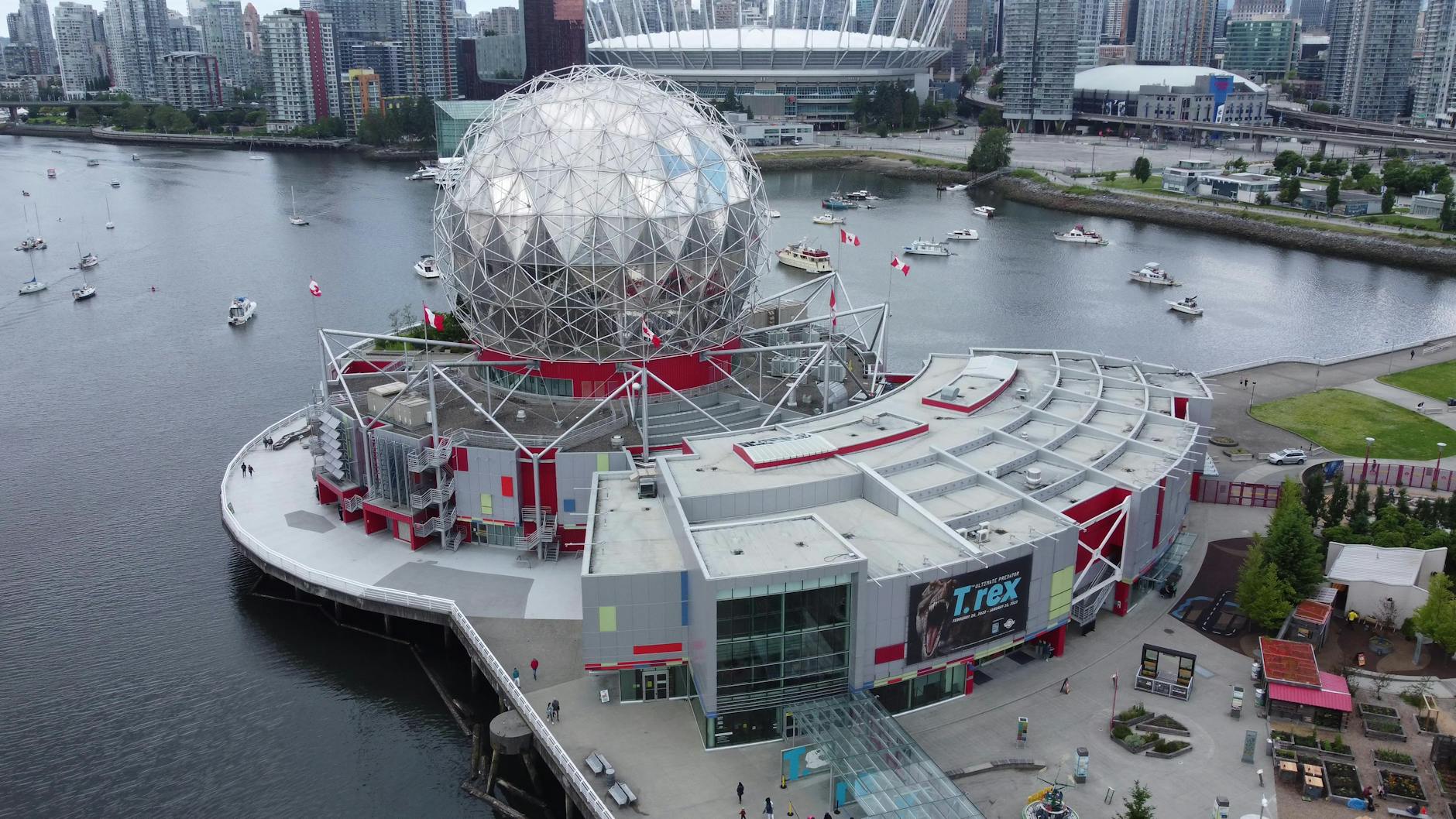
False Creek is Vancouver’s urban paddling water — calm, sheltered, surrounded by city and Granville Island.
Why False Creek:
- Heart of the city paddling
- Multiple put-in points
- Calm water reliably (sheltered)
- Beautiful urban + nature mix views
- Easy access from downtown hotels
- Aquabus options for transportation
False Creek paddling routes:
- Granville Island loop: 5 km, 1.5 hours; paddle around Granville Island
- Yaletown to Olympic Village: 3 km, 1 hour; downtown views
- Downtown circuit: 6-8 km, 2-3 hours; complete False Creek
Where to rent:
- Ecomarine Paddlesport Centre (Granville Island)
- Vancouver Water Adventures
- Multiple smaller rental operators
Cost: C$25-40/hour singles; C$40-60/hour doubles.
Best for: Beginners; quick urban adventure; couples; visitors with limited time.
English Bay & Stanley Park Seawall
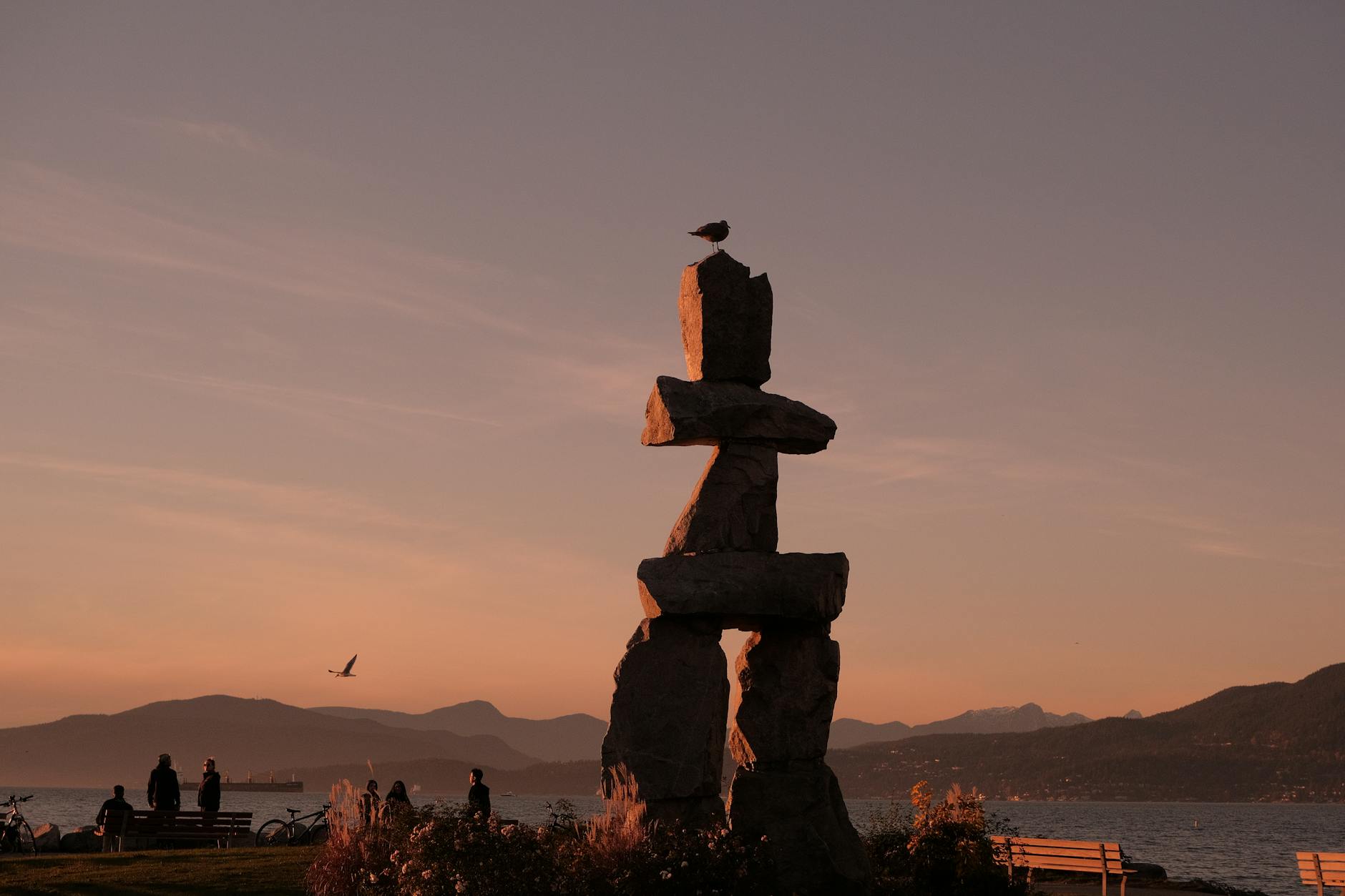
English Bay paddling explores the open Pacific waters at Vancouver’s downtown waterfront.
Why English Bay:
- Open Pacific paddling experience
- Stanley Park seawall views from water
- Sunset paddles spectacular
- Closer to ocean atmosphere
Routes:
- English Bay tour: Paddle along the bay; views back to Stanley Park and downtown
- Stanley Park seawall tour: Paddle clockwise around Stanley Park (15 km, 4-5 hours)
- Beach hopping: Visit Kits, Spanish Banks, Locarno from water
Considerations:
- More wave action than False Creek
- Tides matter
- Coast Guard zone awareness
- More advanced than Deep Cove or False Creek
Best for: Intermediate paddlers; ocean-paddling experience; sunset paddles.
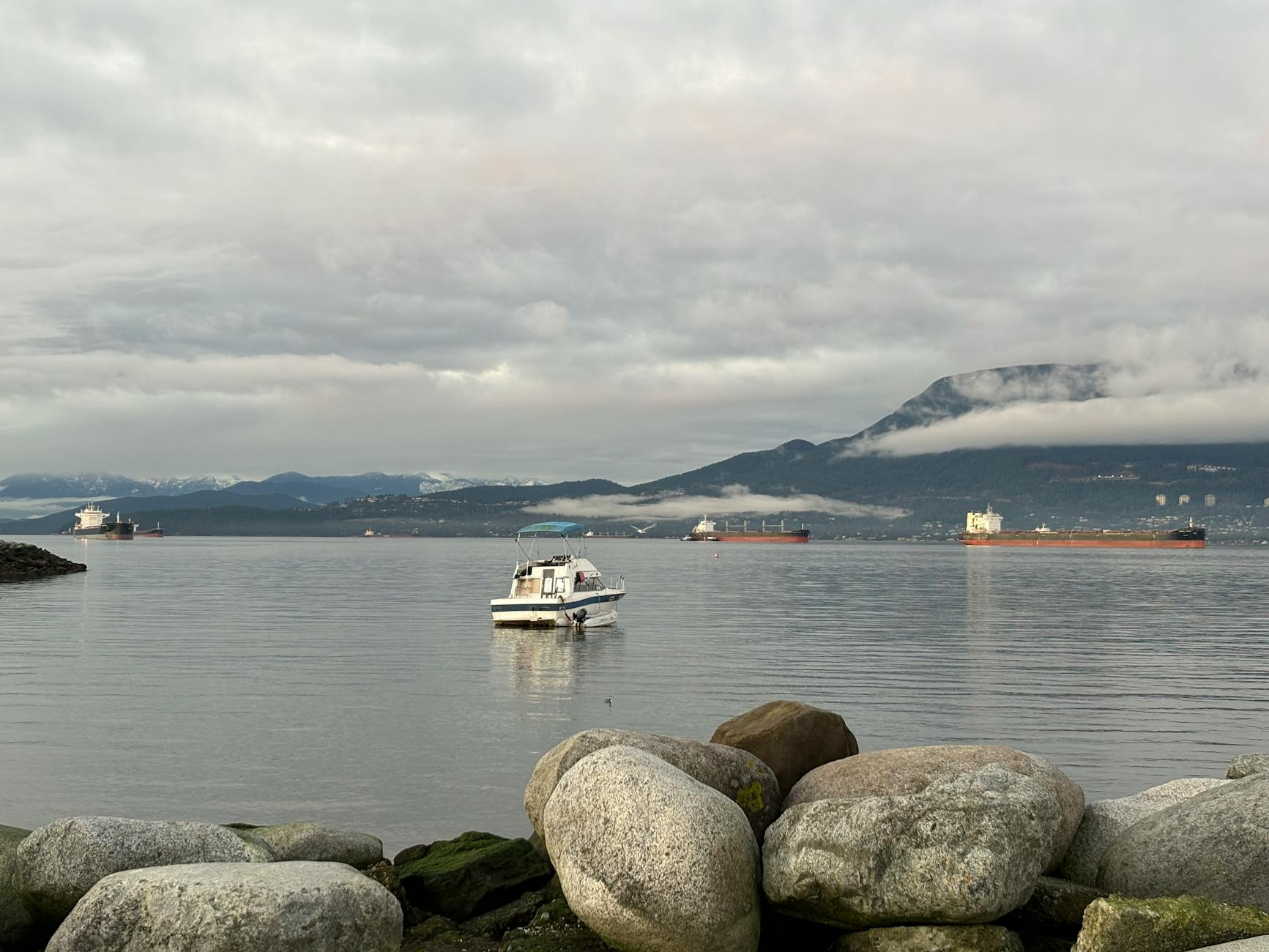
Burrard Inlet
Burrard Inlet is the busy commercial harbor — Vancouver’s working port with stunning views.
Considerations:
- Active commercial shipping (cruise ships, container ships, tankers)
- Coast Guard restrictions
- More advanced than other Vancouver paddling waters
- Spectacular city + working port views
Routes:
- Coal Harbour to Burrard Inlet (advanced)
- SeaBus crossing route (advanced; commercial vessel awareness)
- North Shore mooring tour (advanced)
Best for: Experienced paddlers; visitors wanting working harbor experience; advanced.
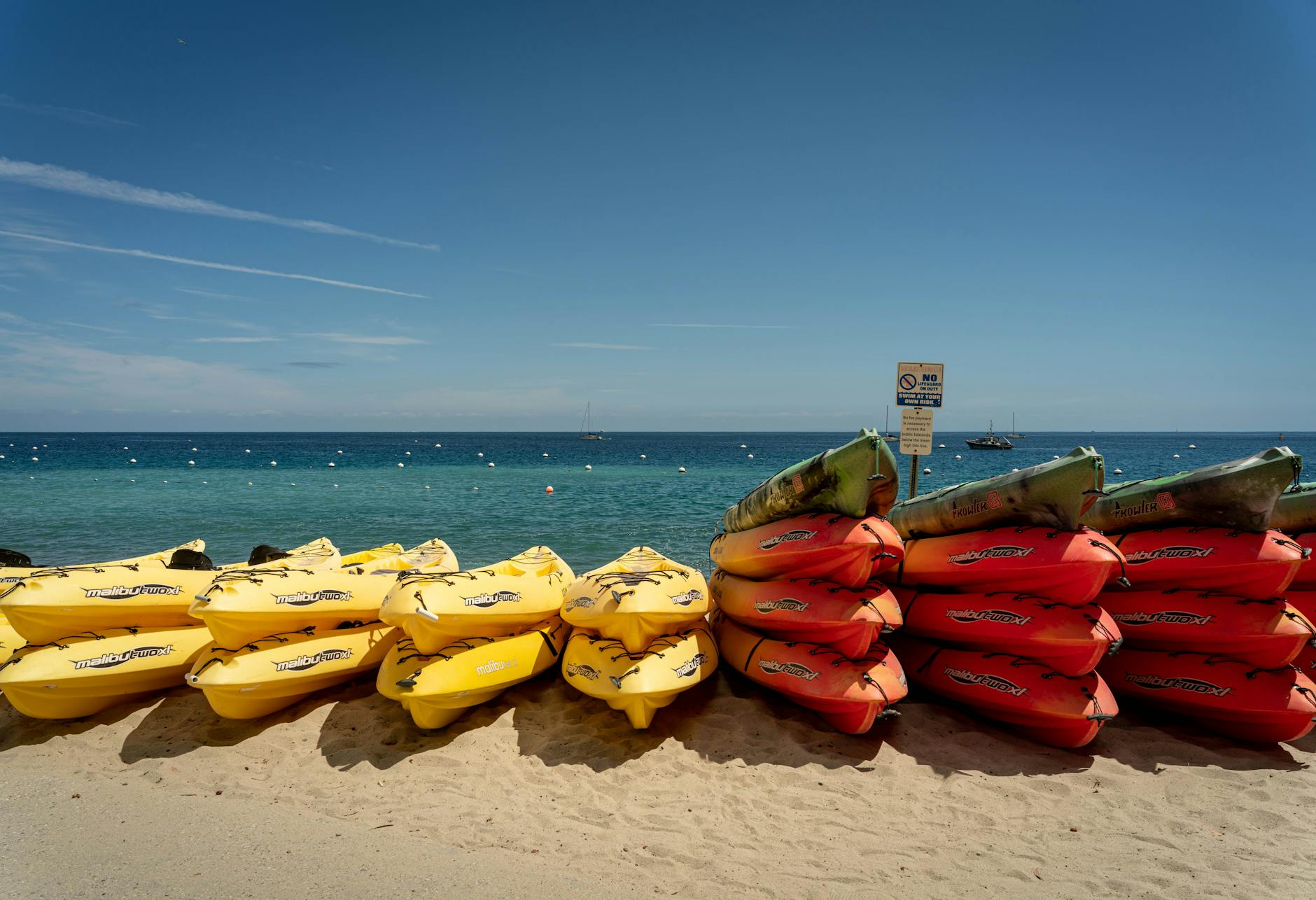
Jericho Beach Paddling
Jericho Sailing Centre serves as the launching point for Jericho Beach paddling.
Why Jericho:
- Free public access
- Sailing centre with rentals
- Pacific paddling experience
- UBC peninsula views
Routes:
- Spanish Banks tour: Paddle along beach toward UBC
- Open Pacific paddling: Different from sheltered Indian Arm or False Creek
Considerations:
- Wind can pick up
- Tides affect conditions
- Better for intermediate+ paddlers
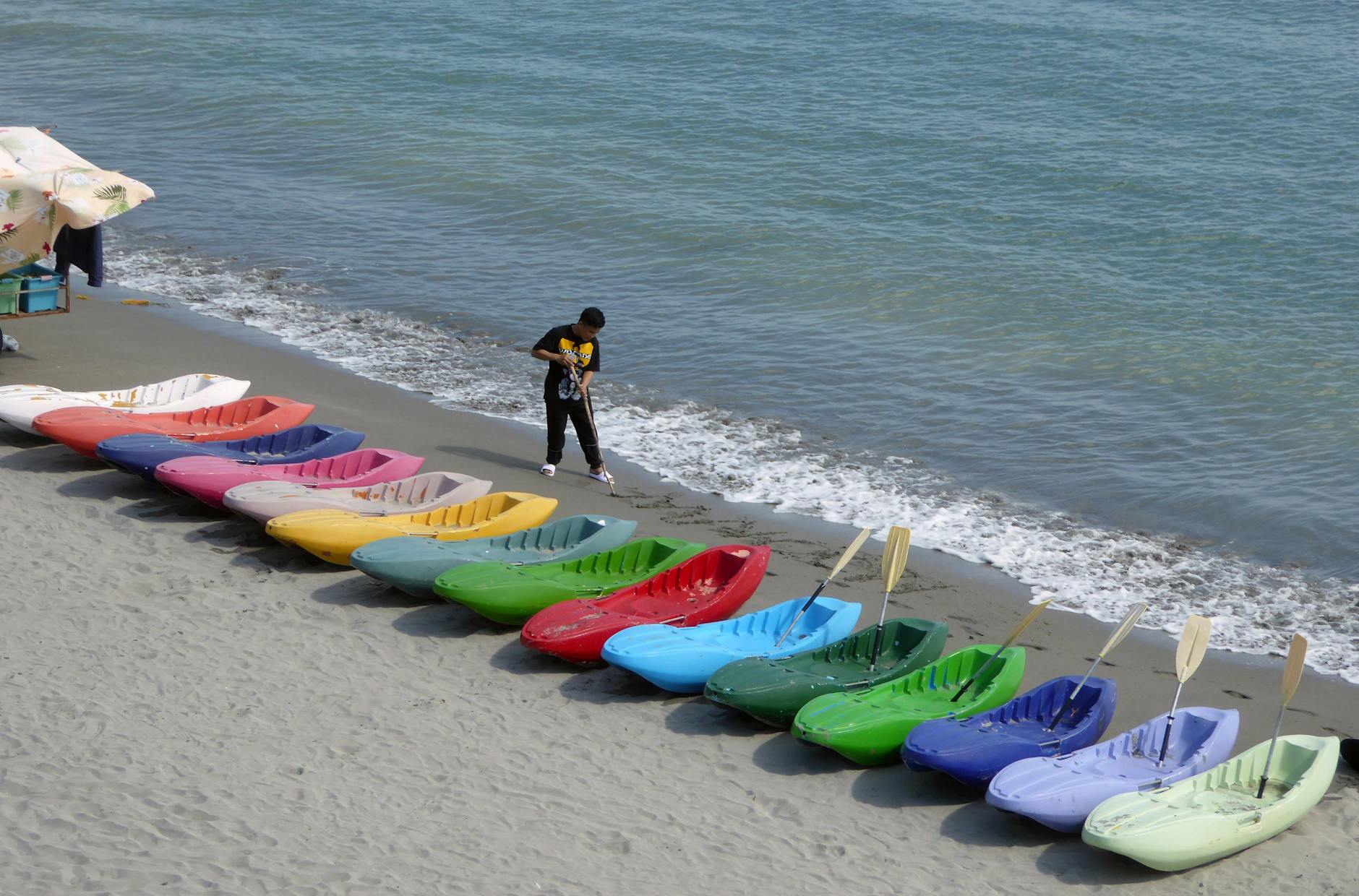
Where to Rent Equipment
Multiple Vancouver operators rent kayaks and paddleboards.
Major operators:
- Deep Cove Kayak Centre: Premier Indian Arm rentals; lessons; tours; group capacity
- Ecomarine Paddlesport Centre (Granville Island): False Creek rentals; lessons; tours
- Vancouver Water Adventures (English Bay area): Hourly rentals; tours
- Bowen Island Kayaking: Bowen Island day-trip rental option
- UBC Aquatic Centre: Limited rentals for community members
What you typically get:
- Kayak (single or double)
- Paddle
- Personal flotation device (PFD)
- Brief safety orientation
- Local knowledge
What you typically don’t get:
- Whistle (bring or purchase)
- Dry bag (rent or bring)
- Sunscreen
- Water (bring your own)
Reservations: Required at peak season (July-August weekends); 1-3 weeks ahead. Walk-in often available weekdays.
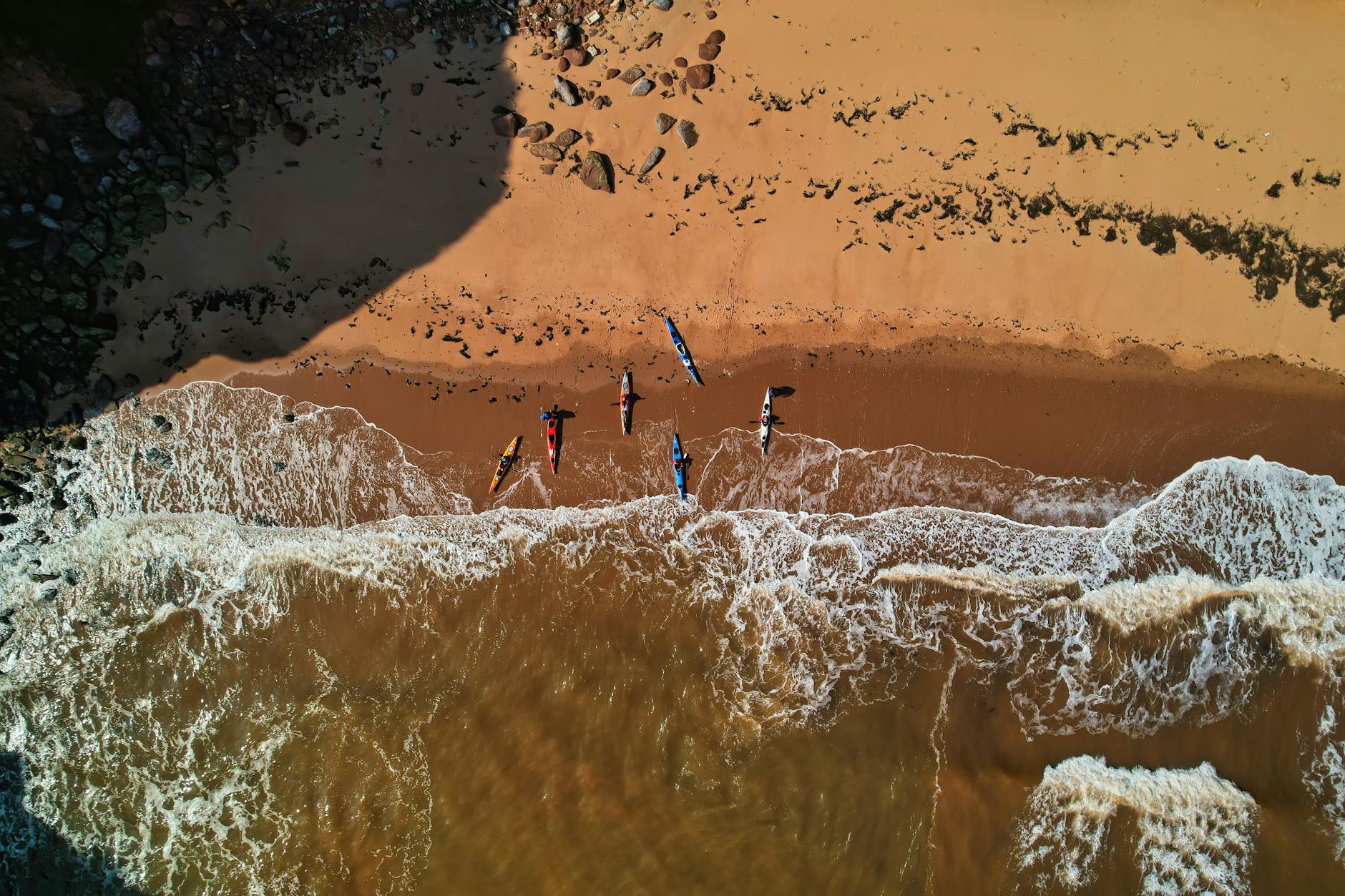
Lessons & Tours
Beginner kayakers benefit from formal lessons.
Beginner lessons:
- Deep Cove Kayak Centre offers 2-3 hour beginner courses
- Ecomarine offers similar at Granville Island
- Cost: C$80-150 per person
- Includes basic technique, safety, equipment use
Guided tours:
- Deep Cove: 2-3 hour tours C$80-150
- Ecomarine False Creek tours C$60-90
- Vancouver Water Adventures sunset paddles C$60-100
Multi-day tours:
- Indian Arm overnight tours (advanced; 2-3 nights)
- Cost: C$300-600 per person
- Camping equipment and food included typically
Advanced certifications:
- Paddle Canada certification courses
- Sea kayaking certifications
- Lifeguard certifications for serious paddlers
Skill Levels Explained
Different Vancouver paddling waters require different skill levels.
Beginner level (no experience):
- Deep Cove cove area
- False Creek
- Stanley Park beaches paddling
- What’s expected: Basic paddling stroke; balance maintained
Intermediate level (some experience):
- Indian Arm Belcarra crossing
- English Bay
- Stanley Park Seawall paddle
- What’s expected: Comfortable in moderate waves; wind management; navigation skills
Advanced level (substantial experience):
- Indian Arm full length
- Burrard Inlet working harbor
- Open Pacific routes
- Multi-day expeditions
- What’s expected: Wilderness skills; advanced paddling technique; emergency self-rescue ability
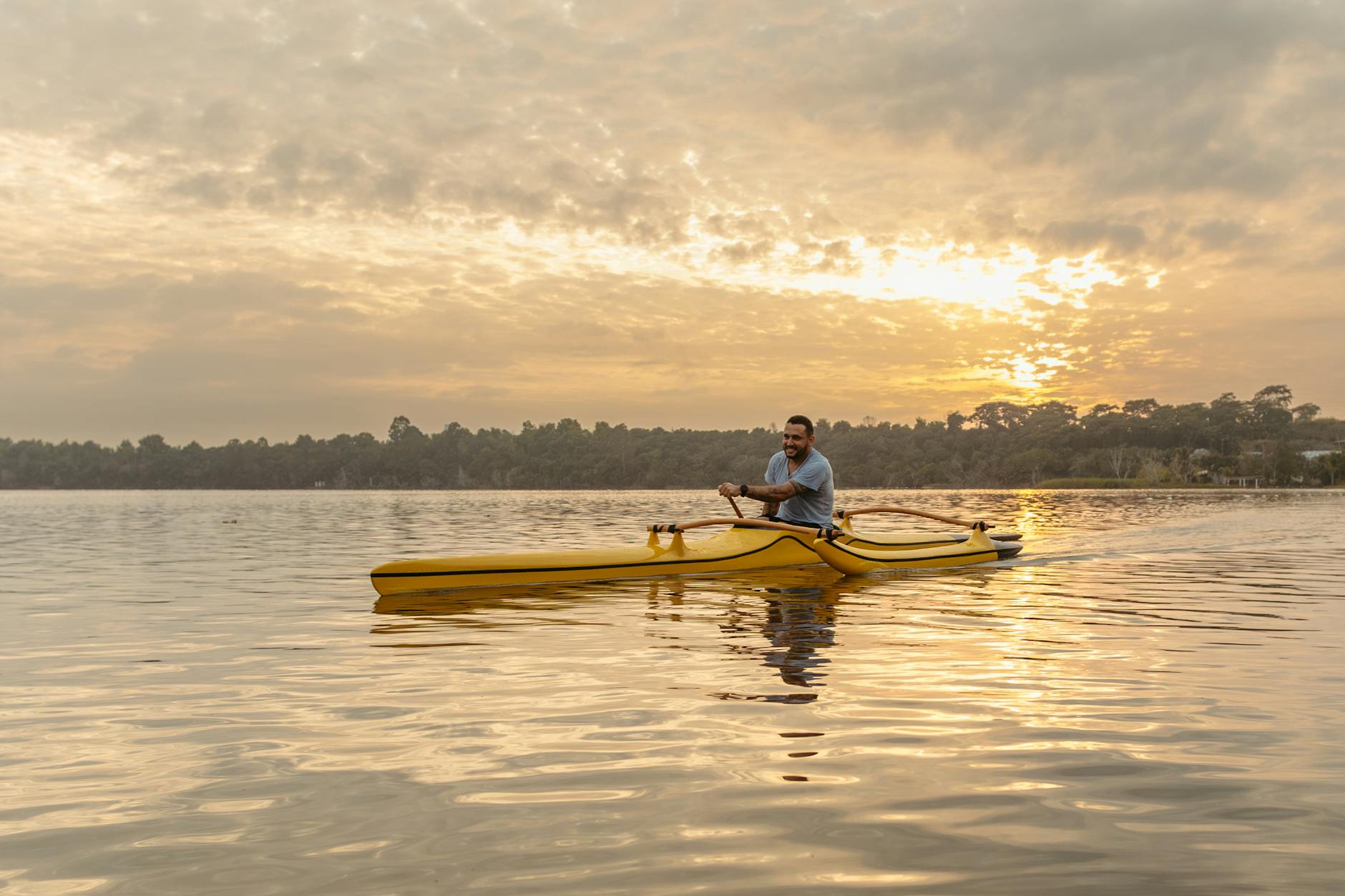
Best Times to Paddle
Best season: June-September for warmest weather and best conditions.
Best time of day:
- Early morning (7-9 AM): Calmest conditions
- Late afternoon (4-6 PM): Sunset preparation
- Avoid: Mid-day in hot summer (UV exposure); afternoon when wind picks up
Sunset paddling:
- Magical experience
- Plan return before complete dark
- Headlamp + light required
- Best months: June-August (long days; warmer water)
Sunrise paddling:
- Solitude
- Wildlife active
- Calm water
- Less practical (early start)
Tide considerations:
- High tide: Easier launching; less mud exposed
- Low tide: Reveals mudflats and tide pools; requires longer carry to water
- Check tide tables for your destination
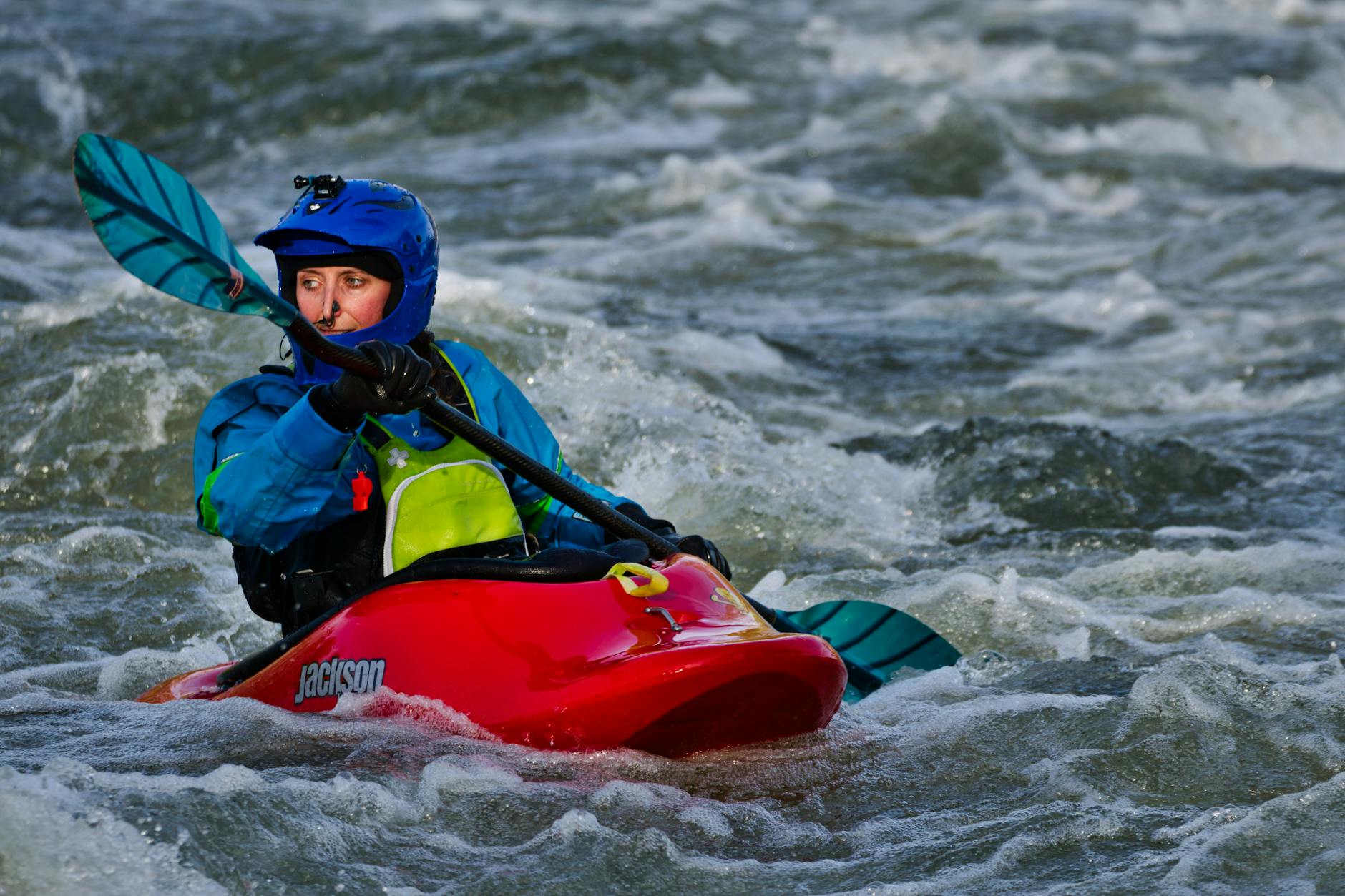
Kayak Safety in Vancouver
Vancouver paddling is generally safe but requires awareness.
Pre-paddling preparation:
- Check weather forecast
- Check tide schedules
- Tell someone your paddling plan
- Wear PFD always
- Bring emergency whistle
- Carry phone in waterproof case
- Know your physical limits
Weather considerations:
- Wind picks up afternoon (1-4 PM common)
- Pacific weather can change rapidly
- Don’t paddle in winds above 15 knots
- Avoid lightning storms
- Watch for sudden weather shifts
Wildlife awareness:
- Seals: Curious; usually shy; maintain 30+ meter distance
- Sea lions: Same as seals
- Orcas: Maintain 200+ meter distance (legal requirement)
- Bears: Possible at remote shorelines (Indian Arm); make noise approaching shore
- Eagles and birds: Don’t disturb nesting sites
Other vessels:
- Always yield to commercial vessels
- Be visible (bright colors, lights)
- Stay out of shipping channels
- Tankers and cruise ships have priority
- Watch for wakes
Self-rescue basics:
- Practice wet exits before going far
- Know how to re-enter your kayak
- Carry an emergency whistle
- If capsized: Stay with your kayak; signal for help; conserve energy
Equipment Recommendations
Beyond rented basics, additional equipment improves the experience.
Personal gear:
- Quick-dry pants and top
- Synthetic or wool socks
- Water shoes
- Sun-protective hat
- Polarized sunglasses
- Sunscreen (waterproof, reef-safe)
- Layered clothing (cool morning; warmer afternoon)
- Rain jacket (Pacific Northwest weather)
Safety gear (some included with rental):
- PFD (always wear)
- Emergency whistle
- Phone in waterproof case
- Lights for late paddles
- Compass or GPS
- Emergency snacks/water
Photography gear:
- Waterproof camera or housing
- Dry bag for delicate equipment
- Lens cloths
- Strap to prevent drops
Comfort gear:
- Seat pad (for longer paddles)
- Hand padding (gloves prevent blisters)
- Water bottle
- Snacks
- Spare layers
Buying vs. renting:
- For occasional paddling: Rent
- For frequent paddling (weekly+): Consider buying
- Used market: Available in Vancouver via various sellers
- New entry-level kayak: C$700-1,500
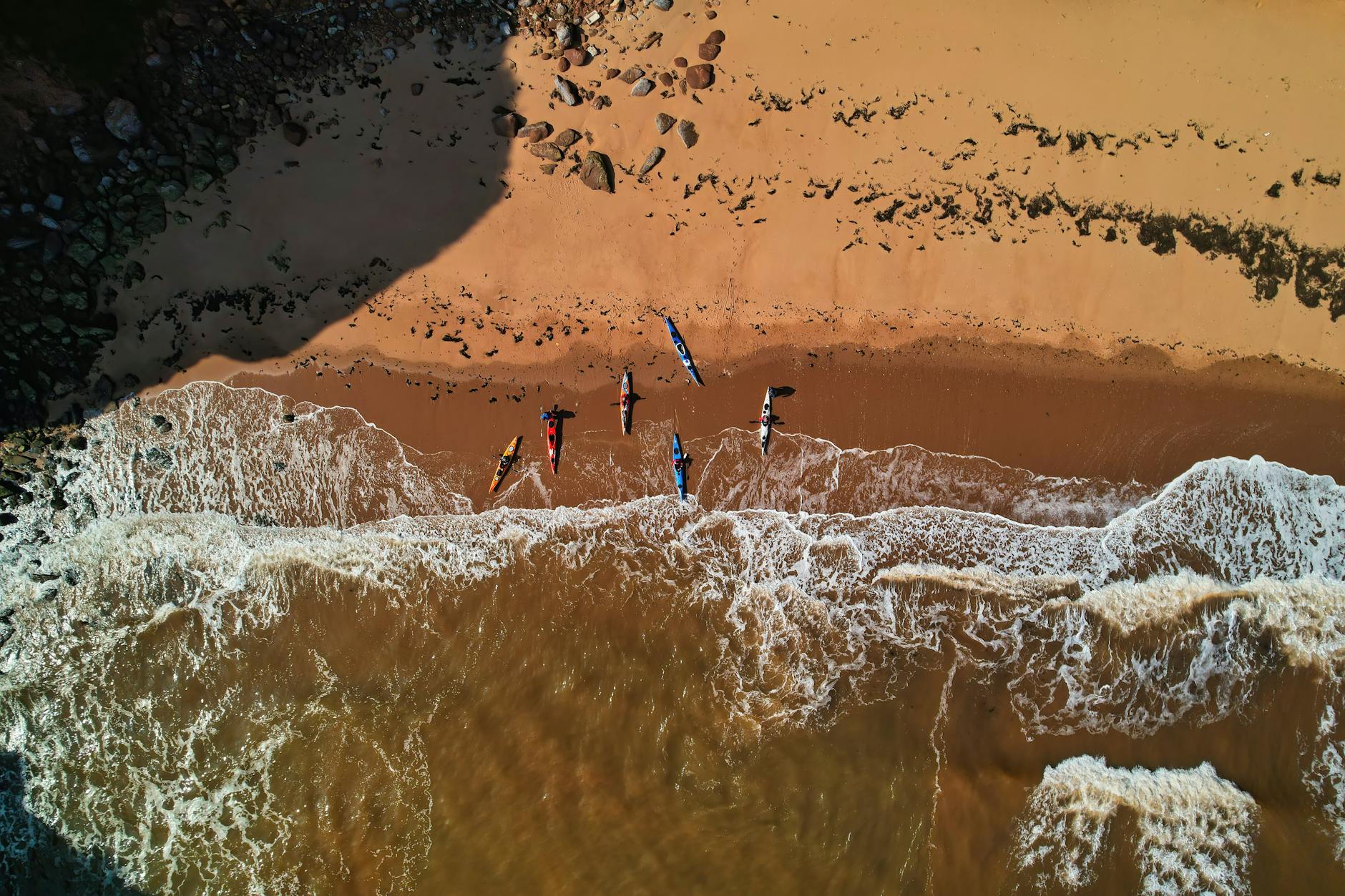
Kayaking Photography
Vancouver kayaking offers excellent photography opportunities.
Best photo subjects:
- Indian Arm fjord with mountain reflections
- Granville Island from the water
- Stanley Park Seawall from English Bay
- Sunset paddles (silhouettes against sky)
- Wildlife (seals, eagles, marine life)
- Mountain reflections in calm water
Equipment for kayak photography:
- Compact waterproof camera
- Larger camera in dry bag
- Wide-angle lens for landscapes
- Tripod (limited use; better for stop-on-shore shots)
- Polarizer filter
- Lens cloths in pockets
Composition tips:
- Foreground paddle or kayak adds scale
- Reflections in calm water
- Silhouettes at sunset
- Wildlife with environment
- Wide angle for fjord/inlet shots
Settings for kayak photography:
- Auto mode for safety
- Higher ISO for shaky water
- Fast shutter to freeze action
- Brackets for HDR processing
Pro tips:
- Stop paddling to take photos (don’t try while paddling)
- Use camera straps (drops will happen)
- Test waterproofness before relying on it
- Learn one-handed shooting
- Consider a GoPro for action
Multi-Day Kayak Tours
Indian Arm and beyond offer multi-day kayaking experiences.
Indian Arm multi-day options:
- Indian Arm overnight (1-2 nights): Camp at established sites
- Indian Arm full length (2-3 nights): Reach Wigwam Inn at the head
- Indian Arm + Howe Sound combinations
What’s typically included on multi-day tours:
- All meals
- Camping gear (tents, sleeping bags)
- Stoves and cooking equipment
- Permits if required
- Group safety equipment
- Guide and instruction
What you bring:
- Personal clothing
- Personal toiletries
- Personal first-aid
- Camera/photography gear
- Sleeping bag (sometimes)
Cost:
- 1-night tour: C$300-500 per person
- 2-3 night tour: C$500-1,200 per person
- Most tours operate June-September
Operators:
- Deep Cove Kayak Centre extended tours
- Ocean River Sports (Vancouver Island; some Vancouver-based)
- Several smaller specialty tour operators
Booking ahead: 2-4 weeks for summer; longer for popular trips.
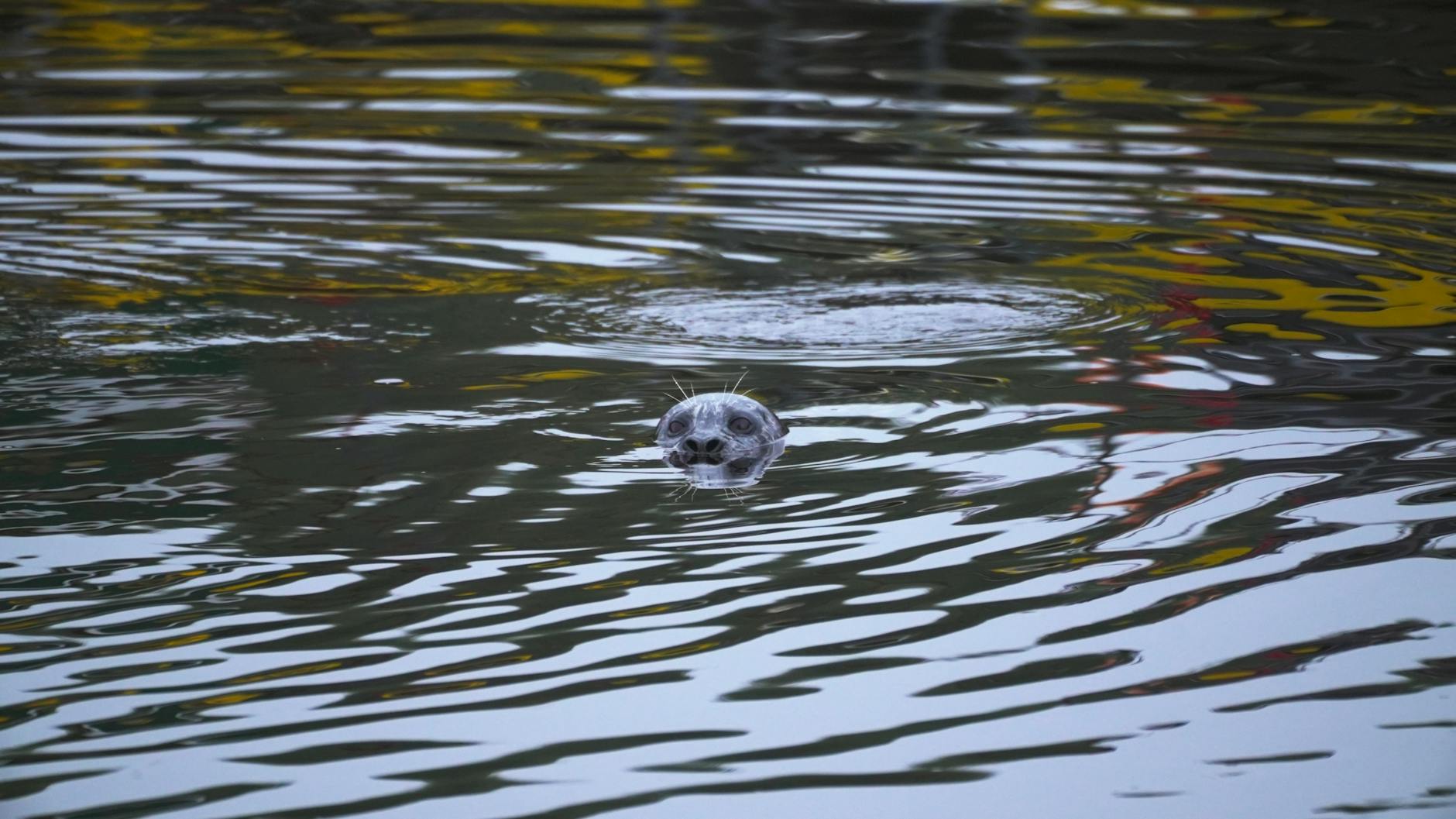
Wildlife Encounters While Kayaking
Vancouver waters teem with wildlife visible from kayaks.
Common wildlife:
- Harbor seals: Most common; curious; year-round
- Sea lions: Steller and California; year-round; can be loud
- Bald eagles: Year-round; nesting visible
- Great blue heron: Common shoreline
- Various seabirds: Year-round
Less common but exciting:
- Orcas (killer whales): Possible in Indian Arm and Burrard Inlet; rare but documented; maintain 200+ meter distance
- Humpback whales: Less common; outer Burrard Inlet
- Porpoises: Pacific harbour porpoise occasionally
- Sea otters: Rare; introduced populations off Vancouver Island
- Black bears: Visible at shoreline (Indian Arm); make noise approaching shore
Wildlife observation etiquette:
- Maintain legal distances (200m for orcas; 30m for seals/sea lions)
- Don’t approach nesting birds
- Don’t surround marine mammals
- Don’t feed any wildlife
- Report harassment of marine mammals to Coast Guard
Best wildlife paddling:
- Indian Arm (most diverse)
- Burrard Inlet (sea lions and seals)
- English Bay (eagles)
- Pacific Spirit Park area (forest wildlife from shore)
Related Vancouver guides
Keep planning with these guides:
Vancouver Kayaking FAQs
Where can I kayak in Vancouver?
Indian Arm (Deep Cove); False Creek; English Bay; Burrard Inlet; Jericho Beach. Indian Arm is the premier destination.
Do I need experience to rent a kayak in Vancouver?
Beginner-friendly waters (Deep Cove, False Creek) accept beginners. Brief safety orientation included. More advanced waters require experience.
How much does it cost to rent a kayak in Vancouver?
C$25-50/hour single; C$60-120 half-day. Tours C$80-150. Multi-day C$300-1,200.
What’s the best time of year to kayak Vancouver?
June-September peak. April-October overall window. July-August warmest water and air.
Is kayaking in Vancouver safe?
Yes — generally safe with proper preparation. Follow safety basics and respect Pacific Northwest weather/conditions.
Can I kayak with kids?
Yes — double kayaks work for parent + child combinations. Most operators welcome families ages 6+.
What should I bring kayaking in Vancouver?
PFD, water, sunscreen, hat, layered clothing, rain jacket, water shoes, emergency whistle, phone in waterproof case.
Related reading: Pair this with our Deep Cove guide, easy hikes, and outdoor pillar.
