
Whale watching Vancouver is one of the city’s most exhilarating experiences — orcas, humpback whales, gray whales, minke whales, harbor porpoises, and Dall’s porpoises all visit the Salish Sea waters around Vancouver. Whale watching tours depart primarily from Granville Island and Coal Harbour with operators including Prince of Whales, Wild Whales Vancouver, Vancouver Whale Watch, and Vancouver Whale Tours. The peak season is May to September with 90-95% sighting success rates, though year-round whale watching is possible.
This guide covers Vancouver whale watching — operators, what to expect, sighting probabilities, ethical considerations, and how to maximize your chances of seeing these magnificent marine mammals.
Table of Contents
Vancouver Whale Watching Quick Overview
- Tour locations: Granville Island; Coal Harbour; some operators from Steveston
- Tour duration: 3-4 hours typical
- Major operators: Prince of Whales; Wild Whales Vancouver; Vancouver Whale Watch; Vancouver Whale Tours
- Pricing: C$130-250 per adult; C$60-150 per child
- Best season: May-September peak; year-round operation
- Sighting success rate: 90-95% (most operators offer “no whale, next trip free” guarantee)
- Most likely sightings: Orcas, humpback whales, harbor seals, sea lions
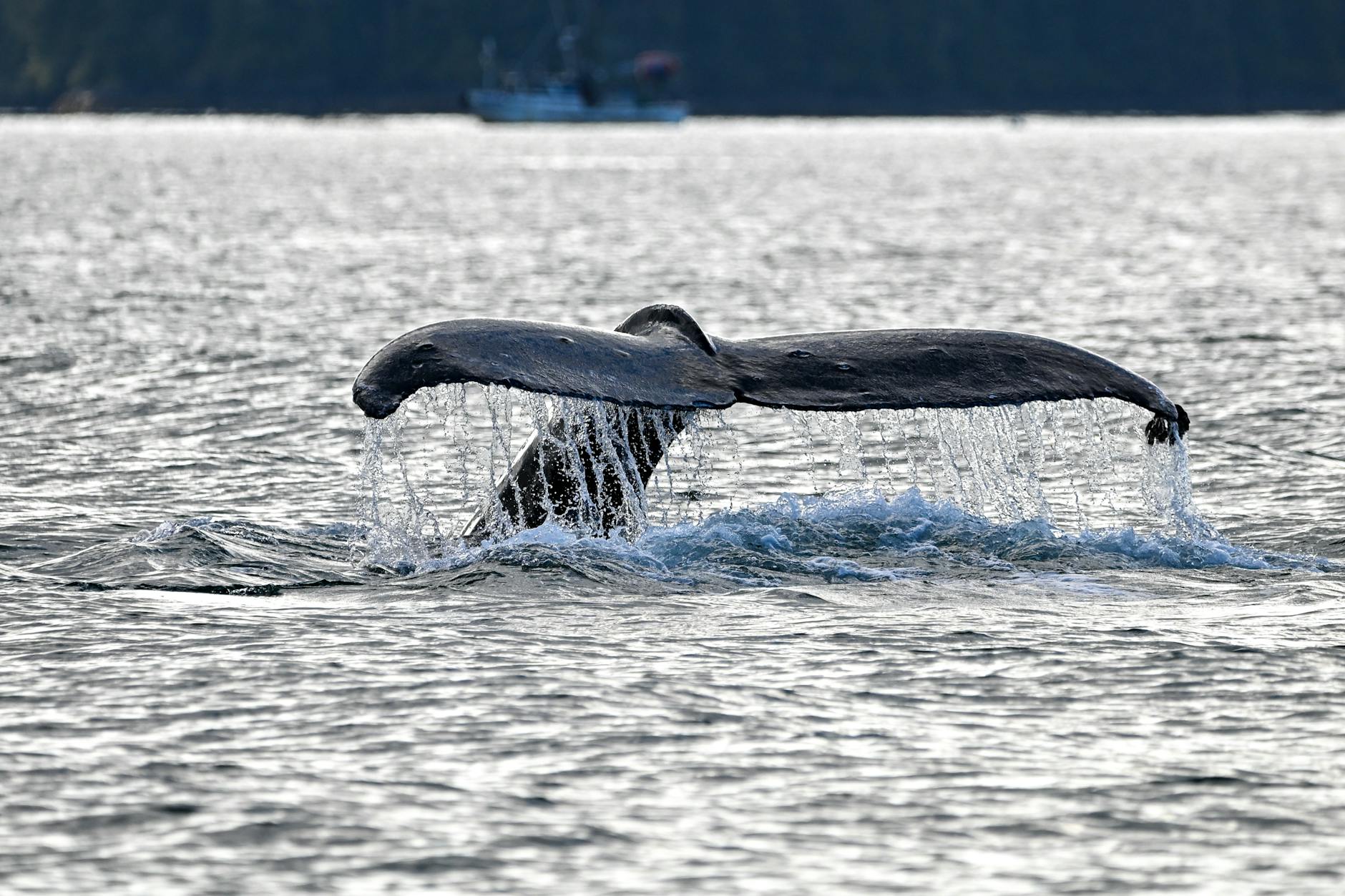
Whales Found in Vancouver Waters
The Salish Sea around Vancouver hosts impressive marine mammal diversity.
Orcas (Killer Whales):
- Three populations: Resident (salmon-eating), Transient (mammal-eating), Offshore (rarer)
- Resident pods are most photographed
- Population J, K, L pods most studied
- Year-round but more prevalent May-October
Humpback whales:
- Migratory species; visit from breeding grounds (Mexico, Hawaii)
- Most active May-October
- Recent population recovery making sightings more common
- Famous for breaching, fluking, and singing
Gray whales:
- Migratory; pass through during migrations
- Spring (March-May) northbound migration
- Fall (September-November) southbound
- Less common than orcas or humpbacks but possible
Minke whales:
- Smaller; less acrobatic
- Year-round resident in some areas
- Quick surface-then-dive pattern
Harbor porpoises:
- Most common cetacean (not technically a whale)
- Year-round resident
- Quick surfacing patterns
- Often missed but commonly present
Dall’s porpoises:
- Black-and-white pattern; sometimes confused with orcas
- Smaller and faster than orcas
- Year-round in some waters
Harbor seals:
- Common at all times
- Often seen on rocks or hauling out
- Curious about boats
Sea lions:
- Steller’s sea lion (larger) and California sea lion (smaller)
- Year-round but more visible winter
- Loud; congregate at haulouts

Orcas (Killer Whales)
Orcas are the iconic Vancouver whale watching subject.
Resident orca populations:
- J Pod, K Pod, L Pod — Southern Resident orcas
- Endangered population (88+/-)
- Salmon-eating; particularly Chinook salmon dependent
- Famous individuals tracked by ID guides
Transient orcas:
- Mammal-eating
- Hunt seals, sea lions, even porpoises
- Different family group structure
- More aggressive hunting visible
Where to see orcas:
- Active Pass (between Galiano and Mayne Islands)
- Strait of Juan de Fuca
- Salish Sea around Vancouver Island
- Sometimes Burrard Inlet (rare)
Behaviors observed:
- Spy-hopping (head out of water)
- Breaching
- Tail-slapping
- Fluking
- Pod hunting behavior
- Echolocation clicks audible underwater
Best months for orcas:
- May-September peak
- Salmon runs in summer attract orcas
- Fall transition season also good
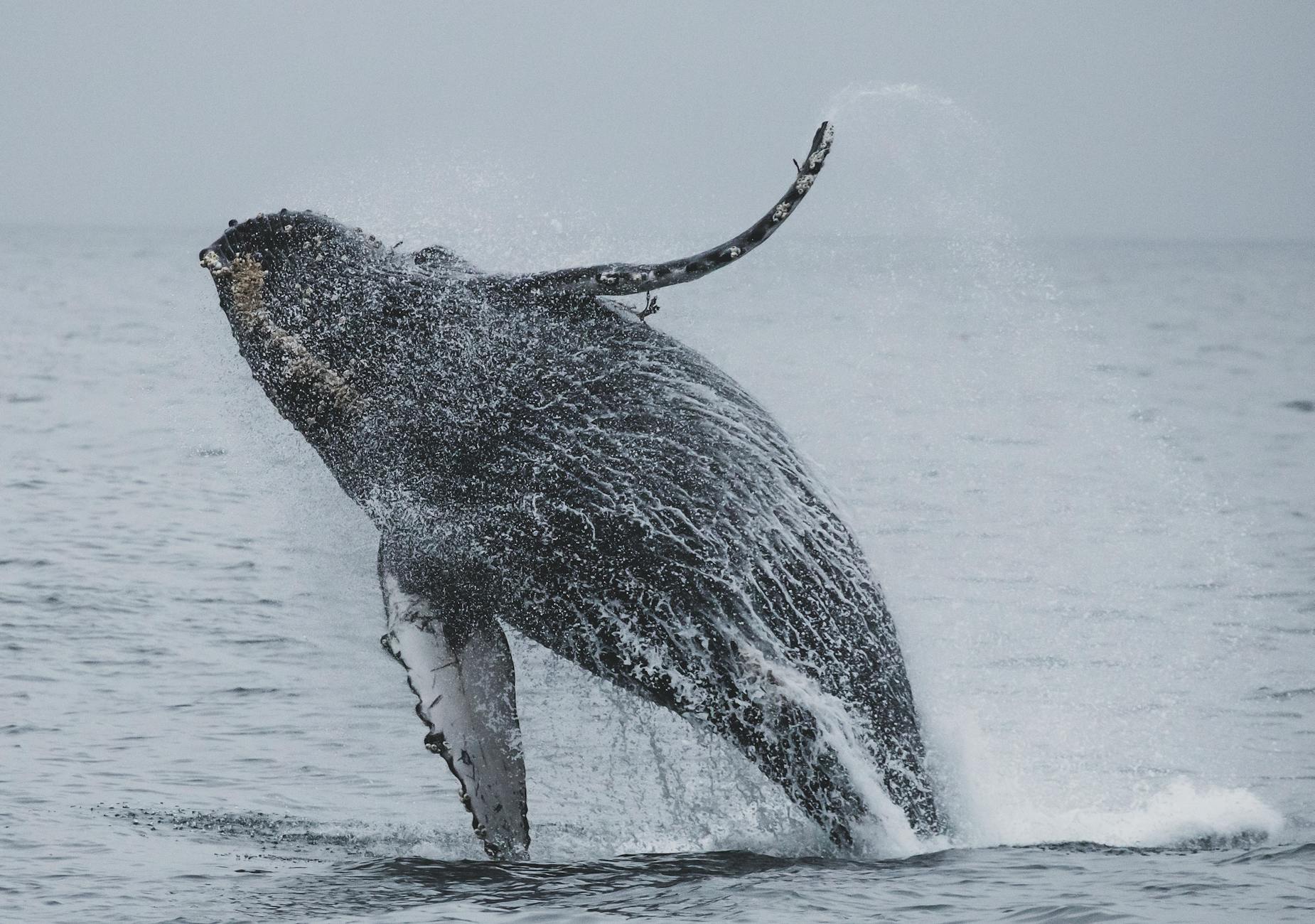
Humpback Whales
Humpbacks have made a remarkable population recovery and are increasingly common in Vancouver waters.
About humpbacks:
- Length: 12-16 m (40-52 feet)
- Migrate between Pacific Northwest summer feeding grounds and tropical breeding grounds
- Feed primarily on krill and small fish
- Famous for songs (males during breeding season)
- Acrobatic — breaching, slapping
Where to see humpbacks:
- Strait of Georgia
- Salish Sea
- Areas around Vancouver Island
- Some sightings in Burrard Inlet (less common)
Behaviors observed:
- Spectacular breaching (full body out of water)
- Fluking (tail-up dives)
- Bubble-net feeding (cooperative hunting)
- Pectoral fin slapping
- Spy-hopping
Best months for humpbacks:
- May-September peak
- July-August has highest feeding activity
- October migration south begins
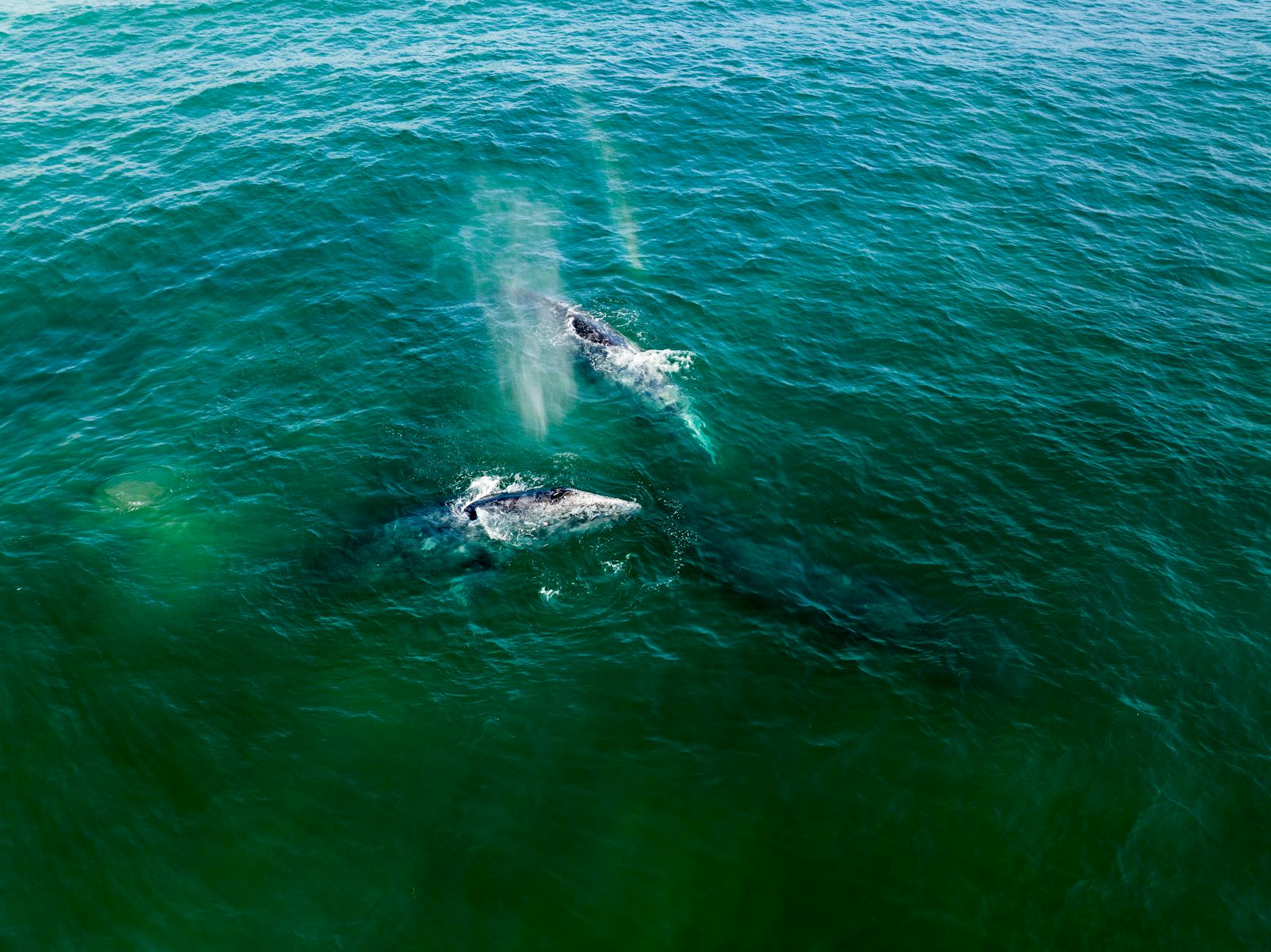
Gray, Minke, and Other Whales
Gray whales (March-May, September-November):
- Migrate Pacific Northwest to Mexico and back
- Spring northbound; fall southbound
- Heart-shaped fluke when diving
- Less common than humpbacks but visible during migrations
Minke whales:
- Smallest baleen whale (7-9 m)
- Year-round in some Pacific Northwest waters
- Quick surfacing pattern
- Less acrobatic than humpbacks
Bottlenose dolphins:
- Rare in Pacific Northwest
- More common in warmer southern waters
- Occasional sightings
Dall’s porpoises:
- Black-and-white; sometimes confused with orcas
- Smaller; faster
- Year-round in some waters
Pacific white-sided dolphins:
- Common in Pacific Northwest
- Acrobatic; bow-riding
- Travel in pods of 50-1,000+
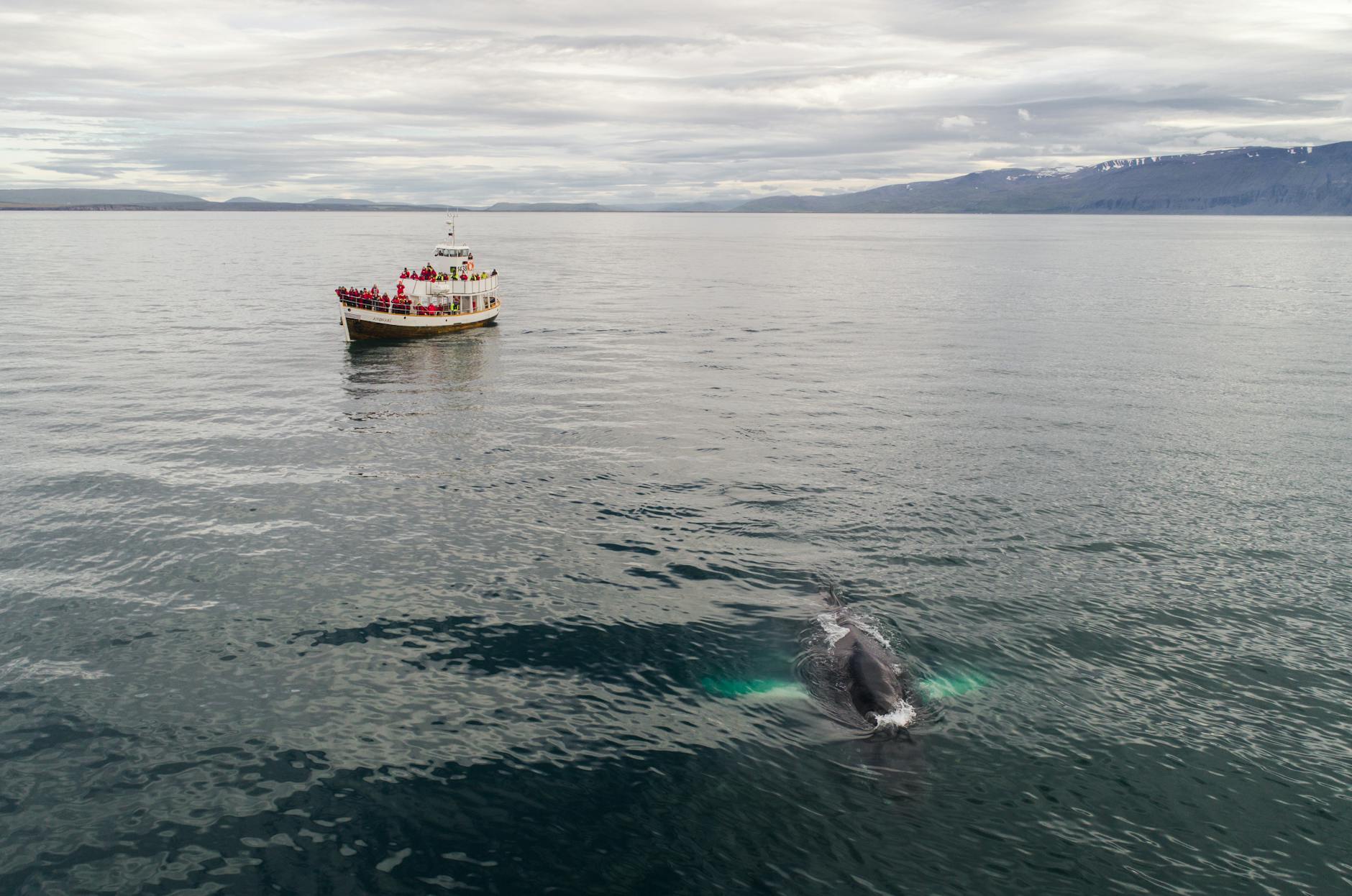
Major Vancouver Whale Watching Operators
Prince of Whales:
- Departures from Granville Island and Coal Harbour
- Year-round operation
- Multiple boat types (covered catamaran; smaller boats)
- 3-4 hour tours typical
- Cost: C$130-250 adult
- Strong sustainability focus; supports research
Wild Whales Vancouver:
- Granville Island departures
- Established 2003
- Pioneer Granville Island operator
- 3-4 hour tours
- Cost: C$130-200 adult
- Sustainable practices
Vancouver Whale Watch:
- Departures from Steveston
- Smaller-group focus
- 3-hour tours typical
- Cost: C$130-180 adult
- Combines well with Steveston village visit
Vancouver Whale Tours:
- Departures from Granville Island
- 3-4 hour tours
- Cost: C$130-200 adult
Smaller boutique operators: Several smaller operators offer specialty tours, photography-focused trips, or larger-group bookings.

Departure Points & Logistics
Granville Island:
- Most popular departure point
- Multiple operators
- Easy access by Aquabus from downtown
- Combine with Granville Island Public Market visit
- Free parking available
Coal Harbour:
- Some operators
- Easy access from downtown hotels
- Combine with Coal Harbour walking
Steveston:
- Vancouver Whale Watch and others
- 30-40 min drive from downtown
- Combine with Steveston Village visit
- Free parking
Booking ahead:
- Summer (June-September): 1-3 weeks ahead
- Off-peak (October-May): 1 week often sufficient
- Most operators have online booking
- Last-minute availability common weekday

Best Season for Whale Watching
Peak season (May-September):
- Highest sighting success rates
- Multiple species likely
- Best weather conditions
- Most tour operators running
- Highest prices and bookings
Shoulder seasons (April, October):
- Variable conditions
- Gray whale migrations adding species
- Lower prices
- Less crowded
Off-season (November-March):
- Year-round resident orcas still possible
- Dramatic stormy conditions
- Lower prices
- Some operators close
- Sea lions and seals plentiful
Best month overall: July or August for combination of conditions, sightings, and Vancouver weather.

Tour Types Compared
Covered catamarans:
- Most comfortable
- Larger groups (40-80 people)
- Indoor seating + outdoor viewing
- Heated cabins
- Stable in moderate seas
- Best for visitors uncomfortable with motion
Zodiac/inflatable boats:
- Faster; can reach more remote whales
- Smaller groups (10-15 people)
- More wildlife-focused
- Wet experience (spray)
- Best for serious wildlife enthusiasts
Mixed boats:
- Some operators have semi-covered options
- Combination of stability and access
Specialty tours:
- Photography-focused tours (smaller groups; longer at sightings)
- Sunset whale-watching combinations
- Multi-day expeditions
Choosing your tour:
- Comfort priority: Covered catamaran
- Wildlife focus: Zodiac/inflatable
- Photography: Specialty photography tour
- Family with kids: Larger covered boats (more amenities)
Pricing & What’s Included
Standard pricing:
- Adult: C$130-250
- Youth (12-17): C$80-150
- Child (5-11): C$60-120
- Senior (65+): C$110-220
- Tour duration: 3-4 hours
What’s typically included:
- Boat transportation
- Naturalist commentary
- Educational presentations
- Hot drinks and snacks (some operators)
- Wildlife sightings tracking
- “No whale, next trip free” guarantee (most operators)
What’s NOT typically included:
- Lunch (some include sandwich/snack; most don’t)
- Photography services
- Hotel pickup/transportation
- Sun protection or weather gear
Hidden costs:
- Photo prints (offered post-tour)
- Tipping naturalist guides (10-15% recommended)
- Premium tours (multi-day; specialty)
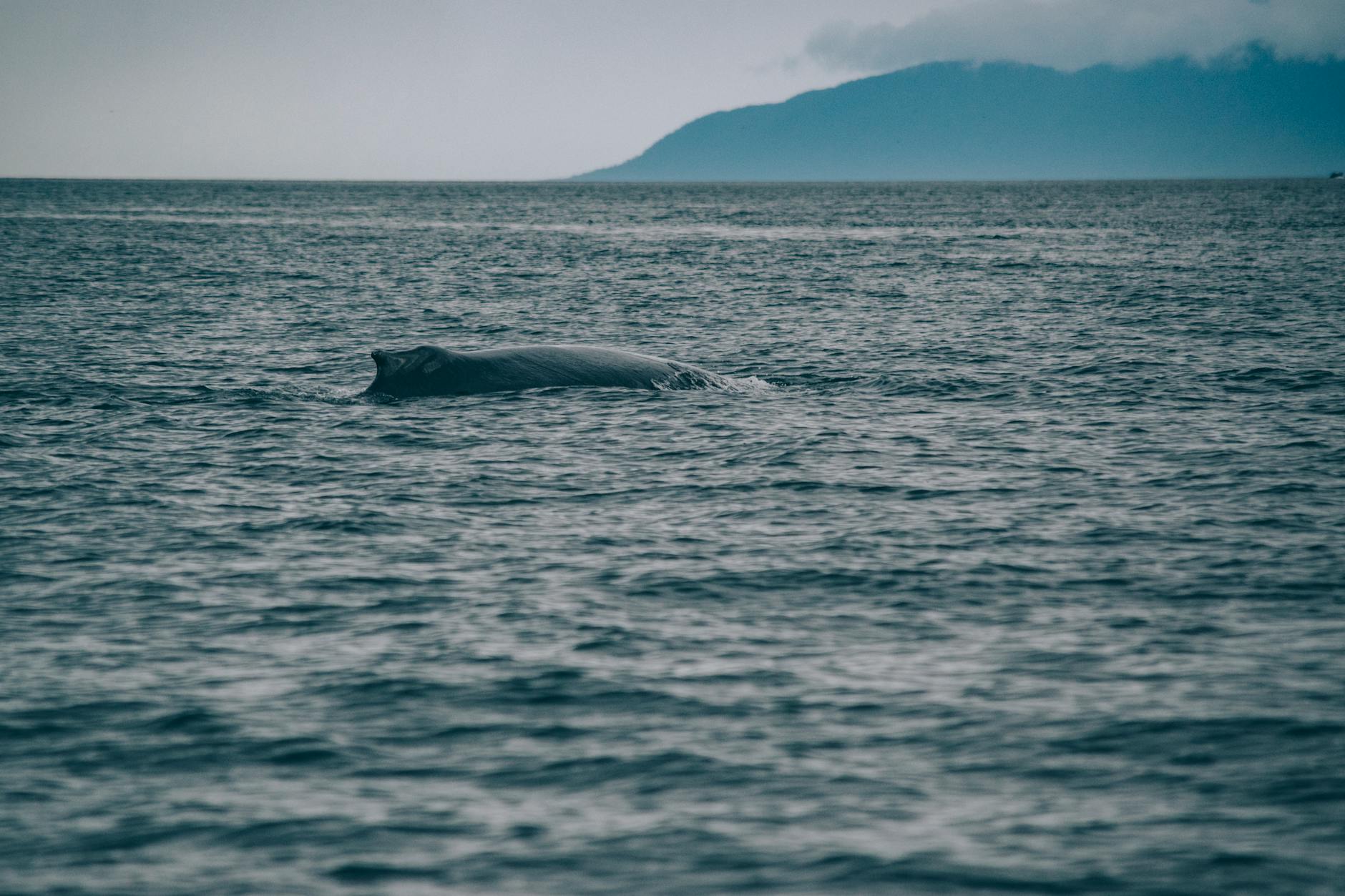
Sighting Success Rates
Most Vancouver whale watching operators publicize success rates.
Typical sighting rates:
- Peak season (May-September): 90-95%
- Shoulder season (April, October): 70-85%
- Off-season (November-March): 50-75%
“No whale, next trip free” policy:
- Most operators offer this guarantee
- Applies if no whales sighted on your trip
- Validity period: Usually 1-2 years
- Allows risk-free booking
What counts as a “whale sighting”:
- Orcas, humpbacks, gray whales, minkes (counted)
- Seals, sea lions (some operators count; others don’t)
- Porpoises (varies by operator)
- Confirmed by naturalist with photo evidence
Why sighting rates are high:
- Vancouver waters are productive (food sources)
- Multiple operators share whale location info
- Operators use experienced spotters
- Whale activity tracked daily
- Boats can travel substantial distance to find whales
What to Bring on Whale Watching
Essential clothing:
- Layered clothing (cool morning; warmer afternoon)
- Waterproof jacket (Pacific Northwest weather)
- Warm hat (sea winds chill)
- Sunglasses (water glare)
- Comfortable closed-toe shoes (deck movement)
- Optional: Waterproof pants
Photography gear:
- Telephoto lens (300-600mm) for distant whales
- Wide-angle for context shots
- Lens cloth for spray
- Camera strap (drops happen)
- Spare battery
- Memory cards
Personal items:
- Sunscreen (waterproof)
- Camera/phone
- Snacks (some operators provide; most don’t)
- Water bottle
- Motion sickness medication if prone
- Binoculars
- Light backpack
Optional/nice-to-have:
- Whale identification guidebook
- Notebook for sightings tracking
- Tripod (small; for stability)
- Lens hood for sun glare
What NOT to bring:
- Glass containers (deck safety)
- Heavy/bulky luggage
- Valuable jewelry
- Multiple cameras (one good one + phone)

Whale Watching Photography
Equipment recommendations:
- Telephoto lens 300-600mm for distant whales
- Crop-sensor camera body amplifies reach
- Image stabilization helpful
- Continuous shooting mode
- Fast shutter speeds (1/1000+)
- Polarizing filter
Settings for whale photography:
- Shutter speed: 1/1000 or faster (freezes splashes)
- ISO: 400-800 for adequate shutter; 200 if bright sun
- Aperture: f/5.6-8 for depth of field
- Continuous focus mode
- Burst mode for breaching
Shooting strategy:
- Position before sighting (boat positions for visibility)
- Wait for behavior to develop
- Take multiple shots; review later
- Don’t try to capture every moment with camera; enjoy
- Get behavior shots (breaching, fluking) not just whale presence
Best photo opportunities:
- Breach (full body out of water; rare; spectacular)
- Fluke (tail up before deep dive; predictable)
- Spy-hopping (head out of water; check)
- Pod travel (multiple whales swimming together)
- Mother and calf interactions

Ethical Whale Watching
Whale watching has both positive and negative impacts on whale populations.
Positive impacts:
- Funds research and conservation
- Educates visitors about whales
- Creates economic incentive for whale protection
- Builds public support for conservation
Potential negative impacts:
- Vessel noise stress on whales
- Disturbance during feeding/resting
- Approach distance violations
Ethical operator practices:
- Maintain legal distance (200m for orcas)
- Don’t approach mothers with calves
- Don’t surround pods
- Don’t pursue at high speed
- Stop tour if whales appear distressed
Choosing ethical operator:
- Look for naturalist guides with credentials
- Check operator’s research support
- Read recent reviews about operator behavior
- Look for “Whale Wise” certification or similar
- Avoid operators with rushed/aggressive practices
Visitor responsibilities:
- Don’t ask captain to break distance rules
- Don’t shout or make excessive noise
- Don’t try to attract whales
- Respect what naturalist teaches about ethics
- Tip operators who emphasize ethical practices
Related Vancouver guides
Keep planning with these guides:
Vancouver Whale Watching FAQs
What’s the best time to go whale watching from Vancouver?
May-September peak; July-August has highest sighting success and best weather.
What whales might I see in Vancouver?
Orcas, humpback whales, gray whales (during migration), minke whales, harbor porpoises, sea lions, harbor seals.
How long are Vancouver whale watching tours?
3-4 hours typical, including travel to whale sighting areas and back.
How much does whale watching cost in Vancouver?
C$130-250 per adult depending on operator and tour type.
Are sightings guaranteed?
Most operators offer “no whale, next trip free” guarantee. Sighting success rates 90-95% peak season.
Can I see orcas year-round?
Orcas are visible year-round but with reduced frequency October-April compared to peak season.
Where do tours depart from?
Granville Island, Coal Harbour, and Steveston are the main departure points.
Related reading: Pair this with our Granville Island guide, kayaking guide, and outdoor pillar.