
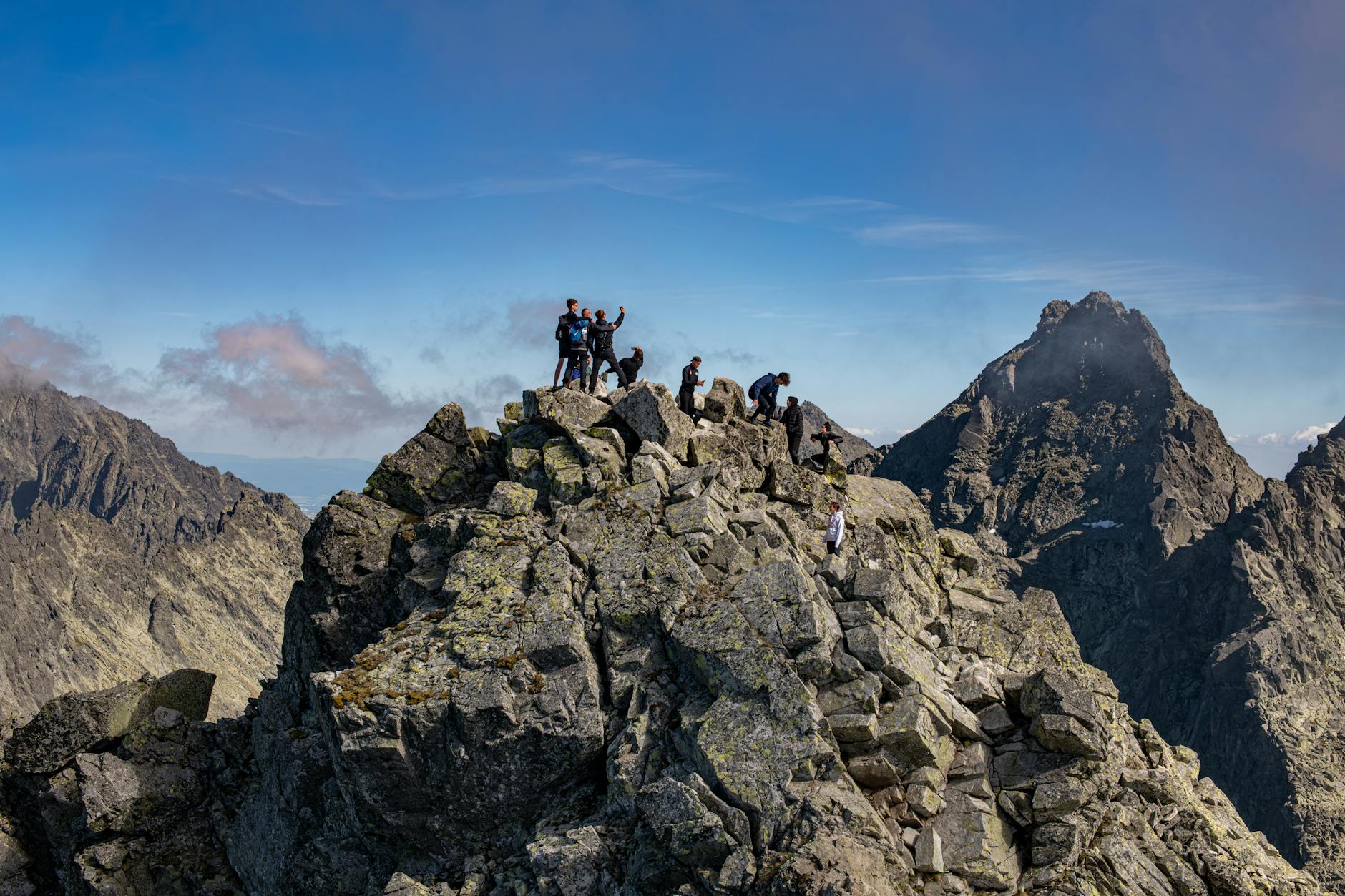
The best hikes near Vancouver for advanced hikers stretch from the Lions (1,646m peak) to Black Tusk (2,319m) to Mount Strachan (1,454m) to The Lions Binkert Trail — substantial climbs requiring fitness, preparation, and respect for the Coast Mountains. Vancouver is uniquely positioned: Pacific coast at sea level meets 2,000m+ peaks within 60 minutes drive. The North Shore Mountains (Cypress, Grouse, Seymour ranges) offer dozens of hard hikes, while the Sea-to-Sky Highway reaches the iconic Garibaldi Park hikes (Black Tusk, Panorama Ridge, Garibaldi Lake).
This guide covers the best hard and advanced Vancouver-area hikes for serious hikers — distance, elevation, time, technical considerations, and what makes each special.
Table of Contents
Hard Hikes at a Glance
- The Lions (Binkert): 16 km, 8-10 hrs, 1,200m gain, advanced
- Black Tusk: 29 km return, 9-12 hrs, 1,750m gain, advanced
- Panorama Ridge: 30 km return, 8-11 hrs, 1,500m gain, advanced
- Garibaldi Lake: 18 km return, 5-7 hrs, 800m gain, intermediate-advanced
- Stawamus Chief 1st Peak: 4 km, 4-5 hrs, 600m gain, advanced (chains/ladders)
- Mount Strachan (Cypress): 9 km, 4-5 hrs, 700m gain, advanced
- Mount Seymour Pump Peak: 10 km, 4-5 hrs, 800m gain, advanced
- St. Marks Summit: 11 km, 4-6 hrs, 425m gain, intermediate
- Eagle Bluffs: 8 km, 4-5 hrs, 530m gain, advanced
- Coliseum Mountain: 16 km, 6-8 hrs, 1,300m gain, advanced
The Lions (Binkert Trail)
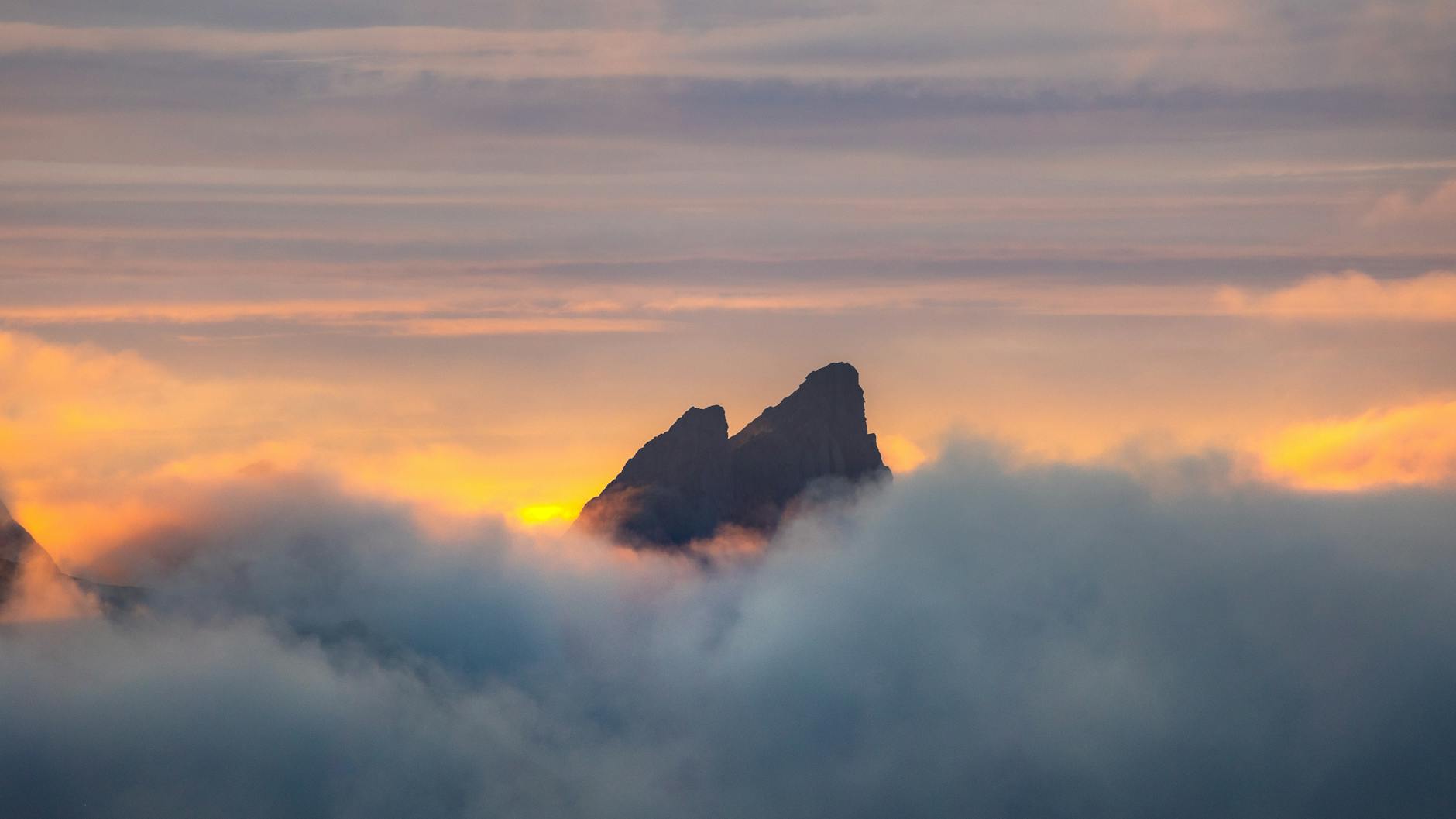
The Lions are Vancouver’s iconic twin peaks visible from many city vantage points. The Binkert Trail to The Lions is one of Vancouver’s most challenging and rewarding day hikes.
Trail stats: 16 km return, 8-10 hours, 1,200m elevation gain, advanced.
Trailhead: Lions Bay (45-minute drive from downtown).
What to expect: Steep ascent through forest; emerging into alpine; final scramble to West Lion summit; return descent. Experienced hikers reach the saddle (between East and West Lion) for spectacular views even without summiting.
Best season: July-October.
Difficulty notes: Some scrambling near summit; not for those uncomfortable with exposure. Trail is occasionally not maintained well; navigation skills helpful.
Reward: 360° views of Howe Sound, Vancouver, Coast Mountains.
Black Tusk (Garibaldi Park)
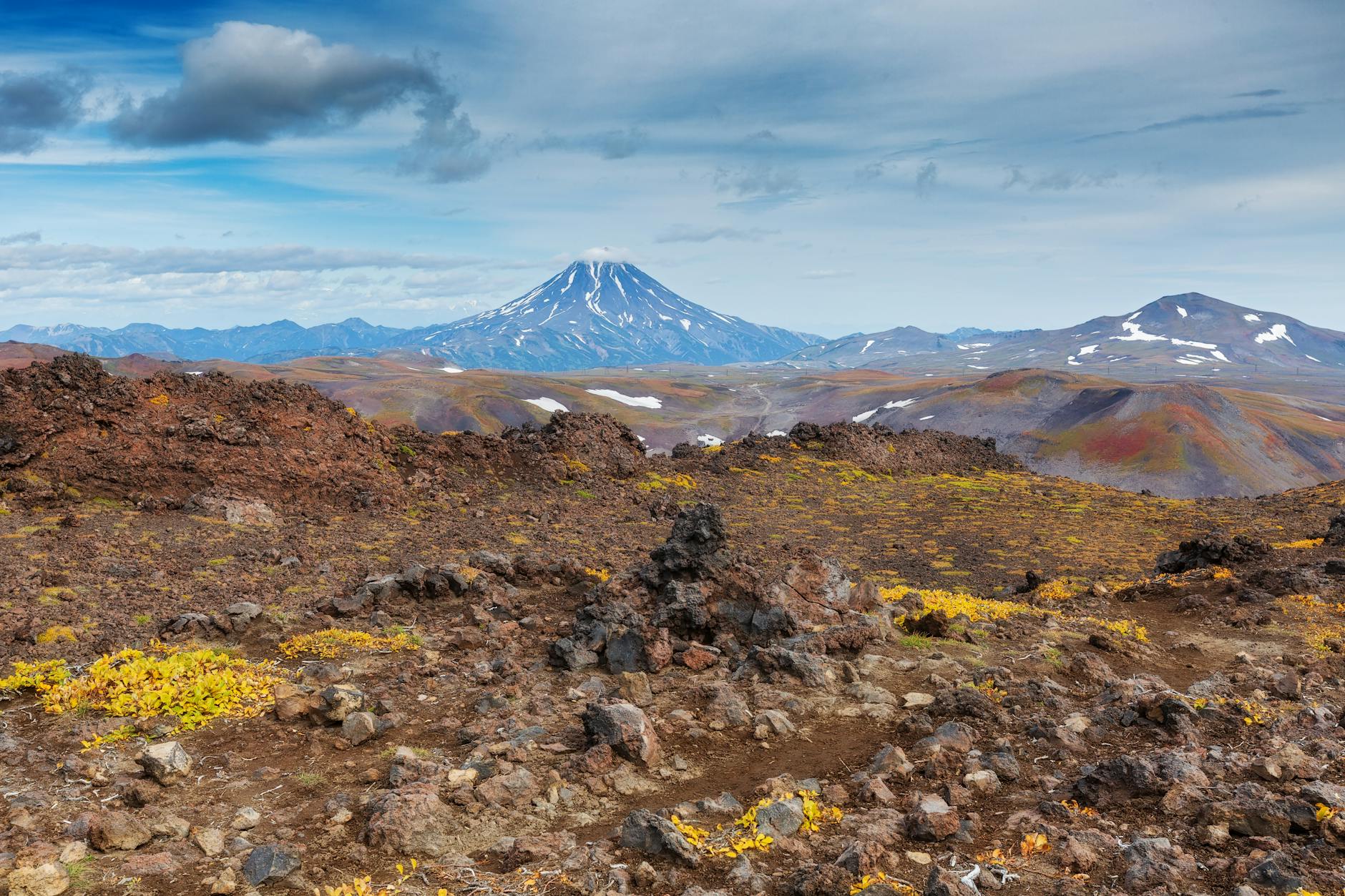
Black Tusk is one of BC’s most iconic peaks — a volcanic spire jutting from the alpine plateau in Garibaldi Provincial Park.
Trail stats: 29 km return, 9-12 hours, 1,750m elevation gain, advanced.
Trailhead: Rubble Creek (90 min from Vancouver via Sea-to-Sky).
What to expect: Long approach hike up the Helm Creek trail; emerging into alpine plateau; final scramble up the volcanic spire (Class 3 scrambling requiring confidence and good footwear). Most hikers descend to spend the night at Garibaldi Lake or campsite.
Best season: July-September (snow lingers other times).
Difficulty notes: Last summit section requires scrambling; some hikers are uncomfortable with steep exposure. Not technical mountaineering but requires confidence.
Permit: BC Parks day pass C$11; overnight requires reservation.
Reward: Iconic photographic peak; alpine plateau; Coast Mountains panorama.
Panorama Ridge
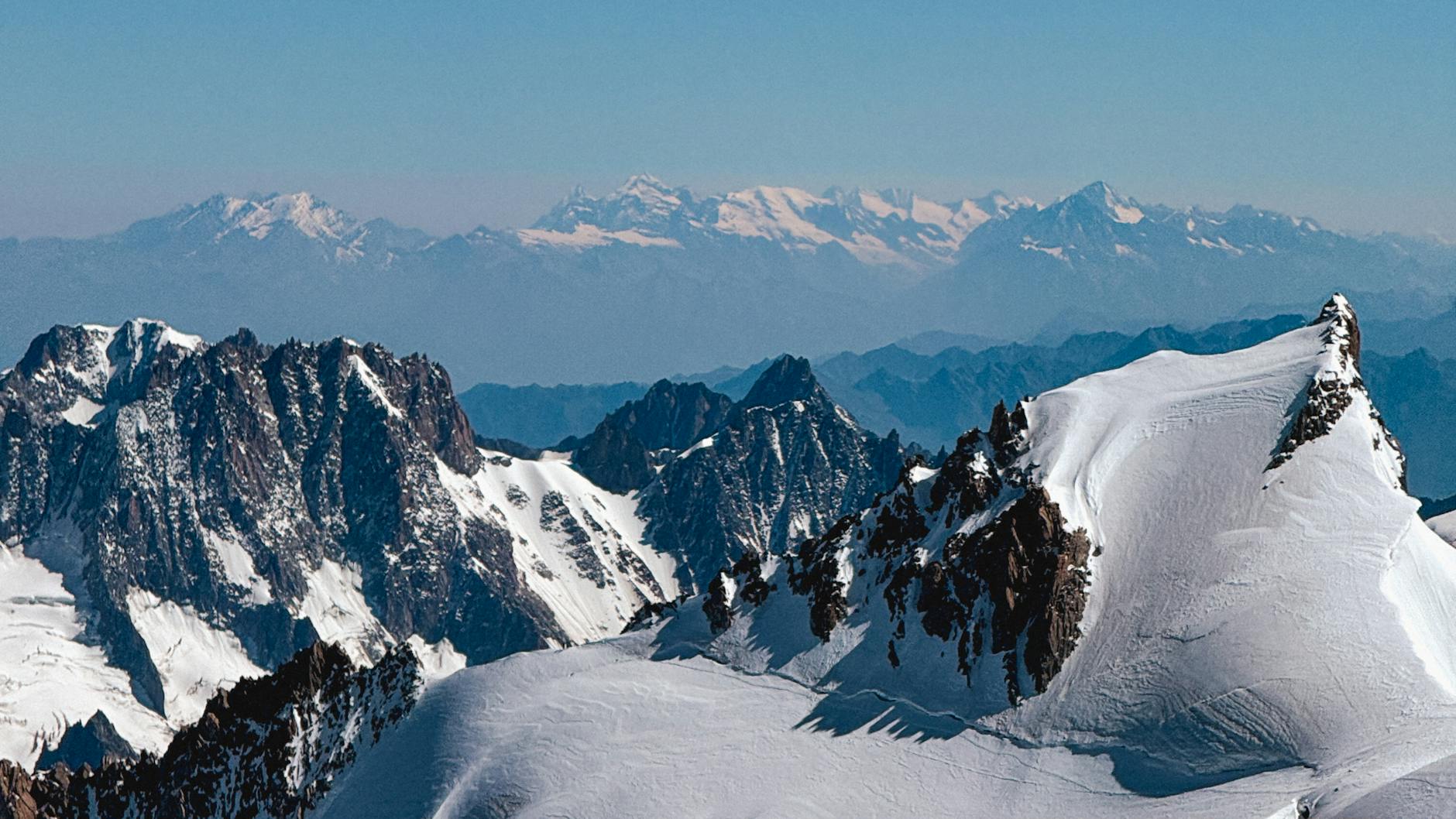
Panorama Ridge offers possibly the most spectacular alpine hike accessible from Vancouver — a long ridge walk with panoramic views of Garibaldi Lake, Black Tusk, Mount Garibaldi, and Coast Mountains.
Trail stats: 30 km return, 8-11 hours, 1,500m elevation gain, advanced.
Trailhead: Rubble Creek (same as Black Tusk).
What to expect: Helm Creek trail to the alpine plateau, then the ridge walk to Panorama Ridge summit. The ridge itself is the experience — kilometer after kilometer of jaw-dropping views in every direction.
Best season: July-September.
Reward: Some of the most spectacular alpine views in southern BC; turquoise Garibaldi Lake; Black Tusk; Coast Mountains.
Tip: Many hikers do this as overnight at Garibaldi Lake campsite. Multi-day option allows deeper exploration of Garibaldi Park.
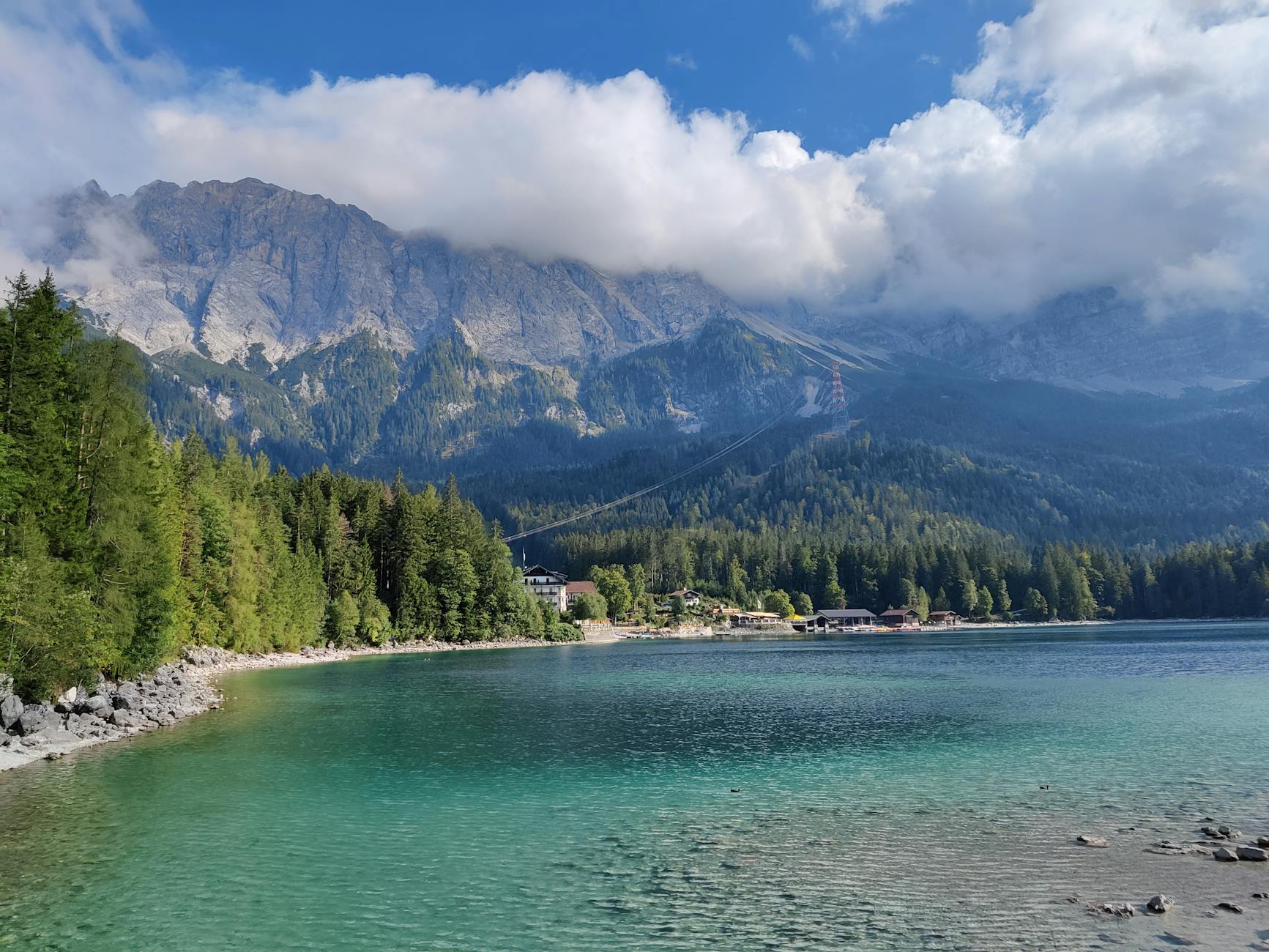
Garibaldi Lake
Garibaldi Lake (within Garibaldi Park) is one of BC’s most photographed alpine lakes — turquoise water surrounded by Coast Mountain peaks.
Trail stats: 18 km return, 5-7 hours, 800m elevation gain, intermediate-advanced.
Trailhead: Rubble Creek.
What to expect: Steady forest ascent; emerging at lakeside; option to continue to alpine campsites (Battleship Islands or Sentinel Bay). Lake hike is the easier shorter option to combine with car drive home same day.
Best season: July-September.
Reward: One of BC’s most beautiful alpine lakes; turquoise color from glacial silt; surrounded by mountain peaks.
Tip: Easier than Black Tusk or Panorama; great introduction to Garibaldi Park’s alpine.
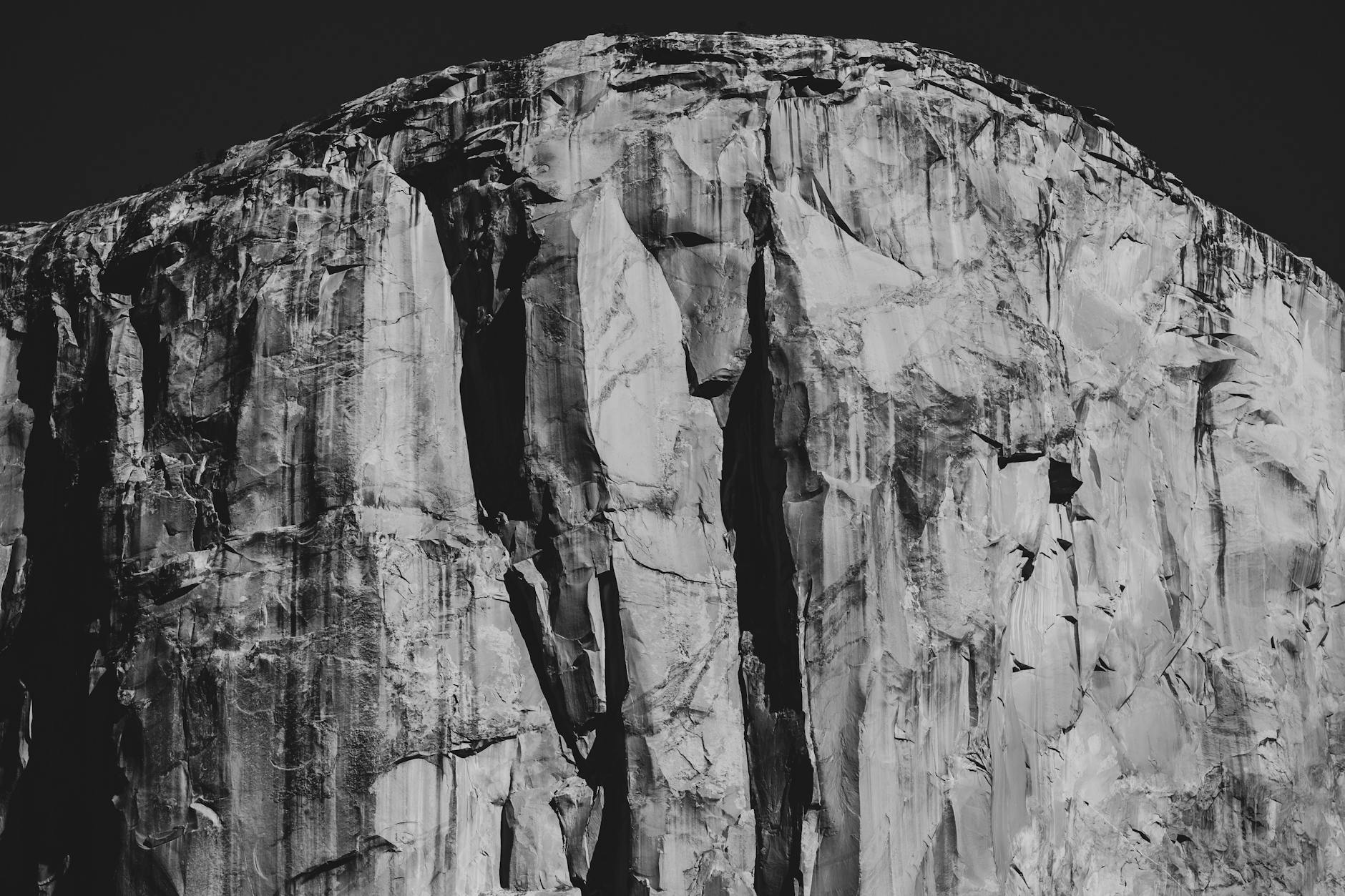
Stawamus Chief Three Peaks
The Stawamus Chief in Squamish is the world’s second-largest granite monolith. Three peaks (First, Second, Third) offer different difficulty levels.
Trail stats per peak:
- 1st Peak (longest, hardest): 4 km, 4-5 hours, 600m gain
- 2nd Peak (most popular): 4 km, 3-4 hours, 540m gain
- 3rd Peak (shortest, easiest): 3.5 km, 2-3 hours, 540m gain
Trailhead: Stawamus Chief Provincial Park (60 min from Vancouver).
What to expect: Granite scrambles, chains, ladders. Not a casual hike — requires confidence with heights.
Best season: May-October.
Reward: Panoramic views of Howe Sound, Squamish, Sea-to-Sky corridor; granite-on-mountain experience.
Difficulty notes: Chains and ladders aid certain sections; requires good footwear; not for those uncomfortable with exposure.
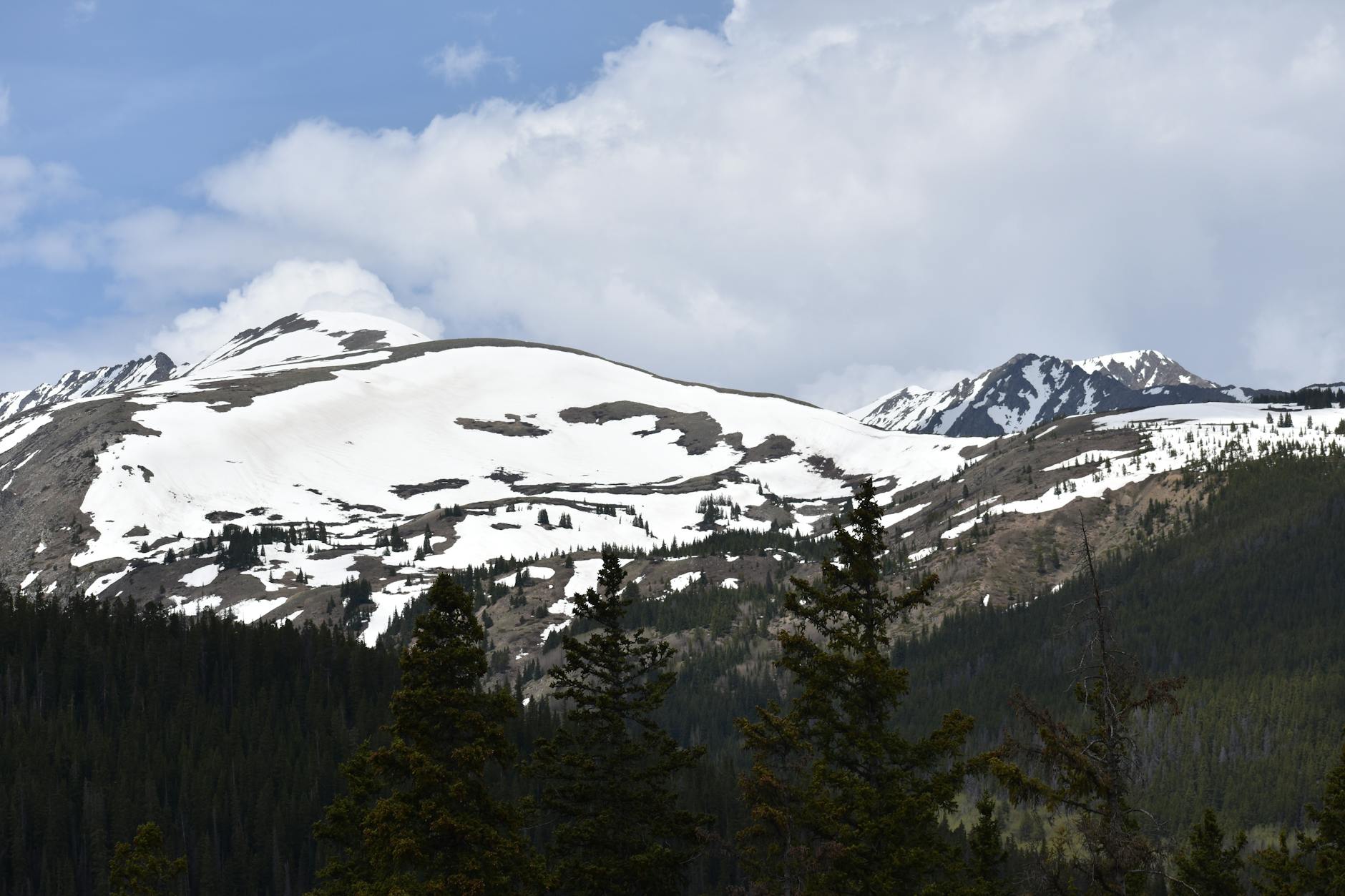
Mount Strachan
Mount Strachan (West Vancouver, Cypress Provincial Park) is one of the more accessible advanced hikes — challenging but doable as a day trip with good driving access.
Trail stats: 9 km return, 4-5 hours, 700m elevation gain, advanced.
Trailhead: Cypress Mountain (45 min from downtown).
What to expect: Forest ascent; emerging at ski-run summit; views of Howe Sound and downtown Vancouver. Some scramble sections.
Best season: July-September.
Reward: Coast Mountains views; Howe Sound; downtown Vancouver visible.
Tip: Combine with St. Marks Summit (adjacent peak) for a longer day.
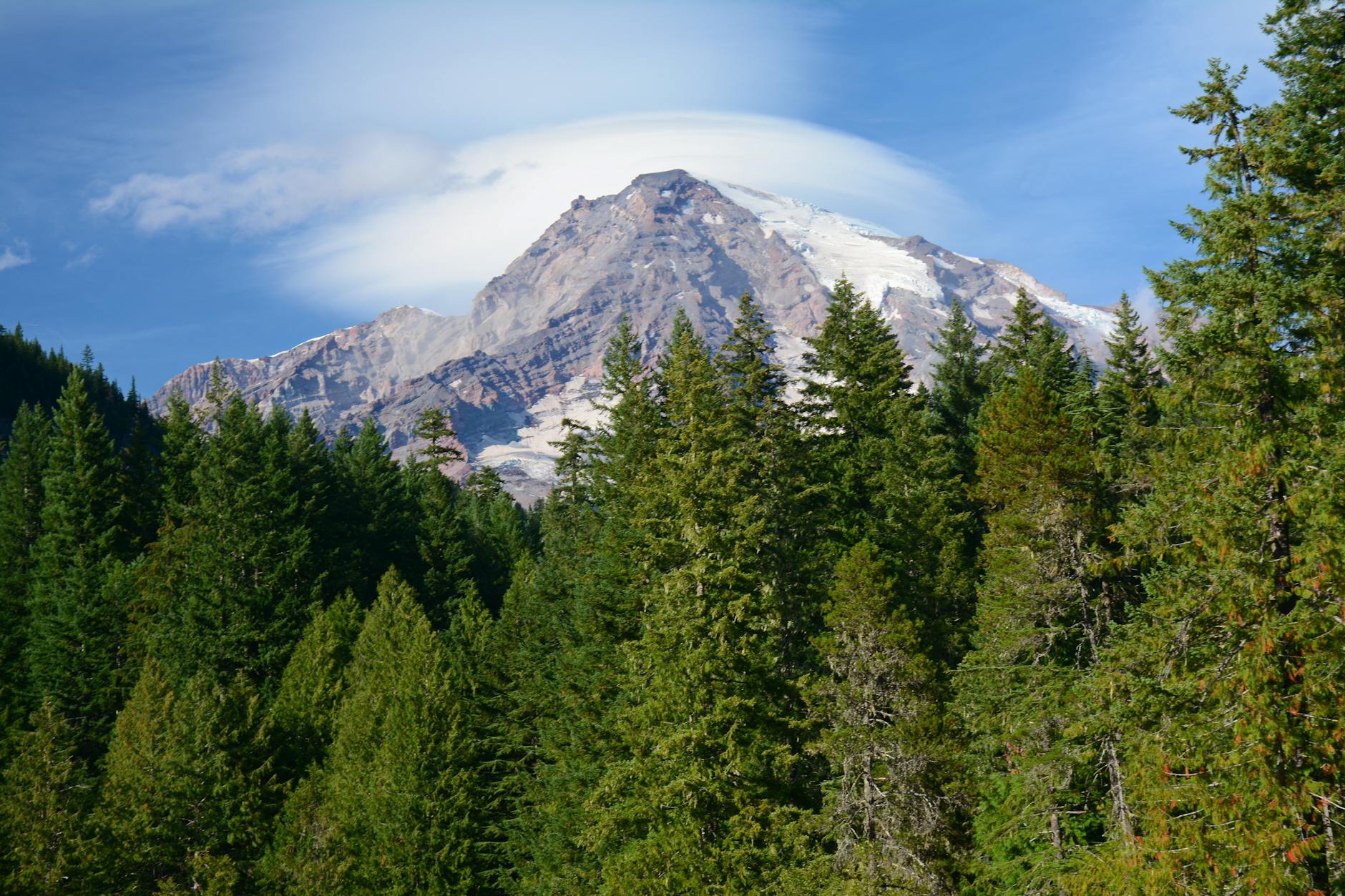
Mount Seymour Pump Peak
Mount Seymour Provincial Park (North Vancouver) offers multiple advanced hike options. Pump Peak is one of the more popular summits.
Trail stats: 10 km return, 4-5 hours, 800m elevation gain, advanced.
Trailhead: Mount Seymour parking (30 min from downtown).
What to expect: Steady forest ascent; emerging at Pump Peak summit; views of Burrard Inlet, downtown Vancouver, Indian Arm. Some sections steep with roots.
Best season: July-September.
Reward: Excellent panoramic views of Metro Vancouver; quieter than Grouse Mountain summit; multiple summit options.
Other Mount Seymour peaks: Dog Mountain (easier; 5 km return); Mount Seymour summit (longer, more challenging); Suicide Bluffs (advanced).
St. Marks Summit (Cypress)
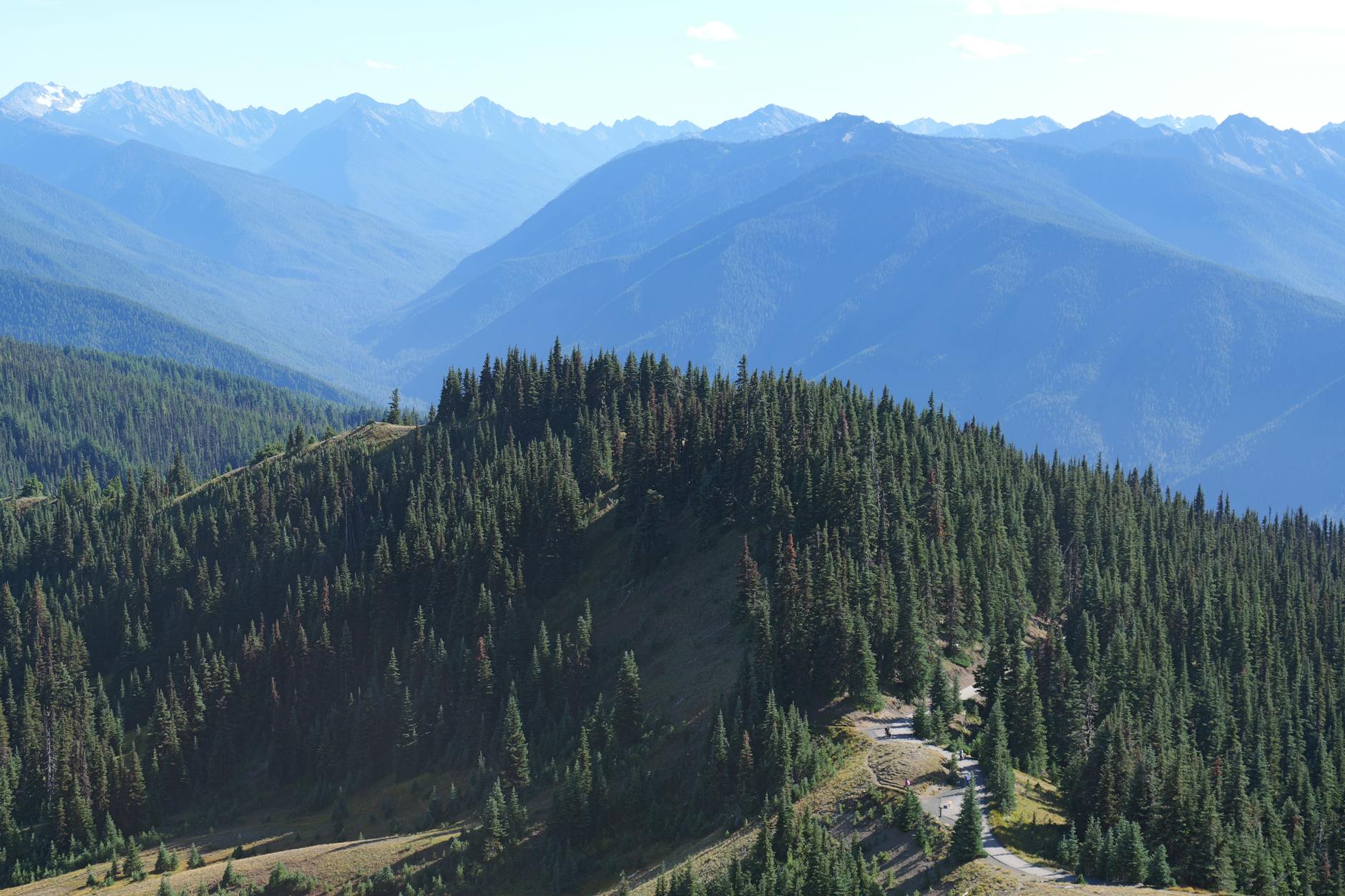
St. Marks Summit in Cypress Provincial Park is the gateway to the longer Howe Sound Crest Trail.
Trail stats: 11 km return, 4-6 hours, 425m elevation gain, intermediate.
Trailhead: Cypress Mountain.
What to expect: Forest ascent through cedar; emerging at the summit lookout. Views of Howe Sound and the Lions.
Best season: July-September.
Reward: Stunning views of Howe Sound, Bowyer Island, the Lions; quieter than other Cypress summits.
Extension: Continue along Howe Sound Crest Trail for longer adventure (multi-day option).
Eagle Bluffs
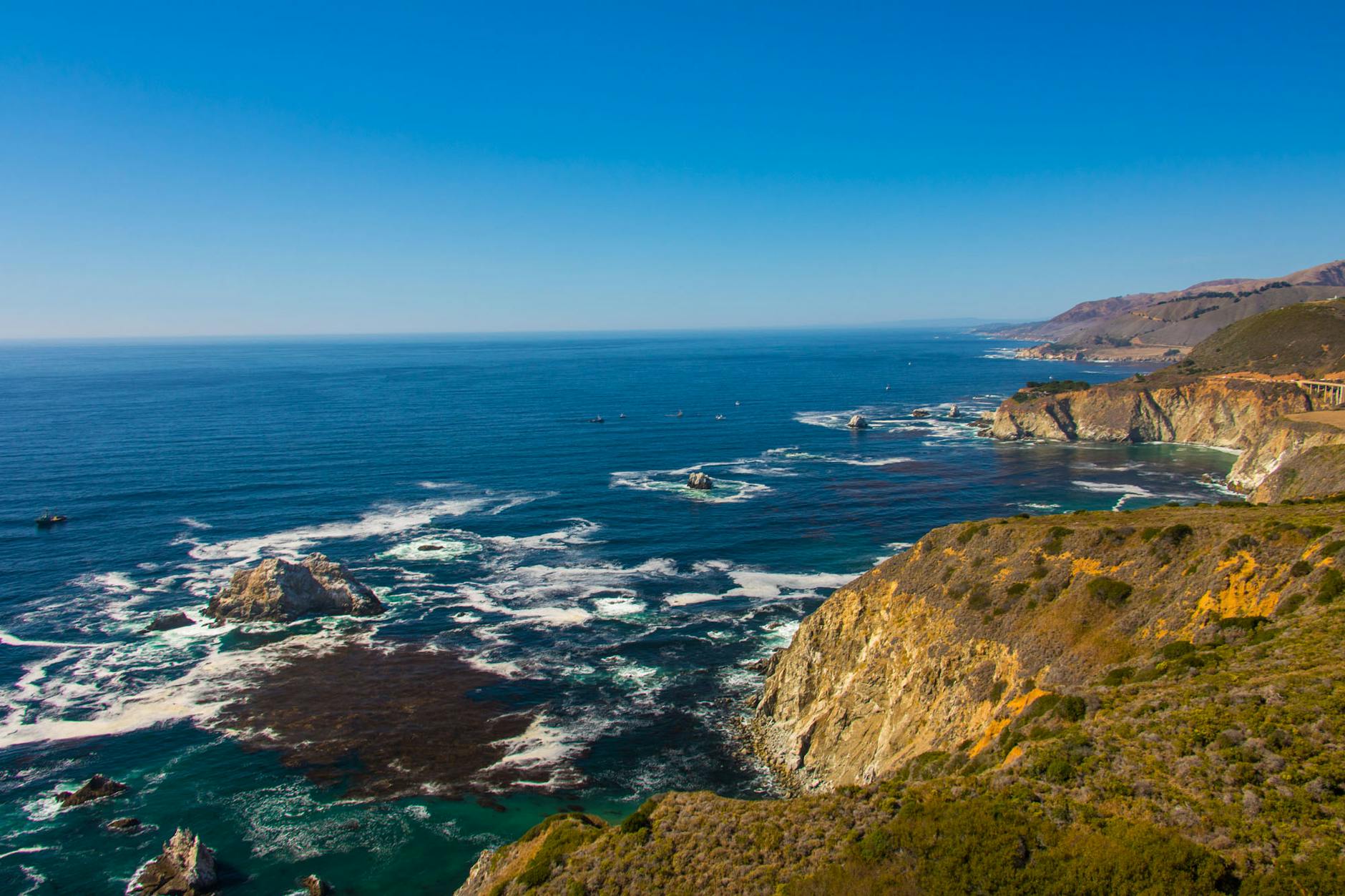
Eagle Bluffs offers excellent views of Howe Sound and Lions Bay area with manageable hiking.
Trail stats: 8 km return, 4-5 hours, 530m elevation gain, advanced.
Trailhead: Cypress Bowl Road area.
What to expect: Forest ascent; emerging at exposed bluffs with views; some scrambling near top.
Best season: July-September.
Reward: Panoramic Howe Sound views; quieter than nearby St. Marks Summit.
Coliseum Mountain
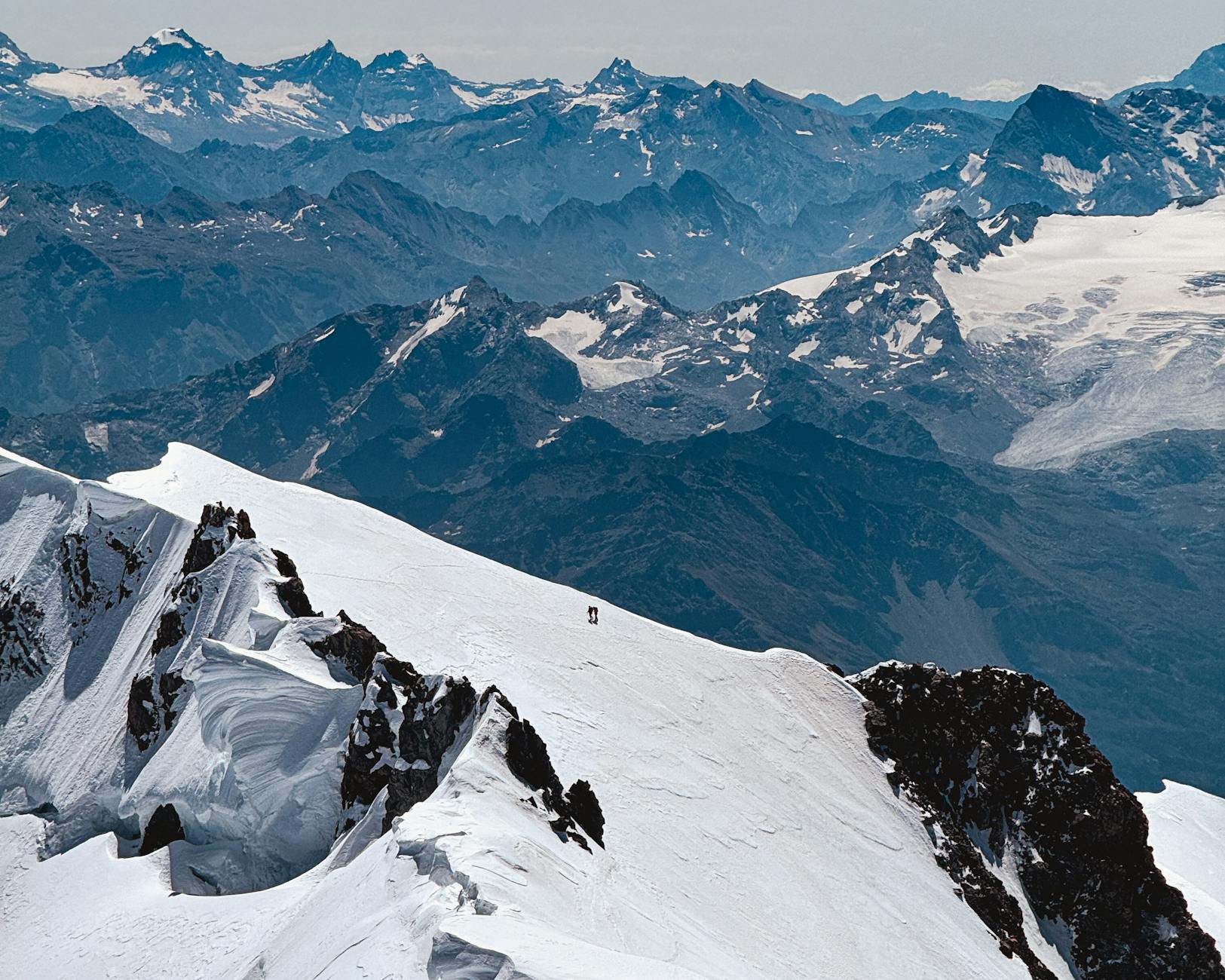
Coliseum Mountain (Lynn Headwaters) is one of the longest North Shore day hikes — substantial elevation gain in single day.
Trail stats: 16 km return, 6-8 hours, 1,300m elevation gain, advanced.
Trailhead: Lynn Headwaters Regional Park.
What to expect: Long forest ascent; eventual emergence into alpine; summit ridge walk. Demanding day.
Best season: July-September.
Reward: Substantial accomplishment; less-crowded than other summits; mountain solitude.
Hard Hike Preparation
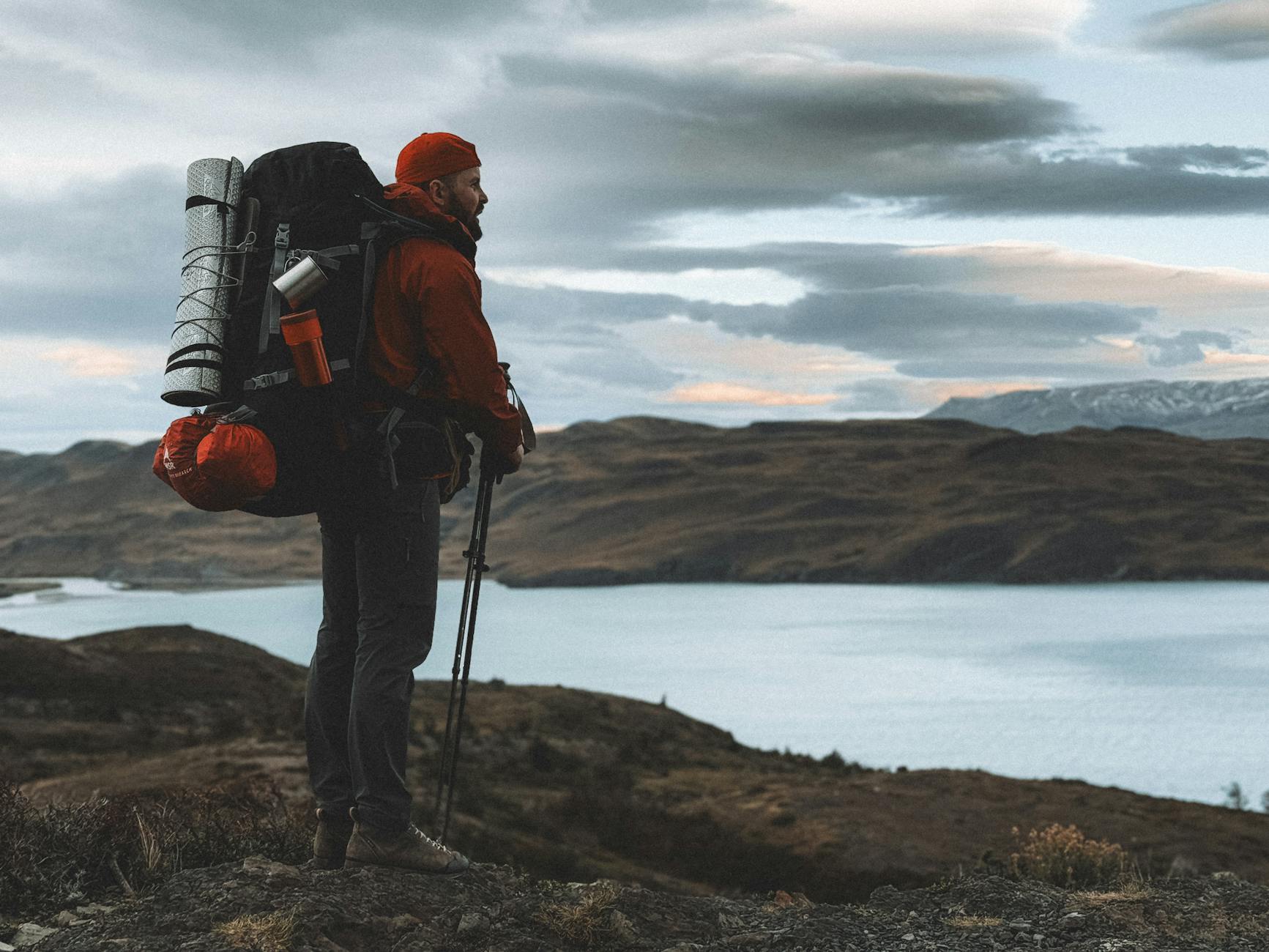
Hard Vancouver hikes demand serious preparation.
Fitness baseline:
- Capable of 8+ hours hiking with elevation
- Comfortable on uneven terrain (roots, rocks)
- Confident with steep ascent and descent
- Some scramble experience preferred
- Aerobic capacity for sustained effort
Pre-hike training (8 weeks before):
- Multiple Grouse Grinds (build elevation gain capacity)
- Long-distance day hikes (4-6 hours)
- Strength training: squats, lunges, deadlifts, single-leg work
- Cardio: hill repeats, intervals, long slow distance
- Backpack training (carry full hike gear on practice walks)
Day-before preparation:
- Sleep 8+ hours
- Pack the night before
- Confirm weather forecast
- Tell someone your hiking plan
- Check trail conditions (current avalanche risk, road closures)
Day-of preparation:
- Eat substantial breakfast 2-3 hours before
- Hydrate well
- Arrive at trailhead early (sunrise)
- Allow extra time for parking
Safety on Hard Vancouver Hikes
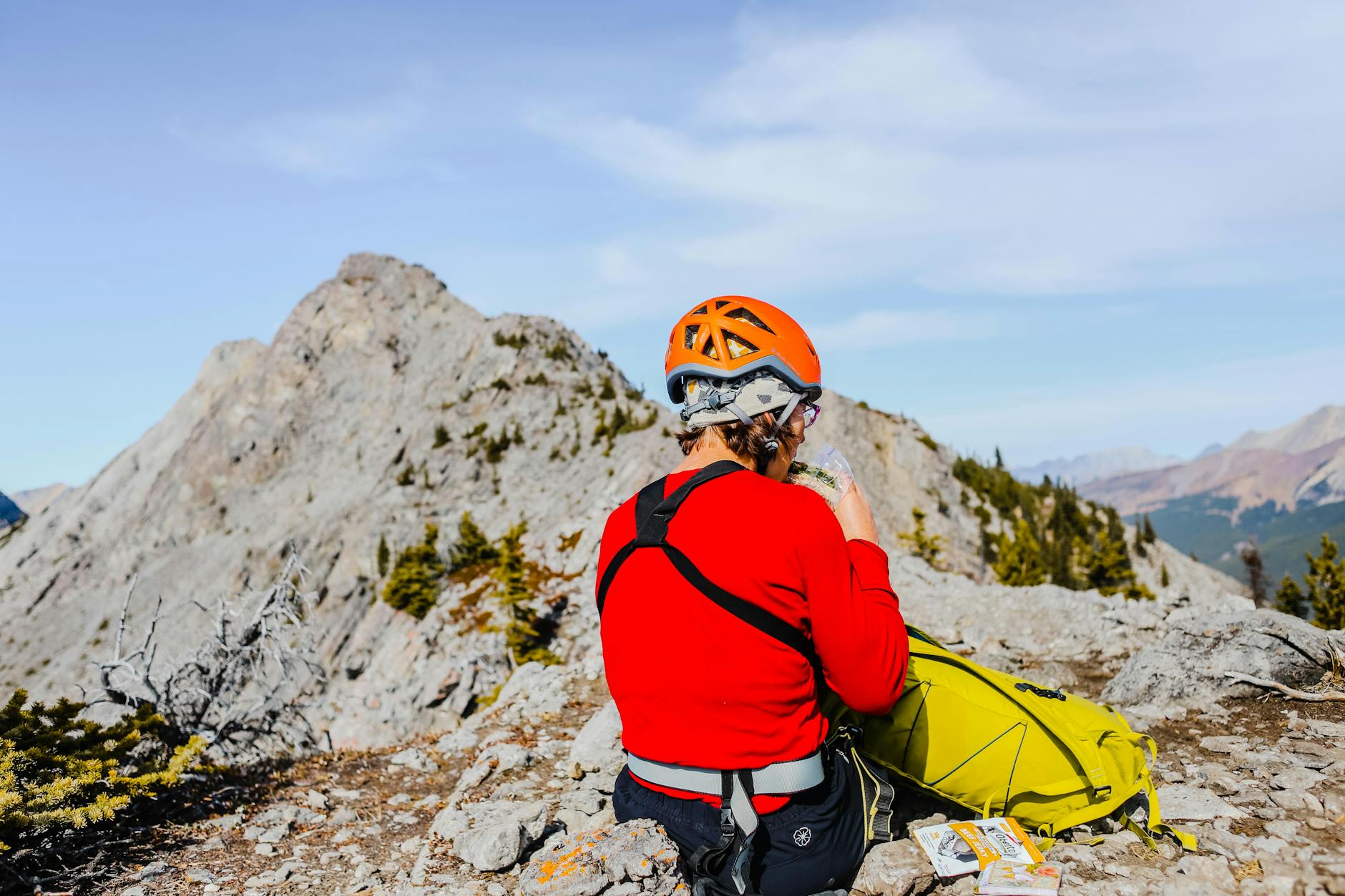
Hard hikes require active safety management.
Wildlife safety:
- Bear spray essential (April-October)
- Make noise on trails
- Don’t hike alone in remote areas
- Know what to do in bear encounters
- Cougar awareness (rare but possible)
Weather safety:
- Check forecast before leaving
- Mountain weather can change rapidly
- Pack rain gear regardless of forecast
- Pack warm layers (even in summer)
- Avalanche risk in winter (consult avalanche.ca)
Navigation safety:
- Download offline trail map (Gaia GPS, AllTrails, etc.)
- Carry physical map as backup
- Know your route before starting
- Watch for trail markers (cairns, blazes)
- Don’t rely on cell service in mountains
Emergency preparedness:
- Carry emergency whistle
- First-aid basics
- Headlamp (for unexpected delays)
- Extra layers
- Emergency snacks
- Phone with battery pack
- Filing emergency plan with trusted person
Group dynamics:
- Match pace to slowest hiker
- Don’t separate the group
- Make decisions collectively
- Respect group fitness levels
Permits, Closures & Reservations
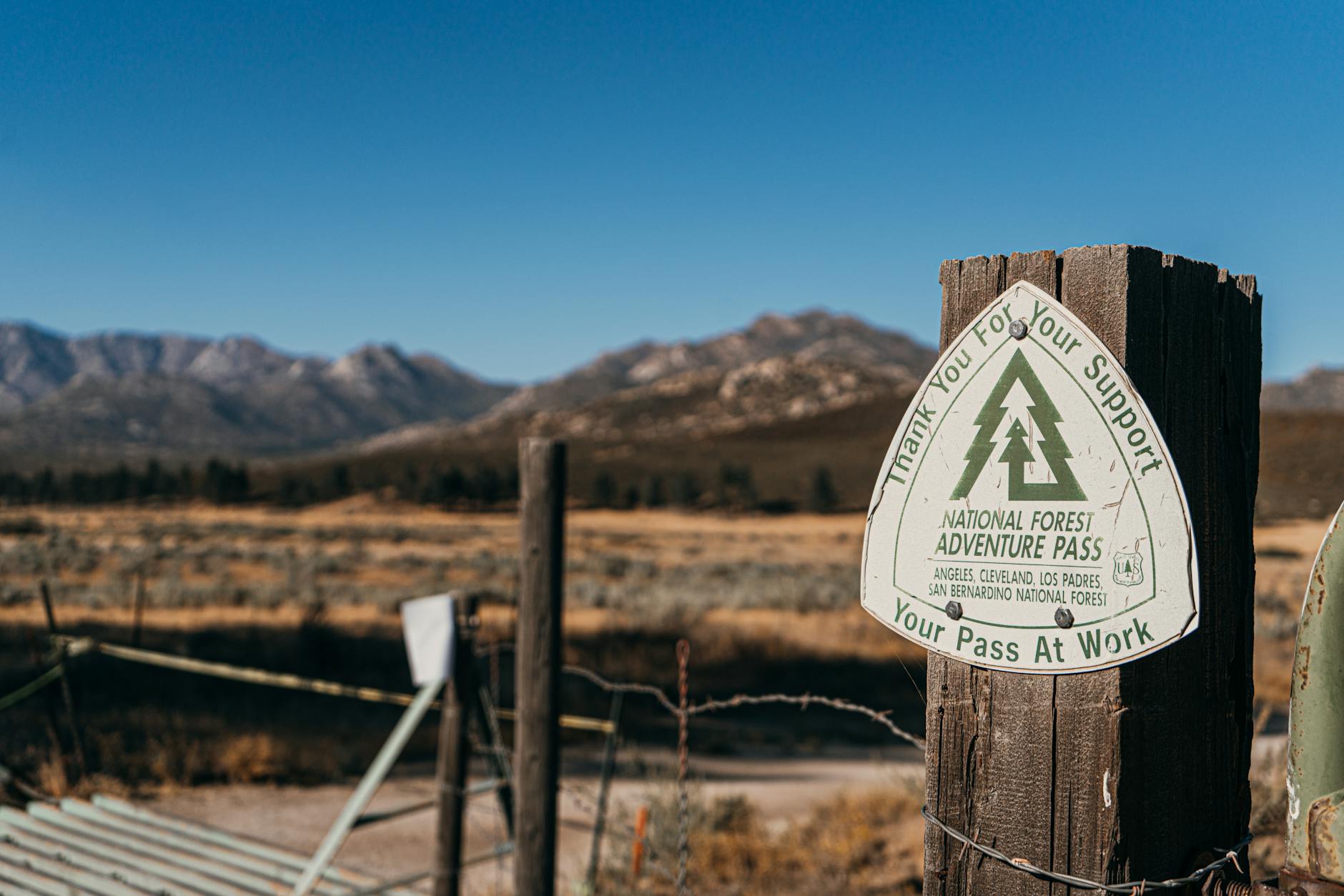
Some hard Vancouver hikes require permits or have access limitations.
Garibaldi Park (Black Tusk, Panorama Ridge, Garibaldi Lake):
- Day-use parking: BC Parks day pass C$11
- Overnight camping: Reserve through BC Parks website
- Reservations open in spring; popular dates fill quickly
Stawamus Chief Provincial Park:
- Free day-use access
- Overnight camping in adjacent campground (reservation required)
Cypress Provincial Park:
- Free day-use; some seasonal closures for ski operations
- Mountain Highway tires required Oct 1-Apr 30
Mount Seymour Provincial Park:
- Free day-use; ski resort operations affect parking in winter
- Mountain Highway tires required Oct 1-Apr 30
The Lions:
- Free access via Lions Bay or Cypress route
- Trail can have winter closures with snow
Booking strategy for popular hikes:
- Garibaldi Lake camping: Reserve 4-12 weeks ahead
- Multi-day Garibaldi trips: Reserve 3+ months ahead for summer weekends
- Day hikes: Most don’t require advance reservations
Essential Gear for Hard Hikes
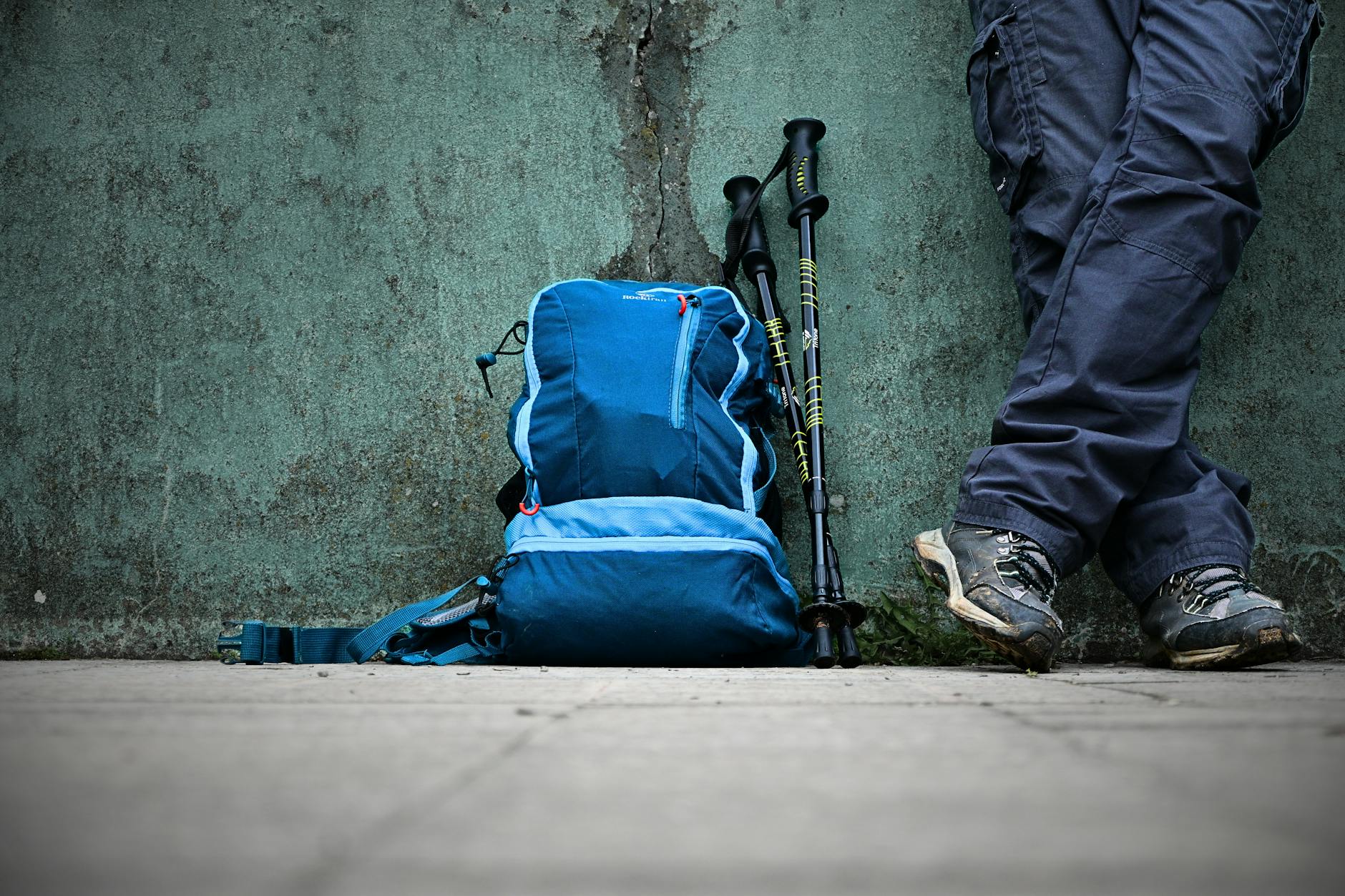
Hard hikes require specific gear.
Footwear:
- Mid-cut hiking boots (ankle support)
- Sturdy soles with grip
- Waterproof or water-resistant
- Broken in (no first-time use on hard hikes)
Clothing:
- Sweat-wicking base layers
- Insulating mid-layer (fleece, down)
- Waterproof shell (rain jacket and pants)
- Warm hat and gloves (even summer)
- Synthetic or merino socks
Pack:
- 30-40L day pack with hip belt
- External access for water
- Rain cover
- Hiking poles attachment
Hydration:
- 2-3L water capacity
- Water filter or purification tablets
- Electrolyte tabs
Food:
- 2,000-3,000 calories for full-day hikes
- Trail mix, energy bars, sandwiches
- Recovery snacks for descent
Navigation:
- GPS device or smartphone with offline map
- Physical topographic map as backup
- Compass
- Trail description/guidebook
Safety gear:
- Bear spray
- Emergency whistle
- First-aid kit
- Headlamp + spare batteries
- Multi-tool or knife
- Emergency space blanket
- Lighter for emergency fire
Hard Hike FAQs
What’s the hardest hike near Vancouver?
The Lions (Binkert Trail) is among the hardest day hikes — 16 km, 8-10 hours, 1,200m elevation gain, with summit scrambling.
How fit do I need to be for Black Tusk?
Black Tusk requires advanced fitness. Comfortable with 9-12 hour hikes, 1,750m elevation gain, and confident on steep scrambles.
Can I do hard Vancouver hikes year-round?
No — most hard hikes require July-September window. Snow makes them dangerous in shoulder seasons.
Do I need a permit for Garibaldi Park hikes?
Yes — BC Parks day pass for parking C$11; camping requires advance reservation.
How long is the hike to Garibaldi Lake?
18 km return; 5-7 hours; 800m elevation gain; intermediate-advanced.
Is The Lions doable as a day hike?
Yes — 8-10 hours; advanced; alpine start recommended; only July-October.
Is bear spray essential on these hikes?
Yes for hikes April-October. Essential for backcountry trails; recommended for all summit hikes.
Related reading: Pair this with our easy hikes, Grouse Grind, and outdoor pillar.
