FIFA World Cup 2026 in Vancouver is now history, and it went about as well as a host city could hope. BC Place staged seven matches between June 11 and July 19, 2026 — five group-stage games, a Round of 32 and a Round of 16 — drawing over 367,000 spectators, with the first five matches sold out at 52,497 each. The official FIFA Fan Festival at Hastings Park pulled in more than 500,000 visitors, and Sports Illustrated named Vancouver the best of the tournament’s 16 host cities.
This guide covers what actually happened, the moments that defined it, what the tournament left behind for visitors arriving now, and how Vancouver handled being a World Cup city.
Table of Contents

Vancouver’s World Cup: The Numbers
- Tournament: June 11 – July 19, 2026, co-hosted by Canada, the United States and Mexico
- Vancouver’s matches: seven at BC Place — five group stage, one Round of 32, one Round of 16
- Total attendance: over 367,000 across the seven matches
- Sellouts: the first five matches, at 52,497 each
- Fan Festival: Hastings Park, 500,000+ visitors across the tournament
- Canadian host cities: Vancouver and Toronto only
- Verdict: named the tournament’s best host city by Sports Illustrated
For a city of 700,000 — 2.6 million across the metro area — hosting seven matches of a 104-game tournament was the largest event Vancouver had staged since the 2010 Winter Olympics, and arguably the busiest six weeks in its history.
The Seven Matches
Vancouver’s allocation was a good one: five group-stage fixtures spread across the tournament’s first two weeks, then two knockout games that kept the city in the tournament deep into July.
- Five group-stage matches, including Canada’s own fixtures at BC Place
- One Round of 32 match — the expanded 48-team format’s new knockout round
- One Round of 16 match
- Attendance: 52,497 at each of the first five — full houses throughout
- Total: over 367,000 spectators through the turnstiles
The 2026 tournament was the first with 48 teams, which added the Round of 32 and expanded the schedule from 64 matches to 104. That expansion is why a city Vancouver’s size got seven matches rather than the four or five it might have had in a previous format.
Canada 6–0 Qatar
The match that will be remembered here is Canada’s 6–0 win over Qatar at BC Place. It drew a record 11.7 million unique Canadian viewers — roughly a quarter of the country — making it one of the most-watched broadcasts in Canadian history.
The context matters. Canada’s men’s team had qualified for exactly two World Cups before this one: 1986, where they lost all three matches and scored no goals, and 2022, where they lost all three again but at least scored. A 6–0 win on home soil, in front of a full house in Vancouver, was a different order of thing entirely.
The city reflected it. Downtown after the final whistle was closer to a Canucks playoff run than a summer evening, and the Fan Festival at Hastings Park hit capacity well before kickoff.
The FIFA Fan Festival at Hastings Park
Vancouver’s official FIFA Fan Festival ran at Hastings Park, built around the newly constructed PNE Amphitheatre — a 10,000-capacity open-air venue completed in time for the tournament.
- Location: Hastings Park, East Vancouver
- Venue: the new PNE Amphitheatre, 10,000 capacity
- Attendance: more than 500,000 visitors across the tournament
- Format: free public viewing of matches on large screens, plus live music and food
- Getting there: a short bus ride from Hastings Street, or SkyTrain plus bus
Siting the Fan Festival at Hastings Park rather than downtown was a deliberate choice, and it worked — it spread tournament activity into East Vancouver, gave the new amphitheatre an immediate public purpose, and kept the downtown core from being overwhelmed on match days.
Half a million visitors across six weeks made it one of the best-attended Fan Festivals of the tournament.
BC Place Stadium
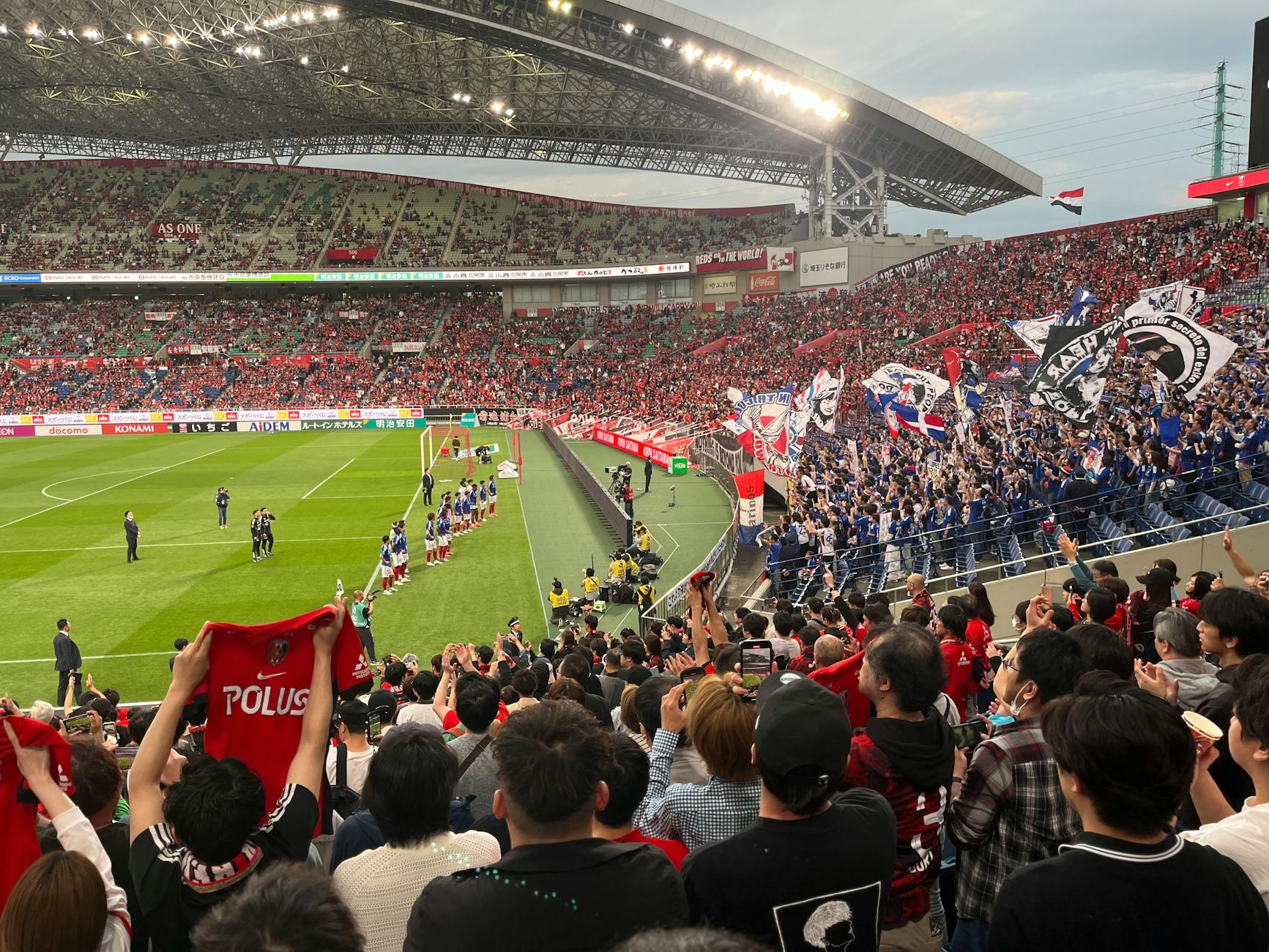
BC Place is Vancouver’s downtown stadium, and its location is the single biggest reason the tournament worked here.
- Address: 777 Pacific Boulevard, downtown Vancouver
- World Cup capacity: 52,497 for the tournament configuration
- Built: 1983; extensively renovated in 2011 with a retractable roof
- Walk from most downtown hotels: 5–15 minutes
- SkyTrain: Stadium–Chinatown station is directly adjacent
- Usual tenants: BC Lions (CFL) and Vancouver Whitecaps (MLS)
The retractable roof mattered more than anyone expected. Vancouver’s June can go either way, and the ability to close the roof removed weather as a variable from every match — a guarantee few open-air host venues could offer.
Why Vancouver Was Named Best Host City
Sports Illustrated ranked Vancouver first among the tournament’s 16 host cities, and the reasoning was largely about geography and transit rather than spectacle.
- A downtown stadium — walkable from most hotels, with SkyTrain at the door. Several host cities had stadiums 30–60 minutes out of town, reachable only by car.
- Genuine public transit — SkyTrain moved match crowds without gridlock, and the system was built for exactly this by the 2010 Olympics.
- A compact, walkable core — fans could reach the stadium, the bars, the waterfront and the Fan Festival without a car.
- Atmosphere — a downtown full of supporters on match days rather than a stadium car park.
- The setting — mountains, ocean and long June daylight, at the best possible time of year to be here.
The underlying point is that Vancouver’s compactness, often a constraint, turned out to be its major advantage. The whole tournament experience fit inside a few square kilometres.
What the Tournament Left Behind
Unlike the 2010 Olympics, which left SkyTrain’s Canada Line and a whole neighbourhood, the World Cup’s physical legacy is modest — largely because Vancouver already had the infrastructure.
- The PNE Amphitheatre — the most tangible legacy; a permanent 10,000-capacity open-air music venue at Hastings Park, now in use for concerts and events
- BC Place upgrades made for the tournament
- Public realm improvements downtown and around Hastings Park
- Chinatown and neighbourhood revitalisation funding, partly timed around expected tournament visitors
- International profile — the least measurable and possibly the most valuable
The PNE Amphitheatre is the one visitors will actually encounter. It has become a significant summer concert venue in its own right, and it sits beside the PNE fairgrounds and Playland.
How the City Handled It
Vancouver’s tournament logistics were built on the 2010 Olympic template, and they broadly held.
- SkyTrain ran extended service on match days, with Stadium–Chinatown managed for crowd flow
- Street closures around BC Place on match days, with pedestrian routes from downtown
- Hotel rates hit record highs across the tournament — the most expensive six weeks in the city’s history for accommodation
- Restaurants and bars ran at capacity, with reservations essential
- The Fan Festival absorbed a large share of non-ticketed demand, keeping downtown manageable
The main complaint from residents was predictable and familiar from 2010: accommodation costs, short-term rental pressure, and a downtown that belonged to visitors for six weeks.
Visiting Vancouver After the World Cup
For anyone arriving now, the practical news is good.
- Hotel rates have normalised — autumn is shoulder season and prices have returned to ordinary levels
- The crowds are gone — September onward is one of the best times to be here
- The infrastructure remains — the same walkable downtown, the same transit
- The PNE Amphitheatre is now a working concert venue you can actually attend
- BC Place is back to Whitecaps and BC Lions fixtures, which are far cheaper and easier to get into
If the World Cup put Vancouver on your list, arriving after it is arguably the better deal — the city that impressed the visiting press is still here, without the tournament pricing. Our 3 days in Vancouver itinerary is a good starting point, and where to stay in Vancouver covers the neighbourhoods.
Seeing BC Place Now
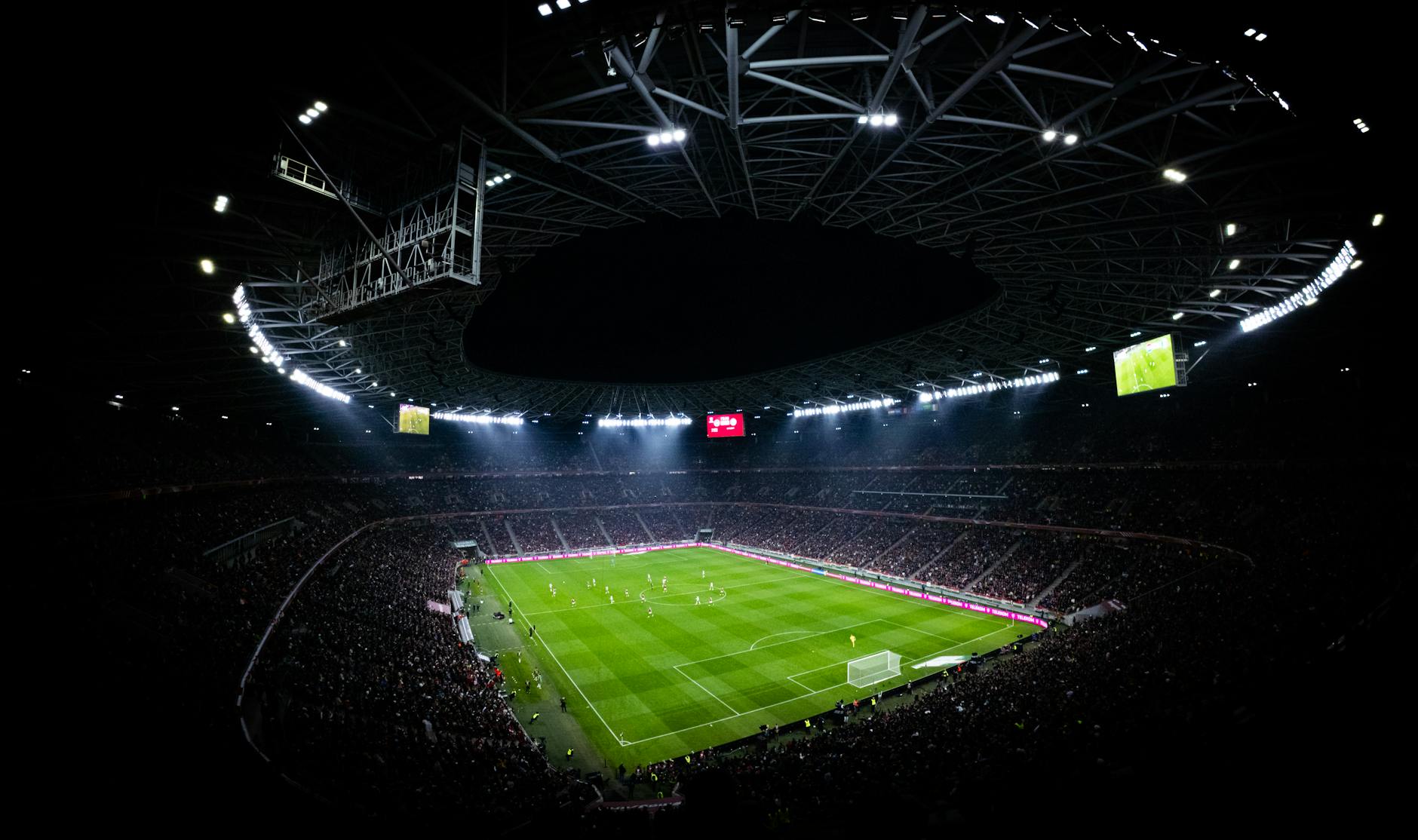
BC Place is open year-round and easy to visit without a World Cup ticket.
- Vancouver Whitecaps (MLS) — the men’s football team, March to October; tickets are a fraction of World Cup prices
- BC Lions (CFL) — Canadian football, June to November
- BC Sports Hall of Fame — inside the stadium, open year-round, modest admission
- Concerts and events throughout the year
- Location: 777 Pacific Boulevard, beside Stadium–Chinatown SkyTrain
The BC Sports Hall of Fame is the one most visitors miss — it covers the 2010 Olympics, Terry Fox and BC sporting history, and it is a reasonable rainy-afternoon stop right in the middle of downtown.
What’s Next for Vancouver Sport
The tournament has strengthened Vancouver’s case as a major-event city, and several things follow from it:
- The Whitecaps saw a significant profile boost from the tournament
- The PNE Amphitheatre has expanded the city’s live-music capacity permanently
- Future event bids now rest on a demonstrated ability to host at this scale, twice, within sixteen years
- BC Place remains one of the few major North American stadiums genuinely inside a downtown core
Vancouver in Summer
The tournament fell across Vancouver’s best weather, which is worth knowing for planning a future visit.
- June–July: highs around 20–22 °C, long daylight to nearly 10 PM, and the driest stretch of the year
- Beaches — English Bay, Kitsilano, Jericho, Spanish Banks, all free and all in the city
- The seawall at its best
- Summer festivals — including the Celebration of Light fireworks and Pride at the start of August
- Spring alternative — the Cherry Blossom Festival in late March and April, if you would rather avoid peak season
See our Vancouver in summer guide, our downtown guide, and things to do in Vancouver.
Related Vancouver guides
Keep planning with these guides:
- Vancouver in Summer (2026)
- 3 Days in Vancouver: The Perfect Itinerary (2026)
- Where to Stay in Vancouver (2026)
FIFA World Cup 2026 Vancouver FAQs
How many World Cup matches did Vancouver host?
Seven at BC Place — five group-stage matches, one Round of 32 and one Round of 16 — between June 11 and July 19, 2026. Total attendance was over 367,000, with the first five matches full houses at 52,497 each.
How did Canada do at the 2026 World Cup in Vancouver?
Canada’s standout result at BC Place was a 6–0 win over Qatar, watched by a record 11.7 million unique Canadian viewers — one of the most-watched broadcasts in Canadian history, and a dramatic improvement on a men’s World Cup record that previously consisted of two winless tournaments.
Where was the FIFA Fan Festival in Vancouver?
At Hastings Park in East Vancouver, built around the newly constructed 10,000-capacity PNE Amphitheatre. It drew more than 500,000 visitors across the tournament with free match screenings, live music and food.
Was Vancouver a good World Cup host city?
Sports Illustrated named it the best of the tournament’s 16 host cities, citing the downtown stadium, genuine public transit, a compact walkable core and the fan atmosphere. Several other host cities had stadiums well outside their urban centres and reachable only by car.
What did the World Cup leave behind in Vancouver?
The main physical legacy is the PNE Amphitheatre at Hastings Park — a permanent 10,000-capacity open-air concert venue — along with BC Place upgrades and public realm improvements. Vancouver already had the transit and stadium infrastructure, largely from the 2010 Winter Olympics.
Can I still visit BC Place?
Yes. It hosts Vancouver Whitecaps MLS matches from March to October, BC Lions CFL games from June to November, and concerts year-round. The BC Sports Hall of Fame inside the stadium is open year-round for modest admission. It sits at 777 Pacific Boulevard beside Stadium–Chinatown SkyTrain.
Is Vancouver cheaper now the World Cup is over?
Considerably. Hotel rates hit record highs during the tournament and have since returned to normal levels. Autumn is shoulder season, which makes it one of the better-value times to visit.
Why did Vancouver only get seven matches?
Seven was a strong allocation. The 2026 tournament was the first with 48 teams and 104 matches across 16 host cities in three countries, and Vancouver was one of only two Canadian hosts alongside Toronto.
What is the PNE Amphitheatre?
A 10,000-capacity open-air venue at Hastings Park, completed for the World Cup Fan Festival and now operating as a permanent concert venue. It sits beside the PNE fairgrounds and Playland in East Vancouver.
When is the best time to visit Vancouver now?
September and early October for the best balance of weather, prices and crowds, or June and July if you want the long daylight and beach weather the tournament enjoyed. Late March and April bring cherry blossom season at shoulder-season rates.
Related reading: Pair this with our Vancouver events and festivals pillar and our things to do in Vancouver guide.