Vancouver Cherry Blossom Festival celebrates the city’s 43,000-plus ornamental cherry trees, which bloom across more than 100 neighbourhoods each spring. The 2026 festival ran March 27 to April 12, with the free Big Picnic at David Lam Park on March 28–29 and the ticketed Sakura Days Japan Fair at VanDusen Botanical Garden on April 11–12. Expect a similar late-March-to-mid-April window in 2027, with exact dates confirmed around February. The blossoms themselves are free, everywhere, and the single best reason to visit Vancouver in spring.
This guide covers the festival events, the best free viewing spots, peak bloom timing by variety, photography advice, and how to time a trip around a bloom that shifts by two weeks depending on the winter.
Table of Contents
Cherry Blossom Festival Quick Overview
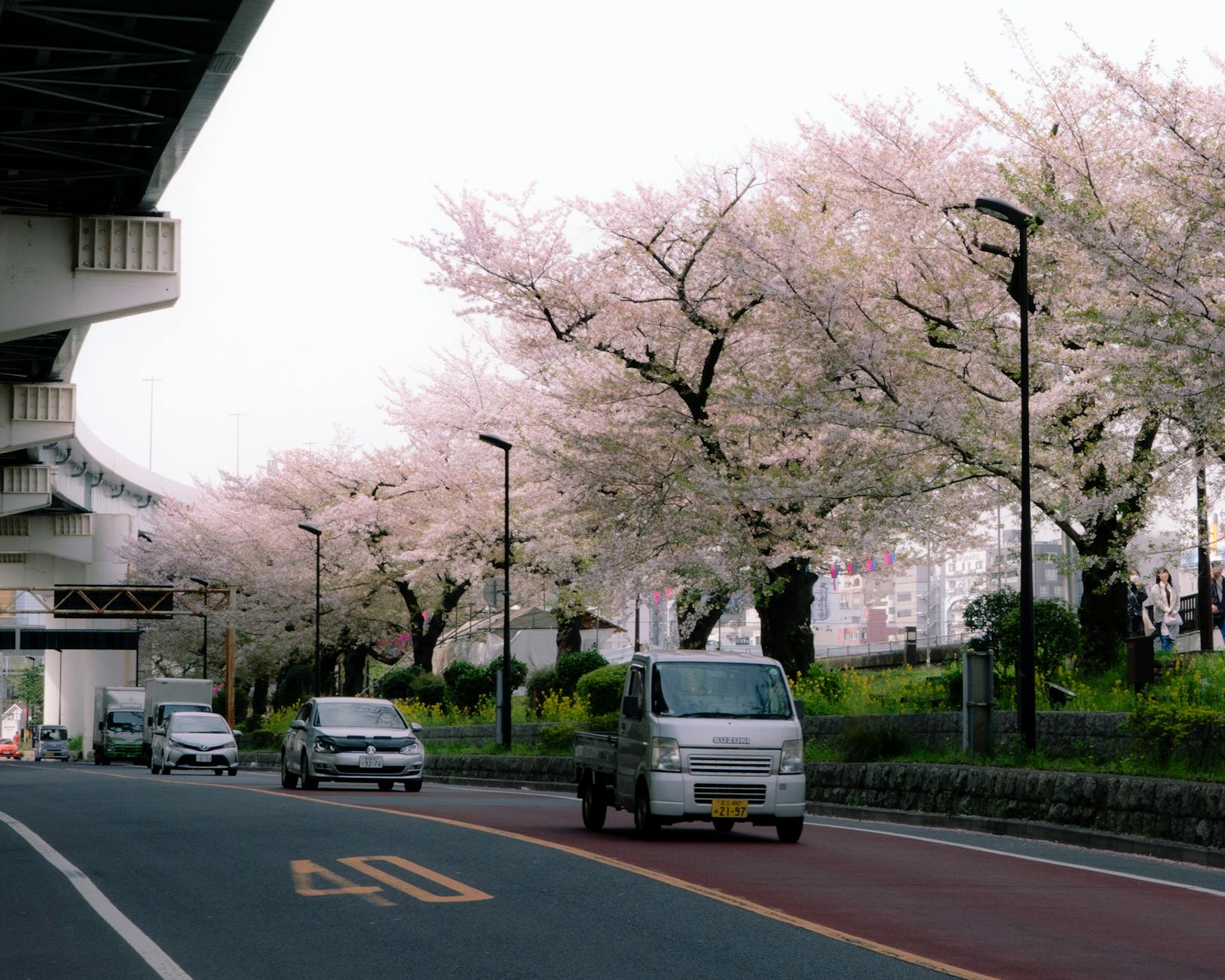
Vancouver’s cherry blossom season is genuinely world-class, and most visitors underestimate it. This is not a single park with a hundred trees — it is tens of thousands of trees distributed through residential streets, so the blossom happens where people live rather than at a designated attraction.
- 2026 festival dates: March 27 – April 12
- Expected 2027: late March to mid-April; confirmed around February
- Trees citywide: 43,000+ ornamental cherries
- Neighbourhoods with blossom: more than 100
- Cost: free — the blossoms and most events
- Main ticketed event: Sakura Days Japan Fair at VanDusen
- Peak bloom: usually early to mid-April, but varies by up to two weeks
- Best for: photographers, walkers, and anyone visiting Vancouver in spring
The key planning fact: the festival dates and the peak bloom are not the same thing. The festival is scheduled months ahead; the trees respond to the weather. In a warm winter the best blossom can arrive before the festival opens, and in a cold one the headline varieties peak after it closes.
When the Festival Runs
The Vancouver Cherry Blossom Festival has settled into a late-March-to-mid-April window. In 2026 it ran March 27 to April 12, with the Big Picnic at the start and Sakura Days at the end — a structure designed to bracket the likely peak.
- 2026: March 27 – April 12
- Big Picnic 2026: March 28–29, David Lam Park, free
- Sakura Days Japan Fair 2026: April 11–12, VanDusen Botanical Garden, ticketed
- 2027 dates: expected to be announced around February
If you are booking travel now for spring 2027, target the first half of April. That window catches the Akebono and Kanzan peaks in most years and overlaps the festival’s second half. Booking for late March is riskier — you may arrive to bare branches after a cold February.
Peak Bloom Timing by Variety
Vancouver’s planting is deliberately staggered across varieties, which stretches the season from late February into early May. Knowing which variety you are looking at tells you where you are in the cycle.
- Whitcomb — late February to early March. Deep pink, the earliest bloomer, often flowering while it is still cold and wet.
- Accolade — early to mid March. Semi-double pink flowers.
- Akebono — late March to early April. Pale pink fading to white; the classic delicate blossom, and the variety at David Lam Park.
- Somei-Yoshino — early April. The Japanese standard, palest of all, nearly white.
- Kanzan — mid to late April. Dense, double, intensely pink pom-poms; the variety that makes the famous blossom tunnels and the last major bloom of the season.
The practical upshot: “peak bloom” is a moving target. Early April usually gives you Akebono and Somei-Yoshino at their best; mid-to-late April gives you Kanzan. If you want the heavy pink tunnel effect from photographs, you want Kanzan and therefore later April — often after the festival has formally ended.
Each variety holds for roughly one to two weeks, and a single windy rainstorm can strip a tree in a day.
Festival Events
Most of the programme is free, and much of it is distributed across the city rather than concentrated at one site.
- The Big Picnic — the signature free event, at David Lam Park
- Sakura Days Japan Fair — the ticketed weekend at VanDusen Botanical Garden
- Cherry Jam — a free concert, traditionally in a downtown transit concourse
- Tree Talks and Walks — free guided neighbourhood walks led by volunteers who know the varieties
- Haiku Invitational — the festival’s long-running international haiku competition
- Blossom photography contests and community art programming
The Tree Talks and Walks are the underrated pick. They are free, they go into residential streets most visitors would never find, and the guides can tell you what you are looking at — which turns a nice walk into something you actually learn from. They book up; register when the programme is released.
Big Picnic at David Lam Park
The Big Picnic is the festival’s flagship free event, held under the Akebono cherries at David Lam Park in Yaletown, on the north shore of False Creek. In 2026 it ran March 28–29.
The park and the trees share a story. David Lam was a Hong Kong-born banker and philanthropist who became British Columbia’s Lieutenant Governor — the first Chinese Canadian to hold a vice-regal post in Canada — and he donated the 100 Akebono cherry trees that grow in the park named after him. The picnic honours both.
- Cost: free
- Location: David Lam Park, Yaletown
- Typical programme: music, dance, tea, food vendors, family activities
- Getting there: Yaletown–Roundhouse SkyTrain, or the False Creek ferry
- Best timing: arrive early; the lawn fills through the afternoon
Sakura Days at VanDusen
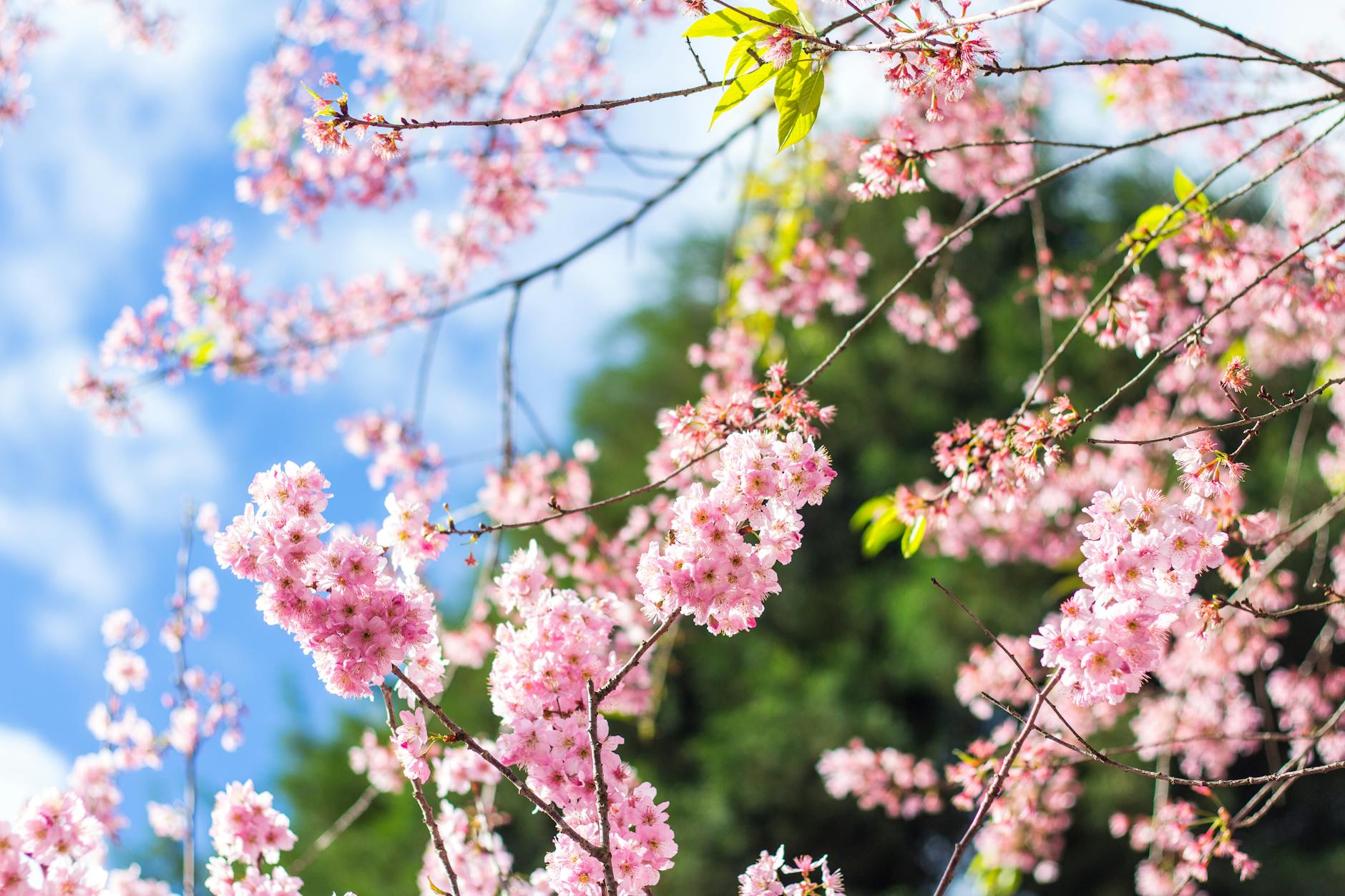
Sakura Days Japan Fair is the festival’s ticketed centrepiece, held over a weekend at VanDusen Botanical Garden — April 11–12 in 2026. It is the most substantial Japanese cultural event in the city’s calendar.
- Cost: ticketed — buy in advance, it sells out
- Location: VanDusen Botanical Garden, Oak Street at 37th
- Typical programme: taiko drumming, tea ceremony, ikebana, martial arts demonstrations, Japanese food vendors, sake tasting
- Admission note: the fair ticket covers garden entry for the day
- Crowds: heavy — go at opening or in the last two hours
VanDusen is worth the trip in blossom season regardless of the fair, and a regular garden admission on a quiet weekday is a far calmer experience than the fair weekend.
Best Free Viewing Spots
The festival is a programme; the blossom is everywhere. These are the reliable concentrations, and all of them are free.
- Burrard SkyTrain station — the densest downtown cluster of Yoshino cherries, right beside the station plaza
- David Lam Park — 100 Akebono trees on the False Creek seawall
- Queen Elizabeth Park — the quarry garden and surrounding slopes, with city views
- Stanley Park — the cluster near the Rose Garden and along the Pipeline Road
- Kitsilano’s residential streets — particularly west of Macdonald; heavy Kanzan planting
- West End — Barclay Heritage Square and the streets around Nelson Park
- Cambie Street heritage boulevard — a long double row through the median
- Yew Street, Kerrisdale — one of the best blossom tunnels in the city
- Graveley Street, East Vancouver — a local favourite, and far quieter than the west-side spots
- UBC campus — Lower Mall and the Rose Garden area
- Chinatown and Strathcona — scattered mature trees against heritage brick
- False Creek seawall — blossom with water and skyline behind it
The best single move is to pick a residential neighbourhood and walk it. Kerrisdale, Kitsilano and the streets around Queen Elizabeth Park all reward wandering more than any designated viewing site — and the blossom tunnels form over ordinary side streets, not in parks.
Stanley Park Cherry Trees
Stanley Park is not Vancouver’s densest blossom location, but it is the most photogenic setting for it. The main concentrations are near the Rose Garden by the park entrance and along Pipeline Road, where the trees arch over the roadway.
- Rose Garden area: the largest cluster, near the Georgia Street entrance
- Pipeline Road: an arching corridor of trees
- Timing: generally early to mid April
- Combine with: the seawall, Brockton Point and the totem poles
Our Stanley Park guide covers the wider park.
Queen Elizabeth Park
Queen Elizabeth Park sits on the highest point in the city, which gives it two things no other blossom site has: elevation and a skyline backdrop. The quarry garden is the focus, with blossom against the downtown towers and, on clear days, the North Shore mountains behind them.
- Location: Cambie Street at 33rd Avenue
- Highlights: the quarry garden, the plaza viewpoint, the slopes below the Bloedel Conservatory
- Timing: early to mid April for the main display
- Getting there: King Edward SkyTrain, then a 10-minute walk, or the 15 bus
- Note: this is also Vancouver’s most popular wedding photography location in spring — expect to share the good spots
How to Track the Bloom
Because the bloom moves, checking before you commit a day to it is worth the two minutes.
- The festival’s own bloom map — a neighbourhood-by-neighbourhood tracker updated through the season, and by far the most useful tool
- Social media — the festival’s feeds post current conditions almost daily in peak weeks
- Variety logic — if the Akebono are over, go looking for Kanzan; there is almost always something at peak somewhere between late February and early May
- Watch the forecast — a windy rainstorm can end a variety’s display overnight, so if conditions are good and the trees are out, go that day
Photography Tips
- Overcast is better than sun. Flat light keeps the pale petals from blowing out and stops harsh shadows through the canopy.
- Shoot up. Blossom against sky separates cleanly; blossom against buildings turns to visual mush.
- Early morning for empty streets at the popular tunnels — before 8 AM at Yew Street or Burrard station.
- Get inside the tunnel and shoot along the street rather than across it, to stack the canopy.
- Look for contrast — heritage brick in Strathcona, glass towers at Burrard, water on the False Creek seawall.
- After rain the fallen petals carpet the pavement, which is often a better photograph than the tree.
- Respect private property — most of the best trees are on residential streets; shoot from the sidewalk.
History & the 1930s Gift
Vancouver’s cherry trees began as diplomatic gifts. In the 1930s the mayors of Kobe and Yokohama presented 500 cherry trees to the city, planted at the Japanese Canadian War Memorial in Stanley Park to honour Japanese Canadians who served in the First World War.
That origin carries an uncomfortable sequel. The Japanese Canadian community that the trees honoured was forcibly removed from the coast in 1942 and interned, its property confiscated and sold. The trees stayed; the people who were being commemorated did not.
Planting continued after the war on a much larger scale, and the city’s parks department used flowering cherries extensively as street trees through the postwar decades — which is why the blossom is spread through residential neighbourhoods rather than concentrated in parks. The total now exceeds 43,000 trees.
The festival itself was founded in 2005 to celebrate the trees and, explicitly, the Japanese Canadian community’s contribution to the city. Our Vancouver history primer covers the internment period in more detail.
Cherry Blossom Day Itinerary
A full day that strings together the best of the bloom, roughly north to south:
- 8 AM: Burrard SkyTrain station plaza — the downtown cluster, before the crowds
- 9 AM: walk to David Lam Park via the seawall for the Akebono grove
- 10:30 AM: False Creek ferry across to Granville Island for coffee
- 12 PM: Kitsilano residential streets west of Macdonald — Kanzan tunnels
- 2 PM: Queen Elizabeth Park — quarry garden and the skyline viewpoint
- 4 PM: VanDusen Botanical Garden, a 10-minute walk away
- 6 PM: dinner on Cambie or Main Street
Shorter version: Burrard station, David Lam Park and the seawall makes a good two-hour downtown loop with no transit at all.
Etiquette & Tips
- Don’t pull branches down for photographs — it damages the tree and it is the single most common complaint from residents
- Don’t shake trees to create falling petals
- Stay off private lawns — the sidewalk is enough
- Keep noise down on residential streets, especially early morning
- Bring a rain jacket — this is Vancouver in early spring, and the best blossom light is often overcast
- Check the bloom map before committing a day
- Go on a weekday if you can; weekend crowds at the famous spots are substantial
- Book Sakura Days in advance — it sells out
- Don’t chase only the festival dates — the trees don’t read the schedule
Related Vancouver guides
Keep planning with these guides:
- Cherry Blossoms in Vancouver: Where & When (2026)
- Vancouver in Spring (2026)
- Celebration of Light Vancouver (2026)
Vancouver Cherry Blossom Festival FAQs
When is the Vancouver Cherry Blossom Festival?
The 2026 festival ran March 27 to April 12. It has settled into a late-March-to-mid-April window, with 2027 dates expected to be confirmed around February. Note that festival dates and peak bloom are not the same thing — the trees respond to weather, not the schedule.
When is peak cherry blossom in Vancouver?
Usually early to mid April, but it varies by up to two weeks and by variety. Whitcomb opens in late February, Akebono and Somei-Yoshino peak around late March to early April, and Kanzan — the dense pink variety that forms the famous tunnels — peaks mid to late April.
Is the Vancouver Cherry Blossom Festival free?
Mostly. The blossoms, the Big Picnic, the Cherry Jam concert and the Tree Talks and Walks are all free. Sakura Days Japan Fair at VanDusen Botanical Garden is ticketed and sells out, so buy in advance.
Where are the best cherry blossoms in Vancouver?
Burrard SkyTrain station for the densest downtown cluster, David Lam Park for 100 Akebono trees on the seawall, Queen Elizabeth Park for blossom with a skyline backdrop, and the residential streets of Kitsilano and Kerrisdale — particularly Yew Street — for the heavy Kanzan tunnels.
How many cherry trees does Vancouver have?
More than 43,000 ornamental cherry trees, spread across over 100 neighbourhoods. They are largely street trees rather than park plantings, which is why the blossom happens on residential streets.
What is the Big Picnic?
The festival’s flagship free event, held under the Akebono cherries at David Lam Park in Yaletown — March 28–29 in 2026. The park and its 100 cherry trees are named for David Lam, the Hong Kong-born philanthropist who became BC’s Lieutenant Governor and donated the trees.
Why does Vancouver have so many cherry trees?
It began with a 1930s gift of 500 trees from the mayors of Kobe and Yokohama, planted at the Japanese Canadian War Memorial in Stanley Park. Vancouver’s parks department then planted flowering cherries extensively as street trees through the postwar decades.
How do I know if the blossoms are out?
Use the festival’s neighbourhood bloom map, which is updated through the season, and check its social feeds in peak weeks. If conditions are good and the trees are out, go that day — a windy rainstorm can strip a variety overnight.
Can I see cherry blossoms in Vancouver in May?
Sometimes, at the tail end. Late-blooming Kanzan can hold into early May in a cold spring, but by then most varieties are finished. April is the reliable month.
Is Sakura Days worth the ticket?
Yes if you want the cultural programme — taiko, tea ceremony, ikebana, Japanese food and sake — and the ticket includes VanDusen garden entry. If you only want blossom and quiet, a regular weekday garden admission is better value and far calmer.
What’s cherry blossom etiquette in Vancouver?
Don’t pull branches down or shake trees for photos, stay off private lawns, and keep noise down on residential streets early in the morning. Most of the best trees are outside people’s homes.
Related reading: Pair this with our Vancouver events and festivals pillar and our guide to free things to do in Vancouver.