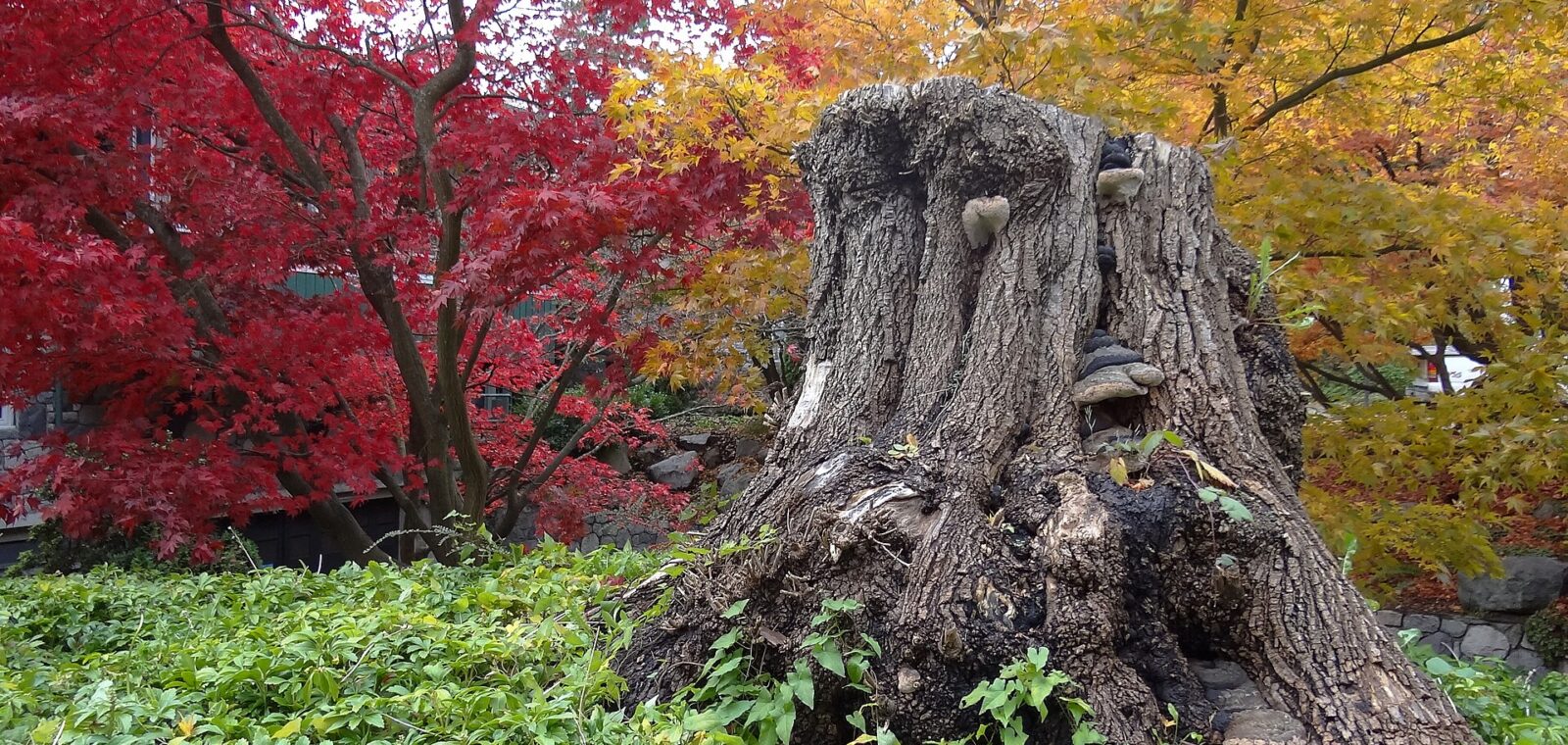

Vancouver in fall (September through November) is the locals’ favourite season — September weather can rival July’s, the cruise crowds thin out as the season ends, hotel prices ease off the summer peak, and the city’s parks turn red, orange and gold. For visitors deciding when to come, fall is the shoulder-season sweet spot — the city at its most photogenic with the fewest competing tourists.
This 2026 month-by-month guide breaks Vancouver in fall into September, October, and November with weather averages, what’s in colour, festival highlights, and the things to do that work specifically in the fall window.
Table of Contents
Vancouver in Fall: At a Glance
The 90-day fall window:
- Months: September, October, November
- Average daytime high: 19 °C (September) to 9 °C (November)
- Average rain days: 8.6 (September), 15.4 (October), 19.3 (November) at Vancouver International Airport (1991–2020 normals)
- Daylight: 12 h 23 m (September 21) to 8 h 36 m (November 30)
- Sunset times: Earlier every week through the season, but BC now stays on UTC-7 year-round, so late-fall sunsets come an hour later on the clock than under the old winter time
- Cruise season: Winds down in the fall; the port’s cruise schedule lists the final ship calls
- Hotel prices: Generally below peak summer rates
- Fall colour: Late September into early November, depending on the year
Fall is widely the locals’ favourite Vancouver season. For year-round picture see our best time to visit Vancouver pillar.
Vancouver in September
September is the single best Vancouver month for most visitors — it has summer’s weather without summer’s crowds.
September weather:
- Average high: 19 °C (66 °F)
- Average low: 11 °C (52 °F)
- Rain days: about 9 (airport average, 1991–2020)
- Daylight: 13 h 34 m to 11 h 50 m
September highlights:
- Pacific National Exhibition (PNE) continues from August through Labour Day
- Vancouver Folk Music Festival sometimes extends into early September
- Vancouver International Film Festival (October 1–11 in 2026, so look to early October) — one of North America’s largest
- Vancouver Fashion Week (late September)
- Harvest produce arrives at Granville Island Public Market
- Beach water still swimmable for the adventurous, if you don’t mind the cold
- Cruise season winds down — fewer ship calls week-by-week through October
- National Day for Truth and Reconciliation (September 30) — events across the city, including UBC’s intergenerational march
Best for: Visitors who want the best Vancouver weather window with manageable crowds.

Vancouver in October
October is when the rain starts properly returning and the foliage turns in earnest. The timing of the best colour shifts from year to year.
October weather:
- Average high: 13.5 °C (56 °F)
- Average low: 7 °C (45 °F)
- Rain days: about 15 (airport average, 1991–2020)
- Daylight: 11 h 47 m to 10 h 1 m
October highlights:
- Fall colour continues into early November, depending on the year
- Vancouver International Film Festival continues through early October
- Vancouver Writers Fest (late October, Granville Island)
- Pumpkins After Dark, a family-friendly Halloween walk-through trail
- Thanksgiving (October 12, 2026 — Canadian Thanksgiving second Monday)
- Whistler ski lifts may open late October for early-season skiing
- Last cruise ship sailings (mid-month)
Best for: Foliage photographers, indoor-event lovers, visitors comfortable with rain.
Vancouver in November
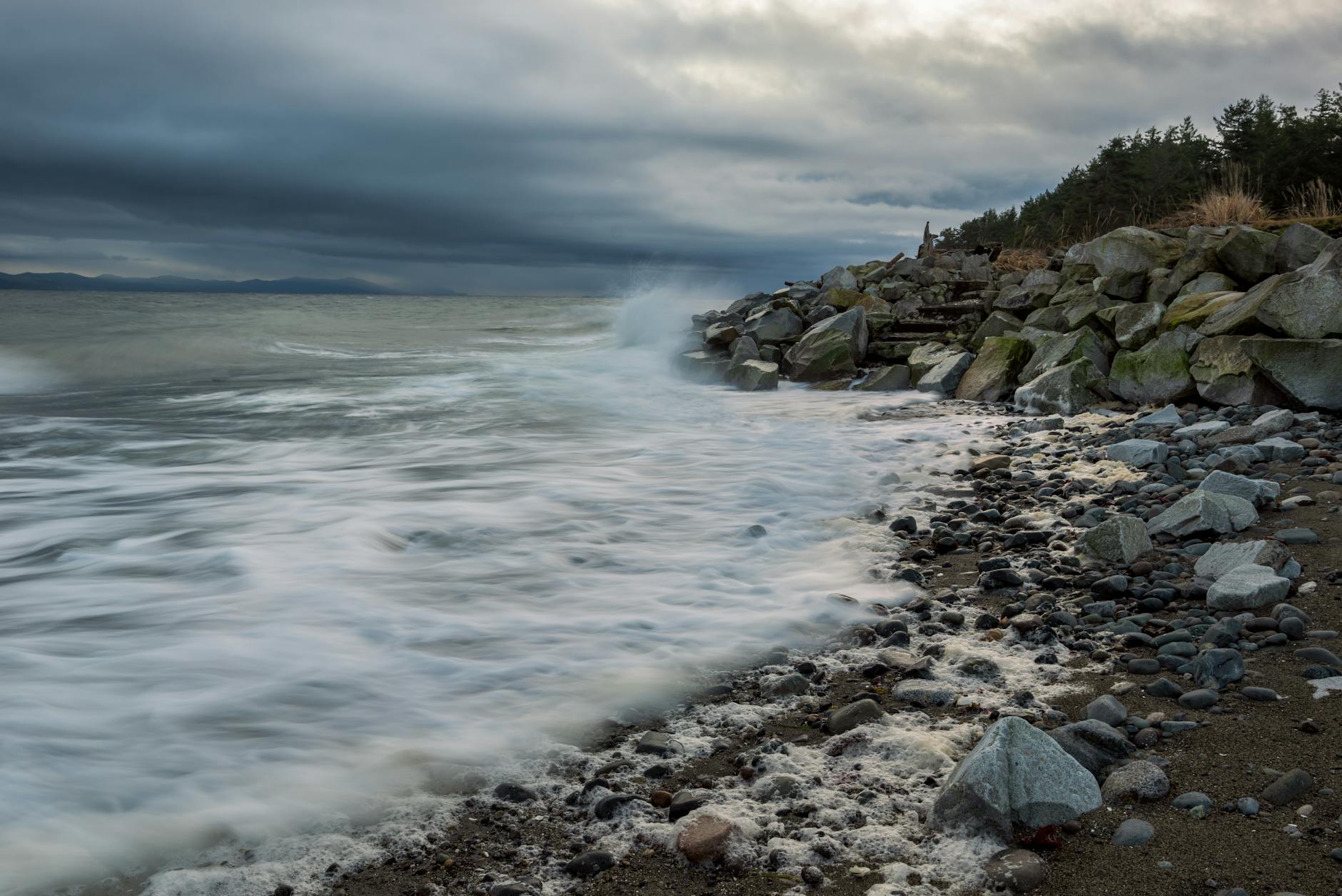
November is the rainiest month of the year by total (171.2 mm over 19.3 rain days at the airport, 1991–2020 normals). It’s also when the city pivots to winter mode — the Vancouver Christmas Market opens November 16 in 2026, and shorter days compress outdoor time, though BC’s move to year-round UTC-7 keeps an extra hour of evening light on the clock.
November weather:
- Average high: 9 °C (48 °F)
- Average low: 4 °C (39 °F)
- Rain days: 19
- Daylight: 9 h 45 m to 8 h 30 m
November highlights:
- Whistler ski lifts open mid-month (Whistler Mountain typically late November)
- VanDusen Festival of Lights begins late November (more than a million lights)
- Capilano Canyon Lights begins mid-November
- Vancouver Christmas Market opens mid-November (Jack Poole Plaza)
- Indigenous Fashion Week Toronto + Vancouver (variable timing)
- Tofino storm-watching season begins
- Hotel rates below the summer peak
Best for: Storm-watching travellers (Tofino), early-season skiers, festive-event lovers, budget travellers.
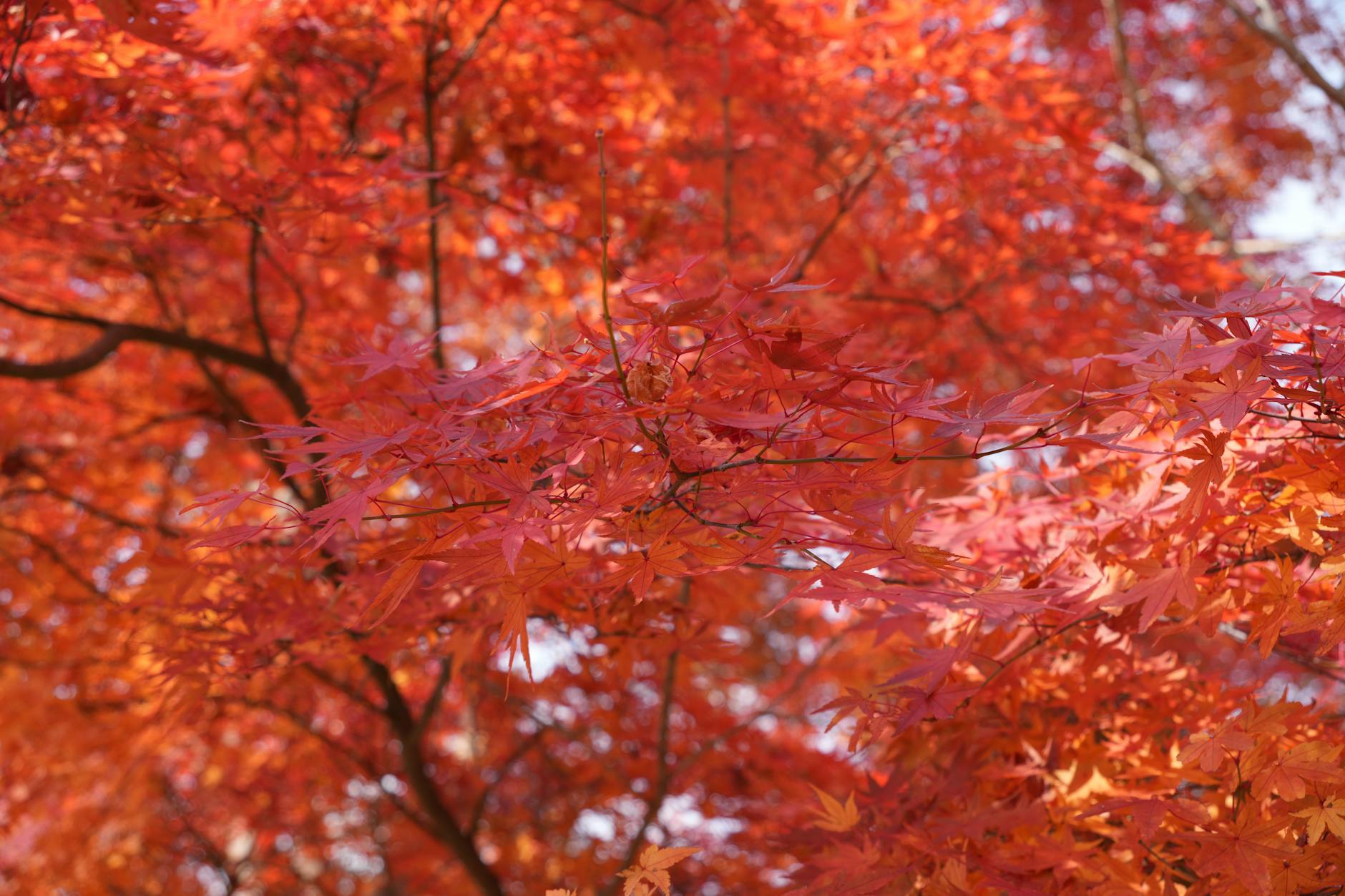
Best Fall Foliage Spots in Vancouver
Vancouver’s fall foliage runs from mid-October through early November. Best spots:
Stanley Park. The seawall and the interior trails turn through reds and oranges; cherry trees turn golden. Brockton Point and Lost Lagoon are peak photogenic.
VanDusen Botanical Garden. Maple trees turn through reds; Japanese maples (the brightest reds) are the highlight.
Queen Elizabeth Park. The Quarry Gardens and rose garden have brilliant maple trees; the Bloedel Conservatory dome looks particularly striking against fall colour.
UBC campus. The Lower Mall Boulevard maple-tree corridor is one of Vancouver’s most-photographed fall scenes.
Burnaby Mountain Park. Off-the-beaten-path; campus of SFU has spectacular fall colour and mountain views.
Lynn Canyon Park. Temperate rainforest, mostly evergreen, but the alder trees turn vivid yellow.
Whistler corridor. Drive the Sea-to-Sky Highway in mid-October for autumn alpine colour.
For more outdoor ideas see our outdoor activities pillar.
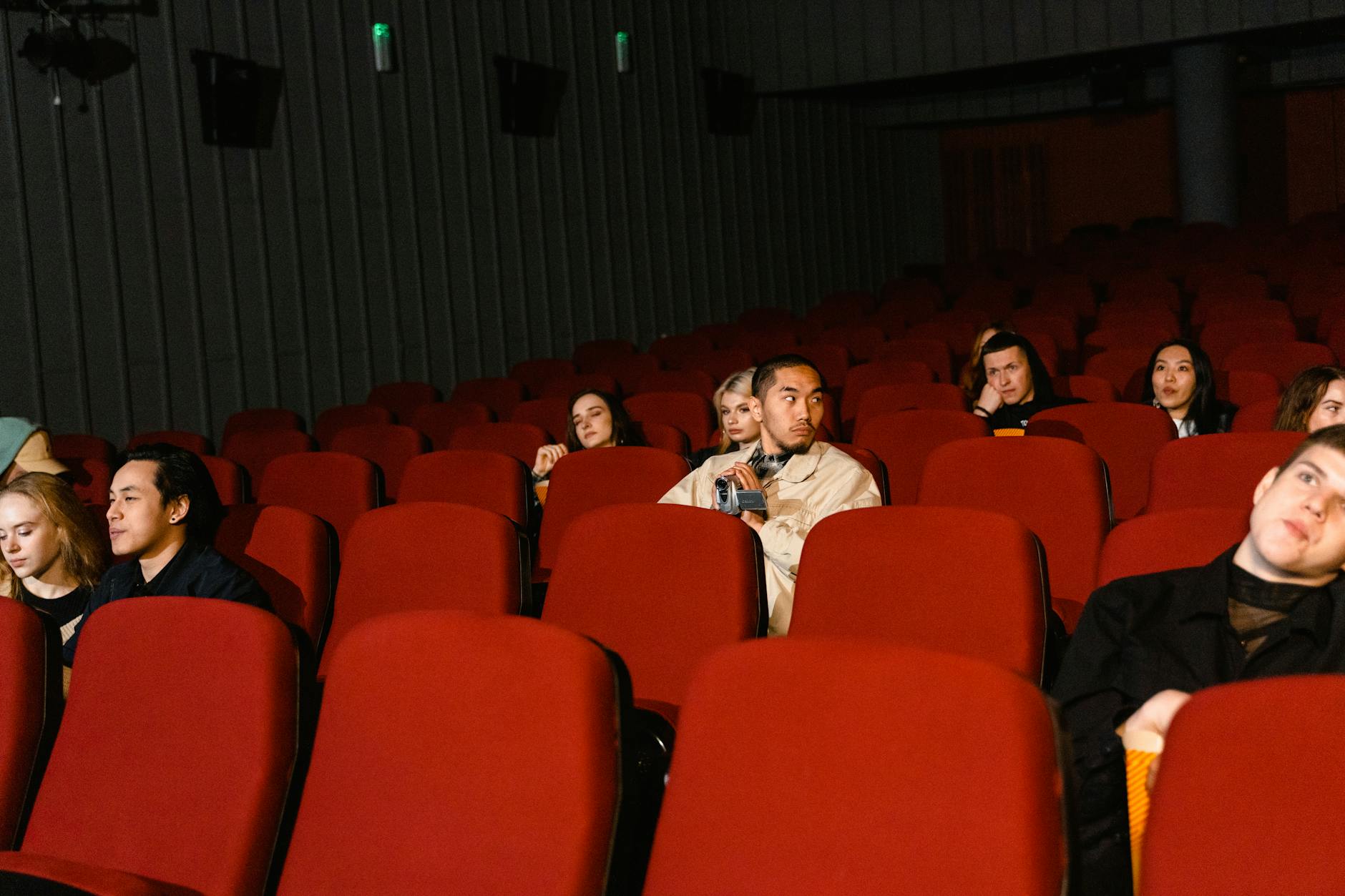
Fall Festivals & Events
Fall is when Vancouver’s cultural and arts calendar peaks:
Vancouver International Film Festival (VIFF) (October 1–11 in 2026). One of North America’s largest film festivals, with features and shorts screening across the city.
Vancouver Writers Fest (last week of October, Granville Island). Canadian and international authors.
Pumpkins After Dark. A family-friendly, illuminated walk-through Halloween experience; the organiser’s site lists the location and dates.
National Day for Truth and Reconciliation (September 30). Look for Indigenous-led events around the city; the City of Vancouver’s event listings and the venues named further down this page post the details.
Vancouver International Wine + Whisky Festival (late October).
Vancouver Christmas Market opens mid-late November.
Capilano Canyon Lights begins mid-November.
VanDusen Festival of Lights begins late November.
For full event details see our Vancouver events and festivals pillar.
Things to Do in Vancouver Fall
Fall-specific activities:
Stanley Park Seawall walk or bike. September is arguably the best month — leafing trees, manageable crowds, low-rain weather.
VanDusen Botanical Garden. October fall foliage is the year’s best garden visit.
VIFF (Vancouver International Film Festival). Tickets are sold per screening; VIFF’s ticket page lists the current prices.
Vancouver Writers Fest at Granville Island. Tickets are sold by event; check prices when you book.
Whistler PEAK 2 PEAK Gondola. September–October is peak alpine colour, but sightseeing is seasonal: in 2026 it reopens on November 20, so check the dates on Tourism Whistler’s PEAK 2 PEAK page before you plan around it.
Pumpkins After Dark. An illuminated Halloween walk-through; family-friendly.
Tofino storm-watching. November–February is the season; wild Pacific storms slam against the West Coast. See our day trips pillar.
Indigenous-led tours. Talaysay’s Stanley Park “Talking Trees” walks remain rewarding through October; Whistler’s Squamish Lil’wat Cultural Centre indoor.
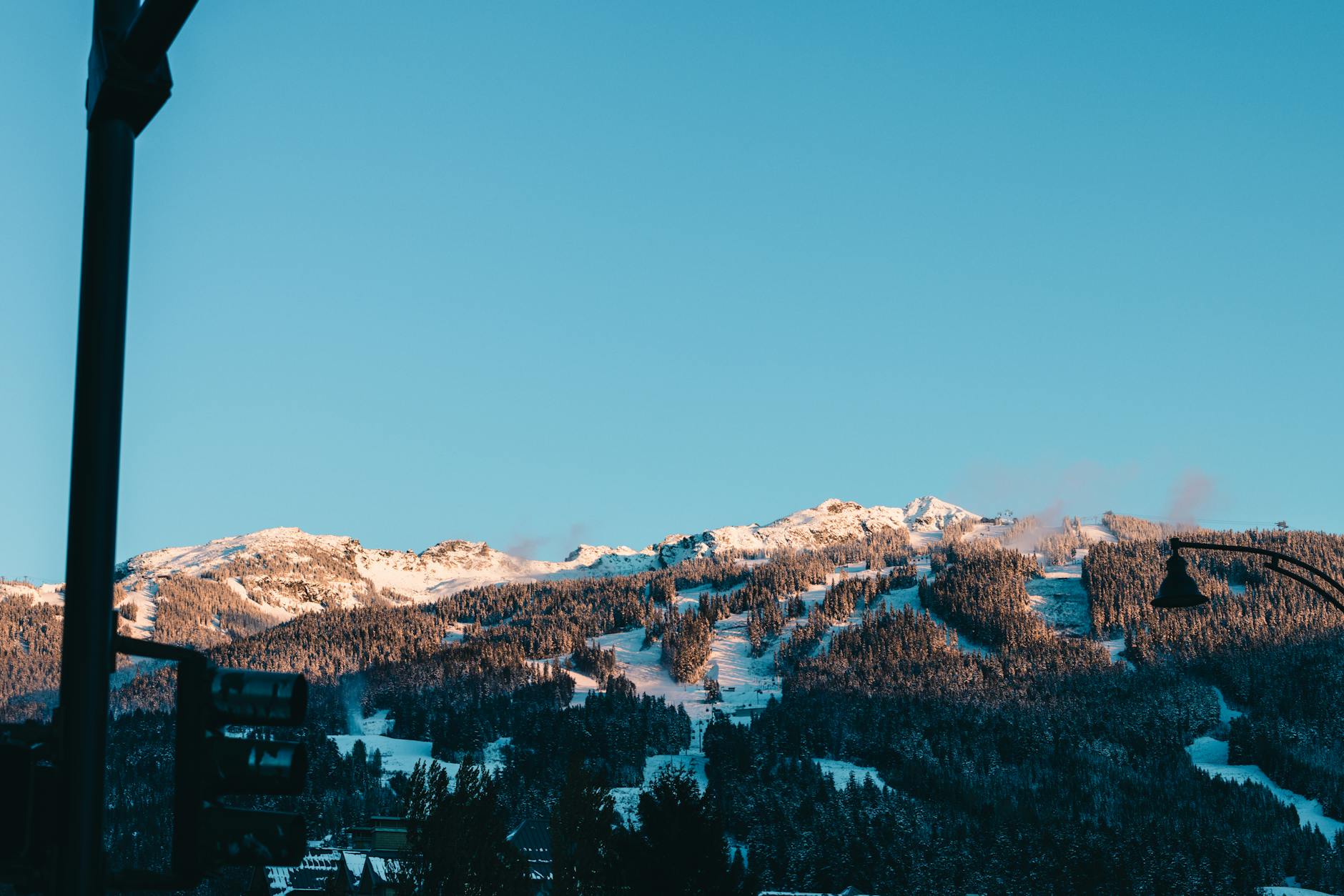
Fall Day Trips from Vancouver
Whistler. September–October has alpine fall colour. See our Vancouver and Whistler itinerary.
Sea-to-Sky Gondola in Squamish. Alpine colour depends on the year, so check conditions before you go.
Victoria. Butchart Gardens has fall colour through mid-November.
Tofino storm-watching. November onwards.
Sunshine Coast. 40-minute ferry from Horseshoe Bay; quiet villages.
Gulf Islands. Salt Spring Saturday Market runs through October.
For all day trips see our day trips pillar.
What to Wear in Vancouver Fall
Fall weather varies dramatically across the season. Layers are essential.
- Waterproof shell jacket — non-negotiable from October onwards
- Layers underneath — merino base + light fleece + shell. Mornings can feel noticeably cooler than afternoons.
- Waterproof shoes or hiking sneakers — rain-friendly footwear matters more in fall than any other season
- Warm sweater or light jacket — for September; heavier as fall progresses
- Compact umbrella — backup for the heaviest rain days
- Scarf — for early-morning park walks
- Beanie/hat — for November when temperatures drop
- Sunglasses — yes, even in October. Pacific reflects.
- Light gloves — for late October onwards mornings

Pros & Cons of Vancouver in Fall
Pros:
- Best weather window of the year (September)
- Hotel prices below the summer peak
- Cruise crowds wind down October
- Fall colour from late September into early November, depending on the year
- Vancouver International Film Festival
- Whistler corridor autumn colour peaks
- Tofino storm-watching season begins November
- The Vancouver Christmas Market opens mid-November (November 16 in 2026)
Cons:
- October-November rain returns heavily
- Daylight shortens significantly (about 8.5 hours by November 30)
- Beach swimming ends after September
- Some seasonal activities close (Stanley Park free shuttle, etc.)
- Whistler ski lifts don’t open until November
- Festival fewer than summer
Related Vancouver guides
Keep planning with these guides:
- Cheapest Months to Visit Vancouver: The 2026 Bargain-Hunter’s Guide
- Vancouver International Film Festival (VIFF): Visitor’s Guide (2026)
Vancouver in Fall FAQs
Is fall a good time to visit Vancouver?
Yes — fall (September especially) is one of Vancouver’s two best visitor windows. September has the best weather/lowest crowds combination of any Vancouver month; fall colour arrives between late September and early November, depending on the year; November opens the storm-watching and ski seasons.
What is the weather like in Vancouver in fall?
Average highs at Vancouver International Airport (1991–2020) are 19.1 °C (66 °F) in September, 13.5 °C (56 °F) in October and 9.3 °C (49 °F) in November. Rain returns heavily in October and November after the dry summer.
What’s the best month for Vancouver in fall?
September — best weather, lowest crowds, peak Whistler/Victoria conditions. October for fall foliage. November for storm-watching, Christmas Market, and hotel rates below the summer peak.
Where can I see fall foliage in Vancouver?
VanDusen Botanical Garden, Queen Elizabeth Park, Stanley Park, UBC campus’s Lower Mall Boulevard, Burnaby Mountain Park, and the Whistler corridor are the best fall colour spots. The timing shifts from year to year, but late September into early November is the usual window.
What festivals happen in Vancouver in fall?
Vancouver International Film Festival (early October; October 1–11 in 2026), Vancouver Writers Fest (October), Pumpkins After Dark (October), Vancouver Christmas Market opening (mid-November), VanDusen Festival of Lights (late November).
How rainy is Vancouver in fall?
At the airport, September averages about 9 rain days. October: about 15. November: 19 (the wettest month of the year). Pack a waterproof shell jacket and waterproof shoes.
What should I wear in Vancouver in fall?
Waterproof shell jacket, layers underneath (merino + fleece), waterproof shoes, warm sweater (heavier as the season progresses), scarf, beanie/hat, sunglasses, light gloves for November.
Can you swim in Vancouver in fall?
Beach water is cold by October, and beach lifeguards are on duty only from Victoria Day to Labour Day. Outdoor pool season ends Labour Day. Indoor heated pools such as the UBC Aquatic Centre operate year-round.
Canadian Thanksgiving in Vancouver
Canadian Thanksgiving falls the second Monday of October — October 12, 2026. Unlike American Thanksgiving (which is more of a national-stop event), Canadian Thanksgiving is a quieter long weekend that visitors can navigate easily. Most attractions remain open, and some restaurants run special Thanksgiving menus.
2026 Thanksgiving long weekend dates: Saturday October 10 through Monday October 12.
What’s open and what’s closed.
- Open as normal: Vancouver Aquarium, Vancouver Lookout, Stanley Park, Granville Island Public Market, Capilano Suspension Bridge, Grouse Mountain, most museums, downtown shopping, downtown restaurants.
- Reduced hours: Some Granville Island vendors close on the Monday; some boutique stores close. Government services close.
- Closed: Banks, post offices, government offices.
- Transit: SkyTrain runs on Sunday schedule (slightly reduced frequency).
Thanksgiving dinner restaurants. Some Vancouver restaurants run special Thanksgiving menus over the long weekend, so book early:
- The Teahouse in Stanley Park: Thanksgiving dinner over the long weekend; the Teahouse’s site posts the menu and seatings.
- Hawksworth Restaurant: Fine dining; ask about holiday menus when you reserve.
- Joe Fortes Seafood & Chop House: Seafood and chops; its seasonal menus are on its site.
- Boulevard Kitchen & Oyster Bar: Ask whether a Thanksgiving prix-fixe is on when you call.
- Cardero’s: Casual; check its menus for any holiday offering.
Thanksgiving in Stanley Park. The long weekend brings fall colour at the seawall. Bring a thermos and walk the seawall before lunch — Vancouver locals’ Thanksgiving tradition. The trees turn through reds and oranges; cherry trees turn golden.
Thanksgiving day trips. Drive Sea-to-Sky for the changing leaves at Whistler and Squamish; how far the colour has come by the long weekend varies by year. Victoria’s Butchart Gardens has fall displays.
Pumpkin picking and farms. Pumpkin patches around Greater Vancouver open Thanksgiving weekend through Halloween:
- Country Lane Farm (Mount Lehman): Family-friendly; corn maze, pumpkin picking, hay rides.
- Petting Zoo & Pumpkin Patch (Maplewood Petting Farm, North Vancouver): Pumpkin patch on the existing farm property.
- Krause Berry Farms (Langley): Larger operation with pumpkin patch, corn maze, marketplace.
National Day for Truth and Reconciliation (September 30)
September 30 is Canada’s National Day for Truth and Reconciliation — also known as Orange Shirt Day. Established 2021 as a federal statutory holiday to recognize and honour the children who suffered and died at residential schools, and the Survivors and their families. Vancouver marks the day with significant Indigenous-led programming.
What the day commemorates. The Indian residential school system operated in Canada from the 1830s to 1996, removing Indigenous children from their families and forcing assimilation through abuse and neglect. The Truth and Reconciliation Commission’s 2015 final report documented these abuses; the National Day for Truth and Reconciliation was established to honour survivors and victims and to make space for ongoing reconciliation work.
Why the orange shirt. The day is also called “Orange Shirt Day” after Phyllis Webstad’s story — Phyllis attended a residential school in 1973, and on her first day she wore a new orange shirt that was taken away from her by school staff. The orange shirt has become a symbol of the day and of the abuses children experienced.
Vancouver events on September 30.
- Museum of Anthropology at UBC: Check MOA’s visitor page and event listings for September 30 admission and programming.
- Bill Reid Gallery (Hornby Street): Indigenous art downtown; the gallery’s listings give September 30 admission and events.
- City Hall and Vancouver Public Library: Special programming and exhibits.
Indigenous-owned businesses to support that day.
- Salmon n’ Bannock (West Broadway): Indigenous-owned restaurant.
- Skwachàys Lodge Gallery (Gastown/Chinatown): Indigenous-owned hotel and authenticated art gallery.
- Talaysay Tours: Indigenous-led tour company running guided tours year-round.
- Mr. Bannock (food truck): Indigenous-owned food vendor.
How visitors can engage respectfully.
- Wear orange (an orange shirt purchased from an Indigenous-owned vendor or affiliated organization is the standard).
- Attend Indigenous-led events; listen and learn.
- Support Indigenous-owned businesses on this day specifically.
- Read or watch the Truth and Reconciliation Commission’s final report (available free at nctr.ca).
- Avoid the term “celebration” — this is a day of remembrance, not celebration.
What’s open and closed. National Day for Truth and Reconciliation is a federal statutory holiday — banks, government offices, post offices closed. Most private retailers, restaurants, and attractions remain open. Some Vancouver tourism businesses close in solidarity (consult the day before).
Salmon Spawning & Bear Watching
Fall in Greater Vancouver coincides with the annual salmon spawning runs — a remarkable wildlife spectacle accessible from downtown by transit. The salmon attract bears, eagles, and other wildlife to the region’s rivers.
Salmon spawning seasons.
- Chum salmon: October to early December at Mosquito Creek (North Vancouver) and Goldstream River (near Victoria).
- Coho salmon: Return to the Capilano River in the fall; the DFO page linked below has timing.
- Pink salmon: Odd-year only (2025, 2027), with returns near Squamish; check DFO’s salmon-viewing page for timing.
Where to watch salmon spawning:
- Capilano River Hatchery (4500 Capilano Park Road, North Vancouver): Closed to visitors until further notice for major renovations, so don’t plan a salmon stop here.
- Mosquito Creek (North Vancouver): Free; spawning channels in a small park near Lonsdale Quay. October–November.
- Goldstream Provincial Park (Victoria): The premier spawning watch in BC. Day trip from Vancouver. October–early December.
- Squamish River: Pink salmon (odd years) and chum salmon. Drive north on the Sea-to-Sky Highway.
Bear watching tours. Several BC operators run guided bear-watching tours during the salmon runs:
- Knight Inlet Bear Tours (multi-day from Vancouver): Charter floatplane and boat to Knight Inlet for grizzly bear watching.
- Squamish bear tours: Black bears feeding on salmon at the Squamish River. Grouse Mountain has resident grizzly bears (Grinder and Coola) at the Refuge for Endangered Wildlife — accessible without a tour.
Eagle watching. Bald eagles congregate at salmon spawning channels — often more visible than the salmon themselves. The Squamish Estuary Wildlife Management Area attracts hundreds of bald eagles November–February (peak January). Free public viewing platforms.
Other fall wildlife in the Vancouver region.
- Sandhill cranes migrate through the Lower Mainland September–October.
- Trumpeter swans arrive at Brunswick Point and the Reifel Bird Sanctuary October–February.
- Snow geese arrive at Reifel and Westham Island October–December.
- Sea lions are visible at the Steveston Fisherman’s Wharf year-round; population peaks fall.
Reifel Bird Sanctuary. 300-hectare (about 741-acre) wetland sanctuary west of Ladner in Delta; the drive from downtown depends on traffic. Walking trails; reservations required; admission $10 adults, $8 seniors 65+, $7 children 2–14. Snow geese, trumpeter swans, raptors, sandhill cranes all reliably present in fall and winter.
Related reading: Best Time to Visit Vancouver · Vancouver in Spring · Vancouver in Summer · Vancouver in Winter · Events & Festivals · Vancouver Day Trips
Photo Credits
- Autumn in Stanley Park: Autumn in Stanley Park – Vancouver, BC, Canada – 01 (6349697282) by Adam Jones, CC BY-SA 2.0, via Wikimedia Commons.
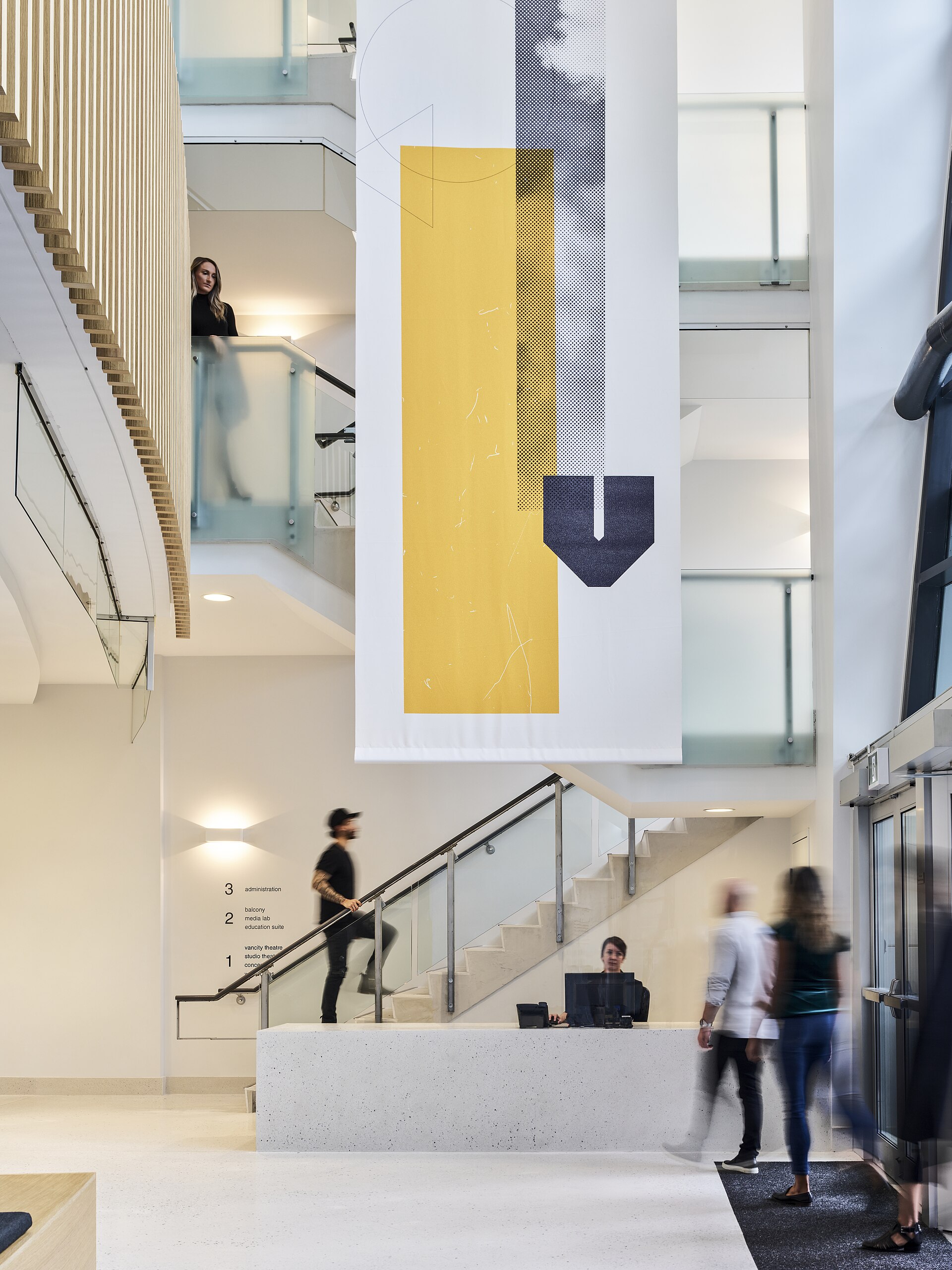
- The VIFF Centre atrium: LAP0440 ombTurnerVIFF 0011 by EHad2535, CC BY-SA 4.0, via Wikimedia Commons.