Snowshoeing near Vancouver is the best-value winter activity in the region — deep snow within 30 to 45 minutes of downtown, no skill required, and a fraction of the cost of a lift ticket. All three North Shore mountains run marked, patrolled trail networks with rentals: Cypress has the most extensive, Mount Seymour the best provincial park routes including Dog Mountain, and Grouse the easiest access without a car. Expect roughly C$30–60 for trail access plus rental.
This guide covers where to go, which routes suit which level, what to rent and wear, guided and evening options, and the safety realities of terrain that is far more serious than its proximity to the city suggests.
Table of Contents
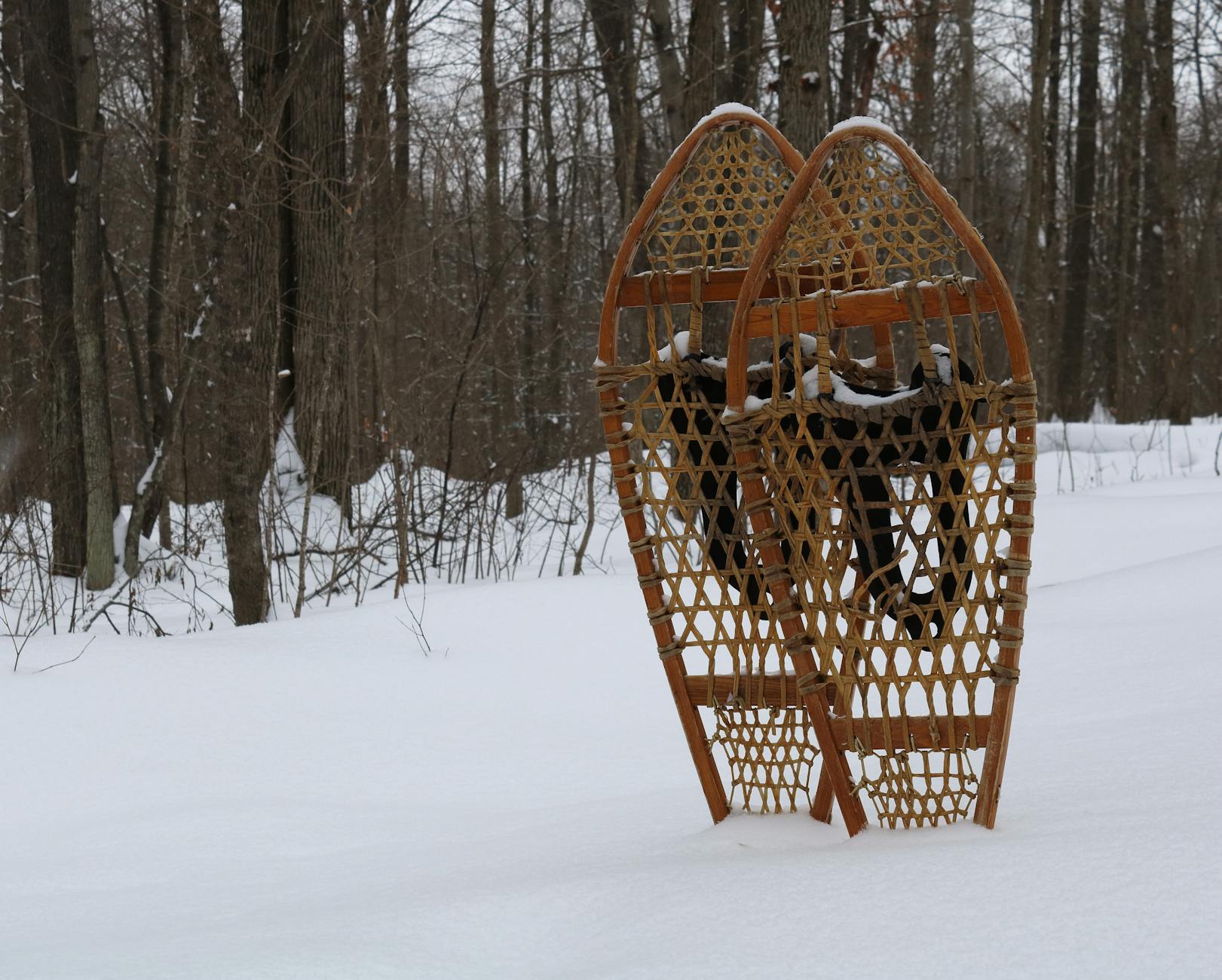
Snowshoeing Quick Overview
- Distance from downtown: 30–45 minutes to all three North Shore mountains
- Cost: roughly C$30–60 for trail access plus rental — far less than skiing
- Skill required: none
- Season: roughly December to April, conditions permitting
- Cypress: the most extensive marked network, alongside its Nordic area
- Mount Seymour: the best provincial park routes, including Dog Mountain
- Grouse: the only one reachable easily by public transit
- Guided tours available, including evening and fondue options
The case for it in one line: you get the mountains, the snow and the views for a third of what skiing costs, with no lessons, no equipment learning curve and no risk of spending the day falling over.
Why Snowshoeing Beats Skiing Here
For a visitor with a day and no particular commitment to skiing, snowshoeing is frequently the better choice near Vancouver, and it is worth saying why.
- Cost: a third or less of a lift ticket plus ski rental
- No skill barrier — no lessons, no learning curve, no wasted first day
- Weather tolerance — a grey day that ruins skiing barely affects a forest snowshoe
- Quiet — you are away from lift queues and crowds within ten minutes
- The forest — snow-loaded coastal old growth is genuinely spectacular and you cannot see it from a chairlift
- Time flexible — a two-hour outing is worthwhile, unlike a two-hour ski day
The North Shore mountains’ modest ski terrain is a limitation for skiers and irrelevant to snowshoers, who are going into the trees regardless.
Cypress Mountain
Cypress has the largest marked snowshoe network of the three, based out of its Nordic area, which is separate from the downhill mountain and a few minutes further along the access road.
- Extensive marked trails, graded by difficulty
- Based at the Nordic area, with its own parking, rentals and facilities
- Highest base elevation of the three, so the most reliable snow and the longest season
- Some trails lit for evening use
- Guided tours including fondue and evening options
- Access: no regular public bus — car or seasonal shuttle
Best for: the longest routes, the most reliable conditions, and anyone who wants a full day rather than a short outing. See our Cypress Mountain guide.
Mount Seymour
Mount Seymour has the best combination of marked resort trails and genuine provincial park routes, which makes it the most interesting of the three for anyone who wants to feel like they have been somewhere.
- Resort trails — marked, patrolled, ticketed, with rentals at the base
- Provincial park routes beyond the resort area, including Dog Mountain and First Lake
- Guided and evening tours available
- Cheapest of the three for trail access
- Access: car, or seasonal shuttle; no regular public bus to the mountain
See our Mount Seymour guide for the mountain overall.
Dog Mountain
Dog Mountain, from the Mount Seymour parking area, is the single most popular snowshoe route on the North Shore and the one to do if you only do one.
- Distance: roughly 5 km return
- Time: 2–3 hours at a relaxed pace
- Elevation gain: modest — largely rolling rather than climbing
- The payoff: a rock bluff with an open view south over the whole of Vancouver and the Strait
- Route: through snow-loaded forest, past First Lake
- Busy at weekends — go early or midweek
Two honest warnings. First, the view is the whole point and it disappears entirely in cloud, which is common — check the forecast and a webcam before committing. Second, despite being short and popular, this route crosses terrain where people get lost every winter when fresh snow covers the tracks and visibility drops. Carry a map, a headlamp and the ability to navigate without following footprints.
Grouse Mountain
Grouse has the smallest network but one decisive advantage: it is the only North Shore mountain you can reach easily on public transit.
- Marked trails at the top of the Skyride
- Access: SeaBus to Lonsdale Quay, then the 236 bus — about an hour from downtown on a standard fare
- Skyride ticket required to reach the trails, which is the main cost
- Rentals at the top
- Guided tours including evening options
- Combine with the ice rink, the Light Walk or a meal at the Peak Chalet
If you have no car, this is your answer. The trail network is modest, but the access is genuinely straightforward and the mountain works as a full day. See our Grouse Mountain guide.
Guided & Evening Tours
All three mountains run guided snowshoe tours, and they are worth considering for a first time.
- Daytime interpretive tours — ecology, tracks, forest, and the mountain’s history
- Evening and lantern tours — snowshoeing after dark under lights or headlamps; genuinely atmospheric
- Fondue and dinner tours — a snowshoe out to a cabin or lodge and a meal
- Equipment included in most tour prices
- Book ahead — evening and fondue tours sell out at weekends and holidays
An evening tour is the standout experience — snow, dark forest, lights below, and no possibility of getting lost because someone else is navigating.
Gear & Rental
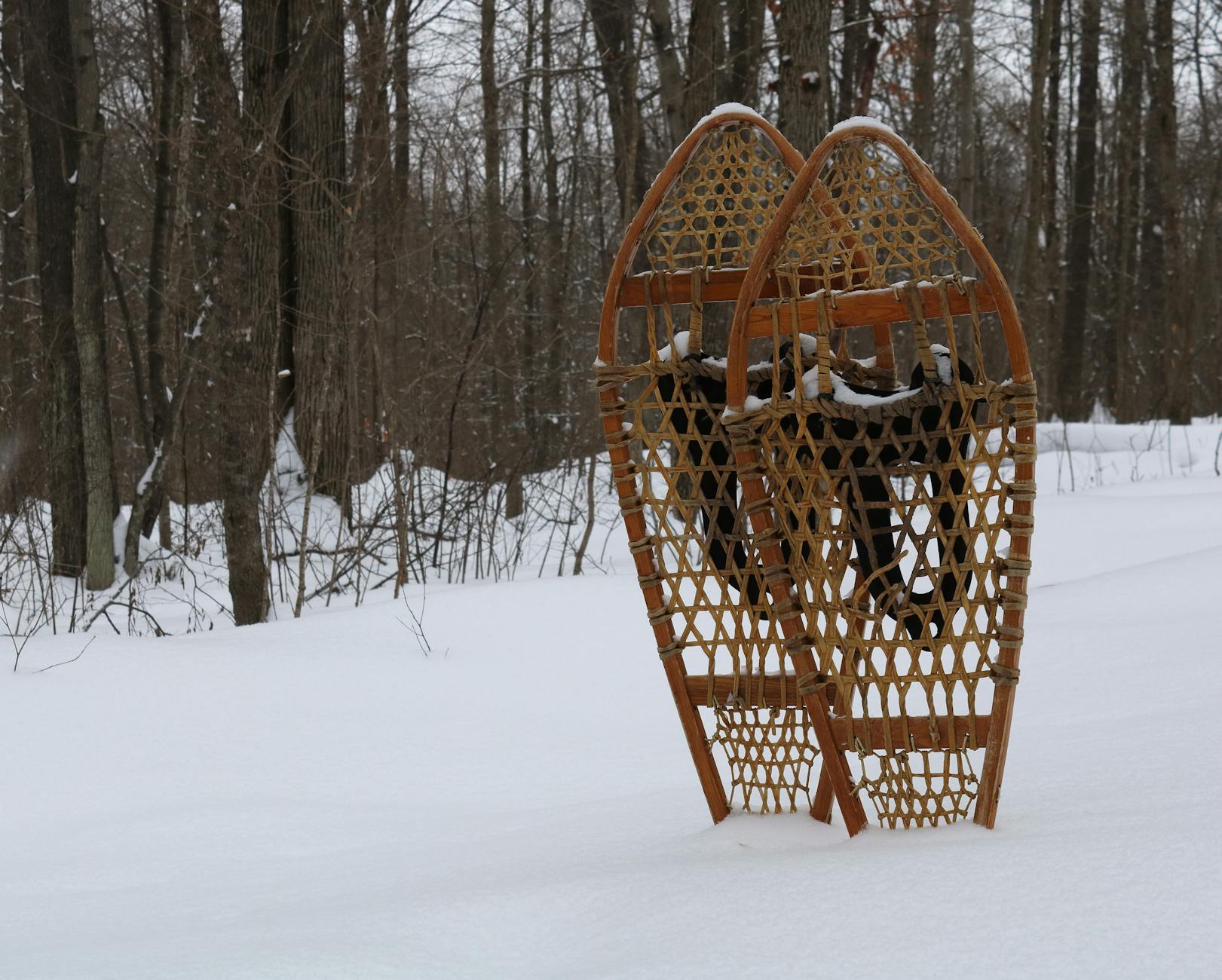
- Snowshoes — rental available at all three mountains, and at outdoor shops in the city
- Poles — usually included or a small extra; genuinely helpful on slopes
- Cost: rental typically C$15–25, on top of trail access
- Boots: your own waterproof hiking boots, not rented — this is the item people get wrong
- City rental from outdoor shops is cheaper for multi-day use
- Buying: entry-level snowshoes are inexpensive if you will go more than a few times
The boots are the critical piece. Snowshoes strap onto your own footwear, and a day in wet, cold feet ruins the outing. Waterproof boots with ankle support, worn with proper socks, are the difference between a good day and a miserable one.
What to Wear
- Waterproof outer shell — jacket and ideally trousers; coastal snow is wet
- Layers underneath, because snowshoeing is genuinely hard work and you will overheat
- Waterproof boots with ankle support
- Wool or synthetic socks, never cotton
- Gaiters if you have them — they keep snow out of your boots
- Gloves and a hat, plus spares
- Sunglasses — snow glare is real even under cloud
You will sweat. Snowshoeing uphill in deep snow is more strenuous than it looks, and the standard error is dressing as though you will be standing still. Start slightly cold.
Technique, Such As It Is
There is almost nothing to learn, which is the appeal.
- Walk with a slightly wider stance so the frames do not clip each other
- Uphill: use the heel lifts if your snowshoes have them — they make a large difference
- Downhill: lean back slightly and take shorter steps
- Traversing: kick the uphill edge in for grip
- Poles help on any slope
- Do not walk on ski or cross-country tracks — it wrecks them, and it is the one piece of etiquette that matters
Expect to be tired sooner than you would on a normal walk. Breaking trail through fresh snow is roughly twice the effort of walking a packed path.
Season & Conditions
- Season: roughly December to April, with the best conditions January to March
- Cypress opens earliest and closes latest, thanks to elevation
- Coastal snow is heavy and wet rather than dry powder
- Rain at the base is possible even when it is snowing higher up
- Check conditions and webcams the morning you go — a two-degree difference changes everything
- Cloud frequently removes the views entirely
Safety: Read This Part
This is the section that matters, and it is not boilerplate. The North Shore mountains generate a disproportionate share of British Columbia’s search-and-rescue callouts, and the reason is precisely that they are close to the city — people treat a mountain thirty minutes from downtown as though it were a park.
- Stay on marked trails unless you have avalanche training, a transceiver, probe, shovel and a partner who has the same
- Avalanche terrain exists within walking distance of the resort boundaries on all three mountains
- Check the avalanche bulletin at avalanche.ca before going beyond marked routes
- Daylight ends by 4:30 PM in midwinter — start early and turn around early
- Carry a headlamp on every outing, however short
- Fresh snow covers tracks — do not rely on following footprints back
- Carry a map and compass or a downloaded offline map; phone signal is unreliable
- Tell someone your route and expected return
- Extra layers, food and water, even for a two-hour route
- Tree wells — deep voids around tree trunks that people fall into and cannot get out of; stay clear of tree bases in deep snow
Every winter, experienced-looking people set out on a short popular route in the afternoon, lose the trail in fresh snow or cloud, and are found after dark. The proximity to the city is the hazard, not the reassurance.
Snowshoeing with Children
- Children’s snowshoes available to rent at all three mountains
- Manageable from around five or six on short, flat marked routes
- Keep it short — an hour is plenty for a first time
- Pick a flat marked trail rather than anything with elevation
- Grouse works best with children, because the Peak Chalet is right there when they have had enough
- Bring far more spare gloves and socks than seems necessary
What It Costs
- Trail access: roughly C$15–30 depending on the mountain
- Snowshoe rental: roughly C$15–25
- Grouse: add the Skyride ticket, which is the main expense there
- Guided tours: C$60–120 including equipment, more for fondue and dinner tours
- Total for a self-guided day: roughly C$30–60 per person plus transport
- Compare: a ski day runs C$90–150 once lift and rental are counted
Pro Tips
- Cypress for the biggest network, Seymour for Dog Mountain, Grouse if you have no car
- Do Dog Mountain if you only do one route — but check the forecast, because cloud removes the view
- Waterproof boots are the critical item; snowshoes strap to your own footwear
- Start slightly cold — you will overheat within ten minutes
- Carry a headlamp always, even on a two-hour route
- Do not walk on ski tracks
- Book evening and fondue tours ahead — they sell out
- Go midweek for empty trails
- Stay on marked routes without avalanche training and equipment
- Check avalanche.ca before going beyond the marked network
For summer alternatives on the same mountains, see our hard hikes near Vancouver guide, and for the wider winter picture our winter activities beyond skiing guide.
Related Vancouver guides
Keep planning with these guides:
Snowshoeing Near Vancouver FAQs
Where can I go snowshoeing near Vancouver?
All three North Shore mountains — Cypress, Mount Seymour and Grouse — run marked, patrolled trail networks with rentals, 30 to 45 minutes from downtown. Cypress has the most extensive network, Seymour the best provincial park routes, and Grouse the only easy transit access.
Do I need experience to go snowshoeing?
No. If you can walk, you can snowshoe. Walk with a slightly wider stance so the frames do not clip, use the heel lifts on climbs, and take shorter steps downhill. That is essentially the whole technique.
How much does snowshoeing cost near Vancouver?
Roughly C$30–60 per person for trail access plus rental, against C$90–150 for a comparable ski day. Guided tours run C$60–120 including equipment. At Grouse, the Skyride ticket is the main cost.
What is the best snowshoe trail near Vancouver?
Dog Mountain from the Mount Seymour parking area — about 5 km return, two to three hours, modest elevation, ending at a bluff with an open view over the city. Check the forecast first, because cloud removes the view entirely.
Can I snowshoe without a car?
Yes, at Grouse Mountain — SeaBus from Waterfront Station to Lonsdale Quay, then the 236 bus, about an hour on a standard transit fare. Cypress and Seymour have no regular public bus, only seasonal shuttles.
What should I wear snowshoeing?
Waterproof outer layers, layers underneath you can shed, waterproof boots with ankle support, wool or synthetic socks, gloves, a hat and sunglasses. Snowshoes strap to your own boots, so footwear is the item that matters most. Start slightly cold — it is harder work than it looks.
Is snowshoeing near Vancouver safe?
On marked, patrolled trails, yes. Off them, the North Shore mountains generate a disproportionate share of BC’s search-and-rescue callouts, with avalanche terrain close to the resort boundaries. Stay on marked routes without avalanche training and equipment, carry a headlamp and a map, and remember that daylight ends by 4:30 PM in midwinter.
When is snowshoeing season near Vancouver?
Roughly December to April, with the best conditions from January to March. Cypress has the highest base elevation, so it opens earliest and holds snow longest.
Can children go snowshoeing?
Yes, from around five or six on short flat marked trails, with children’s snowshoes available to rent at all three mountains. Keep the first outing to about an hour, and bring spare gloves and socks.
Are there guided snowshoe tours?
Yes, at all three mountains — daytime interpretive tours, evening and lantern tours, and fondue or dinner tours that snowshoe out to a lodge. Equipment is usually included, and evening tours sell out at weekends, so book ahead.
Related reading: Pair this with our winter in Vancouver pillar and our winter activities beyond skiing guide.