Packing for a Vancouver winter comes down to one correction: this is a wet winter, not a cold one. The city sits around 3–8 °C from December to February, rain is far more likely than snow, and the single most common visitor mistake is packing for a Canadian deep freeze and arriving without a waterproof jacket. A proper rain shell and waterproof footwear will do more for your trip than a parka. Add warm layers for the mountains, which are a different climate 45 minutes away.
This guide gives a complete winter packing list, explains the layering that actually works on this coast, and covers what to bring for the mountains, the city and the rain — plus what to leave at home.
Table of Contents
Winter Packing Quick Overview
- The two essentials: a genuinely waterproof jacket with a hood, and waterproof footwear
- Temperatures: typically 3–8 °C in the city, December to February
- Precipitation: rain, frequently, rather than snow
- Snow in the city: a handful of days a year, usually melting within 48 hours
- Mountains: proper winter conditions 45 minutes away — pack for both
- Daylight: dark by 4:30 PM in December and January
- Dress code: Vancouver is famously casual; leave the formalwear
- Umbrella: optional at best — locals mostly use hoods
What You’re Actually Packing For
Vancouver’s winter climate is closer to Seattle, Dublin or the Pacific Northwest generally than to the rest of Canada. It sits on the coast, shielded by mountains and warmed by the ocean.
- December–February: daytime highs typically 6–8 °C, overnight lows 1–4 °C
- Sub-zero days are uncommon and usually brief
- Rainfall is the defining feature — frequent, often light, occasionally torrential
- Wind along the waterfront makes it feel colder than the number suggests
- Humidity makes 5 °C here feel damper than 5 °C in a dry climate
- The mountains, 45 minutes away, are genuinely below freezing with deep snow
Our best time to visit Vancouver guide has the full month-by-month climate picture.
The Mistake Everyone Makes
Visitors from outside Canada picture a Canadian winter and pack a heavy insulated parka, thick sweaters and snow boots. Visitors from eastern Canada do the same for different reasons.
Both then spend the week too warm, uncomfortably damp, and without the one thing they needed — a waterproof shell. A parka that performs beautifully at −20 °C in dry Ottawa is both too hot and not waterproof enough at +5 °C in Vancouver rain.
The correct mental model: pack as you would for a wet British or Pacific Northwest winter. Waterproof and layered, not thick and insulated.
Outerwear
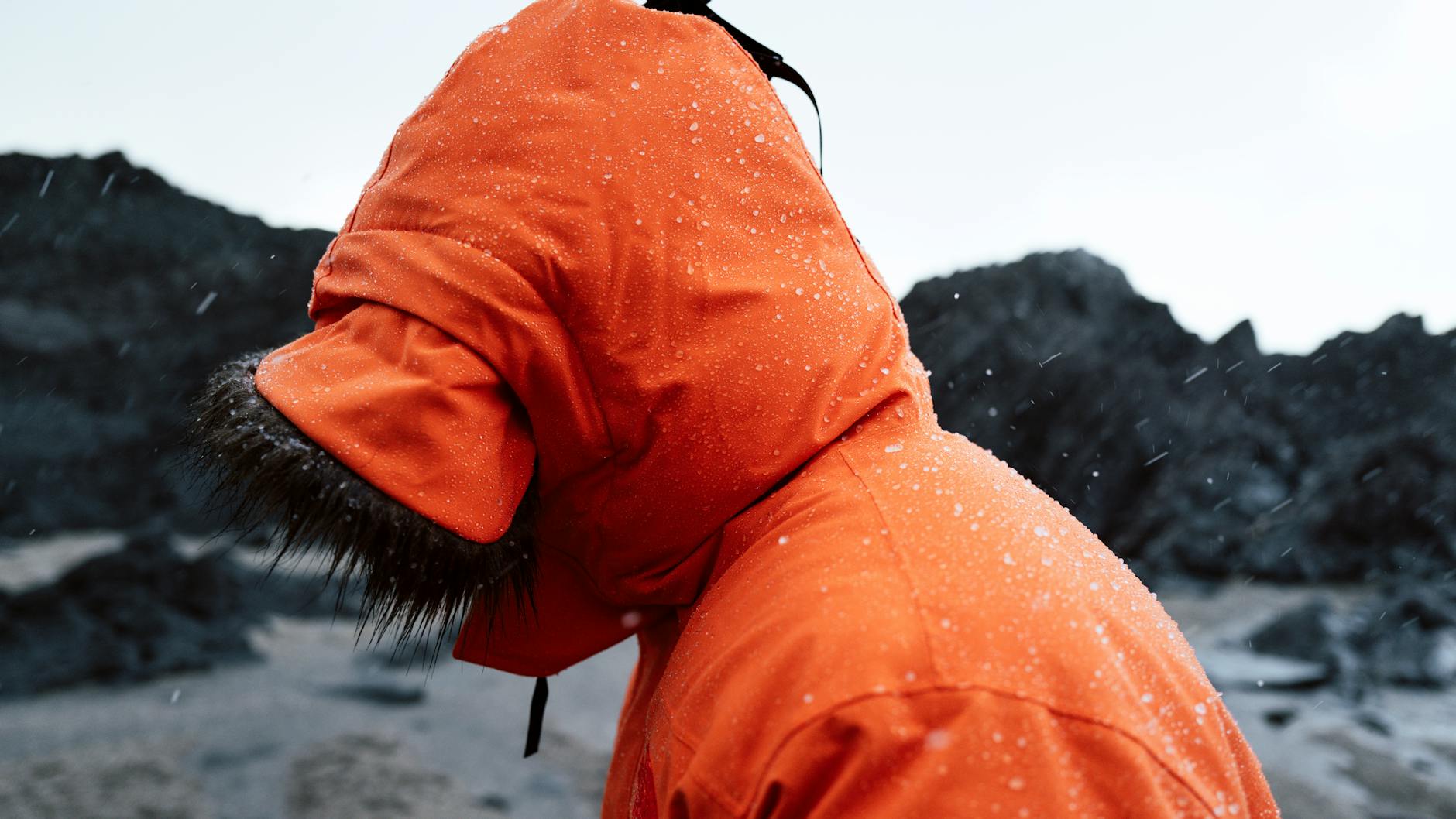
- A waterproof shell jacket with a hood — the single most important item. Genuinely waterproof, not water-resistant. Breathable if possible, since you will be walking.
- An insulating mid-layer — fleece or a light down or synthetic jacket, worn under the shell when it is cold
- A packable down jacket is ideal, because it doubles as the mountain layer
- Waterproof trousers — optional in the city, worth it if you are hiking or snowshoeing
- A hood beats an umbrella — the wind off the water renders umbrellas useless regularly
Shell plus mid-layer beats a single heavy coat in every respect here: it adapts to the temperature, it dries faster, and it packs smaller.
Footwear
Footwear is where trips are actually ruined. Wet feet on day one shape the rest of the week.
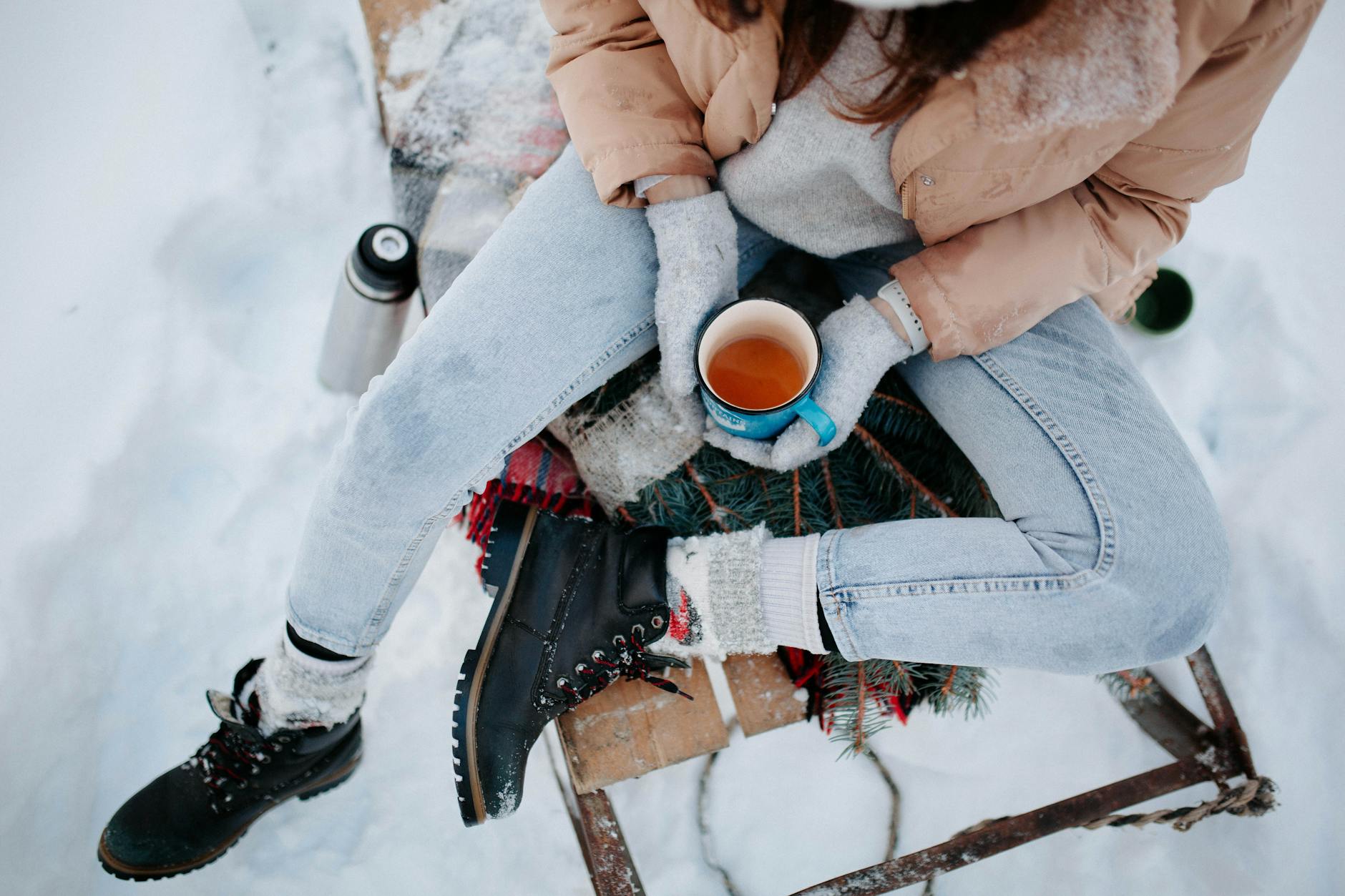
- Waterproof walking shoes or boots — the essential item, with grip for wet pavement
- A second pair so one can dry; this matters more than any other duplicate
- Wool or synthetic socks, several pairs, never cotton
- Hiking boots if you plan trails or snowshoeing — waterproof, with ankle support
- Something dry for evenings, which can be ordinary shoes
- Not needed: heavy snow boots, unless you are spending real time on the mountains
Grip matters as much as waterproofing. Vancouver’s pavements, painted crossings and wooden boardwalks are genuinely slippery when wet, and the seawall has a reputation for it.
The Layering System
Three layers, adjusted through the day, handles everything from a downtown afternoon to a mountain morning.
- Base layer: merino or synthetic, next to skin. Never cotton — it holds moisture and chills you.
- Mid layer: fleece, wool, or a light down jacket. This is your temperature dial.
- Outer layer: the waterproof breathable shell. Always with you, regardless of the morning forecast.
Why it works here: you will move between 5 °C rain, an overheated restaurant, a transit bus and a mountain at −5 °C in a single day. A layering system handles that; one heavy coat does not.
Carry a small daypack so you can shed the mid-layer indoors rather than carrying it in your arms.
Accessories
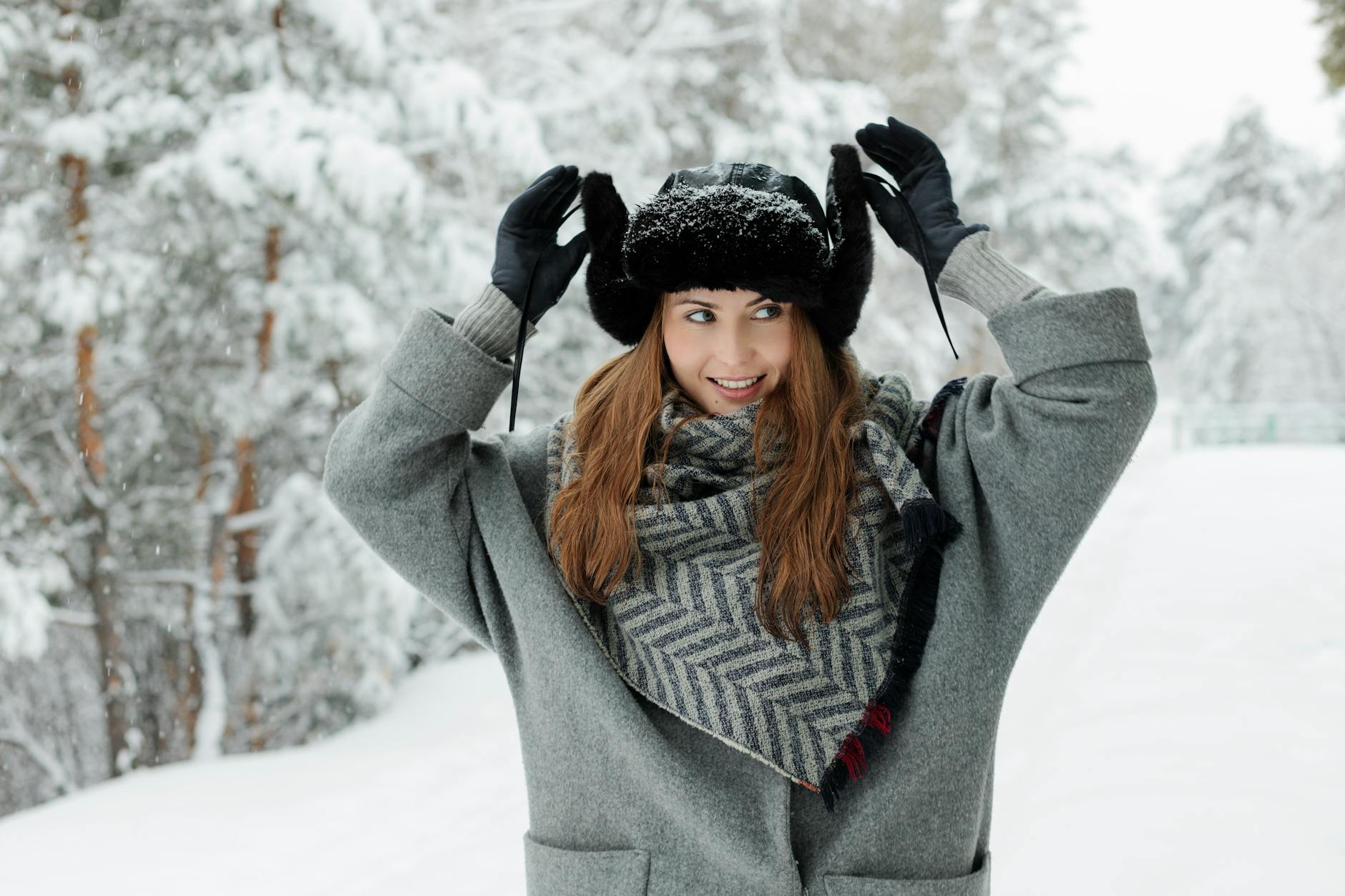
- Warm hat — light, effective, easy to stow
- Gloves — waterproof if you can, since wet wool gloves are miserable
- Scarf or neck gaiter for the waterfront wind
- Sunglasses — genuinely needed on clear winter days and essential on snow
- Small quick-dry towel if you plan a lot of outdoor time
- A dry bag or waterproof pouch for phone and documents
- Lip balm and moisturiser — the wind and heated indoor air are drying
Extra Kit for the Mountains
The North Shore mountains are a different climate from the city, 45 minutes away. Pack for both or you will be caught out.
- Warmer mid-layer than you need in the city — the packable down jacket earns its place here
- Waterproof trousers or snow pants for snowshoeing or skiing
- Waterproof insulated gloves
- Warm hat and neck gaiter
- Sunglasses or goggles — snow glare is real even under cloud
- Gaiters for snowshoeing, to keep snow out of your boots
- Headlamp — dark by 4:30 PM, and essential on any snowshoe route
- Spare socks and gloves in the pack
- Sunscreen — reflected snow burns, even in cloud
Ski and snowboard gear can be rented on the mountains, so do not fly with it unless you have a strong preference. Snowshoes are rented too. What you cannot rent is properly fitting waterproof boots and gloves. See our winter activities and Grouse Mountain guides.
City & Evening Clothes
Vancouver’s dress code is casual to a degree that surprises visitors from most other cities.
- Smart casual covers everything — good restaurants, theatres, bars
- Very few places require a jacket, and almost none a tie
- Granville Street clubs are the exception, enforcing dress codes that refuse athletic wear and work boots
- Dark jeans and a decent top will take you anywhere in the city
- Indoor heating is aggressive — dress in layers you can remove at dinner
- Leave formalwear at home unless you have a specific event
Tech & Practicals
- Power adapter — Canada uses North American Type A/B plugs, 120V
- Portable battery — cold drains phone batteries fast
- Waterproof phone case or pouch
- Compass Card or contactless payment for transit — see our transportation guide
- Offline maps downloaded, since mountain signal is unreliable
- Reusable water bottle — tap water here is excellent
- Travel insurance covering winter sports if you plan to ski
The Complete Checklist
Essential:
- Waterproof shell jacket with hood
- Waterproof walking shoes or boots
- Second pair of shoes, so one can dry
- Insulating mid-layer — fleece or packable down
- Merino or synthetic base layers
- Wool or synthetic socks, several pairs
- Warm hat
- Gloves, ideally waterproof
- Scarf or neck gaiter
- Small daypack
For the mountains:
- Waterproof trousers or snow pants
- Insulated waterproof gloves
- Sunglasses or goggles
- Headlamp
- Gaiters
- Sunscreen
- Spare socks and gloves
City and practical:
- Smart casual outfit for dinner
- Power adapter and portable battery
- Waterproof phone pouch
- Reusable water bottle
- Lip balm and moisturiser
- Sunglasses
What Not to Bring
- A heavy arctic parka — too warm, usually not waterproof, and takes half a suitcase
- Heavy snow boots unless you are spending serious time on the mountains
- Formalwear — Vancouver does not require it
- Cotton anything as a base or mid layer — it holds water and chills you
- Ski or snowboard equipment, which rents on the mountain
- A large umbrella — the wind makes it useless and locals do not carry them
- Too many shoes — two waterproof pairs and one dry evening pair is enough
What to Buy There Instead
Vancouver is an outdoor city with correspondingly good outdoor retail, so forgetting something is easily fixed.
- Outdoor shops downtown and along Broadway carry every layer and shell you might need
- MEC and similar co-operative retailers for good-value technical clothing
- Rental of skis, snowboards and snowshoes on all three mountains
- Umbrellas in every convenience store, if you decide you want one after all
- Thrift and consignment shops on Main Street for a cheap fleece
If you are choosing what to sacrifice from a full suitcase, sacrifice the mid-layer — a fleece is easy and cheap to buy on arrival. Never sacrifice the waterproof shell or the boots.
By Month
- November: the wettest month of the year. Waterproofs above all; genuinely persistent rain.
- December: similar, with the shortest days — dark by 4:20 PM. Festive events mean slightly smarter evening clothes. See our Vancouver at Christmas guide.
- January: the coldest month, best mountain snow, and the highest chance of a city snowfall. Add a warmer mid-layer.
- February: similar to January, with days lengthening noticeably and early blossom appearing by month’s end.
- March: transitional — still wet, milder, with the first cherry blossom. Lighter layers, same waterproofs.
For packing outside winter, see our general what to pack for Vancouver guide.
Pro Tips
- Waterproof, not warm — if you remember one thing, that is it
- Two pairs of waterproof shoes so one always dries
- Never cotton next to skin or as a mid-layer
- A hood beats an umbrella in waterfront wind
- Pack a packable down jacket — it serves as city mid-layer and mountain insulation
- Carry a daypack so you can shed layers indoors
- Bring sunglasses, which visitors never expect to need
- Rent ski gear on the mountain; bring your own boots and gloves
- A headlamp if you will be outdoors after 4 PM
- Buy the fleece there if your bag is full — the outdoor retail here is excellent
Related Vancouver guides
Keep planning with these guides:
Vancouver Winter Packing FAQs
How cold does Vancouver get in winter?
Typically 6–8 °C during the day and 1–4 °C overnight from December to February. Sub-zero days are uncommon and usually brief. It is a mild, wet winter rather than a cold, dry one.
Do I need a heavy winter coat in Vancouver?
No. A waterproof shell with a separate insulating mid-layer works far better than a heavy parka, which will be too warm, insufficiently waterproof, and will take half your suitcase. Pack as you would for a wet British or Pacific Northwest winter.
Does it snow in Vancouver?
Rarely at sea level — a handful of days a year, usually melting within 48 hours. Rain is far more likely. The mountains 45 minutes away have proper winter snow, which is why you pack for two climates.
What’s the most important thing to pack for a Vancouver winter?
A genuinely waterproof jacket with a hood, and waterproof footwear with good grip. Those two items matter more than anything else, and they are precisely what most visitors forget in favour of a heavy coat.
Do I need an umbrella in Vancouver?
Not really. The wind off the water makes umbrellas unreliable and most locals simply use a hood. If you decide you want one, they are sold in every convenience store.
What shoes should I wear in Vancouver in winter?
Waterproof walking shoes or boots with grip, plus a second pair so one can dry. Pavements, painted crossings and the seawall’s wooden sections are genuinely slippery when wet. Heavy snow boots are unnecessary unless you are spending real time on the mountains.
Should I bring ski gear to Vancouver?
No — skis, snowboards and snowshoes all rent on the mountains. Bring your own waterproof boots, insulated gloves and shell layers, which are the things you cannot rent in a good fit.
Is Vancouver formal in the evenings?
No. Smart casual covers restaurants, theatres and bars, and very few places require a jacket. The exception is the Granville Street nightclubs, which enforce dress codes refusing athletic wear and work boots.
What should I wear for the mountains?
Everything you would wear in the city, plus a warmer mid-layer, waterproof trousers, insulated waterproof gloves, a hat, sunglasses or goggles, sunscreen and a headlamp. The mountains are genuinely below freezing while the city sits at 5 °C.
How early does it get dark in Vancouver in winter?
By around 4:20–4:30 PM in December and January. Pack a headlamp if you will be outdoors in the late afternoon, and plan outdoor activity for the morning.
Related reading: Pair this with our winter in Vancouver pillar and our winter activities guide.