Vancouver Art Gallery (VAG) is BC’s largest public art museum — housed in a heritage 1906 former courthouse at 750 Hornby Street downtown. The collection features Emily Carr’s iconic BC paintings, contemporary Indigenous art, photography, and rotating major touring exhibitions. Admission is C$29 for BC residents and C$35 for everyone else, and everyone 18 and under gets in free. The gallery is closed Tuesdays, and admission is free on the first Friday of every month from 4 to 8 PM.
This guide covers everything for VAG visitors — featured exhibits, the Emily Carr collection, current ticketing and hours, the free first-Friday evenings, and how to make the Vancouver Art Gallery part of your downtown culture day.
Table of Contents
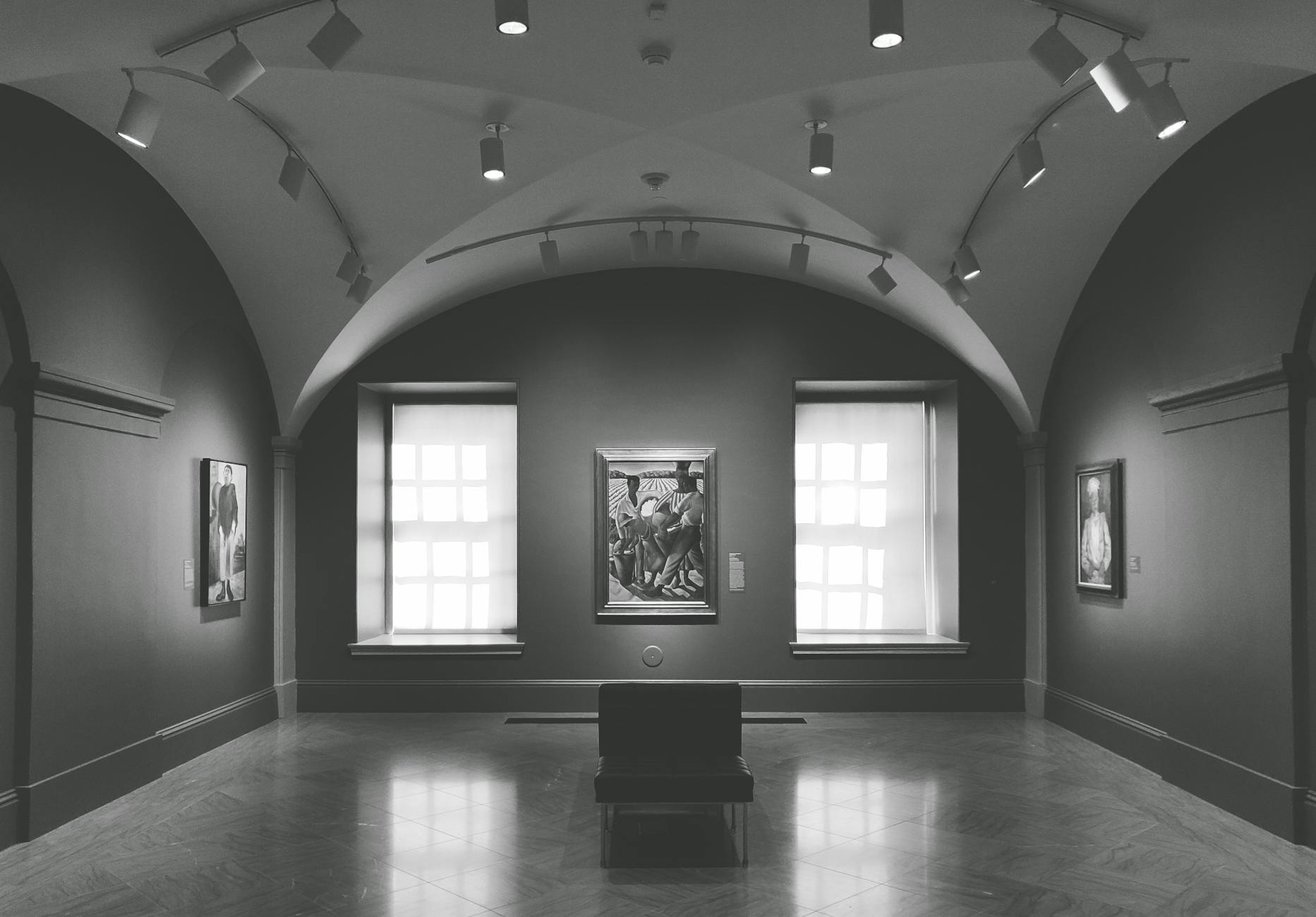
VAG Quick Overview
The VAG is a downtown gallery in the most literal sense — it sits on the block bounded by Hornby, Georgia, Howe and Robson, with its north steps functioning as the city’s default protest site and meeting point. You can walk to it from almost any downtown hotel in under fifteen minutes, which makes it the easiest culture stop in the city to slot into a half-day.
- Address: 750 Hornby Street, downtown Vancouver
- Admission, BC residents: C$29
- Admission, visitors from outside BC: C$35
- Youth 13–18 and children 12 and under: free
- Indigenous visitors (self-identified): free
- Closed: Tuesdays
- Late night: Fridays until 8 PM
- Free: first Friday of every month, 4–8 PM
- Time needed: 2–3 hours
- Best for: Emily Carr, contemporary Indigenous art, photography, rainy afternoons
Two things that catch visitors out. First, the gallery is closed on Tuesdays — it used to run a Tuesday by-donation evening, and a lot of older guidance still says so. Second, children and teenagers are free with no upper qualification: if you are visiting as a family, only the adults pay.
Heritage Courthouse Building
The building is a piece of Vancouver history in its own right. It opened in 1906 as the provincial courthouse, designed by Francis Rattenbury — the architect responsible for the BC Legislature and the Empress Hotel in Victoria, and the man who gave British Columbia much of its official Edwardian face. It is a neoclassical pile in grey stone, with a domed rotunda, lions flanking the Georgia Street entrance, and courtrooms that have since become galleries.
When the courts moved out in the late 1970s, Arthur Erickson — the same architect behind the Museum of Anthropology — converted the building into a gallery as part of his larger Robson Square scheme, and the VAG opened in its new home in 1983. Erickson flipped the building’s orientation: the ceremonial Georgia Street steps became a public plaza, and the entrance moved to the Robson side, facing the square he had built.
- Opened 1906 as the provincial courthouse; architect Francis Rattenbury
- Converted to a gallery by Arthur Erickson; reopened 1983
- Part of the Robson Square civic complex
- Rotunda, grand staircase and former courtrooms survive as gallery spaces
- The Georgia Street steps are the city’s traditional protest and gathering site
The conversion is not seamless, and that is part of the interest: gallery walls meet courthouse mouldings, and the fourth-floor spaces under the dome feel nothing like the ground-floor rooms. Look up in the rotunda.
Emily Carr Collection
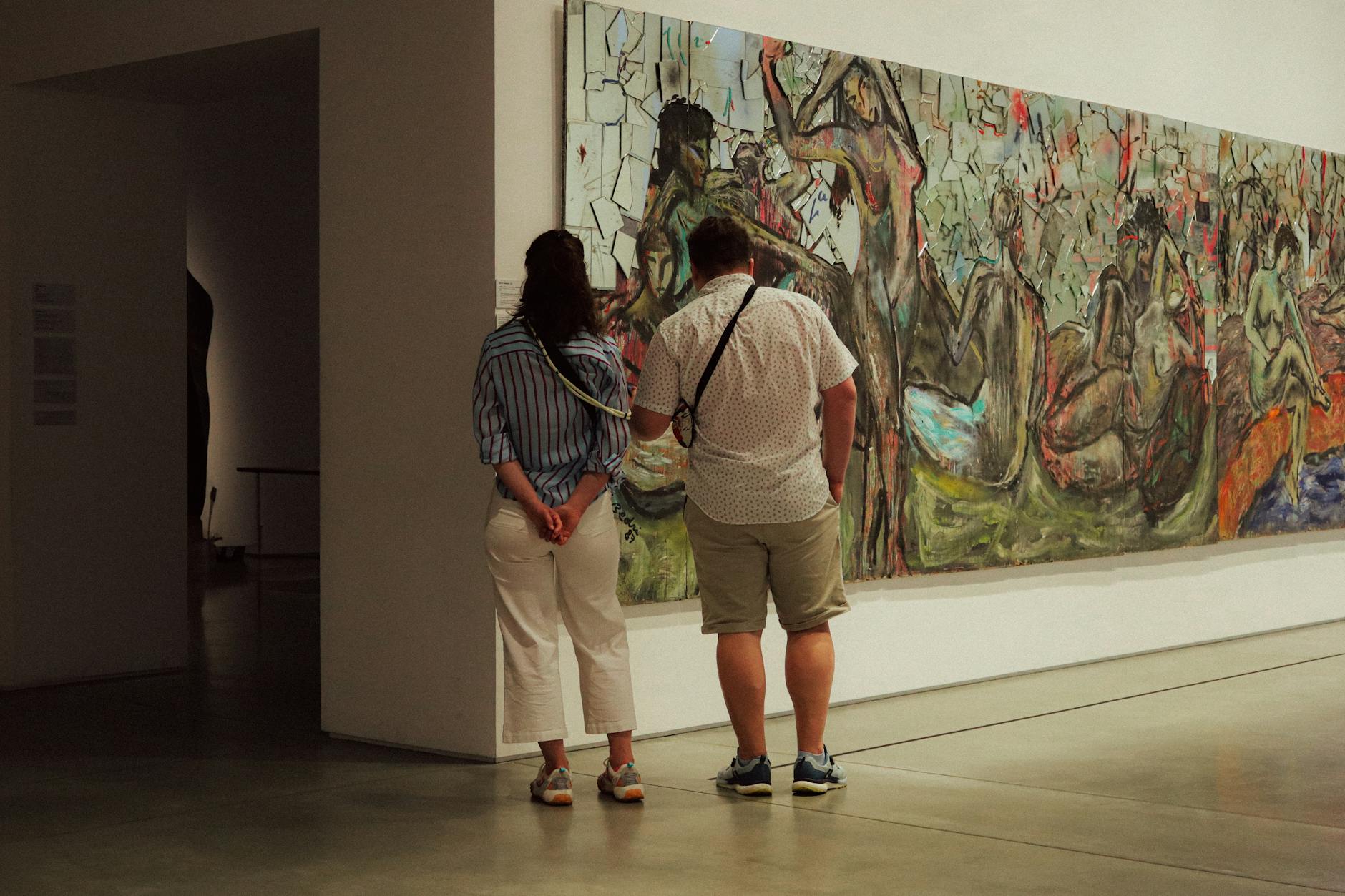
The VAG holds the world’s largest collection of work by Emily Carr, and for many visitors it is the reason to come. Carr (1871–1945) was born in Victoria and spent most of her life in British Columbia, painting the coastal forest and the Indigenous villages of the north coast in a style that moved from documentary watercolour toward something far stranger and more charged — churning greens, skies that behave like water, trees rendered as moving bodies.
She worked in near-obscurity for decades, running a boarding house in Victoria and largely giving up painting, before being taken up in her late fifties by the Group of Seven in eastern Canada. Lawren Harris told her she was one of them. The late canvases — the ones most people come to see — were painted in her sixties.
What to look for:
- The late forest canvases, where the trees stop being scenery and start being subjects
- Her paintings of Northwest Coast villages and poles, made on trips north in the 1910s and 1920s
- The skies — Carr paints air as though it has current and weight
- Earlier, tighter watercolours, for contrast with the late work
A caveat worth knowing: the Carr holdings rotate, and not everything is on view at once. If Carr is your main reason for visiting, check the current exhibition listings before you buy a ticket — during major touring shows, the Carr galleries are sometimes reduced.
Carr’s relationship with the Indigenous communities she painted is now read more critically than it once was, and the gallery’s own interpretation reflects that. Her work documented poles and villages at a moment of intense colonial pressure, and it was also made by an outsider without the communities’ authorship. The wall text does not dodge this.
Indigenous Art Collection
The VAG’s contemporary Indigenous holdings are among the strongest in Canada, and they are deliberately not presented as ethnography — this is contemporary art by living artists working in contemporary idioms. It makes a useful counterweight to the historical material at MOA: where MOA shows nineteenth-century poles, VAG shows what Indigenous artists are making now.
- Contemporary Indigenous painting, sculpture, photography and media work
- Coast Salish artists, including work rooted in the territory the gallery stands on
- Photo-conceptual and political work engaging land, title and representation
- Regular solo exhibitions by Indigenous artists rather than group survey shows only
If you are building a picture of Northwest Coast Indigenous art across a trip, the sequence that works is MOA for the historical monumental work, the Bill Reid Gallery for the twentieth-century revival, and VAG for what is happening now.
Photography Collection
Vancouver has an international reputation in photography that is disproportionate to the city’s size, and the VAG is where you go to understand why. From the 1960s onward, a loose group of artists working here — often labelled the Vancouver School or photo-conceptualism — made large-format staged photographs that treated the city’s suburbs, industrial edges and social textures as serious subject matter.
- Large-format staged and constructed photography from the 1960s onward
- Vancouver as recurring subject — suburbia, industry, the edges of the city
- Photo-conceptual work that sits deliberately between documentary and cinema
- Contemporary photography and lens-based media in rotating shows
Even visitors with no particular interest in photography tend to find this material sticks, partly because so much of it was shot within a few kilometres of where you are standing.
Rotating Exhibitions
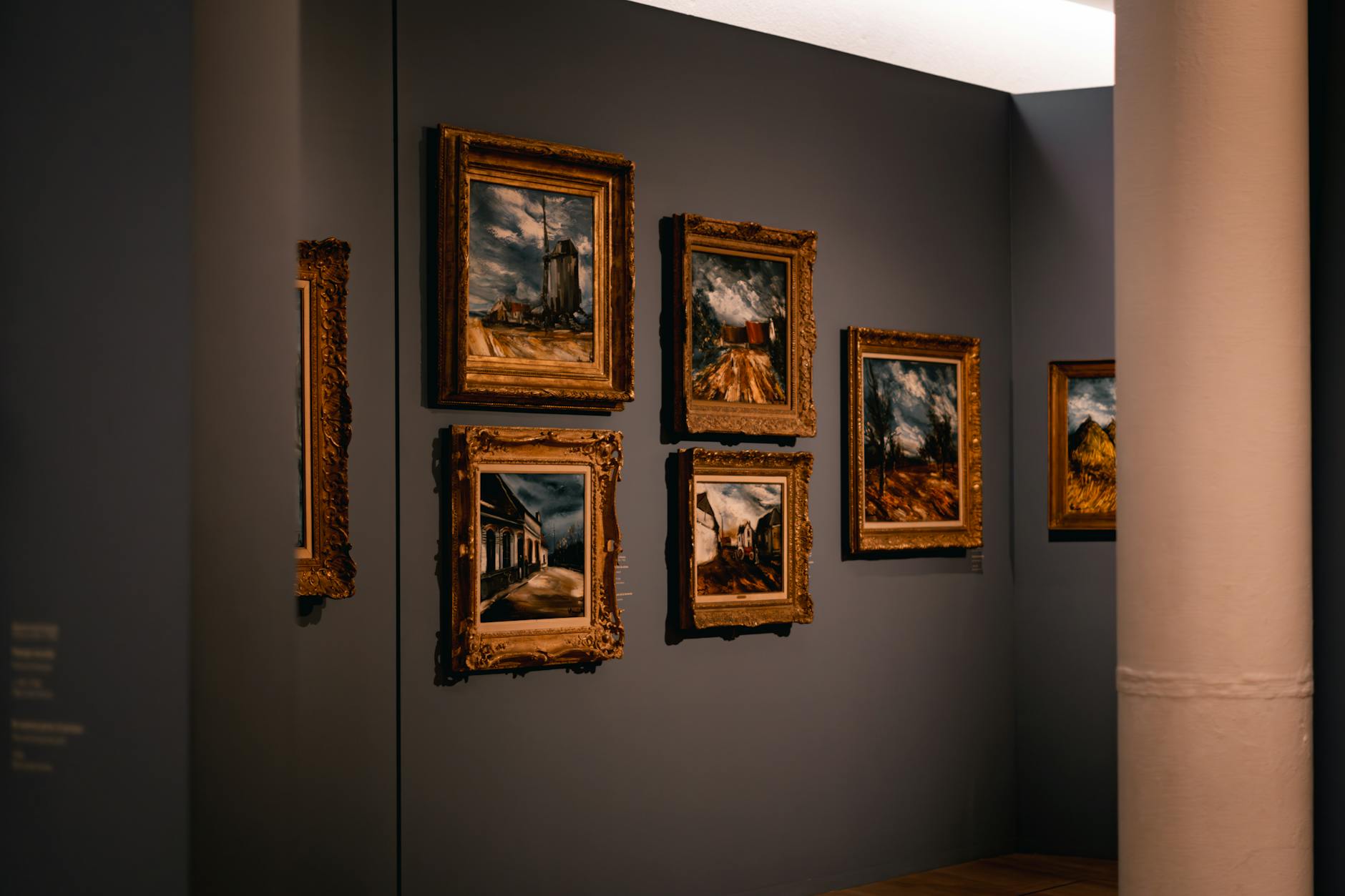
The VAG runs a heavy temporary exhibition programme, and it is usually what determines whether a given visit is a two-hour stop or a four-hour one. Major touring shows occupy the upper floors and can take over a large share of the building.
- Two to four major exhibitions running at any time
- International touring shows alongside BC and Canadian survey exhibitions
- Solo shows by contemporary artists, frequently Indigenous or Vancouver-based
- Exhibitions typically run three to five months
Check before you go. Because the permanent collection displays shrink and grow around the temporary programme, the gallery you get in March may be substantially different from the one you get in September. The current listings are at vanartgallery.bc.ca.
Tickets & Hours
Admission (2026):
- BC residents: C$29
- Visitors from outside BC: C$35
- Youth 13–18: free
- Children 12 and under: free
- Indigenous Peoples (self-identified): free
- Gallery members: free
- Caregiver accompanying a visitor with a disability: free
- Groups of 10 or more: C$25 per person
- Annual Access Pass: C$58 for twelve months — cheaper than two adult visits
Hours:
- Monday: 10 AM–5 PM
- Tuesday: closed
- Wednesday: 10 AM–5 PM
- Thursday: 10 AM–5 PM
- Friday: 10 AM–8 PM
- Saturday: 10 AM–5 PM
- Sunday: 10 AM–5 PM
Hours extend over the peak summer season, so check the site if you are visiting between late May and early September.
Bring ID for the BC resident rate. The C$6 difference between resident and visitor pricing is applied at the desk, and a BC driver’s licence or equivalent is the simplest way to claim it.
The Access Pass maths is easy. At C$58 for a year against C$35 for a single non-resident visit, it pays for itself on the second entry — worth considering if you are in town for a longer stay or expect to come back for a specific exhibition.
Free First Friday Nights
Admission is free on the first Friday of every month from 4 to 8 PM, presented by BMO. This replaced the gallery’s long-running Tuesday by-donation evening, and it is now the only regular free general-admission window.
- When: first Friday of each month, 4–8 PM
- Cost: free general admission — no donation expected
- Expect queues: this is the busiest the gallery gets all month
- Best strategy: arrive close to 4 PM, or come after 6:30 PM when the first wave clears
- Not ideal for: a first, careful look at a major exhibition — the galleries are genuinely crowded
If you want the free entry but not the crush, the trade-off is real: go for the atmosphere and the headline works, and save close looking for a weekday morning.
For a wider view of no-cost options across the city, see our guide to free museum days in Vancouver.
How to See VAG in 90 Minutes
The VAG is four floors, and the temporary exhibitions are designed to absorb as much time as you will give them. A route that works when time is short:
The 90-minute version. Start on the upper floors with whatever the headline exhibition is (40 min) — this is the material that will not be here next year. Drop to the Emily Carr and historical BC galleries (25 min). Finish with the contemporary Indigenous and photography rooms (20 min), and give the rotunda a look on the way out.
The half-day version. Same sequence, unhurried, with a break at the café between the temporary shows and the permanent collection. Three hours is comfortable; four is possible during a big touring exhibition.
If it is raining — and it will be, between November and March — VAG plus the Vancouver Public Library’s Central Branch and a downtown lunch fills a day entirely under cover. Our rainy day Vancouver guide has the full sequence.
Free Guided Tours
The gallery runs free guided tours included with admission, typically 30–45 minutes, focused on current exhibitions and collection highlights. They are worth timing your visit around if you want context on the temporary shows, which often arrive with little familiar footing for visitors.
- Highlight and exhibition tours, free with admission
- Roughly 30–45 minutes
- Schedules vary by day and season — confirm at the admissions desk
- Group and school tours available by advance arrangement
The New Gallery at Larwill Park
The VAG has spent years planning a move to a purpose-built home at Larwill Park, a city-owned site near the Queen Elizabeth Theatre a few blocks east. The argument for it is straightforward: a converted courthouse, however handsome, constrains what a modern gallery can show, and the VAG can display only a small fraction of its collection at any time.
The project has had a difficult path, with the design and funding both revisited, and the timeline has moved repeatedly. For visitors the practical implication is simple — the gallery remains at 750 Hornby Street for the foreseeable future, and any move is years away rather than months. Check the gallery’s site if you are planning a trip far in advance.
Café & Gift Shop
The Gallery Café has one of the better outdoor terraces downtown, tucked on the north side away from the Robson Street noise, and it is open during gallery hours. It is a reasonable lunch stop in its own right, and one of the few pleasant places to sit outdoors in that part of downtown that is not a chain.
The Gallery Store is strong on art books, exhibition catalogues, design objects and prints, and it stocks Emily Carr reproductions and monographs that are hard to find elsewhere. Prices run from postcards to serious collector books.
Educational Programs
The VAG runs a substantial public programme beyond the galleries themselves.
- Artist talks and curator lectures tied to current exhibitions
- Family programming, including drop-in art-making weekends
- School programmes across all grade levels
- Studio workshops for adults and children
- After-hours events, ticketed separately from general admission
Family drop-in sessions are a genuinely good deal given that everyone under 19 enters free — a parent pays one adult admission and the children get both the galleries and the activity.
Accessibility
The building is a 1906 courthouse, which creates some constraints, but the conversion added full accessible circulation.
- Step-free entrance on the Robson Street side
- Elevators serving all gallery floors
- Accessible washrooms
- Wheelchairs available to borrow — ask at the admissions desk
- Caregivers accompanying a visitor with a disability enter free
The Georgia Street steps are the building’s monumental frontage but not its accessible entrance — head to the Robson side.
Pair with Downtown Culture Day
VAG sits within a few minutes’ walk of most of downtown’s cultural stops, which makes a walkable culture day easy to assemble.
- Bill Reid Gallery: five minutes’ walk on Hornby — small, focused, an hour is plenty
- Vancouver Public Library Central Branch: Safdie’s colosseum-like building, free to walk through
- Robson Square: Erickson’s sunken plaza directly across the street
- Christ Church Cathedral: 1895 Gothic revival, two blocks north
- Vancouver Lookout: ten minutes east, for orientation from above
Sample downtown culture day:
- 10 AM: coffee near Hornby and Robson
- 10:30 AM: Vancouver Public Library Central Branch — free
- 12 PM: lunch downtown, or the Gallery Café terrace
- 1 PM: Vancouver Art Gallery — 2–3 hours
- 4 PM: Bill Reid Gallery — 5-minute walk, about an hour
- 5 PM: Robson Square and Christ Church Cathedral on the walk back
- 6 PM: dinner downtown
Note the Tuesday closure when planning this — swap in the Museum of Vancouver if your downtown day lands on a Tuesday.
Related Vancouver guides
Keep planning with these guides:
- Rainy Day Vancouver Itinerary: The Best 2026 Indoor Backup Plans
- Museum of Vancouver: City Stories Told Well (2026)
Vancouver Art Gallery FAQs
Where is the Vancouver Art Gallery?
At 750 Hornby Street in downtown Vancouver, occupying the former provincial courthouse on the block bounded by Hornby, Georgia, Howe and Robson. The accessible entrance is on the Robson Street side, facing Robson Square.
How much is admission to the Vancouver Art Gallery?
C$29 for BC residents and C$35 for visitors from outside BC. Youth 13–18 and children 12 and under are free, as are self-identified Indigenous Peoples, members, and caregivers accompanying a visitor with a disability. Groups of 10 or more pay C$25 each.
Is the Vancouver Art Gallery closed on Tuesdays?
Yes. The Gallery is closed every Tuesday. This is a recent change and a lot of older guidance still refers to a Tuesday by-donation evening, which no longer runs.
Is the Vancouver Art Gallery ever free?
Yes — admission is free on the first Friday of every month from 4 to 8 PM, presented by BMO. Everyone 18 and under is free at all times, as are Indigenous visitors and members. Expect the free Friday evenings to be the busiest hours of the month.
What’s the most famous artwork at the Vancouver Art Gallery?
The Gallery holds the world’s largest collection of Emily Carr, and her late British Columbia forest canvases are the signature works. Note that the Carr holdings rotate and not all of them are on display at once.
How long does it take to visit the Vancouver Art Gallery?
Two to three hours for a full visit, or about 90 minutes if you prioritise the headline temporary exhibition, the Emily Carr galleries and the contemporary Indigenous rooms. Major touring shows can stretch it to four.
Is the Vancouver Art Gallery worth visiting?
Yes, particularly for Emily Carr, contemporary Indigenous art and Vancouver photo-conceptualism — three things this gallery does better than anywhere else. It is also the most convenient rainy-afternoon option downtown. If you have only one museum slot and want monumental Northwest Coast work, MOA is the stronger choice.
Can I take photos at the Vancouver Art Gallery?
Generally yes in the permanent collection galleries, without flash. Touring exhibitions frequently restrict photography under loan agreements, and those restrictions are signposted at the entrance to each show.
What’s special about the VAG building?
It opened in 1906 as the provincial courthouse, designed by Francis Rattenbury, who also designed the BC Legislature and the Empress Hotel. Arthur Erickson converted it into a gallery as part of Robson Square, reopening in 1983 — he reoriented the building so the entrance faces Robson rather than the ceremonial Georgia Street steps.
Is there a cheaper way to visit more than once?
Yes. The Annual Access Pass is C$58 for twelve months, which is less than two non-resident admissions. It is worth it if you are staying a while or plan to return for a specific exhibition.
Is the Vancouver Art Gallery moving?
A purpose-built replacement at Larwill Park, near the Queen Elizabeth Theatre, has been planned for years, but the design, funding and timeline have all been revisited. The Gallery remains at 750 Hornby Street, and any move is years off.
Are there guided tours at the Vancouver Art Gallery?
Yes — free tours of about 30–45 minutes are included with admission, covering current exhibitions and collection highlights. Schedules vary; confirm at the admissions desk when you arrive.
What other Vancouver museums should I visit?
The Museum of Anthropology at UBC for monumental Northwest Coast work, the Bill Reid Gallery five minutes’ walk away, and the Museum of Vancouver in Kitsilano for city history.
Related reading: Pair this with our Vancouver culture and history pillar and our guide to free museum days in Vancouver.