Indigenous tours Vancouver are led by First Nations members and offer authentic experiences exploring the lands, history, and culture of the Squamish, Musqueam, and Tsleil-Waututh Nations whose unceded territories Vancouver occupies. The best-known operator is Talaysay Tours, owned and run by members of the Sḥwx̲wú7mesh (Squamish) and shíshálh (Sechelt) Nations, whose 90-minute Talking Trees walk in Stanley Park is the usual first experience. Beyond it sit the Squamish Lil’wat Cultural Centre in Whistler, occasional Musqueam and Tsleil-Waututh programming, and a growing set of Indigenous-owned day trips. Booking Indigenous-led tours directly supports the communities whose lands you’re visiting.
This guide covers all major Indigenous tour operators in Vancouver, what to expect from each, how to tell a genuinely Indigenous-owned experience from a marketed imitation, why it matters, and how to be a respectful and meaningful visitor.
Table of Contents
Indigenous Tours Quick Overview
Vancouver’s Indigenous tourism sector is small, genuinely community-owned, and easy to book badly if you don’t know the names. The short version: Talaysay for Stanley Park and the North Shore, the Squamish Lil’wat Cultural Centre if you are heading to Whistler anyway, and Indigenous Tourism BC’s directory for everything else.
- Best Stanley Park tour: Talaysay Tours’ Talking Trees walk (90 minutes)
- Best cultural centre: Squamish Lil’wat Cultural Centre, Whistler — C$25 adult, guided tour included
- Best for a full day outdoors: Talaysay’s North Shore and forest experiences
- Typical pricing: C$60–90 for a 90-minute walk; C$200–400 for a full day
- Authoritative directory: Indigenous Tourism BC (indigenousbc.com)
- Booking window: 1–2 weeks for scheduled walks; 2–3 months for multi-day
- Best for: anyone who wants Vancouver’s history from the people whose history it is
Whose Land You’re Actually On
Vancouver sits on the unceded traditional territories of three Nations, and “unceded” is doing real work in that sentence — it means no treaty was ever signed and no land was ever surrendered. Knowing which Nation is which makes every tour more legible.
- xʷməθkʷəỵəm (Musqueam) — territory covers most of what is now the City of Vancouver, with the main community near the mouth of the Fraser River south of UBC
- Sḥwx̲wú7mesh (Squamish) — territory runs from Burrard Inlet north through Howe Sound to the Squamish Valley and Whistler
- səl̤ilwətaẽł (Tsleil-Waututh) — “People of the Inlet,” based on the north shore of Burrard Inlet near Deep Cove
All three are Coast Salish peoples, which is why Coast Salish design — with its distinctive crescents and trigons — looks different from the formline art of Haida, Tlingit and Tsimshian peoples further north. Much of what tourists recognise as “Northwest Coast art,” including most of the poles at Stanley Park and the Museum of Anthropology, is northern work displayed on Coast Salish land. A good guide will point this out.
Talaysay Tours
Talaysay Tours is the most established Indigenous-led tour operator in the Vancouver area, owned and operated by members of the Sḥwx̲wú7mesh (Squamish) and shíshálh (Sechelt) Nations. Guides are cultural ambassadors from those communities rather than hired interpreters working from a script, which is the entire point — the material shifts depending on who is leading and what they know.
Their signature product is Talking Trees, a 90-minute ethnobotany walk through Stanley Park’s forest. The framing is practical rather than ceremonial: which plants were food, which were medicine, which became rope, baskets, waterproofing and canoes. Devil’s club, salal, cedar, nettle and Oregon grape all turn out to have had specific, technical uses over thousands of years. It reframes the park from scenery into a worked landscape.
Tour offerings:
- Talking Trees (Nature): 90-minute ethnobotany walk — Stanley Park, and also at Alice Lake in Squamish
- Spoken Treasures (History): Indigenous history of the city and its landmarks
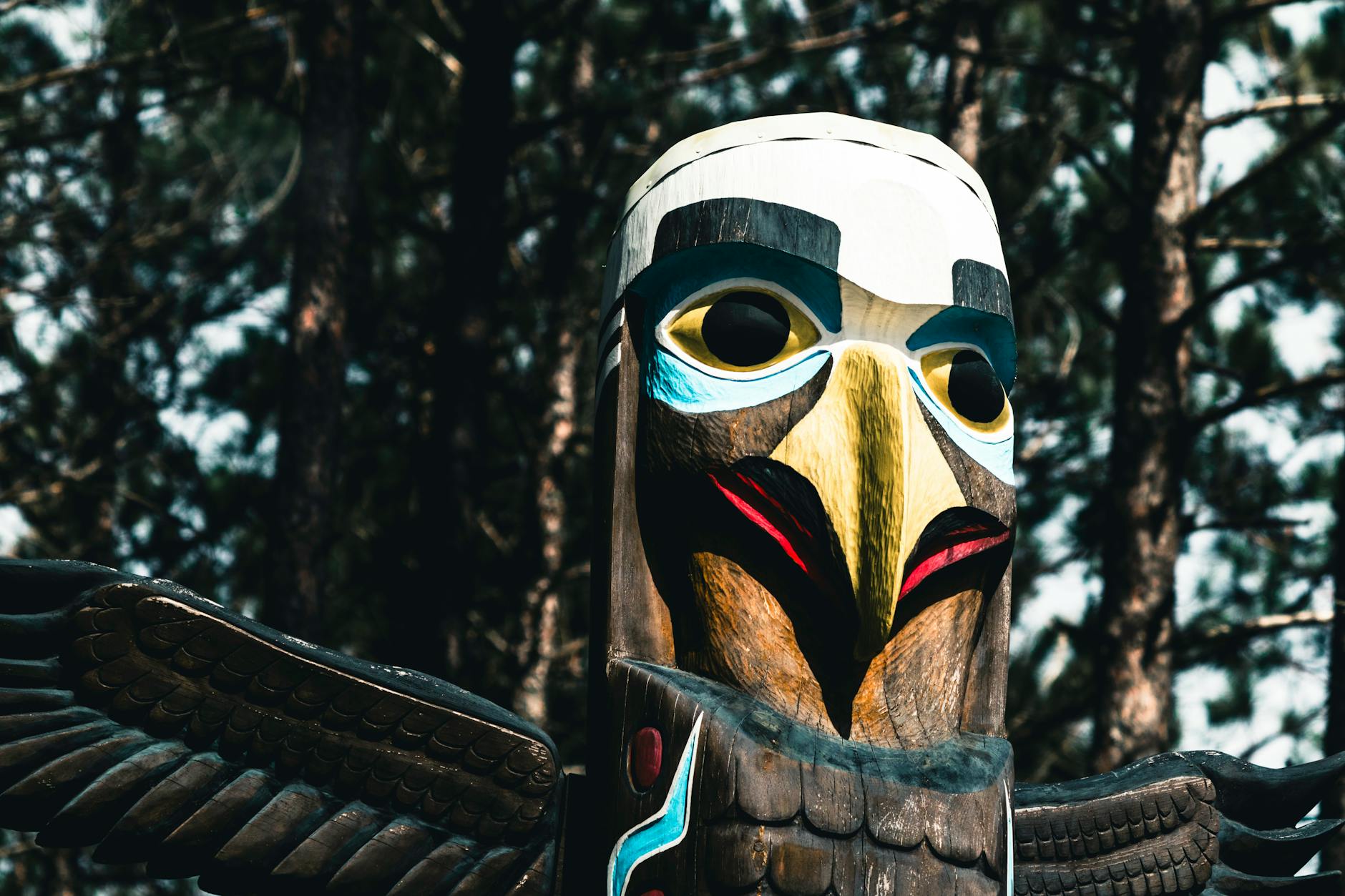
- Talking Totems (Art): reading poles and carvings, including at Brockton Point
- Forest Bathing (Wellness): slower, restorative forest experiences
- North Shore and Sunshine Coast experiences: longer, land-based days
- Custom and school group tours
Meeting point: Stanley Park Bus Loop, near the Stanley Park Pavilion and the Vancouver Aquarium.
Season: year-round, though the public schedule thins in deep winter. If no slots show online, contact them — private bookings often run when scheduled departures don’t.
Booking: talaysay.com, [email protected], or 1-800-605-4643. Rates change season to season, so confirm the current price when you book rather than relying on a published figure.
Best for: a first Indigenous tour, nature lovers, families.
Other Vancouver Operators
Beyond Talaysay, the Vancouver-area offering is thinner than most visitors expect, and it changes from year to year as small operators start and pause. Rather than trusting a static list, check Indigenous Tourism BC at indigenousbc.com — it is the provincial industry association, its listings are Indigenous-owned by definition, and it is kept current in a way that travel blogs are not.
What you will generally find:
- Cultural walks and storytelling experiences in and around the city
- Canoe and on-water experiences, seasonally and weather-dependent
- Traditional food experiences, often tied to a restaurant rather than a tour
- Longer land-based and backcountry trips, usually requiring significant advance booking
- Art and carving workshops, often through cultural centres rather than tour companies
Availability is genuinely limited, and some experiences run only a handful of times a season. If a specific format matters to you, plan around it rather than expecting to book on arrival.
Squamish Lil’wat Cultural Centre (Whistler)
The Squamish Lil’wat Cultural Centre is the most substantial Indigenous cultural facility within reach of Vancouver, and it is unusual in being a genuine partnership between two neighbouring Nations — the Sḥwx̲wú7mesh (Squamish) and the Ḷiḷwat7úl (Lil’wat) — whose territories overlap around Whistler. The building itself references a Squamish longhouse and a Lil’wat ist́ken (earthen pit house).
Admission includes a Signature Guided Tour and a forest walk, which makes it better value than the ticket price suggests. Tours run hourly from 10 AM, with the last one at 4 PM.
- Adult: C$25
- Senior (65+): C$23
- Child (6–18): C$12 — under 5 free
- Family pass: C$50 (two adults, up to two children 6–18)
- Indigenous visitors: free with Status Card
- Hours: Tuesday–Sunday, 10 AM–5 PM — closed Mondays
- Included: guided tour, forest walk, all exhibits
The Thunderbird Café (Tuesday–Sunday, 10 AM–4 PM) serves Indigenous-informed food, and the gallery sells work by named local Indigenous artists.
Address: 4584 Blackcomb Way, Whistler.
Best for: pairing with a Whistler day trip; the most thorough cultural education available in a single stop.
Tsleil-Waututh Tours
The Tsleil-Waututh Nation — səl̤ilwətaẽł, “People of the Inlet” — is based on the north shore of Burrard Inlet, and its public-facing tourism offering is deliberately limited. The Nation’s most visible work has been environmental stewardship of the inlet, including the salmon and shellfish habitat restoration that followed a century of industrial contamination.
- Stewardship and habitat walks, when scheduled
- Occasional public cultural events
- Indian River area programming
- No regular scheduled commercial tour operation
Checking availability: twnation.ca for current programming. Do not expect a booking engine; this is event-based rather than a daily tour product.
Musqueam Cultural Programs
The Musqueam Indian Band’s territory covers most of Vancouver, and the community sits just south of UBC near the mouth of the Fraser. Like Tsleil-Waututh, Musqueam runs cultural programming rather than a commercial tour business, much of it by appointment or tied to specific events.
- Cultural workshops and programming at Musqueam facilities
- Self-guided heritage interpretation, free
- Special events, particularly around National Indigenous Peoples Day (June 21)
- c̥əsnaṌəm artifacts and interpretation, including the material at MOA
Visitors interested in Musqueam history without a scheduled program should look at the c̥əsnaṌəm material at the Museum of Anthropology, which was developed in partnership with the Nation — it covers a village site continuously occupied for thousands of years, part of which lies under present-day Marpole.
Note: check musqueam.bc.ca for current programming.
Indigenous Stanley Park Tours
Stanley Park is the single best place in the city to take an Indigenous-led tour, because the gap between the tourist version of the park and its actual history is so wide. The park is not wilderness preserved from development — it is a landscape that was inhabited, and whose inhabitants were removed to create it.
There were villages and settlements within what is now the park, the largest at X̄wáȳx̄way near Lumbermen’s Arch and a community at Brockton Point. Residents were pushed out through the late nineteenth and early twentieth centuries as the park was formalised, with the last legal evictions running into the 1930s. Almost nothing in the standard park signage tells you this.
What you’ll learn on an Indigenous-led walk:
- The village sites, their names, and what happened to the people who lived there
- Ethnobotany — the forest as a food, medicine and materials system
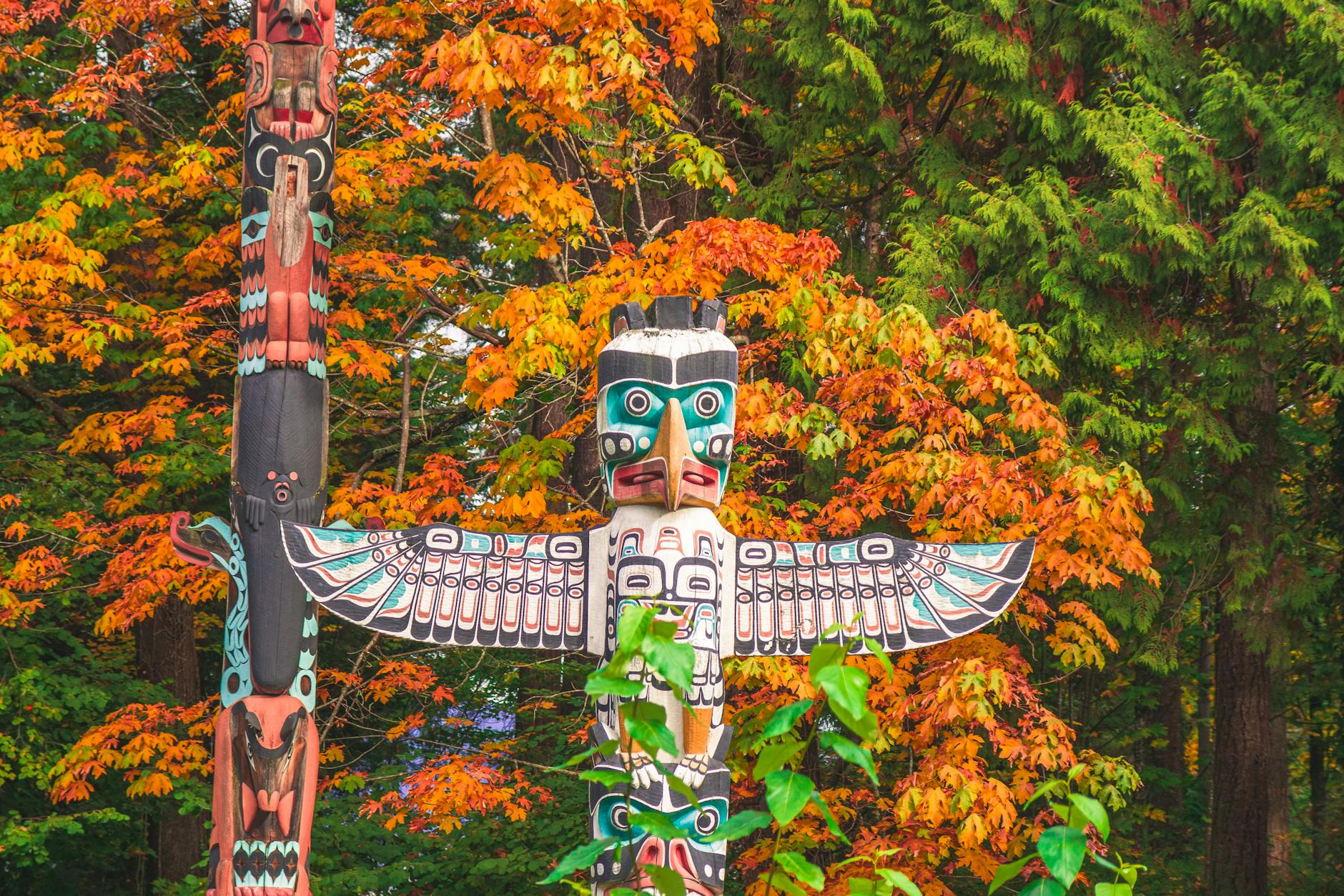
- Why the Brockton Point poles are mostly northern works, not local Coast Salish ones
- Coast Salish design conventions and how to distinguish them
- Contemporary Indigenous relationships with the park, which are ongoing rather than historical
Tour options: Talaysay’s Talking Trees (ethnobotany), Spoken Treasures (history) and Talking Totems (art) all run in the park, and additional walks appear during National Indigenous History Month in June.
Indigenous Day Trips
Indigenous-led experiences beyond the city, roughly in order of how easy they are to arrange:
- Squamish Lil’wat Cultural Centre, Whistler: the most reliable — open six days a week, guided tour included, and combinable with a Whistler day
- Talaysay at Alice Lake, Squamish: the same Talking Trees format in a different forest, roughly an hour up the Sea-to-Sky
- North Shore full-day experiences: longer land-based days with Talaysay; advance booking needed
- Sunshine Coast / shíshálh territory: reached via the Langdale ferry from Horseshoe Bay; a full day minimum
- Multi-day backcountry and cultural immersion: limited availability, months of lead time
The Sea-to-Sky corridor between Vancouver and Whistler is Squamish territory the whole way, and several highway pullouts carry interpretive signage developed with the Nation — worth stopping for even if you are driving through for other reasons.
How to Spot a Genuinely Indigenous-Owned Tour
“Indigenous experience” is a marketing phrase that anyone can print, and a fair amount of Vancouver’s Indigenous-themed tourism is non-Indigenous companies selling an interpretation of someone else’s culture. Distinguishing the two is not difficult once you know what to look for.
- Check Indigenous Tourism BC. Listing at indigenousbc.com requires Indigenous ownership. It is the fastest single filter available.
- Look for a named Nation. Genuine operators say which Nation they are from — Squamish, shíshálh, Musqueam — because it matters to them. Vague language like “authentic Native traditions” usually signals the opposite.
- Check who guides. Community members guiding their own territory, versus employees trained to deliver a script.
- Be wary of pan-Indian presentation. Plains-style headdresses, dreamcatchers and generic “Native” imagery have nothing to do with Coast Salish culture and signal a business that has not done the work.
- Follow the money. Ask whether fees go to the community. Reputable operators answer that question readily.
The same test applies to shopping. Gift shops across downtown sell mass-produced “Native-style” merchandise with no artist attribution; the shops at MOA, the Bill Reid Gallery and the Squamish Lil’wat Cultural Centre sell attributed work by named artists.
Why Book Indigenous-Led Tours
Beyond the authenticity of the experience, booking Indigenous-led tours has substantial and fairly direct impact.
Direct community support:
- Fees go to Indigenous-owned businesses rather than external operators
- Employment for community members, often in the territory they are from
- Funding for language and cultural revitalisation work
- Economic self-determination, which is the practical end of reconciliation
A perspective you cannot get otherwise:
- Traditional ecological knowledge, held and taught by the people who hold it
- History told from the inside, including the parts that are uncomfortable for visitors
- Cultural protocols observed properly, including what is not shared and why
- Living culture rather than a historical exhibit — these are present-tense communities
The last point is the one most visitors report changing their trip. It is easy to leave Vancouver with the impression that Indigenous culture is something in a museum case. An afternoon with a guide from the Nation whose land you are standing on corrects that quickly.
Being a Respectful Visitor
Guides are used to visitors who do not know the conventions, and nobody expects you to arrive fluent. A few things genuinely help.
Cultural protocols:
- Listen more than you speak, and let silences sit
- Ask about the culture, not about the guide’s personal life or family trauma
- Photograph only when explicitly invited to
- Don’t touch ceremonial objects, regalia or carvings unless offered
- Wait to be invited before joining a song, dance or ceremony
- Accept that some knowledge is not for sharing — “we don’t discuss that with visitors” is a complete answer
Questions that land badly: asking about blood quantum or “how much” Indigenous someone is, asking about residential schools as though it were a curiosity, requesting a “spirit name,” or opening with a claim about distant Indigenous ancestry. Guides field these constantly.
Photography etiquette: ask before photographing people, expect some ceremonies and objects to be off limits, and don’t post images of individuals to social media without permission.
What to bring: comfortable walking shoes, layers, rain shell, water, and a willingness to have some assumptions corrected.
Tipping: appreciated but not required; 15–20% is standard if the experience was good.
Pricing & What’s Included
Rates move year to year and most operators publish them only in the booking flow, so treat these as planning ranges rather than quotes.
- 90-minute guided walk: roughly C$60–90 per adult
- Half day (3–4 hours): C$100–180
- Full day: C$200–400
- Cultural centre admission: C$25 adult at the Squamish Lil’wat Cultural Centre, guided tour included
- Workshops: C$50–150, depending on materials
- Multi-day immersion: C$1,000–3,000+
Typically included: the guide’s expertise and time, site or trail fees, workshop materials, and sometimes a food component.
Typically not included: transport to the meeting point, gratuities, personal gear, and optional add-ons.
Value note: the Squamish Lil’wat Cultural Centre is the strongest value in the category, because a guided tour and forest walk are bundled into a C$25 admission. A comparable standalone guided experience in the city costs two to three times that.
When to Book
Indigenous tourism operators here are small, and capacity is measured in single guides rather than coach loads. Booking windows matter more than they would for a large commercial operator.
- Scheduled public walks: 1–2 weeks ahead, more in July and August
- Private and custom tours: 2–4 weeks
- Multi-day experiences: 2–3 months
- Squamish Lil’wat Cultural Centre: walk-up is generally fine; arrive by 4 PM for the last guided tour
Best seasons: April to October for outdoor and walking tours; the Cultural Centre works year-round and pairs naturally with a ski trip. June is National Indigenous History Month, with National Indigenous Peoples Day on June 21 — expect additional programming, public events and some free offerings, and book anything scheduled well ahead.
Free Indigenous Experiences in Vancouver
If a guided tour doesn’t fit the budget, several things cost nothing:
- Brockton Point totem poles in Stanley Park — the most visited outdoor display in BC, free and always open
- MOA’s outdoor poles and Haida house frames — the grounds are accessible without museum admission
- Coast Salish public art downtown — including welcome figures and the work around the Convention Centre and seawall
- National Indigenous Peoples Day, June 21 — free public events across the city
- Musqueam and Squamish interpretive signage — along the seawall, at UBC, and on the Sea-to-Sky corridor
These are worth doing even alongside a paid tour, and they make far more sense after one.
Related Vancouver guides
Keep planning with these guides:
- Indigenous Dining in Vancouver (2026)
- Salmon n’ Bannock & Indigenous-Owned Restaurants Vancouver (2026)
Indigenous Tours Vancouver FAQs
What’s the best Indigenous tour in Vancouver?
Talaysay Tours is the most established Indigenous-led operator in the area, owned and run by Sḥwx̲wú7mesh (Squamish) and shíshálh (Sechelt) Nation members. Their 90-minute Talking Trees ethnobotany walk in Stanley Park is the usual first experience.
What First Nations are Vancouver tours from?
Vancouver sits on the unceded territories of the Musqueam, Squamish and Tsleil-Waututh Nations, all Coast Salish peoples. Talaysay guides are Squamish and shíshálh; the Squamish Lil’wat Cultural Centre in Whistler is a partnership between the Squamish and Lil’wat Nations.
How much do Indigenous tours cost?
Roughly C$60–90 for a 90-minute guided walk, C$100–180 for a half day, and C$200–400 for a full day. The Squamish Lil’wat Cultural Centre is C$25 for adults with a guided tour and forest walk included. Rates change seasonally — confirm when booking.
How do I know a tour is genuinely Indigenous-owned?
Check Indigenous Tourism BC at indigenousbc.com, where listing requires Indigenous ownership. Genuine operators name the Nation they are from. Be wary of vague “authentic Native” language and of Plains-style imagery like headdresses and dreamcatchers, which have nothing to do with Coast Salish culture.
What’s the Squamish Lil’wat Cultural Centre?
A cultural facility in Whistler run jointly by the Squamish and Lil’wat Nations, with exhibits, hourly guided tours, a forest walk, cedar weaving and carving demonstrations, the Thunderbird Café and an artist-attributed gallery. Adult C$25, senior C$23, child 6–18 C$12, family pass C$50; free for Indigenous visitors with Status Card. Open Tuesday–Sunday, 10 AM–5 PM.
Are there free Indigenous experiences in Vancouver?
Yes — the Brockton Point totem poles in Stanley Park, the outdoor poles and Haida house frames at MOA (accessible without admission), Coast Salish public art downtown, interpretive signage along the seawall and Sea-to-Sky corridor, and free public events on National Indigenous Peoples Day, June 21.
Why does Stanley Park need an Indigenous tour?
Because the park was inhabited before it was a park. Villages stood at X̄wáȳx̄way near Lumbermen’s Arch and at Brockton Point, and residents were removed as the park was formalised, with evictions continuing into the 1930s. Standard park signage covers almost none of this.
Where do I book Indigenous tours in Vancouver?
Talaysay Tours at talaysay.com or 1-800-605-4643; Squamish Lil’wat Cultural Centre at slcc.ca; and Indigenous Tourism BC at indigenousbc.com for the current provincial directory of Indigenous-owned operators.
Are Indigenous tours family-friendly?
Yes. Talaysay’s walks and the Squamish Lil’wat Cultural Centre both handle families well, and the Cultural Centre’s family pass at C$50 covers two adults and two children. The ethnobotany format works particularly well with children — plants you can look at and smell hold attention better than exhibit cases.
What questions should I avoid asking a guide?
Avoid asking how much Indigenous ancestry someone has, treating residential schools as a curiosity, requesting a “spirit name,” or opening with a claim about your own distant Indigenous ancestry. Ask about the culture, the land and the work instead.
What should I bring to an Indigenous tour?
Comfortable walking shoes, layered clothing, a rain shell, water and sun protection. Most tours are outdoors and run in most weather. Guides provide the cultural material.
Related reading: Pair this with our Vancouver culture and history pillar, Museum of Anthropology, and Stanley Park totem poles.