Salmon n’ Bannock and Vancouver’s Indigenous-owned restaurants showcase contemporary Indigenous cuisine built on Indigenous ingredients — game, wild salmon, bannock, foraged berries and traditional preparation. Salmon n’ Bannock on West Broadway, founded in 2010 by Inez Cook of the Nuxalk Nation, is the flagship, and its second location at Vancouver International Airport was the first Indigenous restaurant to open in any Canadian airport. Around them sit the Mr. Bannock food truck, the Thunderbird Café at the Squamish Lil’wat Cultural Centre in Whistler, and a rotating set of pop-ups by Indigenous chefs.
This guide covers Vancouver’s Indigenous-owned and Indigenous-influenced restaurant scene — what to order, what the ingredients actually are, why supporting Indigenous food sovereignty matters, and how to plan an Indigenous food experience that is more than a novelty meal.
Table of Contents
Indigenous Restaurants Quick Overview
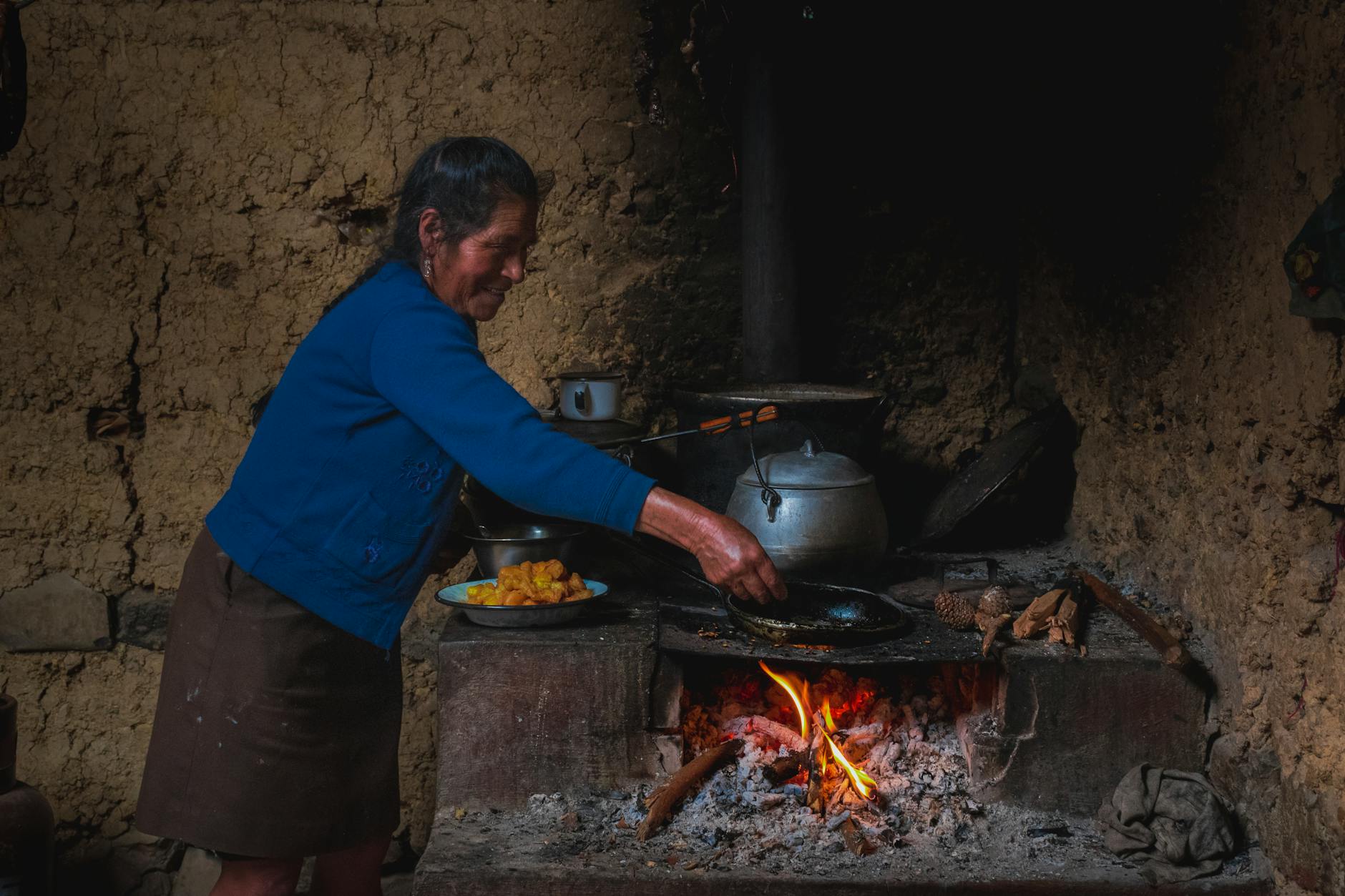
Vancouver’s Indigenous restaurant scene is small but genuinely distinctive, and it is one of the few things you can eat here that you cannot eat anywhere else. It is also a scene with one anchor institution and a handful of satellites rather than a broad field of choices, so plan around the anchor.
- The flagship: Salmon n’ Bannock, 1128 West Broadway — dinner mains roughly C$28–45
- At the airport: Salmon n’ Bannock On The Fly, YVR International Departures, post-security
- Quick and casual: Mr. Bannock food truck, roughly C$12–16
- In Whistler: Thunderbird Café at the Squamish Lil’wat Cultural Centre
- Indigenous-influenced, not Indigenous-owned: Salmon House on the Hill, West Vancouver
- Book ahead: Salmon n’ Bannock is small and fills up — reserve well in advance
- Best for: anyone who wants to eat something rooted in this specific place
If you only do one thing: book dinner at Salmon n’ Bannock, ideally a week or more ahead. If your schedule will not allow it, catch the YVR location on your way out of the country — it is the same kitchen’s cooking and it is post-security, so it works as a departure meal.
Salmon n’ Bannock
Salmon n’ Bannock opened in 2010 on West Broadway and has become the definitive Indigenous dining room in the city. It was founded by Inez Cook, a member of the Nuxalk Nation from Bella Coola on BC’s central coast, and a survivor of the Sixties Scoop — the decades-long practice of removing Indigenous children from their families and placing them with non-Indigenous households. Cook was reconnected with her Nation as an adult, and the restaurant is part of that reconnection.
That history matters to how the restaurant reads. It is not a themed concept; it is a working dining room staffed largely by Indigenous employees, hung with work by Indigenous artists, serving food built from Indigenous ingredients sourced from Indigenous suppliers where possible. The room is small — a few dozen seats — and the service is unhurried.
- Address: 1128 West Broadway, Vancouver
- Lunch mains: roughly C$18–30
- Dinner mains: roughly C$28–45
- Signature dishes: bison pot roast, wild sockeye, game sausage, bannock
- Wine list: includes Indigenous-owned BC wineries — ask, it is a genuine point of pride
- Reservations: strongly recommended, often needed a week or more ahead
The cooking is not archaeological reconstruction. It is contemporary restaurant food using ingredients that have been eaten on this coast for thousands of years — wild salmon, bison, elk, venison, juniper, berries, cedar. Nobody is pretending the plate is pre-contact; the point is continuity, not reenactment.
Salmon n’ Bannock On The Fly (YVR)
In 2023 Salmon n’ Bannock opened a second location at Vancouver International Airport — the first Indigenous restaurant in any Canadian airport. Given that YVR’s terminal is itself built around a major Northwest Coast art collection, including Bill Reid’s The Jade Canoe, it is a fitting addition.
- Location: YVR International Departures, post-security, near gate 71
- Hours: seven days a week, 7 AM–9 PM
- Menu: bison pot roast and the urban salmon burger carried over from Broadway, plus airport-only items
- Also served: salads, sandwiches, vegetarian chili, candied salmon, rice pudding
Worth knowing: it is past security in the international terminal, so it only works if you are flying internationally out of YVR. If you are, it turns a dead hour at the gate into the most interesting meal in the building — and it is a far better last impression of the city than a chain sandwich.
Mr. Bannock Food Truck
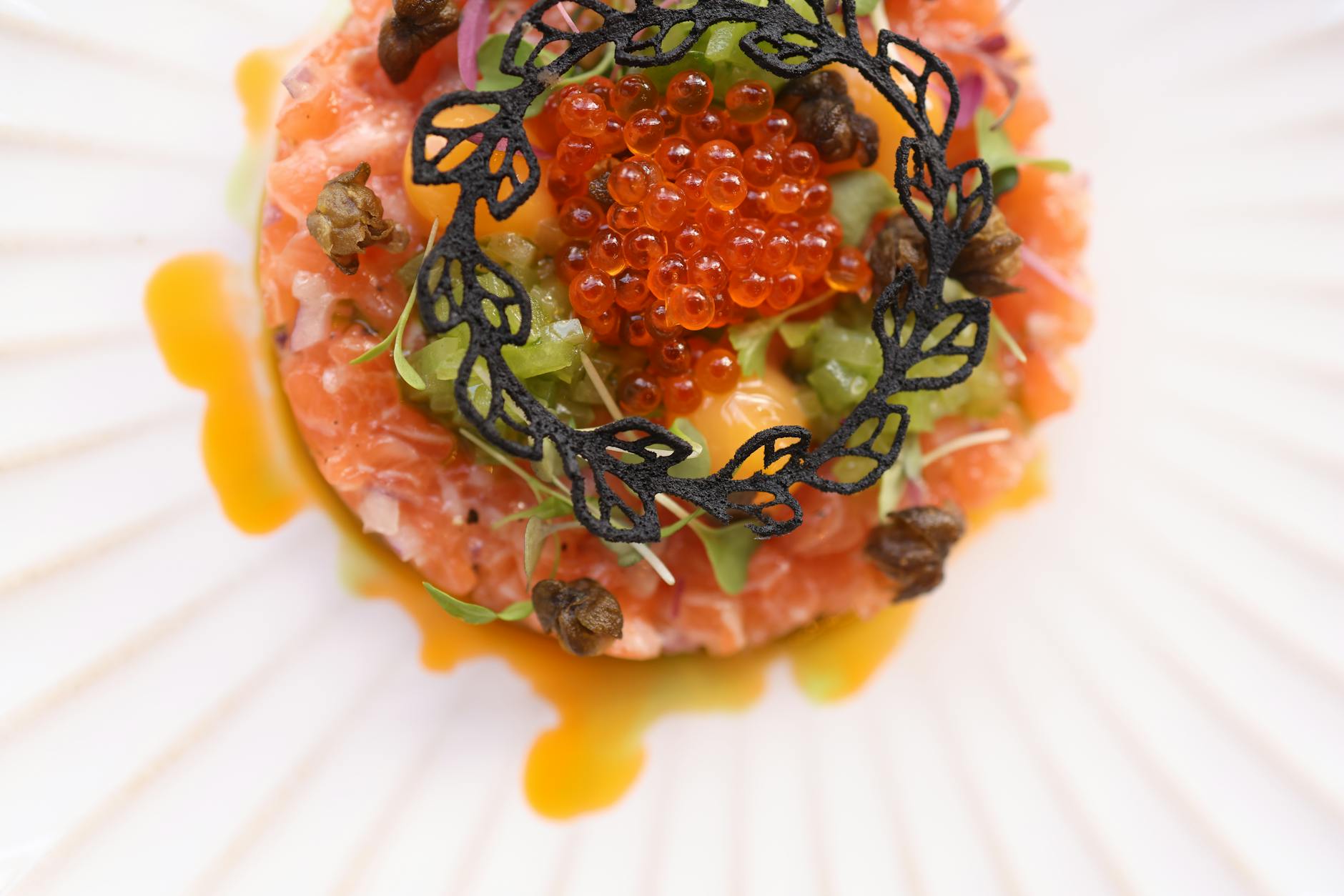
Mr. Bannock is Vancouver’s Indigenous food truck, run by chef Paul Natrall of the Squamish Nation, and it was among the first Indigenous food trucks in the city. The format is fast, affordable and genuinely good — bannock tacos, bannock burgers and similar, built on the same ingredient logic as the sit-down restaurants at a fraction of the price.
- Typical pricing: C$12–16
- Format: bannock tacos, bannock burgers, wraps
- Location: varies — downtown weekday lunch service, plus festivals and private catering
- Check first: the truck moves, so find its current location on social media before setting out
This is the low-commitment entry point to Indigenous food in Vancouver. If a C$45 main is not in the budget, a bannock taco for C$14 gets you most of the way to understanding what the cuisine is doing.
Thunderbird Café (Whistler)
The Thunderbird Café inside the Squamish Lil’wat Cultural Centre serves Indigenous-informed food in Whistler — bannock, game, salmon and seasonal ingredients — and it is the natural lunch stop if you are already visiting the centre.
- Address: 4584 Blackcomb Way, Whistler
- Hours: Tuesday–Sunday, 10 AM–4 PM — closed Mondays
- Style: casual café service rather than a full dining room
- Pairs with: centre admission at C$25 adult, which includes a guided tour and forest walk
Combining the two makes a coherent half-day: the exhibits and guided tour give the context, and lunch puts the ingredients in front of you. See our Indigenous tours guide for the full picture on the centre.
Salmon House on the Hill
Salmon House on the Hill in West Vancouver is an important distinction to draw: it is an established restaurant with a Northwest Coast theme, a significant Indigenous art collection and alder-grilled salmon cooked in a manner derived from Indigenous technique — but it is not Indigenous-owned.
- Mains: roughly C$35–65
- Draw: alder-grilled wild salmon and a panoramic view across Burrard Inlet
- Setting: perched on the hillside in West Vancouver — a car or taxi is realistically required
- Ownership: non-Indigenous
It is a good restaurant with a spectacular view, and it is worth being clear-eyed about what it is. If your aim is to support Indigenous-owned business, the money goes further at Salmon n’ Bannock or Mr. Bannock.
Indigenous Pop-Ups & Events
Beyond the permanent kitchens, Indigenous chefs appear regularly at festivals, markets and collaboration dinners, and these are often the most ambitious cooking in the category.
- National Indigenous Peoples Day, June 21 — the biggest concentration of Indigenous food events in the year
- National Indigenous History Month, June — programming throughout
- Festival and market appearances across the summer
- Collaboration dinners with non-Indigenous restaurants, usually ticketed and announced short-notice
- Talking Stick Festival and similar cultural events, which often include food programming
These are announced through social media and Indigenous Tourism BC rather than conventional listings, so check indigenousbc.com if you are visiting in June.
Indigenous Cuisine Basics
Northwest Coast Indigenous food is built on an unusually rich environment. The coast supported dense, settled populations without agriculture because the sea and the forest produced enough — salmon runs, shellfish beds, eulachon, berries, game and root vegetables, preserved by smoking and drying through the winter.
- Wild salmon — five species, each with different fat content and uses; sockeye and spring dominate menus
- Game — bison, elk, venison, and sometimes duck
- Bannock — the pan-Indigenous bread, fried or baked
- Foraged berries — salal, huckleberry, saskatoon, soapberry
- Cedar and alder — used as cooking media, for smoking and planking, as much as flavourings
- Eulachon (oolichan) — a small oily fish whose rendered grease was a trade staple along coastal “grease trails”
- Wild rice, mushrooms, sea asparagus and other foraged greens
The phrase you will hear is food sovereignty — the right of communities to control their own food systems, which for coastal Nations means fishing rights, habitat protection and the ability to harvest traditionally. A menu built on wild salmon is making a quiet argument about all of that.
What Bannock Actually Is
Bannock deserves its own explanation, because its history is more complicated than the menu suggests. It is a simple bread of flour, fat, baking powder and water, fried or baked, and it is eaten by Indigenous communities across Canada.
It is also not ancient. Wheat flour, lard and baking powder arrived with European traders, and bannock spread widely during the period when communities were confined to reserves and issued government rations — flour, lard, sugar — after access to traditional foods was cut off. It is a food of adaptation and, in part, of deprivation.
It has since been fully claimed: made at home, sold at every powwow, endlessly varied by family and region, and now plated in restaurants. Indigenous cooks are candid about both halves of this. Ask about it — it is a question people are usually glad to answer.
Must-Try Indigenous Dishes
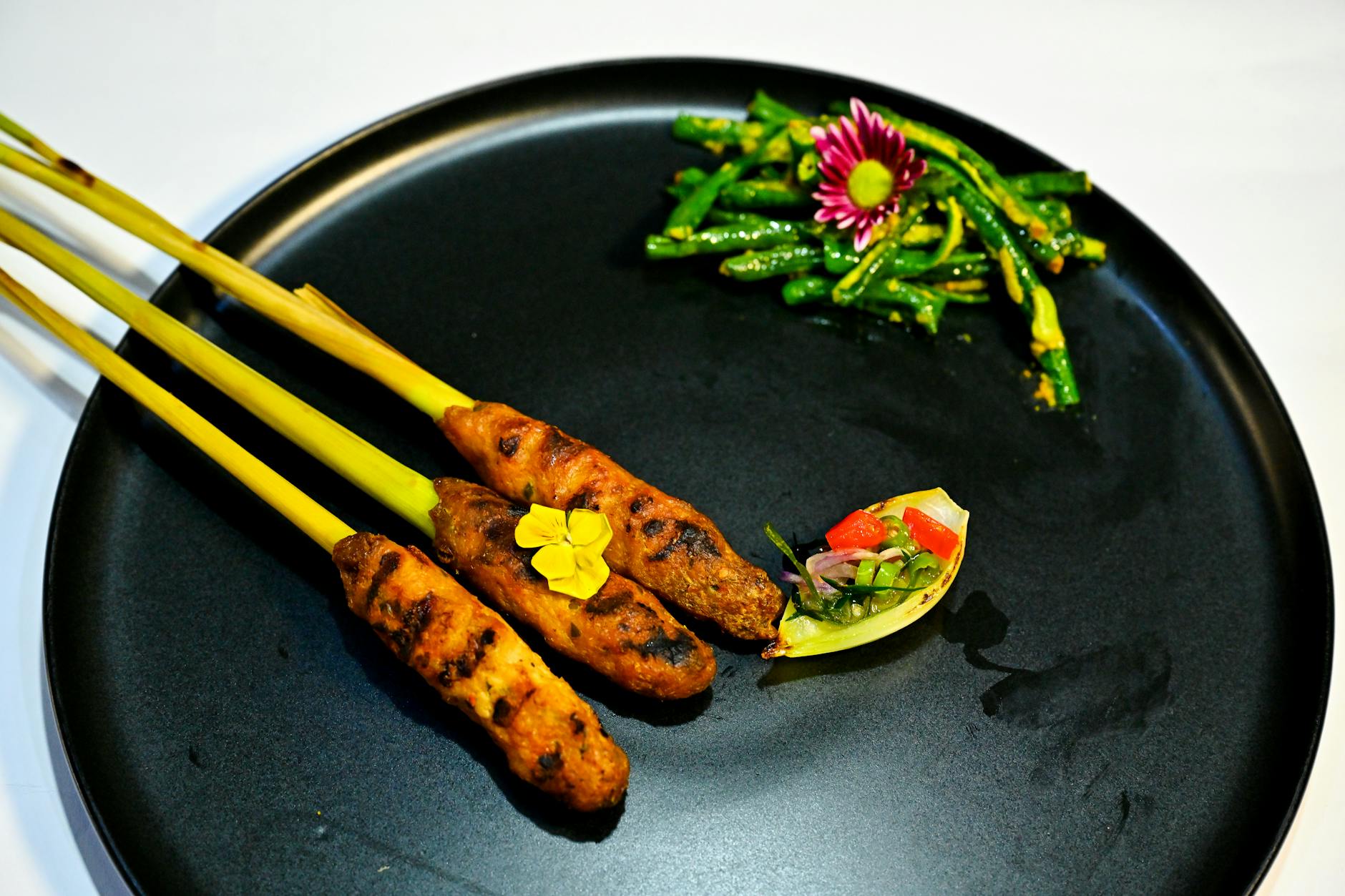
- Bison pot roast — the Salmon n’ Bannock signature, slow-cooked and the dish most regulars order
- Wild sockeye salmon — often alder-planked or candied; the single most representative ingredient on the coast
- Bannock — ordered as a side or as the base of a taco or burger
- Game sausage — elk or venison, usually as a starter
- Candied salmon — smoked and sweetened, dense and intense, a coastal staple
- Bannock tacos — the Mr. Bannock format; fried bannock as the shell
- Soapberry “Indian ice cream” — whipped soapberries, startlingly bitter, an acquired taste worth acquiring
- Salal and huckleberry desserts — seasonal, and the clearest expression of the local forest on a plate
Why Support Indigenous-Owned
Choosing Indigenous-owned over Indigenous-themed has direct effects, and the distinction is easy to check.
- Revenue reaches Indigenous families and communities rather than external owners trading on the aesthetic
- Employment — Salmon n’ Bannock staffs largely from Indigenous communities
- Supply chains — Indigenous producers, harvesters and Indigenous-owned wineries get orders
- Food sovereignty — commercial demand strengthens the case for harvesting and fishing rights
- Cultural continuity — a working kitchen keeps knowledge in use rather than in an archive
The same test that applies to Indigenous tours applies here: does the business name the Nation it comes from, and are Indigenous people in ownership and leadership rather than only on the branding?
Booking & What to Expect
Salmon n’ Bannock is a small room with a large reputation, which produces a predictable booking problem.
- Reserve early — a week ahead is sensible, more in summer and around June events
- Lunch is easier than dinner if you are booking late
- Allow time — service is relaxed and the room does not turn tables quickly
- Dietary needs — vegetarian options exist but the menu is game- and fish-led; call ahead if this matters
- Ask questions — staff are used to explaining ingredients and are generally happy to
Price expectations: this is mid-to-upper-range Vancouver dining, not a budget meal. Dinner for two with wine runs C$120–180. The food truck and the Whistler café are the affordable routes into the same cuisine.
Tips for Visitors
- Book Salmon n’ Bannock before you fly — it is the hardest table in this category to get
- Flying internationally? Eat at the YVR location — post-security, 7 AM to 9 PM daily
- Budget option: Mr. Bannock, C$12–16, location varies — check socials
- Ask about the wine list — Indigenous-owned BC wineries are represented
- Visit in June if you can, for Indigenous History Month food programming
- Know the difference between Indigenous-owned and Indigenous-themed before you book
- Try soapberry at least once, and do not expect to like it immediately
- Pair the meal with context — a tour or museum visit the same day makes the food read differently
Pair with Cultural Activities
Food lands better with context. A sequence that works well over a day:
- Morning: Museum of Anthropology at UBC for the historical collection
- Lunch: Salmon n’ Bannock on West Broadway, roughly between UBC and downtown
- Afternoon: an Indigenous-led walk in Stanley Park, or the Bill Reid Gallery downtown
- Alternative full day: the Squamish Lil’wat Cultural Centre in Whistler, with lunch at the Thunderbird Café
For broader context on the city’s history, our Vancouver history primer covers how the modern city was built on these territories.
Related Vancouver guides
Keep planning with these guides:
- Indigenous Dining in Vancouver (2026)
- Vancouver History: A Tourist’s Quick Primer (2026)
- Vancouver Restaurants & Food Scene: The 2026 Definitive Guide
Indigenous Restaurants FAQs
What is Salmon n’ Bannock?
Vancouver’s best-known Indigenous-owned restaurant, at 1128 West Broadway, founded in 2010 by Inez Cook of the Nuxalk Nation. It serves contemporary Indigenous cuisine built on wild salmon, bison, game and bannock, staffed largely by Indigenous employees and hung with work by Indigenous artists.
Is there an Indigenous restaurant at Vancouver airport?
Yes — Salmon n’ Bannock On The Fly, at YVR International Departures past security near gate 71, open seven days a week from 7 AM to 9 PM. It was the first Indigenous restaurant to open in a Canadian airport.
How much does Salmon n’ Bannock cost?
Lunch mains run roughly C$18–30 and dinner mains roughly C$28–45. Dinner for two with wine typically comes to C$120–180. The Mr. Bannock food truck is the budget alternative at C$12–16.
Do I need a reservation at Salmon n’ Bannock?
Yes, effectively. The dining room is small and books out, often a week or more ahead, and more in summer. Lunch is easier to get than dinner at short notice.
What is bannock?
A simple bread of flour, fat, baking powder and water, fried or baked, eaten by Indigenous communities across Canada. It is not pre-contact food — the ingredients arrived with European traders and it spread widely during the rations era — but it has since been thoroughly claimed as Indigenous cuisine.
What should I order at an Indigenous restaurant in Vancouver?
Bison pot roast, wild sockeye salmon, game sausage, candied salmon, bannock as a side, and soapberry “Indian ice cream” for dessert if it is on. Bannock tacos are the signature at the food truck.
Is Salmon House on the Hill Indigenous-owned?
No. It is a long-established restaurant with a Northwest Coast theme, a notable Indigenous art collection and alder-grilled salmon, but it is not Indigenous-owned. For Indigenous ownership, choose Salmon n’ Bannock or Mr. Bannock.
Where is the Mr. Bannock food truck?
It moves. Chef Paul Natrall of the Squamish Nation runs weekday downtown lunch service plus festivals and catering, so check the truck’s social media for its current location before setting out.
Are there vegetarian options at Indigenous restaurants?
Some, but the menus are led by game and fish. Salmon n’ Bannock has vegetarian dishes and the YVR location serves a vegetarian chili — call ahead if this is essential for your group.
Why does supporting Indigenous-owned restaurants matter?
Revenue reaches Indigenous families and communities rather than businesses trading on the aesthetic, Indigenous producers and harvesters get orders, and commercial demand strengthens the broader case for food sovereignty — fishing rights, habitat protection and traditional harvesting.
When is the best time for Indigenous food events in Vancouver?
June. National Indigenous History Month runs all month and National Indigenous Peoples Day on June 21 brings the year’s biggest concentration of Indigenous food programming, pop-ups and collaboration dinners.
Related reading: Pair this with our Vancouver culture and history pillar and our Indigenous tours guide.