The short answer on cannabis in Vancouver for tourists: it’s legal, on exactly the same terms as for locals. If you’re 19 or older, you can buy from a licensed store with two pieces of ID, one of them government-issued photo ID, and carry up to 30 grams of dried cannabis, or the equivalent, in public. The rules that trip visitors up are about where, not whether: no smoking or vaping in parks, on beaches or along the seawall, not within 6 metres of a bus stop, generally not in a vehicle, and never across the border, even to Washington State, where it’s also legal.
This guide is for visitors who want to try legal cannabis without a fine, a hotel cleaning fee or a problem at the border. The caveat that matters most: Canadian law isn’t the only law that follows you, and some countries treat cannabis use abroad as an offence when their citizens get home. Everything here was checked September 26, 2026 against the Province of British Columbia, Health Canada and the City of Vancouver. For the rest of the trip planning, see our Vancouver travel tips.
Vancouver cannabis rules at a glance
| Question | Answer |
|---|---|
| Is it legal for tourists? | Yes, for adults 19 and over, the same as for residents |
| Where to buy | BC Cannabis Stores or provincially licensed private stores |
| How much you can carry | Up to 30 g of dried cannabis, or the equivalent, in public |
| Edibles | No more than 10 mg of THC per package |
| Where you can’t smoke or vape | Parks, beaches, the seawall, playgrounds, sports fields, pools, skate parks, indoor public places, within 6 m of bus stops, and generally in a vehicle |
| Hotels | Most ban smoking and vaping in rooms and on balconies |
| Driving | Impaired driving is a crime; no one may consume in a vehicle |
| Crossing the border | Never, in either direction |
Is weed legal in Vancouver for tourists?
Yes. Canada legalized non-medical cannabis nationally in 2018, and British Columbia sets the details for its own stores and public spaces. Nothing in the law distinguishes residents from visitors: the age limit is 19 in BC, and anyone of age can buy, possess and use legal cannabis within the rules. Bring the same government photo ID you’d use for a bar; stores check it at the door or the till, and a passport works for international visitors.
Thirty grams is the public possession limit, and it’s more than most visitors will get through: a typical pre-roll holds half a gram to a gram. Other products count toward the limit by equivalent weight, and store staff can explain how the conversion works if you’re buying a mix.
Where can you buy cannabis legally in Vancouver?
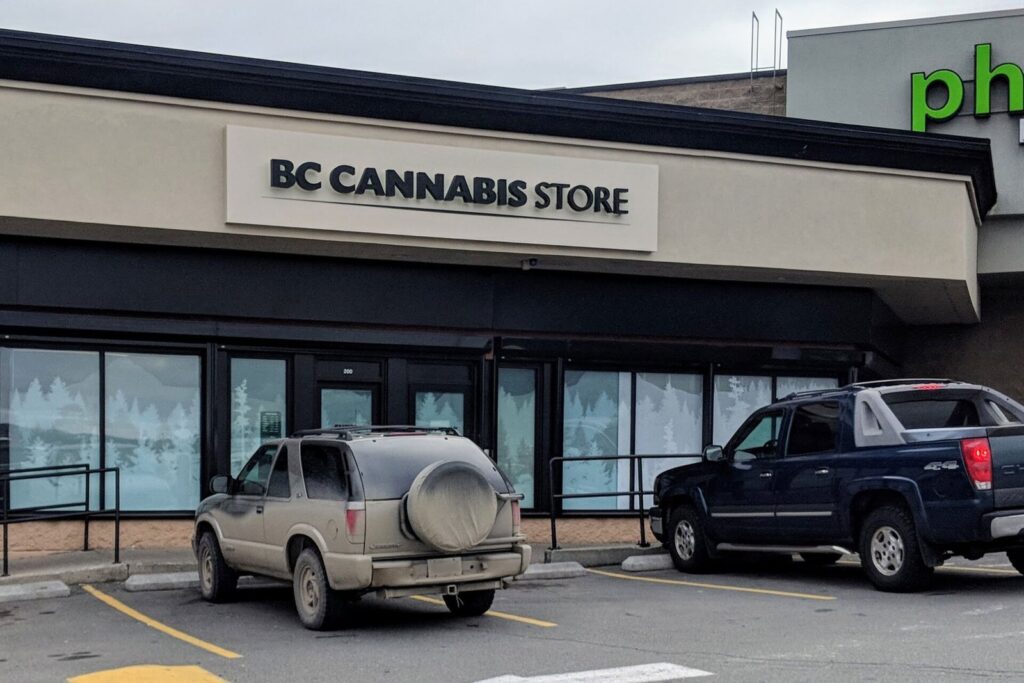
BC has two kinds of legal retailer: the government-run BC Cannabis Stores, which sell both in person and online, and privately owned stores licensed by the Province. Vancouver has plenty of both, from polished downtown shops to neighbourhood stores, and there’s a concentration around downtown and Gastown. Staff at licensed stores, often called budtenders, can explain strains, strengths and formats without judgment, which is useful if you’re new to it.
How to tell a legal store from an illegal one
- Look for the decal. The Province gives licensed stores a free “Licensed Cannabis Retailer” window decal. Displaying it is voluntary, so its absence isn’t proof of anything, but its presence is reassuring.
- Check the excise stamp. Every legal product in BC carries a green provincial excise stamp on the package. No stamp, no sale.
- Use the Province’s map. BC publishes an interactive map and a list of every legal store, which settles any doubt in a minute.
- Be wary of delivery ads and “dispensary” websites that don’t appear on the provincial list. Illegal sellers exist, their products aren’t tested, and buying from them isn’t protected by the law that protects legal buyers.
What’s on the shelves
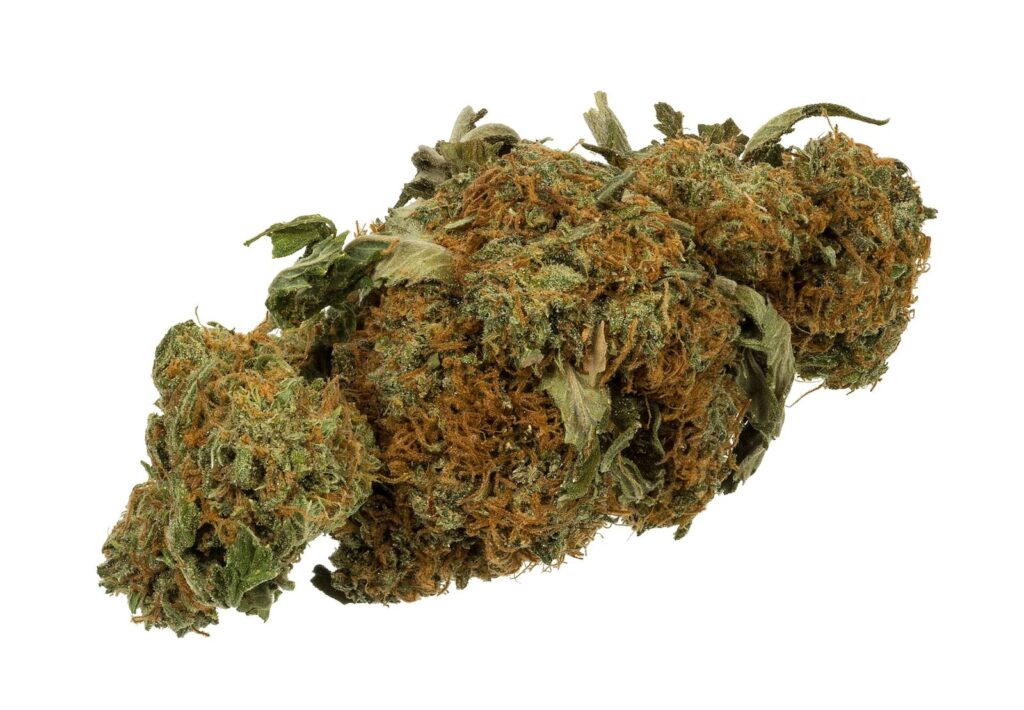
Legal stores sell dried flower and pre-rolls, vape cartridges, oils and capsules, concentrates, edibles such as chocolates and gummies, cannabis beverages and topicals. Every package lists its THC and CBD content in a standard format, so you can compare products at a glance. Edibles are capped at 10 mg of THC per package under federal rules. Health Canada advises new consumers to choose a product with 2.5 mg of THC or less and to allow up to four hours for the full effects.
Where can you smoke weed in Vancouver?
Far fewer places than first-time visitors assume. BC’s starting point is that adults can smoke or vape cannabis in a public place where tobacco smoking and vaping are allowed, but the exceptions carve away most of the obvious spots:
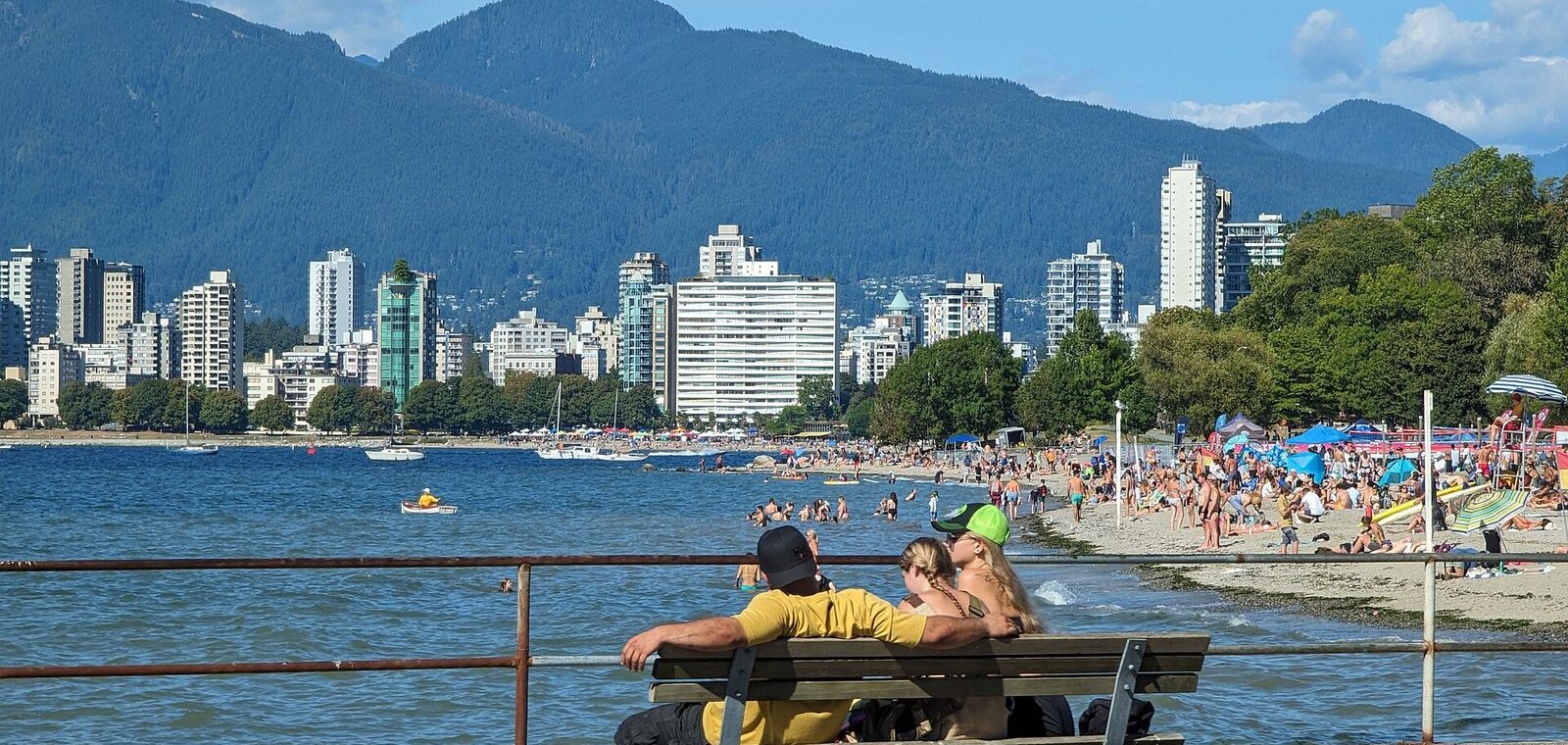
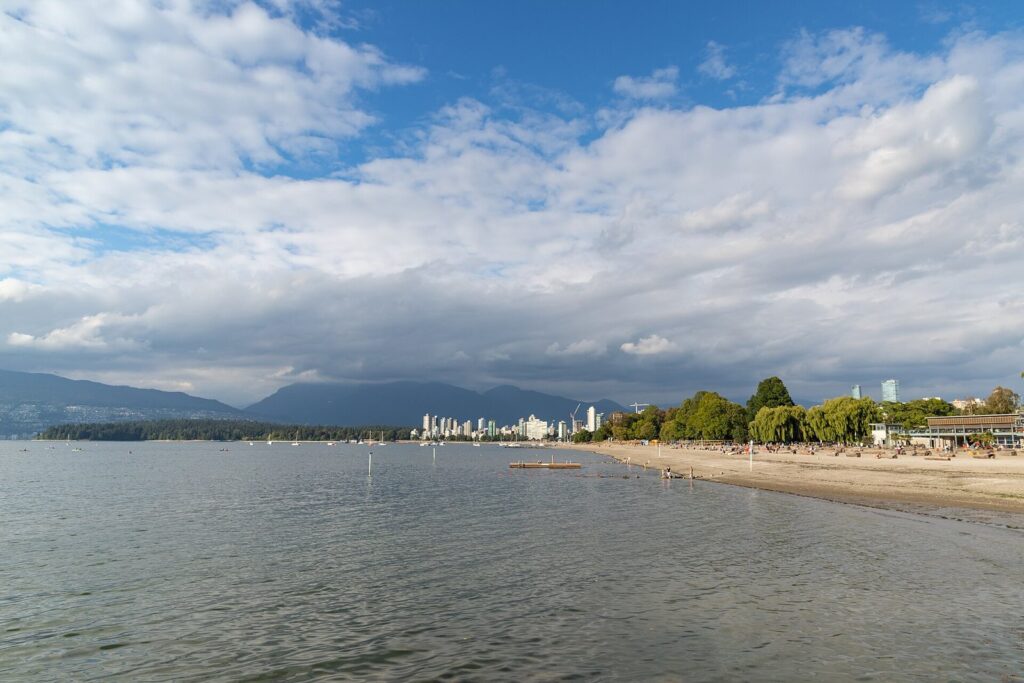
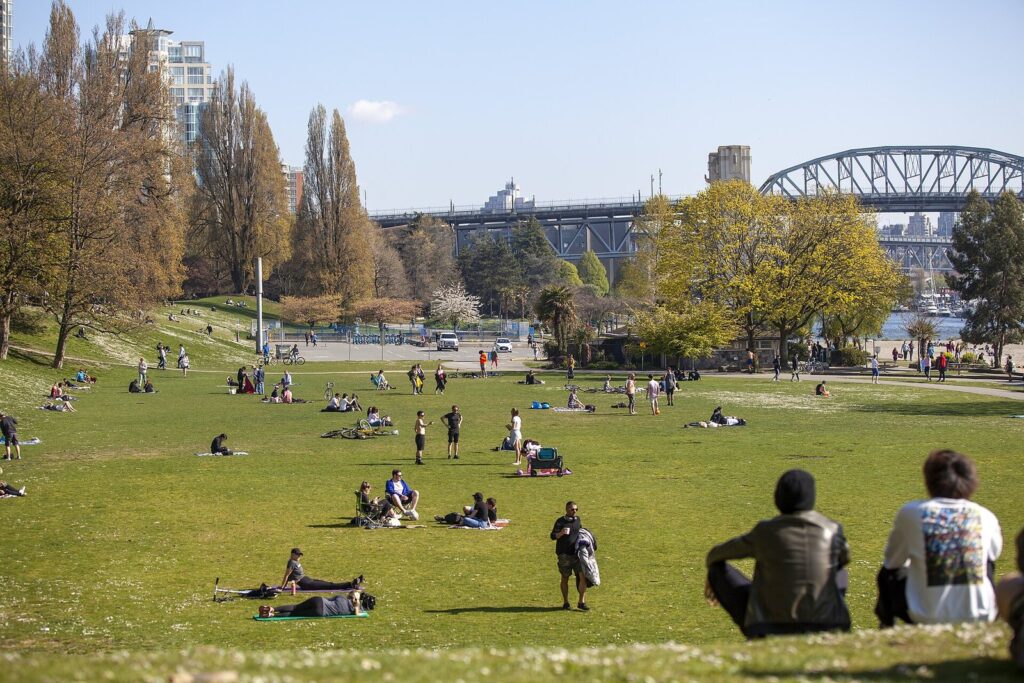
- Parks and beaches. Smoking and vaping cannabis isn’t allowed in municipal, regional or provincial parks, apart from designated areas and campsites. In Vancouver that covers the seawall, the beaches, park trails, Stanley Park and every city park, and the Park Board’s own bylaw bans smoking of any kind across its parks, beaches, seawall and trails, enforced with tickets.
- Where children and sport happen. Outdoor skating rinks, sports fields, swimming pools, playgrounds and skate parks are all off-limits.
- Bus stops. You can’t smoke or vape cannabis within 6 metres of one, and transit property and vehicles are smoke-free.
- Vehicles. No one in a car may consume cannabis, driver or passengers, moving or parked, with limited exceptions for parked vehicles at campsites.
- Indoor public places and workplaces. These are smoke-free, as are the city’s big venues; Rogers Arena, for one, bans smoking of any kind, cannabis included, and has no smoking area.
In practice, that leaves private residences where the owner allows it, and a narrow band of public sidewalks away from doorways, bus stops and parks. That’s why many locals simply consume at home, and why visitors often find edibles, used privately, the easiest legal option. If you’re heading out for a night on the town, our guide to Granville Street nightlife covers the bars, but bars and clubs don’t allow cannabis use inside.
Can you use cannabis in your hotel room?
Probably not by smoking or vaping it. Most Vancouver hotels ban smoking and vaping of any kind in rooms and on balconies, and the cleaning fees for breaking the rule can run to hundreds of dollars. Short-term rentals usually have the same rule in their house rules. Check your booking’s policy before you buy, and ask the hotel directly if it’s unclear. A few accommodations market themselves as cannabis-friendly, but read exactly what they allow; “friendly” can mean a smoking area outdoors, not in your room.
How strong are edibles, and how should you take them?
Edibles work differently from smoking. The effect can take anywhere from 30 minutes to two hours to arrive and can last many hours, which is how visitors end up taking a second dose before the first has kicked in and having a very long evening. Start low and go slow: try a small portion of a 10 mg package, wait at least two hours before taking more, and don’t mix cannabis with alcohol. Keep edibles well away from children; they look like ordinary sweets, and accidental poisonings of kids are a real and preventable problem.
If you or a friend feel unwell, find somewhere quiet and safe to sit, drink water and wait it out; the effects fade. Call 911 if someone is seriously unwell or unresponsive.
Can you drive after using cannabis?
No. Driving while impaired by cannabis is a criminal offence in Canada, and police can test drivers at the roadside. Penalties include immediate licence suspensions, vehicle impoundment and criminal charges, and a conviction can have long consequences, including for future border crossings. Wait many hours after using, longer after edibles, or take a cab, rideshare or transit instead. If you’re carrying cannabis in a car, keep it sealed and out of reach, in the trunk, and remember that no one in the vehicle can consume it.
Can you take cannabis across the border or home with you?
No. Taking cannabis into or out of Canada is illegal without a federal permit, whatever its legal status at either end. That includes the short drive between Vancouver and Washington State, where both sides have legal stores; the border between them is federal, and cannabis in the car can mean seizure, fines or criminal charges. Finish or leave it before you go, and don’t forget the edibles in your daypack. Our guide to the Peace Arch border crossing covers what you can and can’t declare.
Your own country’s laws matter too. Some countries, including South Korea and Singapore, can treat cannabis use abroad as an offence when their citizens return, and some test returning travellers. Cannabis remains illegal under US federal law, and visitors who aren’t US citizens should know that admitting to drug use, even legal use in Canada, can complicate future US entry. Check your home country’s rules before you decide to try it here.
What if you use medical cannabis at home?
Your home prescription or medical card doesn’t carry across. Canada’s medical cannabis system only recognizes authorizations issued under Canadian rules, and bringing your own supply across the border is illegal without a federal permit, medical or not. The practical answer for most visiting patients is the adult-use system: if you’re 19 or over, you can buy regulated products from a licensed store like anyone else. Bring a copy of your prescription for any other medications, and talk to your doctor before the trip if cannabis is part of a treatment plan.
Is it safe to mix cannabis with the outdoors?
Vancouver’s best days are spent on the water and in the mountains, and cannabis doesn’t mix well with either. Impaired operation of a boat, canoe or paddleboard carries the same kind of criminal risk as impaired driving, and cold water is dangerous enough with a clear head. On the North Shore trails, where the terrain is steeper and more remote than it looks from downtown, slower reactions and poor judgment are how hikers get lost or hurt. Save cannabis for the evening, after the kayak is returned and you’re back from the mountain, and never use it before cycling the seawall on a rental bike through the crowds.
How has Vancouver’s cannabis scene changed?
An annual April 20 gathering took place on the waterfront long before legalization. Legalization in 2018 brought licensing: Vancouver’s cannabis retailers now need a licence, and BC Cannabis Stores check ID at the entrance. What hasn’t changed is the city’s relaxed attitude, but relaxed isn’t lawless, and the rules on where you can consume are enforced.
Which cannabis mistakes do visitors make most?
- Lighting up on the seawall or a beach. They’re parks, and bylaw officers and park rangers hand out tickets.
- Smoking in the hotel room. The cleaning fee will cost more than the cannabis.
- Doubling up on edibles. Wait two hours before deciding the first one isn’t working.
- Buying from an unlicensed seller. Check the provincial list and the green excise stamp.
- Carrying it to the border. Leave it behind, every time.
- Consuming in a parked car. Still illegal, for everyone in the vehicle.
It’s one of the more avoidable Vancouver tourist mistakes, because the rules are simple once you know them: buy legal, use privately, stay out of parks and cars, and leave it behind when you go. Our guide to staying safe in Vancouver covers the rest of the city’s practicalities, and our complete Vancouver planning guide covers everything else to sort before you go.
Cannabis in Vancouver FAQ
Is weed legal in Vancouver for tourists?
Yes. Non-medical cannabis has been legal across Canada since 2018, and visitors 19 and over can buy, possess and use it in BC on the same terms as residents. Buy only from a BC Cannabis Store or a provincially licensed private store, carry no more than 30 grams of dried cannabis or the equivalent in public, and follow the rules on where you can consume it.
Can tourists buy weed in Vancouver?
Yes. Anyone 19 or older can buy from a licensed store. Bring two pieces of ID: government-issued photo ID showing your birth date, such as a passport, plus a second piece showing your name and signature or picture. Vancouver has government-run BC Cannabis Stores and many licensed private stores. Legal products carry a green provincial excise stamp, and the Province publishes a map of every licensed store, so you can confirm a shop is legal before you walk in.
Where can you smoke weed in Vancouver?
In fewer places than you might think. You can’t smoke or vape cannabis in parks, on beaches or the seawall, at playgrounds, sports fields, pools or skate parks, within 6 metres of a bus stop, or in indoor public places, and vehicle use is generally banned too, with narrow exceptions such as a parked camping vehicle. Most hotels ban it in rooms and on balconies. In practice, private residences where the owner allows it are the main option.
How much cannabis can you carry in BC?
Adults 19 and over can carry up to 30 grams of dried cannabis, or the equivalent in other products, in a public place. Edibles are limited to 10 mg of THC per package under federal rules. Keep products in their original, labelled packaging, which also shows they came from a legal store.
Can I smoke weed in my Vancouver hotel room?
Usually not. Most hotels ban smoking and vaping of any kind in rooms and on balconies and charge hefty cleaning fees if you break the rule. Short-term rentals often have the same rule. Check your booking’s policy first; edibles, used privately, avoid the smoke problem, but follow any house rules on cannabis.
Can I bring weed back to the US from Vancouver?
No. Taking cannabis across the Canada-US border is illegal in both directions, even between BC and Washington State, where it’s legal on both sides. It can be seized and lead to fines or charges. Use it or leave it behind before you reach the border, and check your car and bags for forgotten edibles.
Related Vancouver guides
- Vancouver trip planning essentials: money, transit, safety and the rest of the groundwork
- US-Canada border crossing near Vancouver: what you can and can’t bring
- Is Vancouver safe?: an honest guide to the city’s risks
- Granville Entertainment District: the city’s late-night strip
- Canada entry requirements: visas, eTAs and admissibility
Sources and verification
Checked on September 26, 2026 against the government sources listed below. This guide explains the rules as published, and it isn’t legal advice.
- Province of British Columbia: cannabis in B.C., where you can consume, possession and purchasing limits, legal store locations
- Health Canada: composition requirements for cannabis products, reading a cannabis label
- City of Vancouver: Park Board smoking regulation bylaw
- Rogers Arena: frequently asked questions
Photo credits
- Dried cannabis flower: photo by Evan-Amos, Wikimedia Commons (public domain)
- BC Cannabis Store: photo by Northwest, Wikimedia Commons (CC BY-SA 4.0)
- Kitsilano Beach: photo by dronepicr, Wikimedia Commons (CC BY 2.0)
- Sunset Beach, April 2020: photo by GoToVan from Vancouver, Canada, Wikimedia Commons (CC BY 2.0)
- Kitsilano Beach (featured image): photo by Henry Burrows, Wikimedia Commons (CC BY-SA 4.0)