Whistler Blackcomb from Vancouver is a two-hour drive up the Sea-to-Sky Highway — about 120 km — to the largest ski resort in North America, with two connected mountains, more than 200 marked runs, and over 8,000 acres of terrain. It hosted the alpine events of the 2010 Winter Olympics. The honest answer to “day trip or overnight?” is overnight: four hours of driving eats most of a short winter day, and Whistler Village is a substantial destination in its own right. A day trip works, but only if you start very early.
This guide covers the drive, the bus options, day trip versus overnight, the mountains, the PEAK 2 PEAK gondola, lift ticket strategy, what to do in summer, and how Whistler compares to the North Shore hills.
Table of Contents
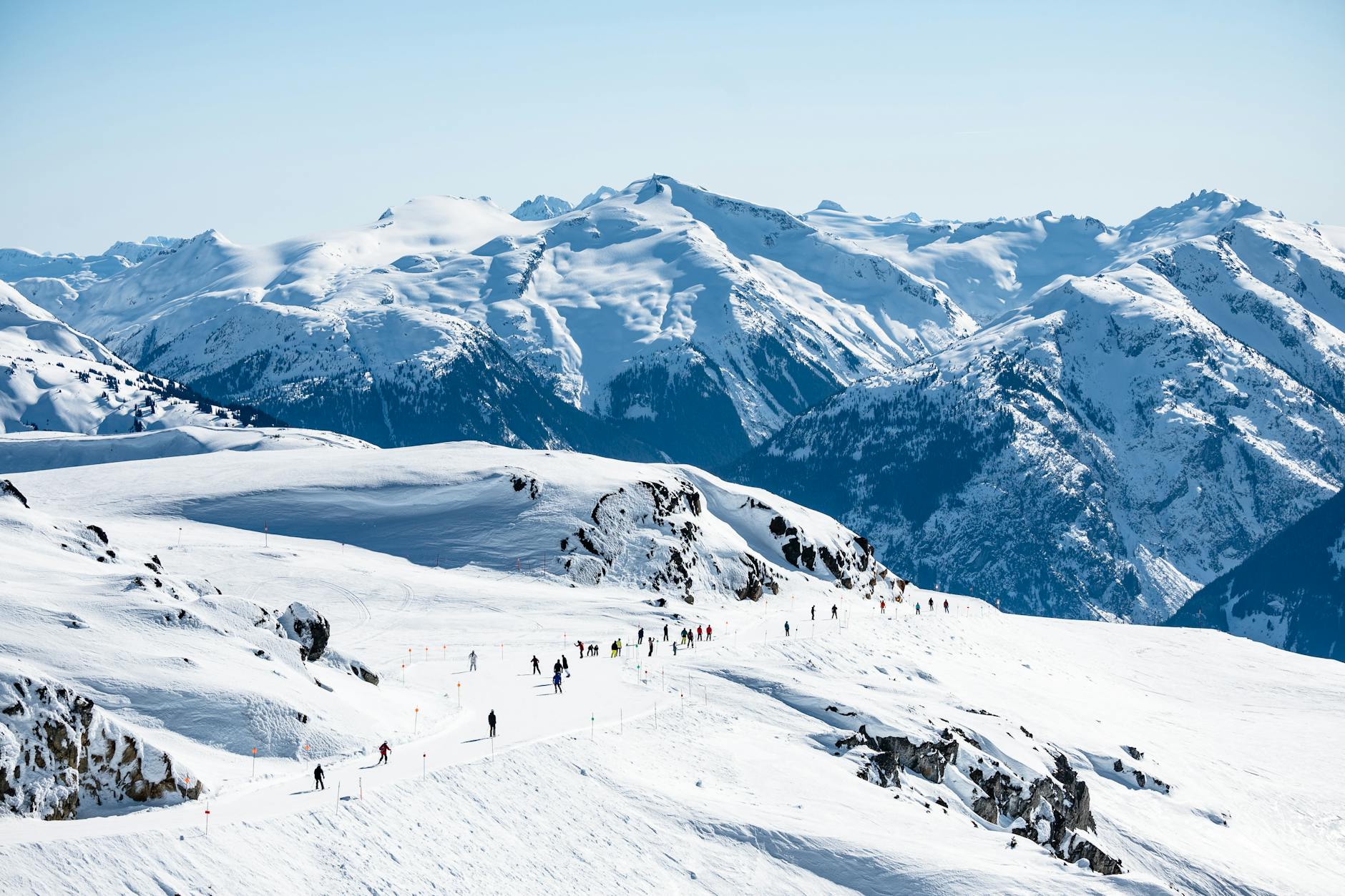
Whistler from Vancouver Quick Overview
- Distance: about 120 km, roughly two hours by car in good conditions
- Route: Highway 99, the Sea-to-Sky
- Size: over 8,000 acres across two mountains — the largest in North America
- Runs: more than 200
- Olympic venue: alpine, Nordic and sliding events, 2010
- Without a car: frequent scheduled coaches from downtown and YVR
- Village: pedestrianised, with full accommodation, dining and nightlife
- Verdict: worth an overnight; a day trip works but is a long day
The scale is the point. Whistler is not a bigger version of the North Shore hills — it is a different category of place, with more terrain than a strong skier can cover in a week, and a resort village built around it.
Day Trip or Overnight?
Overnight, if you possibly can. The arithmetic is straightforward: four hours of driving, plus a lift ticket that costs the same whether you ski three hours or seven, plus a winter day that is dark by 4:30 PM.
Overnight gets you:
- A full first day on the mountain, and a second morning
- First tracks, which on a powder day is the entire experience
- Whistler Village in the evening, which is half of what people come for
- No drive in the dark after a physically demanding day
A day trip works if:
- You leave Vancouver by 6 AM
- You accept roughly five hours of skiing
- Conditions and the highway are clear
- Someone in the group is content to drive back tired
The strongest case for a day trip is a non-skiing visit — the gondolas, the village and the scenery make a good day without a lift ticket, and the time pressure matters far less.
The Sea-to-Sky Highway
Highway 99 from Vancouver to Whistler is one of the great drives in North America, running along Howe Sound with mountains rising directly out of the water, before climbing inland through Squamish.
- Time: about two hours in good conditions; longer in snow or weekend traffic
- Upgraded for the 2010 Olympics, and far safer than its predecessor
- Winter tyres are legally required on this route from October 1 to April 30 — and enforced
- Worth stopping: Shannon Falls, the Sea to Sky Gondola at Squamish, Porteau Cove, Brandywine Falls
- Squamish is roughly the halfway point, with fuel and food
- Conditions: check DriveBC before setting out in winter; the highway closes occasionally for avalanche control or accidents
The winter tyre requirement is a legal one, not a suggestion. Confirm your rental car is properly equipped — not all are by default — because police do check on this route.
Getting There Without a Car
Whistler is unusually well served by coach, which makes it one of the few major ski resorts genuinely accessible without driving.
- Scheduled coach services run frequently from downtown Vancouver and directly from YVR airport
- Journey time: roughly 2.5 to 3 hours including stops
- Book in advance at weekends and over holidays
- Drop-off in Whistler Village, which is pedestrianised — you need no car once there
- Day-trip coach packages combining transport and lift tickets are available
The coach is arguably better than driving for a day trip: you can sleep on the way up, nobody has to drive home exhausted in the dark, and the Sea-to-Sky views are better from a coach seat than from behind the wheel. Our Vancouver to Whistler guide covers the transport options in detail.
The Two Mountains
Whistler and Blackcomb are two separate mountains, side by side, sharing a base village and connected at altitude by the PEAK 2 PEAK gondola.
- Over 8,000 acres of skiable terrain across both
- More than 200 marked runs
- Vertical: over 1,500 m on each mountain — roughly ten times a North Shore hill
- Alpine bowls above the treeline on both, which is where the mountain’s reputation comes from
- Glacier skiing on Blackcomb
- Terrain parks at several levels
- Tree skiing lower down, which is where you go when the alpine is socked in
A useful rule for a first visit: if visibility is good, get into the alpine bowls, because that is what you came for. If it is snowing and flat-light, stay in the trees lower down, where you can actually see.
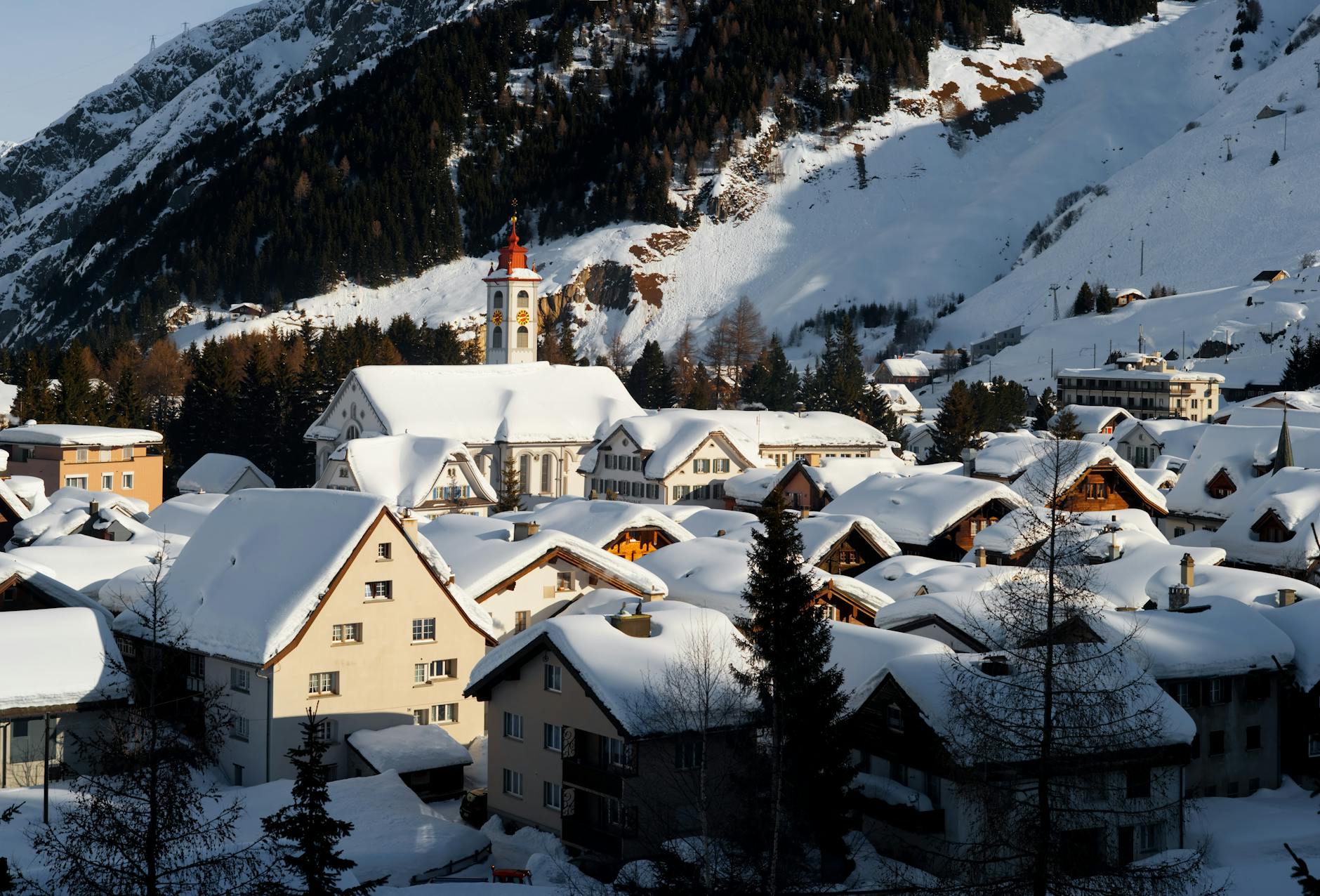
PEAK 2 PEAK Gondola
The PEAK 2 PEAK connects the two mountains at altitude, crossing the valley between them in a single span, and it is a record-setting piece of engineering as well as a lift.
- Length: about 4.4 km
- Unsupported span: just over 3 km between towers — the longest of its kind
- Height: more than 400 m above the valley floor at the highest point
- Ride time: about 11 minutes
- Glass-bottom cabins on two of them, for anyone who wants that
- Open to non-skiers with a sightseeing ticket, year-round
For non-skiers this is the main attraction. A sightseeing ticket gets you up both mountains and across the valley, and on a clear day the views over the Coast Mountains are extraordinary. It is the single best reason to visit Whistler without skiing.
The 2010 Olympic Legacy
Whistler hosted the alpine, Nordic and sliding events of the 2010 Winter Olympics, with Vancouver taking the ice events.
- Whistler Creekside — the alpine downhill venue; you can ski the Olympic downhill course
- Whistler Olympic Park — cross-country, biathlon and ski jumping, in the Callaghan Valley; open to the public for Nordic skiing
- Whistler Sliding Centre — bobsleigh, luge and skeleton; public bobsleigh and skeleton rides are offered in season
- Olympic Plaza in the village, with the rings and a public skating rink in winter
- Athletes’ Village, now the Cheakamus Crossing residential neighbourhood
The public bobsleigh run at the Sliding Centre is the most distinctive thing you can do here that has nothing to do with skiing — a genuine run down an Olympic track with a professional pilot.
Lift Tickets & Passes
- Whistler Blackcomb is owned by Vail Resorts and is on the Epic Pass
- If you already hold an Epic Pass, your skiing here may be included — check your tier
- Window rates are high; advance online purchase is substantially cheaper
- Multi-day tickets reduce the per-day cost meaningfully
- Book well ahead for holiday periods
- Day-trip packages combining coach transport and lift access are often the best value from Vancouver
Never buy at the window if you can avoid it. The gap between an advance online ticket and a walk-up rate at Whistler is among the largest in the industry.
Beginners & Lessons
- Extensive beginner terrain, despite the mountain’s advanced reputation
- Large ski school with group and private lessons across both mountains
- Beginner packages bundling lift, rental and lesson
- Children’s programmes and daycare
- Book lessons well ahead in peak season
That said, if you have never skied and have only one day, learning at Grouse is cheaper, closer and less overwhelming. Save Whistler for when you can use it.
Whistler Village
The village is pedestrianised, purpose-built, and does the job well — you park once and walk everywhere.
- Accommodation from hostels to luxury hotels, with ski-in ski-out options
- Restaurants across every price point
- Après-ski, which Whistler takes extremely seriously — the 3–6 PM slot is a genuine institution
- Nightlife disproportionate to the village’s size, driven by a large seasonal workforce
- Shops and rentals throughout
- Olympic Plaza with its winter skating rink
The village at night is half the reason to stay over. A day trip gets you the mountain; an overnight gets you the mountain plus the thing the mountain is attached to.
Non-Ski Activities
- PEAK 2 PEAK sightseeing — the headline non-ski experience
- Scandinave Spa — outdoor Nordic baths in the forest, adults only and deliberately silent; exceptional in snow
- Snowshoeing on marked trails
- Cross-country skiing at Whistler Olympic Park in the Callaghan Valley
- Bobsleigh and skeleton at the Whistler Sliding Centre
- Ziplining and tube parks
- Squamish Lil’wat Cultural Centre — a partnership of the two local First Nations; see our Indigenous tours guide
- Ice skating at Olympic Plaza — see our ice skating guide
The Scandinave Spa is the one non-skiers consistently rate highest — hot and cold pools outdoors under the trees, with a strict silence policy, which in a resort village is a genuine luxury.
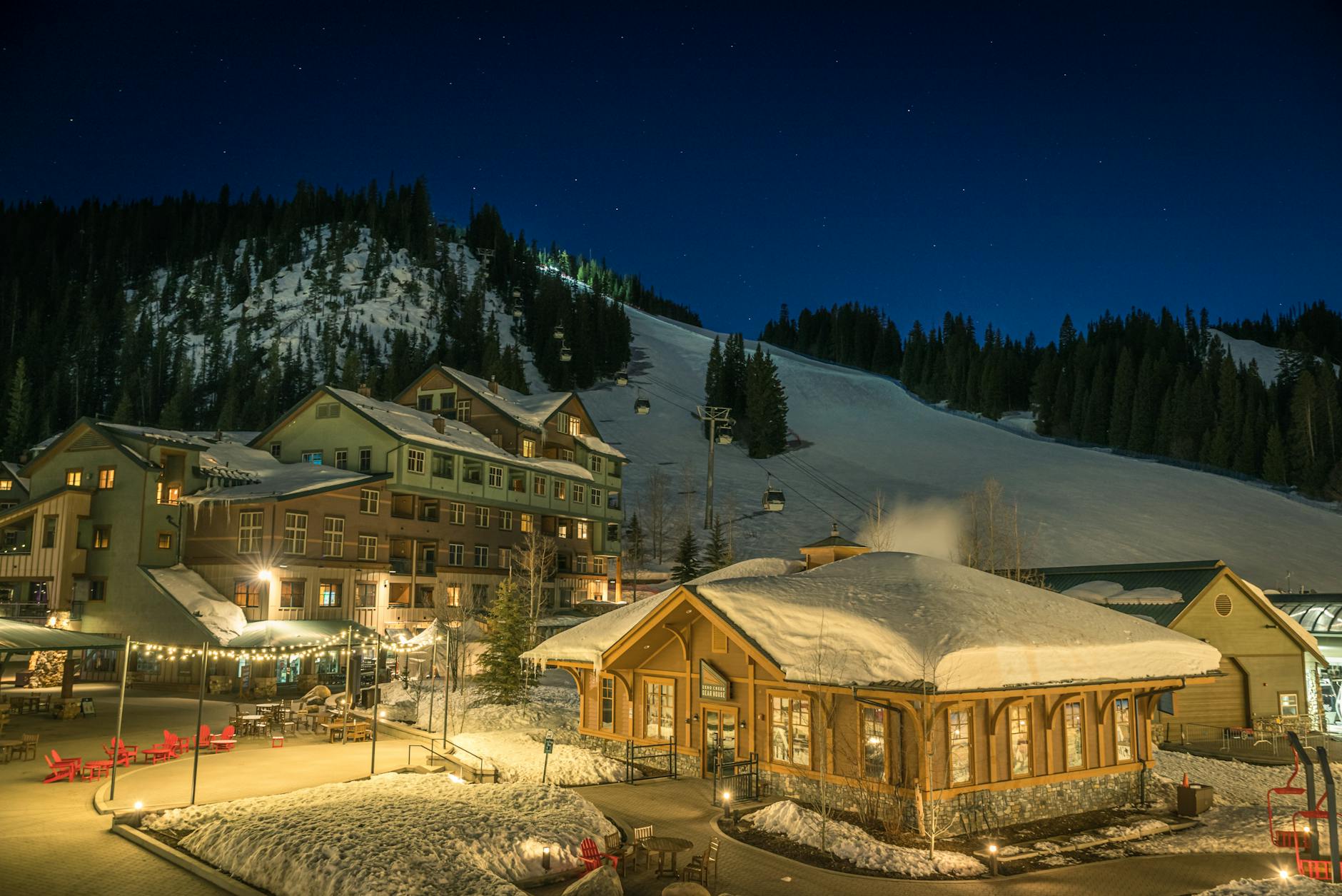
Whistler in Summer
Whistler is not only a winter destination, and the summer version is arguably better value.
- Whistler Mountain Bike Park — one of the most significant lift-served mountain bike parks in the world
- Hiking in the alpine, accessed by gondola
- PEAK 2 PEAK runs through summer
- Lakes — Alta, Green and Lost Lake for swimming and paddling
- Village festivals and events through the season
- Cheaper accommodation than peak winter
A summer day trip from Vancouver is far more workable than a winter one — daylight runs to 9 PM and the drive is easier. See our Vancouver day trips guide.
A Realistic Day Trip Plan
If you are set on a winter day trip:
- 6:00 AM — leave Vancouver, or board the first coach
- 8:15 AM — arrive Whistler, collect rentals and tickets bought online in advance
- 9:00 AM — first lift
- 12:30 PM — lunch on the mountain rather than descending to the village
- 1:15 PM — back out; ride the PEAK 2 PEAK if you have not
- 3:30 PM — last runs as the light goes
- 4:30 PM — après in the village, and let the highway clear
- 6:00 PM — drive or coach back, arriving Vancouver around 8 PM
Buy tickets and book rentals online before you leave. Queuing for either on arrival costs an hour of a day that does not have one to spare.
Whistler vs the North Shore
- Whistler — 2 hours away, world-class, 8,000+ acres, expensive, needs a full day minimum
- Cypress — 45 minutes, largest North Shore hill, good intermediate and advanced terrain
- Grouse — 30 minutes, transit accessible, night skiing over the city, small
- Mount Seymour — cheapest, family-focused
The decision rule: if you have one afternoon, ski the North Shore. If you have a full day and can ski competently, Whistler is worth the drive. If you have two days, Whistler and stay over. If you have never skied, learn on the North Shore first.
Pro Tips
- Stay overnight if the trip allows — the arithmetic strongly favours it
- Take the coach rather than driving; you can sleep, and nobody drives home tired in the dark
- Winter tyres are legally required on Highway 99 from October 1 to April 30
- Check DriveBC before setting out; the highway closes occasionally
- Buy lift tickets online in advance — window rates are punishing
- Check whether your Epic Pass covers it
- Ride the PEAK 2 PEAK even if you are skiing
- Trees in flat light, alpine in sunshine
- Eat on the mountain, not in the village, to save an hour
- Non-skiers should still come — gondola, spa and village make a full day
Related Vancouver guides
Keep planning with these guides:
- Vancouver to Whistler: Transport Options (2026)
- Vancouver & Whistler Itinerary (2026)
- Winter in Vancouver (2026)
Whistler from Vancouver FAQs
How far is Whistler from Vancouver?
About 120 km, roughly two hours by car up Highway 99, the Sea-to-Sky Highway. Scheduled coaches from downtown Vancouver and YVR take around 2.5 to 3 hours including stops.
Is Whistler a day trip from Vancouver?
It can be, but an overnight is much better. Four hours of driving plus a winter day that is dark by 4:30 PM leaves roughly five hours of skiing, on a lift ticket that costs the same as a full day. If you must day-trip, leave by 6 AM and buy tickets online in advance.
How do I get to Whistler without a car?
Scheduled coach services run frequently from downtown Vancouver and directly from YVR, taking 2.5 to 3 hours and dropping in the pedestrianised village, where you need no car. Day-trip packages combining coach travel and lift tickets are often the best value.
Do I need winter tyres to drive to Whistler?
Yes. Winter tyres are legally required on Highway 99 from October 1 to April 30, and the requirement is enforced. Confirm your rental car is properly equipped, as not all are by default.
How big is Whistler Blackcomb?
Over 8,000 acres across two connected mountains with more than 200 marked runs and over 1,500 m of vertical on each — the largest ski resort in North America, and roughly ten times the vertical of a North Shore hill.
What is the PEAK 2 PEAK gondola?
The lift connecting Whistler and Blackcomb at altitude — about 4.4 km long with an unsupported span of just over 3 km between towers, more than 400 m above the valley. It takes about 11 minutes and is open to non-skiers with a sightseeing ticket year-round.
Is Whistler worth visiting if I don’t ski?
Yes. The PEAK 2 PEAK sightseeing ticket, the Scandinave Spa’s outdoor Nordic baths, public bobsleigh runs at the Olympic Sliding Centre, snowshoeing, the Squamish Lil’wat Cultural Centre and the village itself make a full day without a lift ticket.
How much are Whistler lift tickets?
Window rates are high and advance online purchase is substantially cheaper — the gap is among the largest in the industry. Whistler Blackcomb is owned by Vail Resorts and is on the Epic Pass, so check whether your pass tier already covers it.
Should I learn to ski at Whistler?
Whistler has extensive beginner terrain and a large ski school, but if you have never skied and only one day, Grouse Mountain is cheaper, closer and far less overwhelming. Save Whistler for when you can make use of it.
Is Whistler good in summer?
Yes, and it is better value. The Whistler Mountain Bike Park is one of the most significant lift-served bike parks anywhere, alpine hiking is accessed by gondola, the lakes are swimmable, and accommodation is cheaper than peak winter. A summer day trip is far more workable, with daylight until 9 PM.
Related reading: Pair this with our winter in Vancouver pillar and our Vancouver day trips guide.