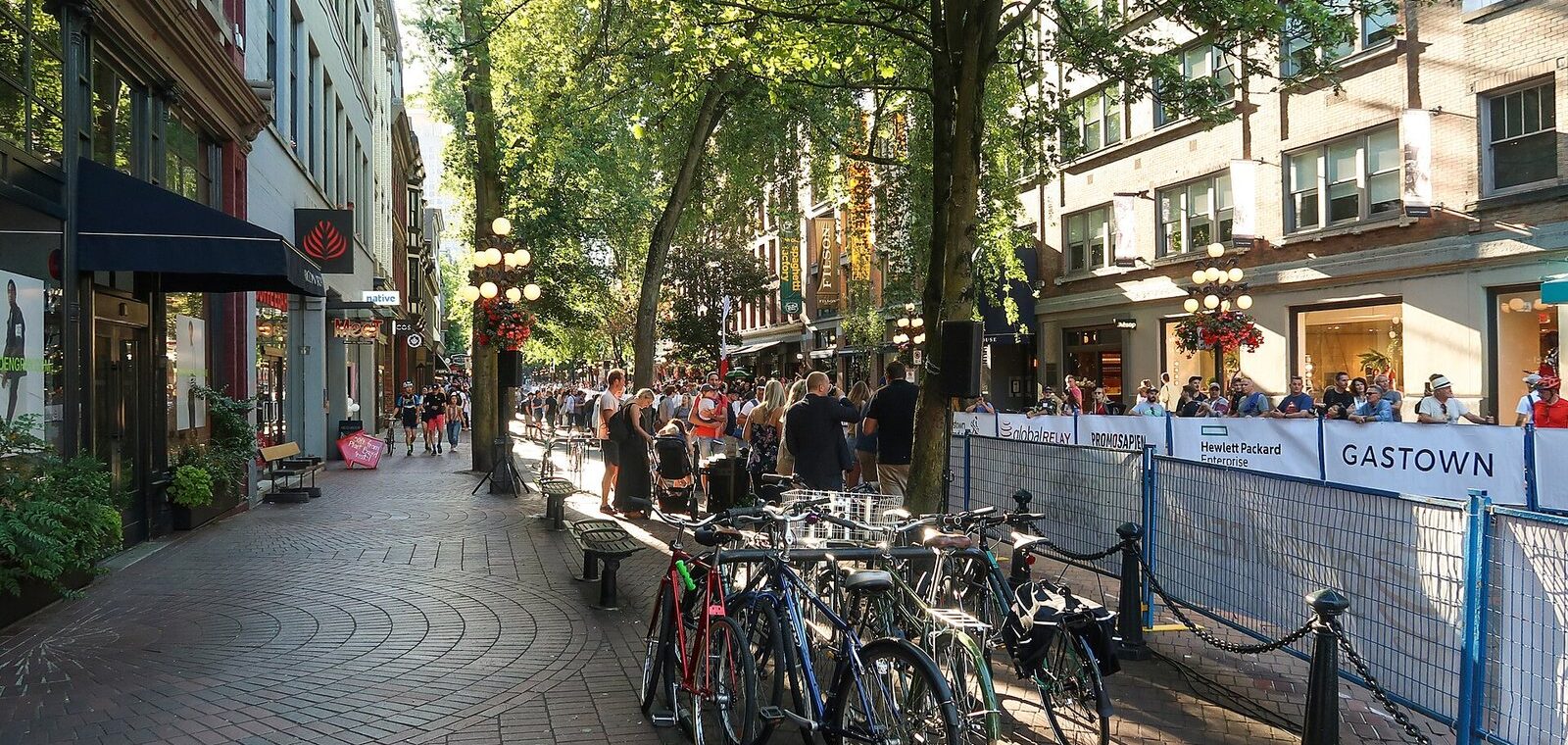
So, is Vancouver safe? For visitors, yes, by any sensible measure. Violent crime against tourists is rare, the downtown peninsula is busy and walkable late into the evening, and the realistic risks are the dull ones: a smashed car window, a stolen bike, a phone lifted from a patio table. What surprises first-timers is the Downtown Eastside, a few blocks of visible poverty, addiction and mental illness a short walk from Gastown’s cobbles. It’s distressing to see, and it deserves some care, but it isn’t a no-go zone.
This guide is for first-time visitors, families and anyone who has watched an alarming video and wondered what to expect. The honest caveat: the city’s problems are real and concentrated, so a little local knowledge changes how a walk feels far more than it changes how safe you are. Everything here was checked September 26, 2026 against Statistics Canada, the Province of British Columbia and other official sources. For the rest of the trip planning, from money to transit, start with our Vancouver travel tips.
Vancouver safety at a glance
| Risk | How likely for a visitor | What to do |
|---|---|---|
| Violent crime | Rare | Normal big-city awareness late at night |
| Car break-ins | Common | Leave nothing visible, not even a cable or coins |
| Bike theft | Common | A proper U-lock, or bring the bike inside |
| Pickpocketing and phone theft | Occasional, in crowds | Front pockets; phones off patio tables |
| Street disorder in the Downtown Eastside | Likely to see, unlikely to be targeted | Walk through with purpose; no photos of people |
| Late-night trouble on Granville Street | Mostly around bar closing time | Stay with friends; leave before the crowds spill out |
| Wildfire smoke and heat | Some summers | Check air quality; plan indoor days |
| Cold water and mountain trails | The real danger for the unprepared | Lifeguarded beaches; trip plans for hikes |
How safe is Vancouver compared with other cities?
Statistics Canada’s Crime Severity Index, which weights crimes by how serious they are, is the fairest yardstick. In the latest national figures, for 2025 and released in July 2026, the Vancouver metropolitan area scored 83.5, above the Canadian average of 75.0. Vancouver’s score rose 1% from the year before while Canada’s fell 5%.
Like every Canadian city, most of Vancouver’s crime is property crime rather than violence, which matches what visitors actually run into: theft, not assault. Verdict: an ordinary North American big city, with its crime concentrated in particular places and particular kinds, not a dangerous one.
What is the Downtown Eastside, and should you avoid it?
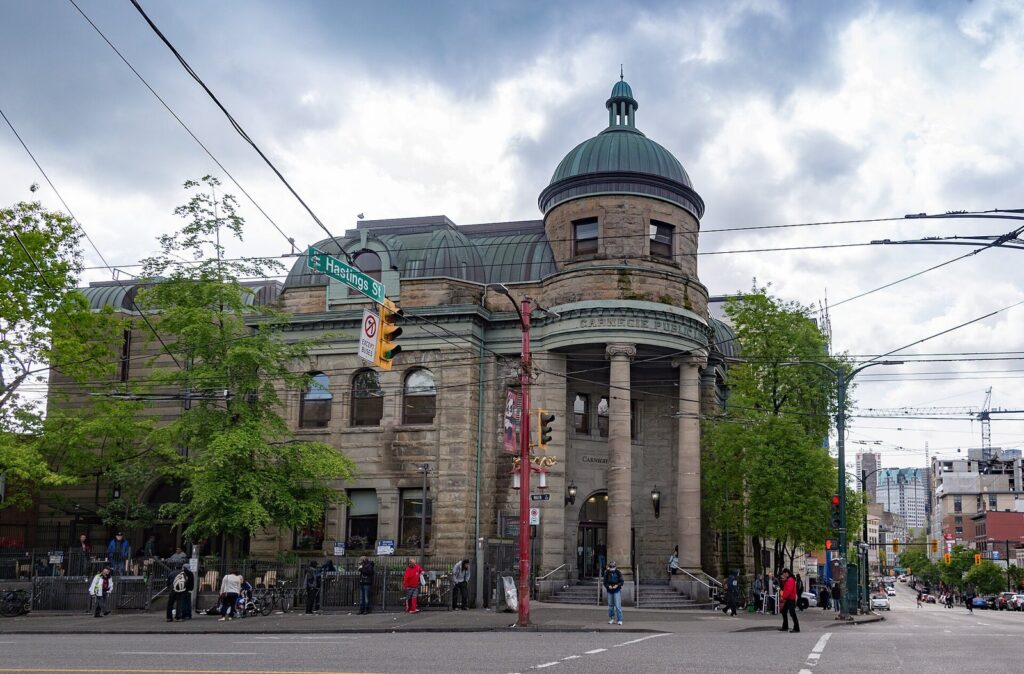
The Downtown Eastside (DTES) is one of Vancouver’s oldest neighbourhoods, with its historic civic centre around Main and Hastings, where the Carnegie Centre stands. Gastown sits just to the north and Chinatown just to the south, so many visitors walk into it without meaning to. It has long been home to low-income residents, with services that support them, and the street scene can be hard to see.
Is it dangerous for tourists?
For people passing through in daylight, the risk is mostly unpredictability rather than targeted crime: someone shouting, an erratic encounter, a bag or phone snatched if it’s waved about. Most residents are simply going about their day in very hard circumstances. Walk with purpose, keep your phone in your pocket, don’t stop to stare, and never photograph people; it’s their neighbourhood, and it’s the fastest way to turn a neutral walk into a confrontation. After dark, especially if you’re unsure of the way, take a cab or rideshare for the few blocks rather than walking.
How do you walk between Gastown and Chinatown?
Both neighbourhoods are well worth visiting, and the walk between them is short. If you’d rather skirt the busiest blocks, head west from Gastown to Abbott Street, cross Hastings by the redeveloped Woodward’s building, then walk east along Pender Street into Chinatown. By day, Chinatown itself is fine for a wander; it gets quiet early, when many shops close. Our Gastown walking guide maps the old town’s best blocks.
What changed in 2026?
BC’s three-year decriminalization pilot, which from January 31, 2023 removed criminal penalties for adults carrying small amounts of certain drugs for personal use, expired on January 31, 2026 and wasn’t renewed. Since May 7, 2024, possession of the covered drugs in public spaces had already been excluded from the exemption. Visible drug use hasn’t disappeared from the DTES, but visitors shouldn’t mistake it for something that’s legal on the street.
Which other areas need a little more care?
There’s no neighbourhood a visitor needs to avoid by day. These are the places where a little more attention pays off:
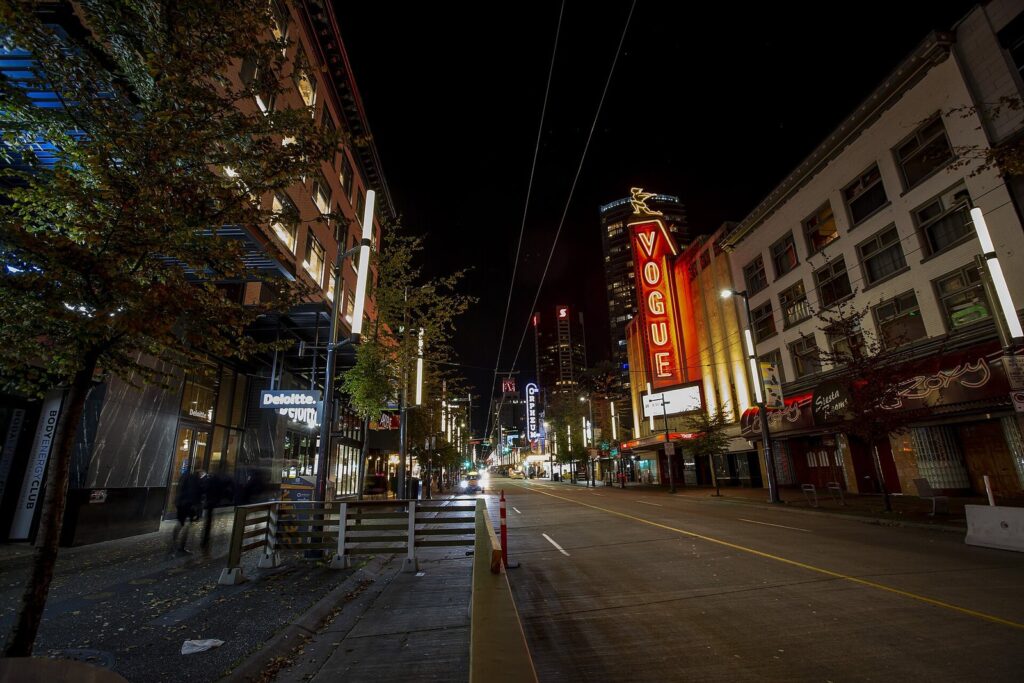
- Granville Street after midnight. The entertainment district between Robson and Davie is fun until the bars empty, when crowds, drink and the occasional fight spill onto the sidewalk. Go early, stay with your group and head home before closing. Our guide to Granville Street nightlife has the venue-by-venue picture.
- Stations and streets on the Downtown Eastside’s edges late at night. Not dangerous as a rule, just emptier and less predictable after dark.
- Stanley Park’s inner trails after dark. The seawall is busy until late in summer, but the forest trails are unlit and isolated at night.
- Trailhead and viewpoint parking lots. Thieves know hikers leave bags in cars. Take valuables with you.
If you’re still choosing a base, the busy residential streets of the West End, Yaletown, Coal Harbour and Kitsilano feel calm late into the evening. Our guide to downtown Vancouver hotels and neighbourhoods compares them, and where to stay in Vancouver widens the search beyond the peninsula.
How do you avoid the most common crimes?
Car break-ins
This is the crime visitors are most likely to meet, and rental cars with out-of-province plates are an easy target. Leave nothing visible: no bags, jackets, charging cables, sunglasses or loose change, and don’t move things into the trunk in the parking lot where someone can watch you do it. Use staffed or busy parkades where you can, and if your hotel offers parking, it’s worth the fee over a dark side street. Many drivers leave their glovebox open to show there’s nothing inside.
Bikes and scooters
Bike theft is a Vancouver speciality. A cable lock is a gift to thieves; use a solid U-lock through the frame, take off anything that unclips, and bring a rental or your own bike inside overnight. At big events, look for a staffed bike valet.
Phones, bags and pickpockets
Pickpocketing isn’t widespread, but crowds help it along: packed SkyTrain cars after a game, fireworks nights at English Bay, busy markets. Keep phones and wallets in front pockets or a zipped bag, and don’t leave a phone on a patio table beside the sidewalk, where it can disappear in a second.
Scams
The scams that catch visitors are mostly online: resold tickets for sold-out games and concerts that turn out to be fake, and holiday rentals that don’t exist. Buy tickets from the venue’s official seller or its authorized resale platform, pay for rentals through a platform with buyer protection, and never wire money to someone you’ve only met by message. When you need a ride, use a licensed taxi or a rideshare app and check the plate before you get in.
Crossing streets and sharing the seawall
The accident risk is easy to underestimate. From October to March, dark, wet evenings make pedestrians hard to see, so cross at lights, make eye contact with turning drivers and wear something light. On the seawall, walkers and cyclists have separate paths for most of the route; keep to yours, because a bike at speed on a wet surface doesn’t stop quickly. If you rent a bike, wear the helmet: BC law requires one.
What about panhandling and homelessness elsewhere downtown?
You’ll see people sleeping in doorways and asking for change well beyond the Downtown Eastside, on Granville Street, around Waterfront Station and along busy stretches of Robson. Almost all of it is harmless. A polite “sorry, not today” is fine, and so is saying nothing and walking on. If you want to help, local shelters and food banks stretch a donation further than change handed over on the street. If someone is clearly in medical distress, such as unresponsive or struggling to breathe, call 911; overdoses are a real risk, and a fast call matters.
Is Vancouver safe for families?
Very. Vancouver is one of the easier big cities in North America to travel with children: the seawall, beaches, Science World, the aquarium and Granville Island are all busy, family-heavy places. The practical risks are the outdoor ones on this page, so keep children close near the water and on trails, and agree on a meeting point in crowds such as the fireworks or Canada Day. Buses and SkyTrain are stroller-friendly, and kids 12 and under ride free, which makes getting around cheap as well as easy.
Is Vancouver safe at night?
Mostly, yes. The downtown peninsula stays busy into the evening, especially the West End, Yaletown, Coal Harbour and the seawall on summer nights, and you’ll see people walking, running and cycling well after dark. The usual rules work: stick to lit, busy streets, keep an eye on your drink in bars, and take a cab or rideshare when you’re tired or unsure of the way. Winter changes the feel more than the risk; it’s dark by late afternoon, wet and quieter, so plan routes along main streets.
Solo travel in Vancouver is easy, including for women travelling alone: the central neighbourhoods are busy and walkable, transit runs late, and hostels and hotels cluster in the safest parts of downtown. The city is also one of the most LGBTQ+-friendly in North America, with its community hub in Davie Village in the West End.
Is public transit safe?
Yes. SkyTrain, buses and the SeaBus carry hundreds of thousands of people a day, and serious incidents are rare. Metro Vancouver has its own transit police force that patrols the system, and a text line for reporting problems discreetly is posted inside trains and buses; save it to your phone when you board. At night, ride in a car with other passengers, or sit near the driver on a bus.
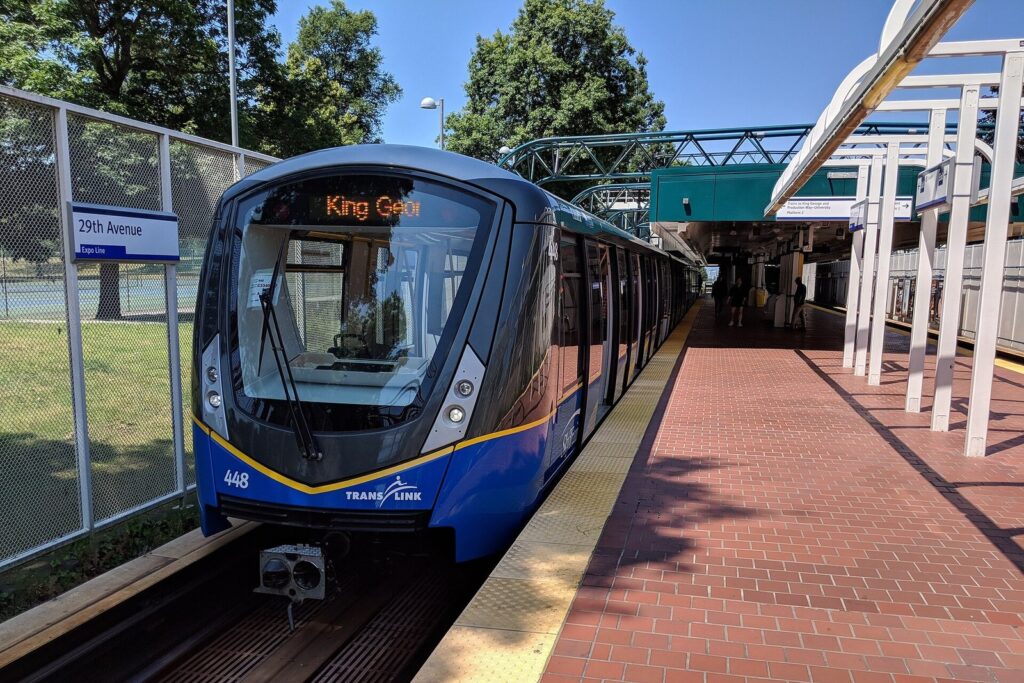
The stations with the most visible street disorder are the ones closest to the Downtown Eastside. They’re busy, working stations, and passing through is fine; it’s lingering late at night that’s worth avoiding.
What about the water, the mountains and the weather?
For most visitors, the outdoors is a bigger risk than crime, because the wilderness starts twenty minutes from downtown and looks deceptively tame from a city beach.
- Cold water. The Pacific here stays cold even in August, and cold shock can overwhelm strong swimmers. Swim at the city’s lifeguarded beaches in summer, and stay out of the water from boats, piers and rocks.
- Mountain trails. The North Shore mountains are real backcountry. People get lost there every year, often on trails they thought were a stroll. Tell someone your route and return time, carry water, a light, a layer and a charged phone, start early, and turn back in good time; in winter it’s dark by late afternoon and trails can be icy long after the city is green.
- Wildlife. Coyotes live in Stanley Park and made headlines in 2021 after a series of bites. Black bears roam the North Shore. Keep your distance, never feed wildlife, and keep children close on trails.
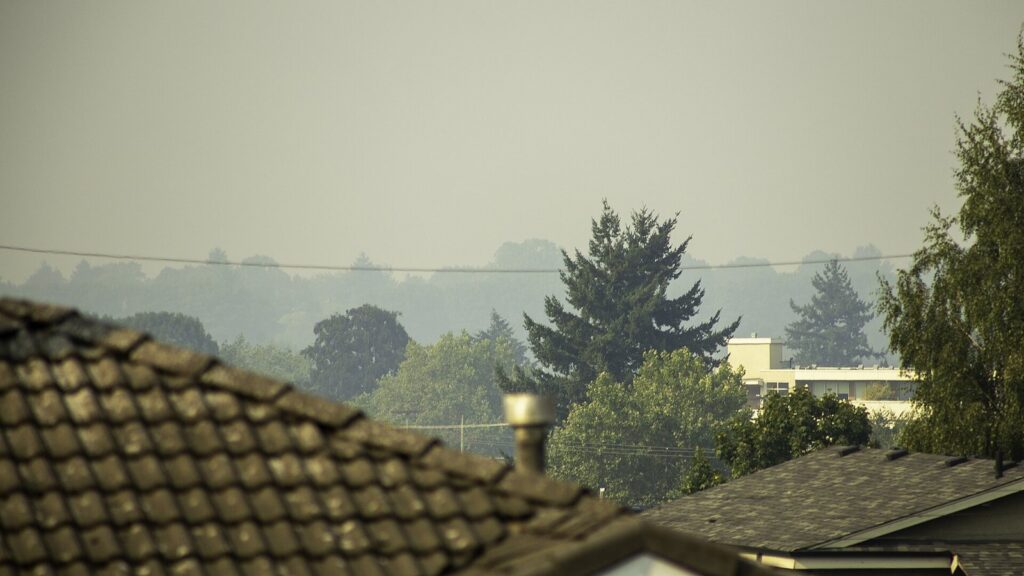
- Wildfire smoke. In some summers, smoke from fires in BC and Washington State hangs over the city for days. Check Environment and Climate Change Canada’s Air Quality Health Index, and swap hikes for museums when it’s high.
- Heat. The 2021 heat dome showed how dangerous extreme heat can be in Vancouver. During a heat warning, drink water, rest in the afternoon and use air-conditioned public buildings.
- Earthquakes. Vancouver sits in an active earthquake zone. If shaking starts, drop, cover and hold on under sturdy furniture until it stops. The city’s tsunami risk is considered far lower than on the open coast, because Vancouver Island shelters the Strait of Georgia.
What should you do in an emergency?
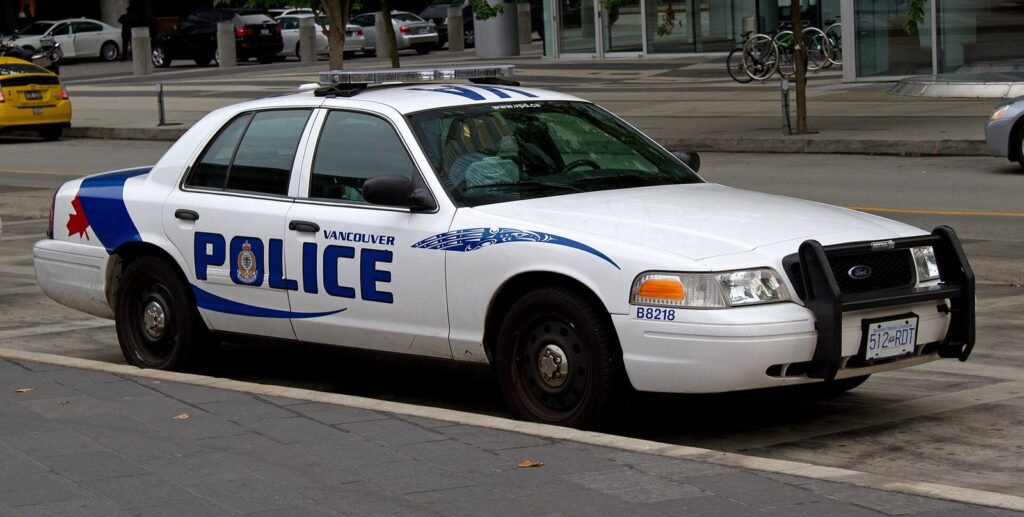
Call 911 for police, fire or ambulance. For a crime that’s already over, such as a break-in you discover in the morning, use the Vancouver Police Department’s non-emergency line or its online reporting, which you’ll need for an insurance claim. For health advice that isn’t an emergency, HealthLink BC’s 8-1-1 line connects you with a nurse, and pharmacists in BC can treat some minor ailments.
Canada’s public health care doesn’t cover visitors, and a night in a Vancouver emergency department can cost thousands of dollars, so buy travel insurance that includes medical care before you arrive. Keep a photo of your passport separate from the passport itself; if it’s lost or stolen, report it to police and contact your country’s consulate in Vancouver. Americans who drive up should know their US car insurance details before they cross; our guide to Canada’s entry requirements covers the border paperwork.
Almost everything on this page comes down to the same few habits, and skipping them is one of the classic Vancouver tourist mistakes: an empty car, a locked bike, a phone in your pocket, a trip plan for the mountains. With those in place, the city is an easy, relaxed place to be. For the rest of the preparation, see our complete Vancouver planning guide.
Vancouver safety FAQ
Is downtown Vancouver safe at night?
Mostly, yes. The West End, Yaletown, Coal Harbour and the seawall stay busy into the evening, and violent crime against visitors is rare. Take more care on Granville Street around bar closing time and on the edges of the Downtown Eastside after dark, stick to lit, busy streets, and use a taxi or rideshare if you’re unsure of the route.
Is the Downtown Eastside dangerous for tourists?
It’s rarely dangerous for people passing through in daylight, but it can be unpredictable, and it’s distressing to see. Most problems visitors report are erratic encounters or snatched phones rather than targeted crime. Walk through with purpose, keep valuables out of sight, don’t photograph residents, and take a cab for the few blocks after dark if you’re uneasy.
Is Gastown safe to visit?
Yes. Gastown’s main streets, Water Street and the blocks around the steam clock, are busy with shops, restaurants and visitors day and night. The Downtown Eastside begins a block or two south, around Hastings Street, so it’s worth knowing where you’re heading, especially late at night, but Gastown itself is a popular visitor destination, home to the steam clock.
How does Vancouver’s crime rate compare with other Canadian cities?
In Statistics Canada’s 2025 figures, the Vancouver metro area scored 83.5 on the Crime Severity Index, above the Canadian average of 75.0. Most of it is property crime, which is why car break-ins are the main thing to guard against.
Is Vancouver safe for solo female travellers?
Generally, yes. Women travelling alone usually find Vancouver easy to navigate, with busy, walkable central neighbourhoods and frequent transit. The standard precautions apply: watch your drink in bars, use licensed taxis or rideshare apps late at night, stick to lit streets, and share your plans with someone at home when you head into the mountains.
Is Stanley Park safe?
By day, yes; the seawall is popular with visitors and locals alike. After dark, the seawall stays reasonably busy in summer, but the forest trails are unlit and isolated, so save them for daylight. Coyotes live in the park and were behind a string of bites in 2021, so keep your distance from wildlife and never feed it.
Related Vancouver guides
- Vancouver trip planning essentials: money, transit, weather and the rest of the groundwork
- Downtown Vancouver guide: where to stay and what’s where on the peninsula
- Gastown walking guide: the old town, block by block
- Granville Entertainment District: the city’s late-night strip
- Canada entry requirements: visas, eTAs and the border
Sources and verification
Checked on September 26, 2026 against the agencies listed below. Crime statistics are from Statistics Canada’s 2025 release; check its site for newer figures.
- Statistics Canada: Crime Severity Index and crime rate by census metropolitan area, 2025, police-reported crime statistics, 2024
- Province of British Columbia: decriminalization in B.C., statement on the end of the decriminalization pilot
- Health Canada: changes to the B.C. exemption, May 2024
- Vancouver Police Department: vpd.ca
Photo credits
- Carnegie Centre: photo by xiquinhosilva from Cacau, Wikimedia Commons (CC BY 2.0)
- Granville Street at night, 2020: photo by GoToVan from Vancouver, Canada, Wikimedia Commons (CC BY 2.0)
- 29th Avenue SkyTrain station, 2019: photo by Northwest, Wikimedia Commons (CC BY-SA 4.0)
- Wildfire smoke over Vancouver, 2021: photo by Rod Raglin from Vancouver, Wikimedia Commons (CC BY-SA 2.0)
- Vancouver Police car: photo by Tony Hisgett from Birmingham, UK, Wikimedia Commons (CC BY 2.0)
- Water Street, Gastown (featured image): photo by Wpcpey, Wikimedia Commons (CC BY-SA 4.0)