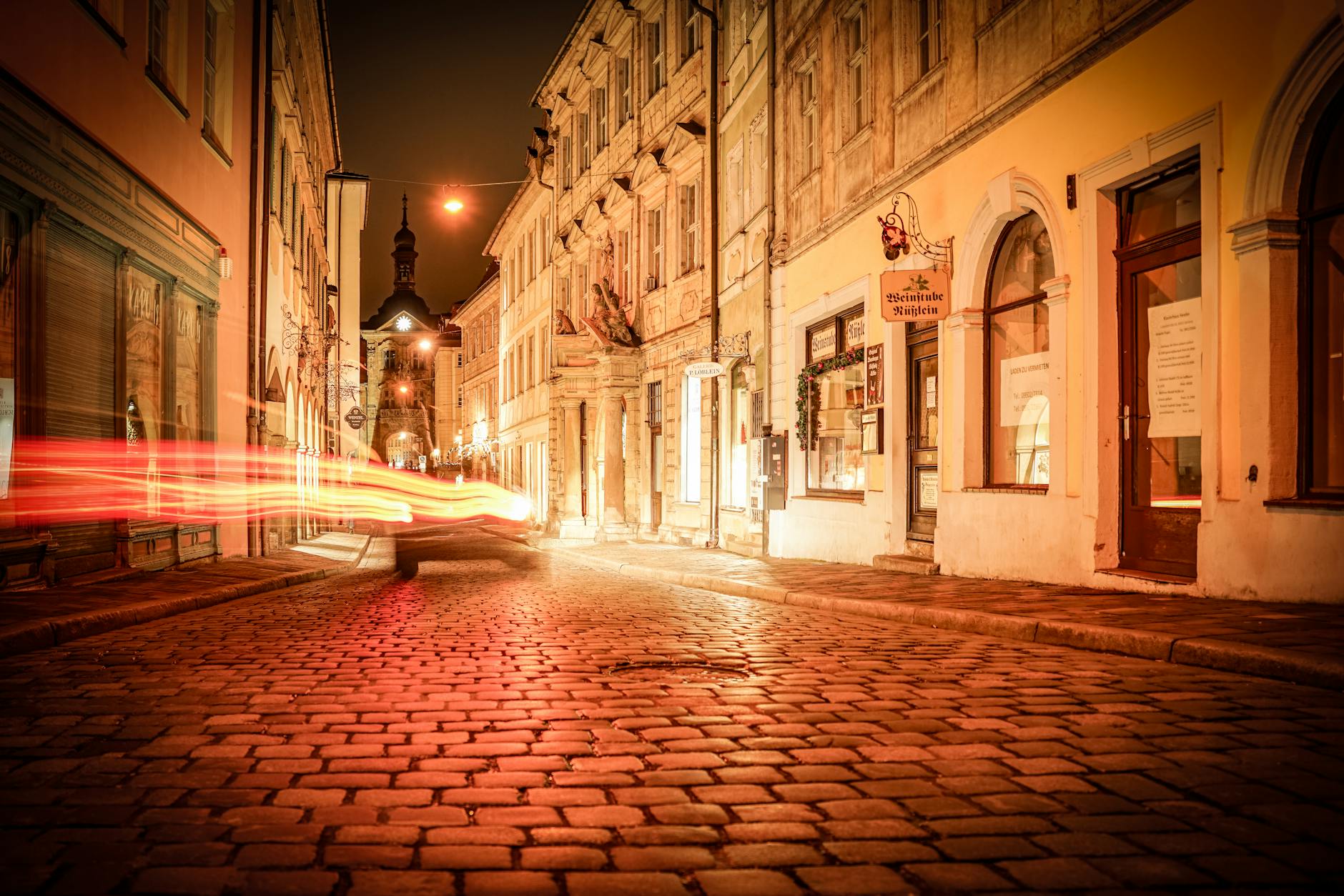
Gastown Vancouver is the city’s birthplace — the cobblestoned founding neighbourhood named for “Gassy Jack” Deighton, the talkative Yorkshire saloon-keeper who in 1867 set up a bar at Maple Tree Square and started the trickle of settlement that became the City of Vancouver. Today’s Gastown is a six-block heritage district of red-brick Edwardian warehouses converted into boutiques, design studios, restaurants, and bars. The famous Steam Clock toots Westminster chimes every quarter-hour, the streets are paved with original cobbles, and the area packs more interesting independent businesses per block than anywhere else downtown.
This 2026 walking guide gives you a self-paced tour of Gastown — the Steam Clock, the heritage architecture, where to eat and drink, where to shop, the safety realities of the adjacent Downtown Eastside, and which guided tours are genuinely worth the money.
Table of Contents

Gastown Vancouver: Overview & Map
Gastown is a six-block historic district at the northeast edge of downtown, bordered by Cordova Street to the north, Hastings Street to the south, Cambie Street to the west, and Columbia Street to the east. The “spine” of the neighbourhood is Water Street — the cobbled main street running east-west from the Steam Clock to Maple Tree Square (the small triangle where Water, Carrall, and Alexander Streets meet, and the historical heart of the neighbourhood, with the Gassy Jack statue at its centre).
Most visits cluster on Water Street and Carrall Street. North of Water (Powell, Alexander) is the heritage warehouse zone now full of design studios. South of Hastings is the Downtown Eastside, which is a different kind of neighbourhood — see the safety section below.
Time it by your stops, not the map. A speed walk hits the Steam Clock and Maple Tree Square in 30 minutes. A walking tour with a coffee stop, lunch, and shopping fills a full half-day.
A Brief Gastown History
Gastown began with a saloon. In 1867, Jack Deighton — known as “Gassy Jack” for his nonstop talking — arrived on Burrard Inlet with about $6, paid the local mill workers in whisky to help him build it, and opened the area’s first bar. The shanties around it became “Gastown.”
By the 1880s the neighbourhood had been renamed Granville and become the chosen Pacific terminus of the Canadian Pacific Railway. The City of Vancouver was incorporated in April 1886, and later that year the Great Fire of 1886 swept through the new city. The neighbourhood you see today was rebuilt in brick and stone after the fire.
By the 1960s, Gastown had declined into the city’s skid row. In 1971, mounted police broke up a peaceful pot-smoke-in (the “Gastown Riots”). The Steam Clock was installed in 1977 as part of the heritage revitalization. Preservation has kept Gastown’s distinctive collection of historic buildings standing, and in 2009 the district was designated a National Historic Site of Canada.
For a deeper Vancouver history overview, see our Vancouver culture and history pillar.
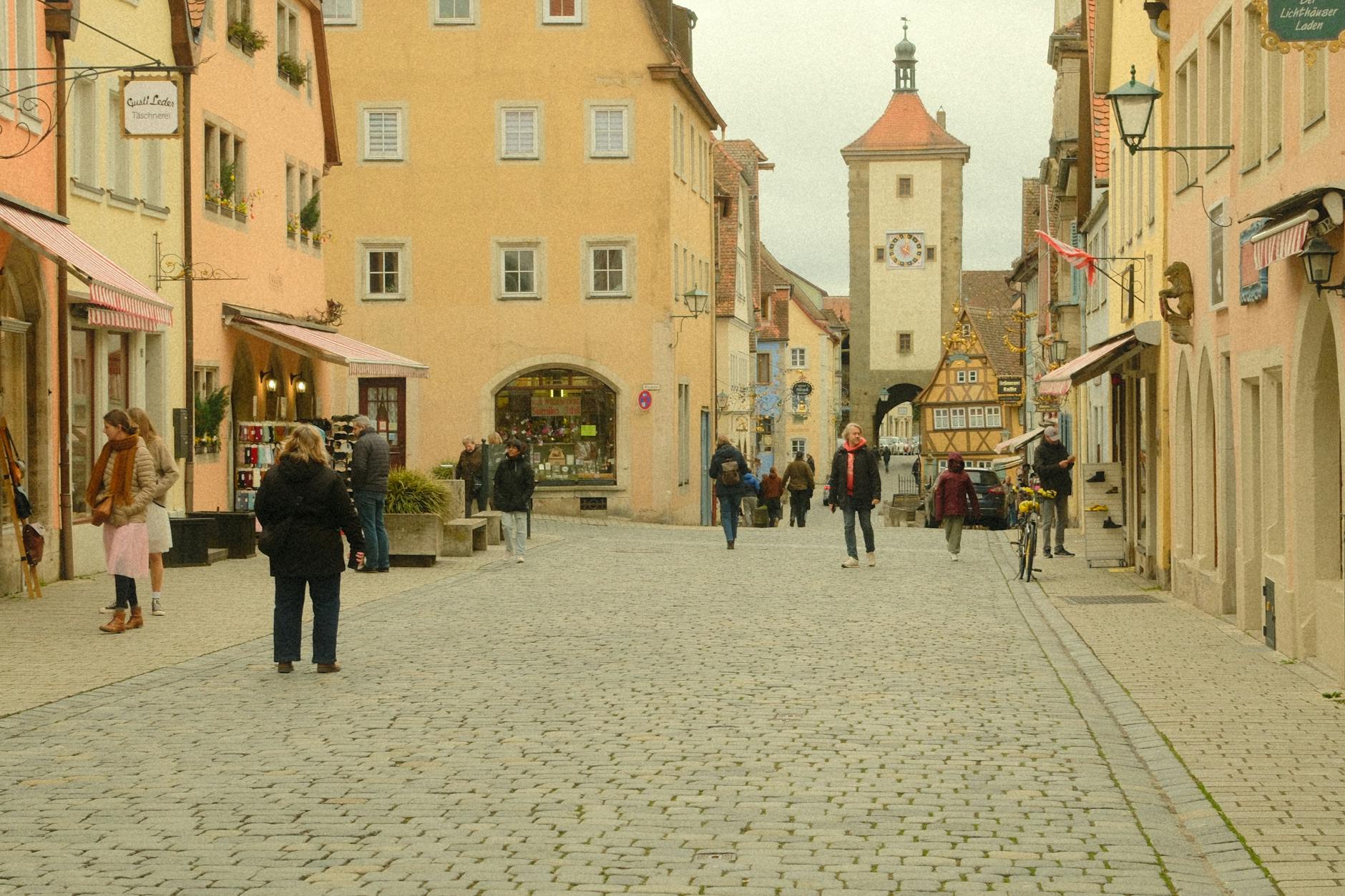
A Self-Guided Gastown Walking Tour
This walking tour starts at Waterfront SkyTrain station and ends at Maple Tree Square. Bring comfortable shoes — the cobbles are bumpy.
Stop 1 — Waterfront Station (601 W Cordova). Begin at the CPR station that opened in 1914. Now the SkyTrain hub. Walk east on Cordova for one block.
Stop 2 — The Steam Clock (Water & Cambie). A steam-powered clock built in 1977, though not the world’s first: John Inshaw built one in Birmingham in 1859 — see the next section for full details.
Stop 3 — The Hudson House (321 Water). An 1894 brick warehouse and a good photo spot.
Stop 4 — The Hotel Europe (43 Powell, the “flatiron building”). Walk one block east on Powell to see the famous angle from Maple Tree Square.
Stop 5 — Gaolers Mews (12 Water). A small interior courtyard accessed through an arched passageway, originally part of the city’s first jail. Now boutiques and a few small restaurants.
Stop 6 — Maple Tree Square (Water & Carrall). The historical heart of Gastown. The bronze Gassy Jack statue (1970) traditionally stood on a whiskey barrel here; it was removed in 2022 after public conversation about Deighton’s marriage to a 12-year-old Squamish girl.
Optional stop 7 — Chinatown (East Pender, south of the square). Maple Tree Square is two blocks from the Millennium Gate that marks the entrance to Vancouver’s Chinatown. See our culture pillar for Chinatown specifics.

The Gastown Steam Clock
The Gastown Steam Clock at the corner of Water and Cambie is one of Vancouver’s most-photographed objects. Despite looking like an antique, it was built in 1977 by horologist Raymond Saunders to cover an active steam vent that was part of the city’s downtown steam-heating distribution system.
How it works: The clock is partially powered by steam from underneath the sidewalk. Steam pressure raises a series of weights that drive the time-keeping mechanism. Every 15 minutes the clock plays the Westminster chime on the steam whistles on top.
Best time to see it: Anytime, but plan to arrive at 14 or 29 or 44 minutes past the hour to catch the next quarter-hour chime. The hour chime (12:00, 1:00, etc.) is the loudest and best photo opportunity.
Honest expectation-setting: The Steam Clock is more famous than impressive, and the steam puffs are modest. Most visitors are happy with a 60-second photo stop and move on.
Where to Eat in Gastown
Gastown packs plenty of good eating into a few blocks. Six places worth knowing:
L’Abattoir (217 Carrall) — Fine dining in Gastown since 2010, French-influenced Canadian. Reserve 2 weeks ahead for the dining room; bar seats at happy hour are first come, first served.
Ask for Luigi (305 Alexander) — Italian, and it takes reservations, so book rather than queue. Pasta worth it.
Meat & Bread (370 Cambie) — Porchetta sandwiches from a walk-up counter. Lunchtime classic.
Nuba (207 W Hastings) — Lebanese. Order Najib’s Special, crispy cauliflower tossed with lemon and sea salt ($19.95 at lunch). Other lunch plates include mjadra and garden falafel at $18.95 and lamb kafta at $24.95.
Nemesis Coffee (302 W Hastings) — espresso and pastries.
Tacofino Gastown (15 W Cordova) — Tacofino’s Gastown taco bar, an easy casual lunch.
For a wider Vancouver food rundown see our food scene pillar.
Cocktail Bars & Pubs
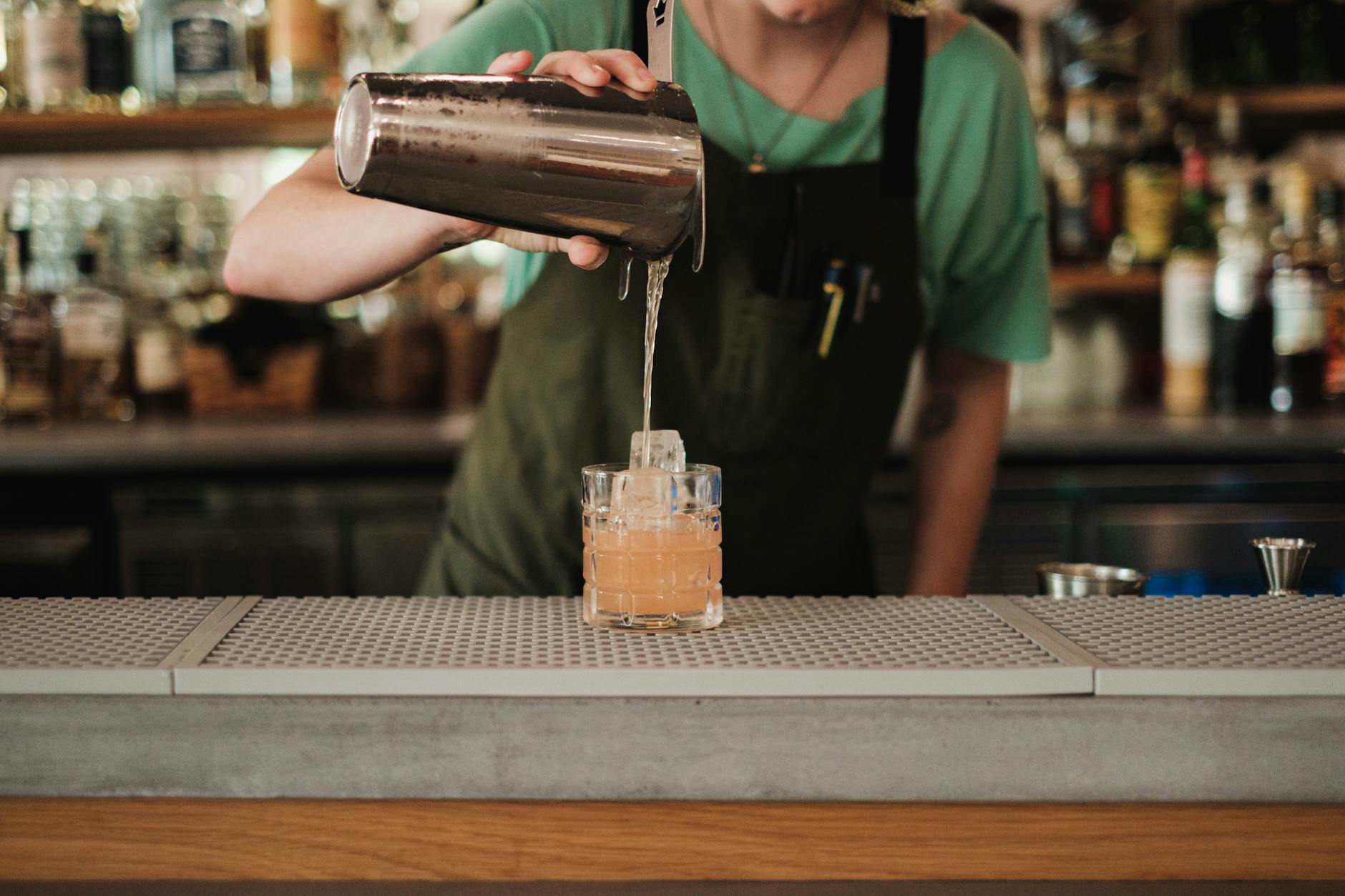
The Alibi Room is the Gastown bar to know:
The Alibi Room (157 Alexander) — A craft beer specialist. 50+ rotating taps; ask for a “frequent flyer” tasting flight.
For the broader nightlife scene, see our Vancouver nightlife pillar.

Best Shopping in Gastown
Independent design and lifestyle stores are Gastown’s specialty. Highlights:
- Old Faithful Shop (320 W Cordova) — Curated home-and-pantry goods; the merchandising alone is worth visiting.
- Roden Gray (8 Water) — Independent menswear.
- One of a Few (354 Water) — Independent womenswear.
- Inuit Gallery of Vancouver (now at 120 Carrie Cates Court in North Vancouver’s Shipyards District) — Authenticated Inuit and Northwest Coast art.
- Herschel Supply Co. (347 Water) — The Canadian backpack brand’s Gastown store.
- The Latest Scoop (305 Water) — Multi-brand boutique.
Guided Walking & Food Tours
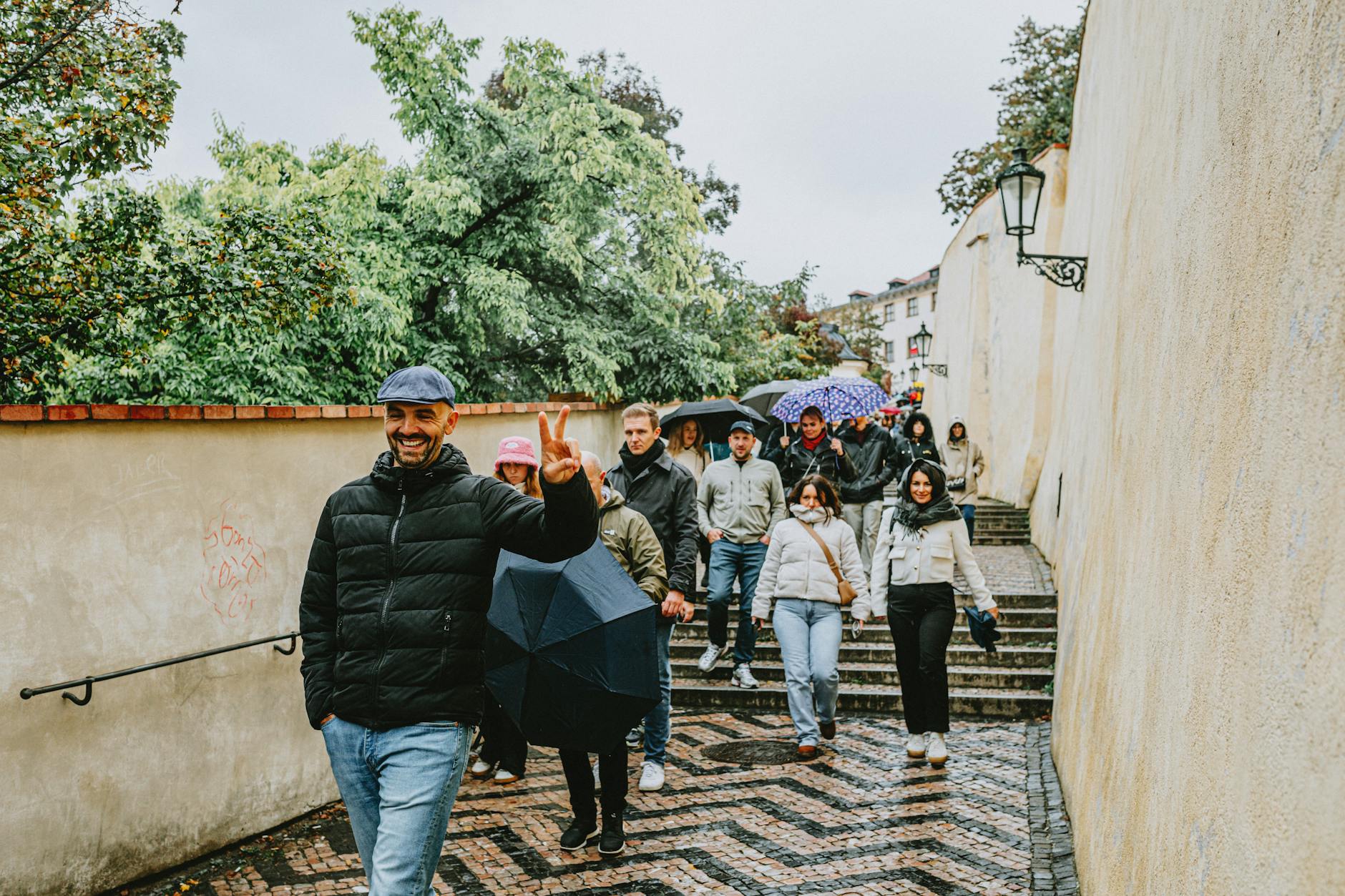
Self-guiding works fine. But three guided options consistently get strong reviews:
Forbidden Vancouver — “Lost Souls of Gastown” walking tour. A 1.5- to 2-hour theatrical tour of Victorian Gastown: the Great Fire of 1886, smallpox and murder. Adult $35 CAD; tours leave nightly at 7 p.m., with extra departures on some dates, so check availability when you book.
Vancouver Foodie Tours — Gastown food tour. The three-hour Gastronomic Gastown Tour, with five sit-down tastings. Adult $179 CAD, plus $50 if you add the beverage pairing.
Talaysay Tours — Indigenous Talking Trees walk. Not strictly Gastown, but Talaysay’s Stanley Park walk covers the same Coast Salish territory and is a respectful adjacent option for visitors interested in the Indigenous side of the city’s story. Check the adult price on Talaysay’s site when you book.
For broader Vancouver itinerary planning, see our Vancouver itinerary pillar.

Gastown Safety: An Honest Take
Gastown is generally safe, particularly on Water Street and the surrounding tourist corridor during the day and into the early evening. However, the neighbourhood directly south of Hastings Street — the Downtown Eastside — is one of Canada’s poorest postal codes and has a long-running, highly visible struggle with poverty, addiction, and untreated mental illness. Visitors who wander beyond Gastown’s tourist core can find the contrast unsettling.
Practical advice:
- Stick to Water Street, Powell Street west of Carrall, and Cambie/Cordova during the daytime — comfortable and well-trafficked.
- Maple Tree Square and the streets immediately adjacent are fine.
- Avoid East Hastings between Carrall and Main Street, especially after dark. There is no danger to most visitors, but the visible suffering can be hard to witness, and the streetscape is chaotic.
- Be aware of personal belongings — petty theft happens — but violent crime against tourists is rare.
- If you are visiting Gastown after 10 p.m., walk a few blocks west to Cordova or down to Cambie before flagging an Uber rather than standing on East Hastings.
Visitors regularly report feeling perfectly safe in Gastown’s tourist core; the takeaway is that the neighbourhood transitions sharply at its southern edge and a little awareness goes a long way.
Getting to Gastown
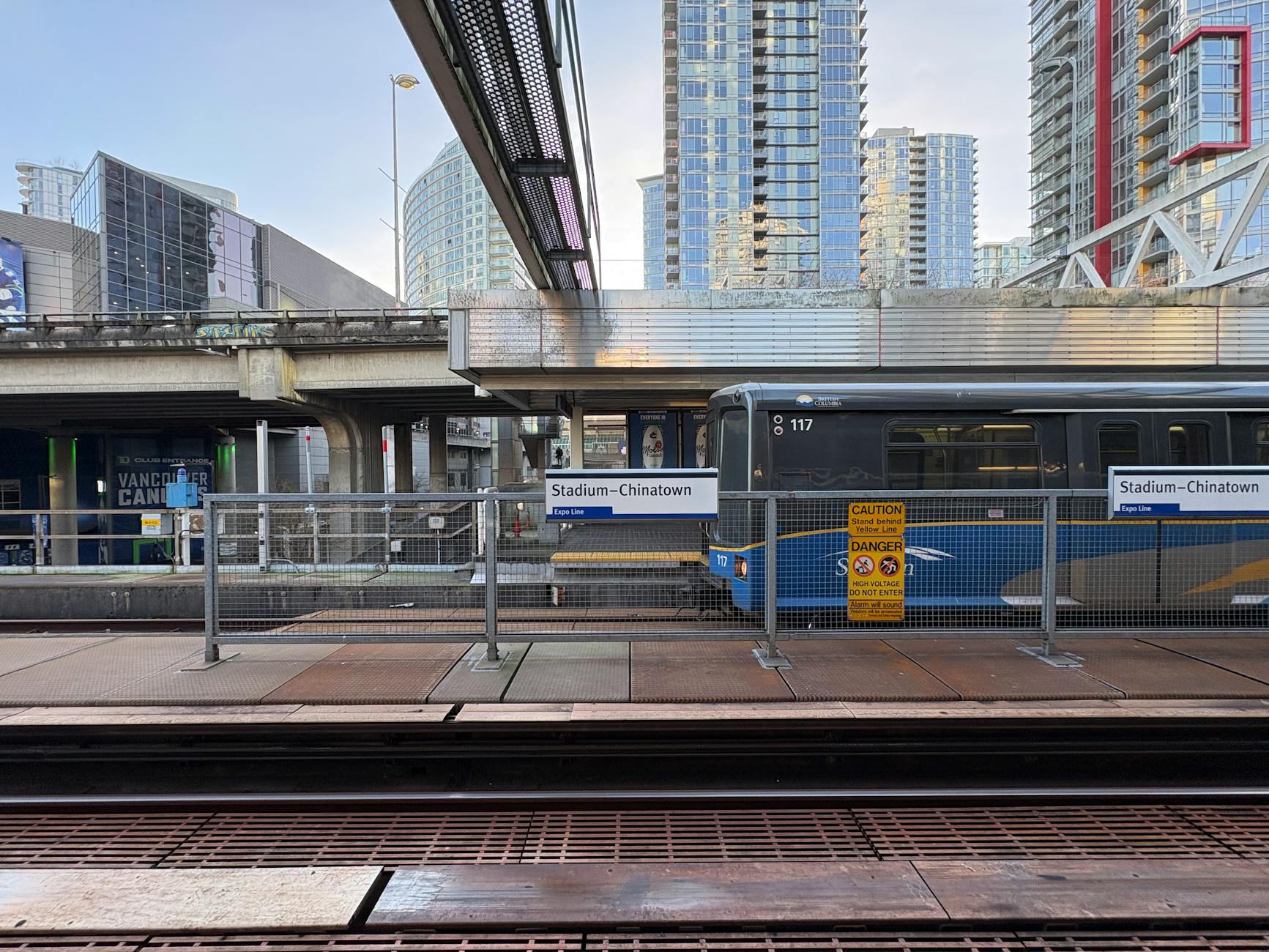
By SkyTrain. Waterfront Station is two blocks from the Steam Clock. Both the Expo Line and the Canada Line stop there.
By bus. Route 19 runs along West Pender, a few blocks south of Water Street; TransLink’s trip planner shows the closest stop to where you’re starting.
On foot. Gastown sits at the east end of downtown, so walking in from a downtown hotel is easy; how long it takes depends on the hotel. From the Cruise Terminal at Canada Place, head east past Waterfront Station.
By car. Street parking is metered (check the rate posted at the meter) and limited. Better to park at Library Square, Pacific Centre, or your hotel and walk.
For a wider transit overview, see our transportation pillar.
Related Vancouver guides
Keep planning with these guides:
- Granville Island Vancouver: What to See, Eat & Do (2026 Guide)
- Vancouver Lookout & Harbour Centre Guide (2026)
- Vancouver Aquarium: 2026 Tickets, Animals & Visitor Tips
- Gastown Bars & Nightlife (2026)
- Vancouver History: A Tourist’s Quick Primer (2026)
Gastown FAQs
Is Gastown Vancouver worth visiting?
Yes — Gastown is the city’s birthplace and offers the densest concentration of independent restaurants, boutiques, and cocktail bars downtown. Give it longer than a photo stop.
What is the Gastown Steam Clock?
A partly steam-powered clock built in 1977 to cover an active steam vent. It chimes Westminster every quarter-hour. Famous for the photo more than for the engineering.
Is Gastown safe at night?
The Water Street tourist core is generally fine through the early evening. The streets immediately south of Hastings (the Downtown Eastside) are a different neighbourhood; avoid them after dark.
How long do you need in Gastown?
About 30 minutes for a quick look at the Steam Clock and Maple Tree Square. Half a day with shopping, lunch, and a walking tour. A full day if you include adjacent Chinatown.
What’s the best Gastown walking tour?
For history, book Forbidden Vancouver’s “Lost Souls of Gastown”: a 1.5- to 2-hour theatrical tour, $35 CAD for adults.
Where should I eat in Gastown?
L’Abattoir for fine dining; Tacofino, Meat & Bread, or Nuba for casual lunch; Phnom Penh in adjacent Chinatown.
Is Gastown the same as Chinatown?
No, but they are adjacent. Maple Tree Square (Gastown’s heart) is two blocks from Chinatown’s Millennium Gate. Many visitors do both in the same afternoon.
Related reading: Things to Do in Vancouver · Where to Stay · Vancouver Nightlife · Vancouver Food Scene · Vancouver Culture & History · Vancouver Itinerary