The Vancouver tours worth paying for are the ones that take you somewhere you can’t easily get on your own: a seaplane loop over the harbour, a boat up the Indian Arm fjord, an Indigenous-led walk through Stanley Park, a food tour through Chinatown or Richmond, and a guided day trip if you’d rather not drive the Sea to Sky. The ones to think twice about repackage what’s already free or cheap: bus loops of a park you can walk, harbour views you can get from the SeaBus for a transit fare, and city tours that spend half their time in traffic.
This guide is for first-time visitors, cruise passengers with a day to fill and anyone deciding where a limited tour budget does the most good. The caveat: tour prices are dynamic, many water and air tours are seasonal or weather-dependent, and operators change their line-ups often, so treat the figures here as a guide and confirm on the operator’s own site. Everything below was checked September 25, 2026 against official sources.
Which Vancouver tours are worth it?
The short version, before the detail. Costs are rough per-adult bands before tax; exact prices move with the date and season.
| Tour type | Rough cost | Time needed | Best season | Book ahead? | Verdict |
|---|---|---|---|---|---|
| Seaplane flight | Over C$150 | About an hour, with check-in | Clear days, any month | A week in summer | Worth it once |
| Harbour or Indian Arm cruise | C$50 to C$150 | 1 to 4 hours | Late spring to early fall | Days, in summer | Indian Arm yes; basic loop optional |
| Whale watching | Over C$150 | 3 to 5 hours | Spring to fall | 1 to 3 weeks | Worth it in season |
| Walking tour (history, food, ghosts) | Free to C$150 | 1.5 to 3 hours | Year-round | A few days | Yes, early in the trip |
| Indigenous-led tour | C$50 to C$150 | 1.5 to 3 hours | Year-round, some seasonal | A week | Yes |
| Bike tour | C$50 to C$150 | 2 to 4 hours | Spring to fall | Days | Good on day one |
| Hop-on hop-off bus | C$50 to C$150 | A day | Summer | No | Only if walking is hard |
| Helicopter flight | Over C$150 | 20 minutes and up | Clear days | Yes | For special occasions |
| Guided day trip | Over C$150 | 10 to 13 hours | Year-round | A week or more | Worth it if you won’t drive |
| Ziplining | C$50 to C$150 and up | 2 to 3 hours | Mostly summer | Yes | Fun, not essential |
Are seaplane tours worth it?
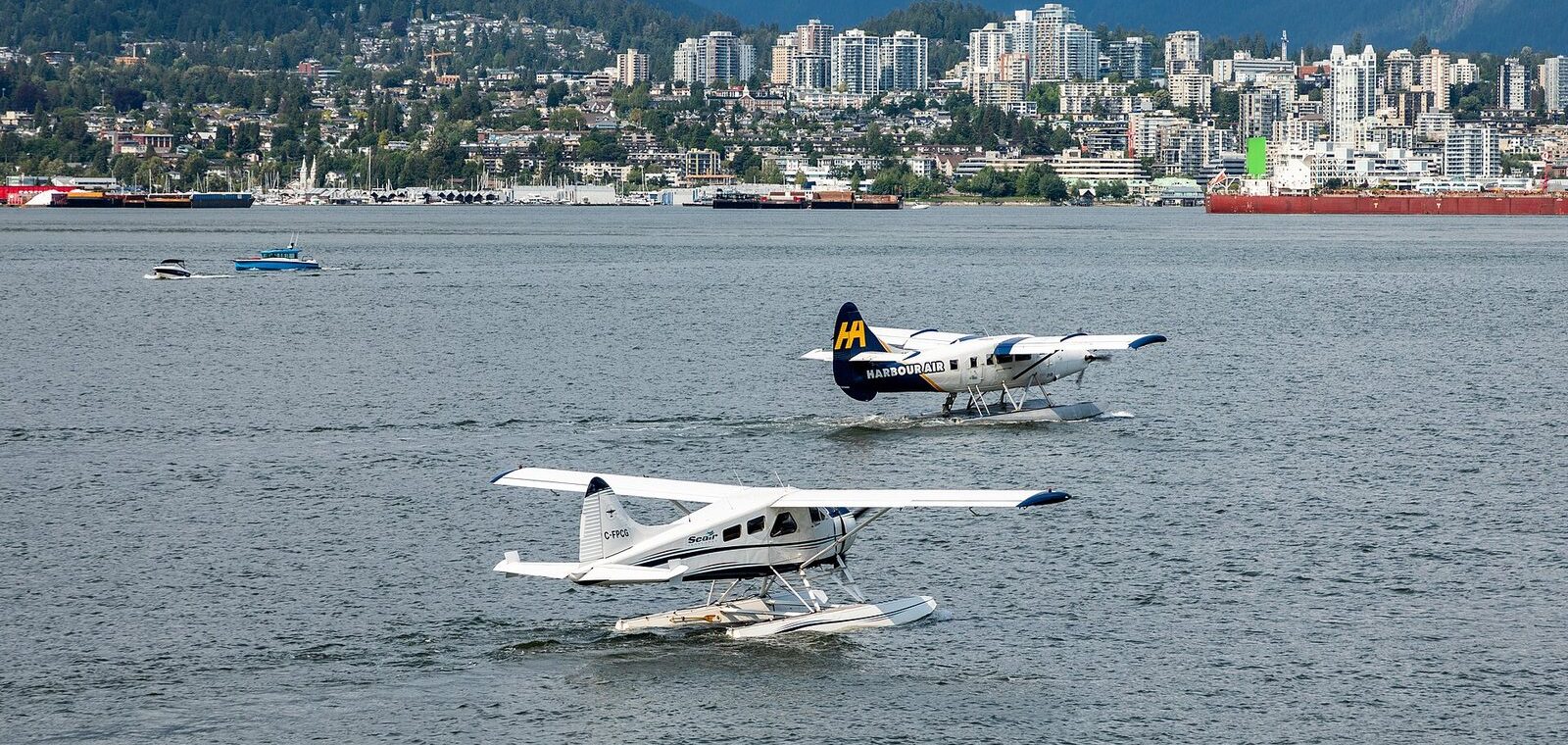
Yes, once, on a clear day. A Vancouver seaplane tour is the only way to see how the city actually fits together: the peninsula, Stanley Park’s forest, the Lions Gate Bridge, the North Shore mountains and the islands beyond, all in a single sweep that no viewpoint on the ground can match. It’s also the tour most likely to be the highlight people talk about afterward.
Harbour Air runs the flights from its terminal in Coal Harbour, steps from Canada Place and Jack Poole Plaza. Its own comparison, published in October 2025, puts the Vancouver Classic Panorama, about 20 minutes over Stanley Park, English Bay, the bridge and downtown, at around C$160 to start, with the Extended Panorama of about 45 minutes, out over Howe Sound and the Gulf Islands, running up to C$300 or more. Harbour Air’s advice is to book at least a week ahead in summer if you want a particular time.
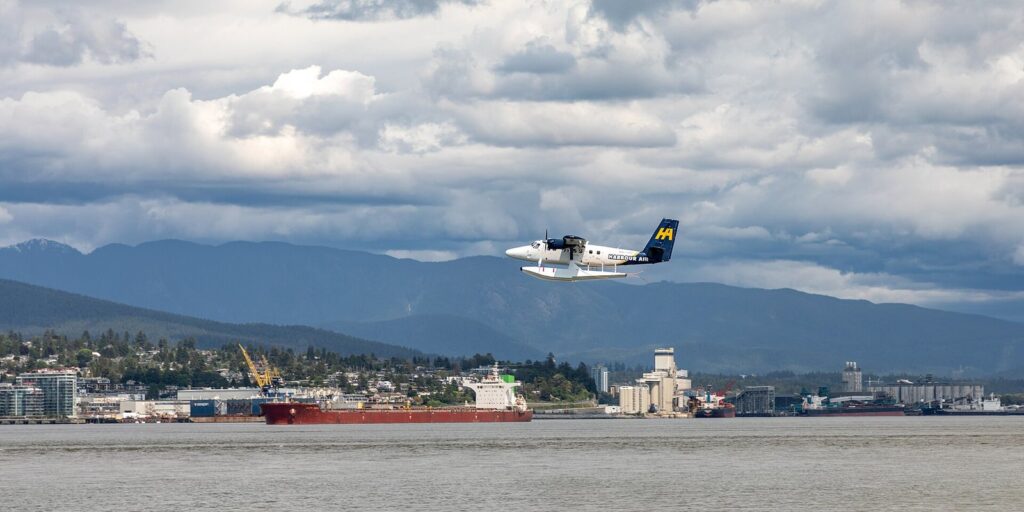
A few things make the money go further. Fly in the morning or late afternoon for softer light, and check the forecast rather than committing weeks out in the rainy season: low cloud over the North Shore turns a scenic flight into a grey one. If you’re heading to Victoria anyway, consider flying one way on Harbour Air’s scheduled harbour-to-harbour service instead of taking the ferry. You get most of a scenic flight, and you skip two ferry-terminal transfers.
Verdict: the single tour most worth splurging on, as long as the weather cooperates.
What about helicopter tours?
A Vancouver helicopter tour costs noticeably more per minute than a seaplane, with fewer departures and smaller groups. Over the city itself, the view isn’t dramatically different from what a floatplane gives you. Where helicopters earn their price is in the mountains: the glacier-landing flights sold out of Squamish and Whistler put you on snow and ice that would otherwise take days to reach on foot.
Verdict: for a proposal, a milestone birthday or a glacier landing. For city views on a budget, the seaplane wins.
Which boat tours are worth it?
Vancouver is a harbour city, and getting out on the water is part of understanding it. The question is how much you pay for the privilege.
Harbour cruises
Harbour Cruises, the long-standing operator at the foot of Denman Street by Stanley Park, currently sells a Vancouver Harbour Tour, a brunch cruise, an evening dinner cruise and a longer Indian Arm cruise. A basic Vancouver harbour cruise loops past Canada Place, the container terminals, the North Shore and Stanley Park’s shoreline with commentary, and it’s pleasant rather than thrilling. It’s best for visitors who want an easy hour on the water, including grandparents and small children.
Indian Arm
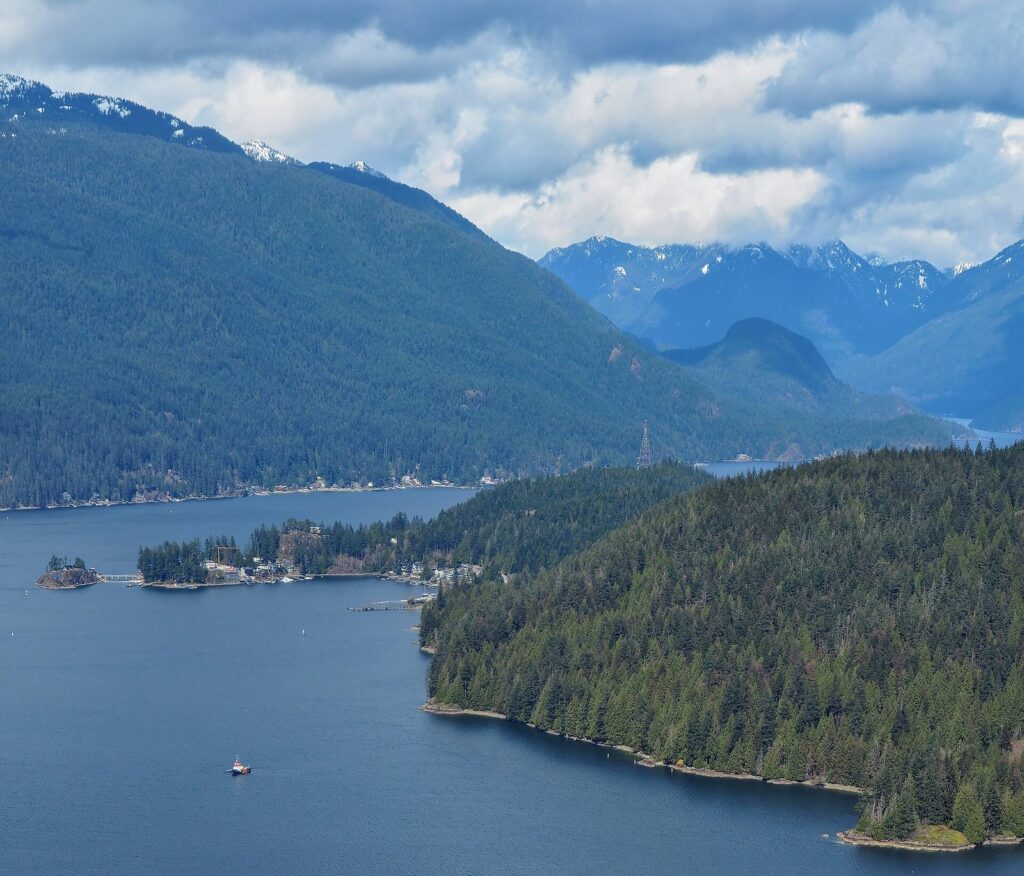
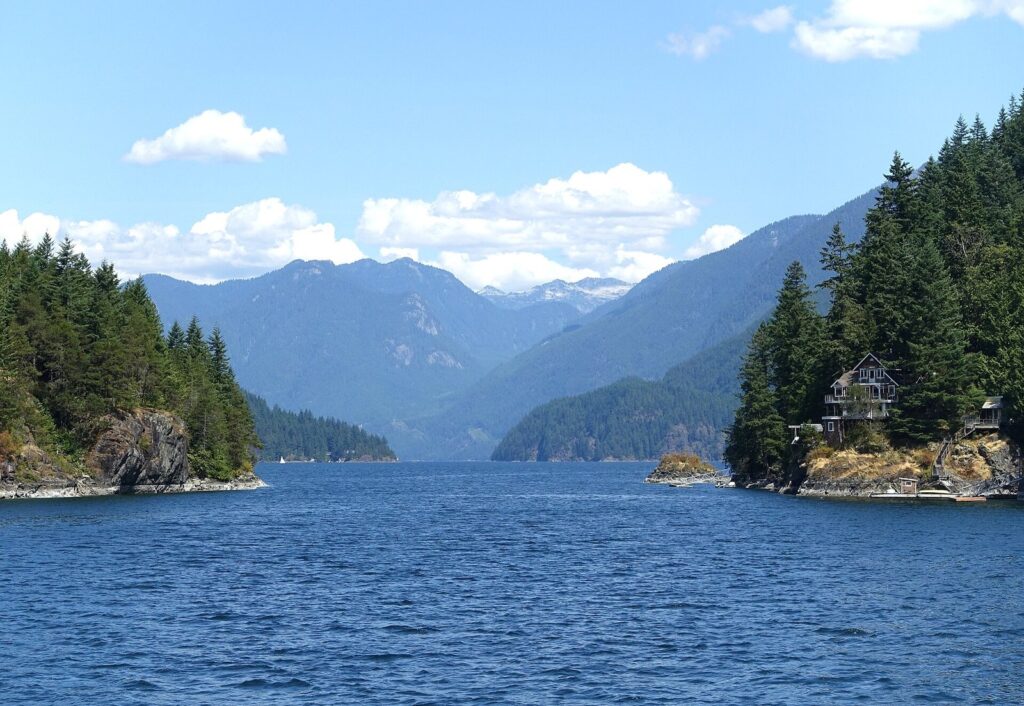
Indian Arm is the better boat trip. It’s a steep-sided fjord running north from Burrard Inlet past Deep Cove, with waterfalls, forested cliffs and cabins reachable only by boat, all within an hour of downtown. You can see it on a longer cruise, on the faster open-boat tours that run from downtown and Granville Island in summer, or under your own power on a guided or rented kayak out of Deep Cove, which the kayaking and paddleboarding guide covers.
Whale watching
Whale-watching boats leave from downtown, Granville Island and Steveston and run out into the Salish Sea toward the Gulf Islands, where orcas and humpbacks feed. Trips are long, typically three to five hours, and the good operators follow a viewing code that keeps boats at a distance, so bring binoculars. The whale watching guide compares departures and the season.
The budget version
For harbour views alone, the best deal in the city is the SeaBus. The 12-minute crossing to Lonsdale Quay costs a regular transit fare: C$5.10 by tap on a weekday daytime, since North Vancouver is zone 2, or C$3.50 in the evening and at weekends. Ride over for lunch at the Quay, ride back at sunset, and you’ve had most of what a basic harbour loop offers. The little False Creek ferries do the same for False Creek.
Verdict: go for Indian Arm or whales if you’re buying one boat trip. Take the SeaBus for the harbour.
Is the hop-on hop-off bus worth it?
Two operators sell hop-on, hop-off sightseeing loops, Great Canadian Trolley and Big Bus, with stops around Canada Place, Gastown, Chinatown, Granville Island and Stanley Park. When checked in September 2026, their adult day tickets started at roughly C$62 to C$66 on their own sites, with two-day options; check the current fare and seasonal schedule before you go.
The honest problem is that the Vancouver hop on hop off bus covers a compact core that’s walkable and well served by transit: a TransLink DayPass is C$12.55 and takes you almost everywhere on the same loop. Where the bus earns its fare is for visitors who find walking hard, for a first-day overview when you’ve just arrived and can’t face a map, and in Stanley Park, where regular transit barely goes.
Verdict: skip it if you can walk a couple of kilometres at a time. Buy it without guilt if you can’t.
Which walking tours are worth your time?
Walking tours are the best-value way to understand Vancouver, and most visitors should book one early in the trip. The categories worth knowing:
- Free, tip-based tours cover downtown, Gastown and Granville Island, and they’re a good first-morning orientation. Pay the guide what the tour was worth; see free walking tours in Vancouver.
- History tours of Gastown and Chinatown explain the city’s rough start and the Chinese community’s fight for its place in it. If you prefer to go alone, the Gastown walking guide and the Chinatown heritage walk work as self-guided routes.
- Food tours are the tastiest way to cover ground, especially in Chinatown, Granville Island and Richmond. The Vancouver food tours guide compares them.
- Indigenous-led walks, including plant-knowledge walks through Stanley Park’s forest, are the tours most likely to change how you see the city. The Indigenous tours guide covers who runs them.
Two niche formats are worth a word. A Vancouver film location tour makes sense once you know how much gets shot here: the city has stood in for everywhere from Seattle to New York, and series from The X-Files to Riverdale filmed on its streets, with Steveston doubling as Storybrooke in Once Upon a Time. And a Vancouver ghost tour, usually an evening walk through Gastown and Chinatown, leans on real history: saloons, opium dens and the Great Fire of 1886 that burned the young city to the ground in under an hour. Both are more fun than essential.
Verdict: book one guided walk, food or Indigenous-led for choice, in your first two days. It makes everything after it more interesting.
Are bike tours a good idea?
Vancouver is one of North America’s easier cities to cycle, with separated bike lanes downtown and the Seawall’s flat, car-free path around Stanley Park and along False Creek. A Vancouver bike tour is a good first-day activity: a guide handles the route and adds the stories, and you cover far more ground than on foot. For the Stanley Park loop alone, though, you don’t need a guide. Rent a bike near Denman Street, ride the Seawall counter-clockwise as the one-way rule requires, and stop wherever you like. Guided tours earn their price on the longer routes that thread through neighbourhoods, or on e-bikes up to viewpoints you wouldn’t pedal to. The biking guide has rentals, rules and routes, including the Mobi bike-share system.
Verdict: rent for Stanley Park; book a guide for a half-day neighbourhood ride.
Should you book a guided day trip?
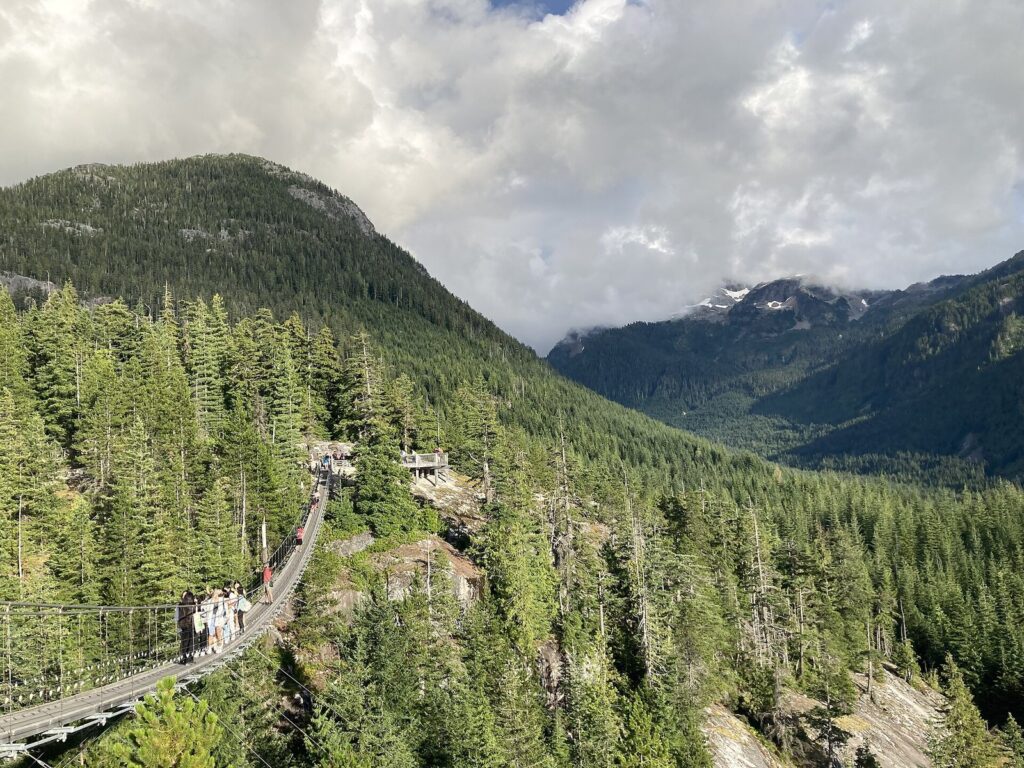
The day tours from Vancouver that sell best head to Whistler along the Sea to Sky Highway, to Victoria by ferry, and to the Sea to Sky Gondola in Squamish, often combined with the Capilano Suspension Bridge or Shannon Falls. They make sense if you don’t want to drive, don’t want to deal with ferry reservations, or are travelling alone and would rather have company.
Know what you’re signing up for. A Victoria day tour is a 12-hour-plus day, because the ferry crossing alone is 1 hour 35 minutes each way and the terminals are far from both city centres. Whistler is roughly two hours each way on the highway, leaving four or five hours in the village. Before booking, check whether ferry fares, gondola tickets and admissions are included or extra, how big the group is, and where pickup actually happens. A small van group and a full coach are very different days.
| Day trip | Travel each way | Time there on a typical tour | Easy to do yourself? | Guided tour worth it? |
|---|---|---|---|---|
| Victoria | 3 to 3.5 hours, including the ferry | 5 to 6 hours | Needs ferry bookings and transfers | Yes, if you’re car-free and short on time |
| Whistler | About 2 hours by road | 4 to 5 hours | Yes, by car or scheduled bus | Only if you won’t drive |
| Squamish and the Sea to Sky Gondola | About 1 hour | 2 to 4 hours | Yes, by car | Usually not |
| Fraser Valley wineries | 45 to 60 minutes | Half a day | Only with a designated driver | Yes, for the tastings |
| Capilano and Grouse Mountain | 20 to 30 minutes | 2 to 3 hours each | Yes, by transit | No |
If you can drive, doing it yourself is usually cheaper and more flexible; the Vancouver to Whistler, Vancouver to Victoria and Squamish from Vancouver guides explain how, and the day trips from Vancouver guide covers the rest.
Verdict: worth it for Victoria if you’re car-free and short on time; for Whistler, the bus or your own car is often better value.
Which mountain and bridge tickets are worth buying?
The North Shore’s paid attractions sit in many tour packages, and they’re easy to do independently. Which ones justify the ticket depends on what you want from the day.
Capilano Suspension Bridge Park
The famous bridge is about 140 m long and 70 m above the Capilano River, and the park adds treetop walkways between old Douglas firs and a cantilevered cliffside walk. It’s pricey and often crowded, but it’s polished, easy for all ages and a short trip from downtown. Go at opening time or late in the day to avoid the tour-bus peak. Verdict: worth it once, if you do all three parts. See the Capilano Suspension Bridge guide.
Lynn Canyon Park
Lynn Canyon, run by the District of North Vancouver, has its own suspension bridge over a deeper, wilder-feeling canyon, plus swimming holes, waterfalls and forest loops. It’s less manicured and less expensive to visit than Capilano, and it rewards anyone happy to walk. Verdict: the better choice for hikers and budget travellers; see the Lynn Canyon guide.
Grouse Mountain
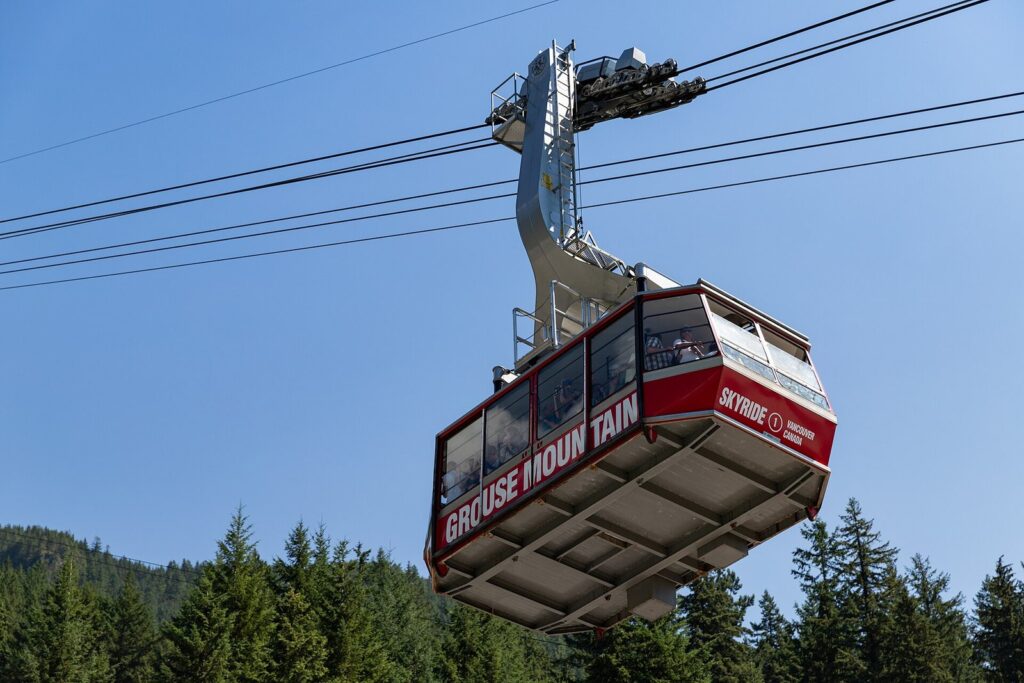
The Skyride carries you to the summit for city views, trails and, in winter, skiing. The athletic alternative is the Grouse Grind, a 2.9 km staircase of a trail climbing 853 m, after which hikers buy a one-way ticket to ride back down. Verdict: go on a clear day, or not at all. From the top in cloud, the famous view is a white wall.
Sea to Sky Gondola
An hour north in Squamish, the gondola climbs above Howe Sound to a suspension bridge, viewing platforms and trails that range from strolls to serious hikes. The views of the fjord and the Stawamus Chief are among the best you can reach without a long hike. Verdict: the best mountain view per hour of travel, if you have a car or a tour.
Where can you go ziplining near Vancouver?
For ziplining near Vancouver, you have two choices: the courses up on the North Shore mountains, reachable in half an hour from downtown, and the bigger, faster lines in Whistler, where zip courses cross the valley between Whistler and Blackcomb mountains. Most run in summer, and a few operate in winter too. They’re a thrill rather than a way to see the region, so book one if it’s on your list and skip it if it isn’t.
If what you want is height and forest rather than speed, there are gentler options. The Capilano Suspension Bridge includes treetop walkways and a cliffside walk in its admission, the Sea to Sky Gondola has a suspension bridge at the top, and the UBC Botanical Garden runs a canopy walkway in season.
Which tours suit your kind of trip?
Different trips want different tours. This narrows the list quickly.
| If you’re | Book | Skip |
|---|---|---|
| On a first visit of three or four days | One seaplane flight or Indian Arm cruise, plus one guided walk | Half-day coach tours |
| Travelling with young kids | A one-hour harbour cruise, the False Creek ferries, a suspension bridge | Five-hour whale-watching trips |
| A couple | A sunset flight or dinner cruise, a food tour | Big-group coaches |
| On a tight budget | Free walking tours, the SeaBus, a DayPass and the Seawall | Hop-on hop-off and basic harbour loops |
| In port for one day | A seaplane flight, a Gastown walk, a bike loop of Stanley Park | Anything that crosses a bridge at rush hour |
| Visiting from October to April | Food, walking and Indigenous-led tours; mountain outings on clear days | Non-refundable scenic flights booked far ahead |
| Car-free and short on time | A guided Victoria or Whistler day trip | Renting a car for a day in the city |
Which tours work best with kids?
With children, shorter and more hands-on beats longer and more scenic. A one-hour harbour cruise holds attention; a five-hour whale-watching trip often doesn’t, unless your kids are already wildlife-obsessed, so check each operator’s minimum age and choose the shortest departure. The False Creek ferries are a tour in miniature, and they land at Granville Island’s Kids Market. Suspension bridges, treetop walkways and the Grouse Mountain Skyride deliver the “wow” in small doses, and bike rentals with trailers or tag-alongs make the Stanley Park Seawall manageable for small legs.
One family classic is off the list for now: the Stanley Park miniature train hasn’t run since a safety incident in December 2024, so don’t build a day around it. The Vancouver with kids guide has age-by-age ideas, and the Vancouver Aquarium guide covers the easiest rainy-day win in Stanley Park.
Which tours suit couples?
For couples, timing matters more than the tour. A seaplane flight or boat trip in the late afternoon catches the low light on the mountains and the city, and an evening dinner cruise turns the harbour into the view for a whole meal. A small-group food tour is a good second date with the city: you share plates, talk to a guide who knows the neighbourhood, and end up with a list of places to come back to. If you’re planning the whole trip around romantic things to do in Vancouver, pair one splurge tour with the free sunsets at English Bay and Spanish Banks, which no ticket improves on.
Which experiences work on a rainy day?
Rain cancels views, not Vancouver. The experiences that hold up best when it’s pouring:
- Food tours and markets. They duck in and out of shops and restaurants, and the food halls and markets are warm and dry.
- FlyOver Canada. The flight-ride at Canada Place gives you the country’s landscapes on a giant screen whatever the weather; the FlyOver Canada review weighs whether it’s worth the ticket.
- Brewery tastings. East Van’s taprooms are the local answer to a wet afternoon; the best breweries guide picks them.
- Museums. The Museum of Anthropology at UBC can fill a whole wet day on its own.
- Walking tours, with a good jacket. Gastown and Chinatown have short blocks and plenty of awnings, and guides don’t cancel for drizzle.
The rainy day Vancouver guide has more.
What runs in each season?
- Summer (late June to early September): everything runs, and the best departures sell out. Book seaplanes, whale watching and small-group day trips at least a week ahead, and popular food tours several days out.
- Spring and early fall (April to June, September to mid-October): the sweet spot. Whale-watching trips are running, boat tours are back on full schedules, and prices and crowds are lower than in August. Early fall is also when salmon return to the North Shore’s rivers.
- Late fall and winter (mid-October to March): some boat tours stop or cut back, and the weather decides whether flights go. Walking, food and Indigenous-led tours carry on, the North Shore mountains switch to skiing and snowshoeing, and December brings holiday light displays. With BC no longer falling back, winter sunsets from November 2026 arrive about an hour later than they used to, which gives late-afternoon tours more daylight.
What if you have limited mobility?
Ask before you book, because access varies a lot between operators and even between boats. Seaplanes need a step from the dock onto a float and up into the cabin; staff can often help, but call ahead. Larger harbour-cruise vessels are generally easier to board than small open boats, which usually aren’t suitable for wheelchairs. Hop-on hop-off vehicles differ: some older trolley-style buses have steps. Walking tours typically cover 2 to 3 km at a gentle pace with stops; ask about distance and hills. Ask Capilano and the Sea to Sky Gondola which parts of their sites are step-free; Lynn Canyon’s trails involve stairs. On a slow day, the SeaBus and the Seawall are step-free and free of any ticket beyond a transit fare.
Which popular tours can you skip?
- Bus tours of Stanley Park. The park’s highlights are on the Seawall, and the totem poles at Brockton Point are outdoors, free and always open. Walk or bike it instead; the Stanley Park guide has routes.
- Half-day “city highlights” coaches. Much of the time goes on traffic and hotel pickups, and every stop is reachable on foot or by SkyTrain.
- Basic harbour loops, if you’re on a budget. The SeaBus gives you the same harbour for a transit fare.
- Rushed two-attraction combos. Packages that squeeze Capilano and Grouse Mountain into one short tour give you little time at either. Do one properly.
- Anything weather-dependent booked non-refundably in November. Low cloud and rain can erase the view you paid for.
How do you book tours without overpaying?
Book directly with the operator where you can. Reseller sites add fees, and when a seaplane or boat is cancelled for weather, dealing with the operator is simpler than dealing with a middleman. Most water and air operators cancel for unsafe weather and offer a rebooking or refund, but read the policy before you pay, particularly for anything booked months ahead.
- Time it right. July and August sell out first; May, June and September have the same tours with fewer people. Some water tours stop running entirely between late fall and spring.
- Leave a buffer on cruise days. Pick tours that return well before all-aboard. The Vancouver cruise excursions guide lists sensible options by length.
- Check the passes. Multi-attraction passes can save money if you’d visit the included sights anyway; the Vancouver tourist pass guide does the maths.
- Budget for tips and tax. Guides are usually tipped 10 to 20%, and most tour prices are listed before tax. The Vancouver travel tips guide explains both.
Finally, don’t let tours eat the whole trip. Some of the best things in Vancouver, the Seawall, the beaches and the neighbourhoods covered in the Vancouver neighbourhoods guide, cost nothing and need no guide at all.
How much should you budget for tours?
A sensible tour budget for a four-day first visit looks like this: one splurge, such as a seaplane flight from around C$160 or a whale-watching trip, which typically runs over C$150; one guided walk, either tip-based or a paid food or Indigenous-led tour in the C$50 to C$150 band; and everything else on transit, at C$3.50 a trip or C$12.55 for a DayPass. That adds up to roughly C$250 to C$450 per person, plus tips and tax, for a trip that feels guided without being over-scheduled.
There are two easy ways to spend less. Families can swap the flight for a harbour cruise and let the SeaBus and the False Creek ferries do the rest of the boat time. Budget travellers can build a whole trip around free walking tours, the Seawall and the beaches, and pay only for one experience they really care about. The Vancouver on a budget guide has the free alternatives to almost every paid tour.
Vancouver tours FAQ
What is the best tour in Vancouver for first-time visitors?
If the weather is clear, a 20-minute seaplane flight over the harbour gives the best sense of the city’s layout in the shortest time. On a budget or on a rainy day, a walking tour of Gastown and Chinatown, or a food tour, does more for your understanding of Vancouver than any bus. Many visitors combine one of each on their first two days.
How much does a seaplane tour in Vancouver cost?
Harbour Air, which flies from Coal Harbour next to Canada Place, gives its 20-minute Vancouver Classic Panorama a starting price of around C$160 per person and its 45-minute Extended Panorama up to about C$300 or more, according to its own October 2025 comparison. Prices vary with the date, so check the operator’s site when you book.
Are Vancouver tours worth it in the rain?
Some are and some aren’t. Walking, food and Indigenous-led tours carry on in the rain and are still worthwhile with a good jacket. Seaplane, helicopter and viewpoint tours lose most of their value under low cloud, so book those with flexible or refundable terms from October to April, and check the forecast the day before.
Do you need to book Vancouver tours in advance?
In July and August, yes, for anything with limited seats: seaplanes, whale watching, small-group day trips and popular food tours can fill a week or more ahead. Outside summer, a few days’ notice is usually enough. Free walking tours generally ask you to reserve a spot online but rarely fill completely.
What tours can you do from the cruise terminal?
Canada Place is steps from the Harbour Air seaplane terminal, the Seawall into Stanley Park and Waterfront station, so seaplane flights, walking tours of Gastown, bike rentals near Denman Street and the SeaBus to North Vancouver all fit a port day. Choose tours that return at least two hours before all-aboard.
Should you tip tour guides in Vancouver?
Yes. On paid tours, 10 to 20% of the ticket price is customary for a guide who did a good job, and drivers on full-day trips are usually tipped too. On free walking tours the tip is the guide’s whole income, so pay what the tour was worth to you. Tipping is always in Canadian dollars, and cash or a card tap both work.
Related Vancouver guides
- Things to Do in Vancouver: the attractions to pair with a tour, and the ones you can do alone
- Outdoors in Vancouver: hikes, beaches and paddling for when you’d rather go unguided
- Vancouver Cruise Port Guide: how to fit tours around embarkation and port days
- Vancouver on a Budget: free alternatives to the paid tours
- Vancouver Culture and History: museums and Indigenous experiences worth building a day around
Sources and verification
Checked on September 25, 2026 against the operators and agencies listed below. This guide was compiled from their published information rather than from other travel lists or reseller rankings, and it doesn’t claim first-hand visits or tours. Prices are the operators’ own published starting points, dated where they date them, and change with season and demand.
- Harbour Air: Comparing Vancouver seaplane tours (October 2025); Scenic flights and tours
- Harbour Cruises: Cruises and tours
- Great Canadian Trolley: Hop-on, hop-off sightseeing
- Big Bus Tours: Vancouver bus tours
- TransLink: Pricing and fare zones
Photo credits
- Floatplane taking off, Vancouver Harbour (2022): photo by Dietmar Rabich, Wikimedia Commons (CC BY-SA 4.0)
- Indian Arm (2015): photo by Daderot, Wikimedia Commons (CC0)
- Sea to Sky Gondola suspension bridge (2022): photo by DarkNight0917, Wikimedia Commons (CC BY-SA 4.0)
- Grouse Mountain Skyride (2018): photo by dronepicr, Wikimedia Commons (CC BY 2.0)
- Burrard Inlet and Indian Arm from Burnaby Mountain (2022): photo by The Cosmonaut, Wikimedia Commons (CC BY-SA 2.5 ca)
- Floatplanes in Vancouver Harbour (featured image): photo by Dietmar Rabich, Wikimedia Commons (CC BY-SA 4.0)